分类: politics

  • ‘I can’t believe it’ – Joy and uncertainty in Florida’s ‘Little Venezuela’

    ‘I can’t believe it’ – Joy and uncertainty in Florida’s ‘Little Venezuela’

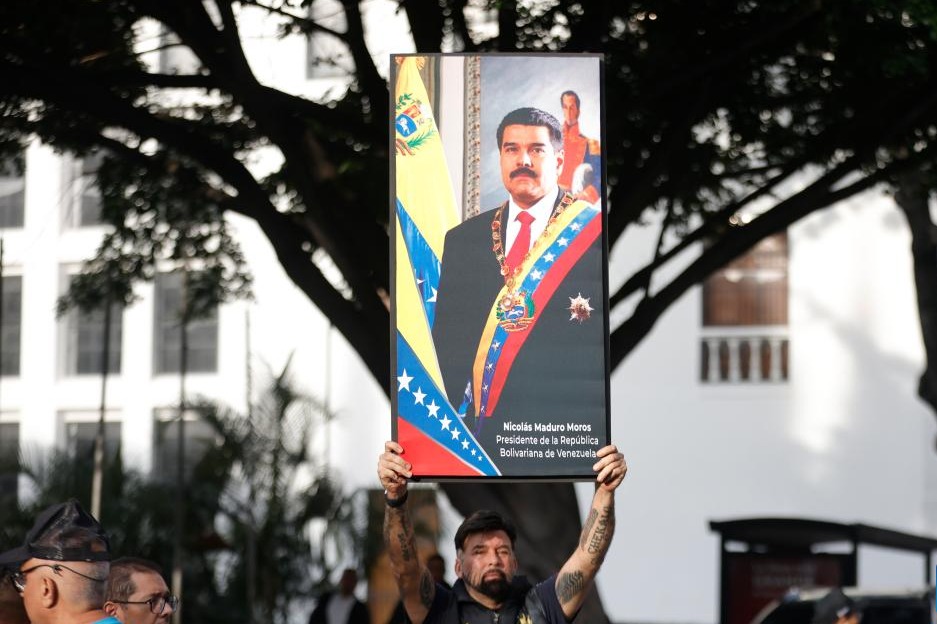
    In the predawn hours of Saturday, a seismic shift in Venezuelan politics unfolded as U.S. special forces executed a dramatic operation to capture President Nicolás Maduro from his compound. The event triggered spontaneous celebrations across Miami’s Venezuelan diaspora, particularly in Doral where over 40% of residents claim Venezuelan heritage.

    For Rosana Mateos, a Florida resident since 2012, the news realized years of recurring dreams about Maduro’s downfall. “My husband woke me saying they caught Maduro. I couldn’t believe it,” she recounted, describing the emotional moment she learned of the development many Venezuelan exiles had long anticipated.

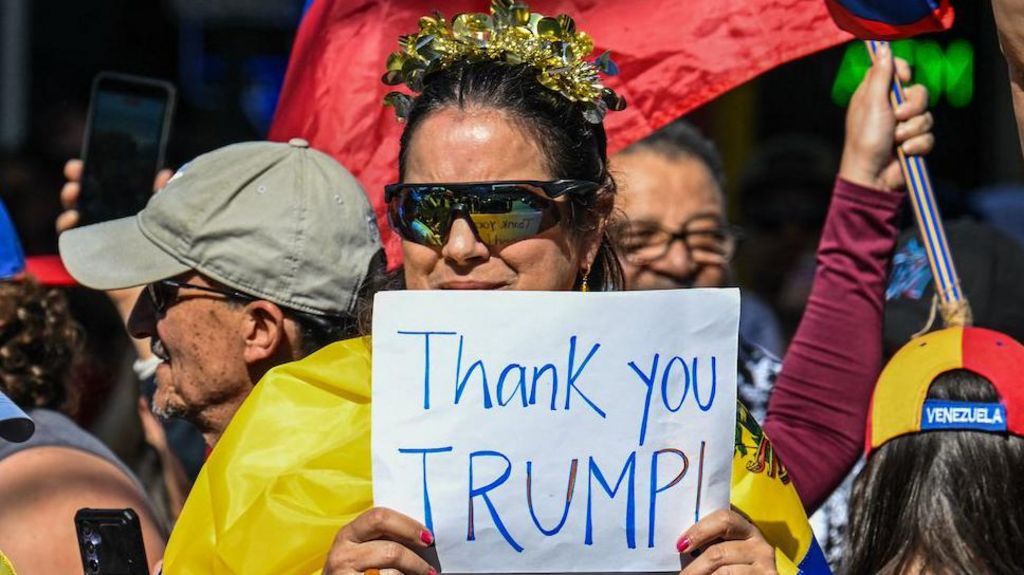
    The epicenter of celebrations emerged at El Arepazo restaurant, where hundreds gathered by noon with flags, music, and car horns creating a festival atmosphere. Bryan Marquez, who emigrated just two years ago from Tachira state, struggled to articulate his emotions: “We suffered under them. It was humiliating. That’s why so many of us left.”

    Many attendees credited U.S. President Donald Trump for enabling their longed-for political change. “It’s an indescribable feeling,” Marquez added. “He’s really helped us… I don’t know what to say, except thank you.”

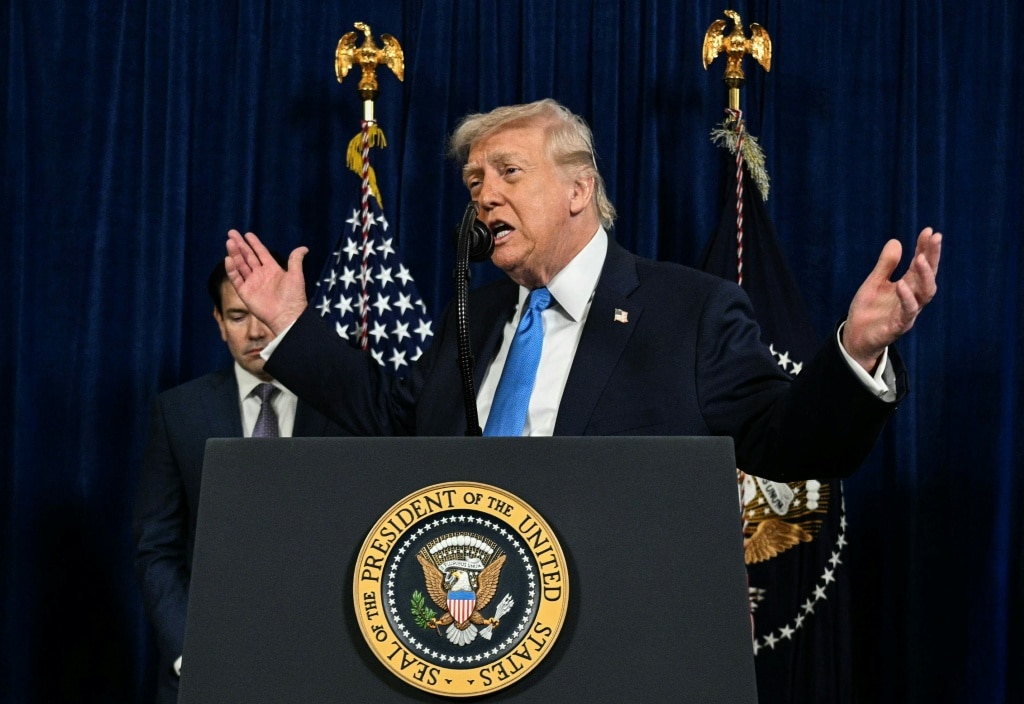
    Yet beneath the celebrations simmered uncertainties about Venezuela’s political future. Trump’s press conference remarks created confusion, particularly his statement that the U.S. “is going to run Venezuela through a team that’s working with the people,” and his dismissal of opposition leader María Corina Machado’s governing capabilities.

    Mateos expressed strong objections to any continued involvement of Maduro regime figures: “We do not accept a government of Delcy Rodriguez, or anyone that was part of the Maduro regime. They are dirty and corrupt.”

    Some analysts within the community suggested Trump might need to maintain temporary oversight. “Donald Trump will have to do it for now,” commented marketing professional Elkin, who predicted the U.S. president would “move Venezuela towards a more inclusive transition.”

    The events marked both a culmination of exile aspirations and the beginning of new political uncertainties for Venezuela’s future.
  • Venezuela’s top court orders VP Delcy Rodriguez to be acting president: media

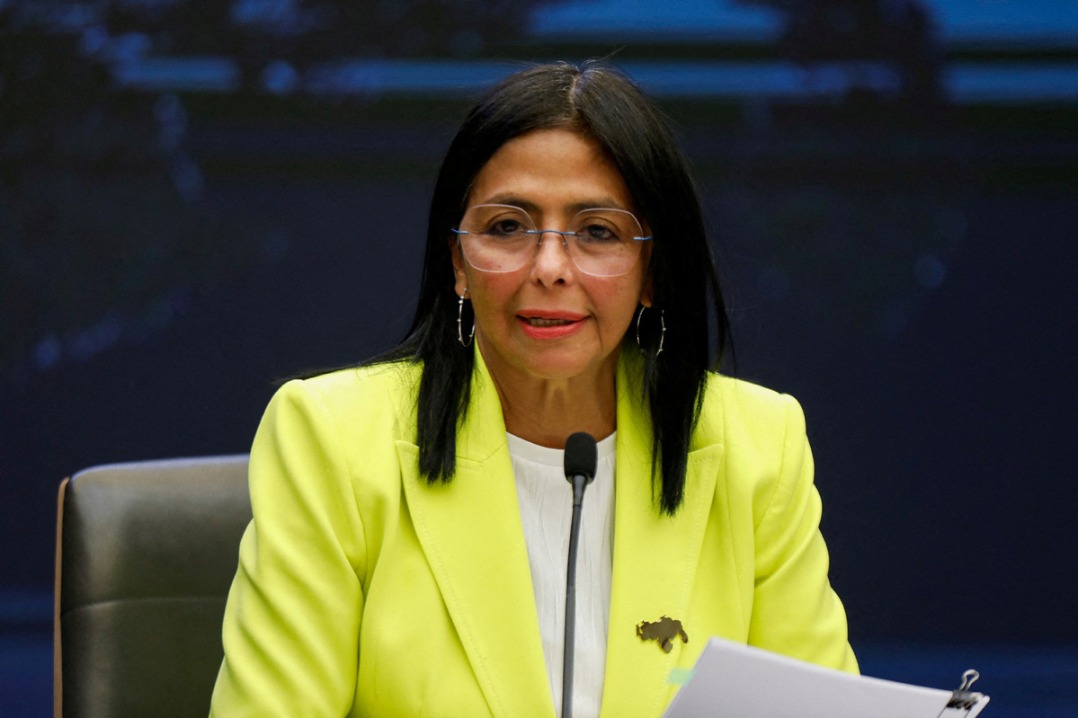
    Venezuela’s top court orders VP Delcy Rodriguez to be acting president: media

    In a significant political development, Venezuela’s Supreme Court has officially designated Vice President Delcy Rodríguez as the nation’s acting president. This judicial directive comes amid heightened political tensions and follows recent military actions by foreign powers in the South American country.

    The appointment, reported by multiple media outlets on January 4, 2026, represents a constitutional response to the extraordinary circumstances facing the Venezuelan government. Rodríguez, who previously served as Venezuela’s vice president, now assumes the highest office temporarily through judicial mandate rather than electoral process.

    This transition occurs against the backdrop of captured former president Nicolás Maduro, whose detention resulted from recent international military operations targeting Venezuela’s leadership. The Supreme Court’s intervention demonstrates the continuing functioning of Venezuela’s judicial institutions despite external pressures and internal political challenges.

    Rodríguez’s ascension to acting president marks a critical juncture in Venezuela’s ongoing political crisis, which has drawn international attention and involved multiple foreign governments. The judicial order provides constitutional continuity while the nation navigates complex geopolitical tensions and domestic uncertainty.

    The development follows statements from Rodríguez herself, who previously affirmed Maduro as ‘the only president’ of Venezuela, indicating the complex political calculations underlying this judicial appointment. International observers are closely monitoring how this transition will affect regional stability and diplomatic relations.

  • US faces domestic criticism over military operation in Venezuela

    US faces domestic criticism over military operation in Venezuela

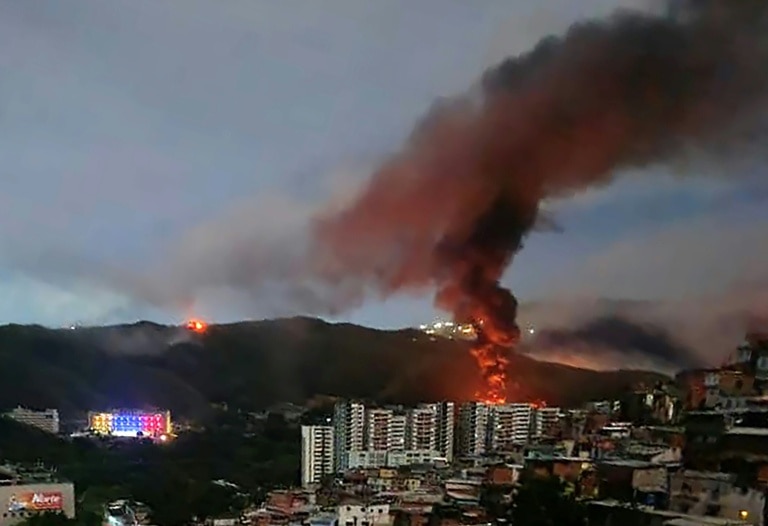
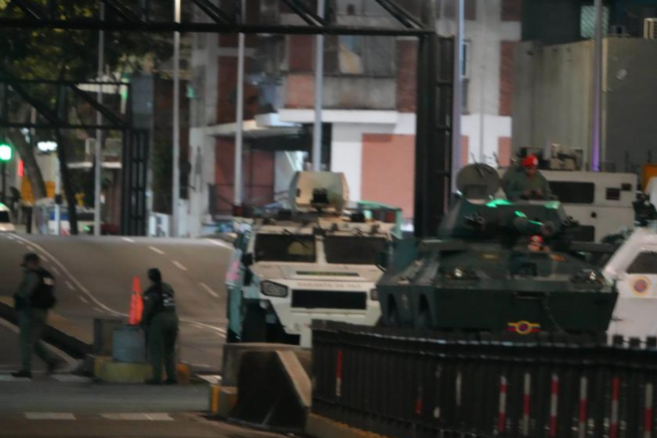
    Washington, D.C. – January 4, 2026: The United States faces mounting domestic criticism following a controversial military operation that resulted in the capture and extradition of Venezuelan President Nicolas Maduro and First Lady Cilia Flores. The pre-dawn strikes on Saturday targeted key military installations in Caracas, including Fort Tiuna and La Carlota Air Base, culminating in the apprehension of the Venezuelan leaders who were subsequently transported to New York for federal processing.

    The operation has triggered a constitutional confrontation between the executive and legislative branches, with Democratic lawmakers leading charges of illegal warfare and executive overreach. Senator Tim Kaine condemned the action as “an unauthorized military attack” that represents “a sickening return to hemispheric domination policies.” Kaine announced plans to force a Senate vote on the War Powers Resolution as early as Tuesday, seeking to constrain presidential military authority.

    Congressional criticism extended beyond partisan lines, with Representative Thomas Massie questioning the legal foundation: “If this operation were constitutionally sound, authorities wouldn’t reference a 1934 firearm law to justify arresting a foreign leader.” The administration faces accusations of misleading Congress about operational objectives, with Senator Andy Kim stating officials “lied to Congress about goals in Venezuela.”

    The political discourse reveals divergent perspectives on the operation’s motivations. Multiple lawmakers and social media commentators allege resource-driven intentions, with Representatives Alexandria Ocasio-Cortez and Mark Pocan characterizing the action as prioritizing “might over right” for oil access. Conservative commentator Ana Navarro rejected Trump’s assertion that the US should “manage” Venezuela, calling the concept “insane” and “completely unhinged.”

    While most Republican lawmakers supported the operation as a decisive strike against narco-terrorism, significant intra-party objections emerged. Senator Mike Lee demanded clarification on constitutional justification, and Representative Marjorie Taylor Greene criticized selective foreign intervention, questioning why similar actions aren’t taken against Mexican cartels.

    The captives arrived at Stewart Air National Guard Base before transfer to Brooklyn’s Metropolitan Detention Center. New York City Mayor Zohran Mamdani, briefed on detention plans, declared the capture “an act of war and violation of federal and international law.”

    Social media platforms amplified public skepticism, with users across Reddit, X, and YouTube drawing parallels to historical resource conflicts and questioning the drug trafficking justification. The digital discourse reflects widespread skepticism about official narratives, with many commentators interpreting the operation as a pretext for securing energy resources rather than addressing narcotics trafficking.

  • Portugal’s presidential election draws 11 candidates, making a later runoff vote likely

    Portugal’s presidential election draws 11 candidates, making a later runoff vote likely

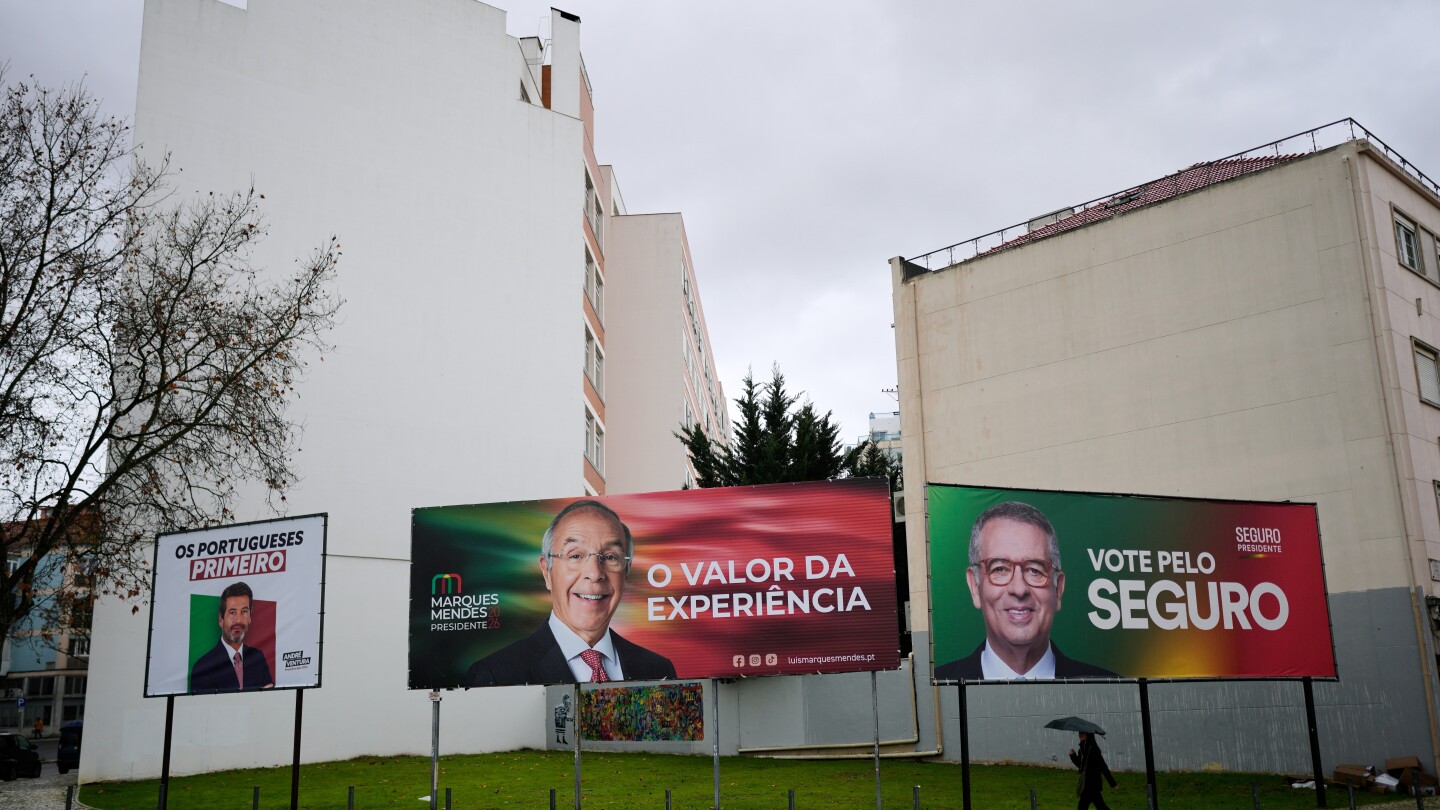
    LISBON, Portugal — Portugal’s political landscape has entered a critical phase as an unprecedented field of 11 presidential candidates officially commenced their campaigns on Sunday, marking the start of a fiercely contested two-week campaign period ahead of the January 18 election. Political analysts predict that the exceptionally crowded field will likely prevent any single candidate from securing an outright majority, necessitating a runoff election between the top two contenders on February 8.

    Recent opinion polls indicate that the frontrunners include representatives from Portugal’s two dominant political forces that have governed the nation for the past half-century: Luís Marques Mendes of the ruling center-right Social Democratic Party and António José Seguro from the opposition center-left Socialist Party. However, these established political figures face formidable challenges from emerging forces, notably André Ventura, whose populist anti-immigration Chega party achieved a remarkable political breakthrough last year by becoming Portugal’s second-largest parliamentary party. Another significant contender is retired Rear Admiral Henrique Gouveia e Melo, an independent candidate who gained widespread public admiration for his exceptional management of Portugal’s COVID-19 vaccination program.

    While the Portuguese presidency is primarily a ceremonial position without executive authority, the head of state plays a crucial constitutional role as an arbiter of political disputes and possesses substantial powers including legislative veto authority (subject to parliamentary override) and the ability to dissolve parliament and trigger snap elections. This election occurs against the backdrop of Portugal’s most severe political instability in decades, following three general elections within three years that concluded last May.

    The incoming president will immediately confront several contentious legislative matters, including a controversial citizenship bill that would establish new limitations on obtaining Portuguese citizenship and conditions for its revocation—legislation previously rejected by the Constitutional Court but returned to Parliament for reconsideration. Additional pressing issues awaiting presidential action include a package of labor reforms that has already provoked significant street protests and nationwide strikes, plus legislation permitting euthanasia and physician-assisted suicide that Parliament approved in 2022 but has been delayed due to constitutional challenges.

    Approximately 10.9 million registered voters are eligible to participate in this pivotal election that will determine Portugal’s political direction for the coming years.

  • Compatriots across Taiwan Strait urged to jointly promote national reunification

    Compatriots across Taiwan Strait urged to jointly promote national reunification

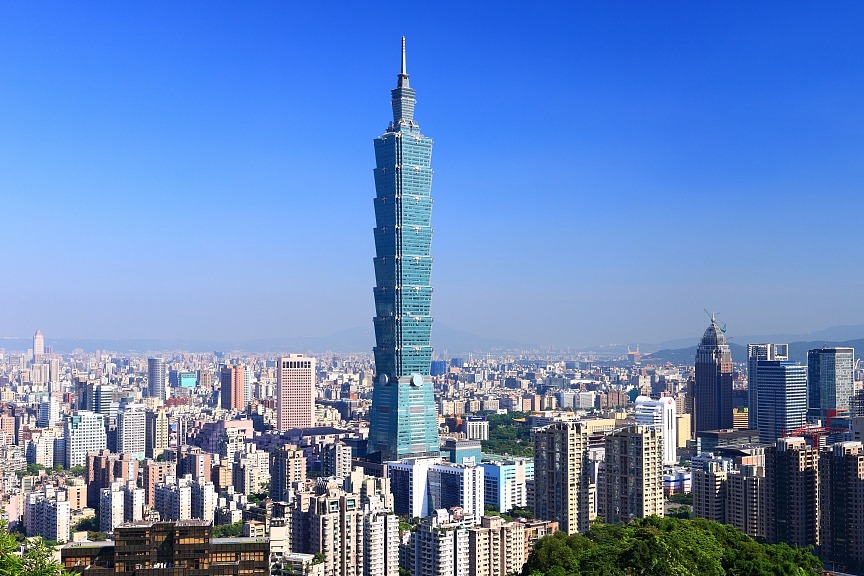
    In a significant New Year’s address, Zhang Zhijun, President of the Association for Relations Across the Taiwan Straits (ARATS), has issued a compelling call for collective action toward national reunification and the revitalization of the Chinese nation. The message, published in the inaugural 2026 edition of the journal “Relations Across Taiwan Straits,” extends heartfelt greetings to Taiwanese compatriots while reflecting on the progress made in cross-Strait relations throughout 2025.

    Zhang characterized the previous year as one of continued momentum building toward the ultimate goal of motherland reunification. The ARATS president highlighted the organization’s multifaceted efforts in countering separatist activities, fostering bilateral exchanges and cooperation, managing Taiwan-related emergencies, and protecting the rights and interests of compatriots on both sides of the Strait.

    Emphasizing the fundamental principle that both sides belong to one China and share the same national identity, Zhang articulated how the great rejuvenation of the Chinese nation would create substantial benefits for Taiwan compatriots and unlock brighter development prospects for the island.

    Looking forward to 2026, Zhang connected cross-Strait relations to China’s broader national agenda, noting that the mainland is embarking on its 15th Five-Year Plan journey. The comprehensive advancement of Chinese modernization and the building of a great country, he suggested, will achieve significant new accomplishments that will substantially strengthen the foundation for cross-Strait relations and provide solid guarantees for eventual national reunification.

  • US allies, foes alarmed by toppling of Venezuela’s Maduro

    US allies, foes alarmed by toppling of Venezuela’s Maduro

    A dramatic U.S. military operation culminating in the capture of Venezuelan President Nicolás Maduro has triggered widespread international condemnation, drawing sharp criticism from both American allies and adversaries alike. The pre-dawn assault on Caracas, which involved airstrikes and special forces, resulted in Maduro and his wife being transported to New York to face serious drug-trafficking and weapons charges.

    President Donald Trump’s declaration that the United States would ‘run’ Venezuela and access its substantial oil reserves, accompanied by an image of a blindfolded and handcuffed Maduro on a U.S. naval vessel, has intensified global scrutiny. The operation has sparked a complex diplomatic firestorm, revealing deep divisions in the international community’s response to unilateral military action.

    Nations with longstanding ties to Caracas, including China, Russia, and Iran, issued swift condemnations. China’s Foreign Affairs Ministry denounced the operation as a ‘clear violation of international law,’ while Russia demanded the immediate release of ‘the legally elected president of a sovereign country.’ Iran similarly condemned what it termed a ‘flagrant violation of national sovereignty.’

    Remarkably, Washington’s traditional European allies expressed significant reservations. France emphasized that no solution to Venezuela’s crisis could be externally imposed, with President Emmanuel Macron advocating for political transition under opposition figure Edmundo Gonzalez Urrutia. Spain warned the intervention ‘pushes the region toward a horizon of uncertainty and militarism,’ while Germany acknowledged the legal complexity of the operation despite recognizing Maduro’s disastrous leadership.

    The European Union collectively urged respect for international law while noting Maduro’s lack of legitimacy, though candidate country North Macedonia and Balkan allies Albania and Kosovo broke ranks to support Washington. Britain adopted a nuanced stance, with Prime Minister Keir Starmer stating the UK would ‘shed no tears’ over Maduro’s demise while planning discussions with U.S. counterparts about the evolving situation.

    Italy’s far-right Prime Minister Giorgia Meloni provided rare European support, characterizing the operation as ‘legitimate and defensive.’ Israel hailed American action as leadership of ‘the free world,’ while Ukraine focused criticism on Maduro’s repressive governance rather than addressing the military operation’s legality.

    Beyond official government reactions, United Nations Secretary-General Antonio Guterres expressed deep alarm, warning the operation could ‘constitute a dangerous precedent’ in international relations. The broader implications for regional stability were emphasized by Mexico and Colombia, with the latter predicting a humanitarian crisis resulting from what it termed an ‘assault on the sovereignty of Latin America.’

  • Maduro is ‘the only president’ of Venezuela, says Venezuelan vice president

    Maduro is ‘the only president’ of Venezuela, says Venezuelan vice president

    In a dramatic escalation of international tensions, Venezuelan Vice President Delcy Rodríguez delivered a defiant national address on Saturday, emphatically declaring Nicolás Maduro as “the only president” of the Bolivarian Republic. The statement came hours after U.S. forces launched an unprecedented military operation against the South American nation, resulting in the capture and extraction of President Maduro and his wife.

    Speaking through state-run television channels with key cabinet members including the Ministers of Interior and Foreign Affairs, Rodríguez issued a stern demand for the immediate release of the detained Venezuelan leaders. She characterized the pre-dawn operation as a violation of international law and national sovereignty, urging citizens to maintain composure while rallying behind the constitutional government.

    ‘The Venezuelan people must remain steadfast in defending our nation’s independence,’ Rodríguez asserted during her nationally televised appearance. ‘We will never transform into any nation’s colonial possession or become subservient to imperial powers.’

    The vice president framed the incident as a regional security concern, warning that similar interventions could potentially target other sovereign states in Latin America. She emphasized Venezuela’s preparedness to protect its substantial natural resources from foreign exploitation.

    Meanwhile, U.S. President Donald Trump conducted a press conference confirming the military action, controversially claiming that Rodríguez had already assumed presidential powers and engaged in discussions with Secretary of State Marco Rubio. ‘She has demonstrated willingness to implement necessary measures to restore Venezuela’s greatness,’ Trump told White House reporters.

    The international community has responded with widespread condemnation, with multiple nations and organizations expressing profound alarm over the unilateral use of military force against a sovereign government. Diplomatic channels are actively seeking resolution to the escalating crisis that threatens to destabilize regional geopolitics.

  • America’s chip export controls are working

    America’s chip export controls are working

    In a significant policy shift with profound geopolitical implications, the Trump administration has authorized the export of Nvidia’s advanced H200 AI chips to China, reversing previous export controls implemented during the Biden presidency. This decision represents a dramatic departure from established national security protocols designed to maintain America’s technological advantage in artificial intelligence and semiconductor technology.

    The H200 chips, approximately six times more powerful than the previously restricted H20 model, provide Chinese AI laboratories with computational capabilities rivaling top US supercomputers. According to analysis from the Institute for Progress, this move substantially erodes America’s projected AI compute advantage over China—from a potential 21-49x superiority down to as little as 1.2-6.7x by 2026, depending on measurement methodologies and Chinese adoption rates.

    National security experts express grave concerns that this technology transfer could accelerate China’s military modernization efforts, given that advanced semiconductors form the foundation of modern weaponry including missiles, drones, satellites, and AI-powered combat systems. The decision comes despite China’s documented efforts to develop domestic alternatives through Huawei’s Ascend chips, with Chinese companies strategically purchasing both domestic and American semiconductors to maximize their technological capabilities.

    Proponents of the policy shift argue that maintaining chip exports creates dependency on American technology, potentially slowing China’s indigenous development efforts. However, critics point to China’s explicit technological self-sufficiency mandates under Xi Jinping and the nation’s systematic investment in alternative supply chains regardless of import availability.

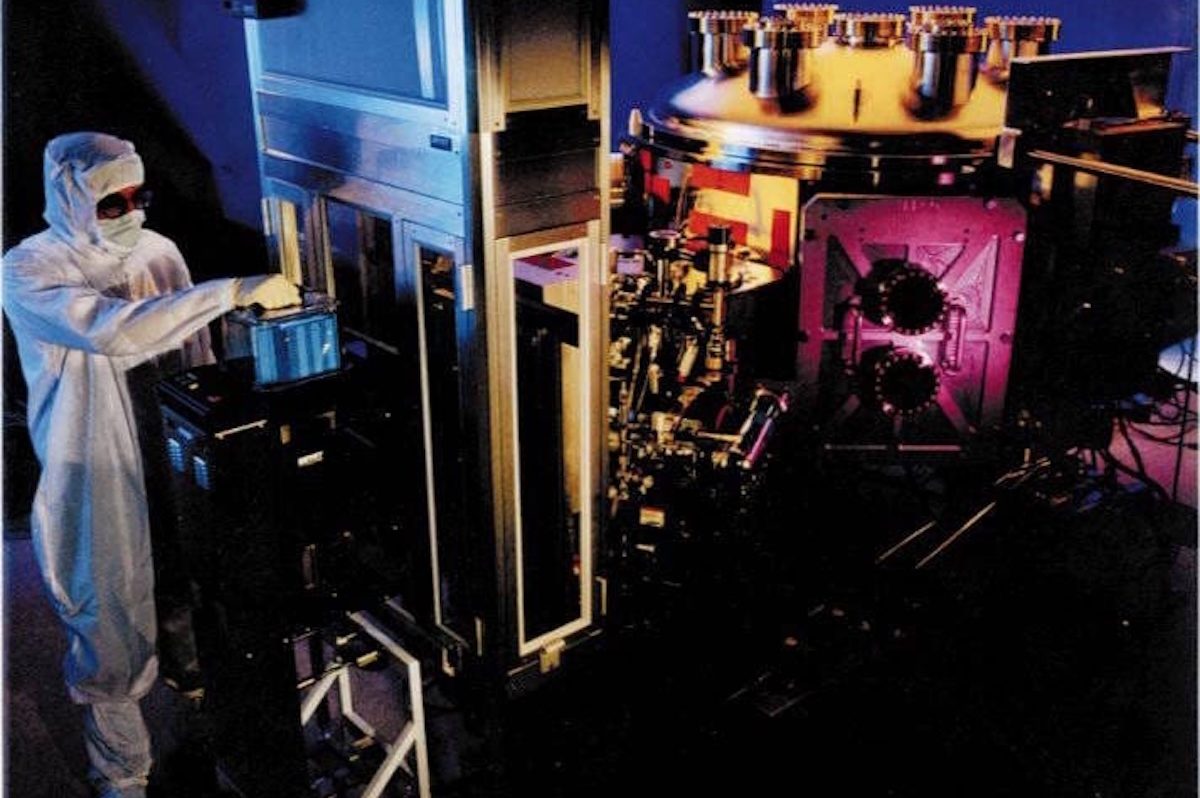
    The timing of this decision coincides with reports of China’s purported breakthrough in extreme ultraviolet lithography (EUV) technology, though experts note these claims remain unverified and likely represent another ‘Potemkin breakthrough’ similar to previous announcements that failed to materialize into practical manufacturing capabilities.

    This policy reversal raises fundamental questions about America’s strategic approach to technological competition with China, particularly regarding how maintaining AI superiority serves as a crucial deterrent against potential military conflict in the Taiwan Strait and broader Pacific region. The decision reflects ongoing tensions between commercial interests and national security priorities in managing the delicate balance of power between the world’s two largest economies.

  • Maduro and wife arrive in New York to face US charges

    Maduro and wife arrive in New York to face US charges

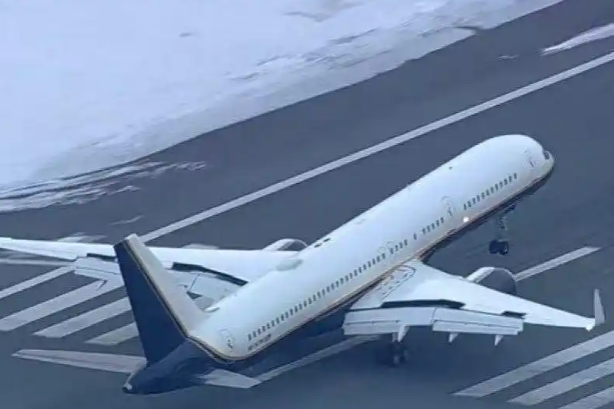
    Venezuelan President Nicolas Maduro and First Lady Cilia Flores have been transported to United States territory following a dramatic military operation conducted by American forces on Venezuelan soil. The controversial capture operation, which Venezuelan officials have denounced as a flagrant violation of national sovereignty, culminated in the couple’s arrival at Stewart Air National Guard Base in Newburgh, New York aboard a US government aircraft on Saturday.

    US Attorney General Pam Bondi has confirmed that the Venezuelan leader and his spouse will face multiple federal charges including narco-terrorism, conspiracy to import cocaine into the United States, and international drug trafficking offenses. The case represents an unprecedented escalation in the long-standing tensions between Washington and Caracas.

    Venezuelan Vice-President Delcy Rodriguez issued an urgent demand for ‘proof of life’ documentation, stating that the government had lost contact with the presidential couple following the cross-border military intervention. The operation marks one of the most significant applications of US judicial authority against a sitting head of state in recent history.

    The defendants are expected to be held at the Metropolitan Detention Center in Brooklyn pending their initial court appearance, which judicial sources indicate could occur as early as Monday. Legal experts anticipate this case will raise complex questions regarding international law, diplomatic immunity, and extraterritorial jurisdiction.

  • Maduro now in New York jail as Trump says US to ‘run’ Venezuela

    Maduro now in New York jail as Trump says US to ‘run’ Venezuela

    Venezuela has been plunged into a profound constitutional crisis following an unprecedented US military operation that resulted in the capture and extradition of President Nicolás Maduro to face criminal charges in New York. The dramatic pre-dawn raid, executed by American special forces in Caracas, represents one of the most significant interventions in Latin America by the United States in decades.

    According to military officials, approximately 150 aircraft participated in the coordinated operation that targeted multiple strategic locations throughout the Venezuelan capital. General Dan Caine confirmed that intelligence operatives had spent months meticulously tracking Maduro’s routines and personal habits prior to the capture. The Venezuelan leader and his wife were apprehended without resistance and transported via US government aircraft to a military facility before being transferred to New York City.

    The White House released footage showing Maduro handcuffed and wearing sandals while being escorted through a Drug Enforcement Administration facility. The 63-year-old leader was heard remarking ‘Good night, happy new year’ in English during the processing.

    President Trump announced that cabinet members would be designated to assume administrative control of Venezuela while indicating possible extended military deployment. ‘We’re not afraid of boots on the ground,’ Trump stated, adding that US forces would remain until ‘the proper transition can take place.’ Surprisingly, Trump expressed willingness to collaborate with Maduro’s vice president, Delcy Rodriguez, rather than US-backed opposition leader Maria Corina Machado, whom he dismissed as lacking sufficient support.

    The operation has triggered international condemnation, with China denouncing the action as a ‘clear violation of international law’ and demanding Maduro’s immediate release. United Nations Secretary-General Antonio Guterres expressed deep concern that ‘the rules of international law have not been respected,’ while France warned that solutions cannot be ‘imposed from outside.’ The UN Security Council has scheduled an emergency meeting to address the escalating crisis.

    Venezuela’s Supreme Court has subsequently ordered Rodriguez to assume presidential powers in an acting capacity, creating competing claims to legitimate governance. The political vacuum has left the country’s future uncertain despite Trump’s promises that major US oil companies would invest billions to rehabilitate Venezuela’s energy infrastructure.