分类: politics

  • North Korea says latest missile tests involves hypersonic weapons system

    North Korea says latest missile tests involves hypersonic weapons system

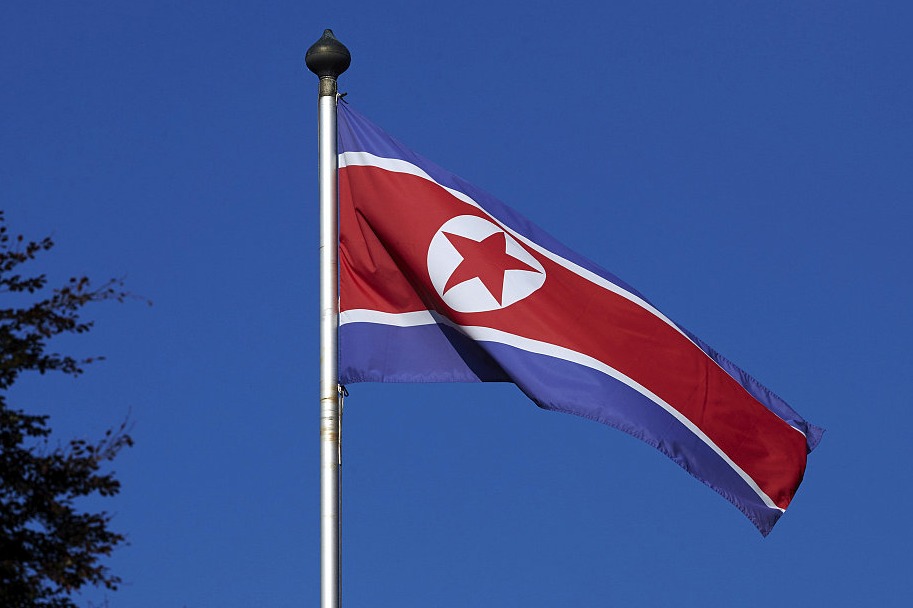
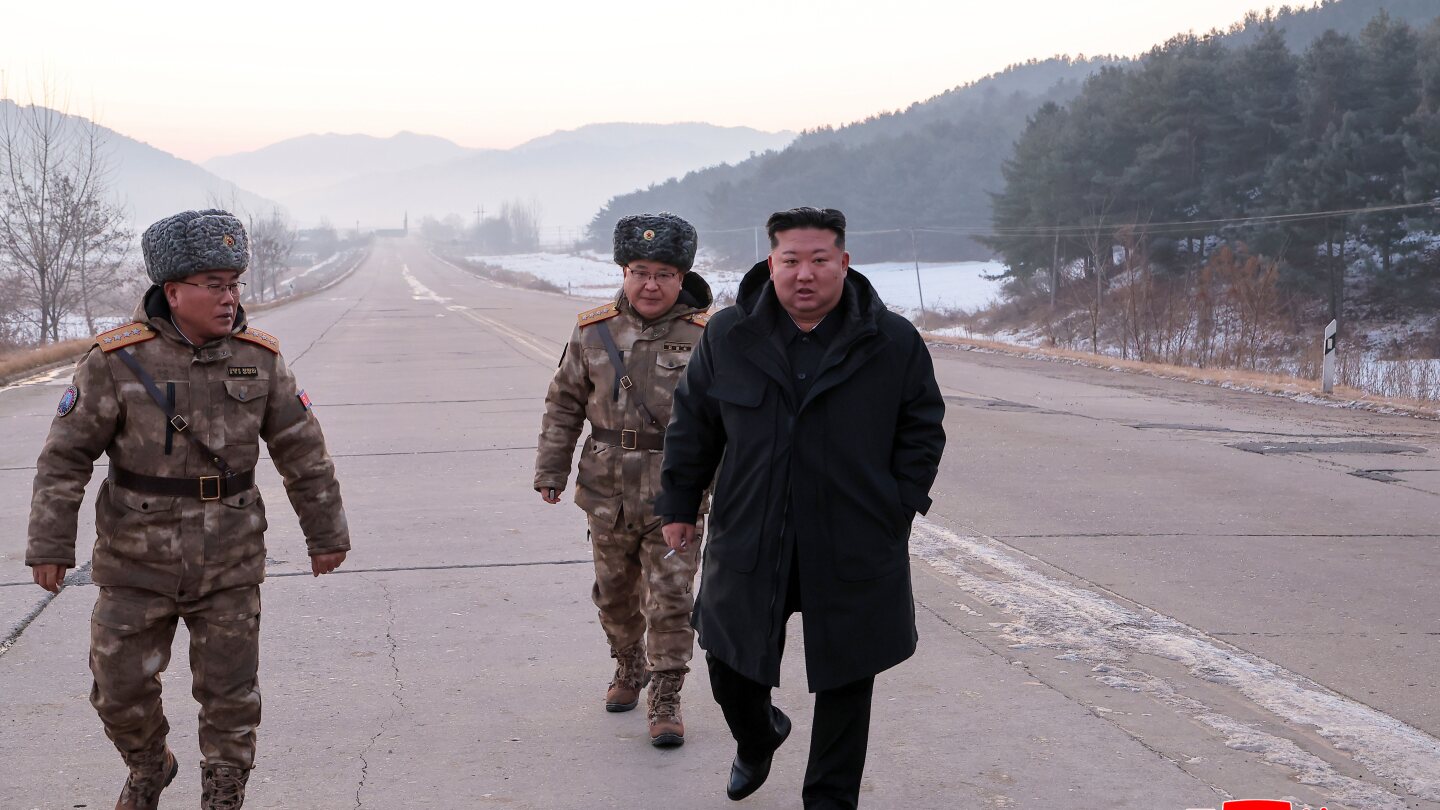
    North Korea has conducted a significant test of its hypersonic missile capabilities, with leader Kim Jong Un personally overseeing the military exercise and emphasizing the urgent need to enhance the country’s nuclear deterrent. The official Korean Central News Agency reported Monday that Sunday’s drill examined the readiness of hypersonic weapon systems while improving missile troops’ operational proficiency.

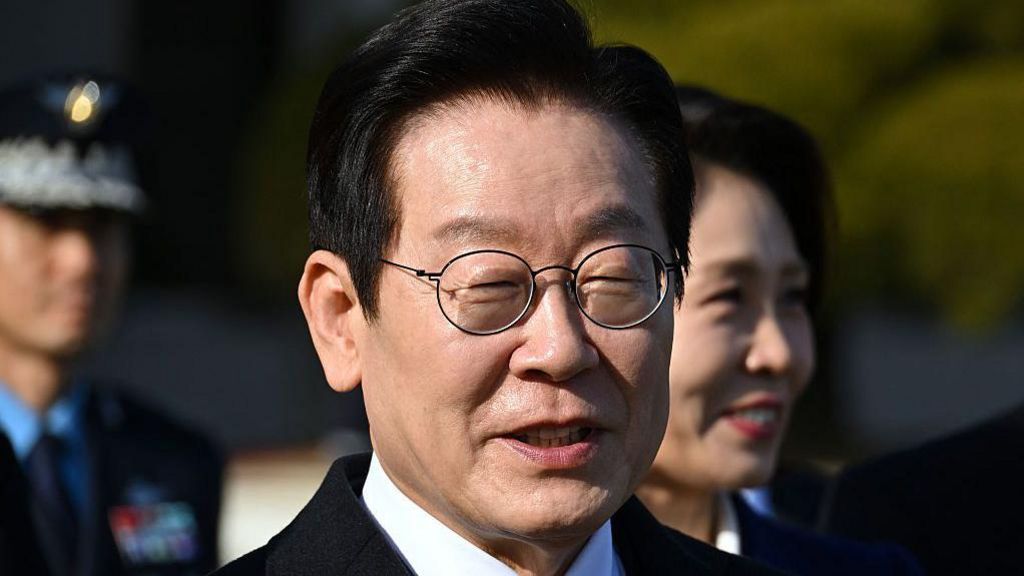
    Kim declared the successful test marked completion of “a very important technology task for national defense” and stressed the necessity of continuously upgrading military capabilities, particularly offensive weapon systems. The launches occurred just hours before South Korean President Lee Jae Myung departed for China to meet with President Xi Jinping, where North Korea’s nuclear program was expected to feature prominently in discussions.

    The development of functional hypersonic weapons represents a strategic priority for Pyongyang, as such technology could potentially penetrate U.S. and South Korean missile defense systems. However, many foreign weapons experts remain skeptical about whether North Korea’s tested missiles have actually achieved the desired hypersonic speeds and maneuverability characteristics.

    This latest demonstration forms part of an intensified weapons display campaign ahead of North Korea’s first Workers’ Party congress in five years. Recent weeks have witnessed tests of long-range strategic cruise missiles, new anti-air missiles, and apparent progress in nuclear-powered submarine construction.

    Regional analysts suggest the timing may also connect to recent U.S. military operations against Venezuelan leader Nicolás Maduro, which North Korea condemned as demonstrating “the rogue and brutal nature of the U.S.” Kim explicitly referenced geopolitical crises and complex international events as justification for his nuclear expansion efforts, indicating these developments likely reinforce his commitment to expanding weapons capabilities as insurance against perceived U.S. hostilities.
  • Look: Sheikh Mohammed meets current, former ministers who served over 20 years

    Look: Sheikh Mohammed meets current, former ministers who served over 20 years

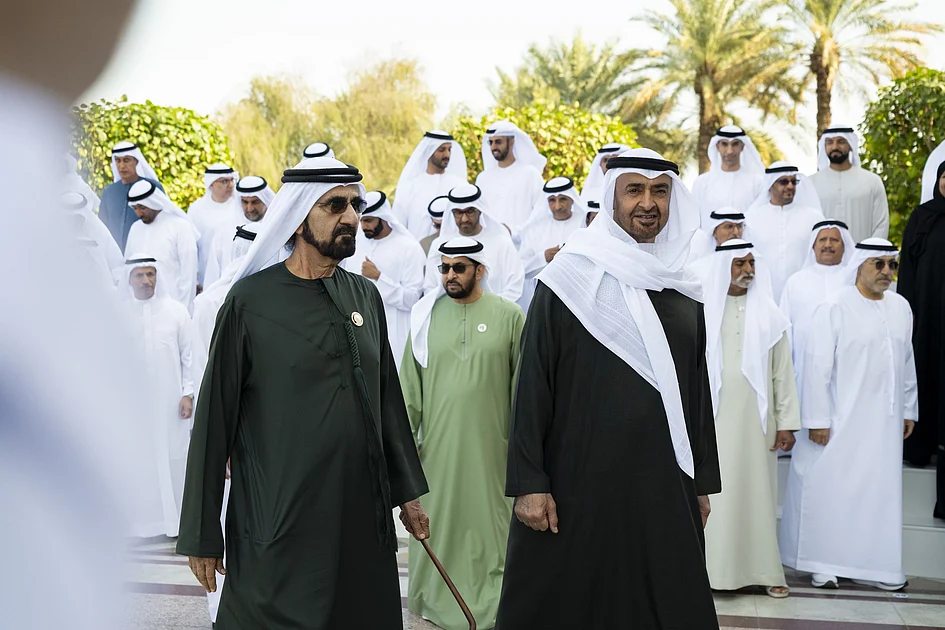
    The United Arab Emirates celebrated a significant milestone in its political history as His Highness Sheikh Mohammed bin Rashid Al Maktoum, Vice President and Prime Minister of the UAE and Ruler of Dubai, convened with current and former ministers who have served alongside him throughout his twenty-year tenure. The gathering, attended by UAE President Sheikh Mohamed bin Zayed Al Nahyan, commemorated the anniversary of Sheikh Mohammed’s assumption of the prime ministerial office on January 5, 2006.

    President Sheikh Mohamed bin Zayed extended heartfelt congratulations to Sheikh Mohammed, recognizing his exceptional leadership that has positioned the UAE government as an exemplary developmental model centered on citizen welfare and future-oriented aspirations. The President expressed wishes for continued success in advancing the nation’s journey of achievement.

    Reflecting on two decades of progress, Sheikh Mohammed articulated the nation’s remarkable transformation from regional leader to global powerhouse. “We were determined to ensure high quality of life, stability, and prosperity for the UAE and its people,” he stated. “Today, we rank at the forefront across multiple domains, effectively becoming a complete world within one nation.”

    The Vice President specifically acknowledged key figures including Sheikh Mansour bin Zayed Al Nahyan for his unwavering partnership, Sheikh Saif bin Zayed Al Nahyan at Interior, Sheikh Abdullah bin Zayed Al Nahyan in foreign affairs, alongside Hamdan bin Mohammed in defense and Maktoum bin Mohammed in finance, characterizing them as components of an extraordinary team.

    Ministerial attendees expressed profound pride in serving under Sheikh Mohammed’s guidance, describing him as a present and motivational leader who cultivates optimism and collaborative spirit. They attributed the nation’s accomplishments to his visionary leadership and innovative policies that have established global benchmarks in governmental efficiency.

    The statistical legacy of these two decades reveals substantial governance activity: 72 ministers guided through nine cabinet formations and 13 reshuffles, 558 cabinet meetings producing nearly 16,000 resolutions, seven ministerial retreats, and 16 extraordinary meetings addressing critical national challenges.

    This period witnessed comprehensive governmental transformation through strategic initiatives including UAE Vision 2021, UAE Centennial 2071, and We the UAE 2031. The administration modernized over 90% of the legal framework, implemented AI-powered legislative systems, and launched hundreds of national policies stimulating key sectors while enhancing quality of life.

    Sheikh Mohammed expressed confidence in the nation’s continued ascent, stating: “I am optimistic the next two decades will bring prosperity, pride, and glory. The whole world will recognize the UAE as the premier global destination for living, working, investing, and visiting. Our most exceptional years still lie ahead.”

  • South Korea’s Lee Jae Myung to meet China’s Xi in reset of relations

    South Korea’s Lee Jae Myung to meet China’s Xi in reset of relations

    South Korean President Lee Jae Myung embarked on a crucial diplomatic mission to Beijing, meeting with Chinese leader Xi Jinping in a bid to recalibrate strained relations between the two nations. The Monday summit—their second since November—addressed critical issues including regional security concerns, China’s unofficial restrictions on Korean cultural exports, and economic cooperation between Seoul and its largest trading partner.

    The timing of President Lee’s visit carries substantial geopolitical significance amid escalating tensions between China and Japan over Taiwan. This diplomatic friction places South Korea—a key U.S. ally in the region—in a delicate position. Professor Park Seung-chan of Yongin University noted that China’s eagerness to host President Lee reflects Beijing’s search for regional allies, with clear expectations for Seoul to align against Japan.

    During his three-day visit, President Lee engaged in multiple high-level meetings, including a banquet hosted by Xi Jinping and discussions with Premier Li Qiang and National People’s Congress Chairman Zhao Leji. In remarks to Korean residents in Beijing, Lee characterized his visit as “a new starting point to fill in the gaps in Korea-China relations, restore them to normal and upgrade them to a new level.”

    The relationship had deteriorated under Lee’s predecessor, Yoon Suk Yeol, making this the first visit by a South Korean leader since 2019. Current discussions extend beyond bilateral ties to include security concerns on the Korean Peninsula, where Beijing’s influence over North Korea remains crucial. Despite Lee’s diplomatic outreach to Pyongyang, progress has been limited, heightening the importance of Chinese cooperation in denuclearization efforts.

    Additional agenda items included China’s maritime construction activities in disputed waters—which Beijing describes as fish-farming equipment but Seoul views as security threats—and the longstanding unofficial restrictions on Korean cultural content in China. These entertainment industry barriers, believed to be retaliation for South Korea’s 2016 deployment of a U.S. anti-missile system, have significantly impacted one of Korea’s most successful export sectors.

    The diplomatic balancing act continues as President Lee prepares for an anticipated visit to Japan later this month, demonstrating Seoul’s careful navigation between major powers in a region increasingly marked by strategic competition.

  • Surprise interim leader Delcy Rodriguez emerges in Venezuela after Maduro’s capture

    Surprise interim leader Delcy Rodriguez emerges in Venezuela after Maduro’s capture

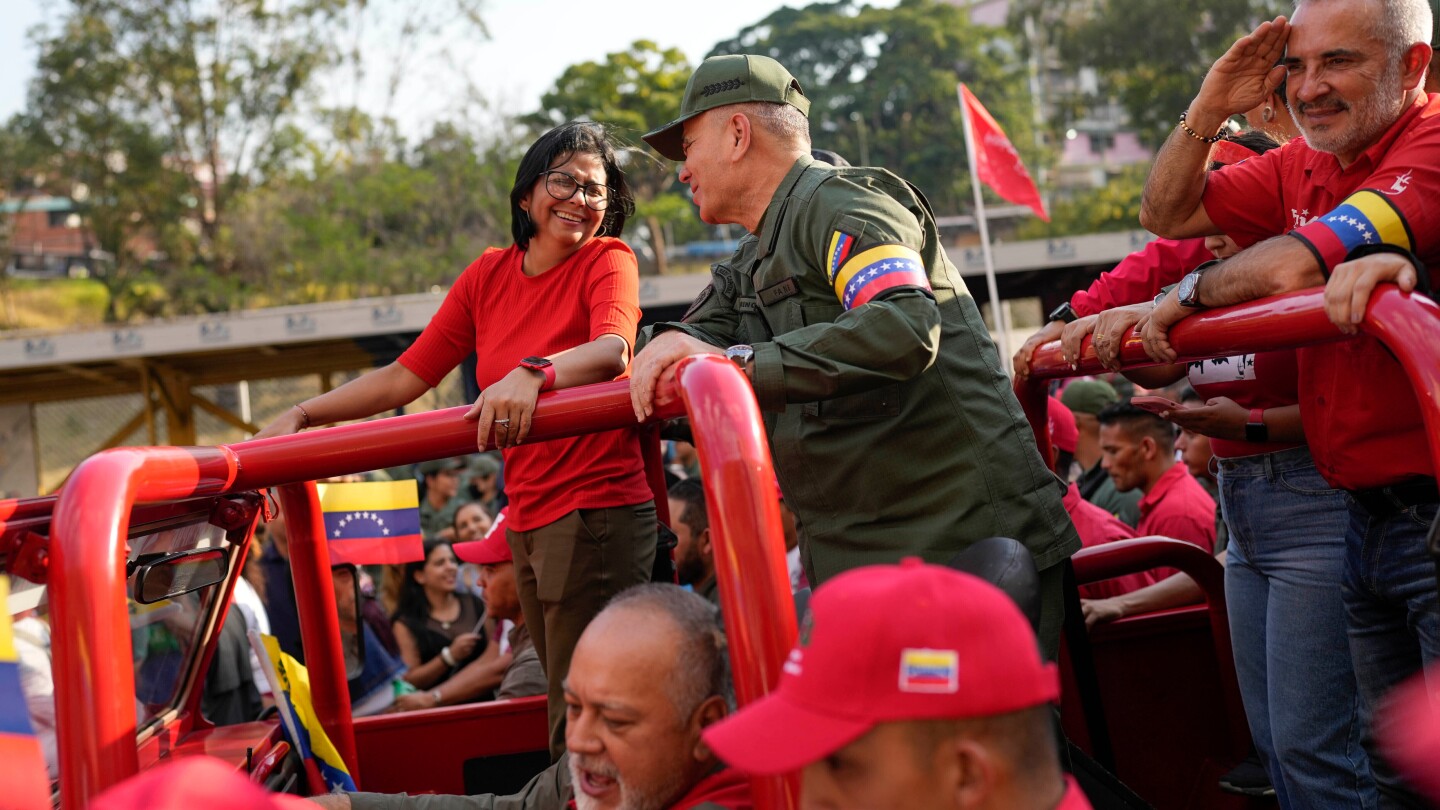
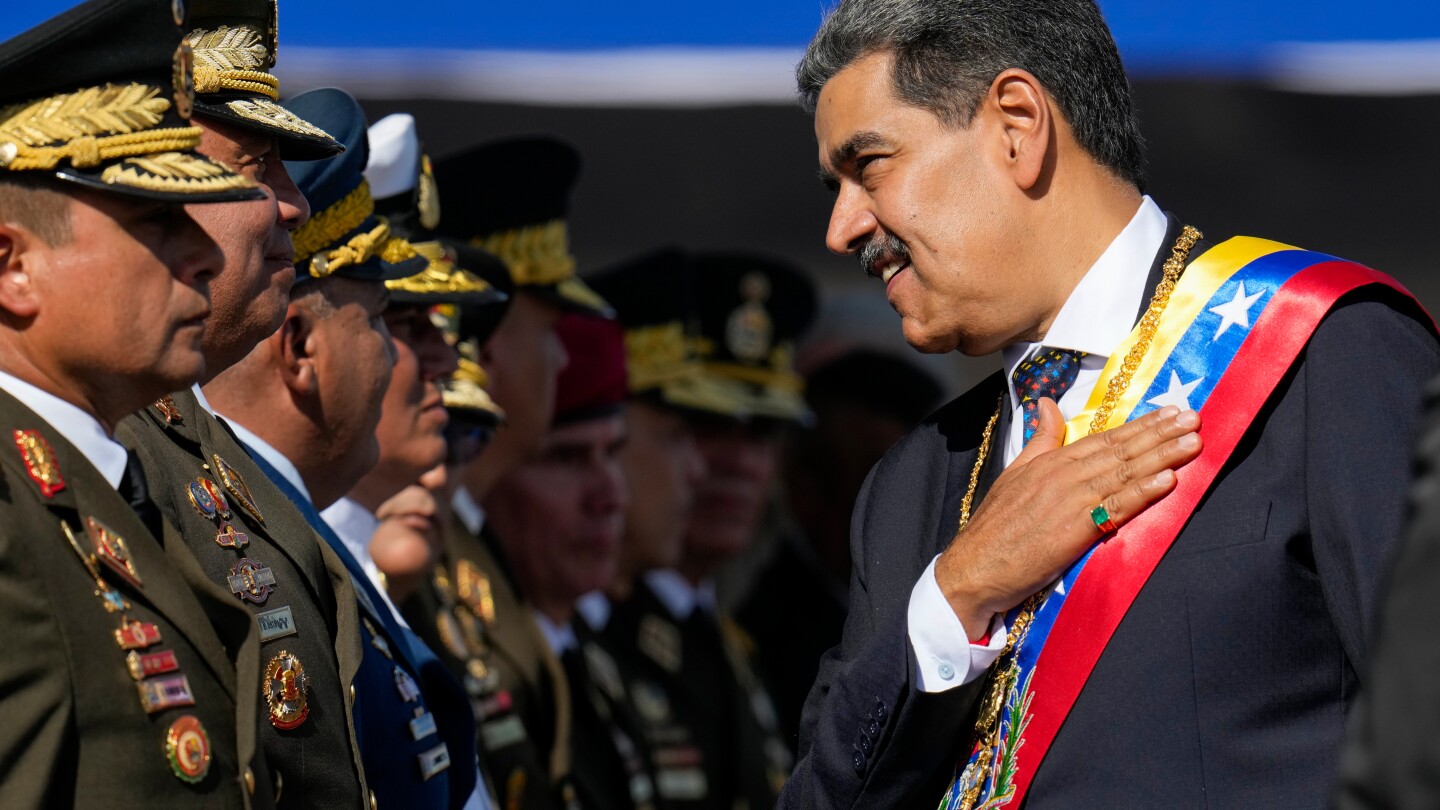
    MEXICO CITY — Venezuela has entered a period of profound political uncertainty following the capture of President Nicolás Maduro by U.S. military forces. Delcy Rodríguez, Maduro’s vice president since 2018, has assumed interim control of the oil-rich nation amid escalating tensions with Washington.

    Rodríguez’s ascension to power came through a Saturday ruling by Venezuela’s Supreme Court, which declared Maduro’s absence temporary and authorized her takeover. The decision received immediate backing from the country’s military leadership, solidifying her position despite international skepticism.

    In her first televised address as interim leader, Rodríguez struck a defiant tone against the Trump administration, referring to American officials as “extremists” while emphatically stating, “The only president of Venezuela is President Nicolás Maduro.” Her remarks directly contradicted earlier suggestions from Secretary of State Marco Rubio that she might cooperate with U.S. interests.

    The 56-year-old British and French-educated lawyer brings considerable political experience to her new role. As Maduro’s vice president, she oversaw Venezuela’s oil-dependent economy and intelligence services, developing strong relationships with both military leaders and international energy stakeholders. Unlike many in Maduro’s inner circle, Rodríguez has avoided U.S. criminal indictment, though she faced sanctions during Trump’s first term for allegedly undermining Venezuelan democracy.

    Analysts note Rodríguez maintains particularly strong ties with Venezuela’s military establishment, which has historically served as the ultimate arbiter of political disputes. According to Ronal Rodríguez of Rosario University’s Venezuela Observatory, “She has developed very strong ties with elements of the armed forces and has managed to establish lines of dialogue with them, largely on a transactional basis.”

    The constitutional timeline for new elections remains unclear. While the charter typically requires elections within 30 days when a president becomes permanently unavailable, the Supreme Court cited provisions allowing for temporary transfers of power without immediate electoral requirements. This legal interpretation could permit Rodríguez to remain in power for up to six months through National Assembly approval.

    International observers question whether Rodríguez’s强硬 stance against the U.S. represents genuine defiance or strategic positioning. Geoff Ramsey of the Atlantic Council suggested her rhetoric might be an attempt to “save face” within revolutionary circles, noting that Maduro’s capture likely required some level of internal collaboration.

    As Venezuela navigates this political transition, Rodríguez faces the dual challenge of unifying fractious socialist party factions while managing external pressure from a U.S. administration that has threatened “very big price” consequences if she fails to align with American expectations.

  • After Maduro, who’s next? Trump’s comments spur anxieties about his plans for Greenland and Cuba

    After Maduro, who’s next? Trump’s comments spur anxieties about his plans for Greenland and Cuba

    WASHINGTON — In a striking demonstration of renewed hemispheric ambition, the Trump administration has simultaneously escalated tensions with multiple Western Hemisphere nations through both rhetorical assertions and military action. The recent U.S. military operation in Venezuela that ousted Nicolás Maduro has served as a catalyst for broader regional claims, including President Trump’s renewed push for American acquisition of Greenland and heightened warnings toward Cuba.

    President Trump explicitly reaffirmed his administration’s interest in acquiring the Danish territory of Greenland, describing the strategically positioned Arctic island as essential to U.S. security interests. “We do need Greenland, absolutely,” Trump stated in an interview with The Atlantic, noting the territory’s significance amid increasing Russian and Chinese naval presence in Arctic waters. When questioned about potential parallels between the Venezuela operation and future actions regarding Greenland, Trump offered an ambiguous response: “They are going to have to view it themselves. I really don’t know.”

    The administration’s position draws historical precedent from the 19th century Monroe Doctrine and Roosevelt Corollary, which Trump has referenced to justify an assertive approach toward American neighbors. This philosophical framework, which Trump has jokingly rebranded the “Don-roe Doctrine,” emphasizes American preeminence throughout the Western Hemisphere.

    Denmark responded with firm opposition to Trump’s territorial aspirations. Danish Prime Minister Mette Frederiksen issued a statement asserting that the United States has “no right to annex” Greenland and reminded the administration of existing security agreements that already provide U.S. access through NATO frameworks. Frederiksen strongly urged the U.S. to “stop threatening a historically close ally and another country and people who have made it very clear that they are not for sale.”

    The situation intensified when a former Trump administration official turned podcaster, Katie Miller, posted an illustrated map of Greenland adorned with American flag colors captioned “SOON,” further provoking Danish officials. Denmark’s ambassador to Washington, Jesper Møller Sørensen, emphasized the need for “full respect for the territorial integrity of the Kingdom of Denmark.”

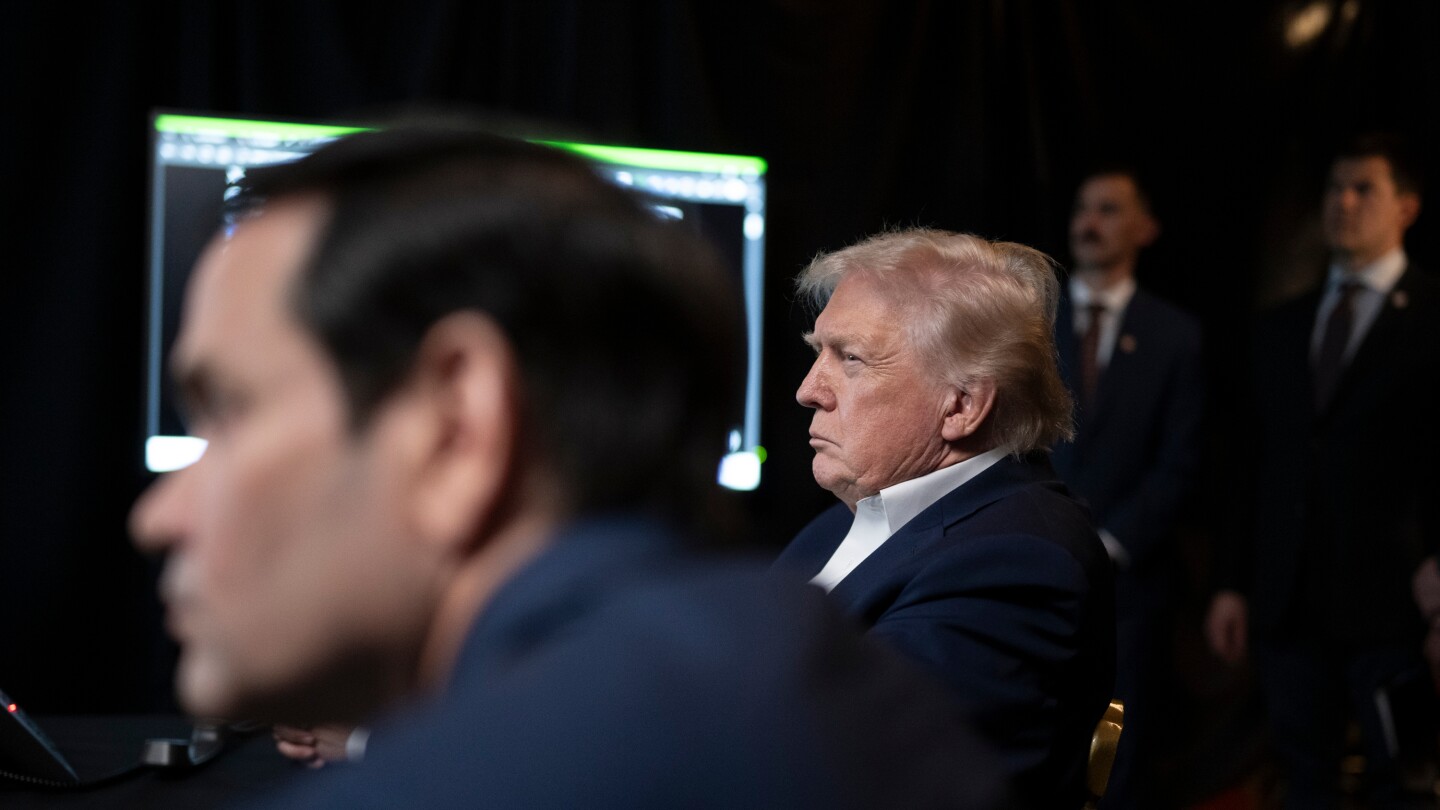
    Concurrently, Secretary of State Marco Rubio issued stern warnings to Cuba, Venezuela’s primary ally, declaring the communist government “in a lot of trouble.” Rubio alleged that Cuban personnel provided security and intelligence services for Maduro’s government, claiming “It was Cubans that guarded Maduro. He was not guarded by Venezuelan bodyguards. He had Cuban bodyguards.”

    President Trump characterized Cuba as “very similar” to Venezuela and suggested the nation might become a future focus of administration attention, noting “Cuba is going to be something we’ll end up talking about, because Cuba is a failing nation right now.”

    Cuban authorities responded by convening rallies supporting Venezuela’s government and issuing statements warning that “the threat hangs over all of us” in the region. Cuban citizens expressed concern about potential U.S. actions against sovereign states, with biochemical laboratory worker Bárbara Rodríguez noting, “It can happen in any country, it can happen right here. We have always been in the crosshairs.”

    The administration’s multifaceted approach signals a comprehensive strategy to reassert American influence throughout the Western Hemisphere, employing both military action and diplomatic pressure to reshape regional dynamics according to U.S. security and strategic interests.

  • What’s behind PM’s notable shift on closer ties to Europe?

    What’s behind PM’s notable shift on closer ties to Europe?

    In a significant policy recalibration, the British government has initiated a substantive repositioning regarding the United Kingdom’s relationship with the European Union following its departure from the bloc. This strategic maneuver, unveiled over the weekend, constitutes a multifaceted communication directed at commercial enterprises, European leadership in Brussels and other capitals, as well as governing party legislators.

    The revised approach envisions closer economic cooperation between the UK and EU being systematically evaluated through annual bilateral discussions, moving beyond the limited scope of this year’s formal assessment of the existing trade agreement. This development represents Downing Street’s substantive response to mounting political demands for a more ambitious Brexit recalibration, including proposals to rejoin the EU customs union.

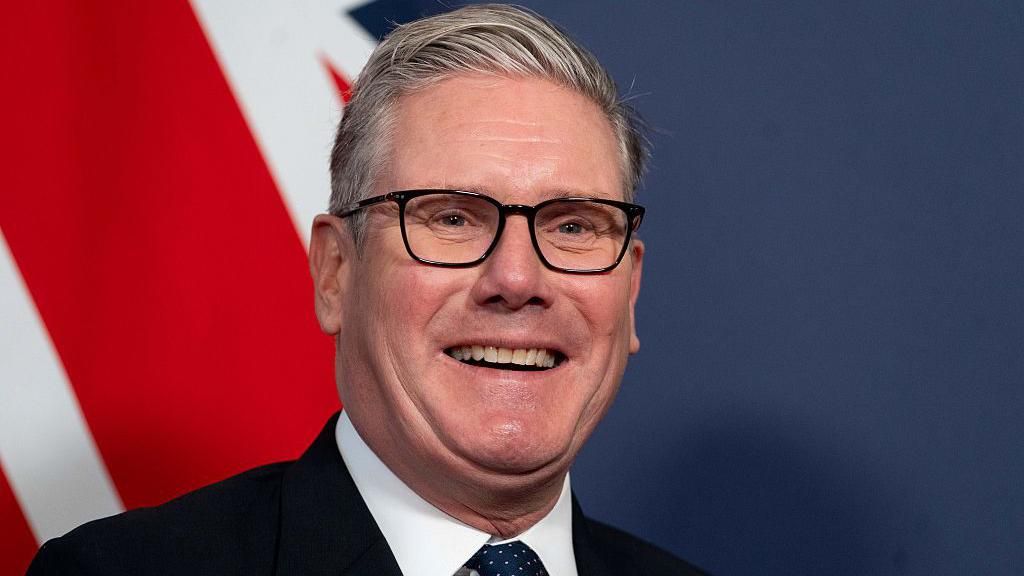
    Opposition Leader Sir Keir Starmer has articulated a distinct vision, emphasizing prioritization of enhanced single market alignment rather than customs union reintegration. This stance emerges from his administration’s successful negotiation of premium trade agreements with the United States and India, with additional Middle Eastern agreements forthcoming. Starmer’s proposed ‘Brexit reset’ specifically targets regulatory harmonization in three critical domains: agricultural exports, energy infrastructure, and emissions trading mechanisms.

    Commercial organizations have amplified calls for reduced administrative barriers, with the British Chambers of Commerce reporting that majority of surveyed members find current arrangements inadequate for sales expansion. Manufacturing sectors including automotive and chemicals present viable opportunities for regulatory alignment that could diminish post-Brexit trade impediments.

    European stakeholders have previously expressed disappointment regarding the ambition level of British proposals, particularly the rejection of facilitated goods readmission to single market mechanisms. Current negotiations encounter complications including stalled defense fund participation due to membership fee disputes, though educational cooperation through Erasmus program reinstatement demonstrates tangible progress.

    Geopolitical considerations further complicate this evolving relationship, as reflected in recent US national security documentation emphasizing European political dynamics. Domestically, the governing party faces mounting pressure from multiple political factions including Liberal Democrats and Greens, particularly in upcoming local elections.

    This comprehensive reevaluation of UK-EU relations coincides with the approaching decennial anniversary of the Brexit referendum, representing a complex intersection of economic necessities, domestic politics, and evolving global strategic considerations.

  • DPRK slams US ‘hegemony-seeking act’ against Venezuela

    DPRK slams US ‘hegemony-seeking act’ against Venezuela

    PYONGYANG – In a strongly worded statement released Sunday, North Korea’s Foreign Ministry has issued a scathing condemnation of United States policies toward Venezuela, characterizing American actions as flagrant violations of international law and sovereignty principles.

    The official declaration, disseminated through state-controlled Korean Central News Agency (KCNA), featured a ministry spokesperson accusing Washington of committing “hegemony-seeking acts” that represent “the most serious form of sovereignty encroachment.” The statement further alleged these actions constitute wanton disregard for both the United Nations Charter and established international legal frameworks.

    According to the North Korean assessment, current regional instability directly results from what it termed “US high-handed actions” that have exacerbated an already fragile geopolitical situation in Latin America. The characterization framed recent American maneuvers concerning Venezuela as demonstrating what Pyongyang views as the “rogue and brutal nature” of United States foreign policy.

    The Democratic People’s Republic of Korea’s diplomatic corps urged the international community to recognize the escalating situation’s severity and collectively voice opposition to what it described as America’s “habituated violation” of other nations’ sovereignty. This positioning aligns with North Korea’s historical pattern of criticizing US foreign policy while simultaneously facing extensive international sanctions over its nuclear weapons program.

    The statement emerges amid ongoing political and economic turbulence in Venezuela, where international perspectives remain sharply divided regarding legitimate leadership and appropriate foreign involvement. North Korea’s vocal support for Venezuela’s sovereignty reflects broader geopolitical alignments that frequently see anti-US nations forming diplomatic alliances based on mutual opposition to American influence.

  • Protest in front of the White House over US military action in Venezuela

    Protest in front of the White House over US military action in Venezuela

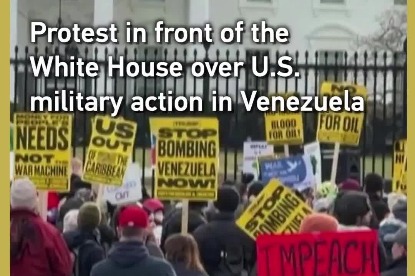
    Washington, D.C. witnessed significant public dissent as demonstrators assembled outside the White House to voice strong opposition to American military operations in Venezuela. This civic mobilization follows President Donald Trump’s declaration regarding the apprehension of Venezuelan leader Nicolás Maduro.

    The protest represents a growing domestic criticism against the United States’ foreign military strategy, highlighting deepening concerns about international intervention practices. The gathering occurred amidst parallel demonstrations across various global locations, including Caracas, Mexico City, and Colombia, where citizens expressed solidarity with Venezuela and condemnation of U.S. actions.

    Meanwhile, Moscow has officially denied allegations that Venezuelan Vice President Delcy Rodríguez has sought refuge within Russian borders, adding another layer of complexity to the international diplomatic landscape. The simultaneous protests across multiple nations indicate coordinated resistance to American foreign policy decisions and growing international apprehension regarding military interventions in sovereign states.

    The developing situation underscores escalating tensions between the U.S. and several South American nations, potentially signaling a broader geopolitical realignment in the Western Hemisphere as countries position themselves regarding the Venezuela crisis.

  • Maduro’s case will revive a legal debate over immunity for foreign leaders tested in Noriega trial

    Maduro’s case will revive a legal debate over immunity for foreign leaders tested in Noriega trial

    Deposed Venezuelan leader Nicolás Maduro is poised to appear in a New York courtroom Monday, facing U.S. drug trafficking charges in a legal proceeding that echoes the historic prosecution of Panama’s Manuel Noriega 36 years earlier. Maduro’s capture on Saturday—coinciding with the anniversary of Noriega’s removal by U.S. forces—sets the stage for a complex legal battle over sovereign immunity protections.

  • Israeli police kill Palestinian citizen in Negev raid amid Ben Givr ‘incitement’

    Israeli police kill Palestinian citizen in Negev raid amid Ben Givr ‘incitement’

    A lethal confrontation during an Israeli police operation in the Negev has resulted in the death of a Palestinian citizen, intensifying tensions over the government’s law enforcement tactics. Mohammed Hussein al-Tarabin, a 35-year-old father of seven, was fatally shot by officers during an arrest raid in the village of Tirabin al-Sana late Saturday.

    According to official police statements, Tarabin was targeted after allegedly endangering officers’ lives during the operation and was suspected of involvement in vehicle arsons in nearby Jewish communities. However, these claims are vehemently disputed by Tarabin’s family and community representatives, who describe the shooting as an execution-style killing without justification.

    The incident’s sole child witness, Tarabin’s 11-year-old son, provided a harrowing account: “They knocked on the door. My father opened it, and immediately they shot him in the chest.” The child further described how officers dragged his mortally wounded father to the balcony, removed his trousers, and conducted searches while he lay bleeding on the floor.

    National Security Minister Itamar Ben Gvir, who oversees police operations, publicly endorsed the officers’ actions, declaring the killing “right” and expressing full support for the involved personnel through his social media channels. This endorsement comes amid Ben Gvir’s personally led “sovereignty restoration” campaign in Tirabin al-Sana, featuring increased raids, arrests, and home demolition orders targeting Palestinian citizens of Israel.

    The shooting officer has been interrogated on suspicion of unlawful firearm use and released to house arrest pending internal investigation. Palestinian leadership organizations have condemned both the specific killing and the broader police campaign, characterizing it as systematic intimidation and collective punishment against Arab citizens.

    The High Follow-Up Committee, representing Palestinian citizens of Israel, accused police of “committing deliberate killing” and implementing “an unprecedented campaign of intimidation, terror and revenge.” Committee head Jamal Zahalka specifically denounced Ben Gvir’s support for the killing as reflecting “fascist” tendencies and rejected police allegations against Tarabin as fabricated.

    This incident highlights ongoing tensions between Israel’s Palestinian minority—descendants of those not expelled during the 1948 Nakba—and state authorities, with advocacy groups citing persistent discrimination and repressive practices despite formal citizenship status.