分类: politics

  • Macron hosts Ukraine and allies to try to cement security guarantees

    Macron hosts Ukraine and allies to try to cement security guarantees

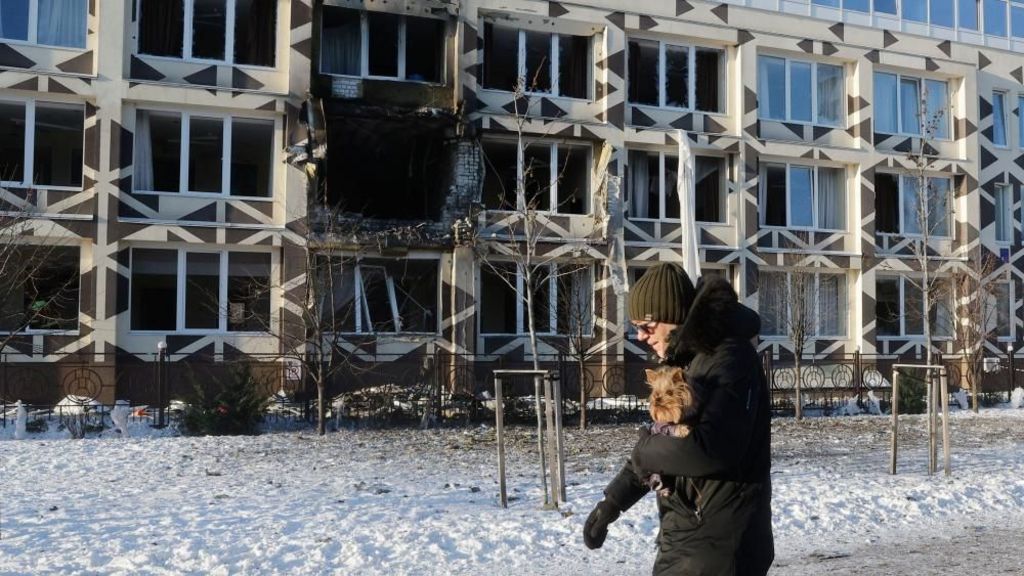
    PARIS – French President Emmanuel Macron is convening a critical summit with Ukrainian President Volodymyr Zelensky and leaders from over 30 allied nations to solidify long-term security guarantees for Kyiv. The high-stakes Paris meeting, involving the ‘Coalition of the Willing,’ aims to establish a framework for Ukraine’s defense in the event of a future ceasefire with Russia, even as Moscow escalates its offensive against Ukrainian energy infrastructure.

    The discussions are anchored in a peace proposal reportedly 90% finalized following Zelensky’s recent engagement with former U.S. President Donald Trump. The outstanding 10% of the agreement, which remains highly contentious, centers on potential territorial concessions. Russia currently occupies approximately 75% of the Donetsk region and 99% of Luhansk, collectively known as the Donbas industrial heartland—a primary objective of the Kremlin’s ongoing invasion launched in February 2022.

    Despite diplomatic efforts, Russia has consistently rejected temporary ceasefire notions and intensified military strikes, deliberately targeting Ukraine’s power grid during severe winter conditions. In response, Ukrainian forces have conducted drone operations against Russian infrastructure, including a recent attack on an oil depot in Lipetsk.

    The Paris agenda includes forming a multinational force to deter future aggression, defining concrete security pledges should Russia violate any peace deal, and outlining sustained support for Ukraine’s military and economy. A central element, termed the ‘backstop,’ involves securing a definitive U.S. commitment to lead a collective response against any Russian violations. While Zelensky indicated Washington offered 15-year security guarantees after his Florida talks, implementation details remain unspecified.

    The Ukraine-focused dialogue is occurring against a backdrop of heightened global tensions triggered by recent U.S. actions. The military operation in Venezuela, which resulted in the capture of President Nicolás Maduro, and subsequent statements by Trump regarding U.S. supremacy in the Western Hemisphere have raised concerns among European allies. Further complicating the summit is Trump’s reiterated interest in annexing Greenland, a semi-autonomous Danish territory. Danish Prime Minister Mette Frederiksen warned such a move would effectively terminate the trans-Atlantic alliance.

    European leaders, including UK Prime Minister Keir Starmer and NATO Secretary General Mark Rutte—both present in Paris—have expressed support for Denmark regarding Greenland while remaining measured in their criticism of U.S. actions in Venezuela. President Macron, as host, is tasked with maintaining the coalition’s focus on Ukraine amidst these divergent geopolitical challenges.
  • Maduro appears in US court public condemns illegal US actions

    Maduro appears in US court public condemns illegal US actions

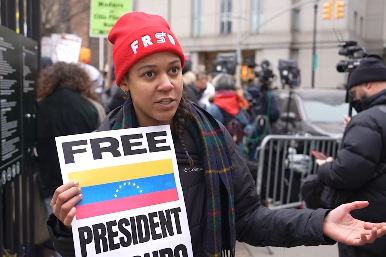
    Venezuelan President Nicolás Maduro made a historic appearance in a New York courtroom on January 5th, marking his first judicial proceeding since being taken into United States custody. The controversial detention of a sitting head of state sparked immediate demonstrations outside the courthouse, where protestors gathered to condemn what they characterized as unlawful American interference in Venezuela’s sovereign affairs.

    The courtroom appearance represents a significant escalation in the longstanding tensions between Washington and Caracas, raising complex questions about jurisdictional authority and international diplomatic norms. Legal experts anticipate vigorous debates regarding the legality of detaining a foreign leader under U.S. jurisdiction, with potential implications for international relations precedent.

    Meanwhile, the protest movement outside the courthouse gained momentum throughout the day, with participants holding signs and chanting slogans against perceived American imperialism and violation of national sovereignty principles. The demonstration highlighted growing global concern about powerful nations exerting influence over smaller states through judicial mechanisms.

    This development occurs against the backdrop of deteriorating bilateral relations between the United States and Venezuela, which have experienced increasing strain over recent years due to conflicting political ideologies, economic sanctions, and allegations of human rights violations. The judicial proceedings against President Maduro are expected to further complicate diplomatic efforts between the two nations and potentially influence how other countries interact with both governments moving forward.

    The case has attracted attention from international law specialists worldwide, with many monitoring how this unprecedented situation might establish new precedents regarding the treatment of sitting foreign leaders under another country’s legal system.

  • Threat looms over Greenland, Colombia and Cuba

    Threat looms over Greenland, Colombia and Cuba

    In the wake of a dramatic U.S. military operation that resulted in the capture of Venezuelan President Nicolas Maduro, President Donald Trump has issued a series of provocative statements targeting Greenland, Colombia, and Cuba, sending shockwaves through international diplomatic circles. The comments, delivered both aboard Air Force One and in media interviews, have raised fundamental questions about U.S. foreign policy direction in the Western Hemisphere.

    Trump explicitly articulated his administration’s strategic interest in Greenland, stating from a national security perspective that ‘We need Greenland’ while dismissing Denmark’s jurisdictional authority over the mineral-rich territory. This declaration prompted an immediate and forceful response from Danish Prime Minister Mette Frederiksen, who asserted that Trump has ‘no right to annex’ the territory and reminded the U.S. president of existing NATO security agreements that already provide American access to the island.

    The rhetorical offensive extended southward as Trump targeted Colombian President Gustavo Petro with unsubstantiated allegations, claiming without evidence that Colombia is ‘run by a sick man who likes making cocaine and selling it to the United States.’ When questioned about potential military action against Colombia, Trump responded approvingly that ‘It sounds good to me,’ despite Colombia’s status as a longstanding regional partner.

    Simultaneously, Secretary of State Marco Rubio turned attention toward Cuba, alleging that Cuban officials were present with Maduro prior to his capture and claiming that ‘It was Cubans that guarded Maduro.’ Trump further asserted that ‘a lot’ of Cuban guards were killed during the operation, a claim that Cuban authorities substantiated by announcing the death of 32 officers in the military action.

    The escalating rhetoric has triggered coordinated international responses, with Denmark joining European Union statements emphasizing the need to respect Venezuela’s self-determination while the Cuban government organized rallies condemning U.S. actions and warning that ‘the threat hangs over all of us.’

  • Acting president seeks respectful ties with US

    Acting president seeks respectful ties with US

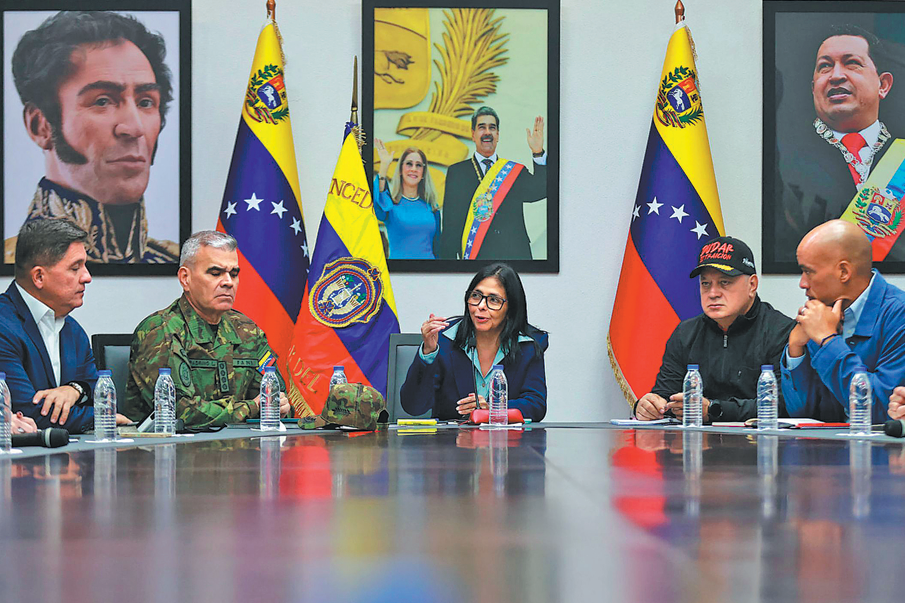
    In the aftermath of a dramatic US military operation that resulted in the capture of President Nicolas Maduro, Venezuela’s political leadership is navigating a precarious new reality. Acting President Delcy Rodriguez, addressing the nation from Caracas, has extended an unexpected olive branch to Washington, proposing an agenda of ‘shared development’ and respectful bilateral relations.

    Rodriguez, who concurrently serves as Venezuela’s oil minister, articulated her government’s position through social media channels, characterizing Saturday’s raid as an ‘illegal grab’ of national resources while simultaneously inviting cooperation ‘within the framework of international law.’ Her statement emphasized that ‘our peoples and our region deserve peace, and dialogue, not war,’ striking a conciliatory tone despite the extraordinary circumstances.

    This diplomatic overture stands in stark contrast to demands from US President Donald Trump, who explicitly called for ‘total access’ to Venezuela’s substantial oil reserves. Aboard Air Force One, Trump asserted that such access was necessary to ‘rebuild their country’ and made the controversial declaration that the United States was effectively ‘in charge’ of Venezuela. The President further issued a stark warning to Rodriguez, suggesting she would face ‘a situation probably worse than Maduro’ if she failed to cooperate.

    The administration’s position appeared somewhat moderated by Secretary of State Marco Rubio, who clarified that the US would not assume direct governance of Venezuela. Instead, Rubio emphasized the continuation of oil quarantine measures on sanctioned tankers, using this economic leverage to press for policy changes including reforms to the oil industry and cessation of alleged drug trafficking activities.

    The political drama extended to New York, where the captured Maduro faced federal court proceedings on charges of supporting major drug trafficking organizations, allegations he has consistently denied. Meanwhile, Venezuela’s government maintained operational continuity over the weekend, with ministers remaining at their posts despite the capital’s unusual quiet and widespread business closures.

    The international dimension expanded as Switzerland announced the freezing of any assets held by Maduro and his associates, though notably exempting current government members. This development occurs alongside Venezuela’s incoming National Assembly preparation to convene in Caracas, where the ruling party is expected to maintain control of the legislative body.

  • US action in Venezuela morally right, Badenoch says

    US action in Venezuela morally right, Badenoch says

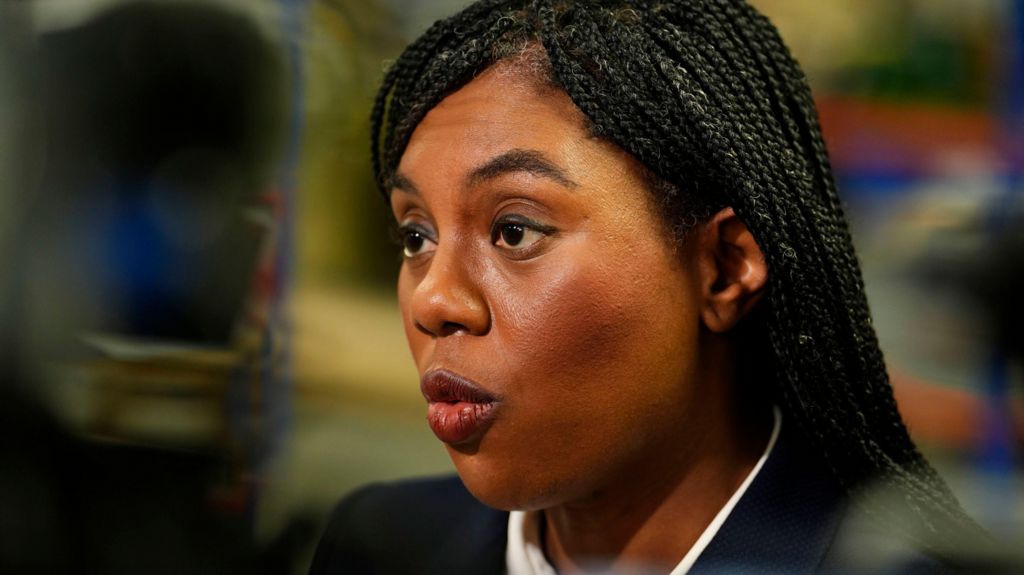
    British Cabinet Minister Kemi Badenoch has characterized the recent US military intervention in Venezuela as “morally justified” despite acknowledging uncertainties surrounding its legal foundations. In a BBC Radio 4 interview, the Conservative leader expressed support for the operation that resulted in the extraction of President Nicolás Maduro, whom she described as leading a “brutal regime.

    The controversial military action, which unfolded over the weekend, involved US forces apprehending Maduro and his wife in Caracas while conducting simultaneous strikes on Venezuelan military installations. The deposed leader and his spouse currently face serious charges in New York courts, including weapon and drug trafficking offenses related to alleged cocaine smuggling operations.

    While maintaining her moral endorsement of the intervention, Badenoch conceded that the operation “raise[s] serious questions about the rules-based order.” Drawing from personal experience having grown up under Nigerian military rule, she emphasized her understanding of authoritarian governance, stating she “know[s] what it’s like to have someone like Maduro in charge.”

    The UK government has adopted a carefully measured stance regarding the incident, avoiding direct condemnation of potential international law violations while continuing to recognize Maduro as an “illegitimate president.” This position has drawn criticism from opposition parties including Labour, Liberal Democrats, Greens, and SNP, who have collectively demanded explicit condemnation of what they characterize as illegal actions by the Trump administration.

    In a related geopolitical development, the interview addressed President Trump’s renewed interest in Greenland, with Badenoch drawing clear distinctions between the situations. She emphasized that “there is a big difference between democratic states” and Venezuela, which she termed a “gangster state,” noting that Greenland’s future should remain exclusively with Denmark and its people.

    Health Secretary Wes Streeting subsequently elaborated on the government’s differentiated approach, explaining that Denmark’s NATO membership and the absence of British national security concerns regarding Greenland justified the contrasting responses to the two situations.

    Meanwhile, Foreign Secretary Yvette Cooper has engaged in diplomatic communications with US counterpart Marco Rubio, reminding him of international legal obligations while maintaining the UK position that the United States must provide its own legal justification for the operation.

    The developments have sparked concerns among some foreign policy experts, including Labour MP Emily Thornberry, who chairs the Commons Foreign Affairs Committee. Critics warn that the US action potentially emboldens rival powers like Russia and China while undermining international legal norms.

    President Trump has committed to overseeing Venezuelan governance during what he terms a “proper” transition of power, with Vice-President Delcy Rodríguez assuming interim presidential duties pending establishment of a new governmental structure.

  • China bans exports to Japan of dual-use goods that could enhance Tokyo’s military power

    China bans exports to Japan of dual-use goods that could enhance Tokyo’s military power

    In a significant escalation of economic measures, China’s Ministry of Commerce announced Tuesday the implementation of comprehensive export restrictions on dual-use technologies to Japan. The new regulations specifically prohibit shipments of goods with potential military applications to Japanese military entities and any end-users that could contribute to enhancing Japan’s defense capabilities.

    The policy directive, issued without detailed product specifications, primarily targets advanced technological equipment including drone systems and navigation technology that possess civilian-military conversion potential. The ministry emphasized that any individual or organization found transferring these Chinese-manufactured products to Japanese recipients would face legal consequences, regardless of their geographical location.

    This development occurs against the backdrop of deteriorating Sino-Japanese relations, which intensified following recent statements by Japanese Prime Minister Sanae Takaichi regarding potential military intervention in Taiwan-related scenarios. Additional friction emerged in December when Japanese authorities reported incidents of Chinese military aircraft activating targeting radar against Japanese fighter jets.

    Concurrently, Japan has been advancing substantial military modernization efforts, including plans to double annual defense expenditures to address perceived regional security challenges. China’s latest move coincides with its recent large-scale military exercises around Taiwan, which Beijing characterized as warnings against separatist tendencies and external interference.

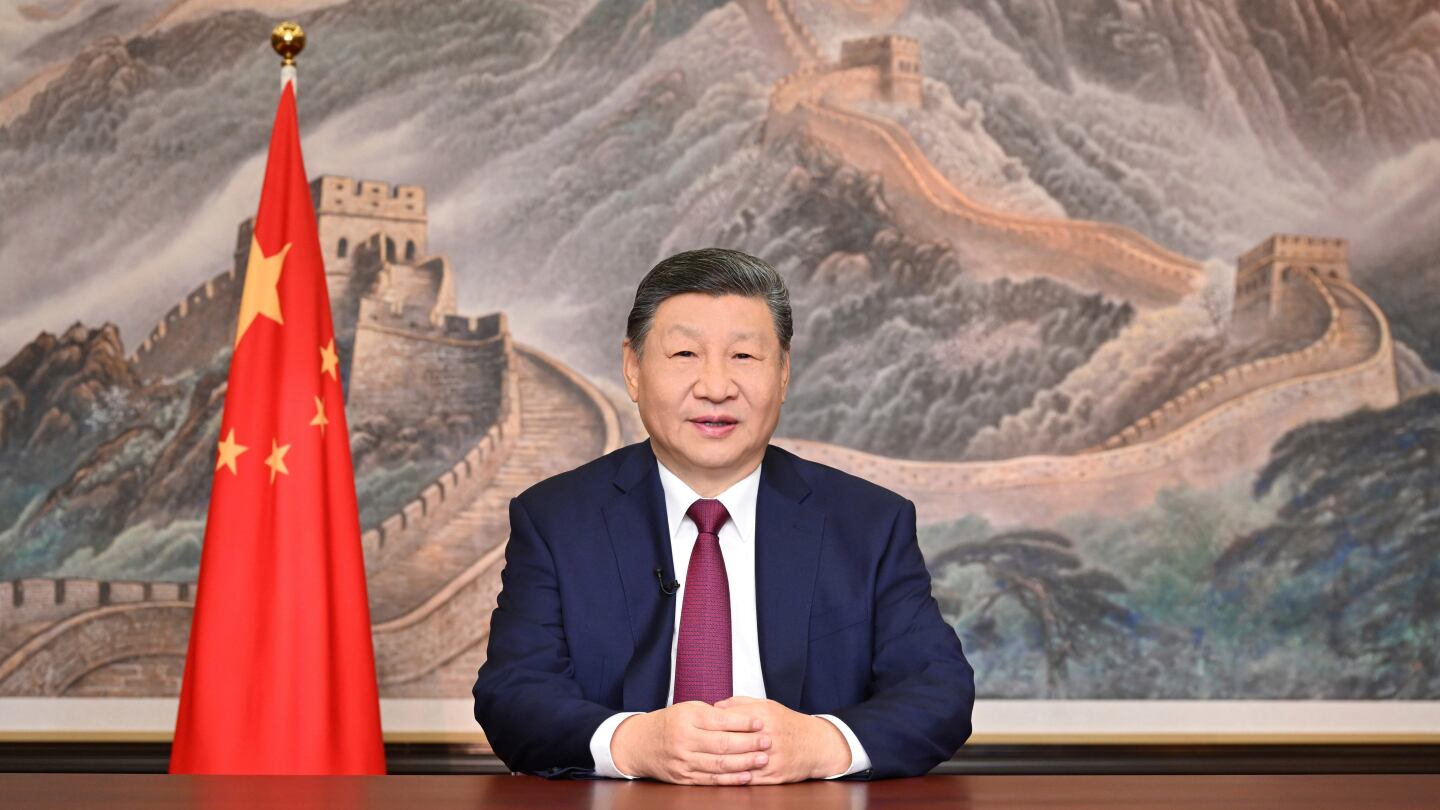
    During diplomatic engagements in Beijing, Chinese leadership has reinforced historical narratives, with President Xi Jinping invoking World War II alliances during meetings with South Korean President Lee Jae Myung, emphasizing collective responsibility in preserving postwar regional stability.

  • Mediation hopes rise in Yemen

    Mediation hopes rise in Yemen

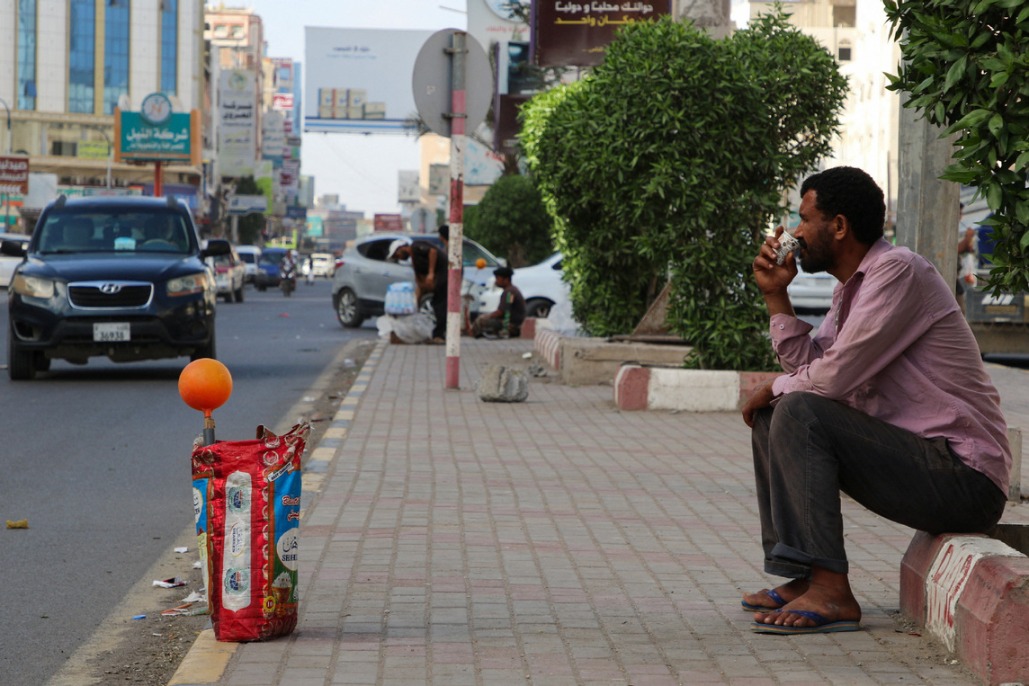
    Amid intensifying hostilities in Yemen’s prolonged civil war, Turkey has positioned itself as a potential mediator to facilitate dialogue between warring factions. The diplomatic initiative comes as fighting between Saudi-backed government forces and UAE-supported separatists has resulted in significant casualties, with at least 80 fighters from the Southern Transitional Council (STC) killed since recent clashes began.

    Turkish President Recep Tayyip Erdogan communicated directly with Saudi Crown Prince Mohammed bin Salman on Sunday, expressing Ankara’s readiness to contribute to reconciliation efforts. The presidential office stated that Turkey is closely monitoring Yemeni developments and emphasized the critical importance of preserving Yemen’s territorial integrity.

    This diplomatic overture follows Saudi Arabia’s invitation to southern factions for negotiations in Riyadh—a proposal that received positive reception from the STC. The willingness to engage in dialogue suggests all parties may be considering negotiated settlements as the ultimate solution to the current hostilities.

    The recent escalation began when government forces, supported by Saudi Arabia, launched operations to reclaim territories seized by the STC in Hadramout Governorate. Saudi-backed National Shield Forces successfully retook the strategic port city of Mukalla, with Associated Press footage showing local residents welcoming government troops as they patrolled streets in armored vehicles.

    Despite these military developments, tensions remain high. Yemen’s Presidential Leadership Council has accused the STC of blockading Aden port and warned of taking “all necessary measures” after recapturing eastern territories. The STC denied these allegations, though the exchange demonstrates persistent hostility despite diplomatic proposals.

    The current conflict escalation traces to last month when STC forces captured substantial portions of Hadramout and Al-Mahrah governorates—regions containing Yemen’s remaining energy resources and bordering Saudi Arabia. In response, Riyadh intensified its military support for the internationally recognized government, conducting extensive air and ground operations.

    Yemen’s civil war, ongoing since Houthi forces captured Sanaa in 2014, has been further complicated by the STC’s formation in 2017. The separatist group seeks self-determination for southern Yemen and has maintained its sovereignty agenda despite joining the coalition government in 2022, resulting in recurring disputes over power-sharing and resource control.

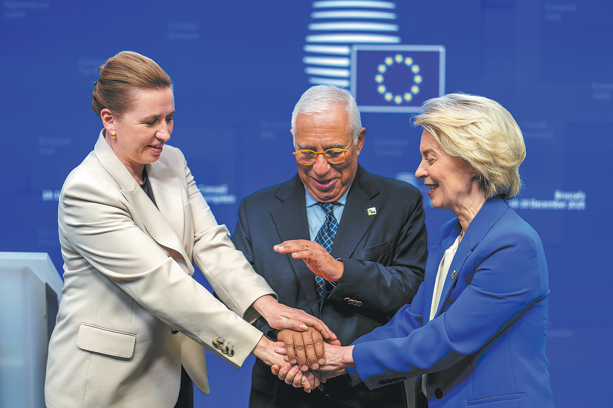
  • Trust on trial: A year of ‘rebalancing’ US-EU ties

    Trust on trial: A year of ‘rebalancing’ US-EU ties

    The transatlantic partnership underwent a profound transformation throughout 2025 as Donald Trump’s return to the White House accelerated a dramatic shift toward transactional diplomacy, testing the resilience of the seven-decade-old Western alliance. European leaders who believed themselves prepared for Trump’s unconventional approach found themselves confronting unprecedented challenges to the very foundation of transatlantic relations.

    The administration’s “America First” doctrine manifested most visibly through aggressive trade policies that left European economies reeling. In a sweeping protectionist move, the Trump administration imposed blanket tariffs of 20% on all EU member states while levying even higher rates against other European nations. This economic offensive culminated in what European officials described as a lopsided trade agreement forced upon the EU after months of tense negotiations.

    Beyond economic confrontation, the relationship deterioration reached strategic dimensions with the December release of the US National Security Strategy document. The 33-page paper employed unusually harsh language toward traditional allies, criticizing EU regulatory frameworks, migration policies, and even accusing European governments of suppressing political opposition. Most strikingly, the document outlined a policy of cultivating resistance to Europe’s current trajectory within European nations themselves.

    The strategy further demanded a fundamental restructuring of defense responsibilities, insisting European states assume primary responsibility for their own security, dramatically increase defense spending, and abandon expectations of NATO expansion. This represented a radical departure from seven decades of US foreign policy consensus.

    European Council President Antonio Costa captured the continent’s dismay when he noted that while the strategy still referred to Europe as an ally, “allies do not threaten to interfere in the democratic life or the domestic political choices of these allies.” The assessment echoed throughout European capitals, where leaders grappled with the realization that the post-World War II alliance architecture had entered a fundamentally new phase.

    The cumulative effect of these developments has forced European nations to confront difficult questions about strategic autonomy, economic sovereignty, and the future of Western solidarity in an increasingly fragmented international landscape.

  • Senior official highlights ideological guarantee, spiritual strength for Chinese modernization

    Senior official highlights ideological guarantee, spiritual strength for Chinese modernization

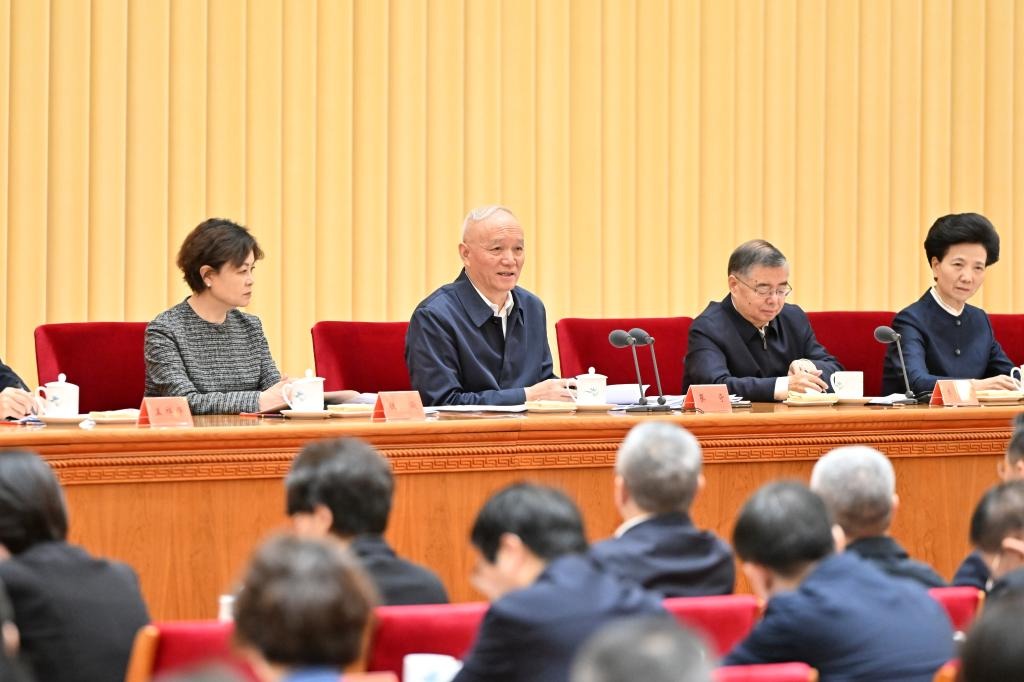
    In a significant national meeting of propaganda officials convened in Beijing on January 5, 2026, senior Communist Party of China official Cai Qi articulated the crucial role of ideological work in supporting China’s modernization objectives. The high-level gathering brought together publicity officials from across the nation to coordinate strategic communications efforts.

    Cai Qi, who serves on the Standing Committee of the Political Bureau of the CPC Central Committee and as a member of the Secretariat, outlined five priority areas for the country’s propaganda work. These include intensifying the study and dissemination of the Party’s theoretical innovations, strengthening the Party’s capacity to guide public opinion, promoting socialist core values, developing cultural services and industries, and enhancing the global influence of Chinese civilization.

    The senior leader emphasized that these efforts would provide essential ideological assurance, spiritual motivation, and favorable cultural conditions for achieving national rejuvenation through Chinese modernization. Specifically, he highlighted the importance of establishing a robust foundation during the initial phase of China’s 15th Five-Year Plan period (2026-2030).

    Cai further stressed the necessity of consolidating socialist core values, advancing the integration of cultural and tourism sectors, and improving international communication capabilities to present a comprehensive and authentic representation of China to the global community.

    Concurrent with Cai’s address, Li Shulei, head of the Publicity Department of the CPC Central Committee and member of the Political Bureau, detailed specific implementation tasks for the propaganda system. Li emphasized the critical need for effective execution of these directives with a heightened sense of responsibility and mission.

    The high-level meeting signifies the continued importance the CPC leadership places on ideological work as an integral component of China’s development strategy and governance approach.

  • Chinese troops step up combat-focused drills

    Chinese troops step up combat-focused drills

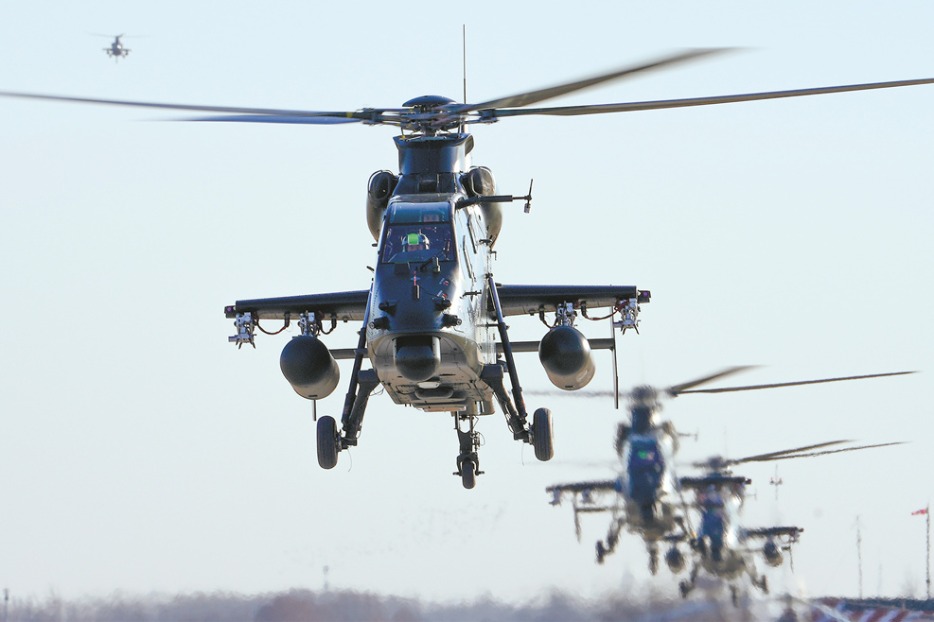
    The People’s Liberation Army has launched an extensive series of combat-focused military exercises across multiple theater commands and service branches at the beginning of the new year. These drills emphasize joint operational capabilities, unmanned systems deployment, and realistic battlefield simulations to enhance overall combat readiness.

    According to announcements from the PLA Southern Theater Command, troops stationed in the Nansha Islands region of the South China Sea have conducted multi-subject training operations focused on improving island-and-reef coordinated operational capabilities. The exercises specifically emphasized multi-domain coordination and joint combat effectiveness in maritime environments.

    The Eastern Theater Command simultaneously released photographic evidence demonstrating their troops’ intensive training preparations, highlighting their combat-ready status and commitment to maintaining peak operational readiness. Official statements emphasized the troops’ dedication to ensuring they “can fight and win when called upon.”

    The Rocket Force division showcased advanced missile launch simulation exercises through social media releases, depicting rapid deployment procedures of missile vehicles to designated combat positions. The footage detailed comprehensive operational sequences including equipment deployment, network establishment, and precision launch procedures under simulated combat conditions.

    Security and protection teams employed cutting-edge technology including unmanned aerial vehicles and robotic canine units to establish comprehensive perimeter security systems. These units conducted intensive searches and implemented full-coverage vigilance protocols using three-dimensional monitoring approaches.

    The Ground Force’s 79th Group Army conducted field exercises emphasizing drone warfare capabilities, with light unmanned systems penetrating simulated enemy positions to execute bombing runs, create smoke screens, and guide infantry assaults. Military personnel noted the evolution of drones from simple reconnaissance tools to sophisticated tactical systems, with additional testing of quadruped robots and First-Person View suicide drones in integrated combat scenarios.

    The Navy conducted port-based combat drills in Qingdao involving multiple destroyer and frigate classes including the CNS Nanchang, CNS Xining, and CNS Weifang. Training scenarios encompassed complex weather navigation, weapons deployment under adverse conditions, naval gunfire targeting sea and shore objectives, and live firing of anti-frogman munitions.