分类: politics

  • US would lead Ukraine ceasefire monitoring, back multinational force: draft statement

    US would lead Ukraine ceasefire monitoring, back multinational force: draft statement

    A draft statement circulating ahead of Tuesday’s Paris summit reveals a comprehensive security framework being developed by Ukraine’s international allies. According to documents obtained by AFP, the United States would assume leadership of a ceasefire monitoring and verification mechanism with European participation should a peace agreement be reached in the Russia-Ukraine conflict.

    The proposed security architecture includes a European-led multinational force that would deploy following any ceasefire arrangement. Washington has committed to supporting this force with intelligence, logistical capabilities, and military assistance in the event of renewed Russian aggression. The statement emphasizes “binding commitments” from participating nations to ensure Ukraine’s security against future attacks.

    President Emmanuel Macron is hosting the Coalition of the Willing meeting, which brings together European leaders, Ukrainian President Volodymyr Zelensky, and American representatives. The summit focuses specifically on establishing concrete security guarantees that would deter further Russian aggression during any ceasefire period.

    The proposed monitoring system would provide comprehensive oversight capabilities across air, sea, and land domains while facilitating the regeneration of Ukraine’s armed forces. European nations would lead the multinational force component, with American participation concentrated in intelligence sharing, logistical support, and contingency response capabilities.

    The security commitments outlined in the draft extend beyond military measures to include diplomatic initiatives and additional sanctions against Russia. This multilateral approach represents the most detailed framework proposed to date for ensuring Ukraine’s security in any potential post-ceasefire environment.
  • Israeli foreign minister visits Somaliland after contentious recognition of breakaway territory

    Israeli foreign minister visits Somaliland after contentious recognition of breakaway territory

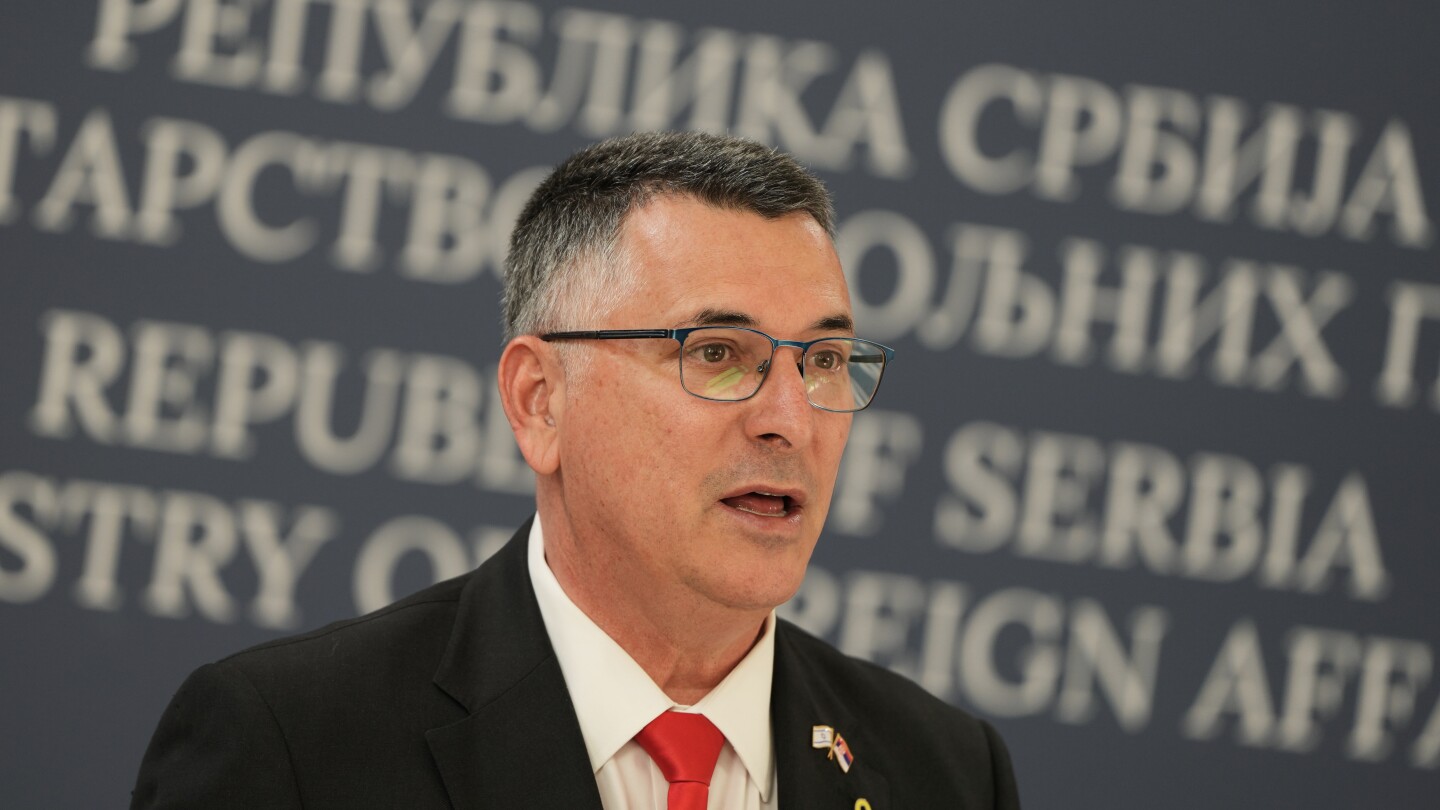
    MOGADISHU, Somalia — In a groundbreaking diplomatic maneuver, Israeli Foreign Minister Gideon Saar conducted an official visit to Somaliland on Tuesday, marking the first high-level Israeli engagement since Israel’s formal recognition of the breakaway territory as a sovereign state in December. The controversial move has ignited international condemnation and raised geopolitical tensions across the Horn of Africa.

    The Somaliland Ministry of Information confirmed Saar’s arrival via social media, noting his reception by senior cabinet members at Hargeisa International Airport. The ministry characterized the event as a historic milestone in bilateral relations. Saar is scheduled to meet with Somaliland President Abdirahman Mohamed Abdullahi (commonly known as Irro) at the presidential palace later today.

    This diplomatic development has drawn sharp criticism from multiple quarters. The Federal Government of Somalia issued an official statement condemning what it termed an “unauthorized incursion” and “unacceptable interference in internal affairs.” Somalia maintains that Somaliland remains an integral part of its sovereign territory.

    The African Union, Organization of Islamic Cooperation, and more than twenty nations—primarily from the Middle East and Africa—have rejected Israel’s recognition of Somaliland. The United States, through State Department channels, reaffirmed its position recognizing Somalia’s territorial integrity, which includes Somaliland.

    Unverified social media footage purportedly showed fighter jets flying over Hargeisa during Saar’s visit, though the aircraft’s origin remains unconfirmed. This development occurs against the backdrop of previously reported discussions between Israel and Somaliland regarding potential resettlement of Palestinians from Gaza—a plan since abandoned by the U.S. administration.

    Somaliland declared independence from Somalia in 1991 amid the country’s civil conflict. Despite maintaining its own government, currency, and security apparatus for three decades, no nation had previously recognized its sovereignty until Israel’s December 26th announcement.

  • Venezuelan security forces detain journalists as armed police patrol streets

    Venezuelan security forces detain journalists as armed police patrol streets

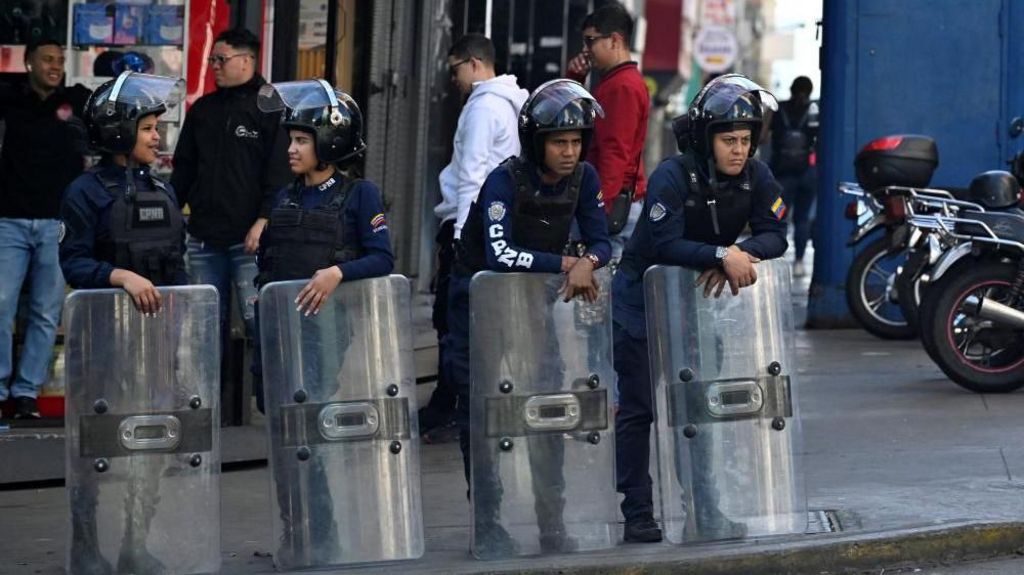
    Venezuelan security forces detained at least 14 journalists on Monday amid heightened political turmoil following the capture of President Nicolás Maduro by US forces. The detentions occurred as Delcy Rodríguez assumed the role of interim president, marking a significant escalation in the government’s suppression of information.

    According to Venezuela’s media workers union, the majority of those detained were foreign correspondents, with all but one released later that day. One reporter faced deportation. The journalists were apprehended at multiple locations including the National Assembly building and the Altamira district in Caracas, where Rodríguez was being sworn into office.

    The detained media professionals underwent extensive equipment searches, with authorities examining their phones, social media posts, and private messages. In a separate incident, Colombian and Spanish reporters were held incommunicado for hours at the Venezuela-Colombia border near Cúcuta before being released back into Colombia.

    This press crackdown coincides with Rodríguez’s declaration of willingness to cooperate with the Trump administration, which has previously stated its intention to ‘run’ Venezuela following Maduro’s capture in a military operation that resulted in numerous casualties among his security detail.

    The repression extends beyond journalists to the general population. Residents report armed, masked groups patrolling neighborhoods, checking citizens’ WhatsApp statuses and messages for critical content. A heavy presence of police, military, and pro-government armed groups known as ‘colectivos’ has created an atmosphere of fear throughout Caracas.

    Interior Minister Diosdado Cabello publicly showcased security forces’ visibility in communities, posting images of himself with armed police on social media. Meanwhile, anonymous sources describe military personnel on every corner and armed civilian groups instilling fear among the population.

    This incident continues a pattern of media suppression in Venezuela, where foreign news organizations face significant visa restrictions. The current situation echoes the post-2024 election crackdown when security forces similarly monitored digital communications, leading many Venezuelans to delete their social media accounts and message histories.

    According to human rights organization Foro Penal, Venezuela currently holds over 800 political prisoners as of January 5, with many previously sentenced to lengthy prison terms for ‘treason’ following the disputed 2024 presidential election.

  • Trump claims US oil firms could be ‘up and running’ in Venezuela within 18 months

    Trump claims US oil firms could be ‘up and running’ in Venezuela within 18 months

    In a significant development following the military operation that ousted Venezuelan President Nicolás Maduro, former U.S. President Donald Trump has articulated an ambitious vision for American petroleum companies to rapidly revitalize Venezuela’s oil industry within an 18-month timeframe. Trump revealed in an exclusive NBC News interview that substantial investments would be required from energy corporations, suggesting they would eventually be reimbursed either through direct government compensation or future revenue streams.

    The announcement comes amid reported planning meetings between major U.S. petroleum representatives and Trump administration officials this week. Trump emphasized the strategic importance of Venezuelan oil production for American interests, stating that “Having a Venezuela that’s an oil producer is good for the United States because it keeps the price of oil down.”

    However, energy analysts express skepticism regarding Trump’s accelerated timeline, previously telling BBC that restoring Venezuela’s oil infrastructure could require tens of billions of dollars and potentially a decade-long effort. Venezuela possesses the world’s largest proven oil reserves at approximately 303 million barrels, but current production represents only a fraction of this capacity due to decades of decline and underinvestment.

    The complexity of Venezuelan oil operations presents additional challenges. The country’s heavy crude requires specialized refining capabilities, with Chevron standing as the sole U.S. company currently operating in Venezuela. When contacted for comment, Chevron spokesman Bill Turenne indicated the company remains “focused on the safety and wellbeing of our employees, as well as the integrity of our assets,” while operating in compliance with all relevant regulations.

    The political context remains charged, with Trump and Vice President JD Vance asserting that Venezuela had previously “stolen American oil” through nationalization efforts. Historical records show Venezuela nationalized its oil industry in 1976, with increased state control over foreign-owned assets occurring in 2007 under President Hugo Chavez. A World Bank tribunal subsequently ordered Venezuela to pay $8.7 billion in compensation to ConocoPhillips for the 2007 actions, a debt that remains outstanding.

    BBC Verify analysis suggests the characterization of oil “theft” oversimplifies the complex historical relationship between Venezuela and international oil companies, noting that the oil itself was never actually owned by anyone except Venezuela, with companies operating under licensing agreements.

  • Trump aide says no-one would fight US over Greenland

    Trump aide says no-one would fight US over Greenland

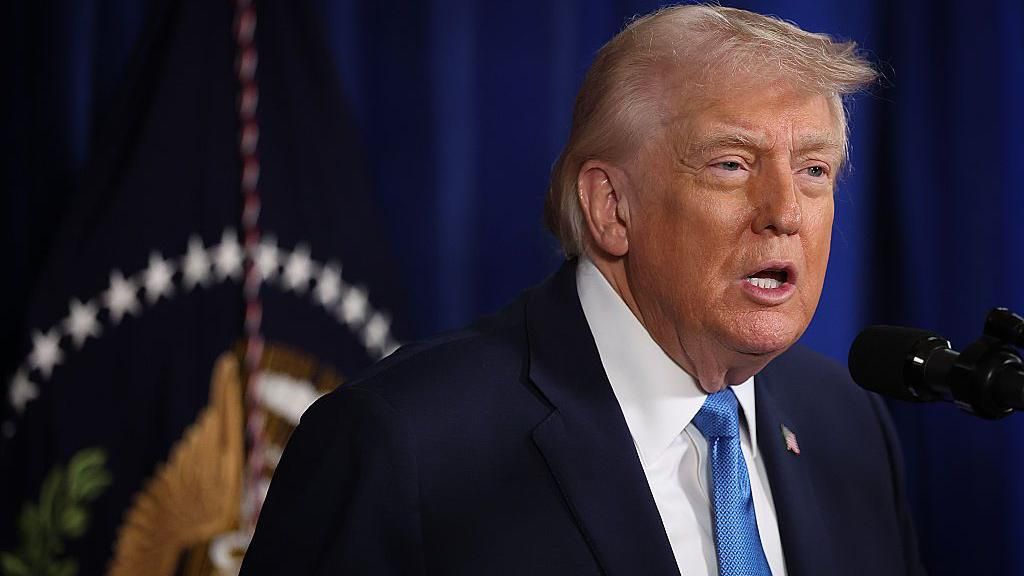
    The Trump administration has ignited a significant diplomatic confrontation with European allies by formally asserting the United States’ sovereign claim over Greenland. Senior presidential advisor Stephen Miller declared in a CNN interview that “the formal position of the US government is that Greenland should be part of the United States,” explicitly refusing to rule out potential military annexation of the semi-autonomous Danish territory.

    Miller’s provocative statements questioned Denmark’s historical authority over Greenland, asking “By what right does Denmark assert control over Greenland? What is their basis of claiming Greenland as a colony of Denmark?” He further asserted that “nobody’s going to fight the US over the future of Greenland,” despite the territory’s status within NATO and its constitutional relationship with Denmark.

    This territorial ambition was personally endorsed by President Trump, who stated “We need Greenland from the standpoint of national security,” citing its strategic Arctic positioning and valuable mineral resources as critical American interests. These declarations prompted immediate condemnation from Danish Prime Minister Mette Frederiksen, who warned that any American attack on Greenland would effectively terminate the NATO alliance.

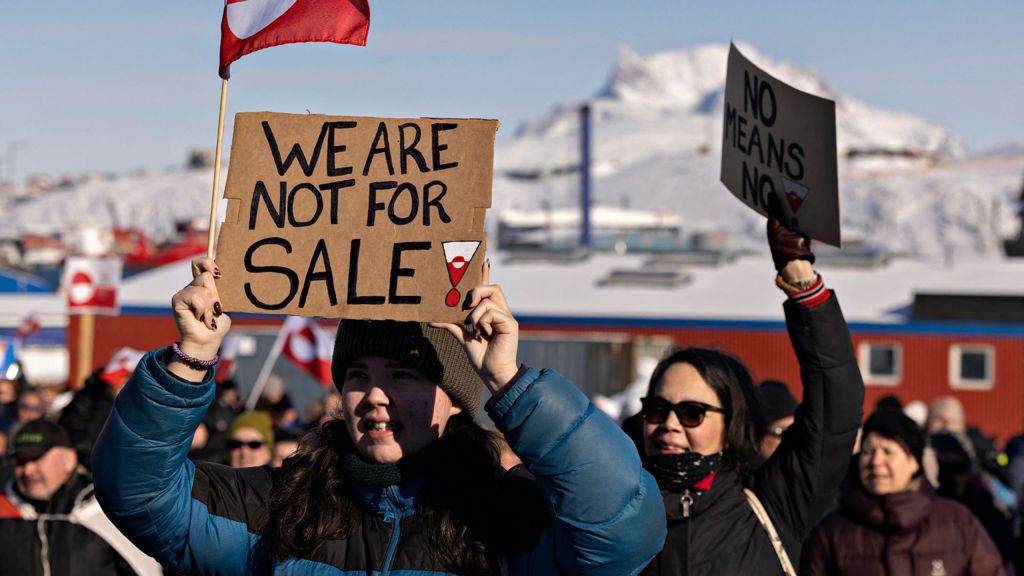
    The administration’s position has created unprecedented division within the Western military alliance, with six European powers—the United Kingdom, France, Germany, Italy, Poland, and Spain—issuing a joint statement with Denmark affirming that “Greenland belongs to its people, and only Denmark and Greenland can decide on matters concerning their relations.” The European leaders emphasized that Arctic security must be achieved collectively through NATO while “upholding the principles of the UN Charter, including sovereignty, territorial integrity and the inviolability of borders.”

    This geopolitical controversy emerges amid heightened concerns about American interventionism following recent military operations in Venezuela, where US forces captured President Nicolás Maduro. Trump’s announcement that the US would temporarily “run” Venezuela and his revival of 19th-century hemispheric dominance doctrines have amplified anxieties about additional territorial ambitions.

    The administration had previously signaled its Greenland interests by appointing a special envoy to the territory, a move that provoked diplomatic protests from Denmark. Despite Greenland’s extensive self-governance since 1979 (with foreign policy and defense remaining under Danish control), and overwhelming opposition among its 57,000 residents to American annexation, the Trump administration continues to pursue its territorial claims based on strategic and resource considerations.

  • Israel’s foreign minister on historic visit to Somaliland

    Israel’s foreign minister on historic visit to Somaliland

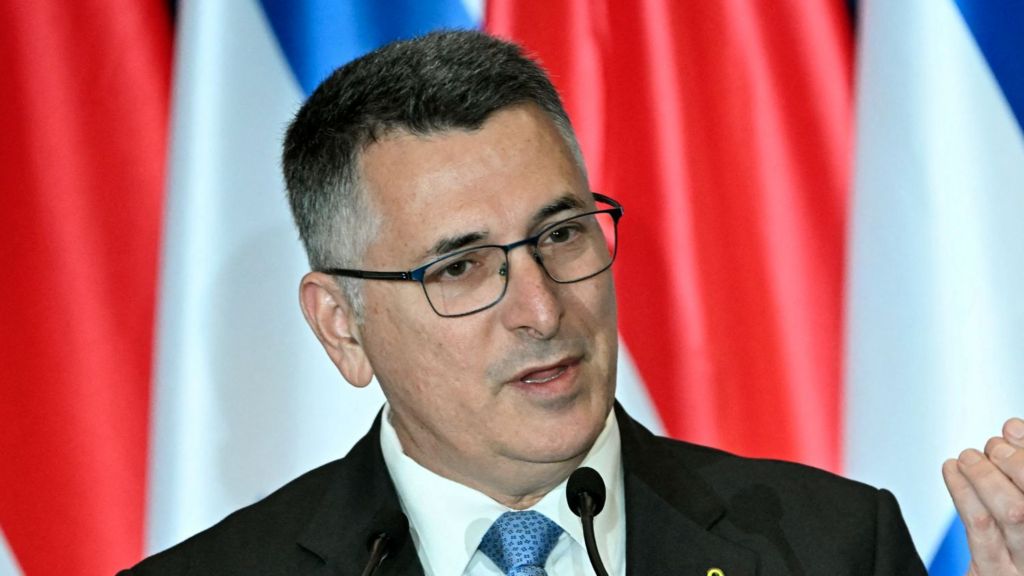
    In a groundbreaking diplomatic move, Israeli Foreign Minister Gideon Saar has conducted an official visit to Hargeisa, the capital of the self-declared Republic of Somaliland. This high-level engagement marks the first such visit since Israel’s controversial decision last month to recognize Somaliland as an independent sovereign state—a move that has sparked intense international debate.

    Saar met with Somaliland President Abdirahman Mohamed Abdullahi during the Tuesday visit, with both parties discussing enhanced political and strategic partnerships. While the Israeli foreign ministry has remained officially silent on the trip, diplomatic sources within Somaliland confirmed to the BBC that the visit aims to advance bilateral relations between the two territories.

    The recognition of Somaliland by Israel last month represented a seismic shift in international diplomacy, making Israel the first nation to formally acknowledge Somaliland’s independence from Somalia. The region declared autonomy in 1991 following the overthrow of Somali military dictator Siad Barre, though it has operated as a de facto state for over three decades without widespread international recognition.

    Somaliland’s leadership has celebrated Israel’s decision as a ‘historic moment’ that validates their longstanding quest for sovereignty. Conversely, the Federal Government of Somalia has vehemently rejected the development, characterizing it as a direct assault on Somali territorial integrity.

    The Israeli recognition has triggered substantial international backlash, including an emergency session of the UN Security Council. China, Turkey, and the African Union have been among the most vocal critics, while the United States has notably defended Israel’s position, accusing critics of applying double standards.

    Foreign Minister Saar has previously defended the recognition decision, stating: ‘Somaliland was not created this past weekend. It has existed as a functioning state for more than 34 years. The attacks on Israel’s recognition of Somaliland are hypocritical. Only Israel will decide who to recognize and with whom to maintain diplomatic relations.’

    The visit occurs against a complex geopolitical backdrop, with Somaliland seeking to break its diplomatic isolation while Somalia maintains its claim over the territory. This development represents a significant test for international norms regarding state recognition and sovereignty.

  • European leaders push back on Trump’s comments about a US takeover of Greenland

    European leaders push back on Trump’s comments about a US takeover of Greenland

    BERLIN — A coalition of European leaders issued a firm collective response on Tuesday to U.S. President Donald Trump’s controversial remarks regarding American acquisition of Greenland, explicitly affirming the Arctic territory’s right to self-determination. The leaders of France, Germany, Italy, Poland, Spain, and the United Kingdom joined Danish Prime Minister Mette Frederiksen in a strong statement of solidarity that emphasized Greenland’s status as belonging exclusively to its people.

    The joint declaration came as a direct rebuttal to comments from White House Deputy Chief of Staff Stephen Miller, who asserted on Monday that Greenland should become part of the United States despite warnings from Danish leadership that such a move would effectively signal the demise of NATO. Miller characterized Greenland as essential to American security infrastructure during a CNN interview, stating the president had been ‘clear for months’ about this position.

    President Trump justified his interest in the mineral-rich territory by citing escalating Russian and Chinese presence in the Arctic region, telling reporters on Sunday that ‘Greenland is covered with Russian and Chinese ships all over the place’ and emphasizing its strategic importance for national security. He questioned Denmark’s capacity to maintain control over the vast Arctic territory.

    Miller further challenged the basis of Denmark’s territorial claim, referring to Greenland as a ‘colony of Denmark’ and questioning the legitimacy of Copenhagen’s sovereignty. However, he dismissed speculation about potential military intervention, asserting that no nation would confront the United States militarily over Greenland’s future.

    The European leaders’ statement left no room for interpretation: ‘Greenland belongs to its people. It is for Denmark and Greenland, and them only, to decide on matters concerning Denmark and Greenland.’ This unified European position highlights growing transatlantic tensions over sovereignty issues and strategic territories in the rapidly changing Arctic landscape.

  • Slovenia will hold parliamentary election on March 22

    Slovenia will hold parliamentary election on March 22

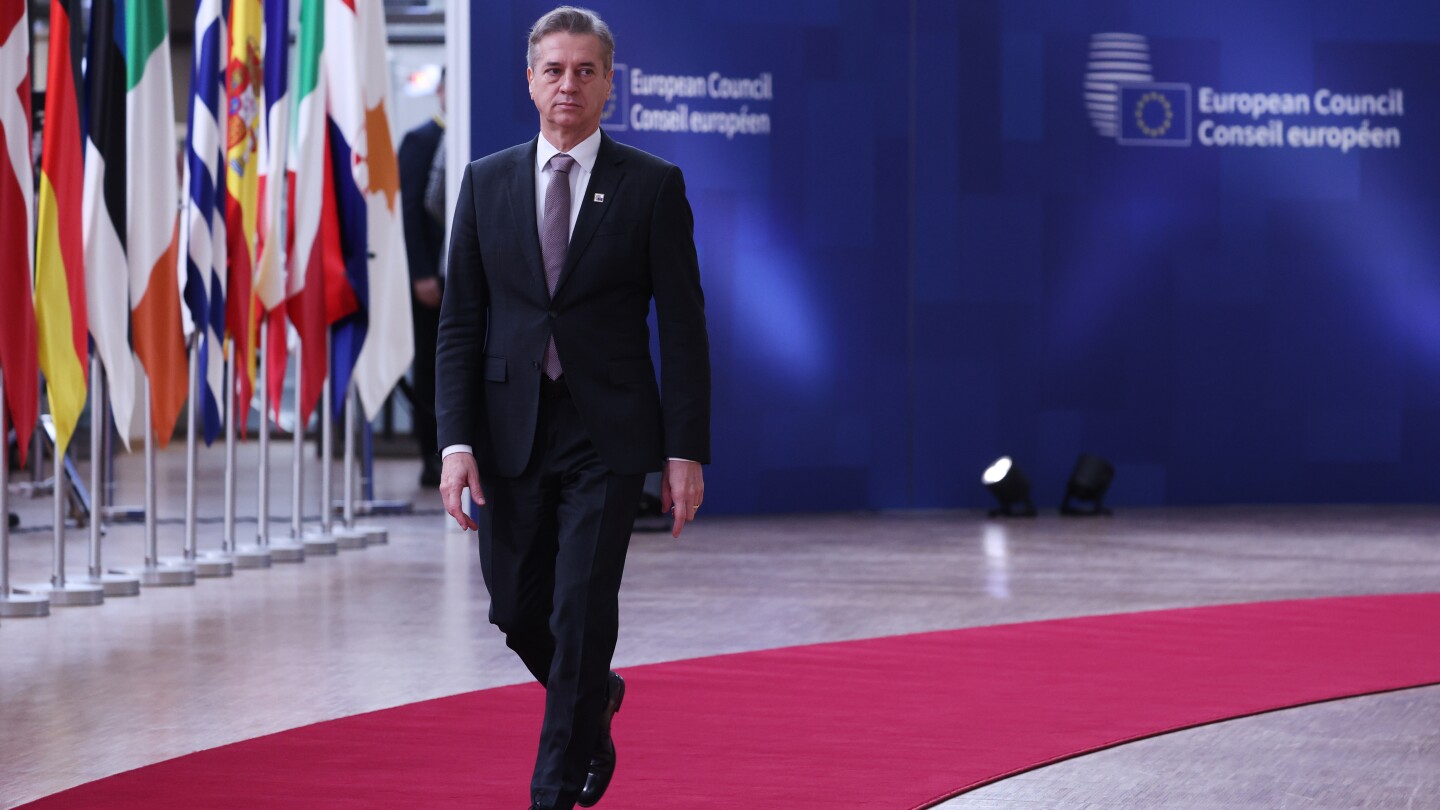
    Slovenia will hold parliamentary elections on March 22, 2024, as announced by President Natasa Pirc Musar on Tuesday. The upcoming vote represents a critical political test for Prime Minister Robert Golob’s liberal coalition government, which faces significant opposition from right-wing populist factions.

    President Musar emphasized the importance of electoral integrity, stating she would actively monitor disinformation campaigns and potential foreign manipulation attempts. “I want the election to be conducted fairly, and I will pay attention to disinformation and manipulation, including from abroad,” she declared, while simultaneously advocating for “respectful, responsible and tolerant communication during the election campaign.”

    The election will determine the composition of Slovenia’s 90-seat National Assembly, with the outcome potentially reshaping the nation’s political trajectory. The Alpine EU member state, which gained independence from Yugoslavia in 1991 and joined both NATO and the European Union in 2004, has approximately 2 million citizens.

    Prime Minister Golob’s administration, which assumed power in 2022 after defeating populist predecessor Janez Jansa, has pursued several controversial policies. These include Slovenia’s official recognition of Palestinian statehood, a move that drew both international attention and domestic criticism. Opposition parties have additionally accused the government of economic mismanagement and slowing economic growth.

    The government recently suffered a political setback when Slovenian voters rejected assisted dying legislation in a November referendum. The proposed bill would have permitted terminally ill patients to legally end their lives under specific circumstances.

    According to constitutional procedures, the newly elected parliament must convene within 20 days following the election. President Musar will then have an additional 30 days to appoint a prime minister-designate capable of securing parliamentary majority support.

  • Ukraine’s European, US allies meet in Paris on security guarantees

    Ukraine’s European, US allies meet in Paris on security guarantees

    PARIS – In a significant diplomatic mobilization, key Western allies assembled in Paris on Tuesday for high-stakes negotiations aimed at establishing concrete security guarantees for Ukraine. The summit, attended by representatives from 35 nations including 27 heads of state, represents the latest coordinated effort to address Europe’s most devastating conflict since World War II.

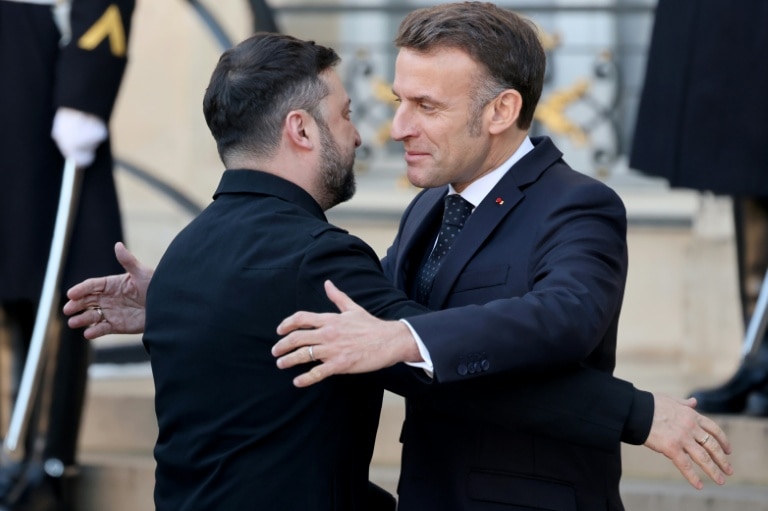
    Ukrainian President Volodymyr Zelensky arrived in the French capital for afternoon talks following preliminary discussions among coalition members. The gathering, dubbed the ‘Coalition of the Willing’, includes participation from US Special Envoy Steve Witkoff and Senior Advisor Jared Kushner, dispatched by President Donald Trump to engage in the dialogue initiated last year by France and Britain.

    The Paris meeting occurs against a backdrop of intensified geopolitical complexities. The recent detention of Venezuelan President Nicolás Maduro, a key Russian ally, by US forces has introduced additional transatlantic tensions, with European leaders expressing measured concern regarding implications for international law.

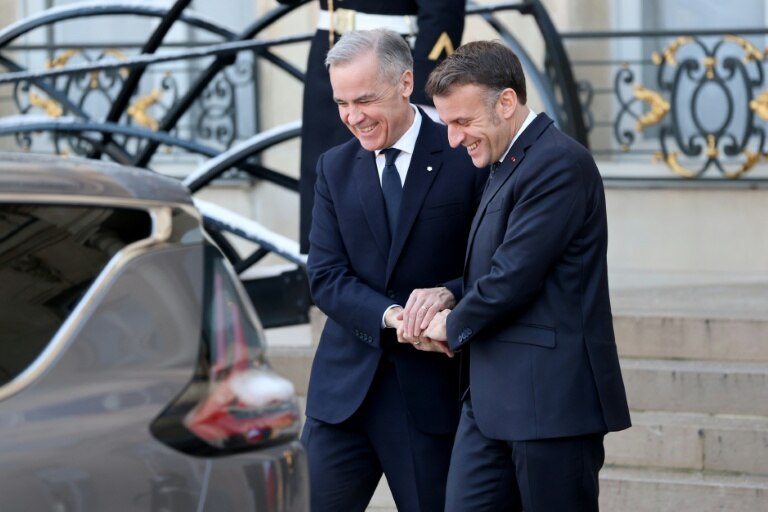
    French President Emmanuel Macron hosted Canadian Prime Minister Mark Carney for breakfast at the Élysée Palace ahead of scheduled meetings with Zelensky and American delegates. The assembly also includes UK Prime Minister Keir Starmer, German Chancellor Friedrich Merz, and Italian Prime Minister Giorgia Meloni, signaling broad Western engagement.

    Central to discussions is the proposed deployment of a multinational force to Ukraine as a deterrent against future Russian aggression, should hostilities cease. However, diplomatic progress remains constrained by fundamental disagreements over territorial control, with Kyiv maintaining that Russia must completely withdraw from occupied Ukrainian territories before any settlement can be reached.

    Polish Prime Minister Donald Tusk emphasized the meeting’s objective to ‘tighten and align European and American positions,’ noting that only unified Western pressure could compel Russia to seriously consider ceasefire negotiations. An advisor to President Macron characterized the summit as the culmination of efforts to prevent ‘the United States from abandoning Ukraine’ since the Trump administration took office.

    Despite Kyiv’s assertion that a potential agreement is ’90 percent’ complete, Russia continues to demand full control of Ukraine’s eastern Donbas region, which it currently partially occupies. German Chancellor Merz acknowledged diplomatic efforts are proceeding ‘under difficult conditions,’ citing Russia’s limited willingness to negotiate and challenges in maintaining transatlantic cooperation.

  • UN member states condemn US action in Venezuela

    UN member states condemn US action in Venezuela

    The United Nations Security Council convened its inaugural session of 2026 amid unprecedented diplomatic turmoil, as a overwhelming majority of member states delivered scathing condemnations of United States military operations in Venezuela. The emergency meeting, called in response to what numerous diplomats labeled a flagrant violation of international law, revealed deep fractures within the international community regarding unilateral interventionism.

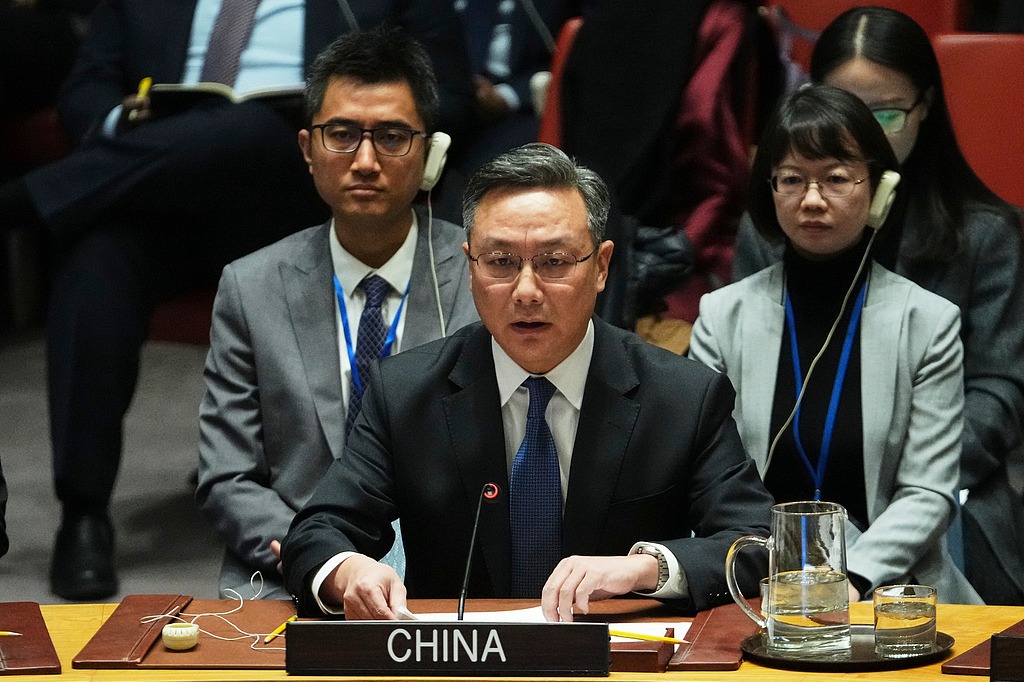
    China’s Deputy Permanent Representative to the UN, Sun Lei, articulated what he characterized as the international community’s “overwhelming voice” demanding Washington cease actions infringing upon Venezuelan sovereignty. In a forceful address, Sun condemned the US strike that resulted in the capture and extradition of President Nicolás Maduro as “unilateral, illegal and bullying acts” that trample upon fundamental principles of the UN Charter. The Chinese diplomat warned that such actions pose grave threats to regional and global security while drawing historical parallels to previous US military interventions that caused “persistent conflict, instability and immense suffering.”

    The session gained additional scholarly weight when Jeffrey Sachs, President of the UN Sustainable Development Solutions Network, presented a legal analysis concluding that US actions violated Article 2, Section 4 of the UN Charter. Sachs characterized the operation as part of a longstanding pattern of “covert regime change” operations and issued a stark warning about the survival of international law itself.

    Russian Ambassador Vassily Nebenzia joined the condemnation, denouncing the operation as a “crime cynically perpetrated” that heralds a return to lawlessness. European and Latin American voices echoed these concerns, with Spain’s representative noting that “force never brings more democracy” and Mexico warning that regime change by external actors historically exacerbates conflicts and weakens national institutions.

    While the US and Argentina defended the operation as a surgical anti-narco-terrorism measure, even traditionally aligned nations expressed reservations. Denmark emphasized that Venezuelans retain the right to self-determination “without coercion, pressure or manipulation by external actors,” while Brazil rejected the intervention as crossing “an unacceptable line” that violates mandatory international norms.

    The extraordinary session concluded with broad consensus that the unilateral military action constitutes a fundamental breach of the United Nations Charter, with France’s representative noting that when a permanent Security Council member violates the Charter, it “chips away at the very foundation of the international order.”