分类: politics

  • Venezuela’s interim leader sacks general in charge of Maduro’s guard

    Venezuela’s interim leader sacks general in charge of Maduro’s guard

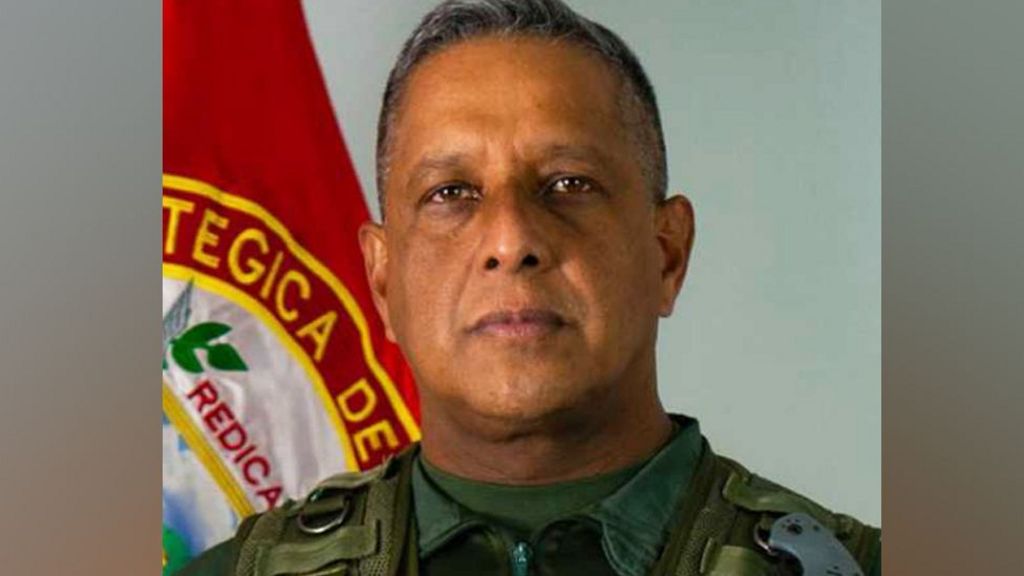
    In a significant reshuffle of Venezuela’s security apparatus, Interim President Delcy Rodríguez has dismissed General Javier Marcano Tábata from his command of the presidential honor guard. This move comes just days after U.S. forces conducted a dramatic raid in Caracas, capturing former President Nicolás Maduro and transporting him to New York to face narco-terrorism charges.

    The presidential honor guard, responsible for the head of state’s personal security, suffered substantial casualties during the operation. While official numbers remain undisclosed, Venezuelan military sources confirm 23 fatalities, including five generals. Notably, Cuba reported 32 of its nationals killed, many believed to be embedded within Maduro’s protection detail.

    Rodríguez, sworn in by the government-loyal National Assembly, faces immense pressure from Washington. President Donald Trump has demanded compliance with U.S. interests, including access to Venezuela’s vast oil reserves—the world’s largest proven stockpile. Trump explicitly threatened Rodríguez with a ‘fate worse than Maduro’s’ for non-compliance, while simultaneously claiming Venezuela would ‘turn over’ up to 50 million barrels of oil to the United States.

    The interim government’s response has oscillated between defiance and conciliation. Rodríguez condemned Maduro’s capture as an ‘illegal kidnapping’ yet extended an invitation for bilateral cooperation. Analysts suggest General Marcano Tábata’s removal relates primarily to his unit’s failure to prevent Maduro’s seizure rather than his concurrent leadership of the military counterintelligence unit (DGCIM)—an organization documented by UN investigators for systematic human rights abuses including torture and sexual violence.

    His replacement, Gustavo González López, formerly headed Venezuela’s national intelligence service (Sebin), which faces similar accusations of suppressing dissent through its control of Caracas’ notorious Helicoide prison. This suggests the dismissal represents a consolidation of trusted allies rather than a policy shift away from repression.

    With Trump acknowledging prepared secondary strikes against remaining hardliners—including Interior Minister Diosdado Cabello, who faces a $25 million U.S. bounty for alleged narco-trafficking—Rodríguez’s leadership balances domestic credibility against existential external threats. The security apparatus reorganization signals her attempt to stabilize control amid heightened vulnerability.
  • Election runner-up in Central African Republic alleges fraud in vote

    Election runner-up in Central African Republic alleges fraud in vote

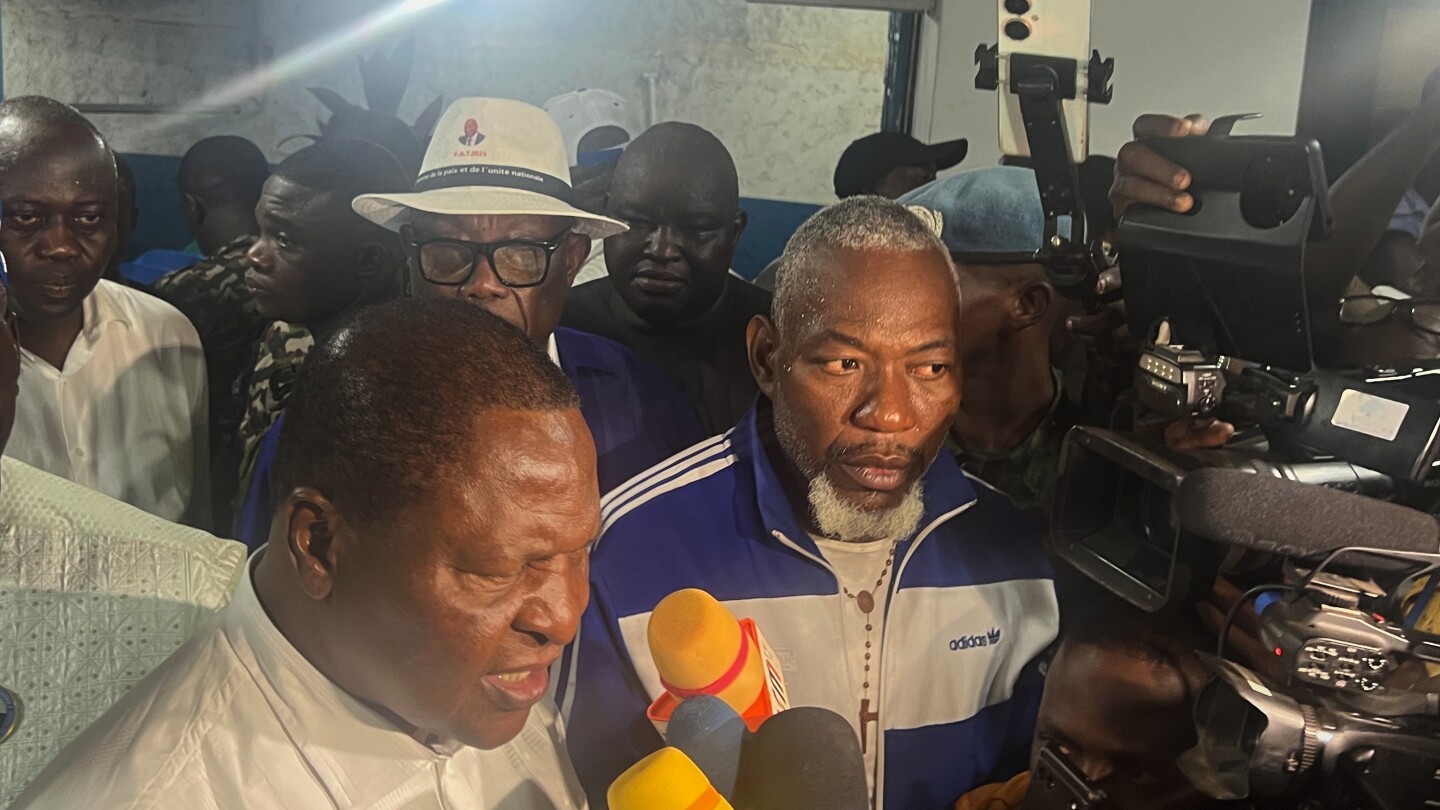
    BANGUI, Central African Republic — The Central African Republic’s presidential election has descended into controversy as runner-up candidate Anicet Georges Dologuélé formally rejected provisional results on Wednesday, alleging systematic electoral manipulation. The opposition leader claims election authorities excluded over half of the voting data from official tallies, though he presented no concrete evidence to substantiate these allegations.

    Provisional results indicate incumbent President Faustin Archange Touadera secured a decisive third term with 76.1% of votes, while Dologuélé trailed significantly with 14.6%. President Touadera’s spokesperson, Evariste Ngamana, dismissed the fraud claims as baseless accusations from a disgruntled loser.

    The political turmoil unfolds against a backdrop of growing Russian influence in the mineral-rich nation. President Touadera confirmed during an interview with Russian state media TASS that he has extended a formal invitation to President Vladimir Putin, whom he praised as “one of the most outstanding political figures in the world.” This diplomatic overture comes amid reported tensions between Touadera and Moscow regarding security arrangements, with Russia pushing to replace the Wagner mercenary group—currently responsible for presidential security—with its formal military African Corps.

    The election was already marred by controversy as major opposition coalitions boycotted the vote following a constitutional referendum that eliminated presidential term limits. Former Prime Minister Henri Marie Dondra, who garnered 3.19% of votes, joined Dologuélé in demanding complete election cancellation due to alleged electoral law violations.

    Final election results are anticipated by January 20, though the current dispute threatens to prolong political instability in a nation that has increasingly turned to Russian security assistance amid persistent armed group threats throughout the country.

  • US seeks to assert its control over Venezuelan oil with tanker seizures and sales worldwide

    US seeks to assert its control over Venezuelan oil with tanker seizures and sales worldwide

    The Trump administration has dramatically escalated its economic campaign against Venezuela by simultaneously seizing sanctioned oil tankers and announcing plans to relax certain sanctions, effectively establishing U.S. control over the distribution of Venezuelan petroleum worldwide.

    On Wednesday, U.S. authorities confirmed the seizure of two additional vessels—the Bella 1 (later renamed Marinera) in the North Atlantic and the M Sophia in the Caribbean Sea—bringing the total to at least four tankers intercepted this month. Both vessels were allegedly violating U.S. sanctions by transporting Venezuelan oil. The Bella 1 notably attempted evasion by repainting its hull with Russian flags and altering its course after the U.S. Coast Guard initiated pursuit.

    Concurrently, the Energy Department unveiled plans to selectively ease sanctions, enabling the global sale of Venezuelan oil through U.S.-approved channels. The initiative will commence immediately with 30-50 million barrels, with proceeds directed to U.S.-controlled accounts at internationally recognized banks. The administration indicated these funds would be distributed to American and Venezuelan populations at its discretion.

    Senior officials framed these actions as strategic measures to pressure the Maduro regime without military engagement. Vice President JD Vance stated, ‘We control the energy resources, and we tell the regime, you’re allowed to sell the oil so long as you serve America’s national interest.’ Secretary of State Marco Rubio suggested intercepted oil would be incorporated into bilateral agreements with Venezuela’s interim authorities.

    The moves have drawn international criticism, with Russian officials denouncing the seizures as ‘blatant piracy’ and demanding protection for Russian crew members. Maritime intelligence firms identified both vessels as part of a ‘shadow fleet’ facilitating oil smuggling for sanctioned nations including Venezuela, Russia, and Iran.

    Beyond energy controls, the administration plans to authorize equipment imports to boost Venezuela’s oil production—currently languishing at approximately 1 million barrels daily—and invest in the country’s deteriorated electricity grid to improve living conditions amid economic collapse.

  • Venezuelan acting president appoints new commander of presidential honor guard

    Venezuelan acting president appoints new commander of presidential honor guard

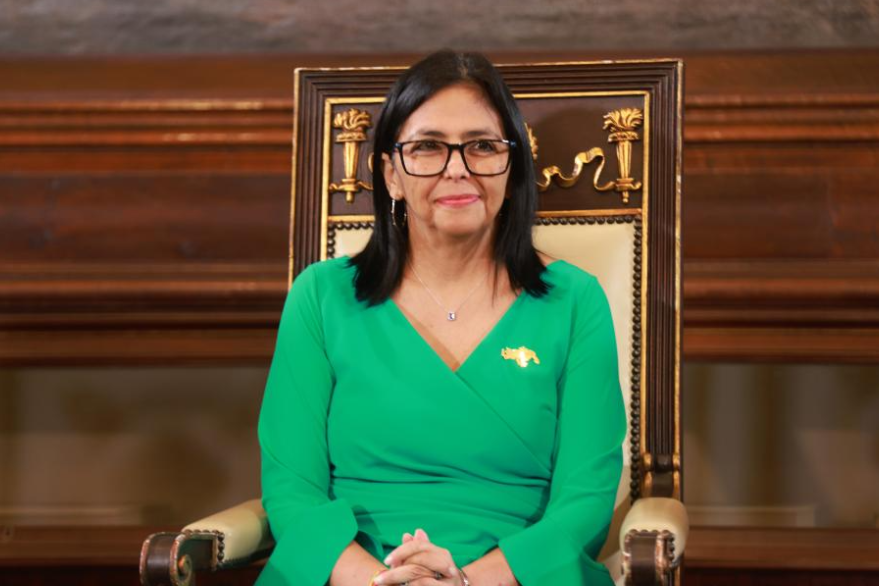
    In a significant military command restructuring, Venezuela’s Acting President Delcy Rodríguez has appointed General Gustavo González López to dual critical security roles. The leadership change, announced on Tuesday, positions González López as both Commander of the Presidential Honor Guard and Director of the General Directorate of Military Counterintelligence.

    The appointment marks a strategic shift in Venezuela’s security apparatus, with González López replacing Javier Marcano Tabata in both capacities. The Presidential Honor Guard maintains primary responsibility for the physical security of Venezuela’s head of state and executive leadership, while military counterintelligence focuses on identifying potential threats within armed forces institutions.

    This reorganization occurs amidst ongoing political transitions within the South American nation. Rodríguez, who previously served as Venezuela’s vice president, assumed acting presidential responsibilities following recent governmental changes. The swearing-in ceremony, documented in official photographs from the National Assembly in Caracas on January 5, 2026, signals continuity in administrative operations during this period.

    Military analysts note that such appointments typically reflect both operational requirements and considerations of political allegiance within Venezuela’s complex security landscape. The consolidation of these two sensitive positions under a single commander suggests potential operational streamlining within Bolivarian Armed Forces security structures.

    The leadership transition follows established constitutional protocols and demonstrates the ongoing functionality of Venezuela’s governmental institutions amid international scrutiny and domestic challenges.

  • Fear and uncertainty: Venezuelans face up to future without Maduro

    Fear and uncertainty: Venezuelans face up to future without Maduro

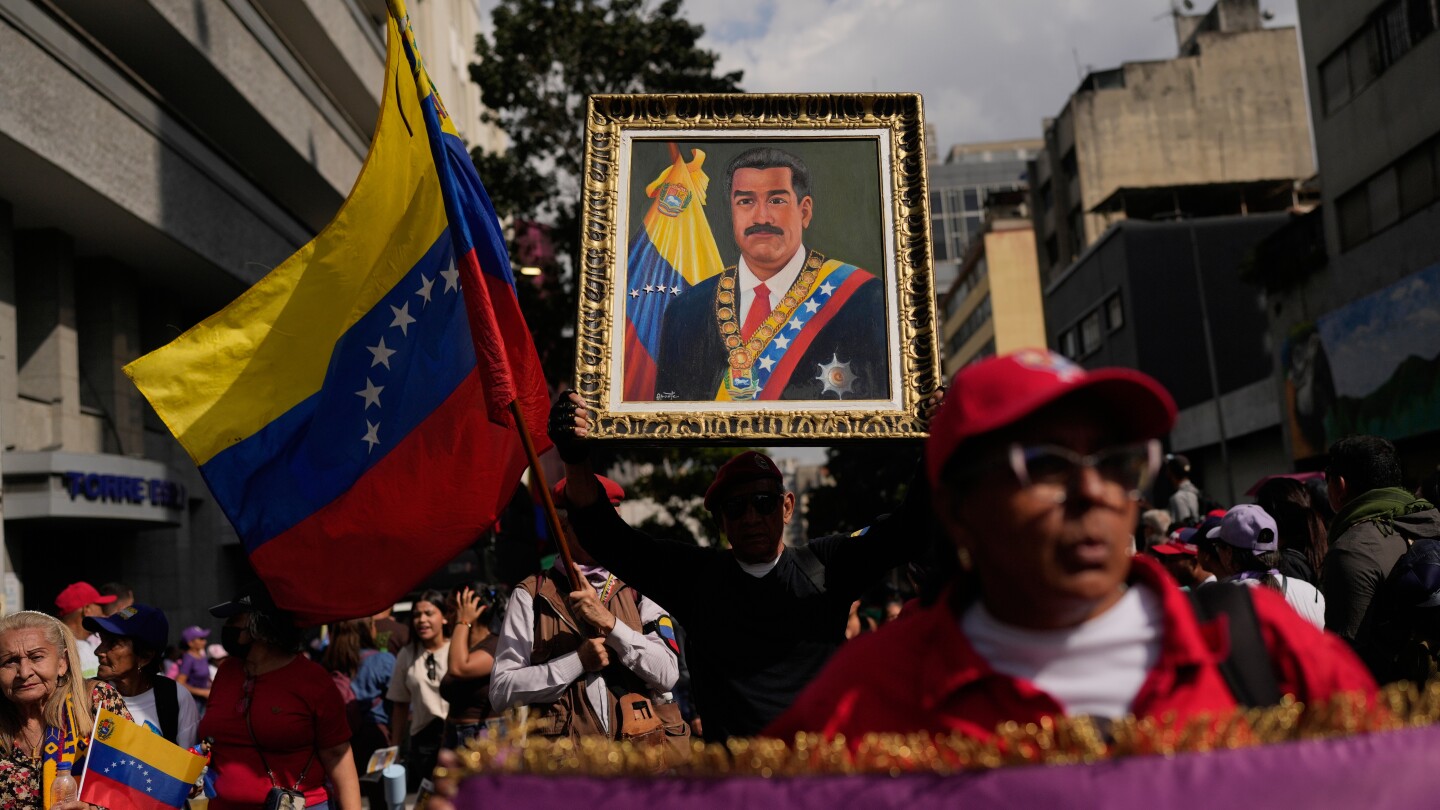
    Venezuela remains gripped by profound uncertainty following the dramatic seizure of President Nicolás Maduro by United States forces. The operation, which resulted in dozens of casualties including 32 members of Cuban security forces according to Cuban officials, has created a complex and divided national response.

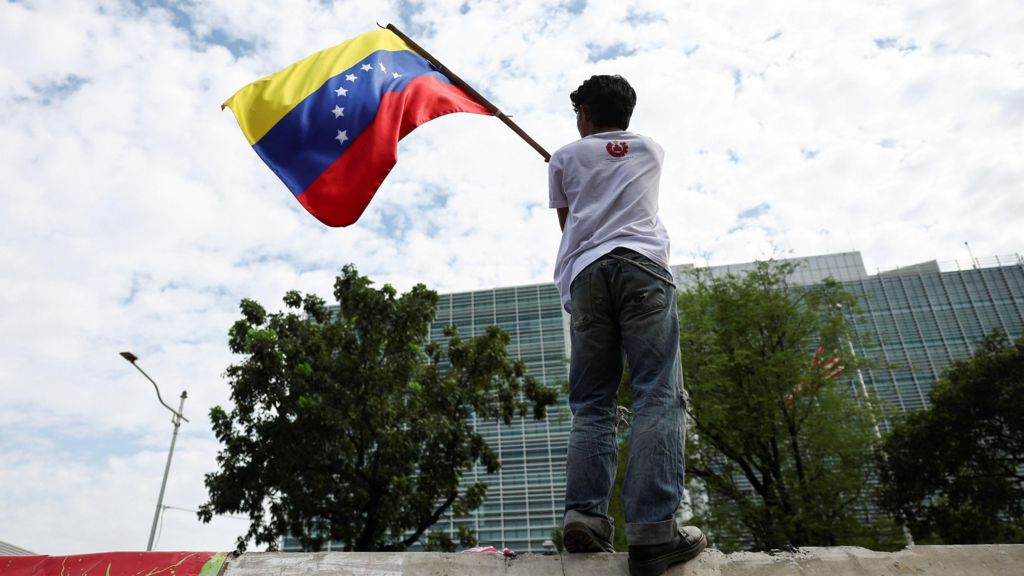
    In Caracas, student Marcelo represents many Venezuelans who cautiously welcome Maduro’s capture but refrain from public celebration due to safety concerns. ‘The majority of Venezuelans are very happy for what happened,’ Marcelo told BBC, noting that Maduro’s allies remain in power despite his capture. This sentiment is echoed by an opposition activist from Maracaibo who acknowledged the tragic loss of life but expressed relief that ‘the man they took away has done a lot of harm.’

    However, substantial support for Maduro persists among segments of the population. Rosa Contreras, 57, described feeling ‘humiliated’ by the ease with which US forces captured Venezuela’s leader. She found inspiration in images of Maduro waving upon arrival in the US, interpreting it as a message to ‘stand tall and keep going.’

    The political transition has seen Vice President Delcy Rodríguez, Maduro’s closest lieutenant, assume interim power. Under her leadership, security forces have intensified street patrols and detained journalists, creating an atmosphere of apprehension. A 34-year-old entrepreneur reported military presence on every corner and armed civilian groups supporting the government, generating widespread fear among citizens.

    Economic concerns continue to plague ordinary Venezuelans, with reports of staple food prices skyrocketing—cornflour tripling in cost and bread increasing by approximately 30%. Many supermarkets now feature military guards as owners fear theft and robbery amid the instability.

    The future remains particularly uncertain as President Trump has not ruled out additional military action. Gelén Correa, a government social program worker, defiantly stated that Venezuelans would be ‘armed to the teeth’ against any further US incursions.

    Despite the dramatic change in leadership, some Venezuelans like 60-year-old José doubt meaningful change will occur, noting that ‘they took the leader out but the regime is the same.’ Millions who fled Venezuela during Maduro’s rule await signs of genuine political transformation before considering return, hoping for an end to Chavismo—the socialist movement established by Hugo Chávez.

  • Irish PM calls for ‘common sense’ on Greenland

    Irish PM calls for ‘common sense’ on Greenland

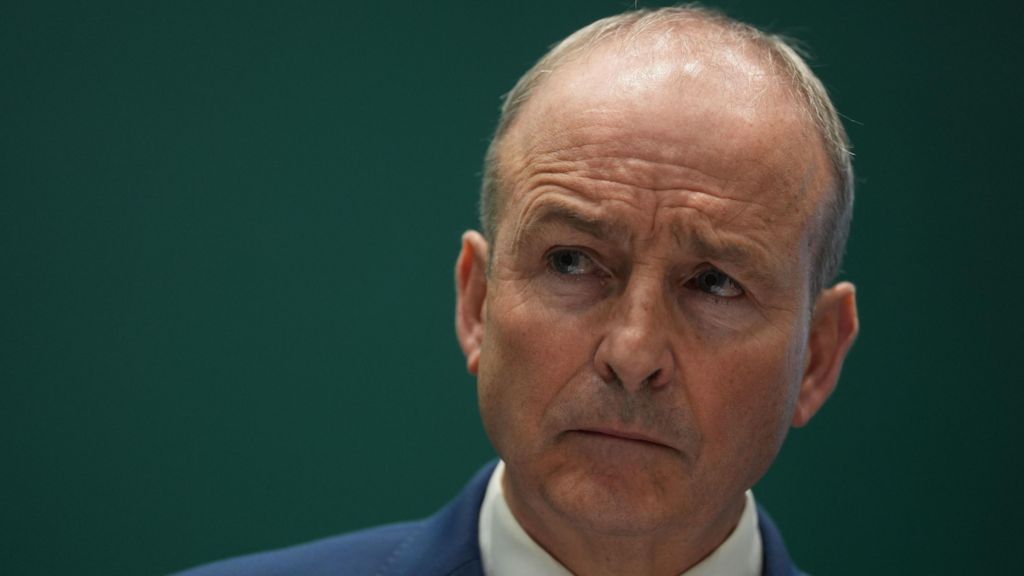
    Irish Taoiseach Micheál Martin has called for diplomatic rationality amid escalating tensions over US ambitions regarding Greenland. Speaking from Shanghai during an official four-day visit to China, Martin emphasized that “common sense needs to prevail” when addressing the controversial proposition.

    The White House recently declared that military options remain available to achieve President Donald Trump’s objective of acquiring the semi-autonomous territory, prompting immediate backlash from European allies. This statement followed Trump’s weekend remarks that the US “needed” Greenland for security purposes, which Danish Prime Minister Mette Frederiksen warned could jeopardize NATO’s foundation.

    Martin clarified Greenland’s political status, noting it remains “part of Denmark” with the European Union standing “rock solid behind Denmark in that regard.” He acknowledged the existing US military presence in Greenland through the Thule Air Base but stressed that sovereignty matters exclusively concern the Kingdom of Denmark and Greenland’s population.

    In a significant show of solidarity, six European nations—the UK, France, Germany, Italy, Poland, and Spain—joined Denmark in issuing a joint statement affirming that “Greenland belongs to its people” and only Denmark and Greenland can determine their bilateral relations. The leaders emphasized achieving Arctic security through NATO collaboration while upholding UN Charter principles of sovereignty and territorial integrity.

    Meanwhile, US Secretary of State Marco Rubio reportedly informed lawmakers the administration isn’t planning invasion but rather considering purchase options, though Martin dismissed such prospects as unrealistic.

    Beyond the Greenland controversy, Martin used his China visit to advocate for strengthened multilateralism, warning that “the world is in a very difficult situation right now” due to eroded UN authority. He called for comprehensive UN reforms to enhance its representativeness and authority in global governance.

  • US adds more nations, including Venezuela, to costly visa bond policy

    US adds more nations, including Venezuela, to costly visa bond policy

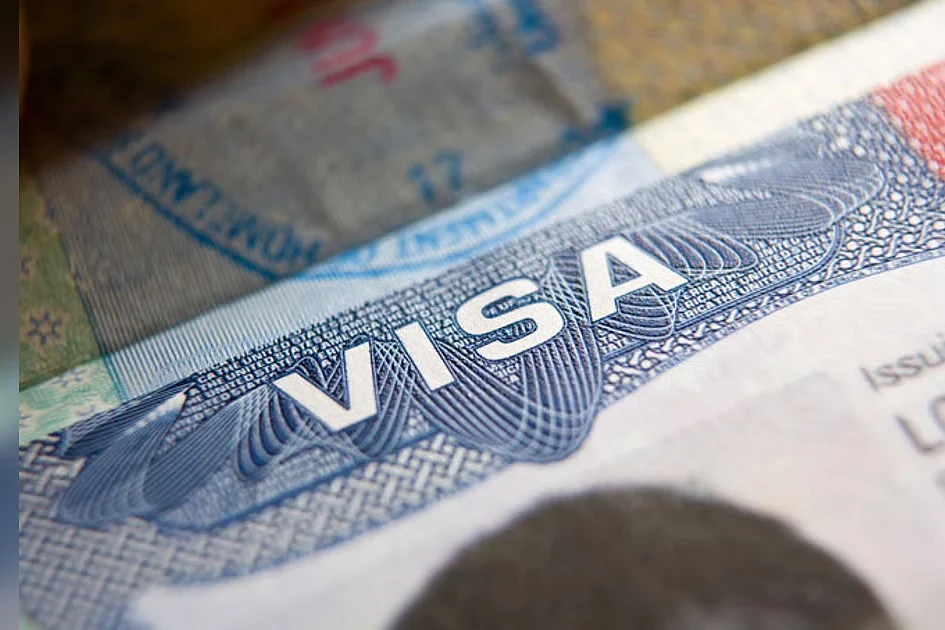
    The Trump administration has significantly expanded its controversial visa bond policy, adding 25 new countries to a list of nations whose citizens may be required to post bonds of up to $15,000 for entry into the United States. According to State Department documents published Tuesday, the updated policy now encompasses 38 countries primarily from Africa, Latin America, and South Asia, with Venezuela notably included among the newly added nations.

    The implementation timeline varies by country, with most new additions taking effect on January 21, 2026. The comprehensive list includes Algeria, Angola, Bangladesh, Benin, Cuba, Nigeria, Nepal, and Zimbabwe, among others. Venezuela’s inclusion comes amid heightened tensions following the extradition of former leader Nicolás Maduro to New York over the weekend.

    Under the program’s specifications, travelers from designated countries who are otherwise eligible for B1/B2 business or tourism visas must secure bonds ranging from $5,000 to $15,000, with the exact amount determined during visa interviews. Applicants must process these financial guarantees through the U.S. Treasury Department’s Pay.gov platform before receiving visa approval.

    This policy expansion represents the latest development in a pilot program initially launched in August with a smaller cohort of nations. Administration officials maintain that the financial bonds serve as a deterrent against visa overstays, protecting the integrity of temporary visitor programs. The State Department emphasizes that the bond amounts are refundable provided visitors comply with all visa conditions and departure requirements.

    President Trump’s immigration agenda has consistently prioritized stringent enforcement measures since taking office in January 2025. His administration has implemented an aggressive deportation strategy, revoked numerous visas and green cards, and intensified screening of immigrants’ social media presence and public statements. While human rights organizations have condemned these policies as infringements on due process and free speech, administration officials defend them as necessary security enhancements for domestic protection.

  • Nigeria’s ex-justice minister granted bail in corruption case

    Nigeria’s ex-justice minister granted bail in corruption case

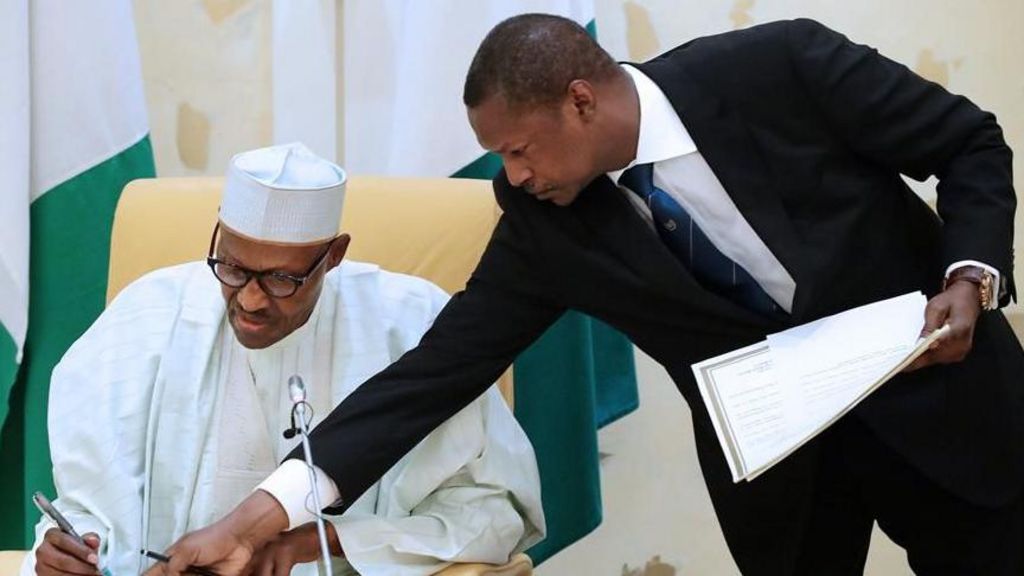
    In a significant judicial development, a Nigerian court has authorized the release on bail of former Attorney General Abubakar Malami, alongside his wife and son, amidst ongoing money laundering proceedings. The 58-year-old former minister, recognized as one of the most powerful officials in ex-President Muhammadu Buhari’s administration (2015-2023), faces sixteen counts of financial misconduct and abuse of power.

    Presiding Judge Emeka Nwite of the Federal High Court ruled Wednesday that the allegations constitute bailable offenses. The court set bail at 500 million naira (approximately $350,000) for each defendant, with additional requirements including two property-owning guarantors from designated areas of Abuja and the surrender of all travel documents.

    The case, prosecuted by Nigeria’s Economic and Financial Crimes Commission (EFCC), centers on allegations that Malami exploited his ministerial position to divert government funds for acquiring luxury properties across multiple Nigerian cities. The defendant has maintained his innocence, pleading not guilty to all charges and previously characterizing his arrest as politically motivated.

    Malami’s political trajectory adds complexity to the case. Recently, he departed the ruling All Progressives Congress (APC) to join the opposition African Democratic Congress—viewed as the APC’s primary challenger in upcoming 2027 general elections. His familial connections to former President Buhari, through marriage to Buhari’s daughter Nana Hadiza, further heighten the case’s political significance.

    This prosecution represents part of a broader anti-corruption initiative targeting former Buhari administration officials, including ex-Aviation Minister Hadi Sirika. The proceedings have been adjourned until February 17, 2025, allowing time for case preparation while the defendants remain free under court-supervised conditions.

  • US, Ukraine teams tackle ‘most difficult issues’ in Russia war talks: Zelensky

    US, Ukraine teams tackle ‘most difficult issues’ in Russia war talks: Zelensky

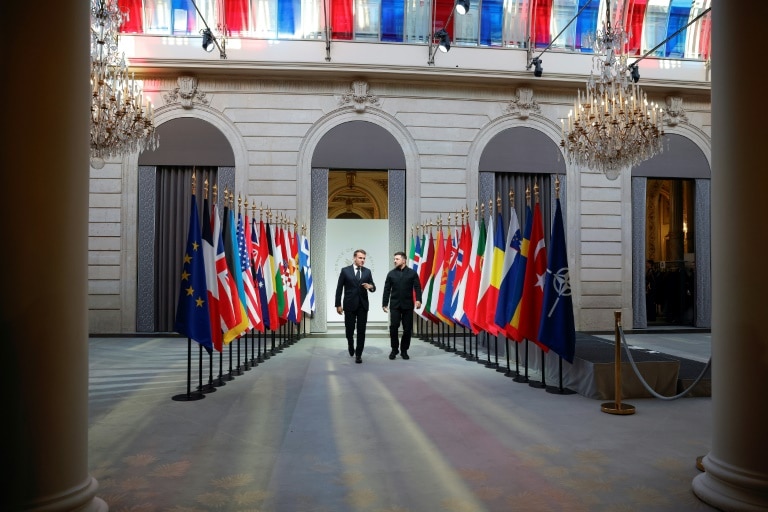
    High-stakes diplomatic negotiations between Ukrainian and United States delegations entered a critical phase in Paris on Wednesday, with both sides preparing to address the most contentious obstacles to ending Russia’s military invasion. Ukrainian President Volodymyr Zelensky confirmed that discussions would focus specifically on the status of Russian-occupied territories in eastern Ukraine and the precarious situation surrounding the Zaporizhzhia Nuclear Power Plant.

    The talks follow a significant breakthrough on Tuesday when European leaders and American envoys announced consensus on key security guarantees for Kyiv. The agreement includes a US-monitored oversight mechanism and a proposed European multinational stabilization force that would deploy following a ceasefire implementation. This development represents a notable display of Western unity despite underlying tensions regarding Venezuela and previous controversies surrounding former President Donald Trump’s geopolitical interests.

    The American delegation features Special Representative Steve Witkoff and senior advisor Jared Kushner, underscoring the White House’s direct engagement in resolving the nearly four-year conflict that has become Europe’s deadliest military confrontation since World War II. President Zelensky emphasized the necessity of continued Western pressure on Moscow, stating that ‘peace must be dignified’ and contingent upon Russia’s genuine commitment to ending hostilities.

    Kyrylo Budanov, Zelensky’s newly appointed chief of staff and former intelligence director, indicated that concrete progress has already been achieved though certain details remain confidential. The expanded negotiations now include diplomatic representatives from France, Germany, the United Kingdom, Italy, and Turkey, creating a broader international framework for potential resolution.

    Despite these diplomatic advances, military confrontations continue unabated across conflict zones, with Moscow’s official negotiating position remaining ambiguous. Russian President Vladimir Putin has consistently opposed NATO troop presence in Ukraine, presenting a significant complication for proposed international security arrangements.

  • Trump discussing how to acquire Greenland, US military always an option, White House says

    Trump discussing how to acquire Greenland, US military always an option, White House says

    The White House has officially confirmed that President Donald Trump is actively exploring avenues to acquire Greenland, with administration officials acknowledging that military force remains among the potential options under consideration. This revival of Trump’s territorial ambitions has sparked immediate international concern and diplomatic tensions.

    According to White House statements released Tuesday, the administration views control of Greenland as a critical national security priority essential for countering adversarial interests in the increasingly strategic Arctic region. While emphasizing that diplomatic solutions remain the preferred approach, officials explicitly noted that “utilizing the US military is always an option at the commander-in-chief’s disposal.”

    The administration’s considerations include two primary approaches: an outright purchase of the territory from Denmark or establishing a Compact of Free Association that would stop short of full incorporation into the United States. Senior officials, speaking anonymously about internal deliberations, characterized Trump as fundamentally a dealmaker who would prefer negotiated acquisition.

    This initiative has encountered immediate resistance from multiple fronts. Greenland itself has consistently expressed no desire to become part of the United States, while European powers and Canada have rallied behind the Arctic territory’s right to self-determination. The suggestion of military action against Denmark, a longstanding NATO ally, has raised concerns about potential shock waves through the alliance and further deterioration of US-European relations.

    Congressional leaders from both parties have expressed opposition, with the Senate NATO Observer Group co-chairs emphasizing that the United States must respect Danish sovereignty when Greenland clearly indicates it is not for sale. The administration maintains that Greenland’s mineral resources, crucial for high-tech and military applications, justify the pursuit despite political and diplomatic challenges.

    The renewed interest in Greenland follows Trump’s recent foreign policy actions in the Western Hemisphere, including the capture of Venezuelan President Nicolas Maduro, which has apparently emboldened the administration’s approach to territorial matters. Officials indicate that acquiring Greenland remains a persistent goal for Trump’s remaining term in office.