分类: politics

  • French farmers force their way through Paris with tractors to protest free trade deal

    French farmers force their way through Paris with tractors to protest free trade deal

    PARIS — In a dramatic display of agricultural dissent, approximately one hundred tractors converged upon the French capital on Thursday as farmers launched a major protest against the European Union’s proposed free trade agreement with Mercosur nations. The demonstration, organized by the Rural Coordination union, saw farmers defy government bans by positioning agricultural vehicles at iconic locations including the Arc de Triomphe and Eiffel Tower neighborhoods.

    The protest targets the EU’s renewed negotiations with five South American countries—Brazil, Argentina, Uruguay, Paraguay, and Bolivia—amid speculation that a deal could be finalized during a January 12 meeting in Paraguay. French agricultural representatives argue the agreement would devastate local farming sectors by exposing them to unfair competition from countries with less stringent production standards.

    José Perez, president of the Rural Coordination in southwestern France’s Lot-et-Garonne region, stated the mobilization aimed to bring farmers’ concerns directly to policymakers. ‘The goal today is to come to Paris to express our demands closer to those who have the power,’ Perez told The Associated Press, describing the tractor procession as ‘a strong symbol’ of agricultural discontent.

    Despite government efforts to restrict tractor access to central Paris, protestors managed to bypass security barriers, though most vehicles were ultimately contained at major traffic arteries marking the city’s perimeter. The French Interior Ministry confirmed approximately 20 tractors reached central Paris despite an official prohibition.

    The demonstration combines longstanding opposition to the Mercosur agreement with recent frustrations over government sanitary measures addressing bovine disease outbreaks. French Agriculture Minister Annie Genevard reiterated the nation’s firm opposition to the trade deal on Wednesday, warning it threatens numerous agricultural sectors including beef, chicken, sugar, ethanol, and honey production.

    While Germany leads supporter nations pushing for the agreement’s adoption, France and Poland remain its most vocal opponents within the EU. Previous French opposition successfully stalled the agreement last month, though renewed negotiations have intensified concerns among farming communities about the deal’s potential implementation.
  • New clashes in Iran as opposition urges more protests

    New clashes in Iran as opposition urges more protests

    Iran enters its twelfth consecutive day of widespread civil unrest as protests initially sparked by economic grievances evolve into a direct challenge to the Islamic Republic’s clerical leadership. The movement, which originated with Tehran’s bazaar shutdown on December 28 following the rial’s catastrophic devaluation, has now expanded across all 31 provinces with demonstrations reported in 348 locations according to HRANA monitoring group.

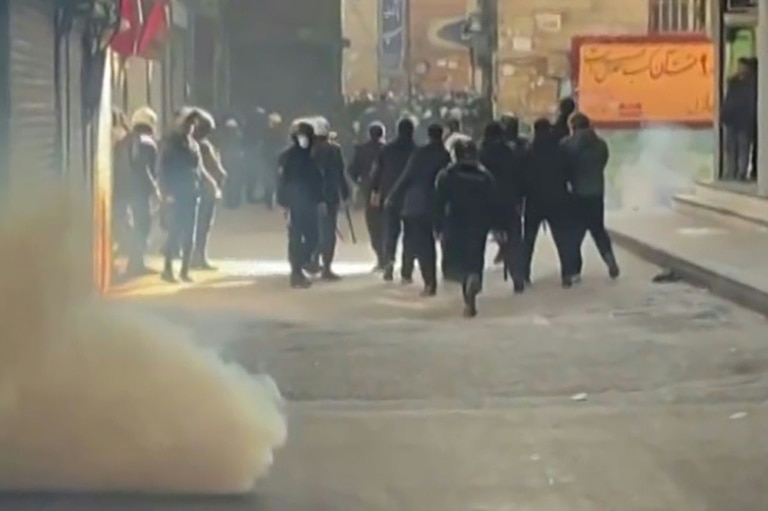
    Security forces have intensified their response, deploying tear gas and live ammunition against protesters in multiple regions. In the southeastern hub of Kerman, security personnel reportedly opened fire on demonstrators while violently assaulting civilians according to Iran Human Rights. The Norway-based organization confirmed at least 27 protester fatalities, including five teenagers under eighteen, with warnings that the death toll will likely increase as additional killings are verified.

    The protest movement has gained symbolic momentum with videos circulating showing participants in Kuhchenar, Fars province, toppling a statue of Qassem Soleimani, the Revolutionary Guards commander killed by a U.S. strike in 2020 who is officially celebrated as a national hero. Nighttime demonstrations have continued with footage from Karaj showing crowds lighting street fires while security forces attempt dispersal tactics.

    Exiled opposition figures, including Reza Pahlavi (son of the deposed Shah), have amplified calls for intensified protests, characterizing Wednesday’s turnout as unprecedented. Pahlavi has warned that authorities are attempting internet blackouts to suppress mobilization efforts. Judicial authorities have vowed no leniency toward what they term rioters, following the stabbing death of a police officer near Tehran during unrest containment operations.

    The sustained protests represent a significant challenge to Ayatollah Khamenei’s government, which already contends with severe economic crisis exacerbated by international sanctions and post-conflict recovery from June hostilities with Israel. Demonstrators are increasingly adopting explicitly political slogans including chants referencing Khamenei’s overthrow and the return of monarchist leadership.

  • A familiar refrain as China and Japan, uneasy neighbors in East Asia, begin 2026 at odds again

    A familiar refrain as China and Japan, uneasy neighbors in East Asia, begin 2026 at odds again

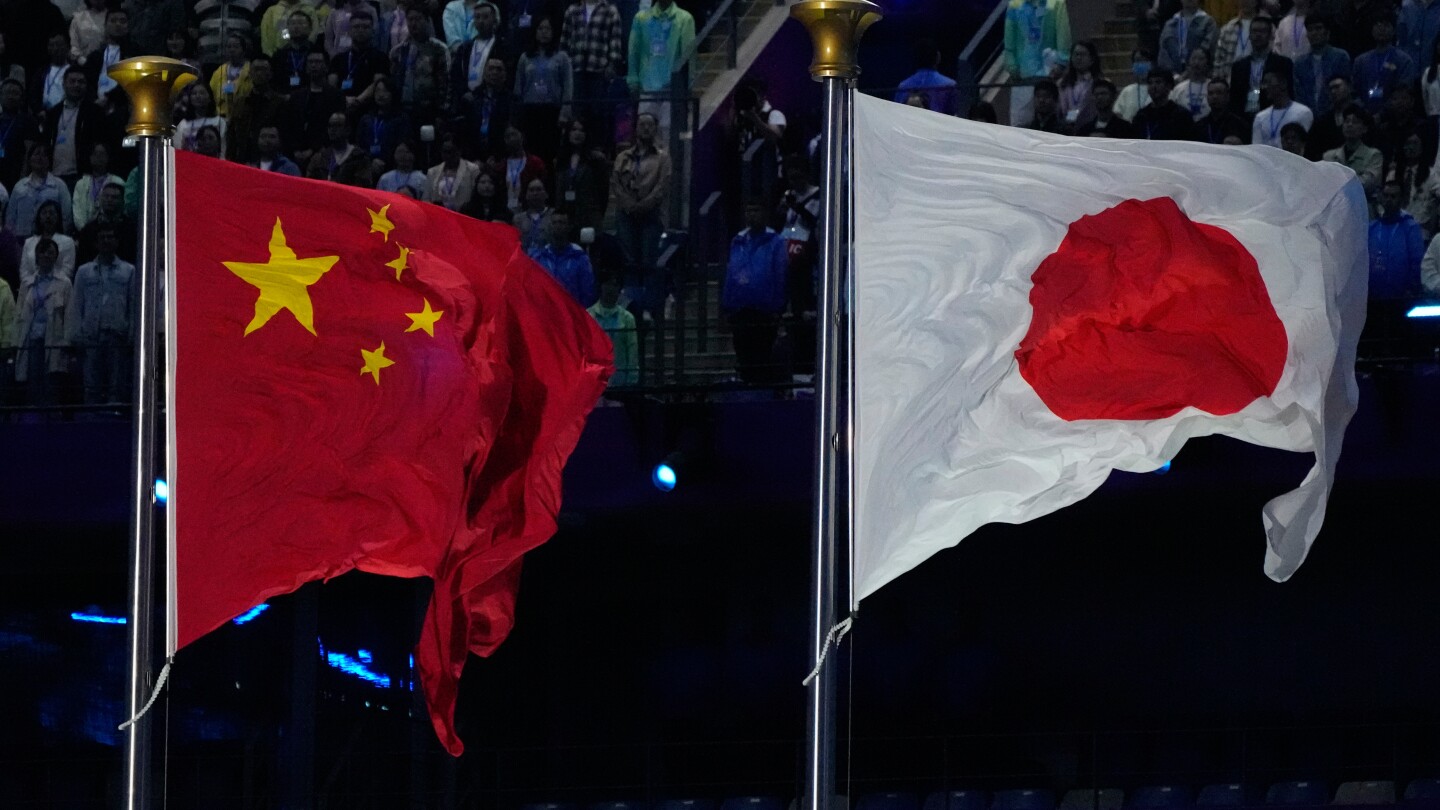
    BEIJING — Diplomatic relations between China and Japan have entered a new phase of confrontation as 2026 begins, reigniting historical grievances and contemporary geopolitical tensions. The current escalation stems from November remarks by Japanese Prime Minister Sanae Takaichi suggesting Japan might intervene militarily if China moves against Taiwan—comments Beijing characterized as a direct threat to its sovereignty.

    China’s Foreign Ministry spokesperson Mao Ning condemned Takaichi’s statements as “erroneous remarks” that “infringe upon China’s sovereignty and territorial integrity” during a Wednesday briefing. This diplomatic offensive follows recent Chinese military exercises around Taiwan and represents the latest chapter in a complex relationship marked by alternating cooperation and confrontation.

    The current tensions are deeply rooted in historical context. Japan’s colonization of Taiwan in 1895 and its brutal occupation of parts of China in the 1930s-40s created enduring resentment that continues to shape bilateral relations. Contemporary flashpoints include disputes over the Diaoyu/Senkaku Islands and Japanese officials’ visits to the Yasukuni Shrine, which honors war criminals from Japan’s imperial past.

    This week, China implemented multiple measures against Japan, including restrictions on “dual-use exports” that could be adapted for military purposes. While not specifying banned items, the move potentially affects everything from drone technology to rare earth minerals. Japan’s Foreign Ministry condemned the restrictions as “deviating significantly from international practice” and “absolutely unacceptable.”

    Additionally, China launched an investigation into alleged dumping of Japanese dichlorosilane—a chemical used in chip manufacturing—after prices dropped 31% between 2022-2024. In a more provocative move, a Chinese arms control association released a report titled “Nuclear Ambitions of Japan’s Right-Wing Forces: A Serious Threat to World Peace,” accusing Japan of failing to confront its militaristic past.

    Simultaneously, China conspicuously strengthened ties with South Korea, hosting President Lee Jae Myung for a four-day visit that produced 24 export contracts worth $44 million and agreements on trade, technology, and environmental cooperation. Chinese media highlighted South Korea surpassing Japan as the top destination for Chinese outbound flights, alongside government warnings about “significant risks” to Chinese citizens in Japan.

    Regional analysts suggest the current tensions may prove more persistent than previous diplomatic spats. Sebastian Maslow, an East Asia specialist at the University of Tokyo, noted that “with diplomatic channels in short supply and domestic political agendas paramount, an off-ramp for the current dispute is not in sight.” The situation is further complicated by the United States’ planned arms sales to Taiwan, adding another layer of complexity to already fraught regional dynamics.

  • Legal support for IPs to be bolstered

    Legal support for IPs to be bolstered

    China is embarking on significant legislative reforms to enhance its intellectual property protection framework, according to announcements from the China National Intellectual Property Administration. Commissioner Shen Changyu revealed on Wednesday that the administration will prioritize legal upgrades to cultivate a more innovation-conducive environment through elevated protection standards.

    The comprehensive overhaul includes advancing amendments to integrated circuit layout design regulations and accelerating revisions to the Trademark Law. A draft amendment to the Trademark Law has already undergone preliminary review by the Standing Committee of the National People’s Congress in December, marking a crucial step in the legislative process.

    Addressing emerging technological challenges, Shen emphasized the urgent need for robust IP protection in new sectors and the expedited establishment of data-related intellectual property regulations. This initiative responds to the rapid evolution of technologies including artificial intelligence, biomedicine, and advanced internet applications.

    Legal expert Liu Bin of Beijing Zhongwen Law Firm endorsed the proposed reforms, highlighting critical gaps in current regulations. “Data has transformed into an essential production factor, yet the absence of clear guidelines creates a paradox where everyone desires to utilize it but hesitates due to legal uncertainties,” Liu noted. He identified pressing challenges including determining ownership of AI-generated content and clarifying rights concerning data circulation and utilization.

    Liu advocated for establishing comprehensive data IP protection rules that would clarify legal data sources, define permissible usage parameters, and implement benefit-sharing mechanisms. “These measures are fundamental to safeguarding contributors’ legitimate interests while encouraging corporate participation in data development and innovative applications,” he added.

    Recent achievements during the 14th Five-Year Plan period (2021-25) demonstrate China’s progressive trajectory in IP development. The administration completed substantial revisions to the Patent Law and its implementing regulations, establishing a high-standard system for punitive damages against infringement. Updated patent examination guidelines have improved review standards for emerging fields, including artificial intelligence.

    Operational efficiencies have shown marked improvement, with invention patent examination periods reduced from 20 to 15 months since 2020. Trademark registration reviews have stabilized at approximately four months, ranking among the fastest globally. Quantitative achievements include surpassing 5 million valid domestic invention patents and reaching 16 high-value invention patents per 10,000 people, exceeding established targets.

  • Mainland sanctions Taiwan officials, warns separatists

    Mainland sanctions Taiwan officials, warns separatists

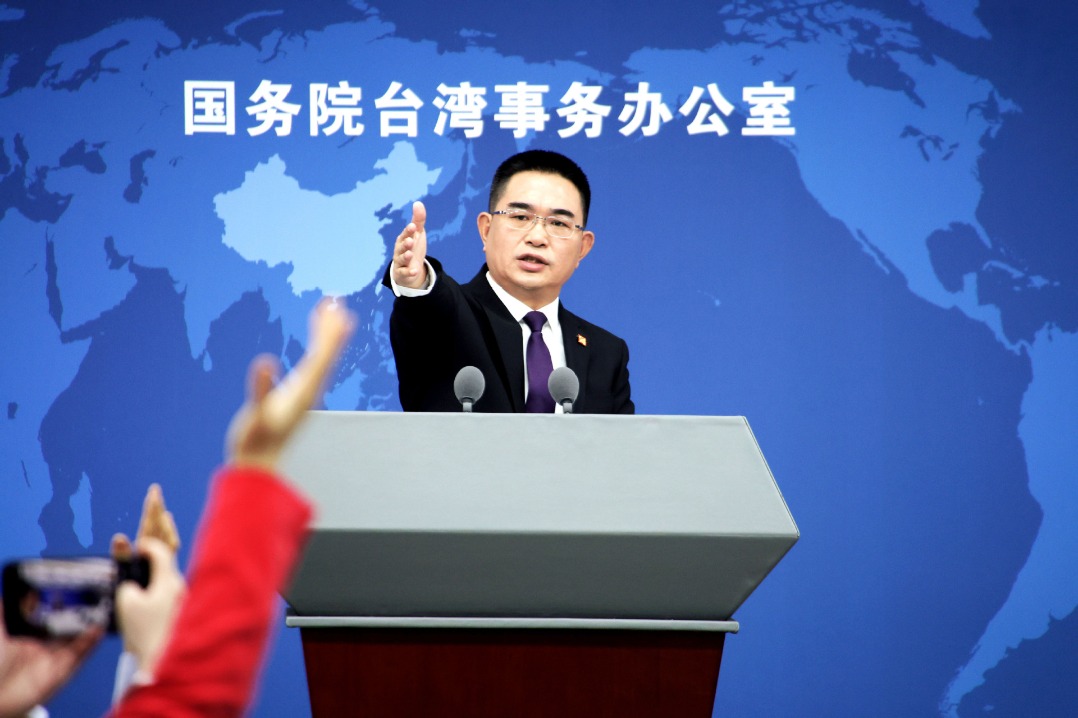
    In a significant escalation of cross-strait tensions, Chinese mainland authorities have designated two senior Taiwanese officials as hardened ‘Taiwan independence’ separatists and imposed comprehensive sanctions against them. The announcement came from Chen Binhua, spokesperson for the State Council’s Taiwan Affairs Office, during a press briefing on Wednesday.

    Liu Shih-fang, head of Taiwan’s Interior Affairs Department, and Cheng Ying-yao, overseeing the island’s education policy, were formally added to Beijing’s list of individuals accused of promoting separatist agendas. According to the spokesman, both officials have engaged in persistent activities that contradict mainstream public opinion and deliberately undermine cross-strait relations.

    The sanctions package imposes lifelong legal accountability measures, prohibiting the officials and their family members from entering mainland China, Hong Kong, and Macao. Additionally, organizations affiliated with either official are barred from conducting business or establishing cooperative ties with mainland entities.

    In a parallel development, prosecutor Chen Shu-yi from Taiwan’s High Prosecutors Office was designated as an accomplice to separatist activities. Authorities accused her of manufacturing cases and targeting individuals who support cross-strait exchanges, allegedly creating an atmosphere of intimidation.

    The mainland has now identified 14 individuals as primary ‘Taiwan independence’ separatists, including Taiwan’s deputy leader Hsiao Bi-khim and defense chief Koo Li-hsiung, alongside 12 individuals listed as accomplices.

    The spokesman referenced China’s Anti-Secession Law, emphasizing that challenges to national sovereignty would face severe consequences. He also addressed a recently withdrawn proposal by DPP lawmakers that sought to redefine cross-strait relations, warning that such ‘de jure independence’ attempts would not be tolerated.

    Authorities have encouraged citizens from both sides of the strait to provide information regarding illegal activities by those named in the sanctions list.

  • US quits 66 intl organizations under Trump’s order: White House

    US quits 66 intl organizations under Trump’s order: White House

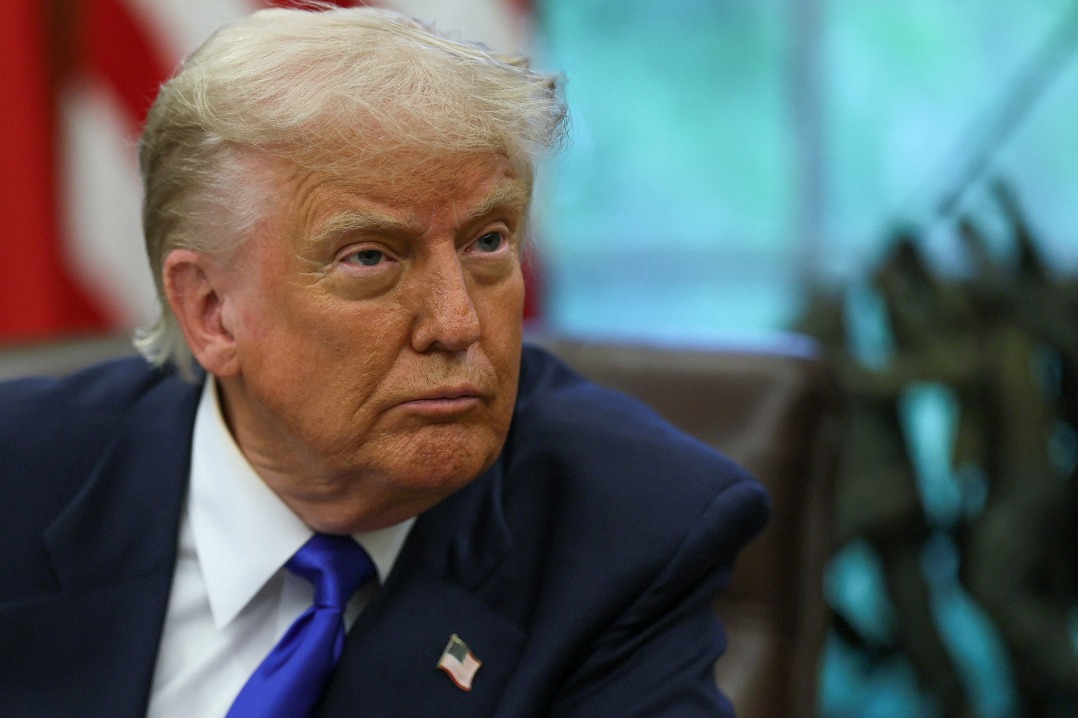
    In a landmark foreign policy decision, the Trump administration has formally initiated the United States’ withdrawal from 66 international organizations. The White House announced the move via social media platform X on Wednesday, following the signing of a presidential memorandum by President Donald Trump.

    The comprehensive disengagement encompasses 35 non-United Nations organizations and 31 UN-affiliated entities that the administration asserts ‘no longer serve American interests.’ The presidential memorandum represents one of the most significant unilateral reductions of U.S. participation in global governance frameworks in modern history.

    This strategic pivot reflects the administration’s America First doctrine, prioritizing national sovereignty over multilateral commitments. The withdrawal process from these diverse international bodies will unfold through established diplomatic channels, though the specific organizations affected were not detailed in the initial announcement.

    The move signals a profound shift in how the United States engages with international institutions, potentially reshaping global power dynamics and creating strategic vacuums that other nations may seek to fill. The decision follows years of criticism from the administration regarding what it perceives as ineffective or counterproductive international agreements that constrain U.S. autonomy.

  • Australia to hold royal commission inquiry into Bondi Beach shooting

    Australia to hold royal commission inquiry into Bondi Beach shooting

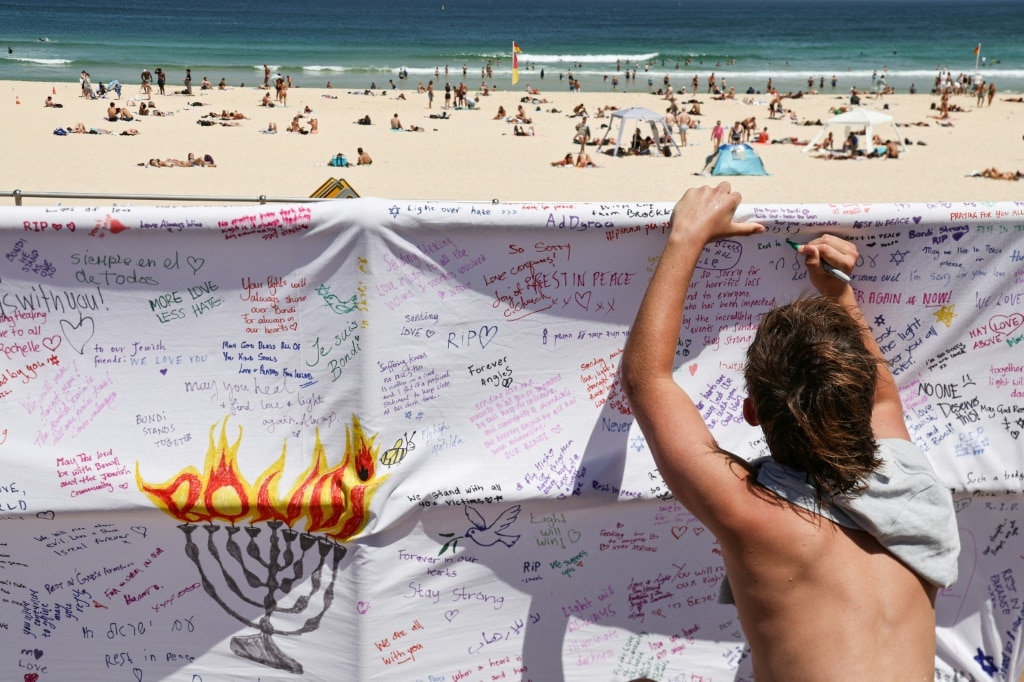
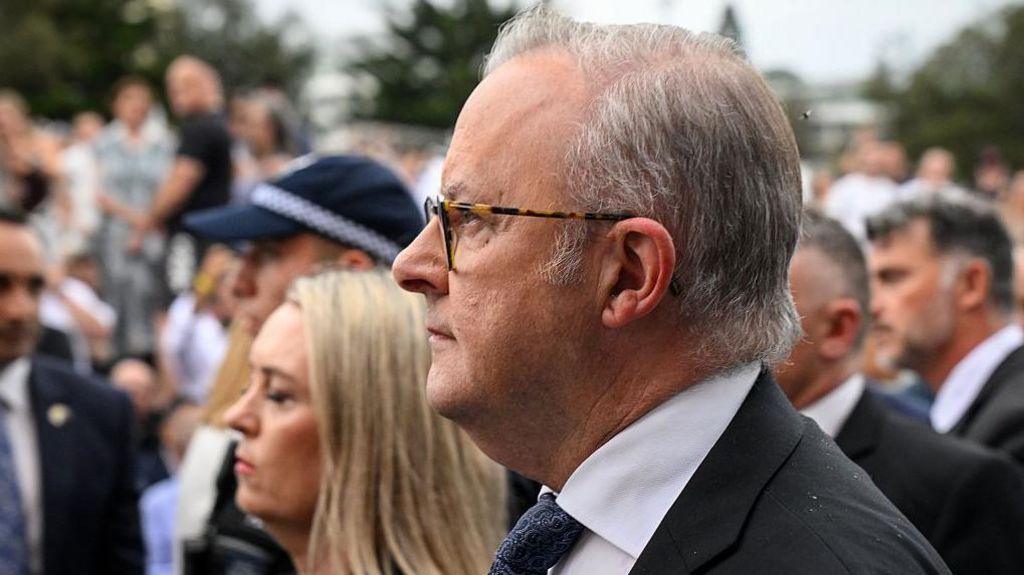
    The Australian government has announced a comprehensive royal commission investigation into the December 14 Bondi Beach mass shooting that claimed 15 lives, marking the nation’s deadliest firearm incident in three decades. Prime Minister Anthony Albanese confirmed the high-level inquiry on Thursday, reversing his previous stance amid mounting public pressure for transparency.

    The investigation—Australia’s most authoritative form of public inquiry—will examine multiple dimensions of the tragedy, including intelligence failures, the proliferation of antisemitic sentiment, and security protocol deficiencies. The alleged perpetrators, Sajid Akram and his Australian-born son Naveed, targeted Jewish attendees at a Hanukkah celebration in what authorities describe as an ISIS-inspired attack. While Sajid was fatally shot by responding officers, Naveed remains incarcerated facing terrorism and murder charges.

    Former High Court Justice Virginia Bell will lead the commission, which will incorporate an existing security services review originally scheduled for April completion. The inquiry follows intense advocacy from victims’ families, business leaders, and prominent academics who demanded accountability through open letters.

    Security agencies face scrutiny regarding their prior awareness of the perpetrators. Documents reveal that intelligence officials had flagged Naveed Akram in 2019 but subsequently removed him from monitoring protocols after determining he posed no imminent threat. The pair’s travel to the southern Philippines prior to the attack has raised questions about potential connections to regional extremist networks, though police maintain current evidence suggests they acted independently.

    The government has simultaneously initiated sweeping policy responses, including the largest firearm buyback program since the 1996 Port Arthur massacre and strengthened measures against hate speech. Special Envoy for Antisemitism Jillian Segal endorsed the commission, noting it reflects ‘the seriousness of the growth in antisemitism and its impact on our country and democracy.’

  • Demonstration held in Venezuelan capital, demands release of Maduro by US

    Demonstration held in Venezuelan capital, demands release of Maduro by US

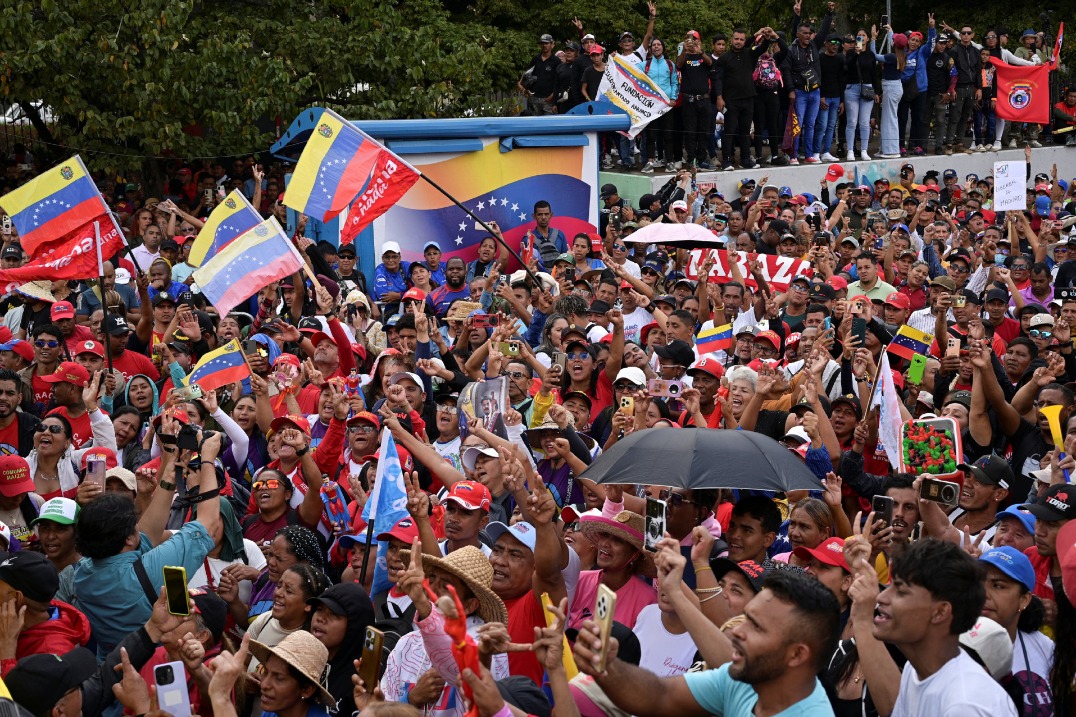
    Thousands of Venezuelan citizens converged in central Caracas on Wednesday for a major demonstration expressing solidarity with their detained leader. The protest, organized by government supporters and civil society groups, centered on demands for Washington to immediately release President Nicolás Maduro and First Lady Cilia Flores from US custody.

    Protesters carried national flags and banners proclaiming ‘Hands Off Venezuela’ while chanting slogans defending national sovereignty against what they characterized as American judicial overreach. The gathering represented the first significant public response since Maduro’s extradition to the United States last month to face narcoterrorism charges.

    Organizers framed the demonstration as both a show of domestic support for the embattled leader and a rejection of foreign interference in Venezuela’s political affairs. Several speakers addressed the crowd, accusing the United States of orchestrating a politically motivated prosecution designed to undermine Venezuela’s sovereign government.

    The protest occurred amid escalating diplomatic tensions between Caracas and Washington, with Venezuela’s interim government threatening to review all bilateral agreements should Maduro remain in US detention. Regional allies including Cuba and Nicaragua have issued statements condemning Maduro’s prosecution as a violation of international law.

  • Australia PM announces royal commission into Bondi shooting

    Australia PM announces royal commission into Bondi shooting

    In a significant policy reversal, Australian Prime Minister Anthony Albanese has announced the establishment of a royal commission to investigate both the deadly Bondi Beach shooting and the broader issue of antisemitism in Australian society. The decision comes after weeks of mounting public pressure from victims’ families and prominent community figures.

    The December 14 attack, which targeted a Jewish festival and resulted in 15 fatalities, stands as one of Australia’s most devastating mass shootings. While initially favoring quicker policy reforms, Albanese acknowledged that a comprehensive independent inquiry was necessary for national healing. “I’ve repeatedly said that our government’s priority is to promote unity and social cohesion,” the Prime Minister stated during a Canberra press conference. “It’s clear to me that a royal commission is essential to achieving this.”

    The commission will wield extensive investigative powers, including the authority to summon witnesses and compel document production from government agencies. Its mandate encompasses four critical areas: examining the nature and prevalence of antisemitism in Australia, recommending enhanced security measures to combat religious hatred, investigating the specific circumstances of the Bondi attack, and proposing measures to strengthen social cohesion against ideological extremism.

    Former High Court Justice Virginia Bell has been appointed to lead the inquiry, with an interim report expected by April and a final report due by December 2026. The Prime Minister emphasized this would not be “a drawn-out process” despite previous royal commissions spanning multiple years.

    The appointment has drawn mixed reactions, with some Jewish community leaders expressing reservations about Bell’s selection. Former Treasurer Josh Frydenberg revealed that Jewish leaders had communicated “serious concerns” to the Prime Minister prior to the announcement. However, Attorney General Michelle Rowland defended the choice, describing Bell as “an eminent and highly capable former Justice” who would examine complex issues with “impartiality and precision.”

    The government’s approach integrates several previously announced measures, including gun control reforms and hate speech legislation. These include limits on firearm ownership types and quantities, a weapon buyback scheme, and proposed penalties for religious leaders promoting violence. The commission will also incorporate the work of antisemitism commissioner Jillian Segal, whose July report had previously drawn criticism for its potential implications on free speech.

  • Australia to deport British man over alleged neo-Nazi links

    Australia to deport British man over alleged neo-Nazi links

    Western Australian authorities have ordered the deportation of Ryan Turner, a British national residing in Australia, following his identification as an active participant in the National Socialist Network—a recognized neo-Nazi organization. Turner’s visa was formally revoked on character grounds, resulting in his transfer to immigration detention this Tuesday. He now faces the choice of contesting the decision through legal channels or voluntarily returning to the United Kingdom.

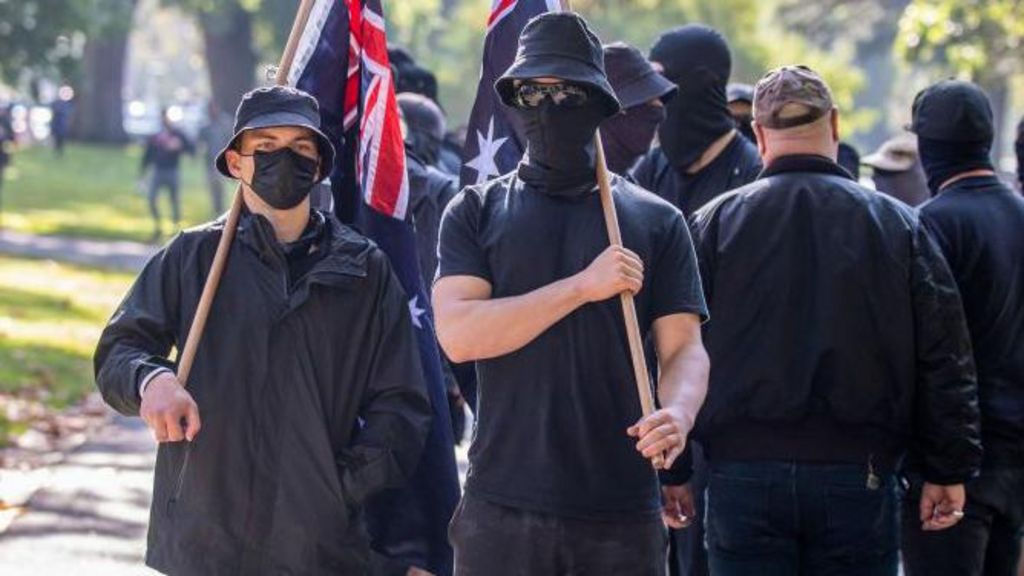
    This action aligns with Australia’s intensified campaign against right-wing extremism and antisemitic activities. Turner’s affiliation places him within the same group that orchestrated an inflammatory anti-Jewish demonstration outside New South Wales Parliament last year. Approximately sixty men, uniformly dressed in black and displaying banners demanding the ‘abolition of the Jewish lobby,’ participated in the rally. Chants of ‘blood and honour’—a phrase historically linked to Hitler Youth—were reported during the event.

    Home Affairs Minister Tony Burke emphasized the government’s unwavering stance, stating: ‘Our government has zero tolerance for bigotry and hate. If you don’t like Australia, you can leave.’

    The deportation follows recent legislative reforms that introduced mandatory prison sentences for displaying hate symbols, including the Nazi salute. These measures gained urgency after last year’s Bondi Beach shooting, where two gunmen killed 15 people at a Jewish event, prompting Prime Minister Anthony Albanese to announce strengthened laws targeting hate speech and radicalization.

    Turner’s case mirrors earlier enforcement actions against foreign extremists. Matthew Gruter, a South African civil engineer and fellow National Socialist Network member, was expelled last November after participating in the same rally. Gruter subsequently returned to South Africa with his family. Simultaneously, Queensland authorities arrested another British national, Kayn Adam Charles Wells, for using social media to distribute Nazi propaganda and incite violence against Jewish communities. Wells currently awaits processing in immigration detention.

    These coordinated efforts reflect Australia’s strategic application of immigration law to combat domestic extremism, granting the Home Affairs Minister enhanced authority to deny or cancel visas for individuals promoting hatred and division.