分类: politics

  • Bowen: Trump risks pushing world back to age of empires

    Bowen: Trump risks pushing world back to age of empires

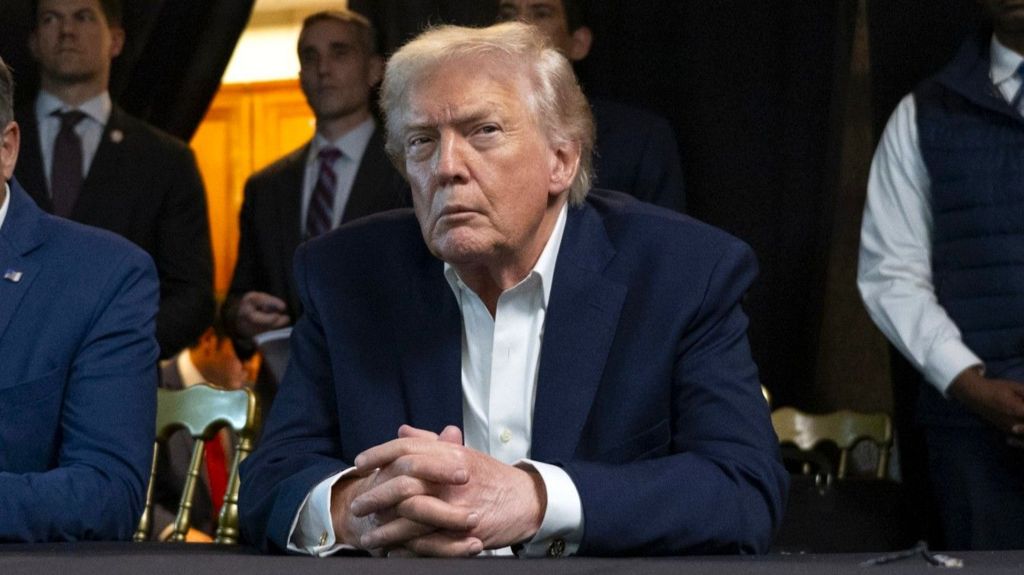
    In a dramatic escalation of hemispheric policy, former Venezuelan President Nicolás Maduro has been captured by U.S. special forces and transported to a detention facility in Brooklyn, New York. The operation, monitored in real-time by former President Donald Trump from his Mar-a-Lago estate, represents what Trump characterizes as a “decisive victory” for his administration’s foreign policy approach.

    Trump enthusiastically described the operation to Fox News, marveling at the “speed and violence” of the tactical mission that resulted in Maduro’s capture without American casualties. The former president framed the intervention as demonstrating his administration’s commitment to following through on campaign promises through direct action.

    This operation signals the emergence of what Trump has rebranded as the “Donroe Doctrine” – an intensified version of the nineteenth-century Monroe Doctrine that asserts unprecedented U.S. dominance throughout the Western Hemisphere. The policy explicitly warns rival powers, particularly China, to avoid regional engagement and claims expanded American authority over resources and governance across Latin America and beyond.

    Strategic resources appear central to this policy shift, with Venezuela’s substantial oil reserves and Greenland’s mineral deposits specifically identified as priorities. Trump administration officials have indicated willingness to use military and economic coercion against nations perceived as “out of line,” with Colombia, Mexico, Cuba, and Denmark explicitly warned about potential future actions.

    The approach represents a fundamental break from established U.S. foreign policy traditions. Unlike previous administrations that sought legitimacy through international institutions or alliances, Trump’s doctrine operates explicitly through assertions of raw power and national interest. This marks a departure from both the isolationism of George Washington’s farewell address and the alliance-building of the post-World War II Truman Doctrine that established NATO and transatlantic partnerships.

    Stephen Miller, a key Trump adviser, articulated this worldview on CNN, describing international relations as governed by “strength, force, and power” rather than diplomatic conventions or multilateral agreements. This perspective challenges the rules-based international order that has predominated since World War II, potentially returning to a nineteenth-century model of spheres of influence and great power competition.

    The capture of Maduro and declaration of the Donroe Doctrine suggests a fundamental reorientation of American foreign policy toward explicit unilateralism and resource acquisition, with implications for global stability and international law.
  • What is ICE and what powers do its agents have to use force?

    What is ICE and what powers do its agents have to use force?

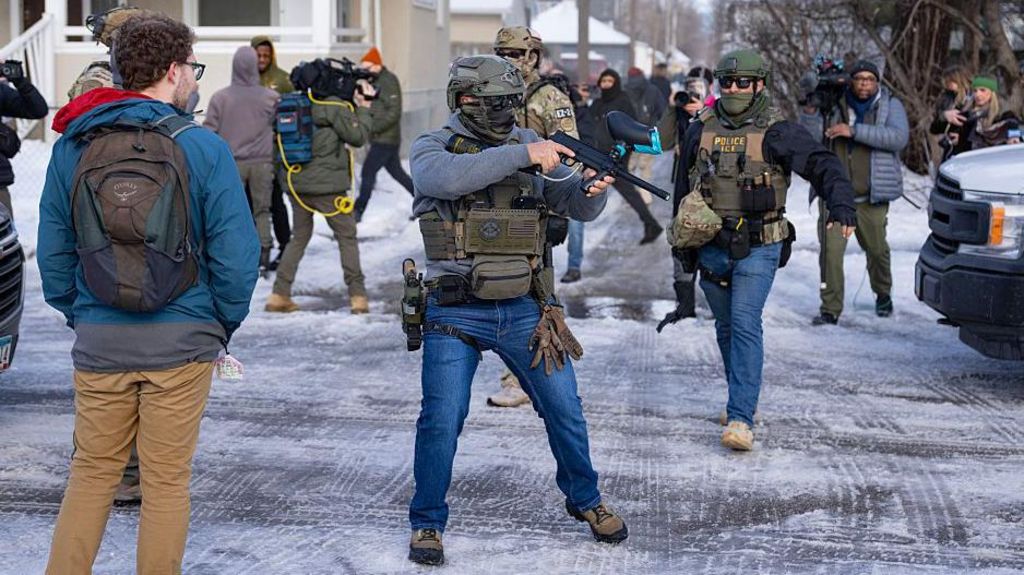
    The fatal shooting of 37-year-old Renee Nicole Good by a U.S. Immigration and Customs Enforcement (ICE) officer in Minneapolis has triggered widespread protests and intensified examination of the agency’s expanding domestic operations. The incident occurred during a routine enforcement action when Good was driving a vehicle, culminating in a deadly confrontation that has become emblematic of growing tensions between federal immigration authorities and local communities.

    Since President Trump’s return to the White House, ICE has dramatically increased its enforcement activities, making thousands of arrests often in public settings. This aggressive approach has positioned ICE at the forefront of the administration’s mass deportation initiative, a cornerstone of Trump’s campaign promises. The agency has seen substantial budget increases and mission expansion under the current administration, despite being originally established under the Homeland Security Act of 2002 as a response to the September 11 terrorist attacks.

    ICE’s operational parameters grant agents significant authority to detain and arrest individuals suspected of unlawful presence in the United States. While technically limited in detaining U.S. citizens, documentation from ProPublica reveals more than 170 incidents during the first nine months of Trump’s presidency where federal agents held American citizens against their will, often mistakenly suspecting them of being undocumented immigrants.

    The use of deadly force by ICE officers is governed by a complex framework of constitutional standards, federal law, and Department of Homeland Security policy guidelines. According to legal experts, officers may only employ lethal force when facing imminent threat of serious bodily harm or death. However, Supreme Court precedents have traditionally afforded law enforcement considerable discretion in split-second decisions.

    The Trump administration has deployed an unprecedented number of federal officers to major cities including Los Angeles, Chicago, and now Minneapolis, with the Associated Press reporting up to 2,000 officers mobilizing for the latest operation. This deployment has increasingly blurred traditional jurisdictional boundaries between ICE and its sister agency, Customs and Border Protection, with Border Patrol officers now frequently operating inland alongside ICE agents.

    Deportation statistics underscore the scale of current enforcement efforts. The administration reports 605,000 formal deportations between January 20 and December 10, 2025, alongside 1.9 million immigrants who allegedly ‘voluntarily self-deported’ following aggressive public awareness campaigns. Current detention figures indicate approximately 65,000 individuals in ICE custody as of late November 2025.

    Community resistance to ICE operations has grown substantially, with residents increasingly documenting encounters through video recording. Several confrontations have turned violent, including incidents in Chicago where media organizations sued Border Patrol alleging excessive force against journalists and protesters. The Minneapolis shooting represents the latest in a series of violent encounters, following October incidents in Los Angeles where agents fired at drivers allegedly threatening officers with vehicles.

    Public opinion reflects divided perspectives on immigration enforcement. Pew Research Center data from October 2025 indicates slight majority support for some level of deportation, but 53% of Americans believe the administration is doing ‘too much’ to deport undocumented immigrants, with only 36% fully endorsing the current approach.

  • UN climate chief says Trump scores ‘own goal’ with treaty retreat

    UN climate chief says Trump scores ‘own goal’ with treaty retreat

    In a sweeping diplomatic maneuver, former President Donald Trump has triggered international condemnation by formally withdrawing the United States from approximately 66 global organizations and treaties, with nearly half affiliated with the United Nations. The most significant departure concerns the United Nations Framework Convention on Climate Change (UNFCCC), the foundational treaty underpinning all major international climate agreements since 1992.

    UN Climate Chief Simon Stiell characterized the withdrawal as a ‘colossal own goal’ that would ultimately damage American economic interests, job creation, and overall living standards. ‘This decision will leave the US less secure and less prosperous,’ Stiell asserted in an official statement. His sentiments were echoed by UN Secretary-General Antonio Guterres, who expressed profound regret over the US retreat from multilateral cooperation while reaffirming the UN’s commitment to fulfilling its global mandates.

    Environmental policy experts and international leaders quickly denounced the move. Jake Schmidt of the Natural Resources Defense Council emphasized that the US, as the world’s largest economy and biggest historical emitter, would become the first nation among 198 parties to abandon the climate framework. European Union climate chief Wopke Hoekstra described the withdrawal as ‘regrettable and unfortunate,’ highlighting the contradiction between American retreat and global climate efforts.

    The decision extends beyond the UNFCCC to include withdrawal from the UN’s Green Climate Fund and the Intergovernmental Panel on Climate Change, reinforcing Trump’s longstanding skepticism toward climate science, which he has frequently dismissed as a ‘hoax.’

    Legal challenges appear imminent regarding the constitutional authority for such unilateral treaty withdrawals. Jean Su of the Center for Biological Diversity contends that presidential withdrawal from a treaty ratified by a two-thirds Senate vote may violate constitutional procedures, with potential litigation being explored.

    Political repercussions include sharp criticism from California Governor Gavin Newsom, who accused Trump of ‘surrendering America’s leadership on the world stage’ and creating a ‘leadership vacuum that China is already exploiting.’ This perspective underscores broader concerns about geopolitical realignment as China consolidates its position as both the world’s largest polluter and the global leader in renewable energy investment.

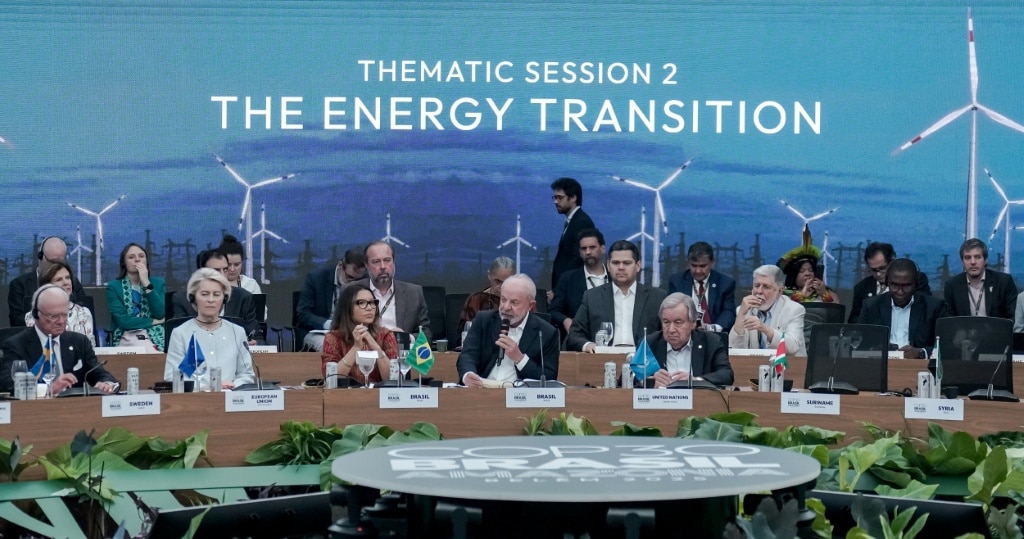
    The administration’s absence from recent UN climate negotiations in Brazil further signals a deliberate disengagement from international climate diplomacy, marking a significant reversal from the Biden administration’s approach and potentially setting the stage for future political and legal battles over America’s role in global governance.

  • Brazil’s Lula vetoes bill that could reduce Bolsonaro’s prison time

    Brazil’s Lula vetoes bill that could reduce Bolsonaro’s prison time

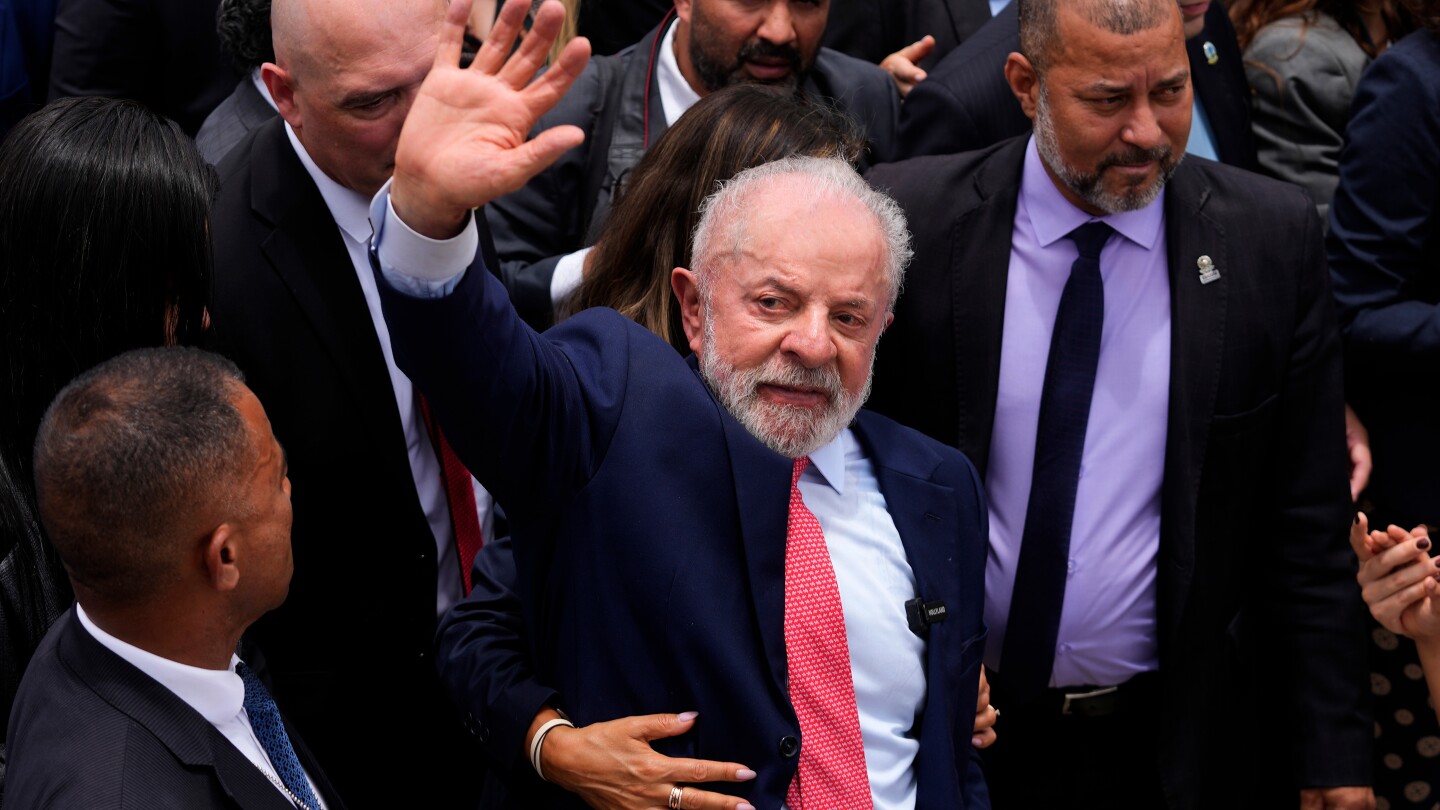
    In a decisive move with profound political implications, Brazilian President Luiz Inácio Lula da Silva has exercised his executive authority to veto legislation that would have substantially reduced the 27-year prison sentence of his predecessor, Jair Bolsonaro. The controversial bill, which had been approved by the Senate in December, sought to reclassify the crime of attempted coup d’état, effectively shortening sentences for those convicted in connection with the January 2023 insurrection.

    The presidential veto was announced during a solemn ceremony at the Planalto Palace in Brasília, strategically timed to coincide with the third anniversary of the violent riots orchestrated by Bolsonaro’s supporters. These events resulted in significant damage to government buildings and ultimately formed the evidentiary foundation for the prosecution of the former far-right leader.

    President Lula delivered a powerful address to assembled members of Brazil’s three governmental branches, emphasizing the historical significance of preserving democratic memory. “We don’t have the right of forgetting our past. That’s why we don’t accept dictatorships, civilian or military,” Lula declared, characterizing January 8th as “the day of our democracy’s victory against those who tried to seize power through force.”

    While Brazil’s Congress retains the constitutional authority to override the presidential veto, political analysts suggest such action would carry considerable risk for lawmakers facing general elections in October. The 80-year-old leftist president currently leads polling projections, potentially setting the stage for an electoral confrontation with Senator Flávio Bolsonaro, one of the former president’s sons.

    The political context underscores the deep divisions within Brazilian society. Lula narrowly secured his third presidential term against Bolsonaro, who was subsequently rendered ineligible for office until 2030 due to documented abuses of power during his campaign. With Bolsonaro’s imprisonment commencing in November for his attempted coup conviction, his potential return to politics has been further delayed until 2033, with additional legal cases still pending.

    Notably absent from the ceremony were lower house speaker Hugo Motta and Senate president Davi Alcolumbre, highlighting the ongoing political tensions. The 2023 riots, frequently compared to the January 6th Capitol insurrection in the United States, resulted in substantial damage to congressional buildings.

    Had the legislation been enacted, it would have allowed Bolsonaro’s coup attempt charge to be absorbed into a lesser offense, significantly reducing his prison term. The measure would have similarly benefited other individuals convicted in connection with the failed insurrection, potentially reducing their sentences by up to two-thirds.

    Bolsonaro’s legal representatives have previously petitioned for his transfer to house arrest, citing concerns about the former president’s deteriorating health condition. His medical history includes multiple hospitalizations since surviving a stabbing attack by a mentally ill assailant during the 2018 election campaign. Neither Bolsonaro nor his legal team have issued any public statements regarding President Lula’s veto decision.

  • Venezuela says it’s releasing a ‘significant number’ of prisoners as gesture to ‘seek peace’

    Venezuela says it’s releasing a ‘significant number’ of prisoners as gesture to ‘seek peace’

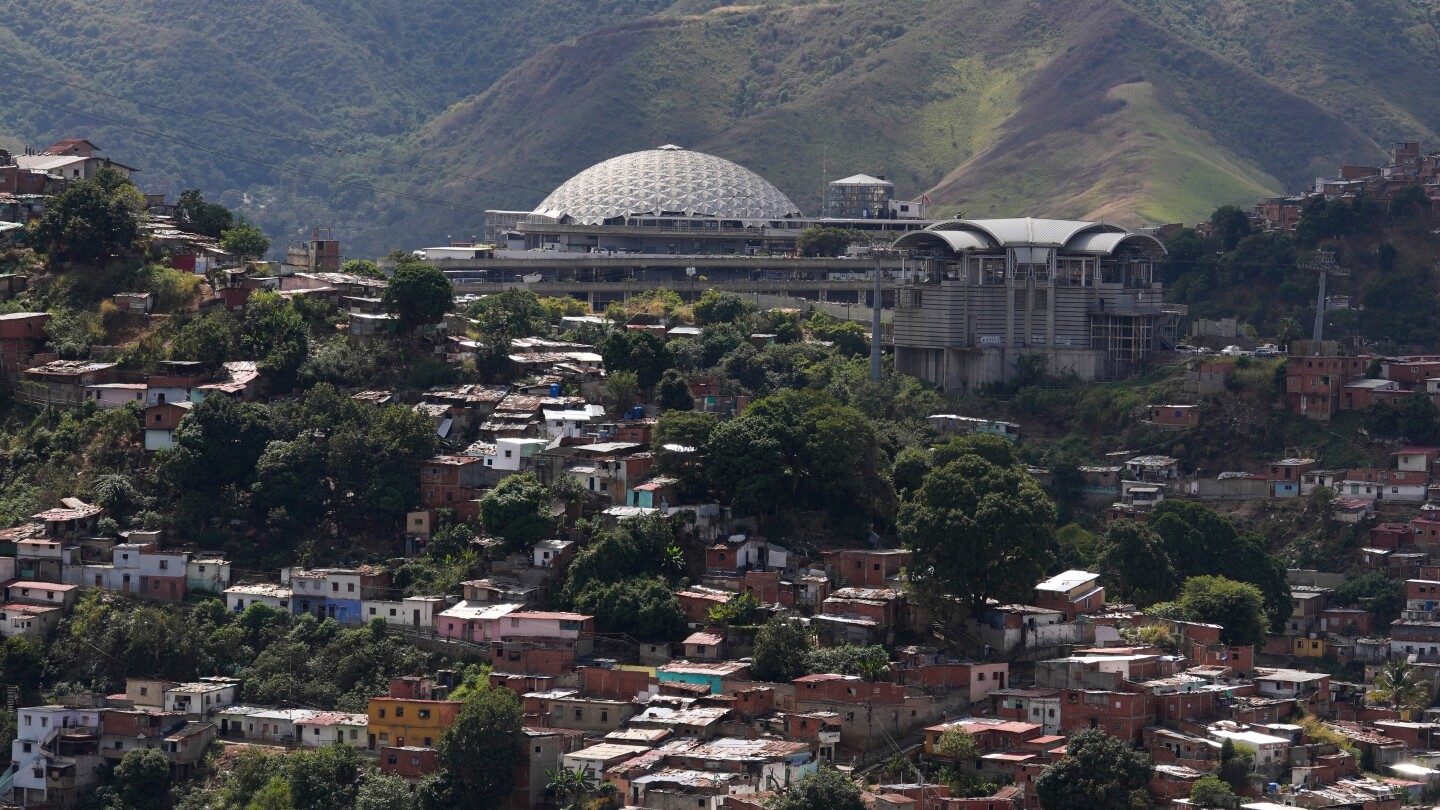
    Venezuela has commenced a substantial prisoner release initiative, described by National Assembly leader Jorge Rodríguez as a governmental gesture “to seek peace.” This development occurs less than one week after former President Nicolás Maduro was apprehended by U.S. forces to confront federal drug-trafficking charges in New York.

    While Rodríguez confirmed the releases were actively underway, he provided no specific details regarding the number of detainees or their identities. The Spanish government separately confirmed the liberation of five Spanish citizens in Caracas, with embassy officials coordinating their repatriation.

    Human rights organization Penal Forum documented 863 individuals detained for “political reasons” in Venezuela as of late December 2025. Alfredo Romero, the organization’s director, characterized the releases as “good news” while emphasizing ongoing verification efforts. “We already know of some people on their way to freedom, including foreigners,” Romero stated via social media.

    The Venezuelan government maintains its longstanding position denying the existence of “political prisoners,” instead accusing detainees of conspiring to destabilize Maduro’s administration. This pattern of strategic prisoner releases has been noted by political analysts including Ronal Rodríguez of the University of Rosario in Bogotá, who observed that “the regime uses them like a bargaining chip” at politically opportune moments.

    This development coincides with heightened U.S. engagement in Venezuelan affairs. The Trump administration recently seized sanctioned oil tankers and announced plans to relax certain sanctions, enabling American oversight of Venezuela’s global petroleum sales. These actions implement President Trump’s pledge that the U.S. would “run” the country following Maduro’s capture, demonstrating Washington’s determination to leverage Venezuela’s substantial oil resources to influence the nation’s political trajectory.

  • French researcher back in France after prisoner swap with Russia

    French researcher back in France after prisoner swap with Russia

    In a significant diplomatic development, French researcher Laurent Vinatier has returned to his homeland following a carefully negotiated prisoner exchange between France and Russia. The swap involved Vinatier’s release in exchange for Russian basketball player Daniil Kasatkin, who had been detained in France on U.S. hacking allegations.

    The exchange occurred against the backdrop of strained relations between Moscow and Western nations, nearly four years after Russia’s invasion of Ukraine. Vinatier, who had been sentenced to three years in a Russian penal colony for violating ‘foreign agent’ registration laws, faced additional espionage charges that could have extended his imprisonment to two decades.

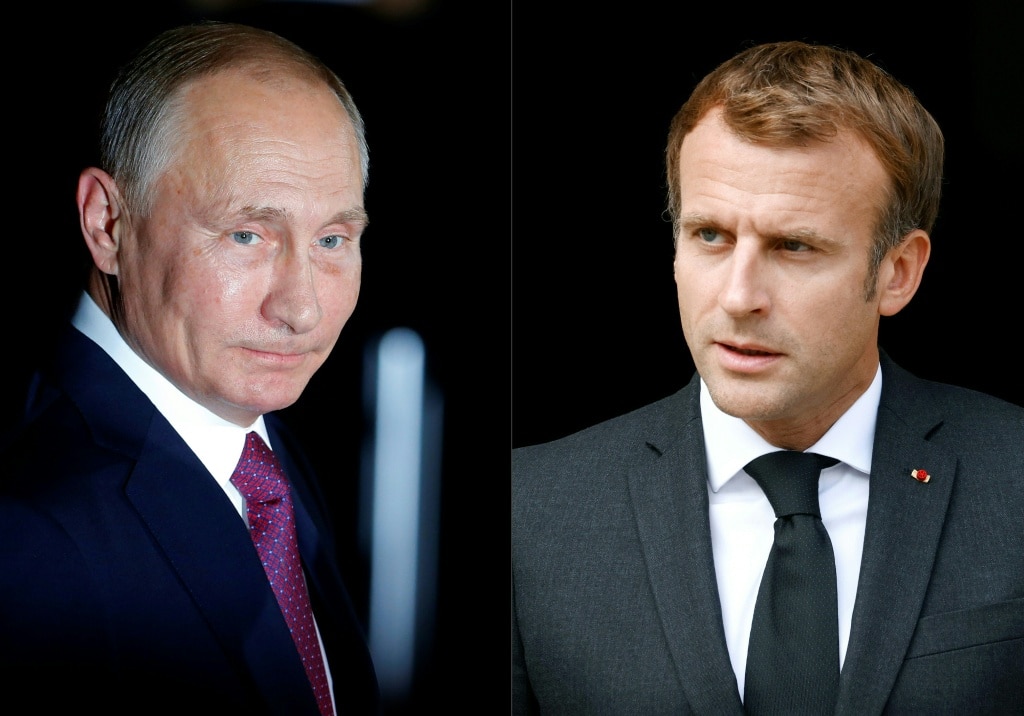
    French President Emmanuel Macron publicly expressed relief at Vinatier’s return, stating on social media platform X: ‘Our compatriot Laurent Vinatier is free and back in France. I share the relief felt by his family and loved ones.’ The researcher was greeted at a military base near Paris by his parents and France’s top diplomat Jean-Noel Barrot.

    The Kremlin’s announcement last month regarding a proposal to France concerning Vinatier had raised hopes for his eventual release. Russian state media circulated footage showing Vinatier’s departure from detention, smiling while carrying a large black bag. Russia’s FSB security service confirmed he had been ‘pardoned’ by presidential decree.

    Vinatier, an accomplished expert on Russia and former Soviet states with previous experience at NATO and the European Parliament, was working for the Swiss-based Centre for Humanitarian Dialogue at the time of his arrest. The NGO, which specializes in conflict mediation outside official diplomatic channels, expressed joy at his release, stating: ‘Laurent’s colleagues and friends are overjoyed at his return and stand in solidarity with him and his family.’

    The exchange involved careful coordination with Washington, as Kasatkin faced charges in the United States for alleged involvement in ransomware hacking activities. Video evidence confirmed Kasatkin’s return to Russian territory following the swap.

    This development occurs as both nations have indicated willingness to re-establish dialogue, with the Kremlin noting last December that Vladimir Putin had ‘expressed readiness to engage in dialogue’ with Macron. However, French diplomats remained cautious about speculating on any potential resumption of bilateral talks with Russia when questioned.

    The timing of Vinatier’s release coincided with Orthodox Christmas celebrations on January 7, which his family’s legal representative described as ‘a strong sign’ of diplomatic goodwill.

  • Britain says tanker seizure is a win for trans-Atlantic security but tensions loom over Greenland

    Britain says tanker seizure is a win for trans-Atlantic security but tensions loom over Greenland

    LONDON — The recent interception of a Venezuela-linked oil tanker by U.S. special forces has sparked contrasting interpretations across the Atlantic. While British officials characterize the operation as a model of international cooperation, other analysts perceive it as emblematic of America’s unilateral foreign policy approach under the current administration.

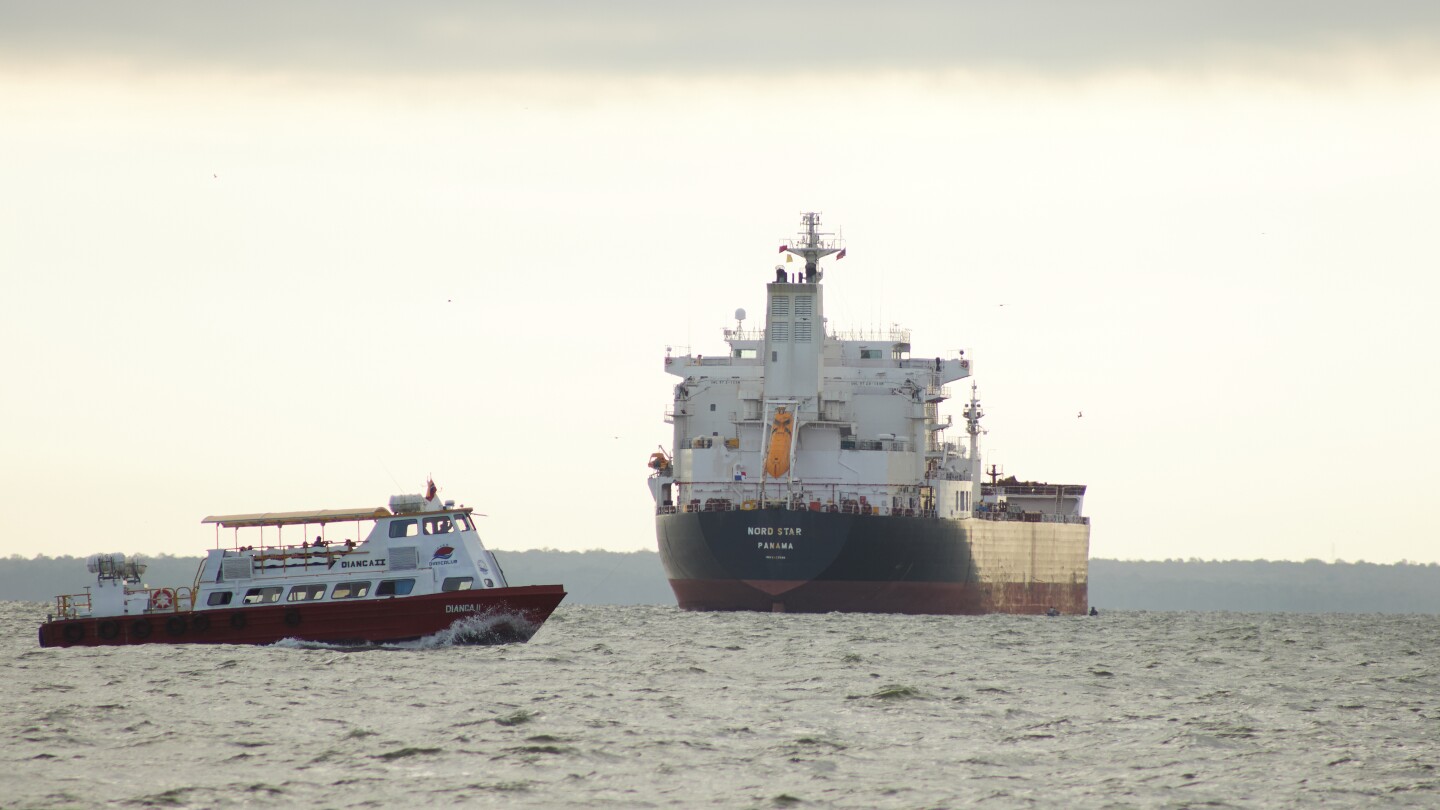
    The strategic seizure of merchant vessel Bella 1 occurred with British naval and aerial support, according to U.K. Defense Secretary John Healey, who emphasized the nations’ enduring defense alliance. British authorities frame the action as part of broader efforts to combat Russia’s ‘shadow fleet’ of aging tankers used to circumvent international oil sanctions, estimating these operations have generated approximately $100 billion in prohibited revenue for Moscow.

    Prime Minister Keir Starmer’s government faces mounting pressure as it attempts to maintain diplomatic relations with Washington amid contentious U.S. policies. These include President Trump’s renewed interest in acquiring Greenland—a semi-autonomous Danish territory—and the controversial capture of Venezuelan President Nicolás Maduro. European leaders, including French President Emmanuel Macron, have expressed concern over America’s apparent divergence from established international norms and alliances.

    Defense Secretary Healey briefed Parliament that NATO remains ‘stronger, larger and more united than ever,’ while simultaneously acknowledging the administration’s commitment to provide security guarantees for Ukraine following future cease-fire agreements. This delicate diplomatic dance reflects what international affairs expert Bronwen Maddox describes as Europe’s fundamental dilemma: balancing principle against pragmatism when engaging with an administration that has imposed tariffs on trading partners, withdrawn from international organizations, and questioned NATO’s value.

    Starmer has adopted a cautiously optimistic approach, avoiding direct criticism of Trump’s policies despite domestic pressure to condemn actions such as the $10 billion lawsuit against the BBC and attacks on London Mayor Sadiq Khan. The Prime Minister’s office confirmed he communicated Britain’s position on Greenland’s sovereignty during a recent phone call with President Trump, though the administration’s response remains undisclosed.

    Analysts from the Chicago Council on Global Affairs suggest Starmer has demonstrated tactical proficiency in navigating these complex diplomatic waters, though Maddox warns that some U.S. proposals may ultimately prove too extreme for Britain’s conciliatory strategy to remain effective.

  • Somalia denies US allegation that it destroyed food aid warehouse

    Somalia denies US allegation that it destroyed food aid warehouse

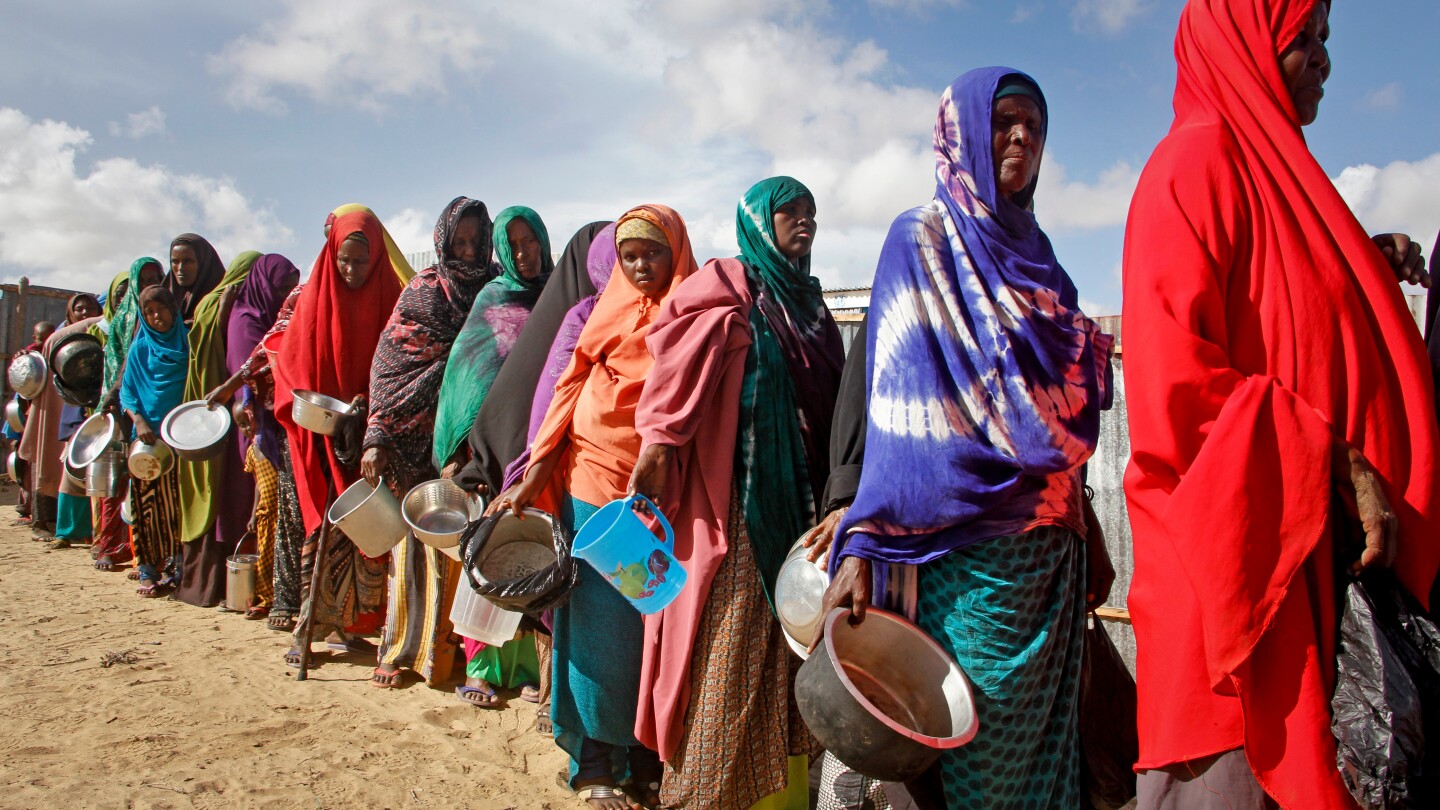
    A significant diplomatic rift has emerged between the United States and Somalia following allegations that Somali authorities demolished an American-funded World Food Program warehouse and confiscated humanitarian aid destined for vulnerable civilians. The U.S. State Department announced an immediate suspension of all assistance to Somalia’s federal government on Wednesday, citing the Trump administration’s “zero-tolerance policy for waste, theft and diversion of life-saving assistance.”

    According to a senior U.S. official speaking anonymously, Mogadishu port authorities destroyed the UN agency’s warehouse under direct orders from President Hassan Sheikh Mohamud without prior notification to international donors. The official described this action as particularly concerning given Somalia’s severe food crisis affecting approximately 4.4 million people.

    The Somali government has vehemently denied these allegations through its foreign ministry, asserting that the referenced food commodities “remain under the custody and control of the World Food Program.” Officials attributed the incident to ongoing expansion and repurposing works at Mogadishu port, maintaining that humanitarian operations remain unaffected.

    However, the World Food Program contradicted the government’s account, confirming to The Associated Press that its warehouse had indeed been demolished while containing 75 metric tons of specialized nutritious foods intended for malnourished pregnant women, breastfeeding mothers, and young children. The UN agency emphasized the critical timing of this incident, with nearly a quarter of Somalia’s population facing crisis-level hunger.

    This controversy unfolds against the backdrop of Somalia’s protracted humanitarian crisis, exacerbated by chronic conflict, insecurity, and recurring natural disasters. The Horn of Africa nation remains one of the world’s poorest countries, historically dependent on international assistance. The now-suspended U.S. aid amounted to $770 million during the last year of the Biden administration, though only a fraction directly reached the Somali government.

    The aid suspension coincides with the Trump administration’s increasingly restrictive policies toward Somali refugees and migrants in the United States, including heightened scrutiny over fraud allegations involving childcare centers in Minnesota and significant entry restrictions.

    The broader implications of this decision extend beyond Somalia, as demonstrated by parallel aid restrictions imposed on South Sudan. The U.S. Embassy in Juba announced suspensions targeting specific regions, accusing South Sudanese officials of “abuse, exploitation, and theft directed against U.S. foreign assistance.” These developments signal a tougher American stance on foreign aid accountability under the current administration.

  • Russia slams Western peacekeeping plan for Ukraine

    Russia slams Western peacekeeping plan for Ukraine

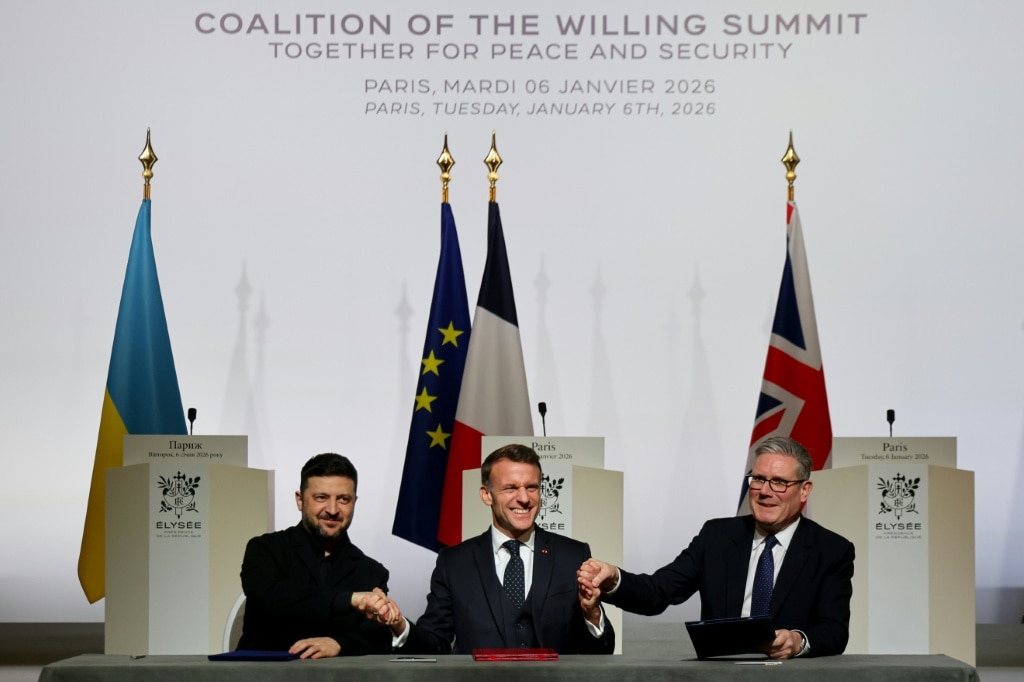
    Russia has vehemently condemned Western proposals for post-conflict security arrangements in Ukraine, dismissing them as ‘dangerous’ and ‘destructive’ initiatives that effectively create an ‘axis of war’. The sharp criticism from Moscow’s foreign ministry spokeswoman Maria Zakharova came in response to recent diplomatic efforts by Ukraine’s allies, who convened in Paris to establish security guarantees for Kyiv that included provisions for a potential multinational peacekeeping force.

    The diplomatic developments unfolded alongside intensified military actions, with Russian strikes causing widespread power outages affecting approximately 500,000 households across Ukraine’s Dnipropetrovsk and Zaporizhzhia regions. These attacks, which Ukrainian authorities described as a ‘national level emergency’, resulted in three fatalities in the southern city of Kherson and forced educational institutions to extend holiday closures.

    President Volodymyr Zelensky confirmed that bilateral security agreements between Ukraine and the United States are nearing finalization, emphasizing that binding security assurances from allies remain essential to deter future Russian aggression. However, critical negotiation points regarding territorial control of the eastern Donbas region and the status of the Russian-occupied Zaporizhzhia nuclear facility remain unresolved.

    Moscow’s position appears increasingly uncompromising, with repeated warnings that any NATO peacekeeping deployment would be considered legitimate military targets for Russian forces. German Chancellor Friedrich Merz acknowledged the significant distance to any ceasefire agreement, stating that Russia’s consent—which currently seems unlikely—remains prerequisite to any sustainable security arrangement.

    The simultaneous escalation of diplomatic rhetoric and military operations suggests both sides are positioning for protracted conflict rather than imminent resolution, with security guarantees becoming the latest focal point in the nearly four-year confrontation.

  • Saudi-led coalition accuses UAE of helping separatist leader flee Yemen

    Saudi-led coalition accuses UAE of helping separatist leader flee Yemen

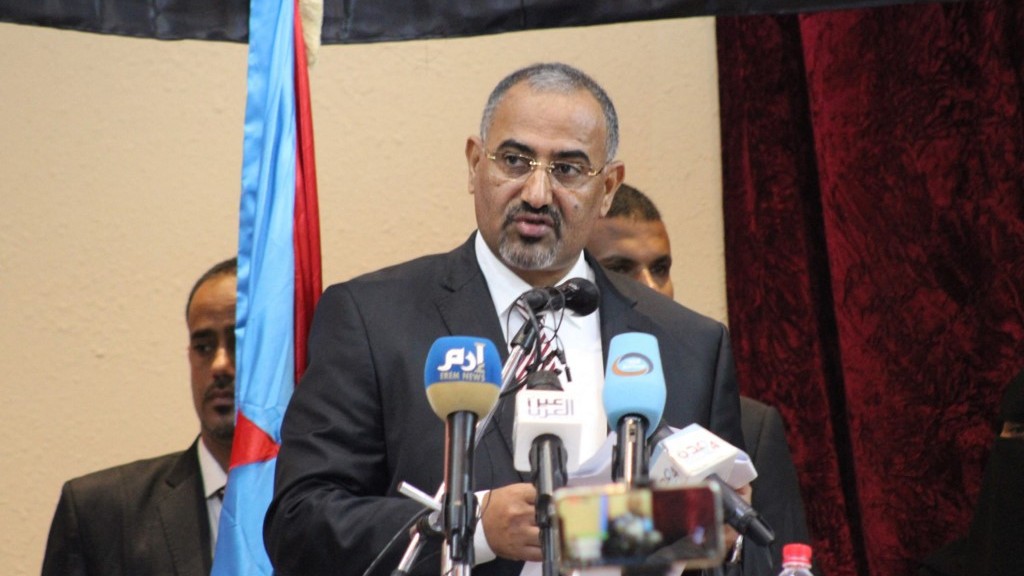
    A significant diplomatic rift has emerged between key Gulf allies as Saudi Arabia’s coalition command has formally charged the United Arab Emirates with orchestrating an elaborate clandestine operation to extract separatist leader Aidarous al-Zubaidi from Yemen following treason allegations.

    Coalition spokesman Major General Turki al-Maliki disclosed in an official Thursday statement that intelligence confirmed Zubaidi, head of the UAE-backed Southern Transitional Council (STC), departed Aden via maritime route on January 7th. The operation reportedly involved the vessel Bamedhaf, which sailed from Port of Aden shortly after midnight with its identification systems disabled while navigating toward Somaliland.

    According to detailed coalition accounts, the ship docked at Berbera around midday where Zubaidi allegedly contacted Major General Awad Saeed bin Musleh Al-Hababi, identified as joint operations commander in the UAE Armed Forces. The group subsequently boarded an Ilyushin Il-76 transport aircraft—a type commonly utilized in conflict zones across Libya, Ethiopia and Somalia—which departed without declaring its intended destination.

    The aircraft made a brief stop at Mogadishu International Airport before proceeding toward the Arabian Gulf. Coalition tracking indicated the plane again disabled its transponder over the Gulf of Oman before reactivating systems prior to landing at Al Reef military airport in Abu Dhabi at 20:47 Saudi time.

    Maritime records reveal Bamedhaf sails under the flag of Saint Kitts and Nevis, matching the registry of another vessel previously implicated in transporting combat vehicles and weapons from Fujairah to Mukalla—a shipment destroyed by Saudi airstrikes on December 30th.

    The extraction operation occurred amid escalating tensions, with coalition officials noting Zubaidi had ignored direct instructions to travel to Saudi Arabia for urgent talks regarding STC-led violence in Hadhramaut and al-Mahra. This development follows Yemen’s Presidential Leadership Council charging Zubaidi with high treason for allegedly damaging Yemen’s political and military standing, forming illegal armed groups, and committing severe violations against civilians and military personnel.

    Coalition forces are currently tracking several figures believed to have facilitated Zubaidi’s escape, including former Aden governor Ahmed Hamid Lamlas and Security Belt Forces commander Mohsen al-Wali, both reportedly out of contact.

    This incident represents the latest manifestation of growing friction between nominal allies, following last week’s Saudi condemnation of UAE support for southern separatists and the subsequent UAE announcement withdrawing military personnel from Yemen citing ‘recent developments.’