分类: politics

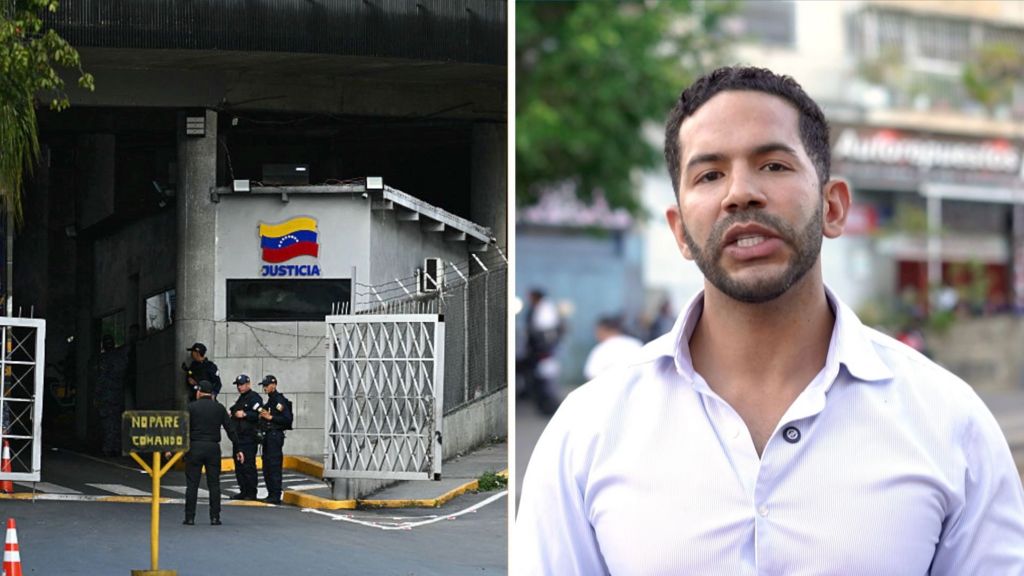
  • Watch: BBC reports from outside Venezuela’s ‘El Helicoide’ prison

    Watch: BBC reports from outside Venezuela’s ‘El Helicoide’ prison

    In a significant political development, the Venezuelan government has commenced the release of individuals identified as political prisoners. BBC correspondent Norberto Paredes reported from outside the notorious ‘El Helicoide’ detention facility in Caracas, where the initial releases are underway.

    This prison complex, formally known as the Bolivarian National Intelligence Service (SEBIN) headquarters, has long been criticized by human rights organizations for housing political dissidents under questionable legal circumstances. The releases appear to follow through on diplomatic commitments made during recent negotiations between government representatives and opposition parties in Barbados.

    The carefully orchestrated prisoner release operation represents a potential thaw in Venezuela’s prolonged political stalemate. International observers are monitoring these developments as possible confidence-building measures ahead of the 2024 presidential election. The government’s actions may signal willingness to address longstanding human rights concerns while opposition figures cautiously welcome what could be the beginning of broader democratic reforms.

    This development occurs amid complex geopolitical dynamics, including recently eased U.S. sanctions on Venezuela’s oil industry in exchange for electoral guarantees. The prisoner releases could potentially pave the way for more comprehensive political negotiations in a country grappling with economic challenges and international scrutiny over its democratic processes.

  • Trump promises oil executives ‘total safety’ if they invest in Venezuela after Maduro ouster

    Trump promises oil executives ‘total safety’ if they invest in Venezuela after Maduro ouster

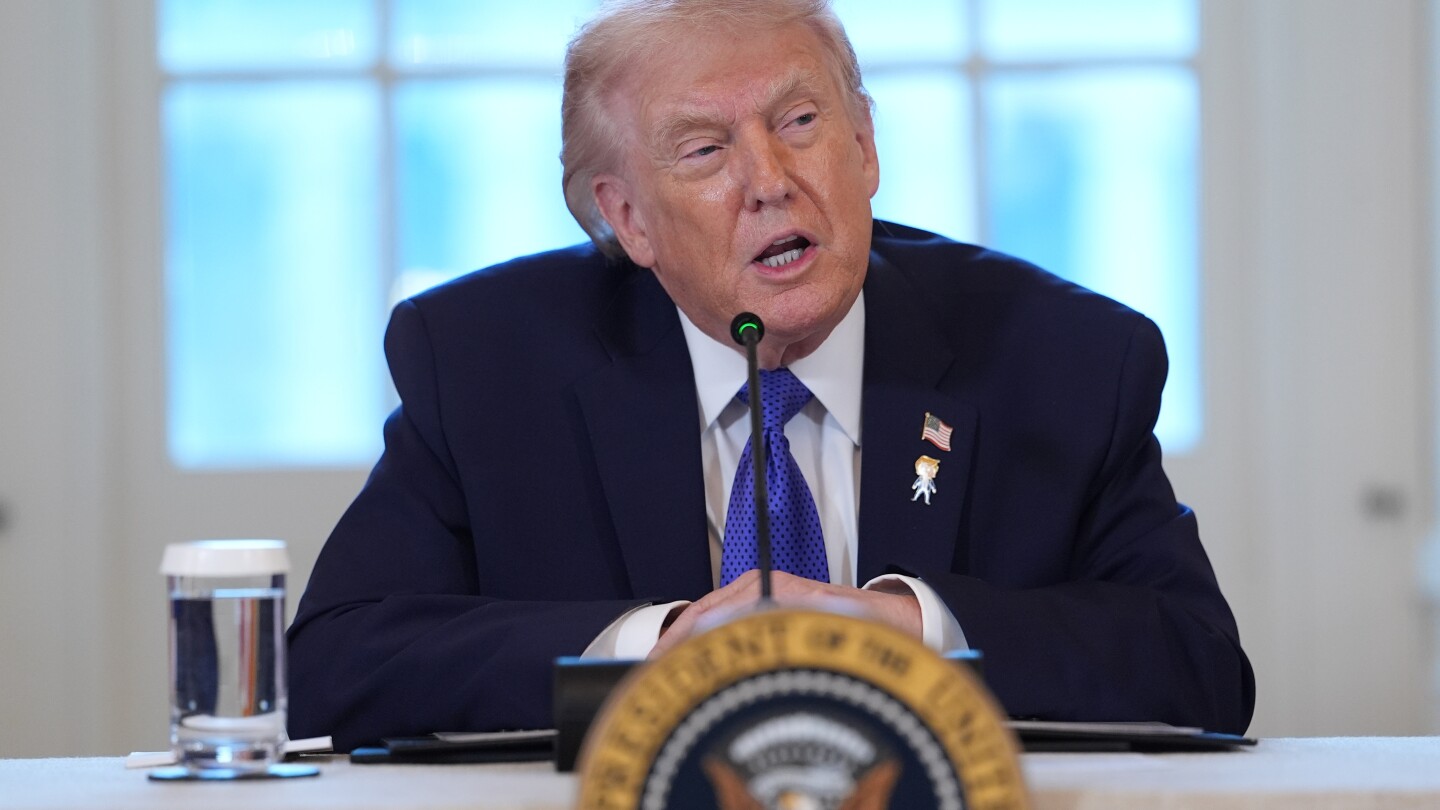
    WASHINGTON — In a strategic pivot following the military operation that ousted Nicolás Maduro, President Donald Trump convened top oil industry executives at the White House to champion a massive $100 billion private investment initiative aimed at revitalizing Venezuela’s crippled energy infrastructure. The Friday meeting marked a dramatic shift from military action to economic opportunity, with Trump positioning Venezuela’s vast petroleum reserves as a prime target for American energy corporations.

    The administration’s aggressive posture includes seizing tankers carrying Venezuelan crude and assuming control over global sales of 30-50 million barrels of previously sanctioned oil. Trump personally assured skeptical executives of “total safety” in potential ventures, emphasizing they would be “dealing with us directly and not dealing with Venezuela at all.” This unprecedented arrangement would see the U.S. government acting as intermediary for energy investments in a foreign nation.

    Despite presidential assurances, industry leaders expressed significant reservations. ExxonMobil CEO Darren Woods characterized Venezuela as “un-investable” under current frameworks, citing the need for comprehensive legal overhauls and durable investment protections. The company’s assets were seized twice previously in the country, reflecting the challenging operational environment.

    The mobilization forms part of Trump’s broader effort to curb gasoline prices, merging assertive presidential power with economic spectacle ahead of election season. Beyond domestic considerations, the president presented the intervention as preempting Chinese or Russian control of Venezuelan resources, stating: “If we didn’t do this, China or Russia would have done it.”

    In parallel diplomatic developments, both nations are exploring restored relations, with U.S. officials conducting preliminary assessments for reopening the Caracas embassy. The administration also announced upcoming meetings with Venezuelan opposition leader Maria Corina Machado and Colombian President Gustavo Petro, signaling complex regional realignments following Maduro’s ouster.

    Energy Secretary Chris Wright projected optimism post-meeting, noting “tremendous interest” from attendees and suggesting production could triple to 3 million barrels daily within 8-12 years. The assemblage included Chevron, ConocoPhillips, Shell, and international firms Trafigura, Eni, and Repsol, representing global stakes in Venezuela’s energy future.

  • The musician and the strongman leader – what you need to know about Uganda’s election

    The musician and the strongman leader – what you need to know about Uganda’s election

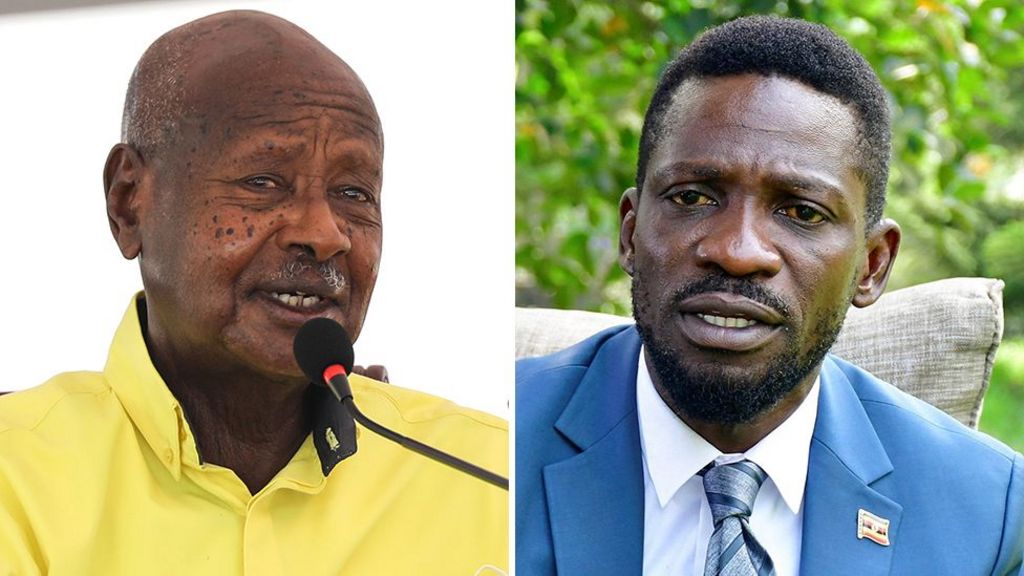
    Uganda stands at a pivotal juncture as it prepares for presidential elections on January 15th, presenting voters with a stark choice between continuity and transformation. President Yoweri Museveni, 81, seeks to extend his 40-year reign—one of Africa’s longest administrations—while his primary challenger, 43-year-old former pop sensation Bobi Wine, promises radical governance reforms and represents generational change.

    The electoral landscape is characterized by significant tension, with opposition campaigns experiencing systematic disruption through activist detentions and police intervention at rallies. These developments occur against a backdrop of pressing economic concerns, particularly youth unemployment in a nation where over three-quarters of the population is under 30.

    This marks the second electoral confrontation between Museveni and Wine, following the contentious 2021 poll where Museveni secured 58% of votes amid widespread allegations of electoral manipulation and opposition suppression. Museveni’s prolonged tenure has been facilitated by constitutional amendments eliminating presidential age and term limits, enabling his seventh consecutive candidacy.

    Bobi Wine (legal name Robert Kyagulanyi) has emerged as the most formidable opposition figure, capitalizing on his popularity among urban youth and working-class constituencies. His National Unity Platform became parliament’s largest opposition party following the previous election, though Wine has faced persistent harassment from security forces throughout the campaign period.

    Beyond the two frontrunners, six additional candidates complete the presidential field, though none are projected to secure significant vote shares. Notably absent is veteran opposition leader Kizza Besigye, currently imprisoned on treason charges in Kenya.

    Economic considerations dominate voter concerns, with unemployment, infrastructure deficiencies, and unequal access to education and healthcare representing primary issues. While Uganda has avoided the severe inflation affecting neighboring nations, corruption remains pervasive—the country ranks 140th globally on Transparency International’s Corruption Perceptions Index.

    International observers have expressed concern about the electoral environment, with UN experts noting a ‘pervasive climate of fear’ and Amnesty International documenting a ‘brutal campaign of repression’ involving tear gas, pepper spray, and physical violence against opposition supporters. The government maintains these measures are necessary to ensure peaceful elections.

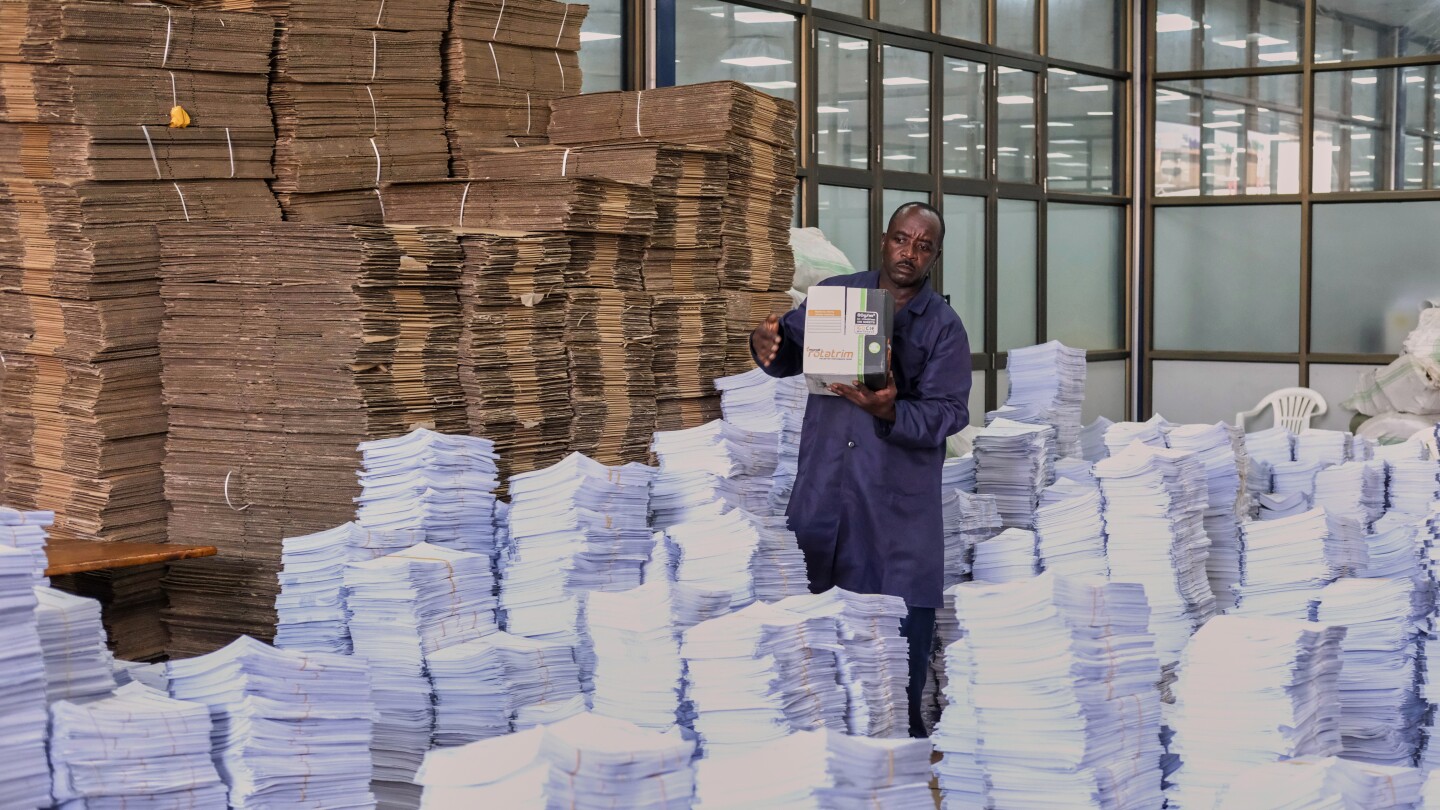
    Election officials promise transparent voting procedures with party agents and independent monitors observing the count, though critics question the electoral commission’s independence. Opposition leaders have urged supporters to safeguard ballots against potential manipulation, while preparing technological solutions like Bluetooth-enabled monitoring apps to circumvent possible internet restrictions.

    According to electoral regulations, presidential results must be announced within 48 hours of polling closure. A candidate must secure over 50% of the national vote to avoid a runoff—a threshold Museveni has consistently achieved in previous elections.
  • Trump signals he may let last US-Russia nuclear treaty expire

    Trump signals he may let last US-Russia nuclear treaty expire

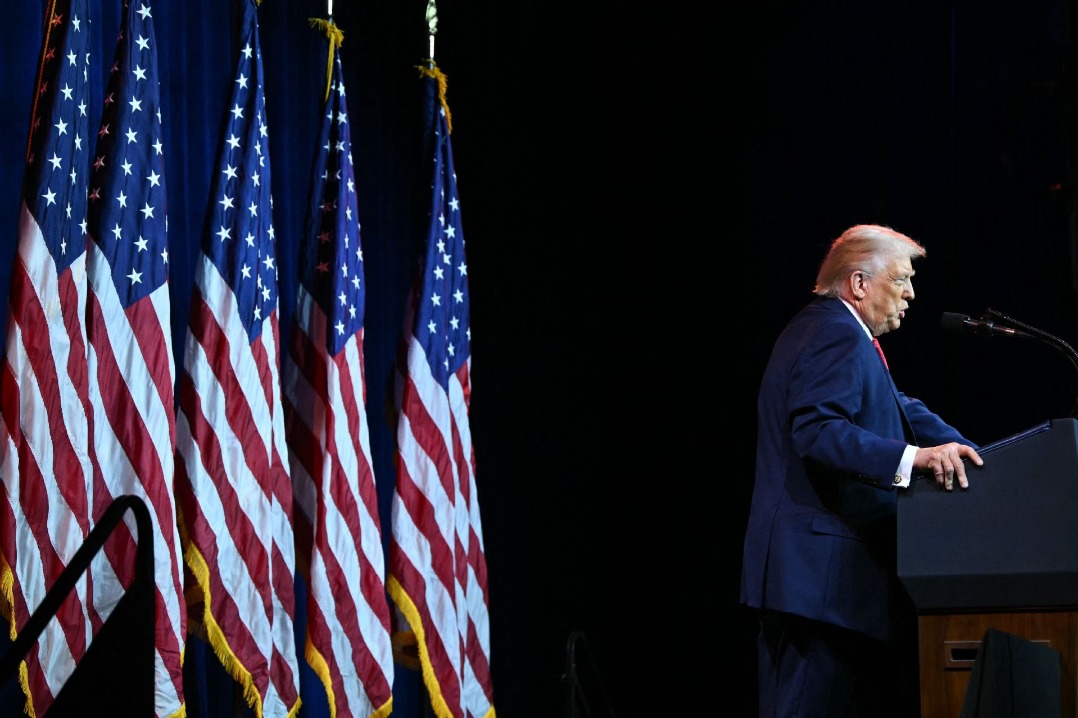
    The future of nuclear arms control between the world’s two largest nuclear powers hangs in the balance as former President Donald Trump indicates willingness to let the New START treaty expire without replacement. In a recent interview with The New York Times, Trump suggested rejecting Moscow’s proposal to maintain the treaty’s limitations, instead advocating for a broader agreement involving additional nations.

    The New Strategic Arms Reduction Treaty (New START), enacted in 2011, represents the final remaining nuclear arms control agreement between the United States and Russia. The landmark pact imposes crucial restrictions, capping deployed strategic nuclear warheads at 1,550 per country and limiting deployed delivery systems—including intercontinental ballistic missiles, bombers, and submarines—to 700 units. Without extension or replacement, this critical arms control mechanism is scheduled to terminate on February 5, 2026.

    Trump’s stance marks a significant departure from previous administrations. When questioned about the treaty’s potential expiration, the former president responded with apparent indifference, stating, ‘If it expires, it expires.’ He instead emphasized his preference for negotiating a ‘better agreement’ that would incorporate ‘a couple of other players’ beyond the current bilateral framework.

    This development carries profound implications for global security architecture. Should the treaty lapse, it would represent the first time in nearly fifty years that the United States and Russia operate without legally binding constraints on their nuclear arsenals. The original treaty framework permitted one five-year extension, which was utilized in 2021 through an agreement between Russian President Vladimir Putin and then-President Joe Biden.

    The current situation emerges against a backdrop of diplomatic outreach from Moscow. In September 2025, Putin reportedly proposed that both nations voluntarily continue observing the treaty’s limitations even without formal extension—a suggestion that appears to find no favor with the Trump administration. This potential collapse of nuclear arms control mechanisms raises significant concerns among international security experts about a new nuclear arms race and the erosion of strategic stability between the world’s premier nuclear powers.

  • Italy backs historic EU-Mercosur trade deal after 25 years of negotiations

    Italy backs historic EU-Mercosur trade deal after 25 years of negotiations

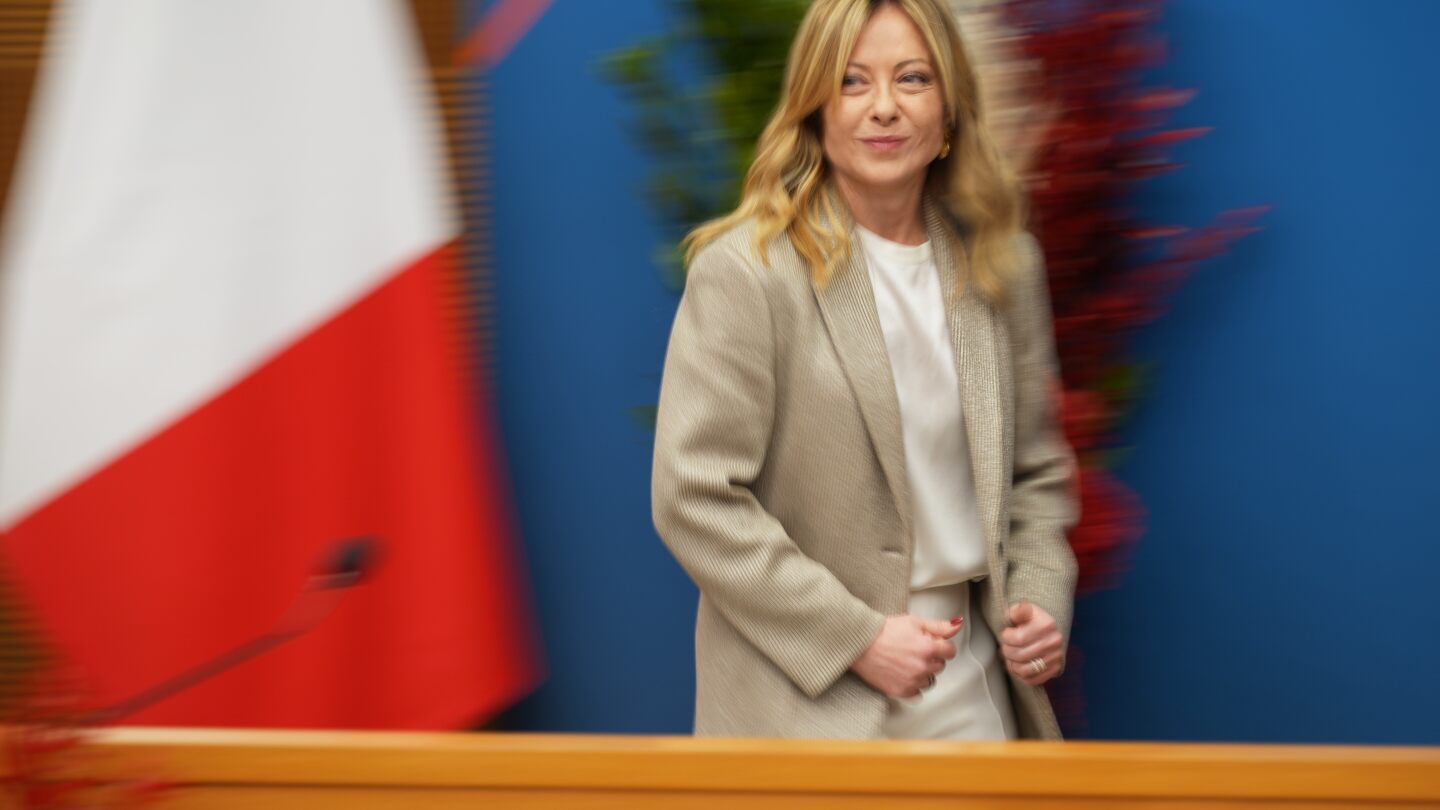
    BRUSSELS — In a decisive political breakthrough, the European Union has secured Italy’s pivotal endorsement for its landmark free trade agreement with the Mercosur bloc, overcoming decades of negotiations and significant internal opposition. Italian Prime Minister Giorgia Meloni, previously viewed as the swing vote, announced her support following assurances that protected Italian agricultural interests, particularly safeguarding the nation’s premium food products from unfair competition.

    The agreement, negotiated over 25 years with Brazil, Argentina, Paraguay, Uruguay, and Bolivia, establishes one of the world’s largest free trade zones encompassing approximately 780 million people and representing a quarter of global GDP. European Commission President Ursula von der Leyen hailed the development as a powerful demonstration of EU economic sovereignty amid an increasingly transactional global landscape, announcing plans to travel to Paraguay for upcoming Mercosur meetings.

    German Chancellor Friedrich Merz characterized the pact as a milestone in European trade policy that enhances strategic autonomy. The deal provides Brussels with a significant diplomatic victory at a time of global economic uncertainty, creating a counterweight to American protectionist tendencies and Chinese export controls. Brazilian President Luiz Inácio Lula da Silva celebrated the agreement as a triumph for multilateralism during an era of growing protectionism.

    Despite this progress, substantial opposition persists. France, Poland, Austria, Hungary, and Ireland voted against the agreement, citing concerns about agricultural sector vulnerabilities. French President Emmanuel Macron acknowledged that while safeguards had been incorporated—including emergency import brakes and mirrored food safety regulations—the economic benefits remained insufficient to justify risks to EU farmers. Environmental groups additionally condemned the pact, warning it would accelerate Amazon deforestation and undermine climate objectives.

  • UN rights office cites ‘widespread repression’ in Uganda before next week’s presidential election

    UN rights office cites ‘widespread repression’ in Uganda before next week’s presidential election

    GENEVA — The United Nations Human Rights Office has issued a stark warning regarding Uganda’s upcoming presidential election, characterizing the pre-election environment as one dominated by systematic repression and intimidation tactics against opposition figures and dissenting voices. In a comprehensive report released Friday, the Office of the UN High Commissioner for Human Rights (OHCHR) detailed concerning patterns of state-sponsored suppression ahead of the January 15 vote.

    The Geneva-based agency documented multiple instances where Ugandan authorities have employed legal warfare and military legislation to curtail political activities. Security forces have reportedly utilized live ammunition to break up peaceful assemblies and deployed unmarked vehicles—locally referred to as ‘drones’—to abduct supporters of opposition parties.

    UN High Commissioner for Human Rights Volker Türk emphasized the imperative for Ugandan authorities to guarantee all citizens’ right to participate safely in the electoral process under international law. He specifically called for restraint, urging that ‘no unnecessary or disproportionate force, including lethal force, be used to disperse peaceful protests.’

    The report highlights several specific cases, including the ongoing detention of opposition leader Kizza Besigye on treason charges and the imprisonment of prominent civic leader Sarah Bireete. Bireete, director of the Center for Constitutional Governance, was arrested December 30 on allegations of illegally accessing the national voters’ registry. A magistrate ordered her detained until January 21, effectively silencing one of the government’s most vocal critics during the critical pre-election period.

    Human Rights Watch condemned Bireete’s arrest as evidence of the government’s ‘continuing intolerance of dissent.’ Before her detention, Bireete had publicly characterized President Yoweri Museveni’s administration as ‘a military dictatorship masquerading as democracy.’

    President Museveni, 81, Africa’s third-longest-serving leader, seeks a seventh term amid accusations of systematically undermining democratic institutions. His main challenger, musician-turned-politician Bobi Wine (Kyagulanyi Ssentamu), has repeatedly reported military victimization of himself and his supporters, alleging that security forces dominate election preparations.

    Ugandan police spokesman Kituuma Rusoke did not immediately respond to requests for comment on the UN allegations. The country has not witnessed a peaceful presidential transition since gaining independence from British colonial rule six decades ago.

  • US will provide $45 million in aid to Thailand and Cambodia in a bid to ensure regional stability

    US will provide $45 million in aid to Thailand and Cambodia in a bid to ensure regional stability

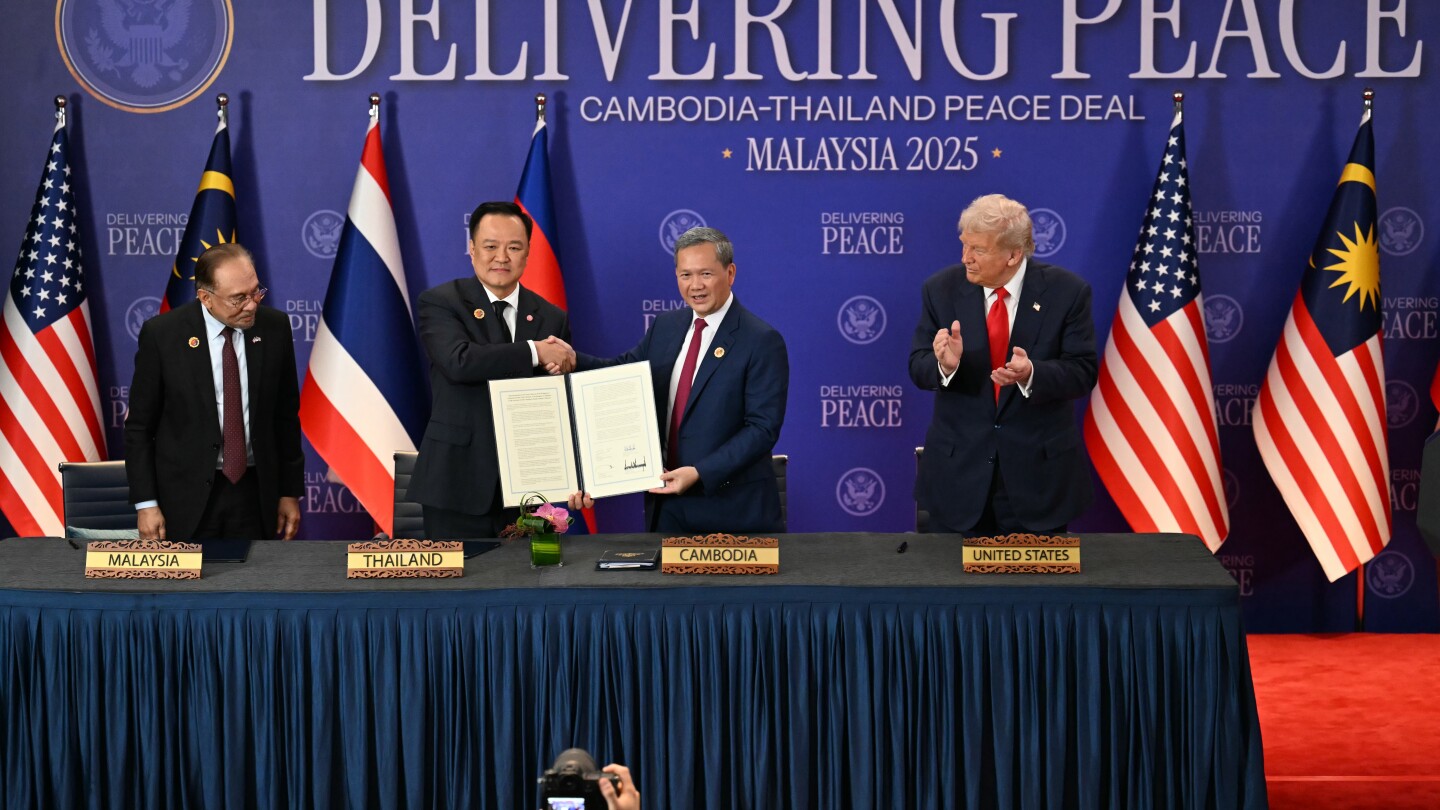
    BANGKOK — In a significant move to reinforce regional stability, the United States has pledged $45 million in comprehensive assistance to Thailand and Cambodia following last year’s border conflicts. The announcement was delivered Friday by Michael DeSombre, U.S. Assistant Secretary of State for East Asian and Pacific Affairs, during a digital press conference from Bangkok.

    The substantial aid package targets multiple critical areas: $15 million allocated for border stabilization and community recovery programs, $10 million designated for demining operations and clearance of unexploded ordinances, and $20 million committed to combating transnational crimes including scam operations and drug trafficking. These initiatives directly address the aftermath of armed clashes that displaced hundreds of thousands and resulted in approximately 100 military and civilian casualties.

    The border tensions, rooted in longstanding territorial disputes, escalated into military confrontations in July and December. The initial ceasefire, brokered in October as the Kuala Lumpur Peace Accords, received crucial reinforcement through diplomatic intervention from the Trump administration. President Donald Trump personally warned both nations that continued hostilities would jeopardize potential trade agreements with Washington.

    DeSombre emphasized that peaceful borders create unprecedented opportunities for deepened cooperation, stating: ‘The restoration of peace at the Thai-Cambodian border opens new opportunities for the United States to deepen our work with both countries to promote regional stability and advance our interests in a safer, stronger and more prosperous Indo-Pacific.’

    The assistance addresses persistent security challenges, including landmine contamination from Cambodia’s civil war era and newly laid mines that have injured Thai patrol personnel. Additionally, it targets sophisticated online scam networks operating from Southeast Asia that have defrauded global victims of billions.

    This commitment marks a strategic reengagement after previous cuts to U.S. humanitarian and development programs. DeSombre is scheduled to continue diplomatic discussions with Cambodian officials in Phnom Penh on Saturday, further solidifying implementation details of both the peace agreement and assistance package.

  • The pope in a major foreign policy address blasts how countries are using force to assert dominion

    The pope in a major foreign policy address blasts how countries are using force to assert dominion

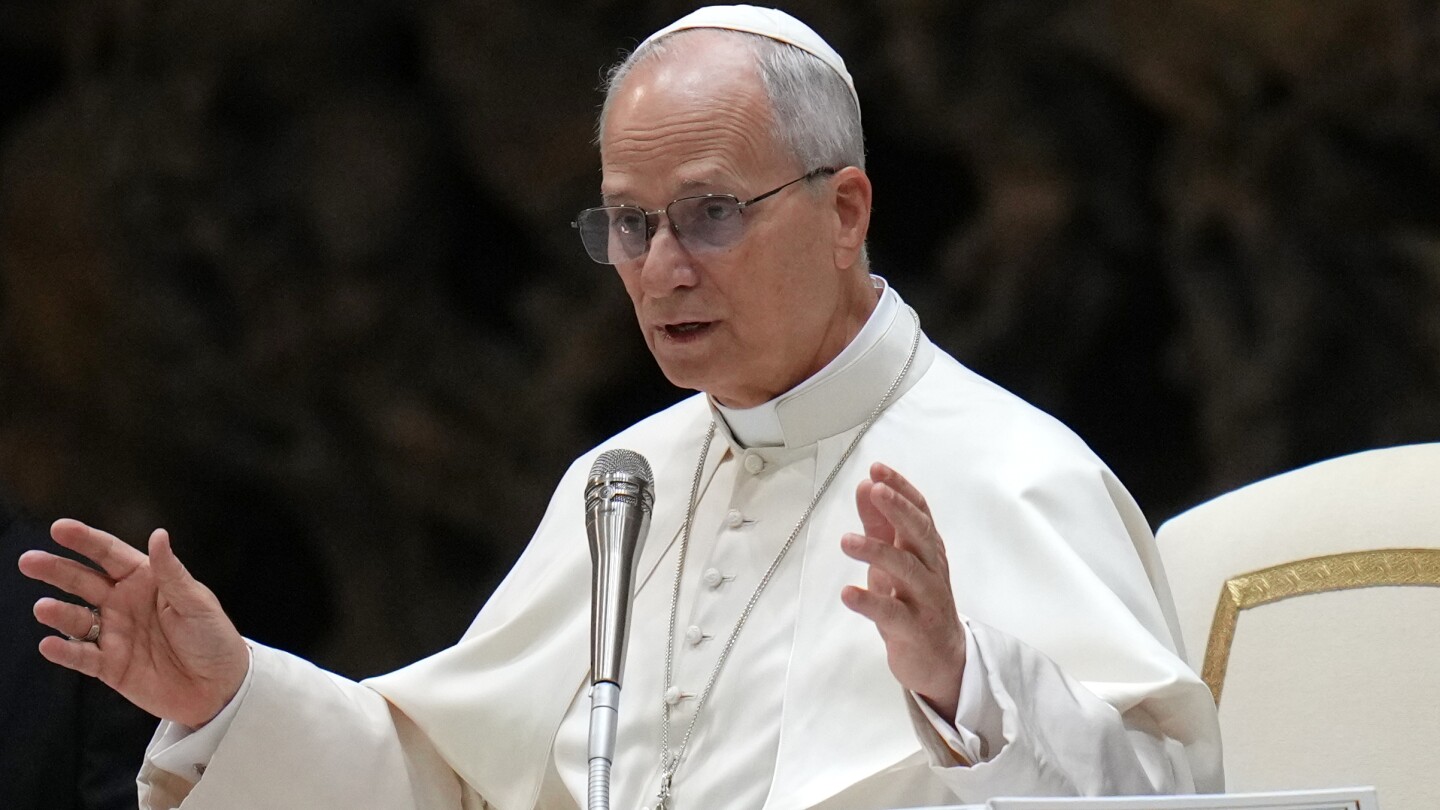
    In a groundbreaking diplomatic address that broke with Vatican tradition, Pope Leo XIV issued his most comprehensive condemnation to date of escalating military interventions by global powers. Speaking before the assembled diplomatic corps at the Holy See on Friday, the first U.S.-born pontiff in history delivered a stark warning about the resurgence of warfare as an instrument of foreign policy.

    The pontiff’s unusually direct speech, delivered primarily in English rather than the customary Italian or French, represented a significant departure from diplomatic protocol. While not explicitly naming specific nations, the address clearly referenced recent U.S. operations in Venezuela, Russia’s ongoing engagement in Ukraine, and multiple other conflict zones that have challenged the post-World War II international legal framework.

    Leo XIV articulated profound concerns about the systematic undermining of multilateral institutions, particularly the United Nations, and the dangerous shift from diplomacy to military coercion. “A diplomacy that promotes dialogue and seeks consensus among all parties is being replaced by a diplomacy based on force,” he declared, adding that the fundamental principle prohibiting nations from violating others’ borders through force had been “completely undermined.”

    The address extended beyond geopolitical matters to address fundamental human rights issues. The Pope highlighted the global persecution of Christians as one of today’s most widespread human rights crises, affecting approximately one in seven Christians worldwide. He cited specific instances of religiously motivated violence across multiple continents while noting that more subtle forms of discrimination also persist in Western nations.

    Reaffirming traditional Catholic teachings, Leo XIV expressed deep concern about expanding access to abortion services and strongly condemned surrogacy arrangements, which he characterized as reducing human life to commercial transactions that violate the dignity of both children and women. He framed these issues within the broader context of defending the most vulnerable members of society, including the unborn, refugees, and migrants.

    The comprehensive nature of this annual foreign policy address signals a potentially new direction for Vatican diplomacy under its American-born leader, combining traditional moral teachings with urgent contemporary concerns about global stability and human dignity.

  • Argentine historian and journalist condemns US imperialist aggression

    Argentine historian and journalist condemns US imperialist aggression

    In a stark condemnation of recent military actions, prominent Argentine historian and journalist Néstor Restivo has characterized United States operations in South America as unprecedented imperialist aggression. Restivo emphasized that this marks the first historical instance of direct US military engagement against a capital city within the South American continent.

    The academic warned that such unilateral actions represent a severe breach of international norms that is systematically dismantling Latin American unity and regional integration efforts. According to Restivo, these operations have created exceptionally challenging circumstances for the entire continent, undermining decades of diplomatic progress and regional cooperation frameworks.

    Amidst these developments, Restivo identified emerging counterbalancing forces in the Global South, particularly through the BRICS alliance (Brazil, Russia, India, China, and South Africa). He portrayed these nations as advocating for an alternative international framework based on mutual cooperation, peaceful resolution of conflicts, and renewed respect for established global governance protocols. This perspective suggests a significant geopolitical realignment, with Global South nations increasingly asserting their influence against traditional Western hegemony.

    The analysis comes amid growing international scrutiny of US foreign policy in Latin America, with many regional observers expressing concern about the long-term implications for sovereignty and self-determination in the hemisphere.

  • Visiting EU leaders pledge to support Syria’s recovery after years of civil war

    Visiting EU leaders pledge to support Syria’s recovery after years of civil war

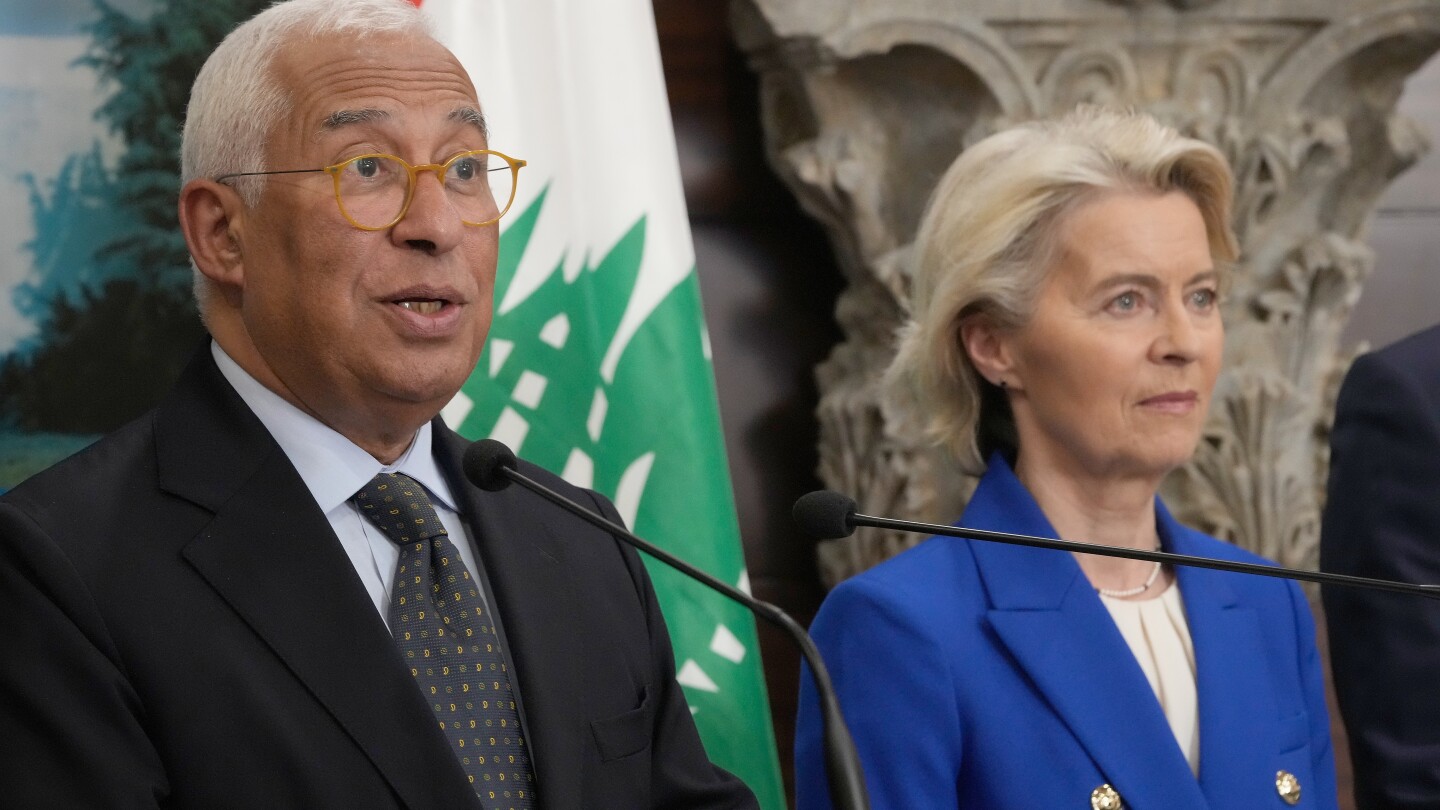
    In a landmark diplomatic engagement, high-ranking European Union officials conducted an unprecedented visit to Damascus on Friday, signaling a profound shift in Syria’s international relations. European Commission President Ursula von der Leyen and European Council President António Costa held substantive talks with Syrian Interim President Ahmad al-Sharaa, discussing post-conflict recovery strategies nearly two years after the conclusion of Syria’s devastating civil war.

    The fourteen-year conflict reached its conclusion in December 2024 when rebel forces led by al-Sharaa successfully ousted former President Bashar Assad, whose regime had faced extensive international condemnation for systematic human rights violations. The new administration has since embarked on a remarkably successful diplomatic campaign, restoring ties with numerous Western and Arab nations that had previously isolated Assad’s government.

    During the historic meeting, President Costa announced the European Union’s commitment to provide €620 million (approximately $723 million) in comprehensive financial support scheduled for 2026-2027. This assistance package combines immediate humanitarian relief with substantial reconstruction funding—previously obstructed by international sanctions during Assad’s tenure that have now been lifted.

    President von der Leyen characterized the development as Syria’s ‘journey toward hope and renewal’ in a social media statement, affirming Europe’s commitment to supporting national recovery efforts. Despite these diplomatic advances, significant challenges persist within Syria, including economic instability, sporadic sectarian violence, and ongoing consolidation efforts by al-Sharaa’s government.

    Recent days have witnessed renewed hostilities between government forces and Kurdish fighters in Aleppo, complicating negotiations regarding the integration of Kurdish-led Syrian Democratic Forces into the national military structure. Although Syria’s Defense Ministry announced a ceasefire arrangement on Friday, Kurdish forces had not publicly acknowledged the agreement at the time of reporting.

    President Costa acknowledged these security concerns during the visit, describing recent violent escalations as ‘worrisome’ while emphasizing the necessity of continued dialogue. He recognized that the path to comprehensive reconciliation and recovery remains ‘difficult and long,’ requiring sustained international engagement.

    The EU delegation subsequently traveled to Lebanon, where officials welcomed the Lebanese army’s progress in implementing weapon disarmament plans for non-state groups, including the powerful Hezbollah militia. Von der Leyen specifically endorsed disarmament efforts south of the Litani River and called for full compliance with the November 2024 ceasefire agreement that ended recent Israel-Hezbollah hostilities. She emphasized the fundamental importance of Lebanon’s territorial integrity and the complete disarmament of Hezbollah, even as Israel continues airstrikes targeting what it identifies as Hezbollah’s rearmament attempts.