分类: politics

  • UK government co-owns Somaliland port at centre of Horn of Africa crisis

    UK government co-owns Somaliland port at centre of Horn of Africa crisis

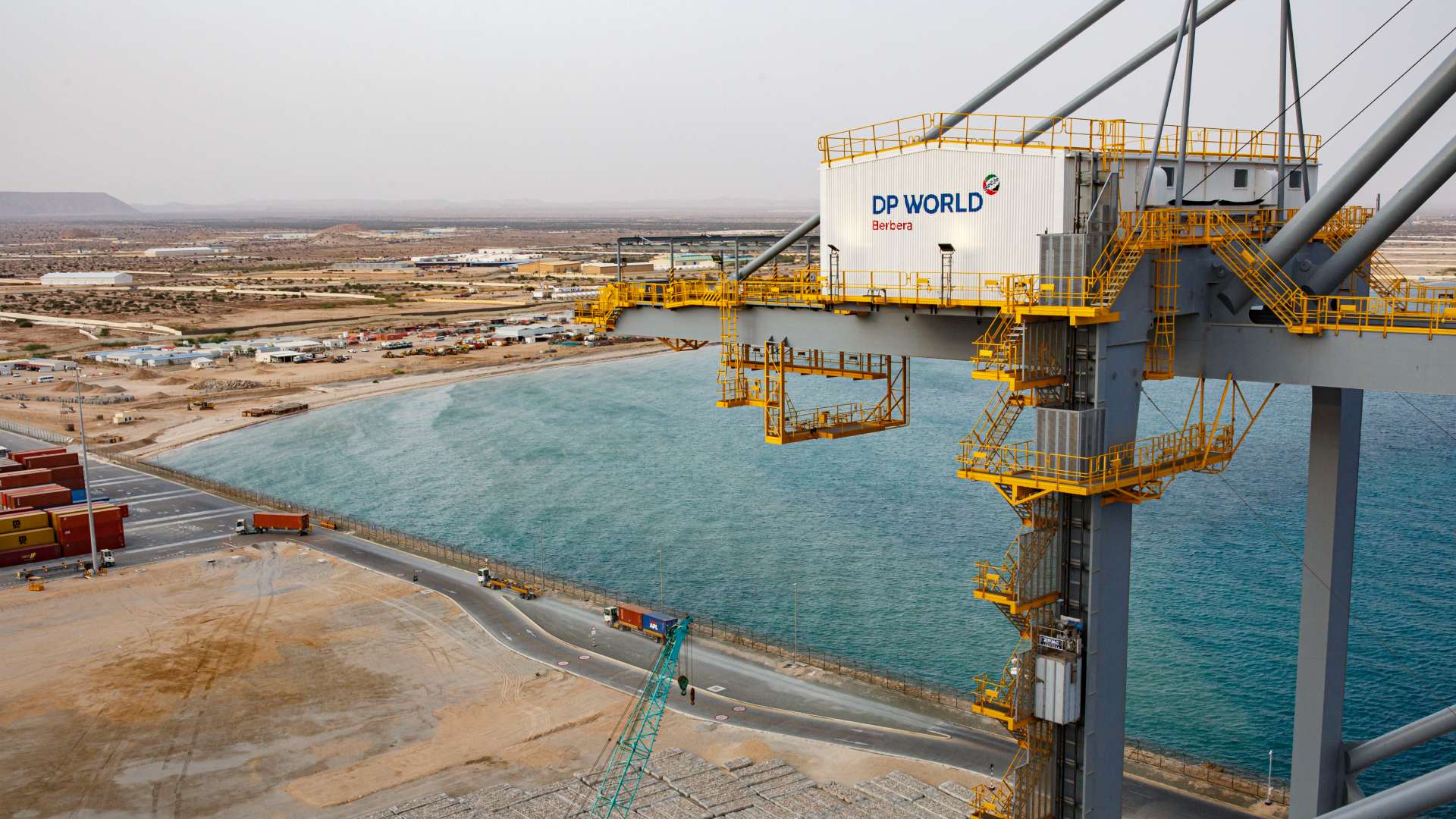
    A complex geopolitical entanglement has emerged as the British government maintains co-ownership of a strategic Somaliland port controlled by the United Arab Emirates, raising serious questions about conflict of interest regarding the ongoing conflict in Sudan. Through its foreign investment arm, British International Investment (BII), the UK holds a minority stake in Berbera port alongside Emirati logistics giant DP World and the Somaliland government.

    The port forms part of a network of UAE-controlled infrastructure across the Horn of Africa that multiple sources indicate is being utilized to arm the paramilitary Rapid Support Forces (RSF) in Sudan. This connection creates a diplomatic dilemma for the UK, which has sanctioned RSF commanders for atrocities including mass killings and sexual violence in Darfur.

    Somaliland itself represents a diplomatic flashpoint, being a breakaway region of Somalia that only Israel has recognized as independent—a move that has drawn widespread international condemnation. The territory has recently hosted high-level Israeli delegations discussing potential military bases, while simultaneously serving as a hub for regional power plays involving Yemeni separatists.

    The UK government maintains that its investment through BII represents purely commercial interests focused on regional development. A recently published impact assessment commissioned by the Foreign Office described Berbera as “a strategic gateway to Somaliland and a potential alternative trade corridor for Ethiopia,” highlighting the creation of 2,500 jobs and $45 million in economic value.

    However, policy experts argue that the UK cannot simultaneously condemn atrocities in Sudan while potentially benefiting from infrastructure that supports the conflict. Flight tracking data, cargo inventories, and multiple official sources indicate that Berbera’s facilities, including one of Africa’s longest runways capable of handling military aircraft, form part of the supply chain sustaining the RSF’s operations.

    The situation illustrates the challenging balance between commercial investment and diplomatic principles, with British-made military equipment having been discovered in Sudan and the UK’s extensive commercial ties to the UAE facing increasing scrutiny amid the humanitarian crisis.
  • Fearing backlash, Iranian Kurds wary of fully joining protests

    Fearing backlash, Iranian Kurds wary of fully joining protests

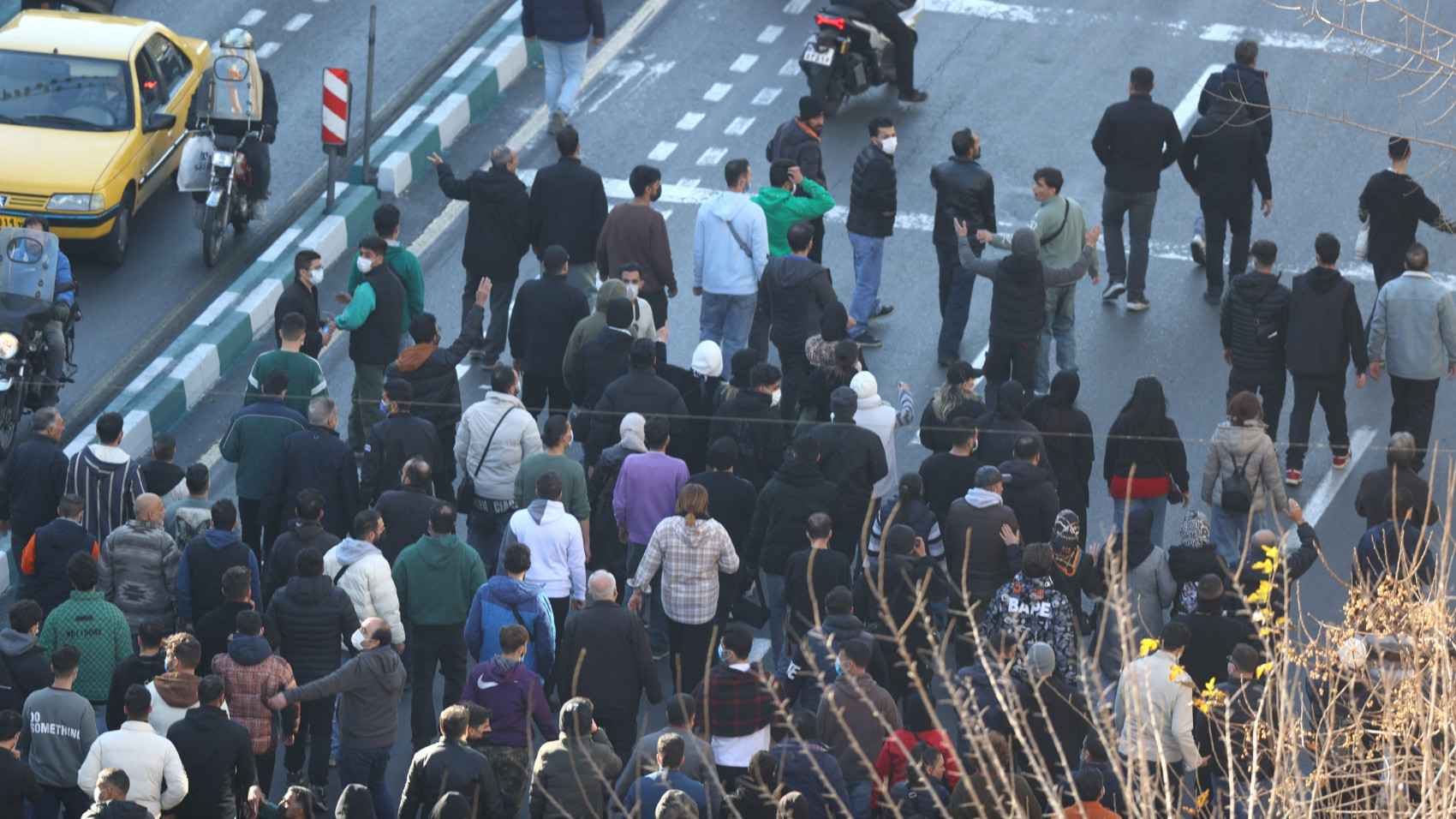
    A complex pattern of protest participation is emerging across Iran’s Kurdish regions as nationwide demonstrations triggered by a severe economic crisis continue to unfold. While western provinces with Shia Kurdish majorities have witnessed the most violent clashes, the northern Kurdish towns that ignited the historic 2022 uprising have remained notably quiet—a phenomenon experts attribute to the lingering trauma of previous state repression.

    According to documentation by the Kurdish-Iranian rights organization Hengaw, the most intense recent protests and government crackdowns have occurred in western provinces including Ilam and Kermanshah. This stands in stark contrast to northern Rojhelat Kurdish cities such as Saqqez—the hometown of Mahsa Amini, whose 2022 death in police custody sparked the ‘Woman, Life, Freedom’ movement—and Sanandaj, the provincial capital of Kurdistan, where significant street protests have been conspicuously absent.

    Kurdish journalist Kaveh Ghoreishi confirms this geographical divergence, noting that activists attribute the hesitation in northern Kurdish areas to the devastating consequences they suffered during the 2022 demonstrations. The previous crackdown resulted in hundreds killed and wounded, thousands detained, and dozens facing capital charges, creating what Zhila Mostajer of Hengaw describes as ‘little capacity to endure further sacrifice.’

    The current protest movement began in Tehran on December 28th, initially focusing on economic grievances including spiraling prices and currency devaluation before evolving into broader anti-government sentiment. Demonstrations have since spread across 111 cities in 31 provinces, though demands vary significantly by region according to Mostajer, who notes that while economic hardship affects all areas, Kurdish protests have maintained explicitly political objectives calling for regime change.

    Kurdish political organizations have pursued a strategy of solidarity strikes rather than mass gatherings. On January 5th, seven Kurdish parties from the Dialogue Centre for Inter-Party Cooperation called for a general strike, which was observed in over 57 towns across Iranian Kurdistan according to Arash Saleh of the Democratic Party of Iranian Kurdistan. While injecting momentum into the national movement, most towns refrained from subsequent physical protests, possibly due to concerns about supporting Reza Pahlavi, the exiled son of Iran’s last shah, who has been promoted as a leader by some Persian-language media.

    Hussein Yazdanpana, leader of the Kurdistan Freedom Party (PAK), emphasizes that different Kurdish regions have varying capacities for mobilization, with western areas now bearing the brunt of protest activity while northern regions recover from the 2022 crackdown. The conflict has already turned deadly, with four PAK fighters reportedly killed in clashes with security forces in Malekshahi on January 7th.

    International dimensions have emerged as Yazdanpana calls for the implementation of statements by U.S. President Donald Trump, who initially vowed intervention if protesters were killed but later suggested some deaths resulted from stampedes—a claim disputed by Kurdish leaders. With documented protester deaths ranging from 25 to 42, including minors, and thousands detained, the situation remains volatile with significant potential for further expansion according to Kurdish political representatives.

  • Fractures are starting to show in Trump’s GOP at the start of this election year

    Fractures are starting to show in Trump’s GOP at the start of this election year

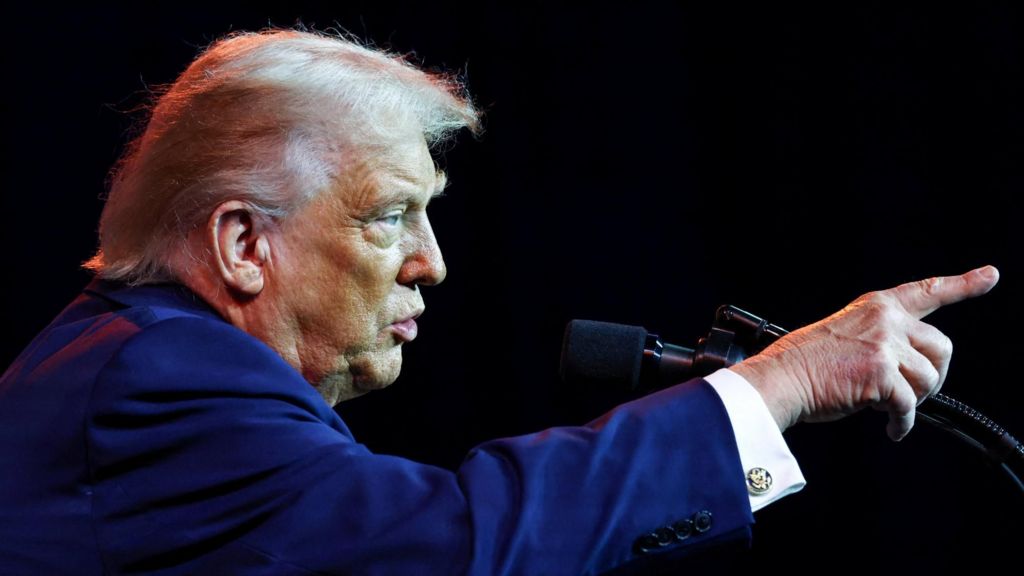
    WASHINGTON — The Republican Party is demonstrating notable fractures and growing independence from former President Donald Trump as the midterm election year begins, marking a significant shift from the previous year’s pattern of near-total acquiescence to his demands.

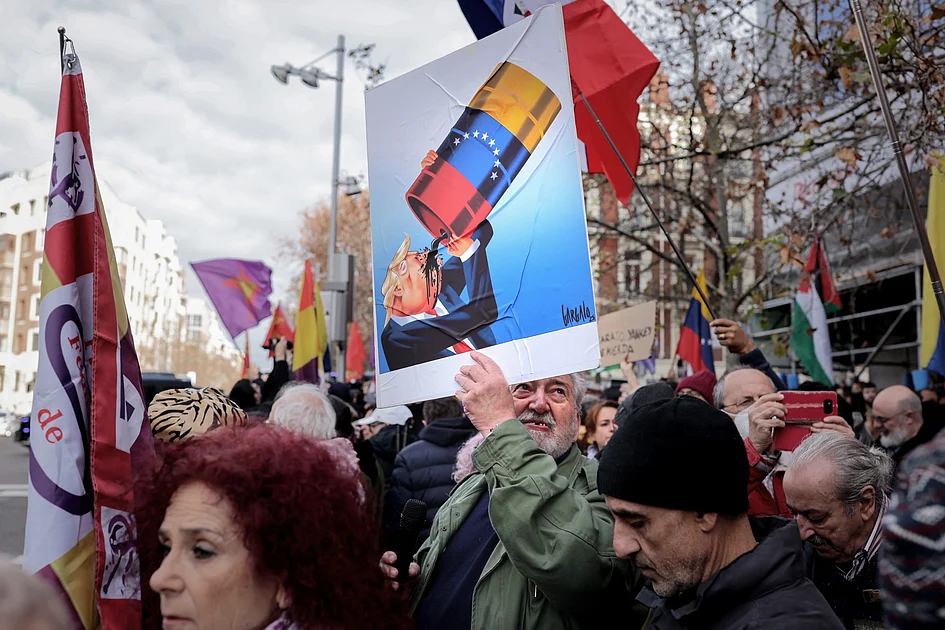
    The political divergence manifests across multiple fronts, from foreign policy to domestic legislation. Republican lawmakers are pushing back against Trump’s self-described “Donroe doctrine” of aggression in the Western Hemisphere, expressing concerns about his military operation targeting Venezuelan leader Nicolás Maduro and his controversial threats to use military force to acquire Greenland from Denmark.

    This newfound independence extends to critical domestic issues as well. In a striking break from party unity, 17 House Republicans joined Democrats to pass legislation extending expired health care subsidies for Affordable Care Act plans, despite Trump’s explicit urging for Republicans to “own” the health care issue during a recent speech at Washington’s Kennedy Center.

    The foreign policy rift became particularly evident when five Republican senators supported a procedural vote on war powers legislation that would restrict Trump’s ability to attack Venezuela without congressional approval. While such measures rarely succeed, the Republican support indicates growing concern about potential foreign entanglements.

    Senator Todd Young (R-Ind.), who voted for the resolution, argued that “a drawn-out campaign in Venezuela involving the American military, even if unintended, would be the opposite of President Trump’s goal of ending foreign entanglements.”

    Trump reacted with fury to the dissent, calling for the five Republicans—including Senator Susan Collins of Maine, who faces reelection this year—to “never be elected to office again.”

    The administration’s Greenland ambitions also met significant Republican resistance. Retiring Senator Thom Tillis (R-N.C.) took to the Senate floor to proclaim he was “sick of stupid” and specifically criticized White House deputy chief of policy Stephen Miller for suggesting Greenland should be part of the U.S.

    Even as these fractures emerge, Trump maintains considerable command over most of the party, as demonstrated by unsuccessful House veto override votes where most GOP members stood with the president. However, the accumulating policy disagreements and retirements of several lawmakers who had uneasy relationships with Trump are creating complications for Republican campaign strategies.

    The political dynamics are further complicated by recent shootings by Immigration and Customs Enforcement officers in several U.S. cities, which have raised new questions about Republicans’ hard-line immigration agenda and shifted attention from what they previously viewed as successful border management.

    Democrats are capitalizing on the apparent divisions, with Senate Democratic Leader Chuck Schumer arguing that Trump is “lurching towards another endless, expensive war, all the while American families here are struggling with skyrocketing costs.”

  • World’s biggest oil companies to invest $100 billion in Venezuela, says Trump

    World’s biggest oil companies to invest $100 billion in Venezuela, says Trump

    In a significant geopolitical development, former US President Donald Trump has revealed that global energy giants committed to investing $100 billion to revitalize Venezuela’s crippled oil industry. The announcement came ahead of a high-stakes meeting at the White House with executives from major petroleum corporations, including Exxon Mobil, Chevron, and ConocoPhillips.

    This monumental investment pledge follows the dramatic military operation on January 3rd that resulted in the capture of Venezuelan leader Nicolas Maduro. The Trump administration has openly acknowledged that securing control over Venezuela’s substantial oil reserves—approximately one-fifth of global deposits—was a primary objective behind the intervention.

    Despite Venezuela’s vast energy resources, the country’s oil output has plummeted to merely one percent of worldwide production due to years of sanctions, underinvestment, and infrastructure decay. The Trump administration now positions itself as overseeing Venezuela’s energy sector, with Energy Secretary Chris Wright asserting indefinite US control over the industry.

    Interim President Delcy Rodriguez, previously Maduro’s deputy, maintains that her government remains functional, though state oil representatives confirm ongoing negotiations with American officials. Trump claims his administration canceled additional military actions against Venezuela due to emerging cooperation, including the release of political prisoners and collaborative efforts to rebuild energy infrastructure.

    The investment proposition faces substantial challenges, including governance uncertainty, security concerns, and the technical difficulties of processing Venezuela’s viscous crude. The US Department of Energy plans to facilitate the process by shipping light oil for blending and authorizing equipment exports to upgrade Venezuelan facilities.

    While Chevron maintains existing operational rights in Venezuela, Exxon Mobil and ConocoPhillips exited the country in 2007 after refusing demands to cede majority control to the government. The Trump administration now promises selective sanctions relief and long-term support for US energy companies seeking to reestablish presence in the resource-rich nation.

  • UAE cuts funds for citizens to study in UK over refusal to ban Muslim Brotherhood

    UAE cuts funds for citizens to study in UK over refusal to ban Muslim Brotherhood

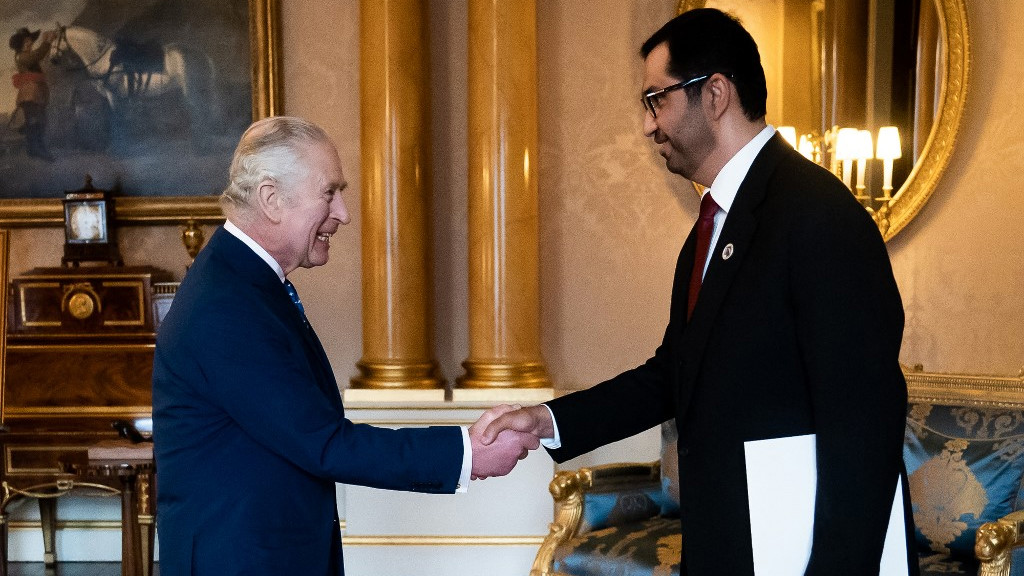
    A significant diplomatic rift has emerged between the United Arab Emirates and the United Kingdom, culminating in Abu Dhabi restricting state scholarships for its citizens to study at British universities. This policy shift, reported by the Financial Times, excludes UK institutions from the list of approved foreign universities while maintaining funding for programs in Israel, France, and the United States.

    The core of the dispute centers on the UK’s refusal to designate the Muslim Brotherhood as a terrorist organization, a long-standing demand from Emirati officials. The tension is reflected in visa statistics, showing a stark 55% decline in UAE students granted UK study visas between September 2022 and September 2025, dropping from 475 to just 213.

    Emirati authorities, quoted by the FT, expressed concerns about potential radicalization on British campuses. In response, UK officials reiterated their commitment to academic freedom. The disagreement has escalated through unusual diplomatic channels, including the UAE’s funding of a December trip to Abu Dhabi for Nigel Farage, leader of the right-wing Reform UK party, to discuss shared opposition to the group.

    Founded in Cairo in 1928, the Muslim Brotherhood is one of the world’s most prominent political Islamist groups. It maintains a self-proclaimed peaceful and democratic mission, yet it is banned as a major threat by several Middle Eastern autocracies, including Egypt, Saudi Arabia, Bahrain, and the UAE itself. The group’s affiliates have demonstrated significant electoral success in the rare free elections held in the region.

    The UK’s stance has been more nuanced. A 2017 parliamentary inquiry, reportedly initiated after lobbying by the UAE, concluded that engaging with political Islamists acts as a ‘firewall’ against violent extremism. The current Labour government states it keeps the issue of proscription under ‘close review.’

    This is not the UAE’s first attempt to influence UK policy on this matter. In January 2025, it designated eight British organizations as terror groups due to alleged Brotherhood links, though none have breached UK law. Furthermore, a 2023 revelation showed the UAE paid a Geneva-based intelligence firm to smear the UK’s largest Muslim charity, Islamic Relief Worldwide, by attempting to link it to extremism.

    The political pressure within the UK is growing. Reform UK, now leading national opinion polls, has vowed to ban the Brotherhood if elected, with Farage criticizing both Conservative and Labour parties for being ‘gutless’ on the issue. The situation presents a complex clash between international diplomacy, domestic security policy, and academic exchange.

  • As tensions flare in Minnesota, Treasury Secretary Bessent pushes a crackdown on fraud

    As tensions flare in Minnesota, Treasury Secretary Bessent pushes a crackdown on fraud

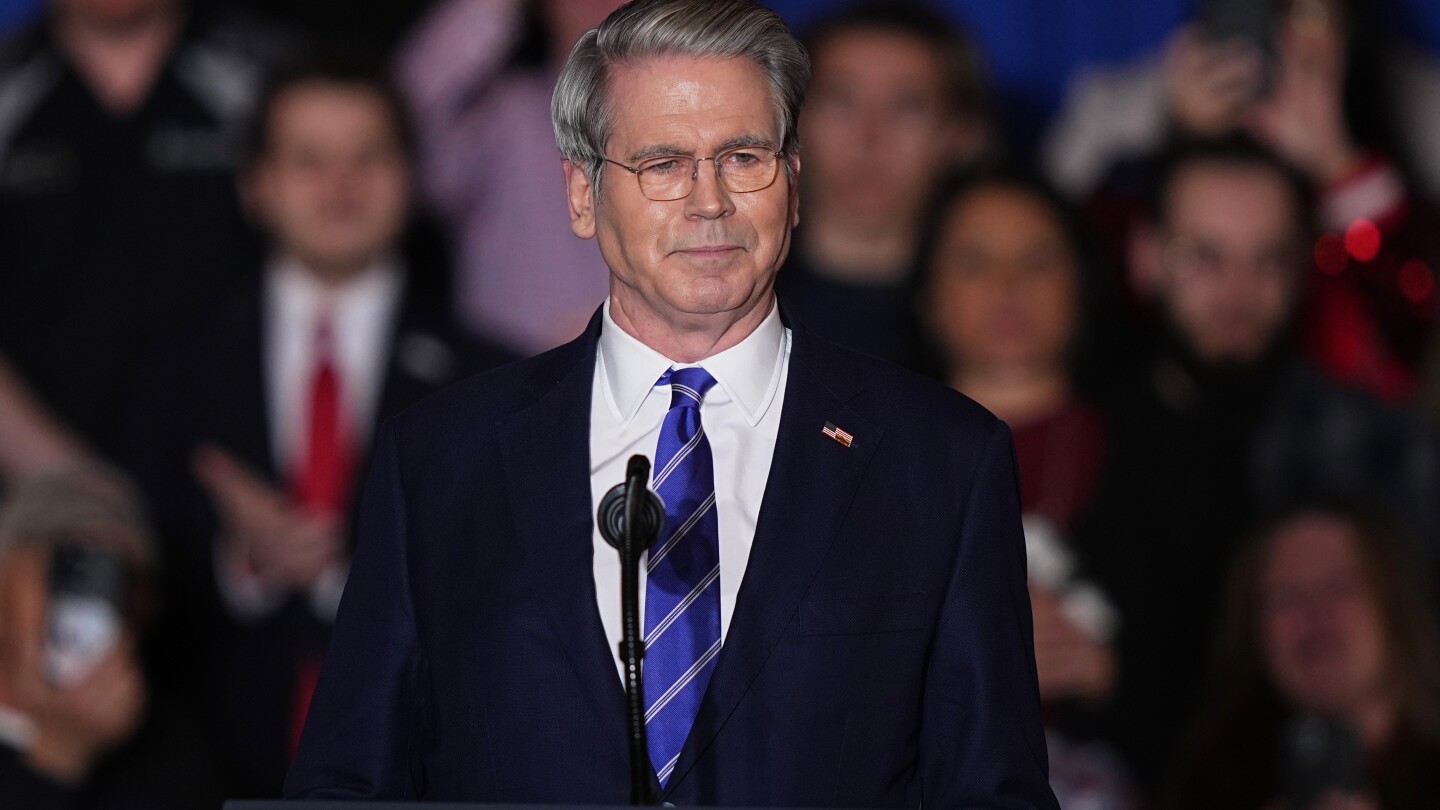
    The U.S. Treasury Department has initiated heightened financial surveillance targeting money transfers between Minnesota and Somalia, signaling a significant escalation in the federal government’s immigration enforcement operations within the state. Treasury Secretary Scott Bessent confirmed the measures during his Friday visit to Minnesota, revealing ongoing investigations into four unspecified money service businesses facilitating international remittances.

    This financial crackdown coincides with escalating tensions in Minneapolis following the fatal shooting of a woman by an Immigration and Customs Enforcement officer on Wednesday, which has triggered widespread protests and intensified conflicts between federal and local authorities.

    The Treasury’s actions appear directly influenced by President Trump’s intensified focus on Minnesota’s Somali diaspora community, which has been subjected to both increased immigration enforcement and derogatory presidential comments. The department initially announced its targeted approach toward Somali remittances last month, specifically focusing on money service businesses.

    These measures have been partially justified by reference to high-profile fraud cases, most notably the Feeding Our Future scandal where a nonprofit organization allegedly misappropriated approximately $300 million in pandemic relief funds intended for school meal programs. The organization’s founder, Aimee Bock, was convicted in March on multiple counts including conspiracy, wire fraud, and bribery while maintaining her innocence.

    Secretary Bessent outlined key Treasury actions including Financial Crimes Enforcement Network investigations targeting Minnesota-based money services, enhanced reporting requirements for international transfers originating from Hennepin and Ramsey counties, and alerts to financial institutions regarding fraud identification in child nutrition programs.

    While meeting with financial institutions to discuss fraud prevention measures, Bessent declined to provide specifics about ongoing investigations. He emphasized the department’s determination to “deploy all tools to bring an end to this egregious unchecked fraud and hold perpetrators to account.”

    The policy has drawn criticism from civil liberties advocates, with Nicholas Anthony of the Cato Institute condemning the approach as “building a legacy of financial surveillance and control” that restricts Americans’ ability to send money abroad.

    Local Somali leaders report anecdotal accounts of community members being detained by federal agents, though specific details remain scarce. Minnesota officials including Governor Tim Walz and Minneapolis Mayor Jacob Frey have pledged to protect the community, despite Walz facing Republican criticism for his administration’s delayed detection of the Feeding Our Future fraud before ending his reelection bid this week.

  • Iran’s rulers face legitimacy crisis amid spreading unrest

    Iran’s rulers face legitimacy crisis amid spreading unrest

    Iran’s clerical establishment faces a profound crisis of legitimacy as anti-government demonstrations that originated in Tehran last month have now expanded across all 31 provinces, creating the most significant challenge to the Islamic Republic in recent years.

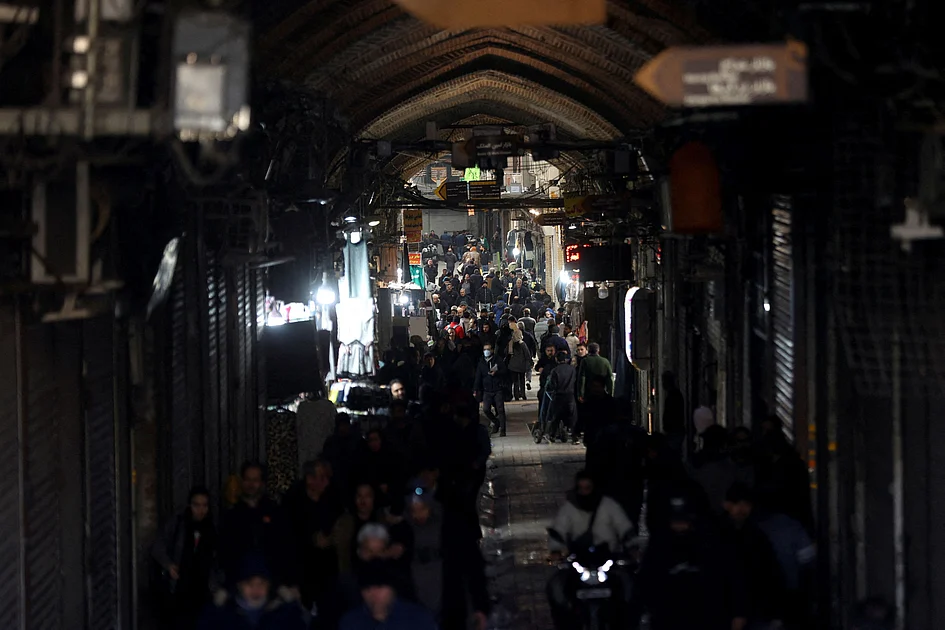
    The current unrest, while not yet reaching the scale of the 2022-2023 protests triggered by Mahsa Amini’s death, represents a broader coalition of dissent. Initially sparked by economic grievances among Tehran’s Grand Bazaar merchants angered by the rial’s sharp depreciation, the movement has evolved to include predominantly young men—a demographic shift from the previous female-led protests.

    According to the U.S.-based Human Rights Activists News Agency (HRANA), the turmoil has resulted in at least 34 protester fatalities, four security personnel deaths, and approximately 2,200 arrests. Analysts interpret these developments as evidence of deepening disillusionment with the Shi’ite establishment.

    Alex Vatanka, director of the Iran Program at the Middle East Institute in Washington, D.C., observed: ‘The collapse is not just of the rial but of trust.’

    Authorities have adopted a dual strategy, acknowledging the legitimacy of economic protests while employing tear gas and forceful measures during street confrontations. This approach highlights the regime’s struggle to reconcile its revolutionary priorities with the aspirations of a youthful population.

    Mina, a 25-year-old unemployed university graduate from Kuhdasht in Lorestan province, expressed a common sentiment: ‘I just want to live a peaceful, normal life… Instead, they insist on a nuclear programme, supporting armed groups in the region, and maintaining hostility toward the United States. Those policies may have made sense in 1979, but not today.’

    Verified videos from Mashhad show protesters tearing down the Iranian flag, while clashes occurred in Tehran’s Grand Bazaar. Additional footage from Gonabad depicted young men abandoning a seminary mosque to join cheering crowds in what appeared to be a symbolic revolt against the clergy.

    Vatanka suggests the clerical system’s survival strategy—combining repression with tactical concessions—may be reaching its limits. ‘Change now looks inevitable; regime collapse is possible but not guaranteed,’ he noted.

    The geopolitical dimension intensified when U.S. President Donald Trump hinted at potential intervention, stating on January 2: ‘We are locked and loaded and ready to go.’ This followed a 12-day military conflict seven months prior involving Israeli and U.S. bombing of Iranian nuclear sites.

    Supreme Leader Ayatollah Ali Khamenei, facing one of the most precarious moments of his decades-long rule, vowed Iran ‘will not yield to the enemy.’ However, analysts note the 86-year-old leader’s policies—including proxy network development, sanction evasion, and nuclear advancement—appear to be unraveling.

    Within Iran, opinions remain divided regarding foreign intervention. A 31-year-old Isfahan resident captured the ambivalence: ‘Enough is enough. For 50 years this regime has been ruling my country. Look at the result. We are poor, isolated and frustrated.’ When asked about foreign military support, he responded: ‘No. I don’t want my country to suffer military strikes again. Our people have endured enough.’

    Exiled opposition groups, though deeply fragmented, sense an opportunity to overthrow the establishment but face uncertainty regarding their domestic support base.

  • Iran’s Khamenei says ‘arrogant’ Trump will be overthrown, tells him to focus on problems in US

    Iran’s Khamenei says ‘arrogant’ Trump will be overthrown, tells him to focus on problems in US

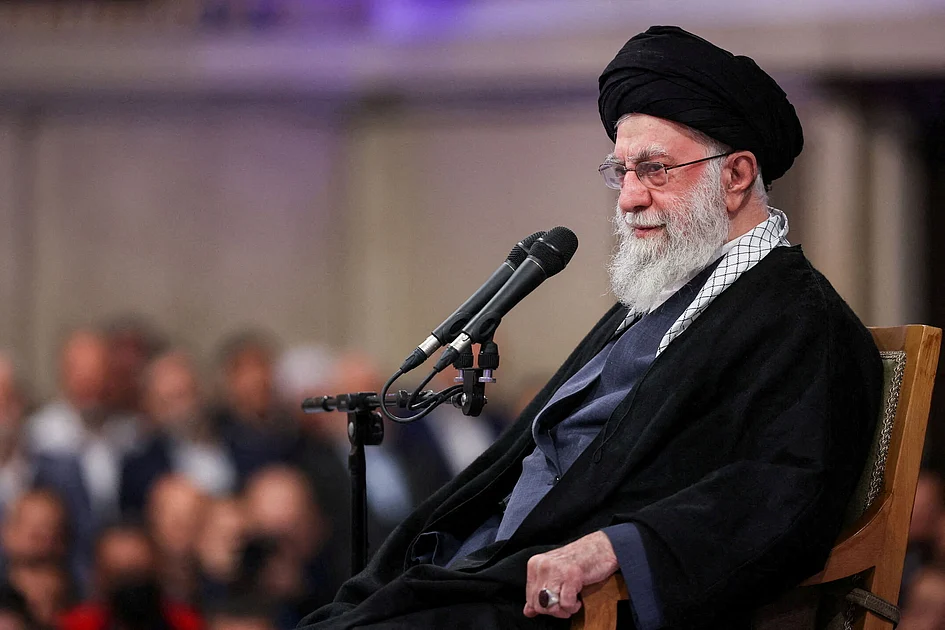
    In his first public address addressing nationwide unrest, Iranian Supreme Leader Ayatollah Ali Khamenei delivered a scathing condemnation of former U.S. President Donald Trump while confronting escalating domestic protests. Speaking on January 9, 2026, Khamenei characterized Trump as “arrogant” and predicted his political downfall, drawing parallels to Iran’s pre-revolution monarchy.

    The supreme leader’s remarks came amid sustained demonstrations triggered by economic grievances and rising living costs. Khamenei accused “vandals” and “saboteurs” of damaging public property to curry favor with American leadership, asserting Iran’s resilience against such actions. Despite government-imposed communication restrictions aimed at quelling dissent, protests continued with reported incidents of government buildings being set ablaze.

    Simultaneously, Reza Pahlavi—son of Iran’s deposed shah and now U.S.-based opposition figure—called for reinforced demonstrations following what he described as successful protests on January 8. Pahlavi claimed visible retreats by security forces and urged expanded Friday rallies to further weaken governmental control.

    Khamenei’s dual-front address combined familiar anti-American rhetoric with direct confrontation of domestic discontent, highlighting the regime’s challenge in balancing ideological opposition to Western powers with addressing internal economic dissatisfaction.

  • Kurdish forces refuse to withdraw from Aleppo after ceasefire

    Kurdish forces refuse to withdraw from Aleppo after ceasefire

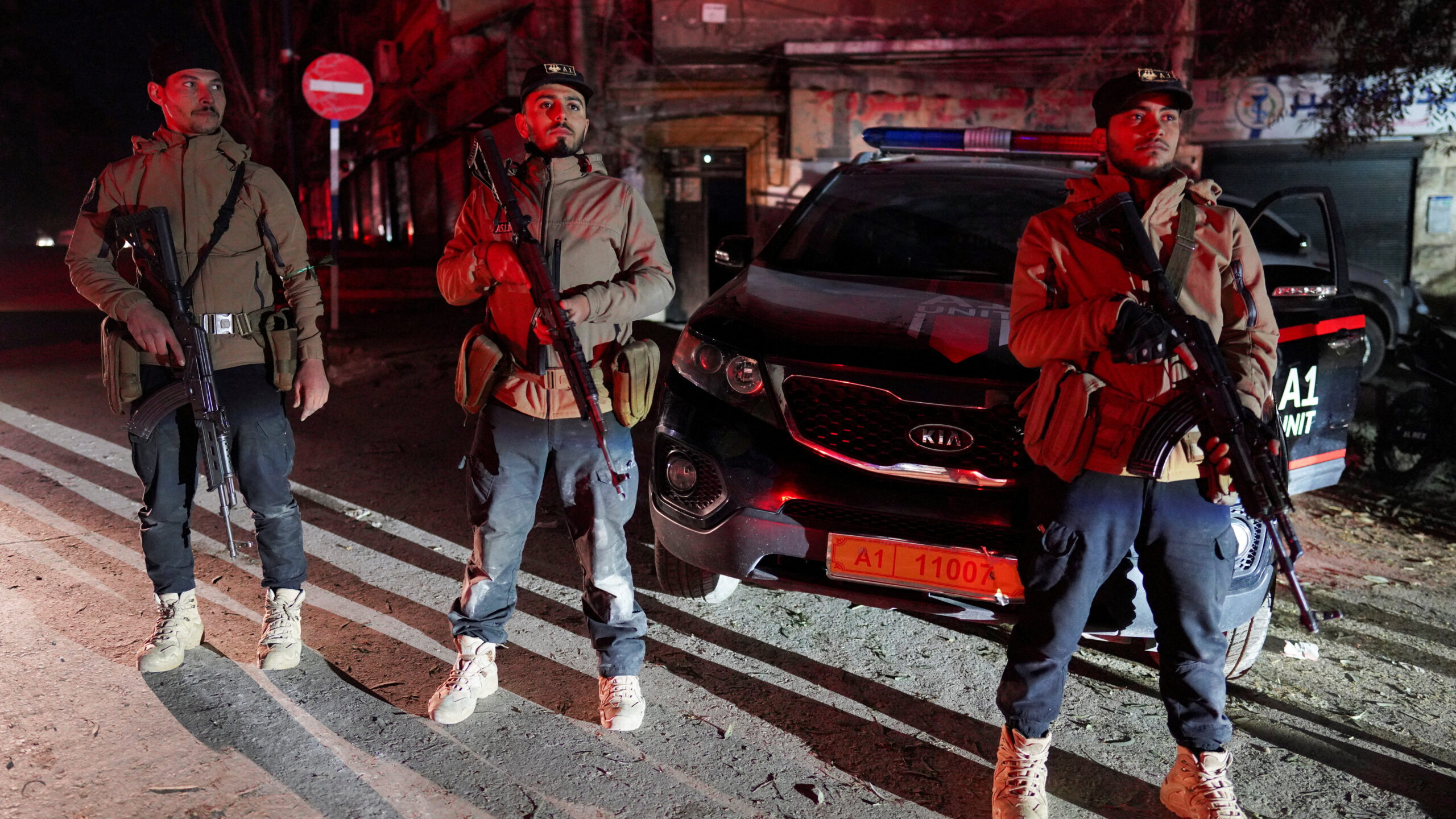
    In a significant defiance of Syrian government authority, Kurdish-led forces have rejected ceasefire terms requiring their withdrawal from Aleppo. The political councils governing the Ashrafieh and Sheikh Maqsoud districts declared the evacuation demand equivalent to “a call to surrender,” instead pledging to defend their neighborhoods against what they described as intensive government shelling.

    The initially proposed truce, announced by Syria’s defense ministry, established a six-hour window for the US-backed Syrian Democratic Forces (SDF) to exit the Kurdish-majority districts with only personal light weapons. The arrangement aimed to prevent further civilian casualties in Syria’s second city, where recent fighting has claimed at least 22 lives and displaced over 140,000 residents.

    Despite the expired ceasefire window, relative calm prevailed as Syrian security forces advanced into sections of Ashrafieh, securing key thoroughfares and structures. State media reported the seizure of weapons and ammunition while broadcasting footage showing military positioning and the arrival of transport buses intended to relocate fighters to eastern Kurdish-held territories.

    The humanitarian situation remains critical with Aleppo’s hospitals operating beyond capacity and entire neighborhoods evacuated virtually overnight. Syrian authorities have cautioned displaced families against returning due to unexploded ordnance and ongoing security operations.

    International dimensions complicate the conflict: Damascus accuses SDF forces of shelling a university housing complex, while Turkey—viewing the SDF as linked to the outlawed PKK—has threatened military action if integration agreements aren’t honored. The United States, through envoy Tom Barrack, welcomed the temporary ceasefire and advocated for its extension.

    Concurrently, in Damascus, President Ahmed al-Sharaa met with European Commission President Ursula von der Leyen—the highest-ranking EU official to visit since Sharaa’s 2024 inauguration—who pledged Europe’s support for Syria’s recovery despite the ongoing tensions.

  • Trump warns of more Nigeria strikes if Christians ‘continue to be killed’

    Trump warns of more Nigeria strikes if Christians ‘continue to be killed’

    Former US President Donald Trump has issued a stark warning regarding potential military escalation in Nigeria, suggesting increased airstrikes if violence against Christians persists in the West African nation. During a comprehensive interview with the New York Times, Trump addressed the controversial Christmas Day operations in Sokoto state that targeted Islamist militants, indicating these strikes could become recurrent rather than isolated incidents.

    Trump’s comments directly contradict Nigeria’s official position, which maintains that both Muslim and Christian communities face equal threats from jihadist organizations. The Nigerian government has previously rejected Trump’s characterization of religious persecution, emphasizing their commitment to protecting all citizens regardless of faith.

    This diplomatic tension emerges against the backdrop of Nigeria’s complex security landscape, where multiple insurgent groups including Boko Haram and IS-affiliated factions have created a devastating fifteen-year insurgency primarily affecting the northeastern regions. The country additionally contends with criminal kidnapping networks, resource-based conflicts, and separatist movements across various territories.

    Regarding the December strikes, US and Nigerian authorities described targeting camps operated by Lakurawa—a jihadist organization operating in the northwestern border region near Niger. While both governments confirmed the operation as a collaborative effort, they provided conflicting narratives regarding its religious motivations and timing. Nigerian Foreign Minister Yusuf Maitama Tuggar explicitly denied any connection to Christmas celebrations, despite Trump’s characterization of the strikes as a ‘Christmas present.’

    The situation remains diplomatically delicate, with Nigeria’s foreign ministry spokesperson Alkasim Abdulkadir emphasizing continued engagement with international partners ‘on the basis of mutual respect, international law, and Nigeria’s sovereignty.’ Demographic context reveals Nigeria’s population of over 230 million people is nearly evenly divided between Christians (predominantly in the south) and Muslims (concentrated in northern regions), complicating simplistic religious narratives about the conflict.