分类: politics

  • ‘Hounded and harassed’: The former pop star taking on Uganda’s long-time president

    ‘Hounded and harassed’: The former pop star taking on Uganda’s long-time president

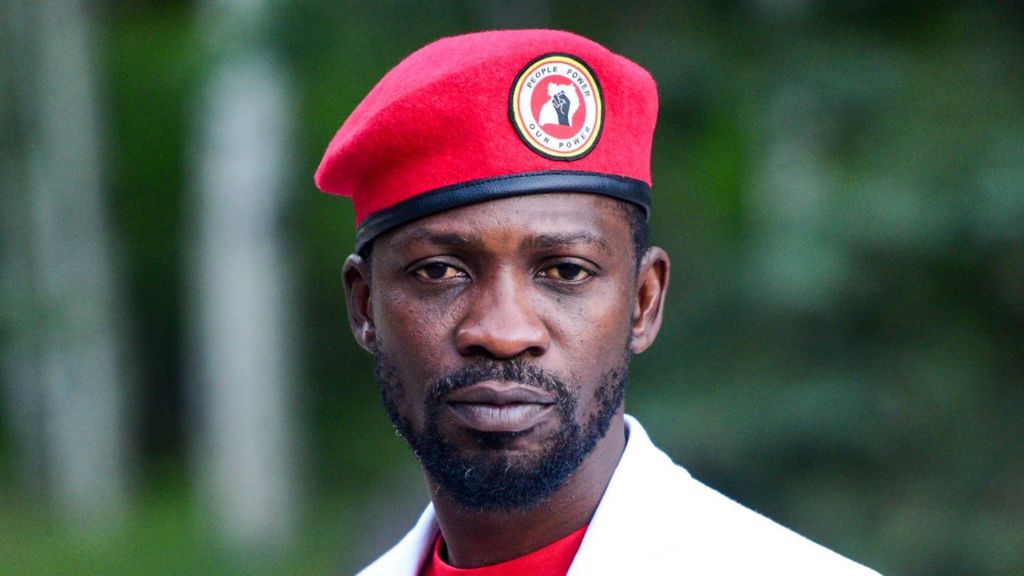
    In Uganda’s high-stakes political arena, musician-turned-opposition-leader Bobi Wine presents a formidable challenge to President Yoweri Museveni’s 40-year reign as the nation approaches pivotal elections on January 15. The 43-year-old revolutionary, born Robert Kyagulanyi Ssentamu, has transformed from entertainment icon to political force through his powerful connection with Uganda’s youth demographic.

    Wine’s political journey began dramatically in 2017 when he won a parliamentary by-election in Kyadondo-East constituency with a landslide victory, securing five times more votes than his ruling party opponent. His grassroots movement, People Power, evolved into the National Unity Platform (NUP) party, now Uganda’s primary opposition vehicle. The movement’s signature red berets have become symbols of resistance against Museveni’s establishment.

    The opposition leader’s campaign focuses squarely on systemic corruption, youth unemployment crisis, and wealth redistribution—issues resonating deeply in a country where 78% of the population is under 35. Wine’s upbringing in Kampala’s Kamwokya slum informs his ‘ghetto president’ persona, creating stark contrast with Museveni’s military-backed regime.

    His political ascent has come at tremendous personal cost. Wine has endured multiple arrests on charges widely condemned as politically motivated, including illegal firearms possession and treason allegations that were eventually dropped. The 2018 detention sparked international outcry, with music luminaries like Coldplay’s Chris Martin and Gorillaz’s Damon Albarn petitioning for his release.

    The 2021 presidential election witnessed deadly violence, with dozens killed during campaign periods. Despite securing 35% of votes against Museveni’s 59%, Wine rejected the results citing widespread irregularities. His perseverance earned global recognition through the Oscar-nominated documentary ‘Bobi Wine: The People’s President’.

    As the new election approaches, Wine campaigns under heavy security protection, with supporters forming human shields against state violence. He maintains that Uganda is ready for civilian leadership, asserting constitutional military subordination to civilian authority despite concerns about his non-military background.

    ‘The military must respect civilian authority according to our constitution,’ Wine insists, framing the election as ‘a liberation movement through ballot box protest.’ His message continues to galvanize young Ugandans seeking change from Africa’s third-longest serving president.
  • Myanmar holds second round of voting in first general election since military takeover

    Myanmar holds second round of voting in first general election since military takeover

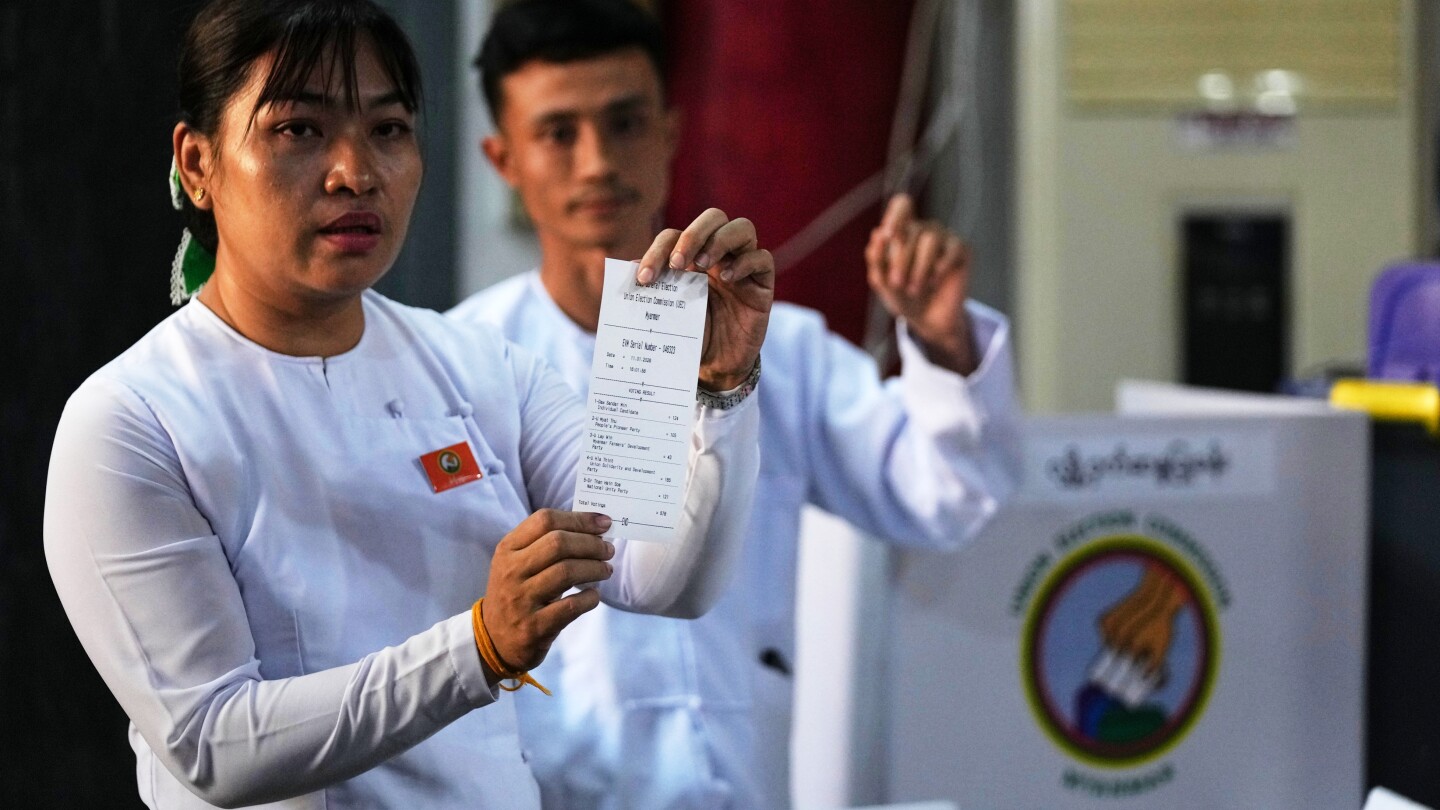
    Myanmar conducted the second phase of its controversial general election on Sunday, marking the first electoral process since the military seized power in February 2021. The voting expanded to include 100 additional townships, many situated in conflict-ridden regions where armed resistance against military rule continues to escalate.

    International observers and human rights experts have condemned the electoral process as fundamentally flawed. Tom Andrews, UN Special Rapporteur on human rights in Myanmar, characterized the election as a ‘sham’ due to systematic political repression. ‘Fundamental freedoms are crushed when thousands of political prisoners remain behind bars, credible opposition parties face dissolution, and journalists are systematically muzzled,’ Andrews stated.

    The electoral landscape reflects the military’s tight control over the political process. According to data from the Assistance Association for Political Prisoners, over 22,000 individuals face detention for political offenses since the coup, while security forces have caused more than 7,600 civilian casualties. A newly enacted Election Protection Law imposes severe penalties for any public criticism of the electoral process, with authorities already charging more than 330 people for leafleting or online activism.

    Despite these measures, armed resistance groups attempted to disrupt Sunday’s voting through attacks on polling stations and government buildings in at least four townships, resulting in two administrative officials killed according to independent media reports.

    The military-backed Union Solidarity and Development Party (USDP) emerged dominant from the first voting phase in December, securing nearly 90% of contested lower house seats. The absence of Aung San Suu Kyi’s National League for Democracy, which was dissolved in 2023 after refusing to comply with new military regulations, has left the political landscape heavily skewed toward military-aligned parties.

    Voter turnout appeared significantly lower than in the 2020 elections, with AP journalists observing sparse attendance at polling stations across Yangon and Mandalay. The military government nevertheless claimed success, reporting approximately 52% participation among eligible voters in the first phase.

    The military government plans to convene the new parliament in March, with the transition to a new government scheduled for April, solidifying what critics describe as the institutionalization of military rule through manipulated democratic processes.

  • Slow-moving prisoner releases in Venezuela enter 3rd day after government announces goodwill effort

    Slow-moving prisoner releases in Venezuela enter 3rd day after government announces goodwill effort

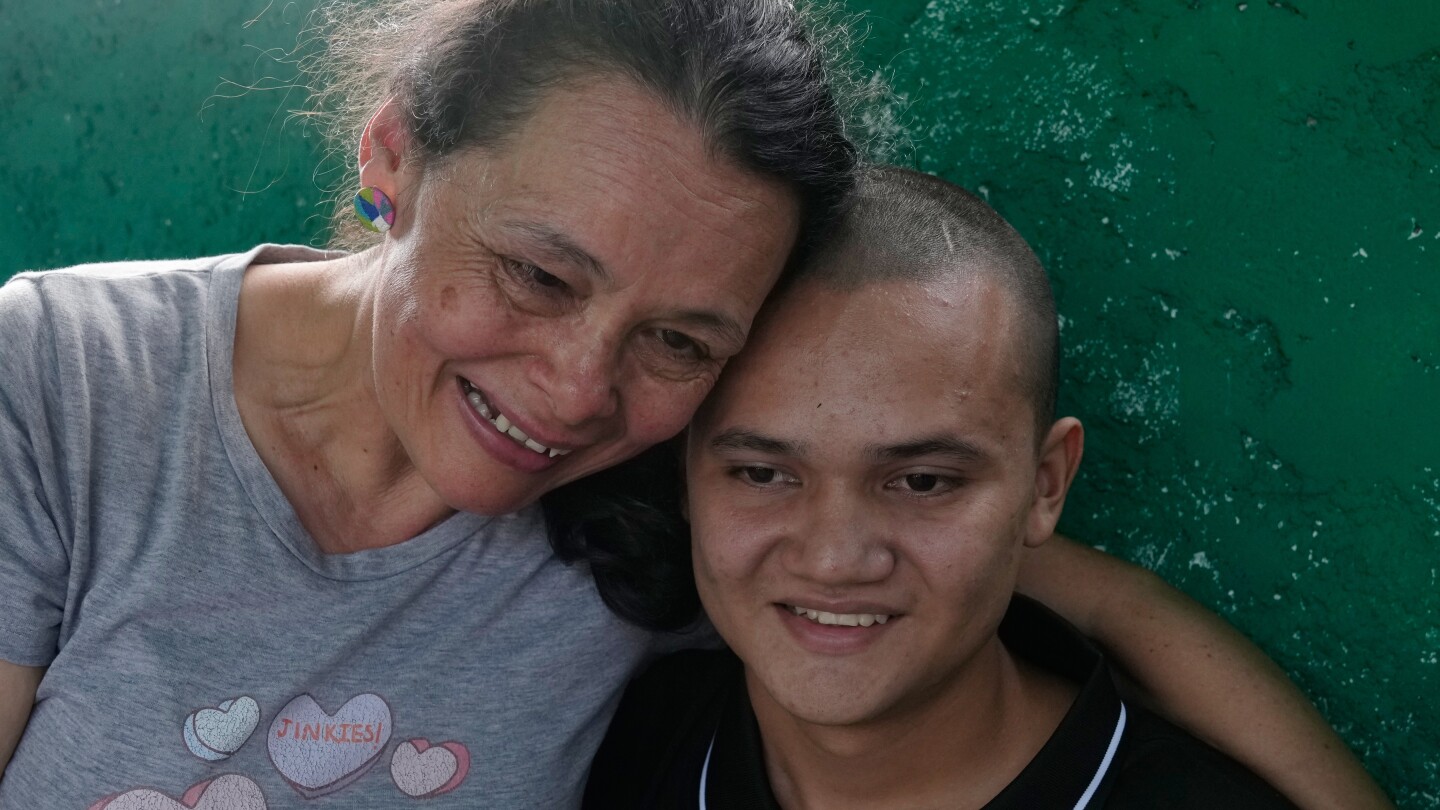
    In a significant development within Venezuela’s ongoing political crisis, Diógenes Angulo was among the first detainees released under a new government initiative promising substantial prisoner liberations. The 19-year-old, originally detained at 17 for recording an opposition demonstration, emerged from incarceration after 17 months as his family awaited with emotional anticipation outside the prison facilities.

    The releases coincide with extraordinary circumstances following the January 3rd capture of former President Nicolás Maduro by U.S. forces during a nighttime raid in Caracas. The Venezuelan government characterized the prisoner releases as a gesture toward “seeking peace,” though officials have provided neither specific numbers nor identities of those slated for freedom.

    U.S. President Donald Trump promptly claimed credit for the developments, asserting on his Truth Social platform that Venezuela had initiated the process “in a BIG WAY” at Washington’s request. Trump’s statements included both appreciation and veiled threats, warning released prisoners to remember “how lucky they got that the USA came along.”

    According to Foro Penal, a Venezuelan prisoner advocacy organization, only 16 political prisoners had been freed by Saturday night, with 804 remaining incarcerated. Among those released was Rocío San Miguel, a human rights attorney who immediately relocated to Spain under conditions prohibiting media contact—a arrangement her brother described as “not full freedom, but rather a precautionary measure.”

    Prominent opposition figures remain detained, including former lawmaker Freddy Superlano, opposition lawyer Perkins Rocha, former governor Juan Pablo Guanipa, and Rafael Tudares, son-in-law of presidential candidate Edmundo González.

    Meanwhile, government supporters mobilized across Venezuelan cities, demanding Maduro’s return following his extradition to face narco-terrorism charges in the United States. Acting President Delcy Rodríguez condemned what she termed Maduro’s “kidnapping” and pledged continued resistance against “criminal aggression.”

    In a parallel diplomatic development, both nations announced evaluations to restore relations severed since 2019, including potential reopening of diplomatic missions. This occurred alongside Vatican engagement, with Foreign Minister Yván Gil responding to papal calls for peace while reaffirming Venezuela’s sovereignty.

  • Nobel Institute says Venezuelan leader Machado can’t give Peace Prize to Trump

    Nobel Institute says Venezuelan leader Machado can’t give Peace Prize to Trump

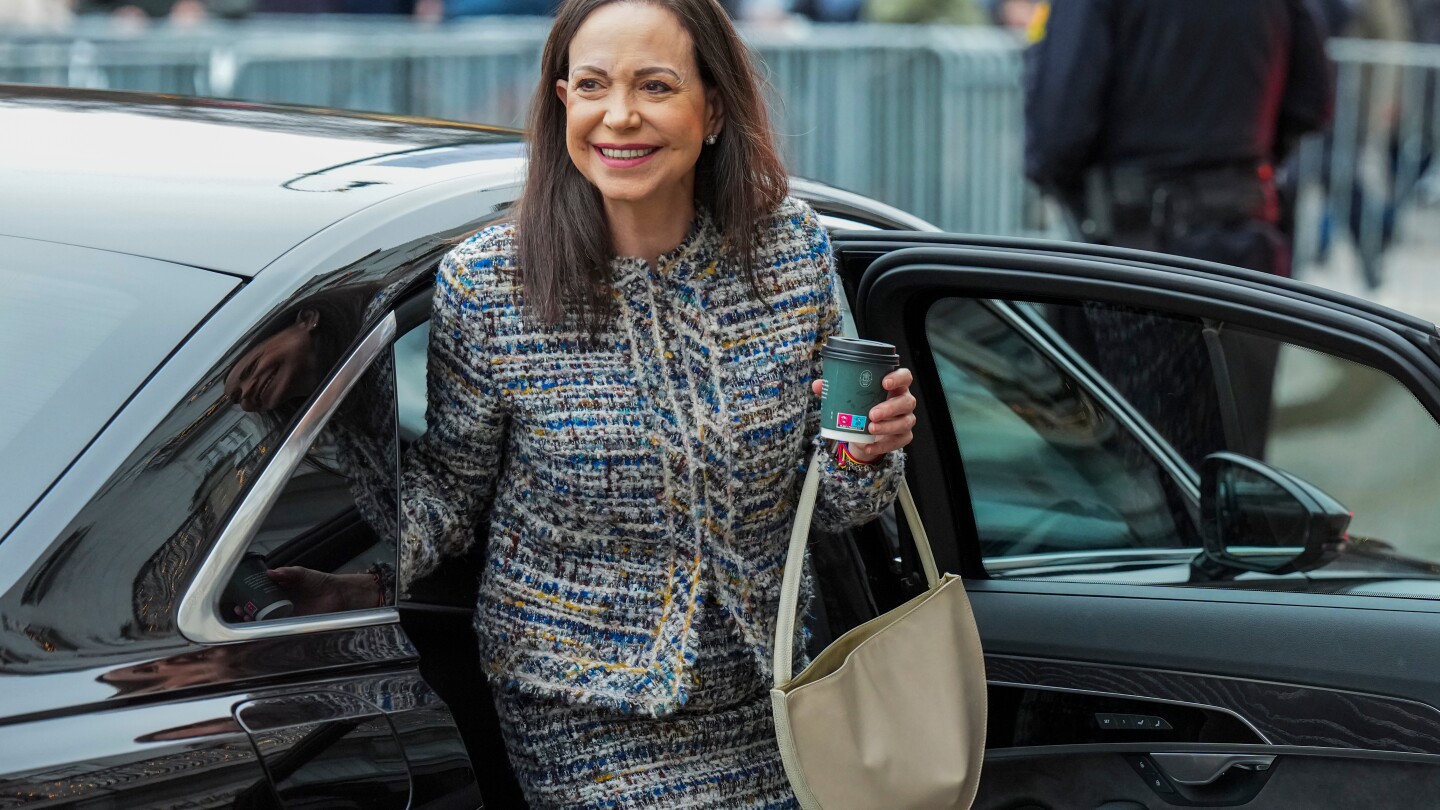
    The Norwegian Nobel Institute has issued a definitive statement clarifying that Nobel Peace Prizes cannot be reassigned, transferred, or shared with other recipients. This announcement directly addresses recent remarks by Venezuelan opposition leader María Corina Machado, who expressed desire to gift her recently awarded prize to former U.S. President Donald Trump.

    In an official communication released Friday, the Institute emphasized that once the Peace Prize has been officially conferred, “the decision is final and stands for all time.” This policy clarification comes amid growing international attention on the Venezuelan political landscape.

    Machado, during a Monday appearance on Fox News with host Sean Hannity, articulated her intention to potentially share the honor with Trump, citing his administration’s role in overseeing the capture of authoritarian Venezuelan President Nicolás Maduro. Maduro currently faces drug trafficking charges in New York federal courts.

    “What he has done is historic. It’s a huge step towards a democratic transition,” Machado stated during the interview, characterizing the prize as fundamentally belonging to the Venezuelan people.

    Despite these declarations, the Nobel Institute’s regulations render such transfers impossible. The development highlights the complex geopolitical dynamics surrounding Venezuela’s political future, with Trump subsequently expressing openness to receiving such an honor while simultaneously endorsing acting President Delcy Rodríguez, Maduro’s former vice president, as the appropriate transitional leader.

    Trump characterized Machado as a “very nice woman” but questioned her current capacity to govern effectively within Venezuela, suggesting she lacks sufficient domestic support. The former president acknowledged Machado’s planned visit next week and described the potential Peace Prize offering as a “great honor.”

  • Trump seeks $100bn for Venezuela oil, but Exxon boss says country ‘uninvestable’

    Trump seeks $100bn for Venezuela oil, but Exxon boss says country ‘uninvestable’

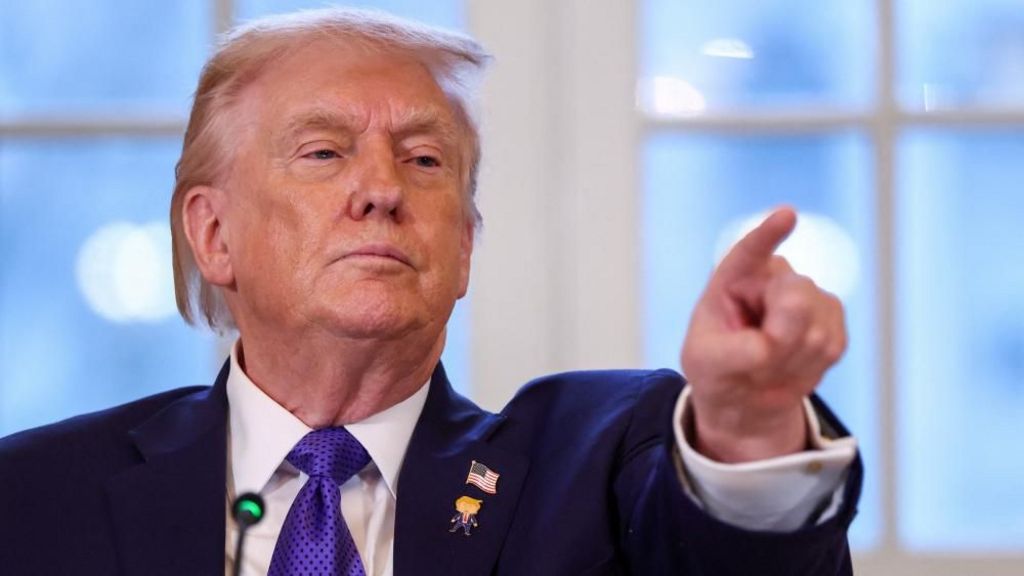
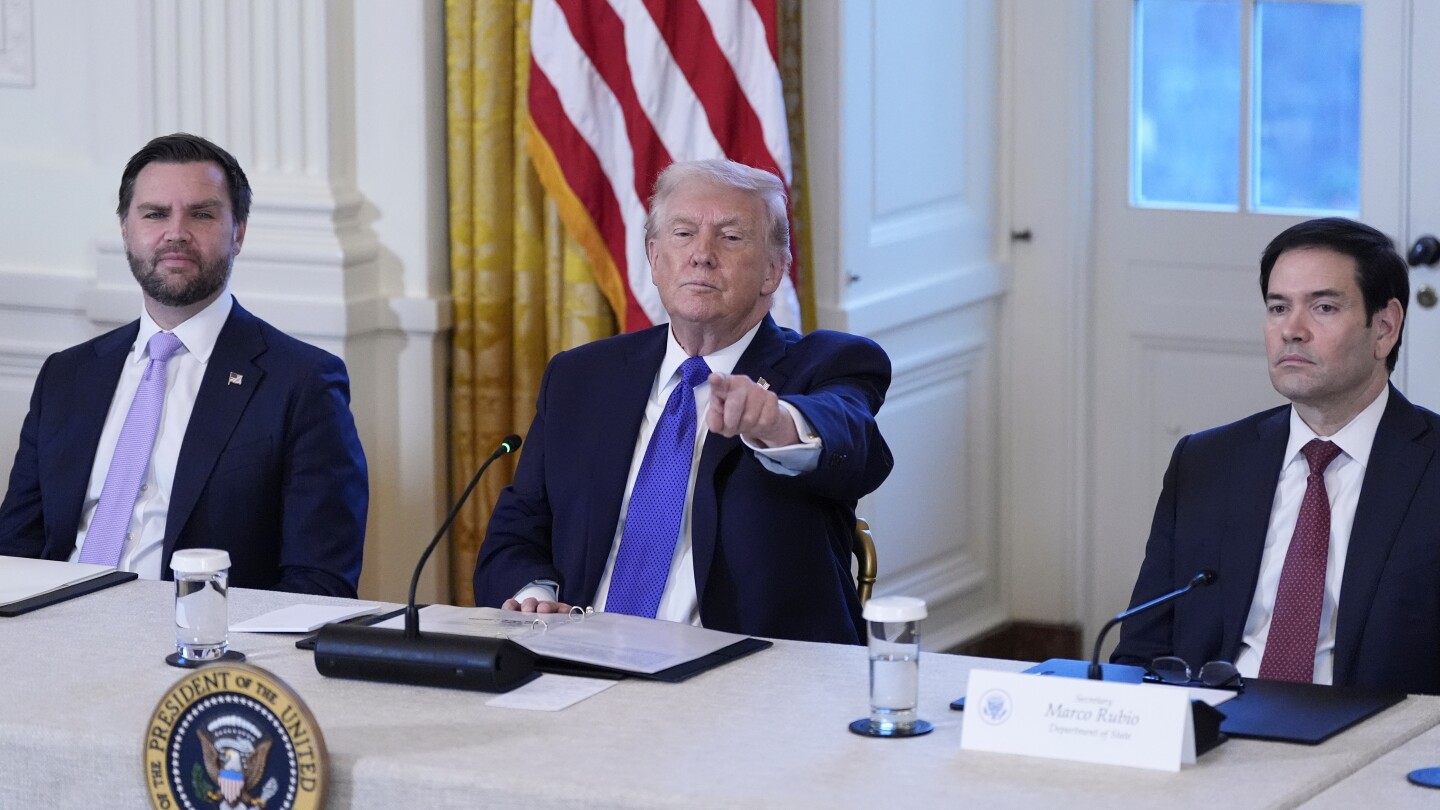
    President Donald Trump’s ambitious plan to mobilize $100 billion in oil investments for Venezuela following the ouster of Nicolás Maduro has encountered significant industry resistance during a White House meeting with major energy executives. Despite Trump’s portrayal of Venezuela as an unparalleled energy opportunity, industry leaders expressed deep reservations about the country’s current investability.

    Executives from Exxon, Chevron, and other major firms acknowledged Venezuela’s substantial oil reserves but highlighted the substantial risks involved. Exxon CEO Darren Woods emphasized the company’s historical difficulties, noting they had assets seized twice previously and would require “pretty significant changes” before considering re-entry. The consensus among industry leaders was that Venezuela remains “uninvestable” in its current state.

    Trump’s administration is implementing a comprehensive strategy to control Venezuela’s oil revenue, including selective sanctions relief and establishing US-controlled accounts for oil proceeds. The President signed an executive order prohibiting US courts from seizing Venezuelan oil revenue held in American Treasury accounts, framing it as essential for maintaining foreign policy leverage and ensuring stability.

    While Chevron, the last major US operator in Venezuela, plans to increase production from its existing operations, and companies like Repsol envision tripling output under favorable conditions, analysts caution that meaningful investment requires political stability, legal certainty, and physical security that currently don’t exist. Energy experts estimate that substantial production increases would require sustained annual investments of $8-9 billion, far from the immediate large-scale commitments Trump seeks.

  • Trump signs executive order meant to protect the money from Venezuelan oil

    Trump signs executive order meant to protect the money from Venezuelan oil

    WEST PALM BEACH, Fla. — The Trump administration has enacted a new executive order designed to protect Venezuelan oil revenues from being seized through judicial proceedings, framing the measure as essential to U.S. efforts to stabilize the South American nation’s economy and political landscape.

    The order, released publicly on Saturday, establishes that oil funds controlled by the United States constitute Venezuelan government property held for “governmental and diplomatic purposes” and declares them exempt from private legal claims. President Trump justified the action by stating that potential seizure of these assets would “undermine critical U.S. efforts to ensure economic and political stability in Venezuela.”

    This legal protection mechanism arrives amid growing concerns from major petroleum corporations about Venezuela’s investment climate. During a White House meeting convened Friday with industry executives, ExxonMobil CEO Darren Woods characterized Venezuela as “uninvestable” under current commercial frameworks, citing the country’s prolonged political turbulence, history of state asset seizures, and ongoing U.S. sanctions.

    President Trump attempted to reassure energy company leaders during the discussions, promising they would negotiate directly with U.S. authorities rather than with Venezuelan government entities. The administration has identified attracting American oil investment to rebuild Venezuela’s crippled energy infrastructure as a primary objective following the ouster of Nicolás Maduro.

    The White House has adopted an economically-focused approach to Venezuelan reconstruction, with measures including the seizure of tankers transporting Venezuelan crude, assumption of control over sales of 30-50 million barrels of previously sanctioned oil, and plans to manage global sales indefinitely. Trump reinforced his commitment via social media on Saturday, stating: “I love the Venezuelan people, and am already making Venezuela rich and safe again.”

    The executive order derives its legal authority from the National Emergencies Act and the International Emergency Economic Powers Act, classifying potential litigation targeting oil revenues as an “unusual and extraordinary threat” to national security interests.

  • Iran blocks internet and deploys IRGC as widespread protests continue

    Iran blocks internet and deploys IRGC as widespread protests continue

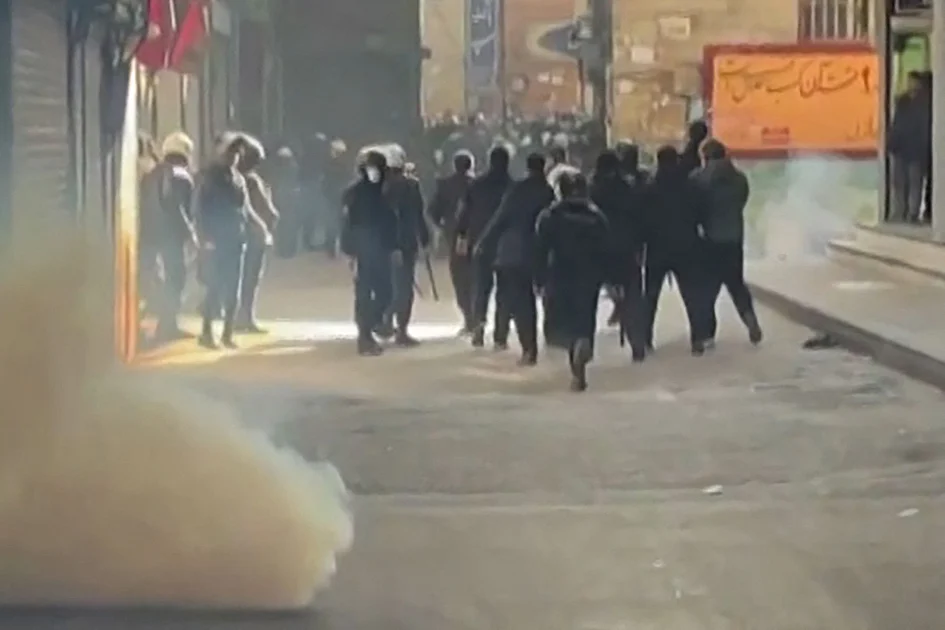
    Iran’s Islamic Revolutionary Guard Corps (IRGC) has issued a stark warning, declaring the protection of national security an inviolable ‘red line’ as the nation experiences its most significant civil unrest in years. The elite military force, operating separately from Iran’s conventional army, pledged on Saturday to defend both the nation’s security apparatus and the foundational achievements of the 1979 Islamic Revolution.

    The IRGC has attributed recent violence to ‘terrorist elements,’ accusing them of orchestrating attacks on military and law enforcement installations during overnight demonstrations. These alleged assaults reportedly resulted in casualties among both citizens and security personnel, alongside significant property destruction through arson attacks.

    Parallel to the IRGC’s statements, Iran’s conventional armed forces—similarly under the command of Supreme Leader Ayatollah Ali Khamenei—vowed to safeguard national interests, critical infrastructure, and public property from further damage.

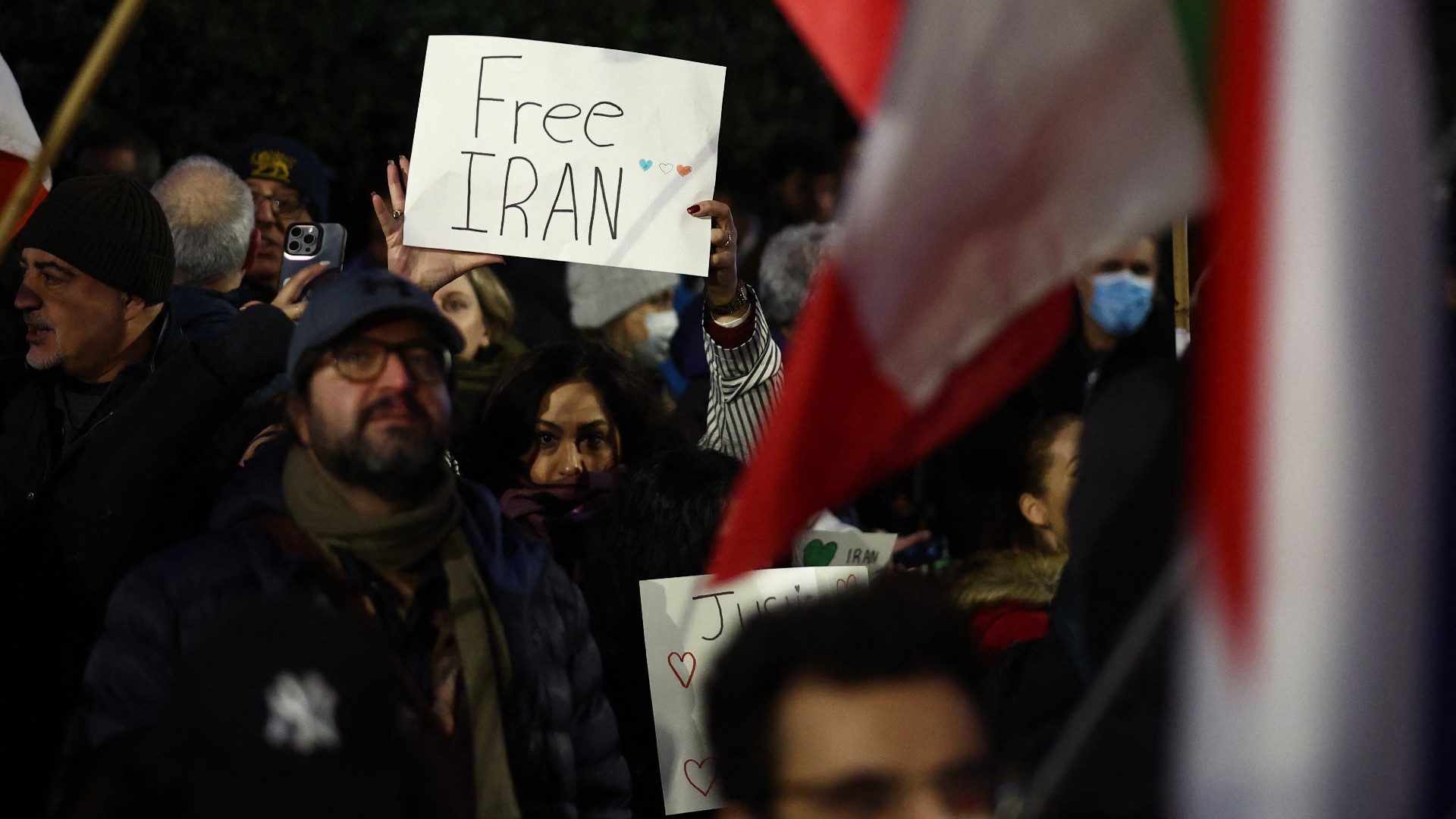
    The protests, now entering their third week, initially emerged as economic demonstrations against spiraling inflation but have rapidly evolved into explicitly political movements. Some participants have openly called for the dismantling of the Islamic Republic itself, representing the most substantial challenge to Tehran’s authority since the 2022 ‘Woman Life Freedom’ demonstrations.

    Medical professionals in Tehran reported alarming casualty figures, with just six capital hospitals documenting at least 217 protester fatalities, predominantly resulting from live ammunition injuries. Healthcare facilities described being overwhelmed by the influx of casualties.

    Digital evidence suggests Iranian authorities have implemented a comprehensive internet blackout lasting over 36 hours, according to internet monitoring organization Netblocks. This digital suppression strategy has drawn criticism from prominent Iranian cultural figures, including filmmakers Mohammad Rasoulof and Jafar Panahi, who condemned the measures as attempting to conceal state violence against demonstrators.

    Protesters interviewed by Middle East Eye described an economic collapse that has rendered basic subsistence unmanageable for ordinary households. ‘In just a few days, prices have multiplied. How can it be this disastrous?’ questioned Mani, a 27-year-old demonstrator from Mashhad. Another protester, Mehdi from Isfahan province, expressed generational despair: ‘Our lives and our youth have been wasted under the Islamic Republic.’

    The human rights organization Hrana documented at least 65 confirmed deaths as of Friday, including 50 protesters and 15 security personnel. State media broadcast funeral processions for security officers allegedly killed in Hamedan, Qom, and Shiraz, while the IRGC reported three members of its Basij security force killed in confrontations with ‘armed rioters’ in Gachsaran.

    International responses have escalated significantly, with U.S. President Donald Trump issuing a veiled threat of intervention if security forces employ lethal measures against protesters. European leaders from Germany, France, and the United Kingdom issued a joint statement condemning the violence and urging Tehran to exercise restraint, while U.S. Secretary of State Marco Rubio explicitly expressed support for Iranian demonstrators.

  • Iran’s army asks public to thwart ‘enemy’s plots’, says will protect property

    Iran’s army asks public to thwart ‘enemy’s plots’, says will protect property

    Iran’s armed forces have issued a unified call for public vigilance against what they term ‘enemy plots’ while vowing to protect national infrastructure amid the most significant civil unrest in years. The military’s statement, released Saturday, coincided with separate warnings from the Islamic Revolutionary Guard Corps (IRGC) characterizing national security as an inviolable ‘red line’.

    The demonstrations, initially sparked by economic grievances including rampant inflation, have rapidly evolved into political challenges against the clerical establishment. According to human rights organizations documenting the crisis, at least 65 fatalities have been confirmed—including 50 protesters and 15 security personnel—with over 2,500 arrests reported nationwide.

    International tensions have escalated concurrently, with U.S. President Donald Trump issuing provocative statements suggesting potential American intervention. ‘You better not start shooting because we’ll start shooting too,’ Trump declared Friday, amplifying his administration’s support for demonstrators.

    Iranian authorities maintain that external actors, particularly Israel and ‘hostile terrorist groups,’ are orchestrating the unrest. Supreme Leader Ayatollah Ali Khamenei has accused protesters of acting as foreign ‘mercenaries,’ while state media broadcasts footage of security force funerals and attributes violence to ‘rioters.’

    The government’s response has included widespread internet restrictions and deployment of both conventional military and IRGC units. Medical professionals in northwestern regions report treating numerous protesters with severe injuries including gunshot wounds, blunt force trauma, and fractures.

    Reza Pahlavi, US-based son of Iran’s deposed monarch, has emerged as an influential voice advocating for escalated demonstrations and nationwide strikes. However, the White House has indicated reluctance to formally endorse any opposition figure during the ongoing crisis.

    European powers including France, Britain and Germany have jointly condemned the violence, urging Iranian authorities to exercise restraint while expressing concern over protester fatalities. The situation represents the most substantial challenge to Iran’s clerical leadership since the 2022 Woman, Life, Freedom movement, testing the regime’s stability amid economic hardship and international isolation.

  • Why the UAE refuses to be dragged into social media noise, chooses silence

    Why the UAE refuses to be dragged into social media noise, chooses silence

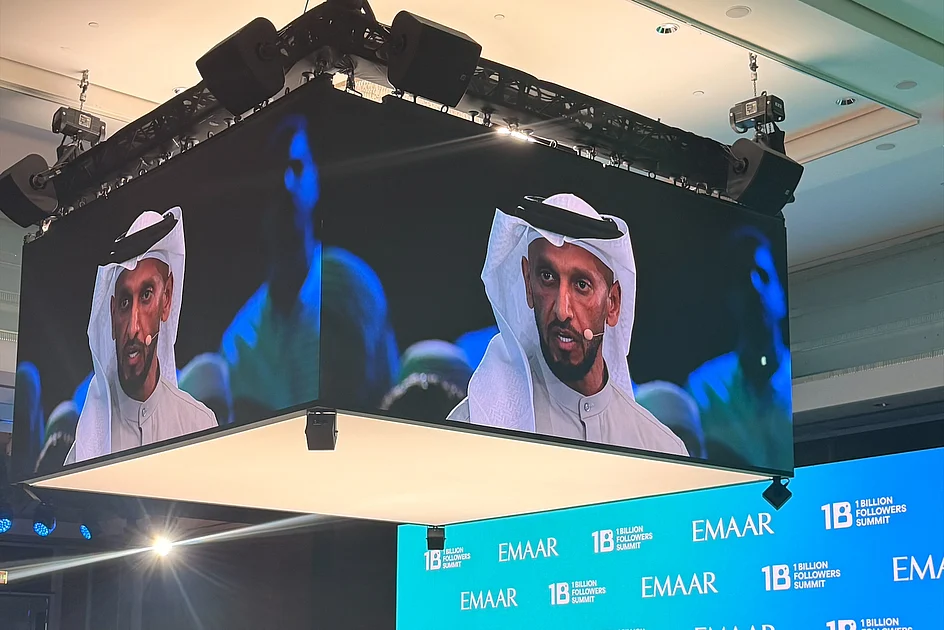
    In an era dominated by digital chatter and viral misinformation, the United Arab Emirates has articulated a deliberate policy of strategic silence, framing it not as weakness but as an expression of national confidence and sovereign strength. Abdulla bin Mohammed bin Butti Al Hamed, Head of the National Media Office, articulated this position during a keynote address at the 1 Billion Followers Summit in Dubai, asserting that the nation’s governance remains impervious to online pressure or fleeting narratives.

    Al Hamed emphasized that the UAE’s decision-making is anchored in long-term vision, measured leadership, and a deep understanding of its soft power rather than reactive engagement with digital trends. “The UAE was built through experience, learning, and strategic decisions taken over years, not days,” he stated, clarifying that the nation responds only when and how it chooses, with silence often serving as a deliberate strategic tool.

    Addressing widespread speculation about the UAE’s regional and international stances, Al Hamed cautioned against equating social media discourse with ground reality. He stressed that digital noise should not be mistaken for truth, nor should it dictate national policy. “What we see on social media does not represent the reality of the UAE,” he noted, underscoring the nation’s commitment to action and achievement over rumor and reaction.

    The UAE’s approach, he explained, is fundamentally rooted in human development—prioritizing people before projects and building credibility through tangible outcomes. This philosophy dates to the nation’s founding, where leadership invested equally in human capital, infrastructure, education, and innovation. “The narrative of the UAE is the human being,” Al Hamed affirmed. “Factories and buildings came later.”

    On the evolution of Emirati media, Al Hamed described it as both an economic sector and a pillar of soft power, noting the intentional absence of a traditional Ministry of Media to foster flexibility and innovation. He also highlighted the importance of authentic cultural representation, stating that misrepresentation of Emirati identity should not be tolerated.

    In closing, Al Hamed urged media professionals and creators to operate responsibly within the digital realm, recognizing its power and limits. “Our world today is digital, not paper,” he remarked. “Those who understand this will shape the future.”

  • Fatal ICE shooting of Minneapolis woman sets stage for national protests

    Fatal ICE shooting of Minneapolis woman sets stage for national protests

    The fatal shooting of a Minneapolis woman by a U.S. Immigration and Customs Enforcement (ICE) agent has ignited nationwide protests and intensified federal-state tensions. Renee Good, a 37-year-old mother of three and activist, was killed during what authorities described as the “largest DHS operation ever” involving approximately 2,000 federal officers deployed to Minneapolis.

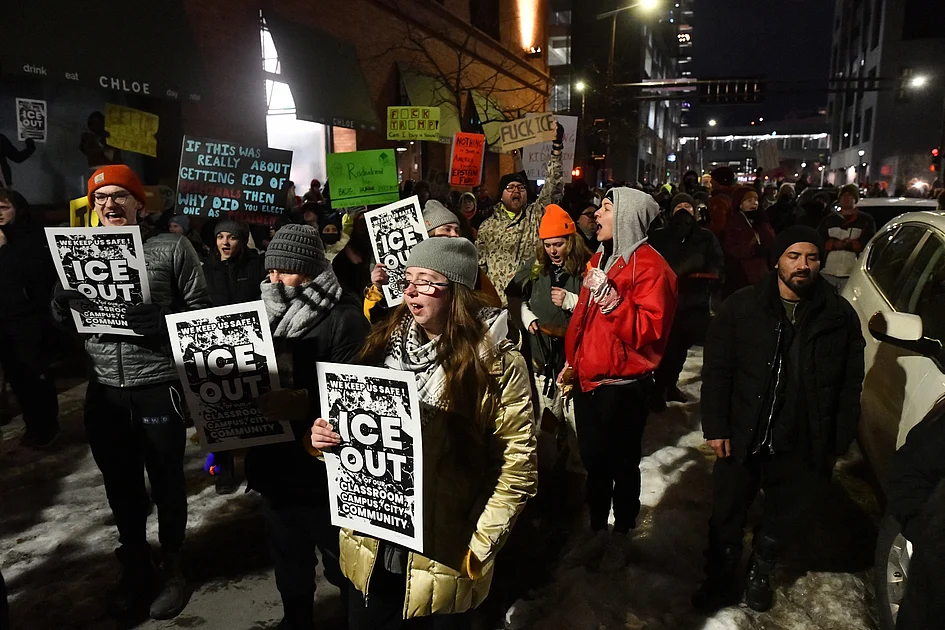
    Protest organizers have coordinated over 1,000 events across the country under the banner “ICE Out For Good,” demanding an end to large-scale ICE deployments ordered by President Donald Trump. The shooting occurred during neighborhood patrols where activists track and document ICE activities, a practice that has become common in cities led by Democratic politicians.

    The incident has produced sharply conflicting narratives. Homeland Security Secretary Kristi Noem characterized Good’s actions as “impeding” and “stalking” ICE agents, claiming the officer fired in self-defense against what she termed an “act of domestic terrorism.” Conversely, Minneapolis Mayor Jacob Frey dismissed the federal account as a “garbage narrative,” citing bystander video that appears to contradict official claims.

    Minnesota Governor Tim Walz, who previously condemned the ICE deployment as “reckless” governance, has placed the state’s National Guard on alert and initiated an independent state investigation alongside the federal FBI probe. The legal jurisdiction question has emerged as a point of contention, with some Trump administration officials asserting federal officers enjoy immunity from state prosecution.

    The shooting occurred just blocks from where George Floyd was killed in 2020, drawing inevitable comparisons to the previous administration’s handling of civil unrest. Video evidence shows conflicting details about the moment of shooting, with footage suggesting the vehicle may not have made contact with the officer despite claims that Good attempted to ram federal agents.

    This incident represents the latest escalation in ongoing tensions between the Trump administration and Democratic-led cities over immigration enforcement strategies, with additional violent encounters reported in Portland, Oregon, further complicating the national landscape.