分类: politics

  • Trump ‘inclined’ to keep ExxonMobil out of Venezuela after CEO response at White House meeting

    Trump ‘inclined’ to keep ExxonMobil out of Venezuela after CEO response at White House meeting

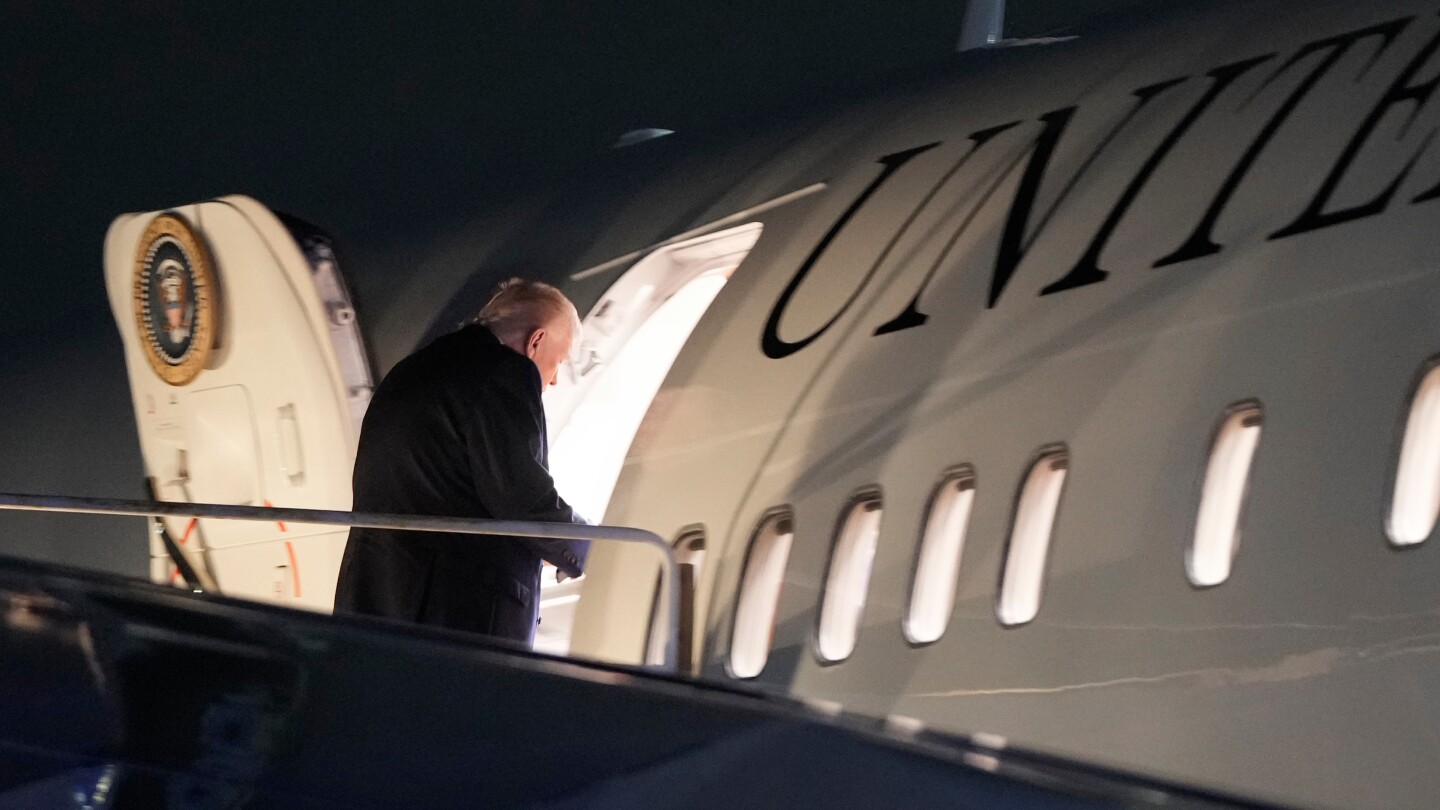
    ABOARD AIR FORCE ONE — President Donald Trump expressed strong reservations about allowing ExxonMobil to participate in Venezuela’s oil sector following critical comments from the company’s leadership. Speaking to journalists aboard Air Force One en route from West Palm Beach, Florida, Trump revealed his dissatisfaction with the oil giant’s stance, characterizing their position as “playing too cute” with investment opportunities.

    The administration’s push for energy sector engagement follows the political transition from former President Nicolás Maduro. During a high-level meeting with petroleum executives on Friday, Trump attempted to alleviate corporate concerns by assuring direct negotiation channels with the United States government rather than Venezuelan authorities.

    ExxonMobil CEO Darren Woods presented a contrasting view, stating current commercial frameworks in Venezuela render the country “uninvestable” under existing conditions. The corporation’s representatives declined immediate commentary when contacted Sunday regarding Trump’s remarks.

    In parallel developments, the President signed an executive order Friday designed to shield Venezuelan oil revenues from potential judicial seizure. The order, publicly disclosed Saturday, argues that asset protection is essential for maintaining U.S. stabilization efforts amid Venezuela’s history of resource nationalization, ongoing sanctions, and prolonged political volatility.

    The White House has prioritized energy infrastructure rehabilitation as a cornerstone of its Venezuela policy, implementing measures including tanker interdictions and assuming control over global sales of 30-50 million barrels of previously sanctioned crude oil indefinitely.
  • Hong Kong court to hear plea for lighter sentence in pro-democracy ex-media mogul Jimmy Lai’s case

    Hong Kong court to hear plea for lighter sentence in pro-democracy ex-media mogul Jimmy Lai’s case

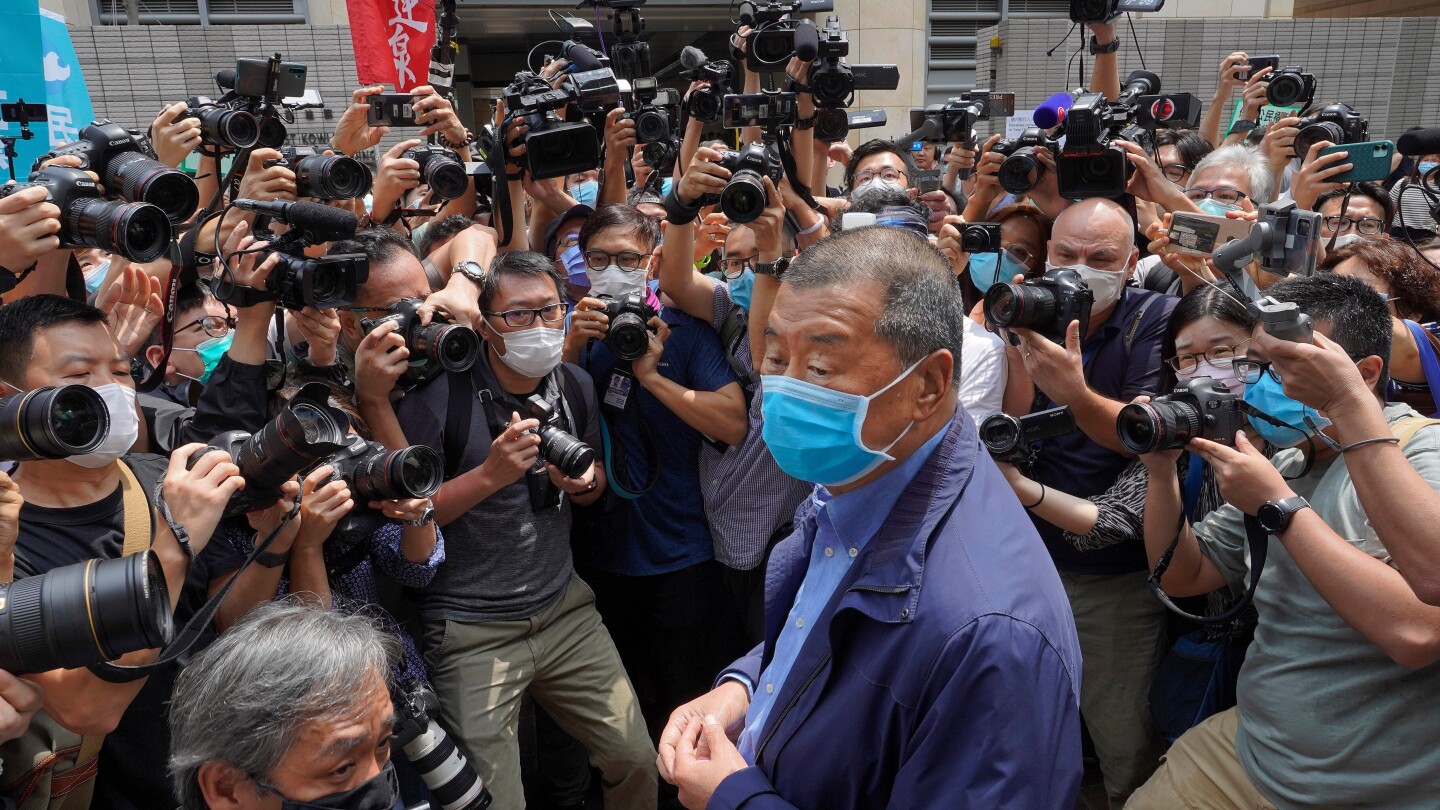
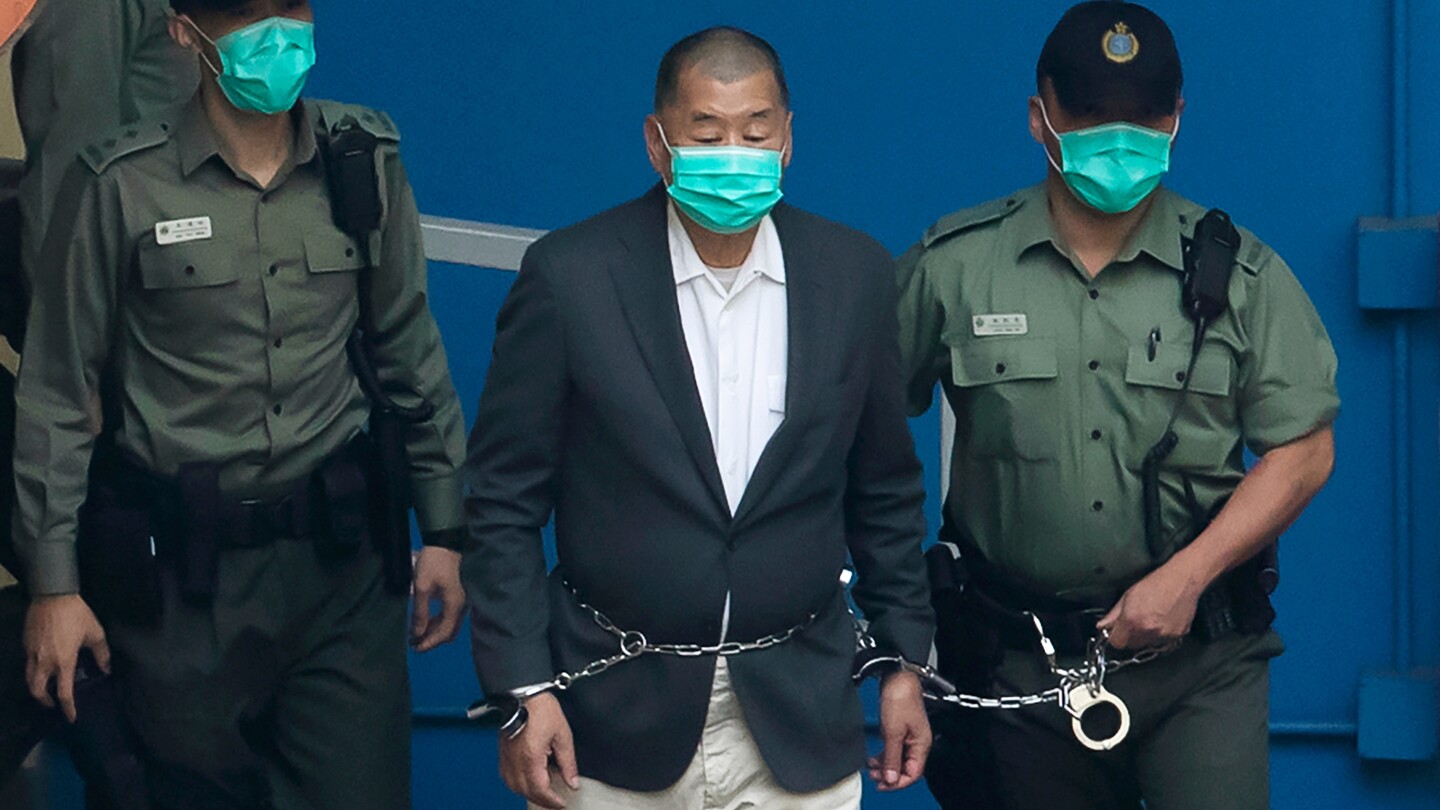
    A Hong Kong courtroom became the focal point of international attention on Monday as proceedings commenced to determine the sentencing of prominent democracy advocate and former media magnate Jimmy Lai. The 78-year-old founder of the shuttered Apple Daily newspaper faces potential life imprisonment following his December conviction under Hong Kong’s national security legislation.

    The judicial panel convened for a four-day mitigation hearing during which Lai and several co-defendants will present arguments seeking reduced sentences. The case stems from Lai’s 2020 arrest under the security law implemented by Beijing following widespread anti-government protests that engulfed Hong Kong in 2019.

    Lai was convicted on two counts of conspiracy to collude with foreign forces and one count of conspiracy to publish seditious materials. Despite pleading not guilty to all charges, three government-vetted judges determined Lai served as the mastermind behind coordinated efforts to undermine China’s ruling Communist Party through foreign intervention.

    The verdict has ignited international concern regarding press freedom in Hong Kong, which returned to Chinese sovereignty in 1997. Several Western governments, including the United States and Britain, have criticized the outcome, with both former President Donald Trump and current British Prime Minister Keir Starmer expressing particular concern given Lai’s status as a British citizen.

    Outside the courthouse, dozens of supporters gathered before sunrise, with some queuing since Friday to secure seating in the public gallery. Retiree Simon Ng, a former Apple Daily reader, expressed his desire to show solidarity: ‘I want to let him know that he’s not alone. Many people support him.’

    Six former Apple Daily executives and two activists involved in the case have entered guilty pleas, admitting to conspiring with Lai to request foreign sanctions. These individuals, who testified as prosecution witnesses during the 156-day trial, may receive reduced sentences under provisions that reward cooperation with authorities.

    Lai has already spent five years in custody, during which his health has reportedly deteriorated. His legal team previously informed the court of heart palpitations, though government medical examinations found no abnormalities. His daughter Claire has stated that Lai would focus on religious devotion and family life rather than political activism if released.

  • Israel calls on EU to label Iran’s Revolutionary Guards as ‘terrorist organisation’

    Israel calls on EU to label Iran’s Revolutionary Guards as ‘terrorist organisation’

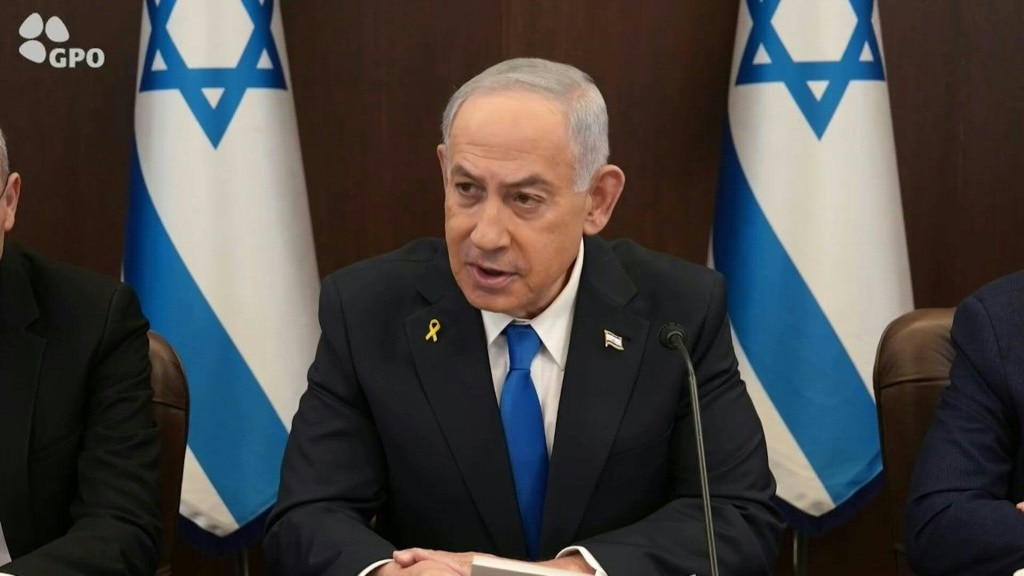
    In a significant diplomatic move, Israeli Foreign Minister Gideon Saar has formally called upon the European Union to classify Iran’s Revolutionary Guards Corps as a terrorist organization. The appeal was made during a meeting with German Interior Minister Alexander Dobrindt on Sunday, January 11, 2026.

    Saar took to social media platform X to publicly announce his position, stating he had explicitly conveyed to Minister Dobrindt that the current geopolitical climate necessitates immediate action from EU member states. The Israeli diplomat emphasized that designating the Iranian military force as a terrorist entity represents an urgent priority for regional security.

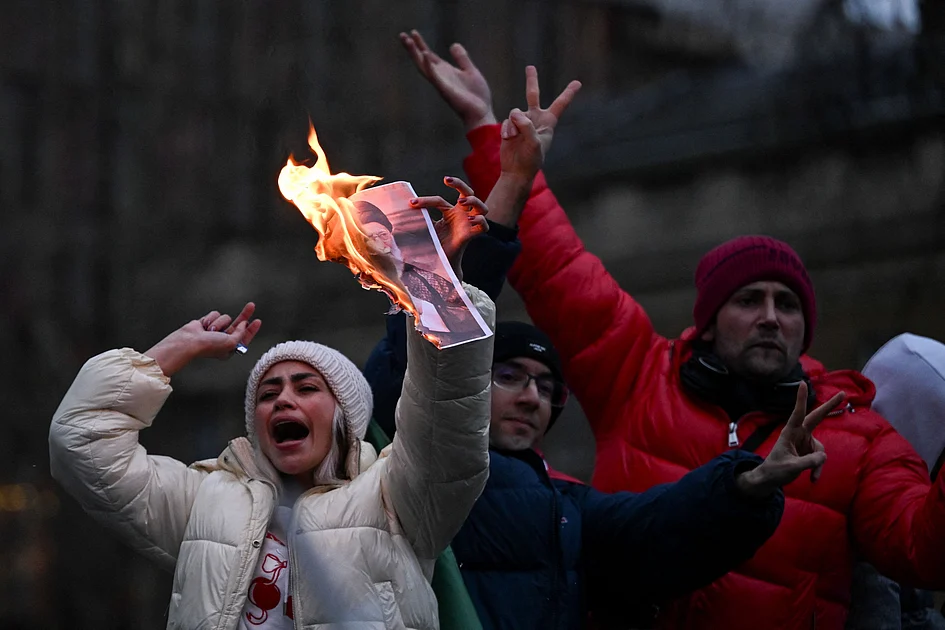
    The development occurs amid growing international concern over Iran’s alleged use of violence against domestic protesters. Multiple human rights organizations have documented suspected instances of state-sponsored suppression of dissent within the Islamic republic, though Iranian authorities have consistently denied these allegations.

    Germany has historically maintained support for such designation, and Saar noted that recent events have made the necessity of this measure apparent to a broader international audience. The Israeli government believes coordinated European action against Iran’s Revolutionary Guards would significantly impact Tehran’s military capabilities and regional influence.

    This diplomatic initiative reflects escalating tensions between Israel and Iran, with potential implications for Middle Eastern geopolitics and EU-Iran relations. The European Union has yet to issue an official response regarding whether it will consider Israel’s formal request.

  • He once criticised African leaders who cling to power. Now he wants a seventh term

    He once criticised African leaders who cling to power. Now he wants a seventh term

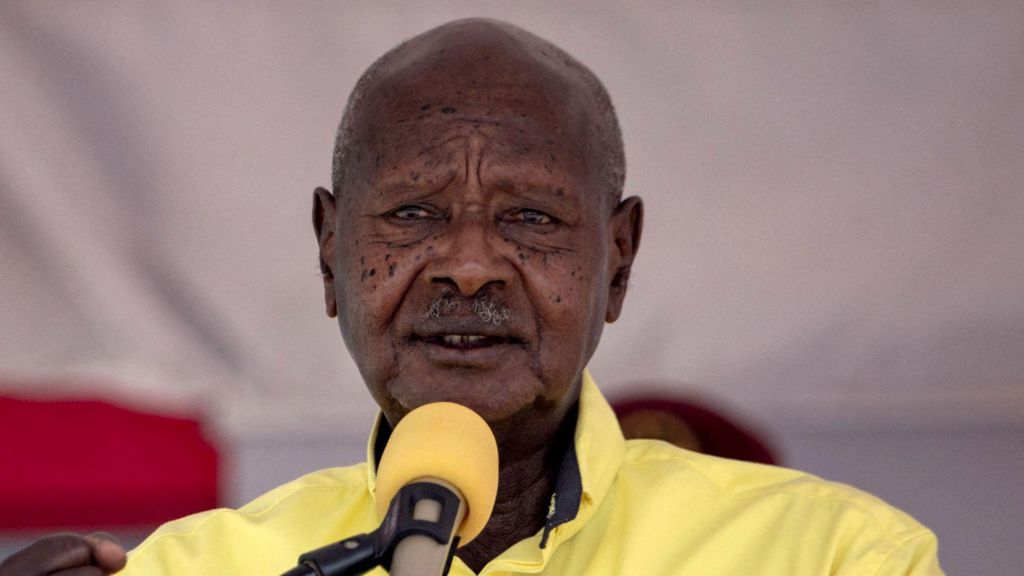
    President Yoweri Museveni’s remarkable 38-year tenure continues to define Uganda’s political landscape, with over three-quarters of the population having never experienced alternative leadership. The 81-year-old leader, who assumed power through armed rebellion in 1986, maintains firm control despite growing international concern about democratic backsliding.

    Museveni’s administration has delivered notable achievements including sustained economic growth averaging over 6% annually for a decade, doubled primary school enrollment, and successful HIV/AIDS mitigation programs. These developments initially positioned him as a favored partner among Western nations. However, his governance approach has increasingly drawn criticism for systematically undermining democratic institutions and political opposition.

    The constitutional landscape has evolved significantly during Museveni’s rule. In 2005, term limits were abolished, followed by the 2017 elimination of presidential age restrictions—a controversial move that sparked violent parliamentary clashes. These changes have effectively paved the way for potential lifelong presidency.

    Opposition figures face severe challenges under Museveni’s regime. Dr. Kizza Besigye, the president’s former personal physician turned political rival, has endured repeated arrests and prosecutions since first challenging Museveni in 2001. Most recently, he mysteriously disappeared in Nairobi only to reappear in Ugandan military custody. Contemporary opposition leader Bobi Wine, leveraging his celebrity status to mobilize youth support, has faced similar persecution including treason charges and violent suppression of his gatherings.

    International observers have documented concerning patterns of state violence. United Nations reports indicate security forces routinely employ live ammunition against peaceful assemblies and utilize unmarked vehicles for abductions. The judiciary faces allegations of compromised independence through the appointment of ‘cadre judges’ loyal to the administration.

    The president’s family has assumed prominent roles within government structures. First Lady Janet Museveni serves as Education Minister while their son General Muhoozi Kainerugaba commands the military. The recent enlistment of Museveni’s grandson has further fueled concerns about dynastic succession planning.

    Despite these developments, Museveni’s supporters highlight Uganda’s relative stability and humanitarian contributions. The nation currently hosts approximately 1.7 million refugees fleeing regional conflicts—a dramatic reversal from Uganda’s historical role as a refugee exporter. The administration continues pursuing foreign investment partnerships with China, the UK, and UAE as part of its Vision 2040 development strategy.

    As Museveni campaigns for a seventh term, he maintains his signature blend of paternalistic rhetoric—referring to young supporters as ‘Bazukulu’ (grandchildren)—and demonstrations of physical vitality. However, questions about succession planning and democratic integrity continue to overshadow his legacy of stability and development.

  • Red lines and increasing self-censorship reshape Hong Kong’s once freewheeling press scene

    Red lines and increasing self-censorship reshape Hong Kong’s once freewheeling press scene

    Hong Kong has experienced one of the most dramatic declines in press freedom globally over the past two decades, plummeting from 18th to 140th position in the World Press Freedom Index. This precipitous drop follows the implementation of Beijing’s national security law in 2020, which has fundamentally reshaped the territory’s media landscape through high-profile prosecutions, newspaper shutdowns, and widespread self-censorship.

    The closure of pro-democracy publication Apple Daily in June 2021 marked a turning point, with authorities freezing assets and raiding offices under the security legislation. Founder Jimmy Lai faces life imprisonment after December convictions for conspiring with foreign forces and publishing seditious materials. Simultaneously, online news platform Stand News met a similar fate, with editors becoming the first journalists since 1997 convicted under colonial-era sedition laws.

    According to Professor Francis Lee of Chinese University of Hong Kong, these cases establish that previously accepted journalistic practices now exceed legal boundaries. “Some advocacy journalism was at least permitted within the legal framework back then. Today, it’s no longer allowed,” Lee noted, referencing the pre-security law era.

    Self-censorship has proliferated beyond political concerns, with mainstream outlets avoiding content that might jeopardize advertising revenue from corporations valuing mainland Chinese market connections. The phenomenon extends throughout society, with potential interviewees increasingly reluctant to speak on record.

    The aftermath of November’s deadly apartment fire that killed 161 people revealed both persistent investigative reporting and renewed constraints. While journalists thoroughly covered safety concerns and government oversight, Beijing’s national security office subsequently summoned foreign media outlets including AP, accusing them of spreading false information about relief efforts and legislative elections.

    Hong Kong Journalists Association chairperson Selina Cheng described increasingly covert pressure on public discourse, noting that balanced reporting now requires disproportionate emphasis on pro-government perspectives. Beyond content restrictions, journalists face alleged tax audits and harassment, though authorities maintain investigations are impartial.

    Despite these challenges, the journalists’ association reported a slight rebound in press freedom ratings in October, suggesting some adaptation to the narrowed operational space. As Professor Lee concluded, “Today’s situation is far from the previous state of freedom. Self-censorship throughout society is severe. Yet some media outlets are still finding ways.”

  • Japan urged to mend China ties

    Japan urged to mend China ties

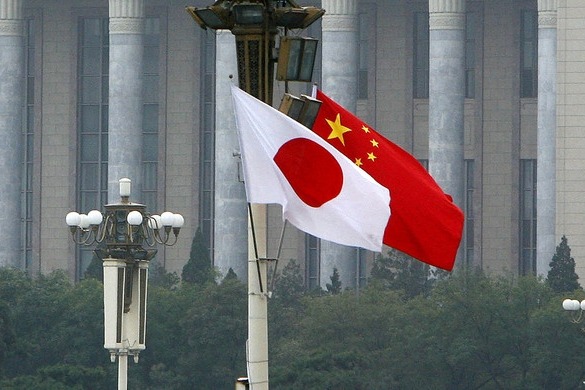
    TOKYO—Mounting economic pressures are compelling Japanese business leaders and academics to urge their government to pursue diplomatic solutions with Beijing following China’s imposition of stringent export controls. The restrictions, targeting dual-use technologies and potentially expanding to rare earth minerals, threaten to severely disrupt Japan’s manufacturing supply chains and economic stability.

    China’s Commerce Ministry implemented an immediate ban on exports of dual-use items—products with both civilian and military applications—to Japan on Tuesday. This decisive action came in direct response to controversial remarks by Japanese Prime Minister Sanae Takaichi suggesting potential military intervention in the Taiwan Strait. Chinese authorities characterized the export controls as “legitimate, reasonable and lawful” measures to counter what they perceive as Japan’s pursuit of remilitarization and nuclear capabilities.

    The economic implications are particularly acute regarding rare earth elements, where China dominates global production with approximately 72% of Japan’s imports originating from Chinese sources as of 2024. Industry representatives warn that expanded restrictions would cripple Japan’s automotive, electronics, and renewable energy sectors—all heavily dependent on these critical materials.

    Hiroshi Shiratori, Professor of Political Science at Hosei University, emphasized the interconnected nature of security and economic concerns: “This situation shouldn’t be viewed merely through the lens of short-term economic impact. It represents an opportunity for Japan to fundamentally reassess its policy approach.”

    The corporate sector is already experiencing palpable anxiety. Himeji Denshi, a magnet manufacturer with six decades of operation, produces 70% of its products in Chinese factories. Company President Shigeaki Amijima revealed his enterprise could survive for only approximately two months if raw material supplies are disrupted, noting that “the most serious risk is not rising costs but the prospect of being unable to operate at all.”

    Furniture conglomerate Nitori Holdings Chairman Akio Nitori similarly expressed concern about rare earths used in refrigerators, televisions, and washing machines. Economists warn that diversification efforts have proven insufficient, with alternative sourcing likely to drive significant cost increases throughout Japanese manufacturing.

    With economic growth projections at risk and investment uncertainty growing in semiconductor, electronic component, and electric vehicle industries, Japanese experts agree that diplomatic resolution remains essential—though contingent on retracting the Prime Minister’s statements regarding Taiwan.

  • ‘No more oil or money’: Trump delivers warning to Cuba, suggests deal with US

    ‘No more oil or money’: Trump delivers warning to Cuba, suggests deal with US

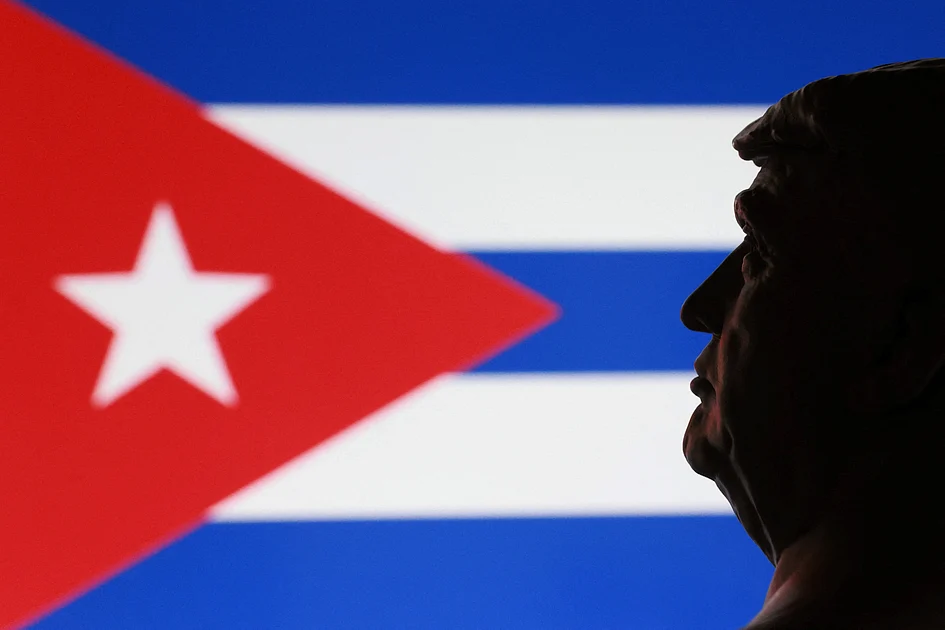
    In a dramatic escalation of hemispheric pressure, former U.S. President Donald Trump has delivered a stark warning to Cuba through his Truth Social platform, declaring that the island nation will no longer receive petroleum or financial support from Venezuela. The statement signals a significant shift in regional energy politics following recent developments in Caracas.

    Trump’s social media proclamation on Sunday explicitly stated: “THERE WILL BE NO MORE OIL OR MONEY GOING TO CUBA – ZERO! I strongly suggest they make a deal, BEFORE IT IS TOO LATE.” This ultimatum comes amid substantial geopolitical realignments in the region, particularly regarding Venezuela’s oil exports.

    The strategic context involves Venezuela’s status as Cuba’s primary petroleum supplier, a relationship that has undergone radical transformation since the capture of Venezuelan President Nicolas Maduro by U.S. forces. Intelligence assessments indicate that Trump has successfully persuaded interim President Delcy Rodriguez to redirect Venezuelan oil shipments toward the United States instead of Cuba.

    This energy blockade poses existential challenges for Havana. Shipping data and documents from Venezuela’s state oil company PDVSA reveal that between January and November last year, Venezuela supplied approximately 27,000 barrels per day to Cuba, covering nearly half of the island’s petroleum deficit. The potential termination of this energy lifeline coincides with already severe economic strains within Cuba’s critical sectors including agriculture and tourism, exacerbated by frequent blackouts and international trade sanctions.

    While U.S. intelligence agencies acknowledge Cuba’s deteriorating economic situation, they provide no substantiation for Trump’s assertion that the communist government is “ready to fall.” The CIA assessment portrays a nation struggling under multiple pressures but maintains stability through decades of institutional control established since Fidel Castro’s 1959 revolution.

    The ultimatum represents the latest chapter in the complex triangular relationship between Washington, Havana, and Caracas, with energy resources serving as both economic necessity and geopolitical instrument in Western Hemisphere diplomacy.

  • Danish PM says Greenland showdown at ‘decisive moment’ after new Trump threats

    Danish PM says Greenland showdown at ‘decisive moment’ after new Trump threats

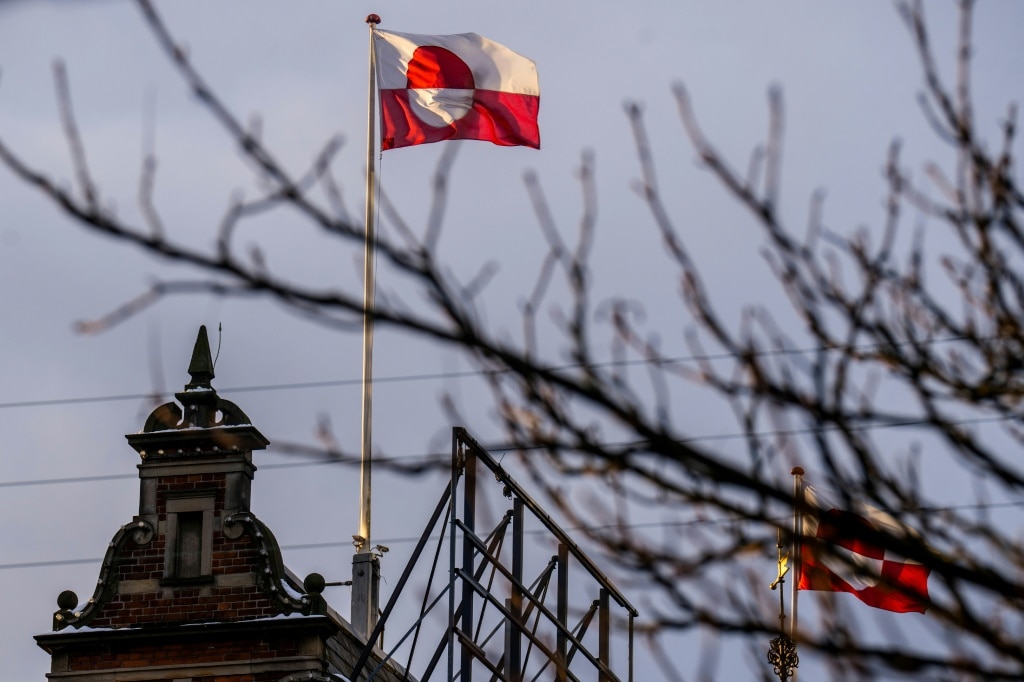
    A significant diplomatic confrontation is unfolding between Denmark and the United States regarding the sovereignty of Greenland, with Danish Prime Minister Mette Frederiksen characterizing the situation as reaching a ‘decisive moment.’ This escalation follows renewed statements from former President Donald Trump suggesting potential forceful measures to acquire the strategically vital Arctic territory.

    Prime Minister Frederiksen emphasized during political debates that the conflict extends beyond Greenland’s immediate future, representing broader geopolitical tensions. Through her official social media channels, she affirmed Denmark’s readiness to defend its values in the Arctic region, underscoring the nation’s commitment to international law and the principle of self-determination for all peoples.

    The Danish position has received substantial international backing, with both Sweden and Germany expressing firm support. Swedish Prime Minister Ulf Kristersson explicitly condemned what he termed ‘threatening rhetoric’ from the United States, warning that any attempted takeover of mineral-rich Greenland would constitute a violation of international law and potentially establish a dangerous precedent for similar actions by other nations.

    German officials, including Foreign Minister Johann Wadephul and Finance Minister Lars Klingbeil, reinforced their nation’s solidarity with Denmark while emphasizing NATO’s collective approach to Arctic security. Wadephul noted that while alliance members recognize growing strategic challenges in the region, particularly concerning Russian and Chinese military activities, Greenland’s future must be determined exclusively by its people and the Danish government.

    The controversy has prompted coordinated European diplomacy, with leaders from seven nations including France, Britain, Germany, and Italy signing a joint letter affirming that Greenland’s status remains solely a matter for Denmark and Greenland itself to decide. This collective response emerged following White House indications that Trump remained interested in acquiring Greenland and had not excluded military options.

    NATO Supreme Allied Commander General Alexus Grynkewich provided military context to the situation, acknowledging the Arctic’s rapidly increasing strategic importance while noting no immediate threat to NATO territory. The general confirmed that discussions regarding Greenland’s status were ongoing at the North Atlantic Council in Brussels, characterizing these dialogues as constructive despite the political tensions.

    Greenland, which transitioned from Danish colony to home rule territory in 1979, has consistently expressed opposition to any potential US takeover through public opinion polling. The current situation represents the most significant test of Arctic sovereignty norms in recent decades, with implications extending far beyond the immediate region.

  • More federal agents to be sent to Minnesota, Trump administration says

    More federal agents to be sent to Minnesota, Trump administration says

    The Trump administration announced plans to deploy hundreds of additional federal officers to Minneapolis following controversial shooting incident involving a U.S. Immigration and Customs Enforcement agent. The escalation comes amid growing tensions between federal and local authorities over immigration enforcement tactics.

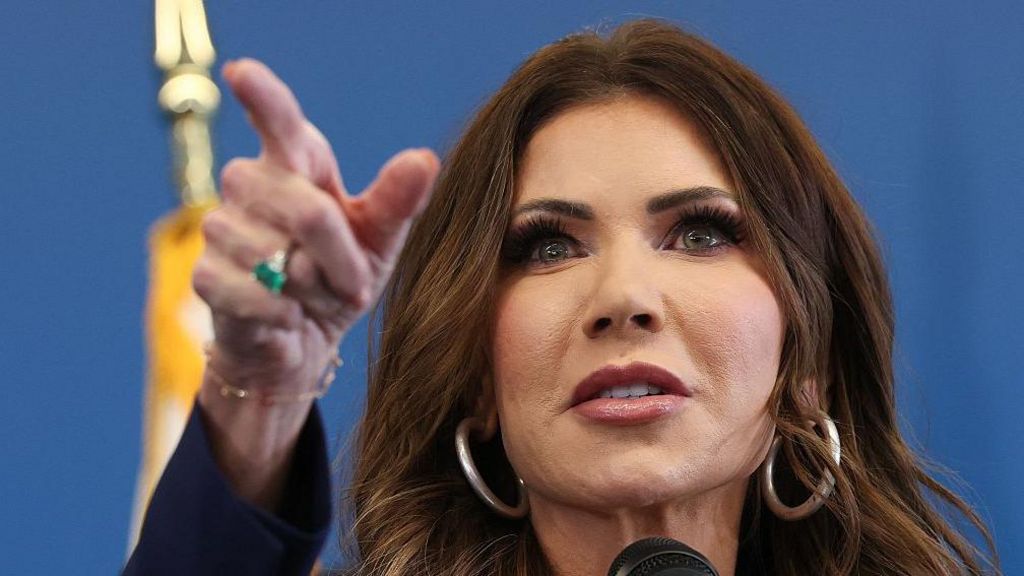
    Homeland Security Secretary Kristi Noem confirmed the deployment during a Fox News interview, stating the reinforcements would ensure safety for ICE and Border Patrol personnel operating in the city. The decision follows the fatal shooting of 37-year-old Renee Nicole Good, who was killed by an ICE agent during what authorities describe as an enforcement operation last Wednesday.

    Contrasting narratives have emerged regarding the circumstances of the shooting. Federal authorities maintain the agent acted in self-defense, while local officials assert Good posed no imminent threat. Video evidence shows ICE agents approaching Good’s vehicle in the middle of a street before the confrontation escalated.

    The incident has triggered widespread demonstrations across multiple U.S. cities. Minneapolis witnessed one of the largest gatherings with tens of thousands participating in the ‘ICE out of Minnesota’ rally this past weekend. Parallel protests emerged in Austin, Seattle, New York, and Los Angeles, though Minneapolis Mayor Jacob Frey characterized his city’s protest as peaceful despite 31 arrests over two days.

    Secretary Noem has drawn criticism for characterizing Good’s actions as ‘domestic terrorism,’ claiming the victim had ‘weaponized’ her vehicle against federal agents. Minneapolis Mayor Frey directly contradicted this assessment, telling CNN that video evidence clearly shows ‘a victim is not a domestic terrorist’ but rather someone attempting to execute a three-point turn to escape the scene.

    The political confrontation intensified when Minnesota Senator Tina Smith (D) accused the Trump administration of attempting to ‘cover up what happened here.’ The White House responded through spokesperson Abigail Jackson, accusing Smith of spreading lies that ‘inflame tensions and incite violence against law enforcement officers.’

    Multiple investigations are now underway, including an FBI probe and a separate state-level inquiry initiated after Minnesota officials claimed they were excluded from the federal investigation. The involved agent has been identified as Jonathan Ross, a veteran ICE officer previously injured in the line of duty.

    The escalating situation reflects broader tensions between federal immigration enforcement strategies and local governance, with Minnesota experiencing a significant surge in federal law enforcement presence as the administration intensifies immigration operations in the state.

  • Iran rights group warns of ‘mass killing’, govt calls counter-protests

    Iran rights group warns of ‘mass killing’, govt calls counter-protests

    Iran finds itself at a critical juncture as nationwide protests escalate into one of the most significant challenges to the Islamic Republic’s authority in decades. According to Norway-based Iran Human Rights (IHR), security forces have committed what amounts to “mass killing” with confirmed fatalities reaching 192 protesters, though unverified reports suggest the actual death toll could exceed 2,000 casualties.

    The demonstrations, initially triggered by economic grievances and rising living costs, have transformed into a broad movement against the theocratic establishment that has governed Iran since the 1979 revolution. Despite a comprehensive internet blackout lasting over 72 hours—severely restricting information flow and external communication—protests have continued to intensify across multiple cities.

    Disturbing visual evidence emerged Sunday showing dozens of bodies wrapped in black bags accumulating outside a morgue in Kahrizak, south of Tehran. The authenticated footage depicts grieving relatives searching for loved ones amid what rights organizations describe as a “major international crime against the people of Iran.”

    The Iranian government has responded by characterizing the unrest as “riots” orchestrated by foreign adversaries. President Masoud Pezeshkian accused arch-foes of attempting to escalate violence by importing “terrorists from abroad.” State media has broadcast images of burning buildings and funeral processions for security personnel killed in the clashes.

    In a strategic countermove, authorities have declared three days of national mourning for fallen security forces while organizing pro-government rallies framed as an “Iranian national resistance battle against America and the Zionist regime.” The government maintains that violence has been perpetrated by “urban terrorist criminals” and claims protest numbers are diminishing.

    The situation in Tehran approaches paralysis according to on-ground reports, with skyrocketing food prices, shuttered businesses, and early closures due to massive security deployments. More than 2,600 protesters have been arrested according to IHR estimates.

    Internationally, the son of Iran’s ousted shah has expressed readiness to return and lead a democratic transition, while U.S. President Donald Trump has threatened military action should the crackdown intensify. Iranian officials have warned that U.S. military and shipping would become “legitimate targets” in response to any American intervention.