分类: politics

  • Hong Kong court hears sentencing arguments for Jimmy Lai

    Hong Kong court hears sentencing arguments for Jimmy Lai

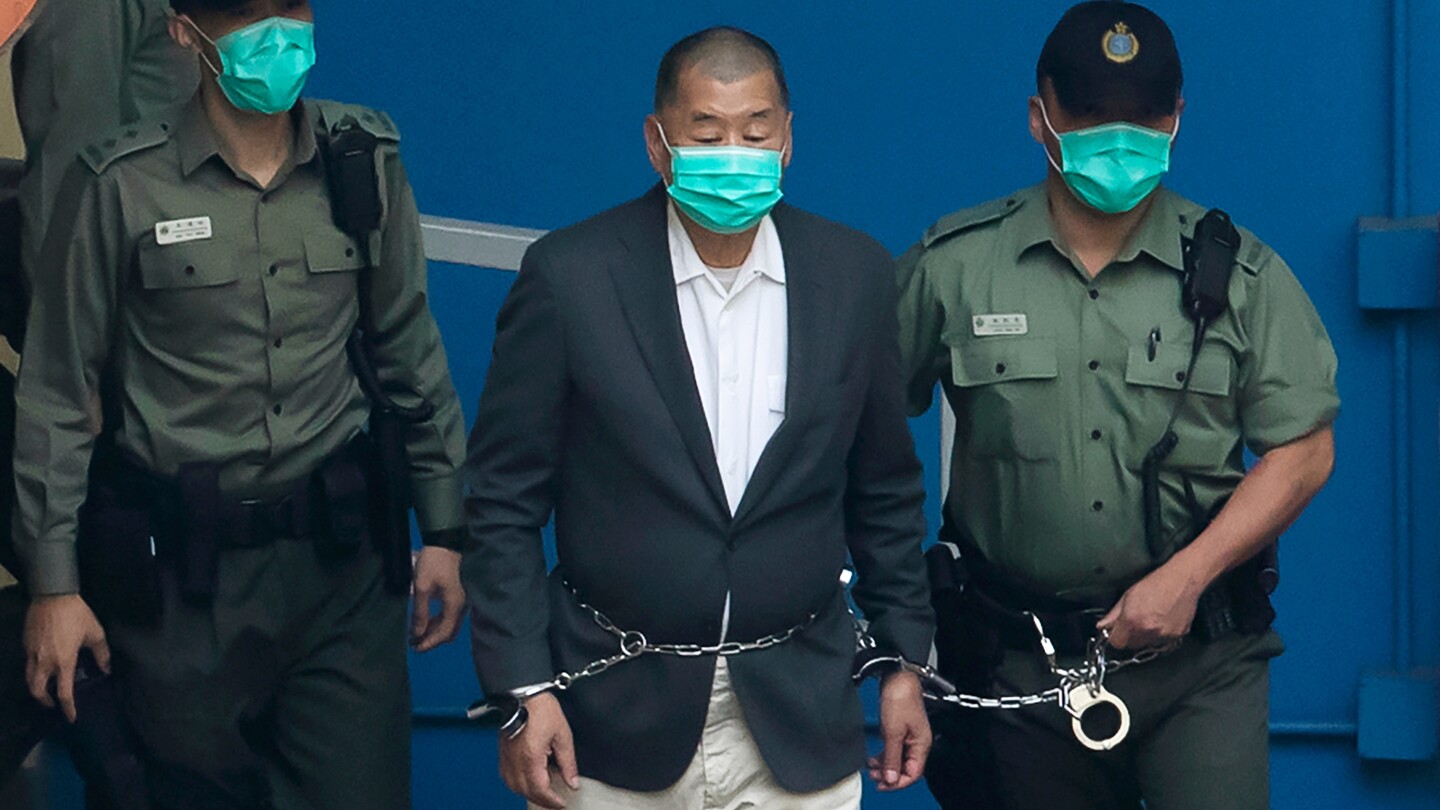
    A Hong Kong courtroom became the focal point of international attention as sentencing proceedings commenced against Jimmy Lai, the 78-year-old pro-democracy media magnate convicted under the city’s national security legislation. The High Court began hearing arguments that will determine whether Lai faces life imprisonment for crimes against national security.

    The three-judge panel presided over the landmark case that saw Lai convicted last month on two counts of conspiracy to commit collusion with foreign forces. These charges stem from the controversial national security law implemented by Beijing in 2020 following widespread pro-democracy protests. Additionally, Lai was found guilty of publishing seditious materials through his now-defunct Apple Daily newspaper.

    In their extensive 856-page verdict, the judiciary asserted that Lai maintained ‘resentment and hatred of China throughout many of his adult years’ and actively pursued ‘the downfall of the Chinese Communist Party.’ The national security legislation mandates severe penalties, with grave collusion offenses carrying sentences ranging from ten years to life imprisonment.

    The proceedings attracted significant public attention, with dozens queuing outside West Kowloon Courthouse over the weekend hoping to secure seating in the public gallery. Meanwhile, the case has drawn sharp international criticism, with the UK government—Lai holds British citizenship—denouncing the prosecution as ‘politically motivated’ and demanding his immediate release. Former US President Donald Trump previously acknowledged discussing Lai’s case with Chinese leader Xi Jinping.

    Health concerns surrounding the incarcerated tycoon have emerged as a secondary narrative. Lai’s children reported their diabetic father has experienced substantial weight loss and shows signs of deteriorating physical health during his detention since 2020. Hong Kong authorities maintain he receives adequate medical care and is held in solitary confinement at his own request.

    The case has become emblematic of Hong Kong’s transformed legal landscape under the national security framework. Official statistics reveal 385 individuals have been arrested under the security law since its implementation, with 175 convictions recorded as of January 1. Recent data indicates a concerning escalation, with nearly 70 national security arrests made last year alone—more than double the previous year’s figures.

    Judicial authorities have allocated four days for sentencing arguments, with a final ruling expected to be announced subsequently. Lai retains the right to appeal whatever sentence is ultimately imposed.
  • Off the ballot, Ugandan president’s son waits in the wings this election

    Off the ballot, Ugandan president’s son waits in the wings this election

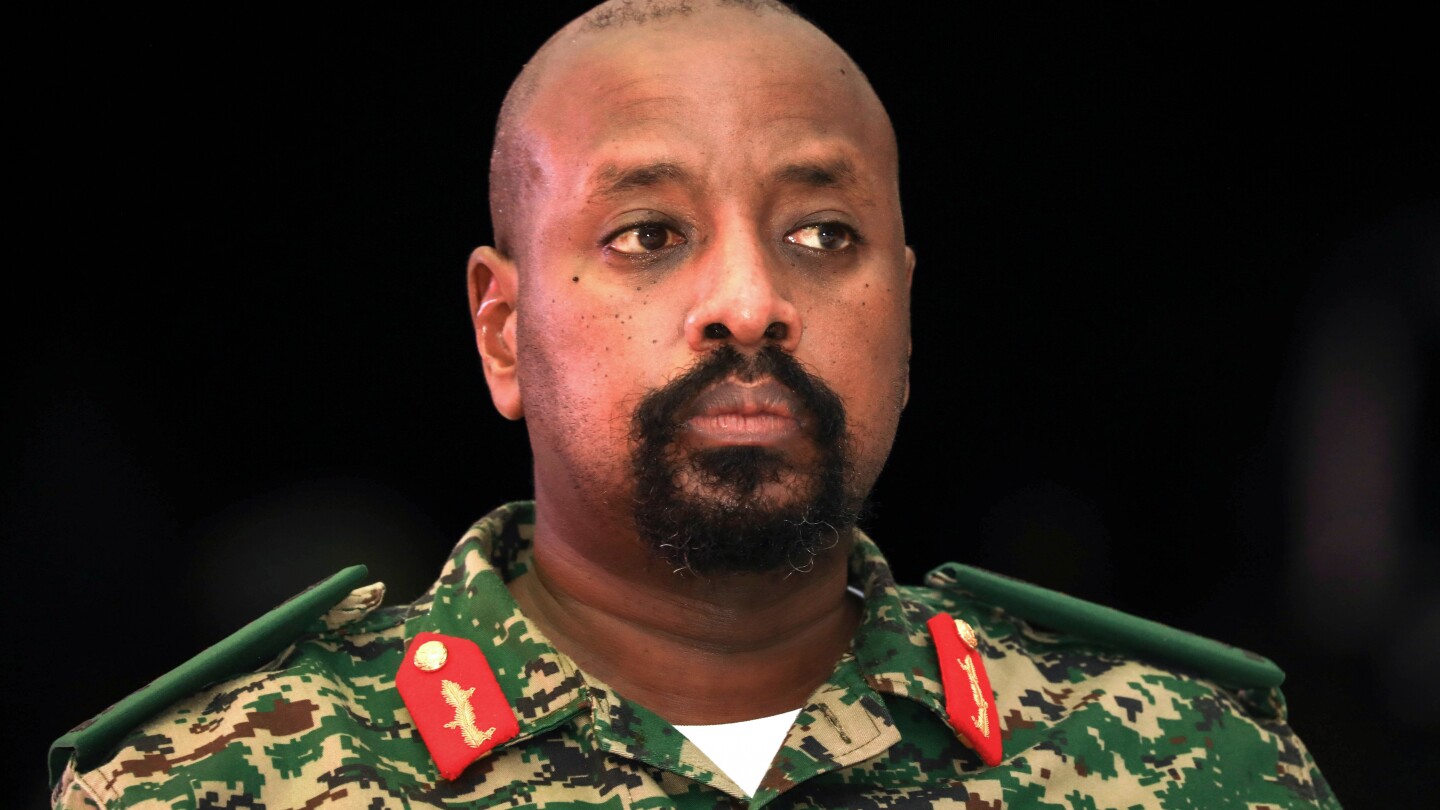
    As Uganda approaches its pivotal elections, the nation’s political landscape is dominated by a figure not formally on the ballot: Muhoozi Kainerugaba, the president’s son and top military commander. While stepping aside to allow his father, Yoweri Museveni, to pursue an unprecedented seventh term that would extend his rule toward five decades, General Kainerugaba maintains immense influence as the primary enforcer of his father’s regime.

    The four-star general’s appointment as army chief nearly two years ago temporarily suspended his political ambitions—though critics suggest this pause lasts only as long as Museveni desires to remain in power. Many citizens now accept the inevitability of hereditary leadership, despite previous government denials of a covert ‘Muhoozi Project’ aimed at securing dynastic succession.

    Kainerugaba has been remarkably transparent about his presidential aspirations, declaring on social media platform X in 2023: ‘I will be President of Uganda after my father. Those fighting the truth will be very disappointed.’

    His authority has expanded significantly since February 2024, when the president delegated substantial commander-in-chief powers to the military leadership. This unprecedented transfer enables Kainerugaba to promote high-ranking officers and establish new army departments, granting him more influence than any previous military commander.

    According to Mwambutsya Ndebesa, a political historian at Makerere University, constitutional change appears increasingly unlikely. ‘Elections just waste time, legitimizing authority but not intended as democratic goals,’ Ndebesa observed. ‘Any transition from Museveni will be determined by the military high command.’

    A burgeoning personality cult surrounds Kainerugaba, complete with public birthday celebrations and political campaigns featuring his Patriotic League of Uganda emblem. Parliament Speaker Anita Among notably referred to him as ‘God the Son,’ highlighting his elevated status within Uganda’s power structure.

    Critics point to Kainerugaba’s inflammatory behavior, including social media threats against opposition figures like Bobi Wine—whom he threatened to behead—and Kizza Besigye, whom he suggested should be hanged ‘in broad daylight.’ These outbursts occasionally prompted disciplinary action, such as his temporary removal from military duties in 2022 after threatening to invade Nairobi.

    Amnesty International reports security forces are conducting a ‘brutal campaign of repression,’ citing incidents like the November 28 rally where military forces blocked exits and opened fire on crowds, resulting in one death.

    Despite overwhelming support within the regime, retired Major General Kahinda Otafiire—a longtime Museveni ally—stands as a rare voice against hereditary succession. Serving as interior minister, Otafiire advocates for merit-based leadership, warning that dynastic rule would undermine democratic principles fought for during Uganda’s liberation struggle.

    The military’s dominance in Ugandan politics suggests any future transition will be determined less by electoral processes and more by internal power dynamics within the security establishment.

  • Powell says Federal Reserve subpoenaed by US Justice Department

    Powell says Federal Reserve subpoenaed by US Justice Department

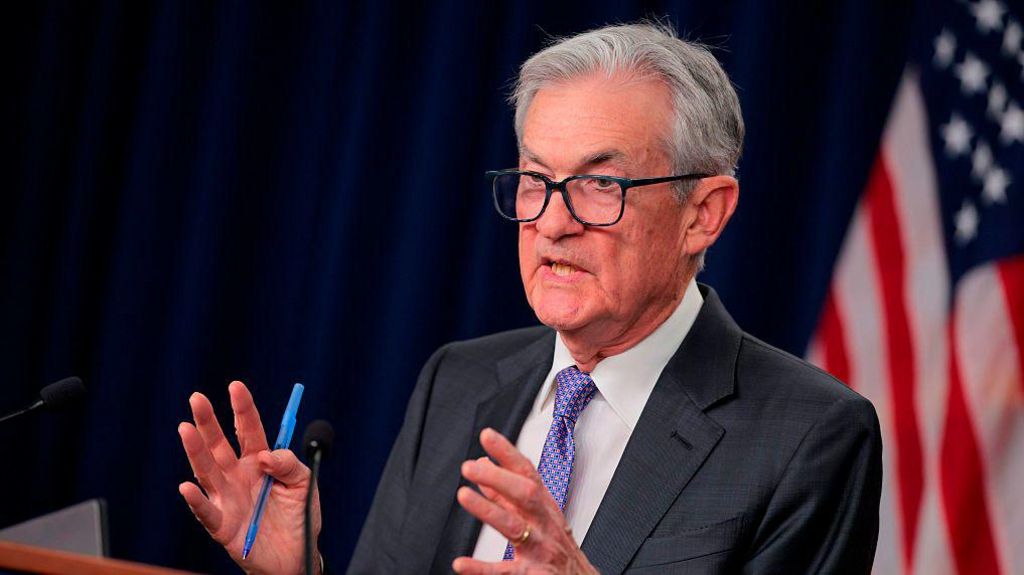
    Federal Reserve Chairman Jerome Powell disclosed on Sunday that the central bank has received grand jury subpoenas from the U.S. Justice Department, characterizing the action as an unprecedented escalation of presidential pressure on monetary policy independence. The subpoenas, delivered Friday, threatened criminal indictment related to Powell’s June Senate testimony concerning substantial cost overruns in the Federal Reserve’s headquarters renovation project.

    Powell dismissed the legal threats as ‘pretexts’ and directly linked them to the Fed’s interest rate decisions. ‘The threat of criminal charges is a consequence of the Federal Reserve setting interest rates based on our best assessment of what will serve the public, rather than following the preferences of the President,’ Powell stated, adding that ‘this unprecedented action should be seen in the broader context of the administration’s threats and ongoing pressure.’

    The revelation comes amid persistent criticism from President Trump, who has repeatedly demanded faster interest rate cuts despite the Fed’s traditional independence. Trump denied knowledge of the Justice Department’s investigation, telling NBC, ‘I don’t know anything about it, but he’s certainly not very good at the Fed, and he’s not very good at building buildings.’

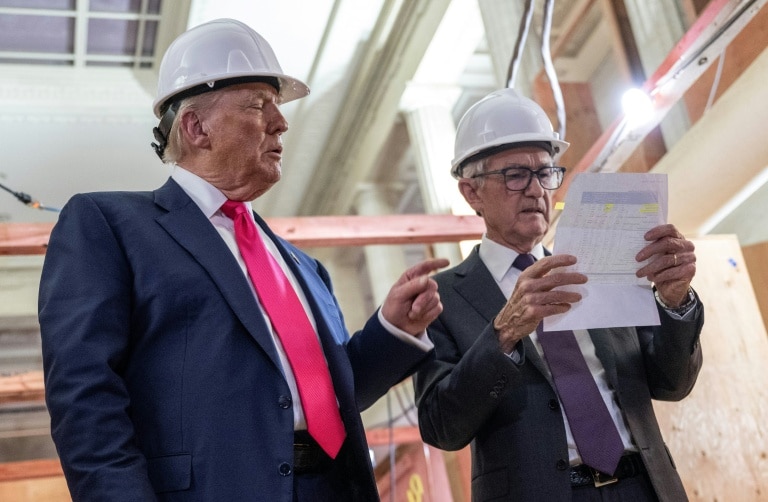
    The headquarters renovation has become a focal point of contention, with costs ballooning by $600 million from an initial $1.9 billion estimate. Security enhancements including blast-resistant windows and structural reinforcements against explosions have contributed significantly to the overruns. During an unusual July visit to the construction site, Trump and Powell openly argued about the project’s escalating costs.

    Lawmakers from both parties condemned the Justice Department’s action. Republican Senator Thom Tillis warned that ‘the independence and credibility of the Department of Justice are now in question,’ pledging to block confirmation of any Fed nominees until the matter is resolved. Democratic Senator Elizabeth Warren accused Trump of attempting ‘to complete his corrupt takeover’ of the central bank by potentially replacing Powell with a ‘sock puppet.’

    With Powell’s term ending in May, Trump has indicated he would evaluate potential successors based on their willingness to implement immediate rate cuts, further challenging the institution’s nonpartisan tradition of serving under both Democratic and Republican administrations.

  • US justice department opens criminal probe into Fed chair Jerome Powell

    US justice department opens criminal probe into Fed chair Jerome Powell

    Federal Reserve Chairman Jerome Powell disclosed on Sunday that federal prosecutors have initiated a criminal investigation targeting his congressional testimony regarding Federal Reserve building renovations. The unprecedented probe, announced via video statement, involves subpoenas served to the agency by the U.S. Justice Department and includes threats of criminal indictment.

    Powell characterized the investigation as retaliatory, suggesting it stems directly from his refusal to accelerate interest rate cuts despite sustained public pressure from President Donald Trump. ‘This is about whether the Fed will be able to continue to set interest rates based on evidence and economic conditions, or whether instead monetary policy will be directed by political pressure or intimidation,’ Powell stated.

    While affirming his ‘deep respect for the rule of law and accountability,’ Powell contextualized the Justice Department’s action within what he described as the administration’s pattern of threats and ongoing pressure campaigns. The Fed chair becomes the latest high-profile figure to clash with the president and subsequently face criminal investigation.

    The confrontation between Powell and Trump escalated throughout 2025, with the president repeatedly criticizing the Fed chair’s pace of interest rate reductions despite three separate cuts implemented in the latter half of the year.

    Senator Thom Tillis (R-N.C.), a member of the Senate Banking Committee, announced he would block all Federal Reserve Board nominations—including Powell’s potential replacement—until the legal matter is resolved. In a strongly worded statement, Tillis warned that ‘if there were any remaining doubt whether advisers within the Trump Administration are actively pushing to end the independence of the Federal Reserve, there should now be none,’ adding that ‘it is now the independence and credibility of the Department of Justice that are in question.’

    According to initial reporting by The New York Times, the investigation will be supervised by the U.S. Attorney’s Office for the District of Columbia.

  • Maduro’s fall raises Venezuelans’ hopes for economic bounty

    Maduro’s fall raises Venezuelans’ hopes for economic bounty

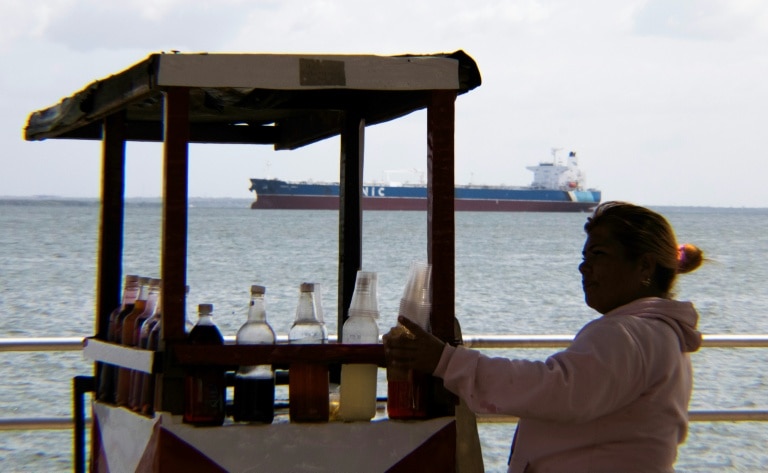
    Venezuela’s economic landscape has undergone a dramatic transformation following the U.S. military operation that resulted in the deposition of Nicolás Maduro. The sudden political shift has ignited widespread hope among citizens that renewed oil exports to the United States could reverse the nation’s profound economic crisis.

    The nighttime raid on Caracas, while shocking to many observers, has fundamentally altered Venezuela’s economic prospects according to analysts. Interim leader Delcy Rodríguez, while maintaining that Venezuela remains independent from Washington, has committed to cooperating on oil matters—a significant departure from Maduro’s administration that relied heavily on cryptocurrency schemes amid crippling hyperinflation that devastated citizens’ purchasing power.

    Prior to these developments, bilateral relations had reached their lowest point in decades. U.S. sanctions and tanker seizures had severely constrained Venezuela’s oil industry, forcing the country to sell petroleum to allies like China and Russia at discounts of up to 50 percent. The industry suffered from critically low production and export levels during this period.

    Energy sector experts indicate that rapprochement between the two nations could trigger eased sanctions, restored oil exports, and revitalized cash flows. State-owned PDVSA is currently negotiating crude sales arrangements similar to those extended to Chevron—the sole U.S. company previously exempted from Venezuelan oil sanctions. Former President Trump’s executive order protecting Venezuelan oil revenue in U.S. Treasury accounts from creditors has further facilitated this process.

    Economic analysts project remarkable growth potential, noting that petroleum represents 87 percent of Venezuela’s foreign currency earnings. Some independent economists forecast a 30 percent economic expansion—double the growth rate of the past two years. This optimism has already manifested in preliminary economic reactivation, with traders reporting increased commercial activity and stabilized dollar payments following weeks of rampant currency speculation.

    However, experts caution that Venezuela’s recovery remains fragile. The country stands on the brink of hyperinflation, requiring careful management of exchange rates and monetary policy. Significant challenges persist, including the need for approximately $100 billion annually to rebuild the crippled oil infrastructure. The nation’s economic future now hinges on continued diplomatic negotiations and substantial foreign investment, particularly from U.S. energy companies.

    As Venezuela navigates this unprecedented political and economic transition, the interdependence between geopolitical developments and financial stability has never been more apparent. The success of this new chapter will depend on sustained diplomatic engagement and the careful implementation of economic reforms.

  • Trump ‘inclined’ to keep ExxonMobil out of Venezuela after CEO response at White House meeting

    Trump ‘inclined’ to keep ExxonMobil out of Venezuela after CEO response at White House meeting

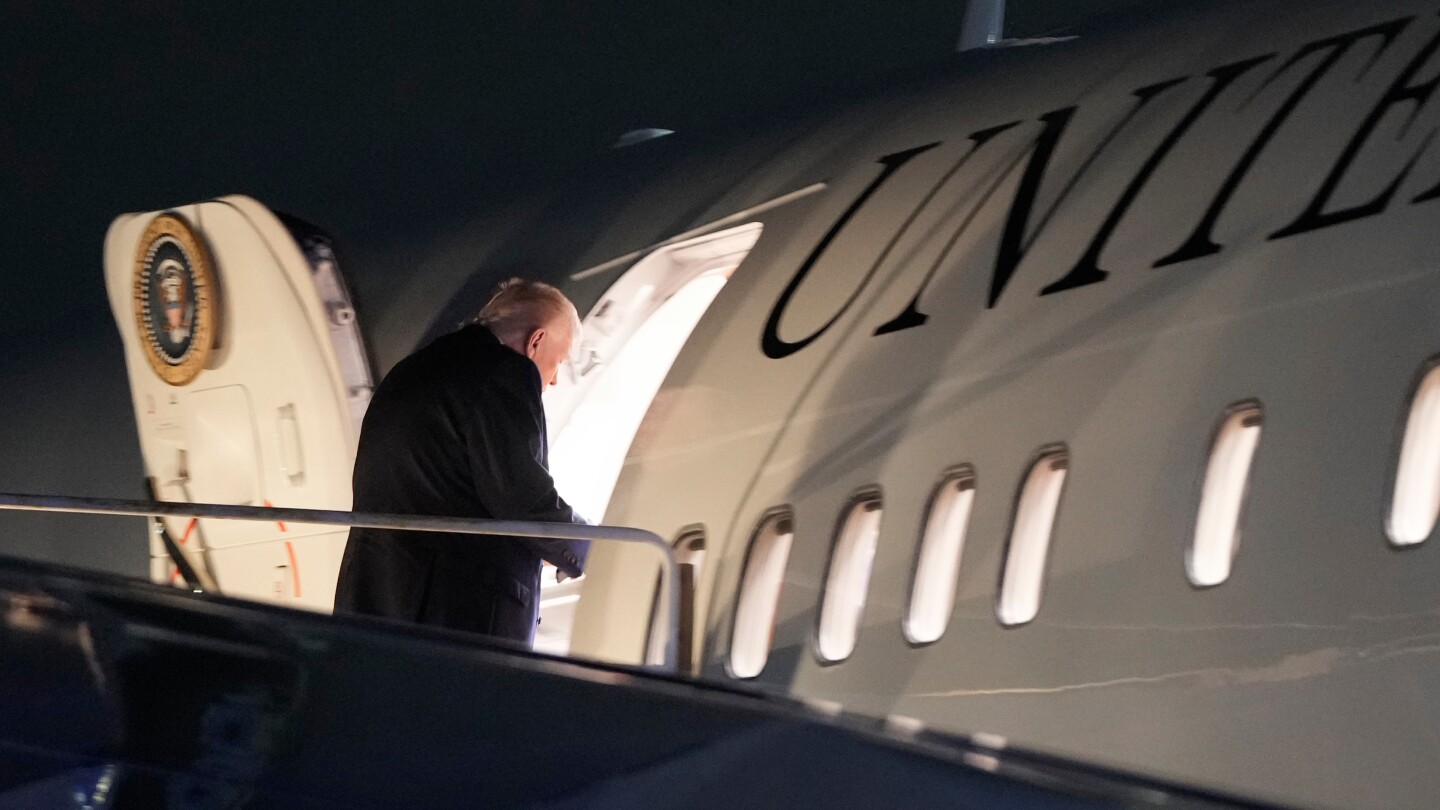
    ABOARD AIR FORCE ONE — President Donald Trump expressed strong reservations about allowing ExxonMobil to participate in Venezuela’s oil sector following critical comments from the company’s leadership. Speaking to journalists aboard Air Force One en route from West Palm Beach, Florida, Trump revealed his dissatisfaction with the oil giant’s stance, characterizing their position as “playing too cute” with investment opportunities.

    The administration’s push for energy sector engagement follows the political transition from former President Nicolás Maduro. During a high-level meeting with petroleum executives on Friday, Trump attempted to alleviate corporate concerns by assuring direct negotiation channels with the United States government rather than Venezuelan authorities.

    ExxonMobil CEO Darren Woods presented a contrasting view, stating current commercial frameworks in Venezuela render the country “uninvestable” under existing conditions. The corporation’s representatives declined immediate commentary when contacted Sunday regarding Trump’s remarks.

    In parallel developments, the President signed an executive order Friday designed to shield Venezuelan oil revenues from potential judicial seizure. The order, publicly disclosed Saturday, argues that asset protection is essential for maintaining U.S. stabilization efforts amid Venezuela’s history of resource nationalization, ongoing sanctions, and prolonged political volatility.

    The White House has prioritized energy infrastructure rehabilitation as a cornerstone of its Venezuela policy, implementing measures including tanker interdictions and assuming control over global sales of 30-50 million barrels of previously sanctioned crude oil indefinitely.

  • Hong Kong court to hear plea for lighter sentence in pro-democracy ex-media mogul Jimmy Lai’s case

    Hong Kong court to hear plea for lighter sentence in pro-democracy ex-media mogul Jimmy Lai’s case

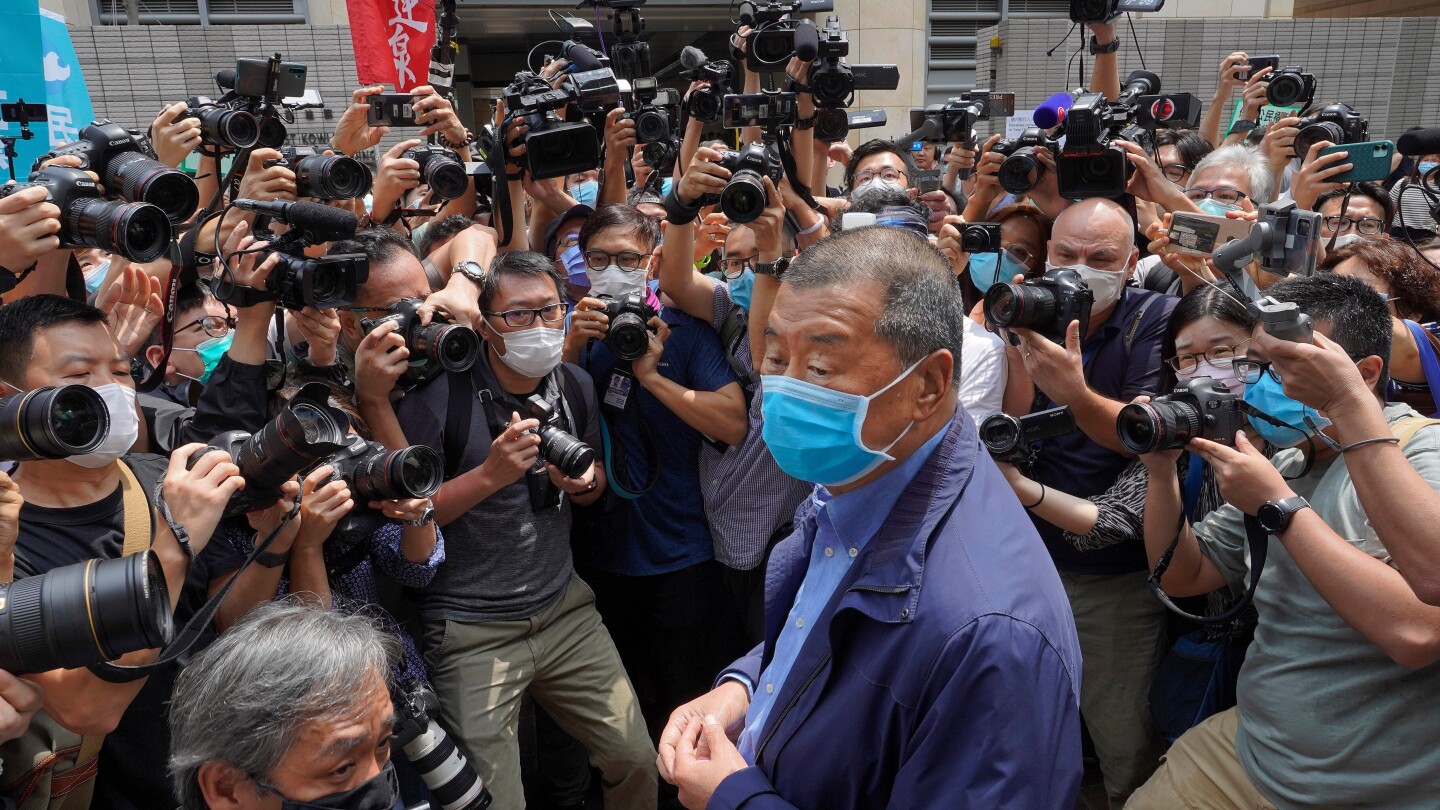
    A Hong Kong courtroom became the focal point of international attention on Monday as proceedings commenced to determine the sentencing of prominent democracy advocate and former media magnate Jimmy Lai. The 78-year-old founder of the shuttered Apple Daily newspaper faces potential life imprisonment following his December conviction under Hong Kong’s national security legislation.

    The judicial panel convened for a four-day mitigation hearing during which Lai and several co-defendants will present arguments seeking reduced sentences. The case stems from Lai’s 2020 arrest under the security law implemented by Beijing following widespread anti-government protests that engulfed Hong Kong in 2019.

    Lai was convicted on two counts of conspiracy to collude with foreign forces and one count of conspiracy to publish seditious materials. Despite pleading not guilty to all charges, three government-vetted judges determined Lai served as the mastermind behind coordinated efforts to undermine China’s ruling Communist Party through foreign intervention.

    The verdict has ignited international concern regarding press freedom in Hong Kong, which returned to Chinese sovereignty in 1997. Several Western governments, including the United States and Britain, have criticized the outcome, with both former President Donald Trump and current British Prime Minister Keir Starmer expressing particular concern given Lai’s status as a British citizen.

    Outside the courthouse, dozens of supporters gathered before sunrise, with some queuing since Friday to secure seating in the public gallery. Retiree Simon Ng, a former Apple Daily reader, expressed his desire to show solidarity: ‘I want to let him know that he’s not alone. Many people support him.’

    Six former Apple Daily executives and two activists involved in the case have entered guilty pleas, admitting to conspiring with Lai to request foreign sanctions. These individuals, who testified as prosecution witnesses during the 156-day trial, may receive reduced sentences under provisions that reward cooperation with authorities.

    Lai has already spent five years in custody, during which his health has reportedly deteriorated. His legal team previously informed the court of heart palpitations, though government medical examinations found no abnormalities. His daughter Claire has stated that Lai would focus on religious devotion and family life rather than political activism if released.

  • Israel calls on EU to label Iran’s Revolutionary Guards as ‘terrorist organisation’

    Israel calls on EU to label Iran’s Revolutionary Guards as ‘terrorist organisation’

    In a significant diplomatic move, Israeli Foreign Minister Gideon Saar has formally called upon the European Union to classify Iran’s Revolutionary Guards Corps as a terrorist organization. The appeal was made during a meeting with German Interior Minister Alexander Dobrindt on Sunday, January 11, 2026.

    Saar took to social media platform X to publicly announce his position, stating he had explicitly conveyed to Minister Dobrindt that the current geopolitical climate necessitates immediate action from EU member states. The Israeli diplomat emphasized that designating the Iranian military force as a terrorist entity represents an urgent priority for regional security.

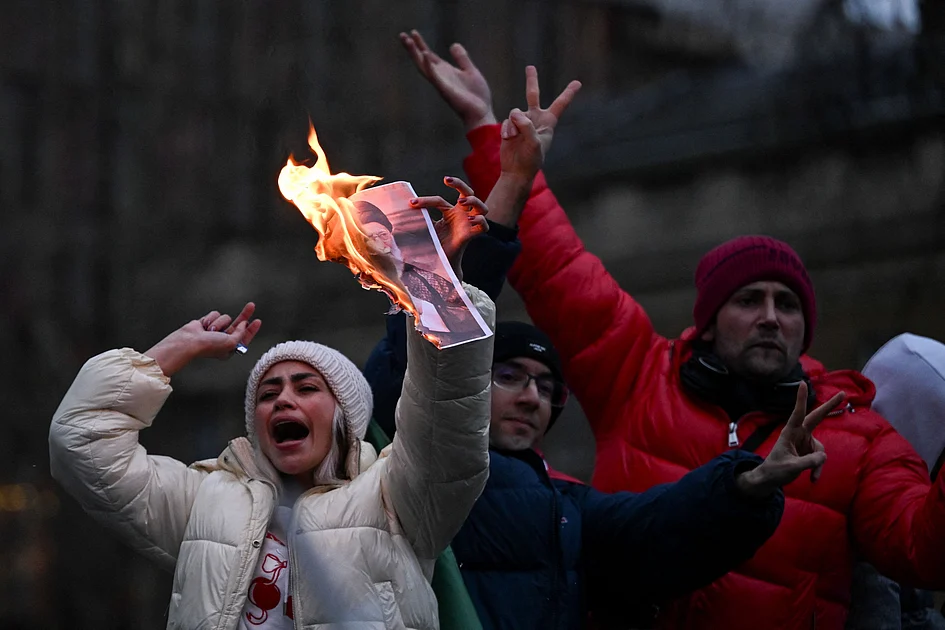
    The development occurs amid growing international concern over Iran’s alleged use of violence against domestic protesters. Multiple human rights organizations have documented suspected instances of state-sponsored suppression of dissent within the Islamic republic, though Iranian authorities have consistently denied these allegations.

    Germany has historically maintained support for such designation, and Saar noted that recent events have made the necessity of this measure apparent to a broader international audience. The Israeli government believes coordinated European action against Iran’s Revolutionary Guards would significantly impact Tehran’s military capabilities and regional influence.

    This diplomatic initiative reflects escalating tensions between Israel and Iran, with potential implications for Middle Eastern geopolitics and EU-Iran relations. The European Union has yet to issue an official response regarding whether it will consider Israel’s formal request.

  • He once criticised African leaders who cling to power. Now he wants a seventh term

    He once criticised African leaders who cling to power. Now he wants a seventh term

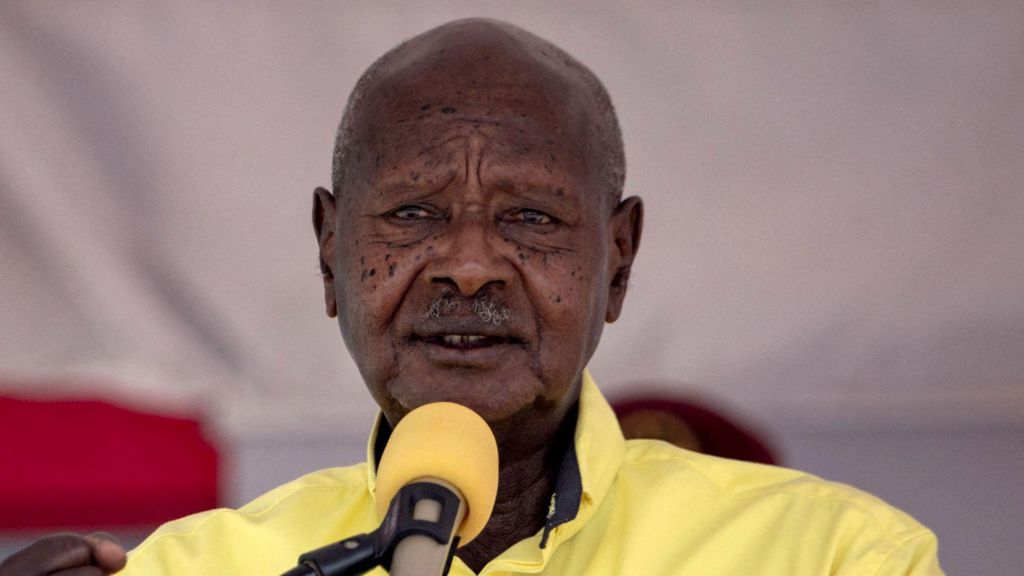
    President Yoweri Museveni’s remarkable 38-year tenure continues to define Uganda’s political landscape, with over three-quarters of the population having never experienced alternative leadership. The 81-year-old leader, who assumed power through armed rebellion in 1986, maintains firm control despite growing international concern about democratic backsliding.

    Museveni’s administration has delivered notable achievements including sustained economic growth averaging over 6% annually for a decade, doubled primary school enrollment, and successful HIV/AIDS mitigation programs. These developments initially positioned him as a favored partner among Western nations. However, his governance approach has increasingly drawn criticism for systematically undermining democratic institutions and political opposition.

    The constitutional landscape has evolved significantly during Museveni’s rule. In 2005, term limits were abolished, followed by the 2017 elimination of presidential age restrictions—a controversial move that sparked violent parliamentary clashes. These changes have effectively paved the way for potential lifelong presidency.

    Opposition figures face severe challenges under Museveni’s regime. Dr. Kizza Besigye, the president’s former personal physician turned political rival, has endured repeated arrests and prosecutions since first challenging Museveni in 2001. Most recently, he mysteriously disappeared in Nairobi only to reappear in Ugandan military custody. Contemporary opposition leader Bobi Wine, leveraging his celebrity status to mobilize youth support, has faced similar persecution including treason charges and violent suppression of his gatherings.

    International observers have documented concerning patterns of state violence. United Nations reports indicate security forces routinely employ live ammunition against peaceful assemblies and utilize unmarked vehicles for abductions. The judiciary faces allegations of compromised independence through the appointment of ‘cadre judges’ loyal to the administration.

    The president’s family has assumed prominent roles within government structures. First Lady Janet Museveni serves as Education Minister while their son General Muhoozi Kainerugaba commands the military. The recent enlistment of Museveni’s grandson has further fueled concerns about dynastic succession planning.

    Despite these developments, Museveni’s supporters highlight Uganda’s relative stability and humanitarian contributions. The nation currently hosts approximately 1.7 million refugees fleeing regional conflicts—a dramatic reversal from Uganda’s historical role as a refugee exporter. The administration continues pursuing foreign investment partnerships with China, the UK, and UAE as part of its Vision 2040 development strategy.

    As Museveni campaigns for a seventh term, he maintains his signature blend of paternalistic rhetoric—referring to young supporters as ‘Bazukulu’ (grandchildren)—and demonstrations of physical vitality. However, questions about succession planning and democratic integrity continue to overshadow his legacy of stability and development.

  • Red lines and increasing self-censorship reshape Hong Kong’s once freewheeling press scene

    Red lines and increasing self-censorship reshape Hong Kong’s once freewheeling press scene

    Hong Kong has experienced one of the most dramatic declines in press freedom globally over the past two decades, plummeting from 18th to 140th position in the World Press Freedom Index. This precipitous drop follows the implementation of Beijing’s national security law in 2020, which has fundamentally reshaped the territory’s media landscape through high-profile prosecutions, newspaper shutdowns, and widespread self-censorship.

    The closure of pro-democracy publication Apple Daily in June 2021 marked a turning point, with authorities freezing assets and raiding offices under the security legislation. Founder Jimmy Lai faces life imprisonment after December convictions for conspiring with foreign forces and publishing seditious materials. Simultaneously, online news platform Stand News met a similar fate, with editors becoming the first journalists since 1997 convicted under colonial-era sedition laws.

    According to Professor Francis Lee of Chinese University of Hong Kong, these cases establish that previously accepted journalistic practices now exceed legal boundaries. “Some advocacy journalism was at least permitted within the legal framework back then. Today, it’s no longer allowed,” Lee noted, referencing the pre-security law era.

    Self-censorship has proliferated beyond political concerns, with mainstream outlets avoiding content that might jeopardize advertising revenue from corporations valuing mainland Chinese market connections. The phenomenon extends throughout society, with potential interviewees increasingly reluctant to speak on record.

    The aftermath of November’s deadly apartment fire that killed 161 people revealed both persistent investigative reporting and renewed constraints. While journalists thoroughly covered safety concerns and government oversight, Beijing’s national security office subsequently summoned foreign media outlets including AP, accusing them of spreading false information about relief efforts and legislative elections.

    Hong Kong Journalists Association chairperson Selina Cheng described increasingly covert pressure on public discourse, noting that balanced reporting now requires disproportionate emphasis on pro-government perspectives. Beyond content restrictions, journalists face alleged tax audits and harassment, though authorities maintain investigations are impartial.

    Despite these challenges, the journalists’ association reported a slight rebound in press freedom ratings in October, suggesting some adaptation to the narrowed operational space. As Professor Lee concluded, “Today’s situation is far from the previous state of freedom. Self-censorship throughout society is severe. Yet some media outlets are still finding ways.”