分类: politics

  • US Fed Chair Powell under investigation

    US Fed Chair Powell under investigation

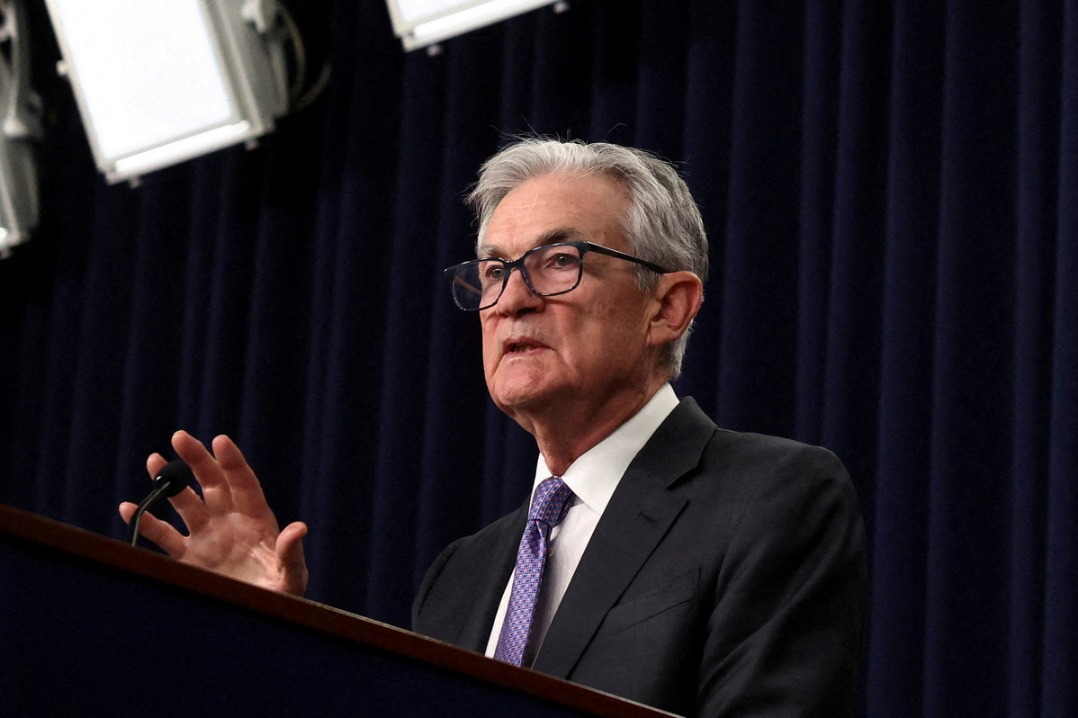
    Federal Reserve Chairman Jerome Powell is under criminal investigation by the U.S. Department of Justice regarding his congressional testimony about the central bank’s multi-billion dollar headquarters renovation project, marking an unprecedented escalation of tensions between the nation’s monetary authority and the executive branch.

    In a dramatic Sunday evening statement posted on the Federal Reserve’s official website, Powell confirmed that federal prosecutors had served the central bank with grand jury subpoenas on Friday, threatening criminal indictment related to his June testimony before the Senate Banking Committee. The investigation, overseen by the U.S. Attorney’s Office for the District of Columbia according to local media reports, centers on Powell’s statements concerning the extensive renovation of historic Federal Reserve office buildings.

    Powell framed the investigation as political retaliation, stating: ‘This unprecedented action should be seen in the broader context of the administration’s threats and ongoing pressure.’ He explicitly connected the legal threat to the Fed’s interest rate decisions, asserting that ‘the threat of criminal charges is a consequence of the Federal Reserve setting interest rates based on our best assessment of what will serve the public, rather than following the preferences of the President.’

    The Fed chairman emphasized the fundamental principle of central bank independence, warning that ‘this is about whether the Fed will be able to continue to set interest rates based on evidence and economic conditions—or whether instead monetary policy will be directed by political pressure or intimidation.’ Despite the investigation, Powell vowed to ‘continue to do the job the Senate confirmed me to do, with integrity and a commitment to serving the American people.’

    The investigation emerges against a backdrop of sustained tension between Powell and President Donald Trump, who has repeatedly criticized the Fed chairman’s interest rate decisions since taking office in January 2025. Powell, initially appointed by Trump in 2018 and reappointed by former President Joe Biden in 2022, is serving a term scheduled to expire in May 2026.
  • US military action in Venezuela draws flak

    US military action in Venezuela draws flak

    A controversial US military operation resulting in the capture of Venezuelan President Nicolas Maduro has drawn significant criticism from foreign policy experts, who question both its legality and underlying motivations. The intervention, which involved direct strikes on Venezuelan territory and the forcible seizure of the national leader, has ignited intense debate regarding its implications for international norms and regional stability in Latin America.

    During a recent panel discussion at the Brookings Institution, prominent analysts expressed deep concerns about the Trump administration’s approach. Vanda Felbab-Brown, director of the initiative on nonstate armed actors, characterized the operation as reflecting a “19th-century imperialist Yankee domination agenda” that fails to address Venezuela’s fundamental governance challenges. She warned of the high potential for either prolonged stagnation or explosive violence across the country as a consequence of such unilateral action.

    Thomas Wright, a senior fellow in foreign policy, condemned what he described as the operation’s “extractive domination element,” arguing that it represents a departure from normative diplomatic principles. The criticism extended to legal dimensions, with fellow expert Scott R. Anderson highlighting the contentious nature of the intervention under international law and its destabilizing effect on global order.

    The domestic response has included legislative pushback, with the US Senate advancing a War Powers Resolution by January 8th to limit further military involvement. Parallel concerns were echoed at the Center for Strategic and International Studies, where Deputy Director of the Americas Program Christopher Hernandez-Roy criticized the coercive methodology as essentially forcing compliance through threat of additional military action.

    Energy and geopolitics specialist Clayton Seigle emphasized that political stability remains the paramount requirement for Venezuela’s future, noting that recent events have failed to clarify the outlook for genuine stability. The administration’s statements, including President Trump’s assertion that Washington would “run” the country if necessary and Secretary of State Marco Rubio’s outline of US-imposed stability phases, have further fueled debates about the true motives behind the intervention.

  • ICE feels heat after Minneapolis shooting

    ICE feels heat after Minneapolis shooting

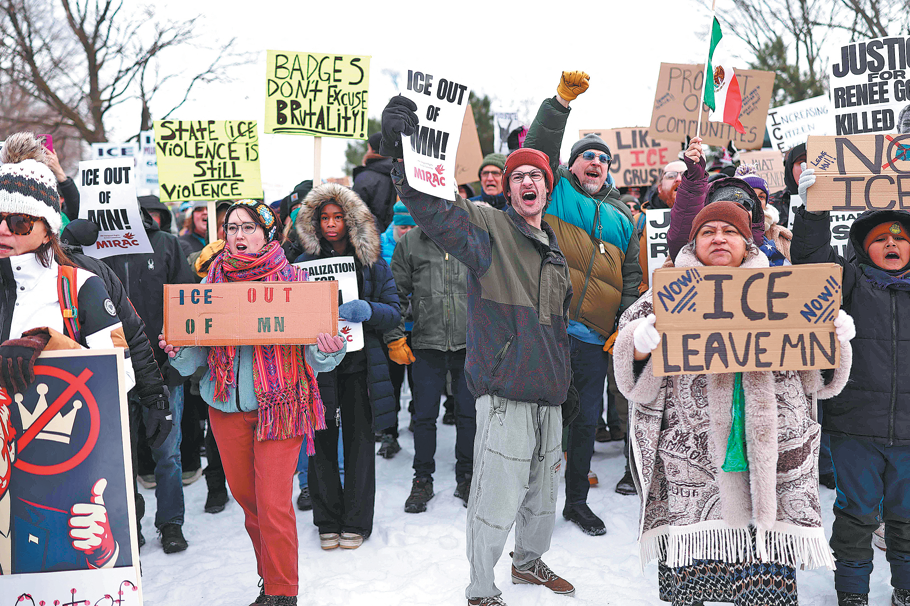
    MINNEAPOLIS/NEW YORK — A massive wave of civil demonstrations swept across the United States this weekend as tens of thousands of protesters mobilized in response to the fatal shooting of Renee Nicole Good, a 37-year-old mother, by a U.S. Immigration and Customs Enforcement (ICE) agent. The incident, which occurred last Wednesday in Minneapolis, has ignited nationwide condemnation and intensified the ongoing debate surrounding federal immigration enforcement practices.

    Under the unifying banner “ICE, Out for Good,” organizers coordinated more than 1,000 rallies and vigils from coast to coast. Major urban centers including New York, Washington D.C., Boston, Philadelphia, Chicago, and Seattle witnessed significant public gatherings. While some events featured candlelight vigils honoring Good’s memory, others involved direct marches to ICE field offices demanding structural reform and accountability.

    The Minneapolis shooting has exposed deepening tensions between federal immigration authorities and local communities. The Trump administration maintains that the agent acted in self-defense, a claim vigorously contested by Minnesota officials who cite video evidence suggesting Good’s vehicle was moving away from the agent when shots were fired.

    This tragedy occurred amidst the administration’s largest immigration operation to date, which deployed approximately 2,000 agents to Minneapolis and neighboring St. Paul. The 30-day enforcement initiative specifically targets alleged immigration violations within the local Somali immigrant community, creating what critics describe as an atmosphere of widespread fear and community distrust.

    Civil rights organizations have amplified their criticisms following the incident. The American Civil Liberties Union characterized the shooting as symptomatic of broader systemic issues within federal immigration enforcement. Meanwhile, protest organizers emphasized that ICE’s actions have tangible human consequences affecting real families and communities.

    The nationwide mobilization reflects growing public skepticism toward current immigration enforcement methodologies and signals increasing pressure on federal authorities to reconsider their approach to community interactions and deportation procedures.

  • Tokyo urged to mend relations with Beijing

    Tokyo urged to mend relations with Beijing

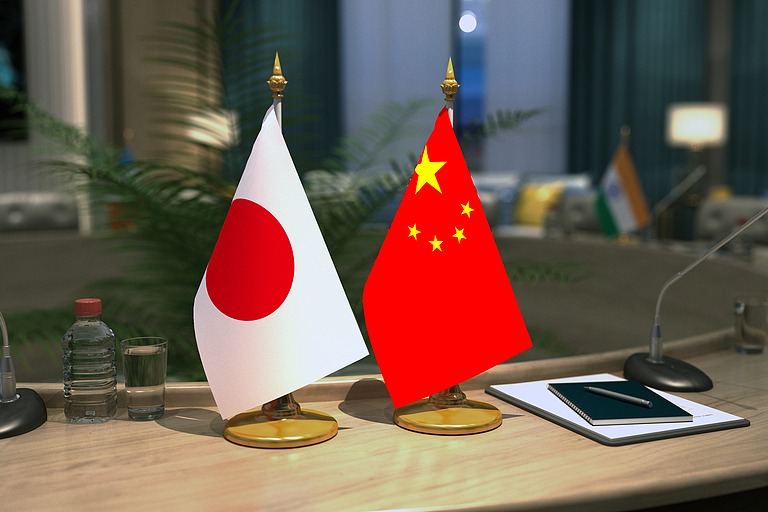
    Japan’s business and academic leaders are issuing urgent appeals for diplomatic reconciliation with Beijing following China’s imposition of stringent export controls on dual-use technologies. The measures, enacted in response to Japanese Prime Minister Sanae Takaichi’s controversial statements regarding Taiwan, threaten to severely disrupt Japan’s manufacturing supply chains and potentially trigger broader economic consequences.

  • New US ambassador to India pushes for deeper trade ties despite tension over Russian oil

    New US ambassador to India pushes for deeper trade ties despite tension over Russian oil

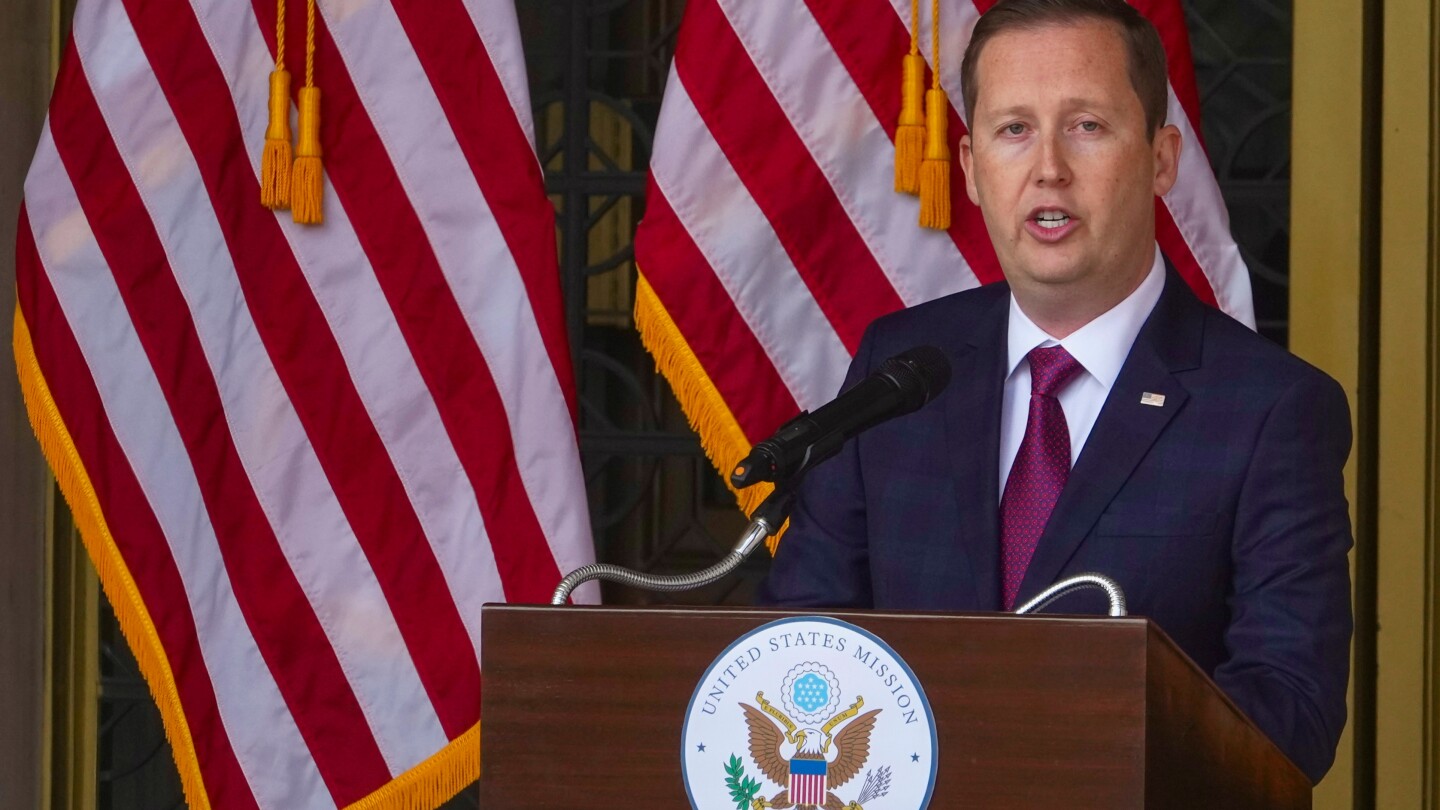
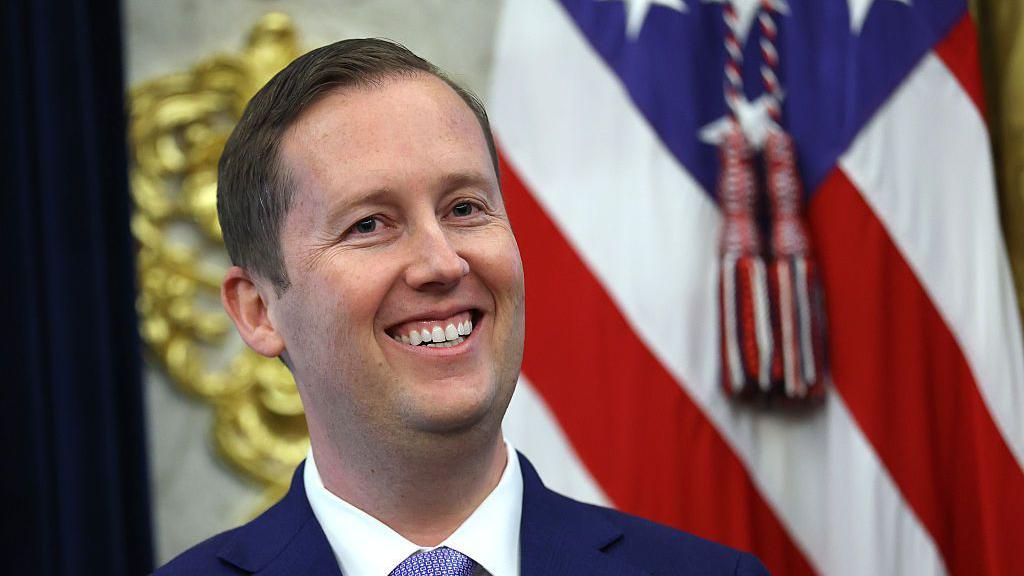
    NEW DELHI — The United States and India are intensifying efforts to finalize a comprehensive bilateral trade agreement despite ongoing tensions over New Delhi’s continued purchases of Russian crude oil. Sergio Gor, the newly appointed U.S. ambassador-designate to India, confirmed ongoing high-level discussions aimed at strengthening economic and strategic partnerships between the two nations.

    Addressing the diplomatic friction stemming from India’s energy imports, Gor acknowledged disagreements while emphasizing the countries’ shared commitment to resolution. “Real friends can disagree, but always resolve their differences in the end,” stated Gor during his inaugural address at the U.S. Embassy. He recognized the complexity of negotiating with the world’s largest democracy but expressed determination to reach mutually beneficial agreements.

    The trade relationship faces significant challenges following former President Donald Trump’s executive order imposing additional 25% tariffs on Indian imports, bringing total U.S. tariffs to 50%. These measures specifically target India’s acquisition of Russian petroleum, which the previous administration argued indirectly supported Moscow’s military operations in Ukraine.

    In a significant strategic development, Gor simultaneously announced India’s formal invitation to join Pax Silica—a U.S.-led initiative designed to establish secure silicon supply chains encompassing critical minerals, advanced manufacturing, semiconductors, and artificial intelligence. The coalition already includes Japan, South Korea, the United Kingdom, and Israel.

    Despite obstacles in trade negotiations, particularly regarding energy sourcing and protection of India’s agricultural and industrial sectors, both countries continue collaborating across multiple domains including security, counterterrorism, energy technology, education, and healthcare. Meanwhile, India has accelerated its pursuit of alternative trade agreements, recently finalizing pacts with Oman and New Zealand.

  • Japan will host summit with South Korea to bolster ties as Tokyo’s relations with Beijing worsen

    Japan will host summit with South Korea to bolster ties as Tokyo’s relations with Beijing worsen

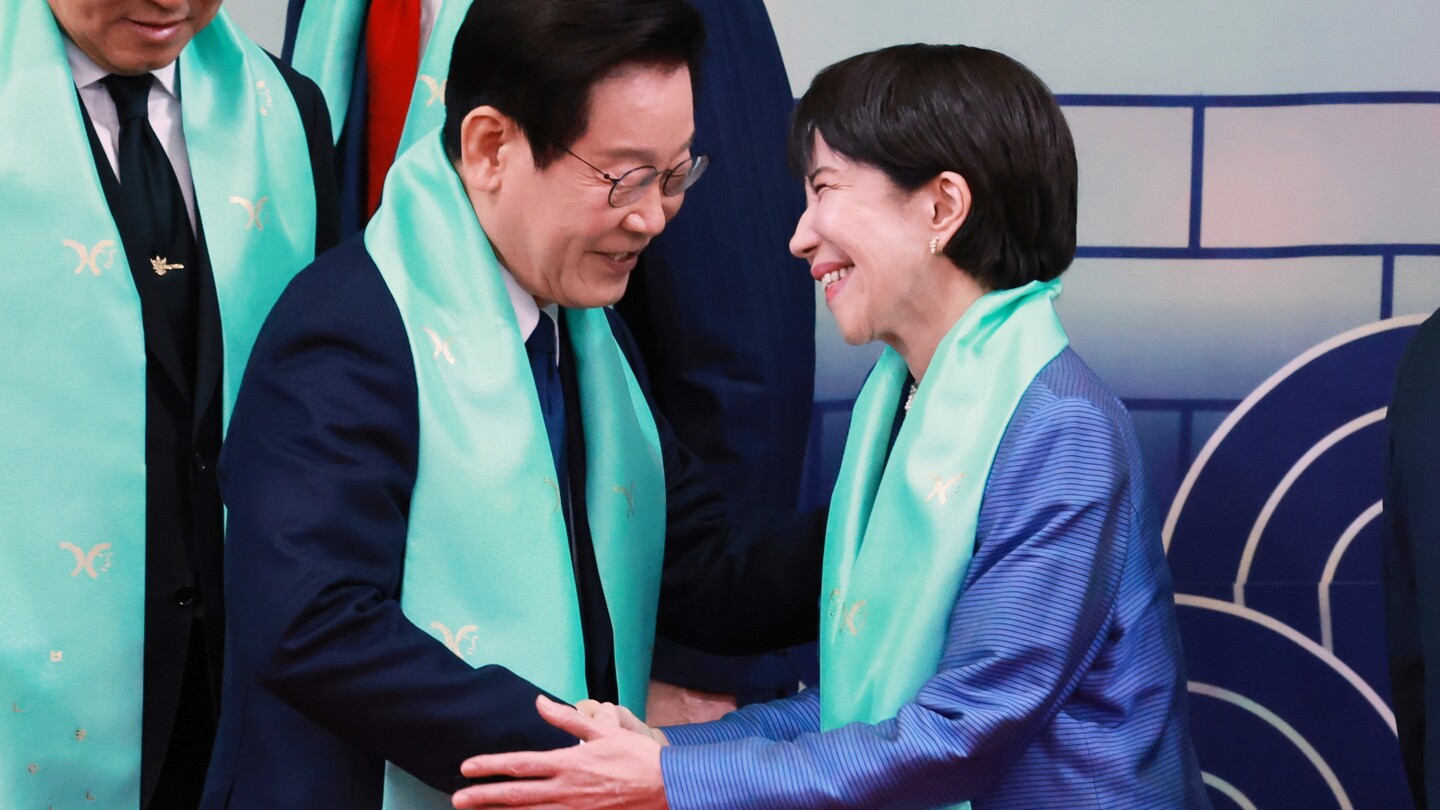
    In a significant diplomatic move, Japanese Prime Minister Sanae Takaichi will welcome South Korean President Lee Jae Myung for a bilateral summit in the historic city of Nara on Tuesday. This meeting represents the third high-level engagement between the two leaders within three months, signaling a concerted effort to stabilize relations between the two Northeast Asian nations.

    The summit occurs against a complex geopolitical backdrop characterized by China’s growing regional influence and ongoing tensions surrounding Taiwan. The discussions are expected to address critical issues including trade security, North Korea’s nuclear ambitions, and coordinated responses to China’s expanding military presence. Both nations face additional pressure from the United States to increase defense expenditures amid former President Trump’s unpredictable foreign policy approach.

    This diplomatic encounter follows President Lee’s recent visit to China, where President Xi Jinping emphasized historical Sino-Korean alliances against Japan during World War II. Despite these overtures, Lee is anticipated to maintain a neutral stance between Beijing and Tokyo.

    Japanese Foreign Minister Toshimitsu Motegi emphasized the strategic importance of strengthened Japan-South Korea relations, stating that reinforcing trilateral cooperation with the United States remains more crucial than ever in the current security environment.

    The leaders’ itinerary includes a symbolic visit to Horyu Temple, featuring some of the world’s oldest wooden structures that illustrate Japan’s historical cultural exchanges with the Korean Peninsula through Buddhism. This cultural diplomacy occurs alongside practical discussions about potential humanitarian cooperation, including DNA analysis of remains from a 1942 mining accident that killed 136 Korean forced laborers.

    While historical tensions stemming from Japan’s 1910-1945 colonial rule of Korea have long complicated relations, both governments appear committed to forward-looking engagement based on shared security concerns regarding China’s assertiveness. Prime Minister Takaichi, known for her hawkish security stance, has notably modified her approach to Yasukuni Shrine visits, suggesting diplomatic sensitivity to historical issues.

  • India and Germany sign deals to deepen economic and security ties

    India and Germany sign deals to deepen economic and security ties

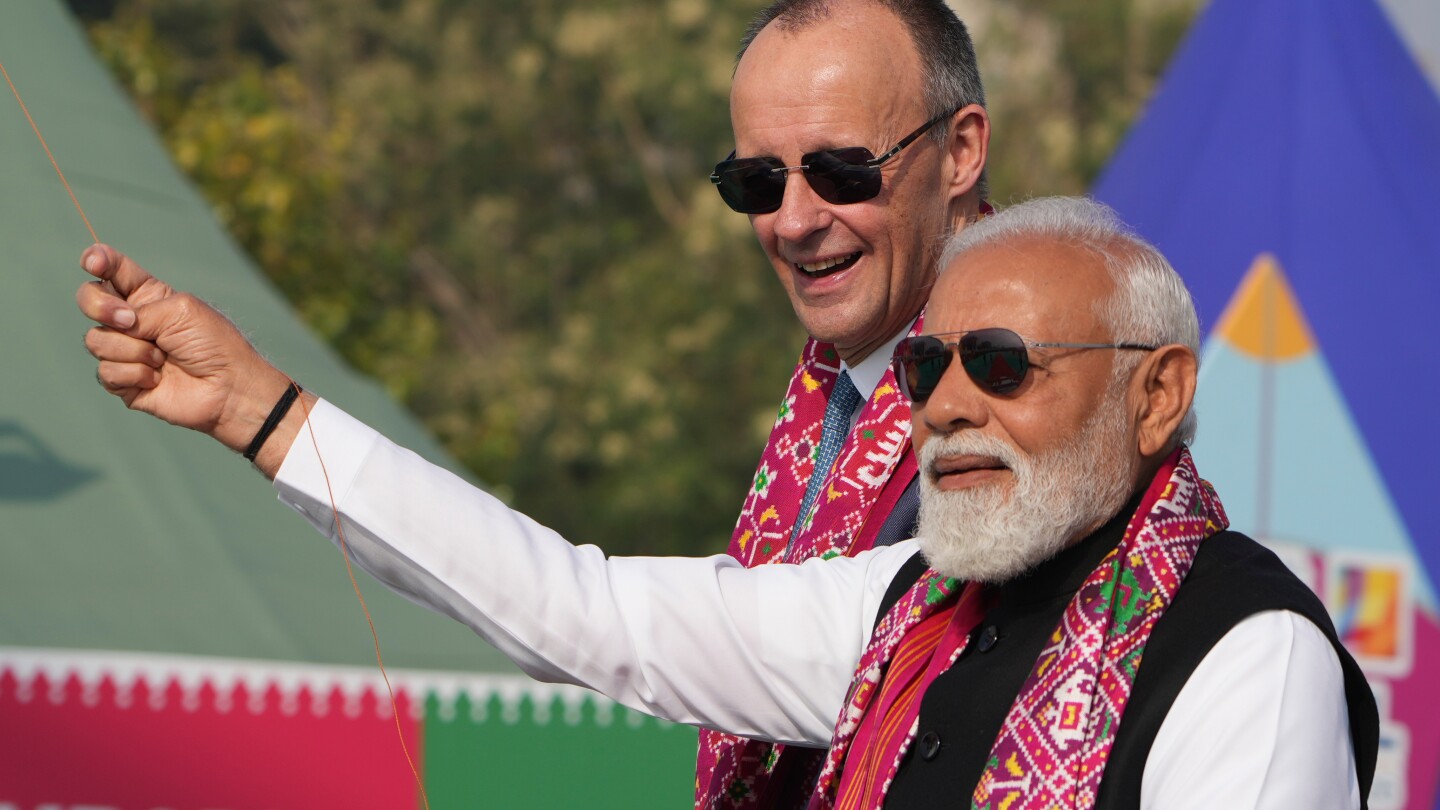
    In a significant diplomatic engagement, Indian Prime Minister Narendra Modi hosted German Chancellor Friedrich Merz in Gujarat’s Gandhinagar on Monday, marking a pivotal moment in bilateral relations between South Asia’s emerging power and Europe’s economic powerhouse. The high-level meeting resulted in multiple strategic agreements designed to strengthen economic and defense cooperation while reducing both nations’ dependence on Chinese markets and supply chains.

    The comprehensive partnership encompasses defense collaboration, with Germany’s Thyssenkrupp poised to partner with Indian firms in constructing six advanced conventional submarines—a critical component of India’s naval modernization program. Beyond military cooperation, the nations established frameworks for enhanced collaboration in rare earth element mining, climate action initiatives, and renewable energy projects.

    Prime Modi emphasized Germany’s position as India’s foremost trading partner within the European Union, noting the mutual desire to elevate relations to unprecedented levels. The leaders agreed on a detailed roadmap for defense industry cooperation involving joint development and production capabilities.

    Chancellor Merz characterized India as Germany’s ‘partner of choice’ and stressed the urgency of concluding the long-pending EU-India free trade agreement to fully realize the economic potential between the nations. The visit also produced a specialized agreement facilitating Indian professionals’ entry into Germany’s healthcare sector.

    The Chancellor’s itinerary included symbolic gestures such as visiting Mahatma Gandhi’s Sabarmati Ashram and participating in the International Kite Festival alongside Prime Minister Modi. Merz’s delegation, comprising business and industry leaders, will continue to Bengaluru for meetings with technology sector representatives, underscoring the comprehensive nature of this strategic partnership.

  • Myanmar begins 2nd phase of election

    Myanmar begins 2nd phase of election

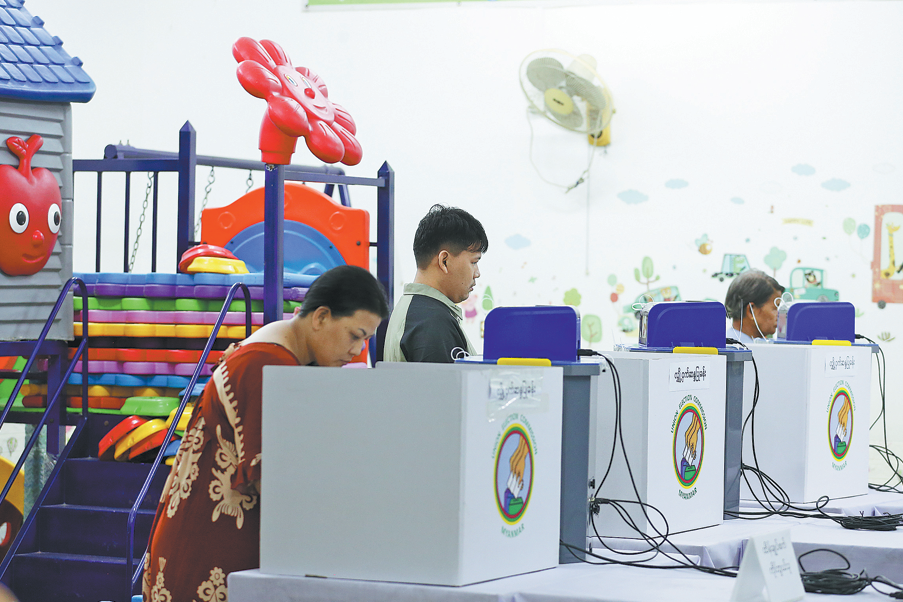
    Myanmar commenced the second phase of its multiparty general election on Sunday, with citizens across 100 townships casting ballots in a carefully orchestrated electoral process. This phase represents a critical milestone in the country’s political transition following the conclusion of a four-year state of emergency in July.

    The electoral commission reported that over 24.26 million eligible voters participated across 21,517 polling stations nationwide. The voting mechanism incorporates Myanmar’s inaugural digital voting system, utilizing Electronic Voting Machines specifically designed to prevent electoral fraud and enhance procedural integrity.

    Acting President Min Aung Hlaing, who also chairs the State Security and Peace Commission, previously urged citizens to participate in the democratic process through state media channels. The electoral framework employs a dual voting methodology: a first-past-the-post system for the lower house (Pyithu Hluttaw) and a mixed-member proportional system for the upper house (Amyotha Hluttaw) and regional parliaments.

    This electoral sequence follows the first phase concluded on December 28 across 102 townships, which recorded a 52.13% voter turnout with preliminary results favoring the military-backed Union Solidarity and Development Party. The final phase is scheduled for January 25 covering 63 additional townships.

    The political landscape remains complex following the 2021 military intervention that overturned previous election results and dissolved Aung San Suu Kyi’s National League for Democracy government. Her party was subsequently excluded from the current electoral process after failing to complete registration requirements.

    International observation continues through ASEAN channels, with Philippine Foreign Secretary Theresa Lazaro recently conducting diplomatic engagements in Nay Pyi Daw. Discussions focused on geopolitical developments, electoral transparency, and implementation of the five-point consensus peace framework for Myanmar’s political resolution.

  • India and US ‘actively engaged’ in trade negotiations, says new ambassador

    India and US ‘actively engaged’ in trade negotiations, says new ambassador

    Newly appointed US Ambassador to India Sergio Gor has confirmed that trade agreement discussions between the two nations remain actively ongoing, with the next round of negotiations scheduled for Tuesday. Speaking during his official welcome ceremony in Delhi—an event marked by ceremonial pomp and carefully curated American music—Gor emphasized the essential partnership between the countries while acknowledging existing disagreements.

    The ambassador’s comments arrive amidst recent tensions, including claims from US officials blaming India for delays in finalizing the trade deal—a characterization firmly rejected by Delhi. Trade relations have been particularly strained since August, when Washington imposed substantial 50% tariffs on Indian goods, the highest rate applied to any Asian nation. These measures included penalties connected to India’s continued purchase of Russian oil despite Western sanctions.

    A persistent obstacle in negotiations remains the US push for expanded access to India’s agricultural markets, a demand that Indian officials have consistently resisted. The diplomatic landscape has further complicated following recent remarks from US Commerce Secretary Howard Lutnick, who suggested the trade agreement stalled because Prime Minister Modi declined to place a crucial phone call to President Trump—an account promptly disputed by India’s foreign ministry as inaccurate.

    Adding to the complex dynamic, former President Trump has recently warned of potential tariff escalations should India continue purchasing Russian energy resources. Simultaneously, US Senator Lindsey Graham revealed that Trump has endorsed a stringent Russia sanctions bill that, if enacted, could impose even heavier secondary tariffs on nations conducting business with Moscow.

    Despite these challenges, both governments maintain they have been repeatedly close to reaching an agreement. India has responded to the tariff implementation by gradually reducing energy purchases from Russia, though officials continue to defend their initial position by citing the energy requirements of their substantial population.

    Ambassador Gor, who took his oath at the White House in November but has yet to formally present credentials to India’s president, characterized the US-India relationship as potentially the ‘most consequential’ partnership of the century, noting that ‘real friends can disagree but will always resolve their differences.’

  • Japan’s Takaichi may call early election

    Japan’s Takaichi may call early election

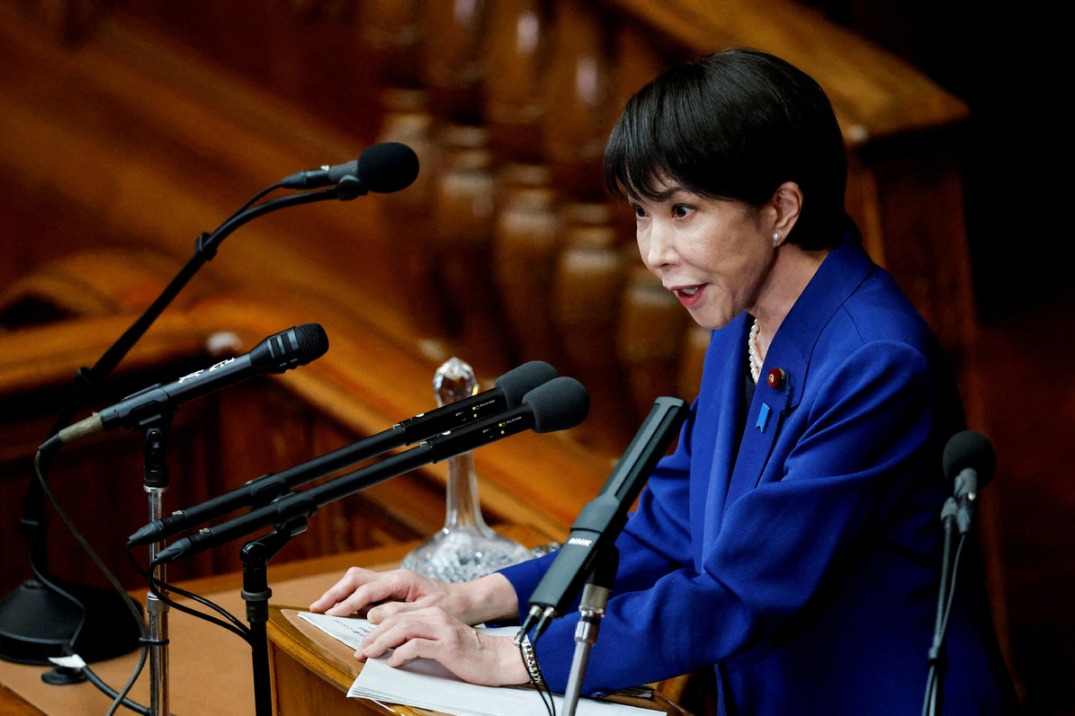
    TOKYO — Japanese Prime Minister Sanae Takaichi appears to be moving toward calling an unexpected general election, potentially as early as February 2026, according to statements from political allies and opposition leaders. The development follows a Friday meeting between Takaichi and Hirofumi Yoshimura, leader of the coalition partner Japan Innovation Party, who subsequently told NHK broadcaster that the Prime Minister’s perspective on election timing had advanced to a “new stage.” Media reports from Yomiuri Shimbun suggest February 8 or 15 as possible dates for the snap election, citing government sources.

    While Takaichi remained noncommittal during her Sunday NHK interview regarding specific election plans, she emphasized her current focus on implementing economic stimulus measures designed to counter inflation effects. Her administration has prioritized ensuring timely execution of the current fiscal year’s supplementary budget and parliamentary approval of next year’s $783 billion spending package, which includes her flagship economic programs.

    The potential February election timing has drawn sharp criticism from opposition leaders. Tetsuo Saito of Komeito party warned that such timing would jeopardize budget passage before fiscal year-end, stating he was “surprised” by reports suggesting Takaichi might dissolve parliament when it reconvenes on January 23.

    Separately, the city assemblies of Hiroshima and Nagasaki have unanimously adopted statements urging the national government to maintain Japan’s Three Non-Nuclear Principles, expressing concern over ruling party discussions about revising these longstanding security policies. The statements emphasize the particular significance of these principles to residents of atomic-bombed cities.

    Market reactions included yen depreciation following election speculation, while Japan’s Internal Affairs Ministry has instructed regional election committees to prepare for possible early voting, a move analysts interpret as signaling election preparations are effectively underway.