分类: politics

  • Trump says working well with Venezuela’s new leaders, open to meeting

    Trump says working well with Venezuela’s new leaders, open to meeting

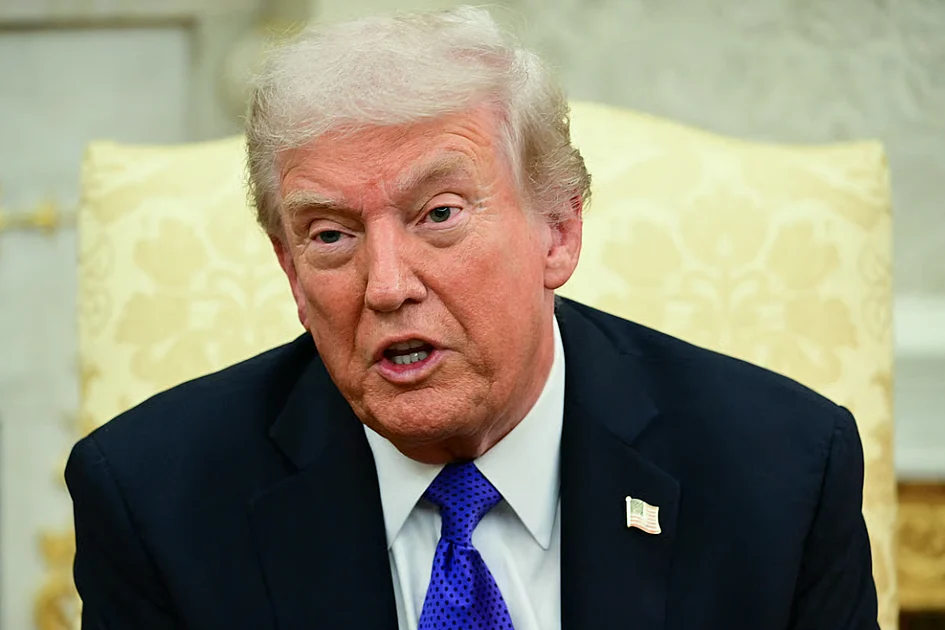
    In a significant shift in U.S.-Venezuela relations, President Donald Trump has announced his administration is collaborating effectively with Venezuela’s interim leadership under Delcy Rodriguez, expressing willingness to engage in direct diplomatic meetings. This development follows the dramatic capture of former leader Nicolas Maduro by U.S. special forces just over a week ago, who now faces drug trafficking charges in New York.

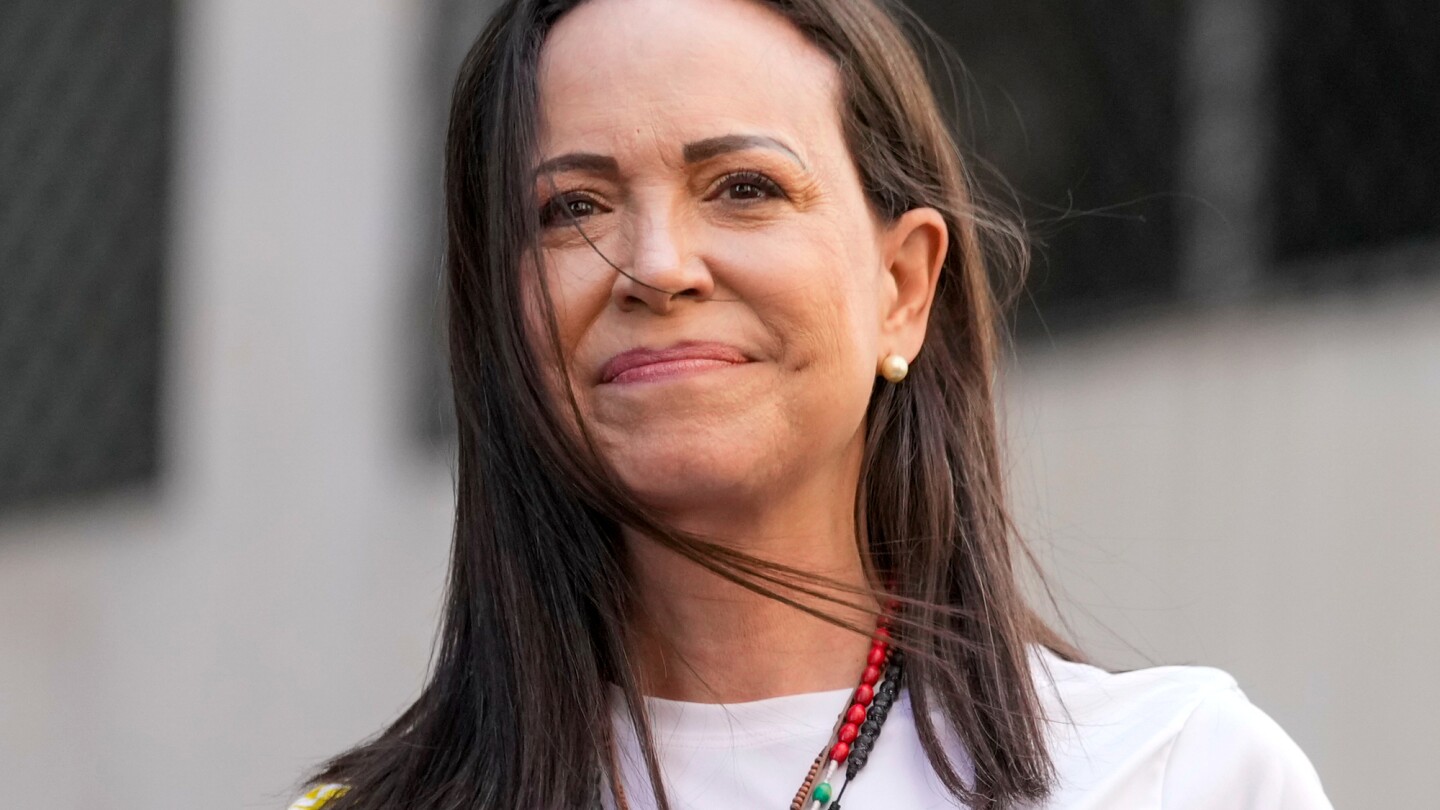
    Speaking aboard Air Force One on Sunday, Trump revealed his expectations to meet both with interim leader Rodriguez and opposition figure Maria Corina Machado this week, despite previous skepticism about Machado’s leadership capabilities. The administration’s surprising acceptance of Rodriguez—a former Maduro ally—as interim leader has raised eyebrows, particularly given Machado’s Nobel Peace Prize recognition last year, which she dedicated to Trump.

    This diplomatic opening comes as Venezuela initiates what Trump described as a ‘BIG WAY’ process of releasing political prisoners. While rights organizations estimate between 800-1,200 political detainees remain incarcerated, several prominent opposition figures have already been freed. Simultaneously, the Rodriguez government has signaled willingness to cooperate on U.S. oil access demands and reestablish diplomatic ties, with American envoys already visiting Caracas to discuss reopening the U.S. embassy.

    However, the transition faces challenges. The recent death in custody of a police officer accused of treason has drawn condemnation from opposition groups, while candlelight vigils continue outside prisons where families await loved ones’ release. Meanwhile, Trump’s efforts to attract oil investment face industry skepticism, with ExxonMobil’s CEO dismissing Venezuela as ‘uninvestable’ without comprehensive reforms—a position that drew sharp criticism from the president who suggested excluding the energy giant from future opportunities.

    Despite these complications, Trump maintains optimistic about Venezuela’s trajectory under U.S. influence, stating the nation now operates under de facto American control through enforced naval blockades of vital oil exports.
  • Son of ousted Iran shah urges security forces to ‘stand with people’

    Son of ousted Iran shah urges security forces to ‘stand with people’

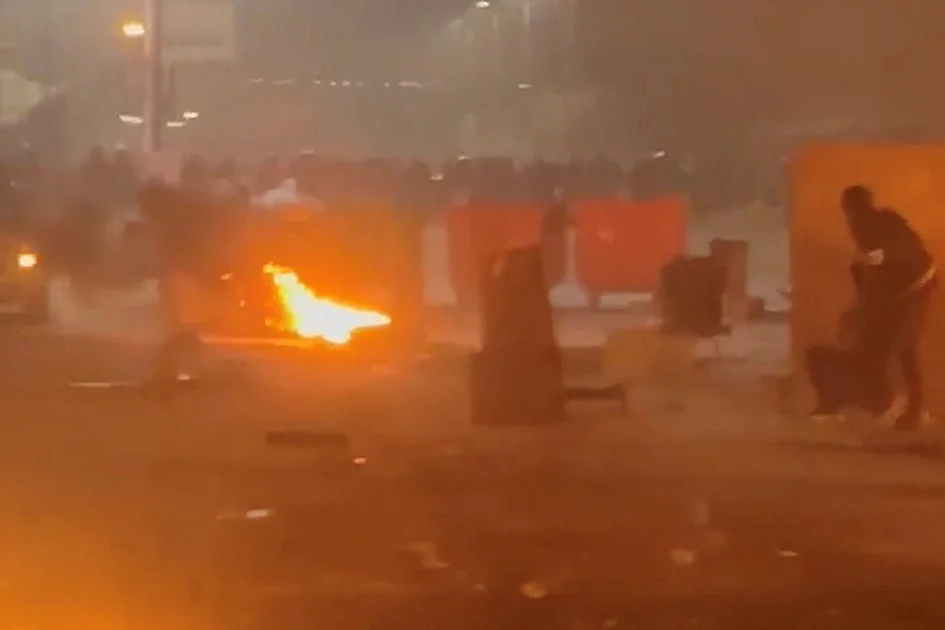
    Reza Pahlavi, the US-based son of Iran’s deposed monarch, has issued a compelling appeal to Iranian government employees and security personnel, urging them to align with the burgeoning protest movement against the Islamic Republic. The exiled royal figure delivered his message through social media channels on Sunday, presenting security forces with a stark ethical choice.

    Pahlavi’s declaration emphasized that state employees and military personnel must decide between supporting the Iranian populace or becoming accomplices to what he termed ‘murderers of the people.’ His statement followed disturbing reports from human rights organizations alleging that Iranian authorities were implementing extreme measures, including ‘mass killing’ operations, to quell ongoing civil unrest.

    The opposition leader, who has emerged as a significant figurehead for the anti-regime movement, further advocated for the symbolic replacement of Islamic Republic flags outside Iranian diplomatic missions worldwide. He specifically called for the restoration of the pre-1979 revolutionary tricolor banner, describing the current standard as ‘disgraceful.’

    This symbolic gesture gained tangible momentum in London over the weekend, where protesters successfully replaced the Iranian embassy flag with the historical monarchical standard. The diplomatic incident prompted Iran’s foreign ministry to summon Britain’s ambassador to Tehran in formal protest, as reported by the official IRNA news outlet.

    The pre-revolutionary flag has transformed into a powerful emblem for international demonstrations supporting Iran’s domestic protest movement, representing growing global solidarity with those challenging the current regime.

  • How NATO works at a time of Trump’s Greenland threats

    How NATO works at a time of Trump’s Greenland threats

    BRUSSELS — The North Atlantic Treaty Organization (NATO) faces unprecedented internal strain as former U.S. President Donald Trump’s persistent assertions regarding Greenland’s acquisition challenge the alliance’s core principles. This geopolitical tension has escalated to the point where Danish leadership explicitly warns that military action against Greenland would fundamentally rupture NATO’s framework.

    Greenland, a semi-autonomous territory within the Kingdom of Denmark, has become an unexpected flashpoint in transatlantic relations. Trump’s reaffirmed stance that “we’re going to have Greenland one way or another,” coupled with the White House’s refusal to dismiss military options, has created diplomatic alarm across European capitals. The administration justified its position as preventive measures against Russian and Chinese expansion in the Arctic.

    Danish Prime Minister Mette Frederiksen delivered a stark warning: “Should the United States militarily attack another NATO nation, everything ceases—including our NATO membership.” This declaration underscores the grave implications of intra-alliance aggression.

    NATO’s historical context reveals why this situation proves particularly volatile. Established in 1949 by twelve nations to counter Soviet threats, the alliance has expanded to thirty-two members following Sweden’s 2024 accession. Its fundamental operating principle remains consensus decision-making, where each member holds veto power. The organization’s credibility rests upon Article 5’s collective defense pledge, invoked only once following the 9/11 attacks.

    Legal analysts note that Article 5 would prove ineffective in a U.S.-Denmark conflict due to required unanimity. Instead, Denmark could trigger Article 4 consultations for sovereignty threats, though such talks don’t mandate military response. The alliance lacks established mechanisms for resolving armed conflict between members.

    This scenario echoes the 2003 Iraq War division, where NATO members split between supporters and opponents of U.S. action. Current uncertainty surrounds which nations would endorse Trump’s Greenland position, highlighting the alliance’s fragility when confronted with internal power disparities.

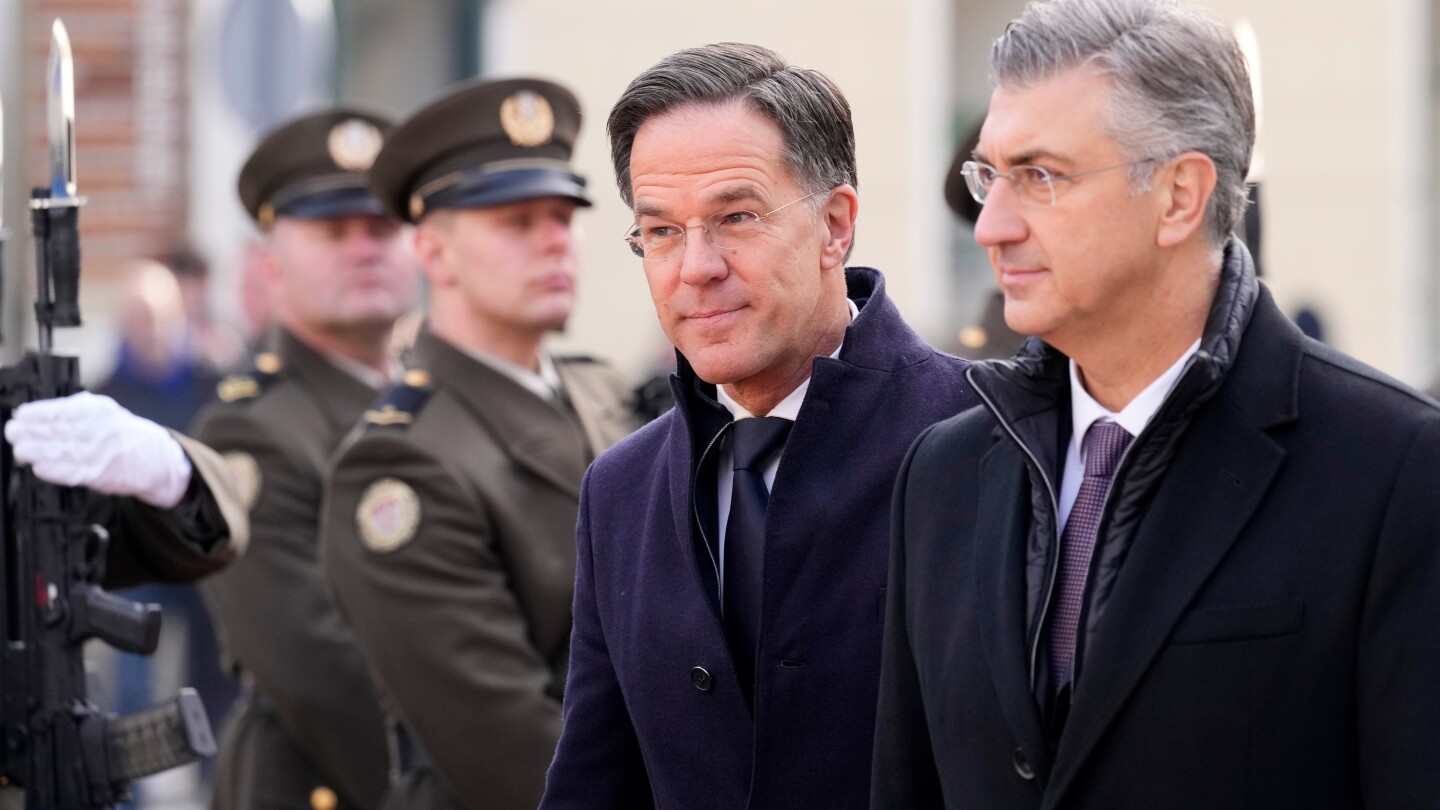
    The United States remains NATO’s dominant military and financial contributor, making coherent opposition challenging without American leadership. Daily operations continue under former Dutch Prime Minister Mark Rutte’s diplomatic management, who maintains public neutrality while working to preserve U.S. engagement.

    Rutte recently emphasized Arctic security consensus while denying NATO crisis over Greenland: “All allies agree on Arctic importance due to increased Russian and Chinese activity risks.” The organization’s military command, always led by a senior U.S. officer based in Mons, Belgium, continues standard operations amid these political tensions.

  • Hungary grants asylum to Polish ex-justice minister

    Hungary grants asylum to Polish ex-justice minister

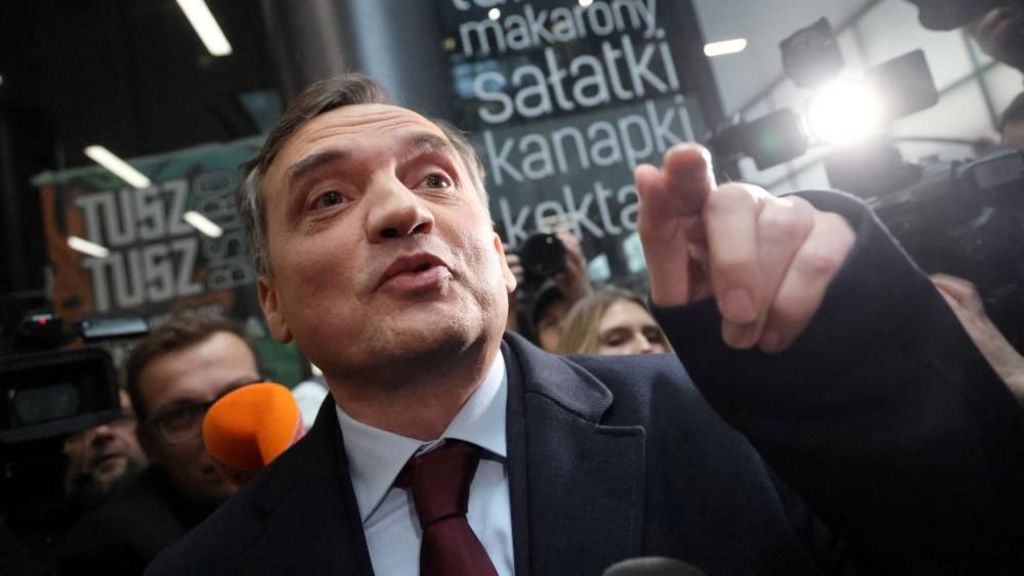
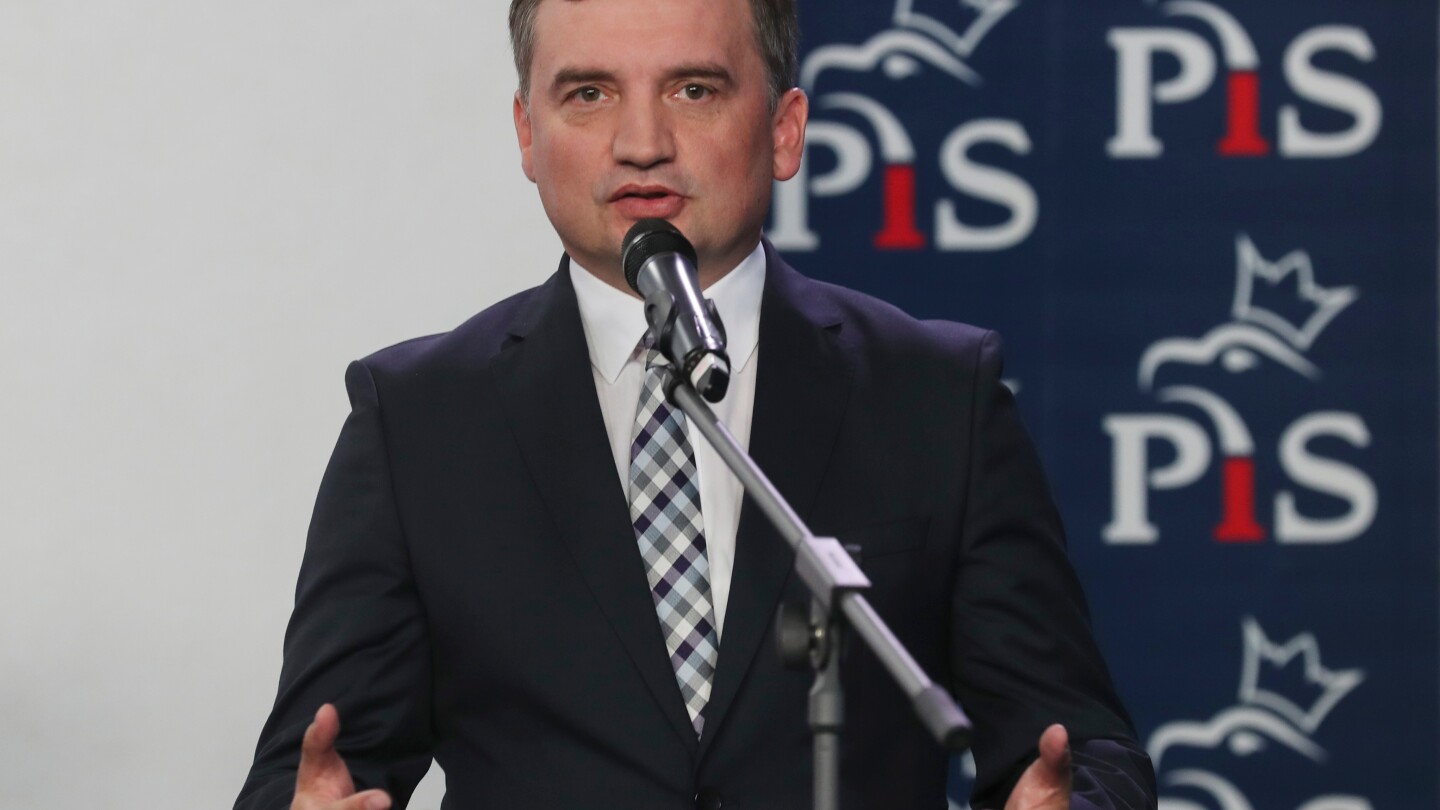
    Hungary has extended political asylum to Zbigniew Ziobro, Poland’s former Justice Minister, marking a significant escalation in diplomatic tensions within the European Union. Ziobro faces 26 criminal charges in his home country, primarily centered on allegations of embezzling approximately 25 million zloty ($7 million) from the state-controlled Foundation for Justice. These funds, intended for crime victim support and criminal rehabilitation programs, were allegedly diverted to purchase Israeli-made Pegasus spyware, which was then used to surveil political opponents.

    Ziobro, who served as Justice Minister from 2015 to 2023 under Poland’s right-wing Law and Justice (PiS) party, maintains his innocence, characterizing the charges as politically motivated persecution by the current government led by Prime Minister Donald Tusk. In a statement on social media platform X, Ziobro declared he accepted Hungary’s protection to ‘fight against political banditry and lawlessness,’ accusing Tusk of conducting a personal vendetta.

    This case represents the second instance of Hungary offering asylum to a former PiS official, following the 2023 grant to Ziobro’s former deputy, Michal Romanowski. Both cases involve allegations of corruption and abuse of power during their tenure.

    The asylum grant challenges fundamental EU principles regarding judicial cooperation and mutual trust among member states. Hungary’s decision aligns with Prime Minister Viktor Orban’s political strategy of positioning himself as a defender of national sovereignty against what he perceives as EU overreach. Orban’s government has faced similar criticism from Brussels regarding rule-of-law standards and judicial independence.

    The Pegasus spyware scandal has had profound implications for Polish politics. Current Foreign Minister Radoslaw Sikorski and members of Prime Minister Tusk’s family were among those allegedly targeted by the surveillance program. Additionally, Ziobro’s controversial judicial reforms during his ministry triggered prolonged conflict with EU institutions, resulting in the freezing of EU funds for Poland and multiple rulings against the country by the European Court of Justice.

    Legal experts note that if convicted in Poland, Ziobro could face up to 25 years imprisonment. His asylum status in Hungary effectively shields him from extradition, creating a complex legal and diplomatic standoff between the two EU member states.

  • China maintains strong momentum in anti-corruption drive

    China maintains strong momentum in anti-corruption drive

    China’s comprehensive anti-corruption campaign demonstrated unprecedented intensity throughout 2025, with authorities investigating 65 centrally administered officials—predominantly at ministerial rank or higher—according to data released by the country’s top disciplinary bodies. The sustained crackdown, which recorded nine major investigations launched in December alone, represents the Communist Party of China’s continued commitment to eliminating graft and misconduct at all levels of governance.

    Among the prominent figures facing scrutiny were Jiang Chaoliang, Jin Xiangjun, Lan Tianli, Liu Hui, Yi Huiman, and Zhang Shiping, reflecting the campaign’s reach into the highest echelons of power. Concurrently, grassroots enforcement saw 536,000 lower-ranking officials disciplined between January and November, with 20,000 cases referred for criminal prosecution, demonstrating the operation’s comprehensive scope.

    Internationally, China’s ‘Sky Net’ operation achieved remarkable success, repatriating 782 fugitives and recovering approximately $3.38 billion in illicit assets within just eleven months. Notable apprehensions included Zhou Jinghua, the final Asian-based fugitive on China’s ‘100 most-wanted’ list, who was extradited from Thailand in July. That same month witnessed the return of Liang Jinwen, one of the earliest top-tier corruption suspects, who surrendered after 28 years abroad and fully repatriated assets allegedly acquired through corruption in 1996.

    The campaign’s institutional foundations were strengthened through the implementation of the revised Supervision Law in June, which expanded supervisory powers and addressed previous systemic limitations. Additionally, the CPC conducted a four-month educational initiative targeting its approximately 100 million members to reinforce compliance with the party’s conduct standards, while disciplinary authorities publicly identified violators of the eight-point rules to enhance transparency and accountability.

  • Donald Trump describes himself as acting president of Venezuela in social media post

    Donald Trump describes himself as acting president of Venezuela in social media post

    Former U.S. President Donald Trump has ignited international controversy by proclaiming himself the “Acting President of Venezuela” in a social media post on Truth Social. This unprecedented declaration comes amid heightened geopolitical tensions following a U.S. military operation in Caracas that resulted in the capture of Venezuelan leader Nicolás Maduro and his wife.

    The controversial statement emerged even as Trump expressed willingness to engage with Venezuela’s interim president Delcy Rodríguez, who was sworn in by the parliament just two days after U.S. forces seized her predecessor. Speaking to reporters aboard Air Force One on Sunday, Trump stated, “Venezuela is really working out well. We’re working along really well with the leadership,” while indicating potential future meetings with Rodríguez.

    The current crisis stems from the January 3rd military strike in Venezuela’s capital that removed Maduro from power, with the ousted leader subsequently transported to New York to face federal charges. This intervention has triggered widespread international scrutiny and legal debates regarding sovereignty and foreign intervention.

    Trump has asserted that the United States would oversee Venezuelan affairs until a secure transition can be accomplished, suggesting Washington would manage critical functions including the country’s vital oil sector. The former president has openly advocated for U.S. and private firms to gain “total access” to Venezuela’s oil industry, claiming major oil companies have already pledged $100 billion to revitalize the nation’s energy infrastructure.

    Despite Trump’s bold claims, U.S. Secretary of State Marco Rubio and other administration officials have clarified that Washington does not intend to permanently govern Venezuela, recognizing Rodríguez as the legitimate interim leader while pushing for democratic elections. The situation remains fluid as the international community watches developments in one of the most significant geopolitical confrontations in recent Latin American history.

  • Trump faces extraordinary moment in spat with Fed chair

    Trump faces extraordinary moment in spat with Fed chair

    In an extraordinary break from protocol, Federal Reserve Chair Jerome Powell delivered an unscheduled video statement addressing what he characterized as “unprecedented” political pressure from the Trump administration. The appearance was so unusual that it initially raised concerns about potential AI deepfake manipulation among financial observers.

    The core of the conflict centers on criminal indictments served to the Federal Reserve by the Department of Justice regarding Powell’s testimony on building renovations. However, Powell explicitly stated these charges represent mere “pretexts” in a broader campaign of administration pressure targeting the central bank’s independence.

    “The threat of criminal charges is a consequence of the Federal Reserve setting interest rates based on our best assessment of what will serve the public, rather than following the preferences of the president,” Powell declared in his softly-spoken but firm address.

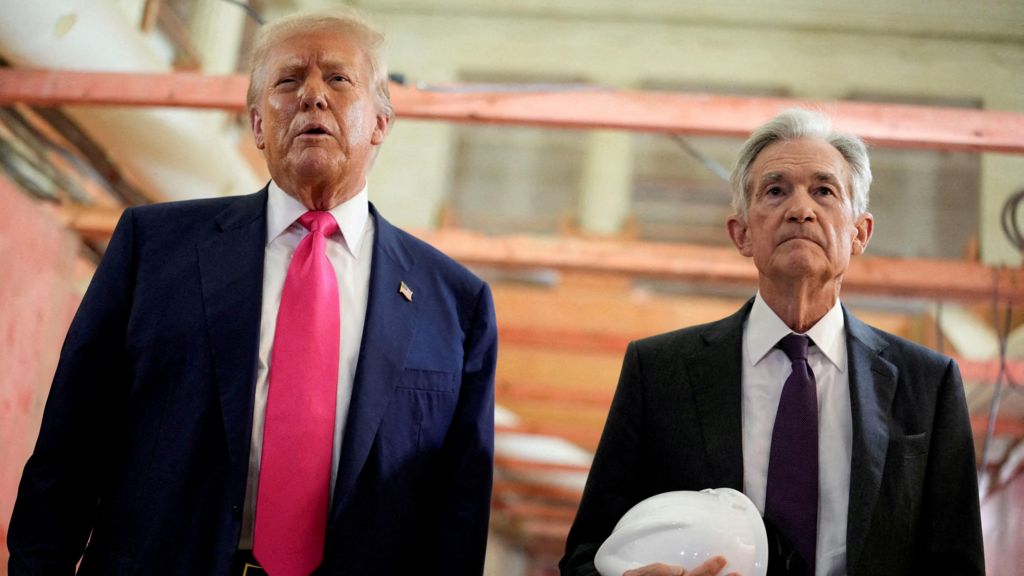
    This confrontation reflects a prolonged tension between President Trump and the Fed chair, marked by presidential criticism of interest rate decisions, attempts to influence monetary policy through favored economist appointments, and even an unusual personal inspection of Fed renovation projects by Trump’s motorcade.

    Powell framed the struggle as fundamental to global financial stability: “This is about whether the Fed will be able to continue to set interest rates based on evidence and economic conditions, or whether instead, monetary policy will be directed by political pressure or intimidation.”

    The implications extend beyond U.S. markets, as Fed independence serves as the anchor for global financial stability. Analysts are watching Treasury markets closely for reactions to both Powell’s statement and the Justice Department’s actions. Some observers draw parallels to emerging economies like Turkey and Zimbabwe, where central bank independence has frequently succumbed to political pressure.

    With Powell’s term concluding in May and potential replacement by a Trump-friendly economist looming, the stakes intensify. However, interest rate decisions remain committee-based rather than solely chair-dependent. Concerningly, some speculation suggests the administration might weaponize the Fed’s global market tools, including dollar swap lines, as leverage in tariff wars with allies—a move unlikely under Powell’s leadership.

    This development occurs alongside other unprecedented actions, including militarized immigration enforcement, threats regarding NATO ally territory, and Supreme Court deliberations on the legality of Trump’s economic policies. Some Congressional Republicans are reportedly uncomfortable with this challenge to central bank independence, recognizing the Fed’s designed role as an alternative power center that “must speak truth to power.”

    Market reactions reminiscent of the UK’s mini-budget crisis under Liz Truss remain possible, recalling how questions about central bank independence can trigger financial instability. The situation echoes April 2022, when chaotic tariff approaches disrupted global bond markets before stabilization efforts prevailed. The Powell confrontation could potentially trigger similar market consequences.

  • Why are US federal agents gunning down Americans?

    Why are US federal agents gunning down Americans?

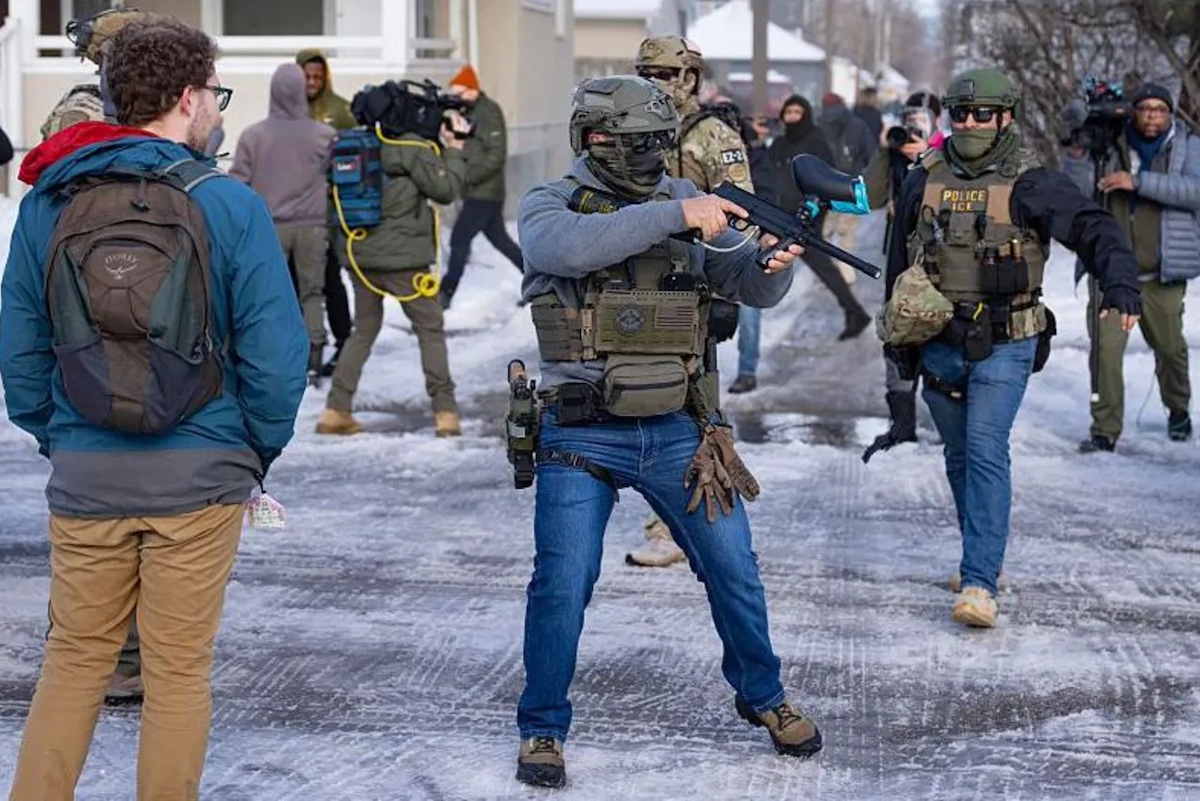
    The fatal shooting of 37-year-old Renee Good by an Immigration and Customs Enforcement (ICE) agent in Minneapolis on January 7th has ignited intense national scrutiny of federal law enforcement practices. Video evidence and frame-by-frame analysis contradict initial official accounts that characterized the incident as justified self-defense against a vehicular attack.

    Multiple video angles show Agent Jonathan Ross firing three shots at Good’s SUV as she attempted to drive away from the encounter. While the first shot was discharged from a diagonal position in front of the vehicle, the second and third shots were fired from the side of the moving car, raising serious questions about the immediate threat posed to the agent at the moment of firing.

    The incident has triggered widespread examination of ICE’s operational conduct under the Trump administration. A YouGov poll conducted on the day of the shooting revealed that 52% of Americans disapprove of ICE’s handling of its duties, with 51% characterizing the agency’s tactics as ‘too forceful.’ This represents a dramatic decline from the agency’s +16 net approval rating at the beginning of Trump’s second term.

    Documented evidence compiled from social media and news reports shows a pattern of concerning behavior by ICE personnel, including arrests of U.S. citizens, physical altercations with bystanders, and questionable use of force. The Wall Street Journal identified 13 instances of agents firing at civilian vehicles since July, resulting in eight people shot and two fatalities.

    The administration’s response has further polarized the situation. Homeland Security Secretary Kristi L. Noem described Good’s actions as ‘domestic terrorism,’ while President Trump asserted she ‘violently, willfully and viciously ran over the ICE officer’—claims that video evidence appears to contradict. Vice President JD Vance has emerged as the most vocal defender of the agent’s actions, despite evidence challenging his assertions.

    Critics point to recruitment issues within ICE, with reports indicating the agency has lowered standards to meet ambitious hiring targets. A Daily Mail investigation found the administration’s $50,000 signing bonus attracted unqualified recruits, including some with pending criminal charges and others who struggled with basic literacy requirements.

    The incident has become emblematic of broader concerns about immigration enforcement philosophy, with some Republican lawmakers using rhetoric that critics characterize as authoritarian. The debate reflects deeper ideological divisions regarding immigration, with polling indicating significant portions of the population viewing immigration through the lens of ‘Great Replacement’ theory.

    As investigations continue, the shooting has intensified scrutiny of federal law enforcement protocols and the political climate surrounding immigration enforcement, raising fundamental questions about accountability, proportionality, and constitutional protections in an increasingly polarized national landscape.

  • Pope Leo XIV meets with Venezuelan opposition leader María Corina Machado in a surprise audience

    Pope Leo XIV meets with Venezuelan opposition leader María Corina Machado in a surprise audience

    In an unannounced diplomatic engagement, Pope Leo XIV convened with Venezuelan Nobel Peace Prize recipient María Corina Machado during a private audience at the Vatican on Monday. The meeting, absent from the pontiff’s originally published schedule, was subsequently documented in the Holy See’s official daily bulletin without elaboration.

    Machado’s appearance at the Vatican forms part of her extensive international tour across Europe and the United States, following her December reappearance to accept the Nobel Peace Prize in Oslo. The opposition leader, like many of her political allies, has operated primarily from exile or under detention amid Venezuela’s prolonged political crisis.

    The American-born Pope has maintained consistent diplomatic interest in Venezuela’s sovereignty following the controversial extraction of former President Nicolas Maduro by U.S. forces from Caracas. Maduro currently faces federal narcotics trafficking charges in New York courts. Pope Leo previously expressed profound concern regarding these developments while advocating for the preservation of human and civil rights throughout the Latin American nation.

    Venezuela’s opposition movement, historically supported by both Republican and Democratic U.S. administrations, had committed to restoring democratic governance to the oil-rich nation by displacing Maduro’s regime. This objective suffered a significant setback when U.S. President Donald Trump permitted Maduro’s vice president, Delcy Rodríguez, to assume executive control.

    Machado, upon receiving the 2025 Nobel Peace Prize, proposed dedicating the honor to Trump alongside the Venezuelan people. The American president has publicly expressed personal ambition for the prestigious award since returning to office.

  • Former Polish justice minister who faces prosecution at home says he’s received asylum in Hungary

    Former Polish justice minister who faces prosecution at home says he’s received asylum in Hungary

    WARSAW, Poland — In a significant development highlighting East European political tensions, former Polish Justice Minister Zbigniew Ziobro announced Monday that Hungary has granted him political asylum. Ziobro faces prosecution in Poland for alleged abuse of power during his tenure in the previous nationalist conservative government.

    Ziobro served as a central figure in the Law and Justice (PiS) party administration that governed Poland from 2015 to 2023. That government systematically consolidated political control over judicial institutions through strategic judicial appointments and punitive measures against critics, including disciplinary actions and remote reassignments.

    The current administration under Prime Minister Donald Tusk, which assumed power over two years ago, has attempted to reverse these judicial reforms. However, these efforts have been consistently obstructed by two consecutive presidents aligned with the national right wing.

    Prosecutors sought to lift Ziobro’s parliamentary immunity in October to pursue charges including alleged misuse of a violence victim support fund. Authorities claim these resources were improperly diverted to acquire Israeli Pegasus surveillance technology. Tusk’s government alleges PiS employed this sophisticated spyware to conduct illegal surveillance on political opponents—an accusation Ziobro denies, maintaining his actions were lawful.

    Hungary, under the leadership of nationalist Prime Minister Viktor Orbán, has provided sanctuary to multiple politicians affiliated with Law and Justice who face legal proceedings in Poland. In an extensive social media statement, Ziobro declared he had ‘decided to accept the asylum granted to me by the government of Hungary due to the political persecution in Poland.’

    The former minister further stated his intention to ‘remain abroad until genuine guarantees of the rule of law are restored in Poland,’ arguing that this approach allows him to more effectively combat what he describes as ‘mounting lawlessness’ in his homeland.

    Hungarian Foreign Minister Péter Szijjártó confirmed in Budapest that authorities had granted asylum to ‘several’ individuals facing political persecution in Poland, though he declined to provide specific names.