分类: politics

  • Singapore’s leader of opposition stripped of title after lying conviction

    Singapore’s leader of opposition stripped of title after lying conviction

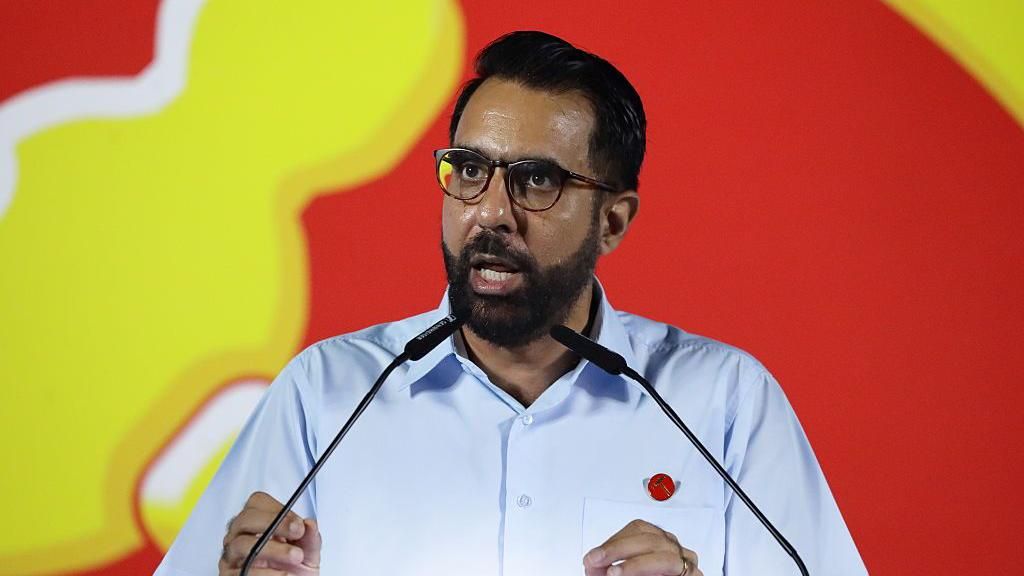
    In an unprecedented political development, Singapore’s parliament has formally removed Pritam Singh from his position as Leader of the Opposition following his criminal conviction for providing false testimony under oath. The decisive parliamentary vote occurred on Wednesday, with the ruling People’s Action Party (PAP) using its substantial majority to pass the motion.

    The resolution stemmed from Singh’s conviction last February for lying to a parliamentary committee investigating a separate case involving former Workers’ Party (WP) lawmaker Raeesah Khan. Despite maintaining his innocence throughout the judicial process and an unsuccessful appeal in December, Singh was found to have committed perjury during committee hearings.

    While Singh retains his parliamentary seat and position as secretary-general of the Workers’ Party, he will forfeit significant privileges including additional financial allowances and priority speaking rights during legislative debates. The opposition leader defended himself during the three-hour debate, stating his “conscience remains clear” and rejecting characterizations of his behavior as “dishonourable and unbecoming.”

    Prime Minister Lawrence Wong declared on Thursday that Singh’s continued tenure as Opposition Leader had become “no longer tenable” given the circumstances. All eleven present WP members voted against the motion, highlighting the partisan divide within the legislature.

    The controversy originated in 2021 when then-WP lawmaker Raeesah Khan fabricated an account of police misconduct toward a sexual assault victim. During subsequent investigations, evidence emerged suggesting Singh had instructed Khan to maintain the false narrative. Khan has since resigned from politics and received fines for her misconduct.

    This case represents one of the rare criminal convictions against a sitting opposition politician in Singapore’s history and has reignited debates about judicial independence in the city-state. Critics have previously alleged that Singapore’s government weaponizes legal mechanisms against political opponents—accusations that authorities consistently deny.
  • Russia expels British diplomat from Moscow embassy over spying claims

    Russia expels British diplomat from Moscow embassy over spying claims

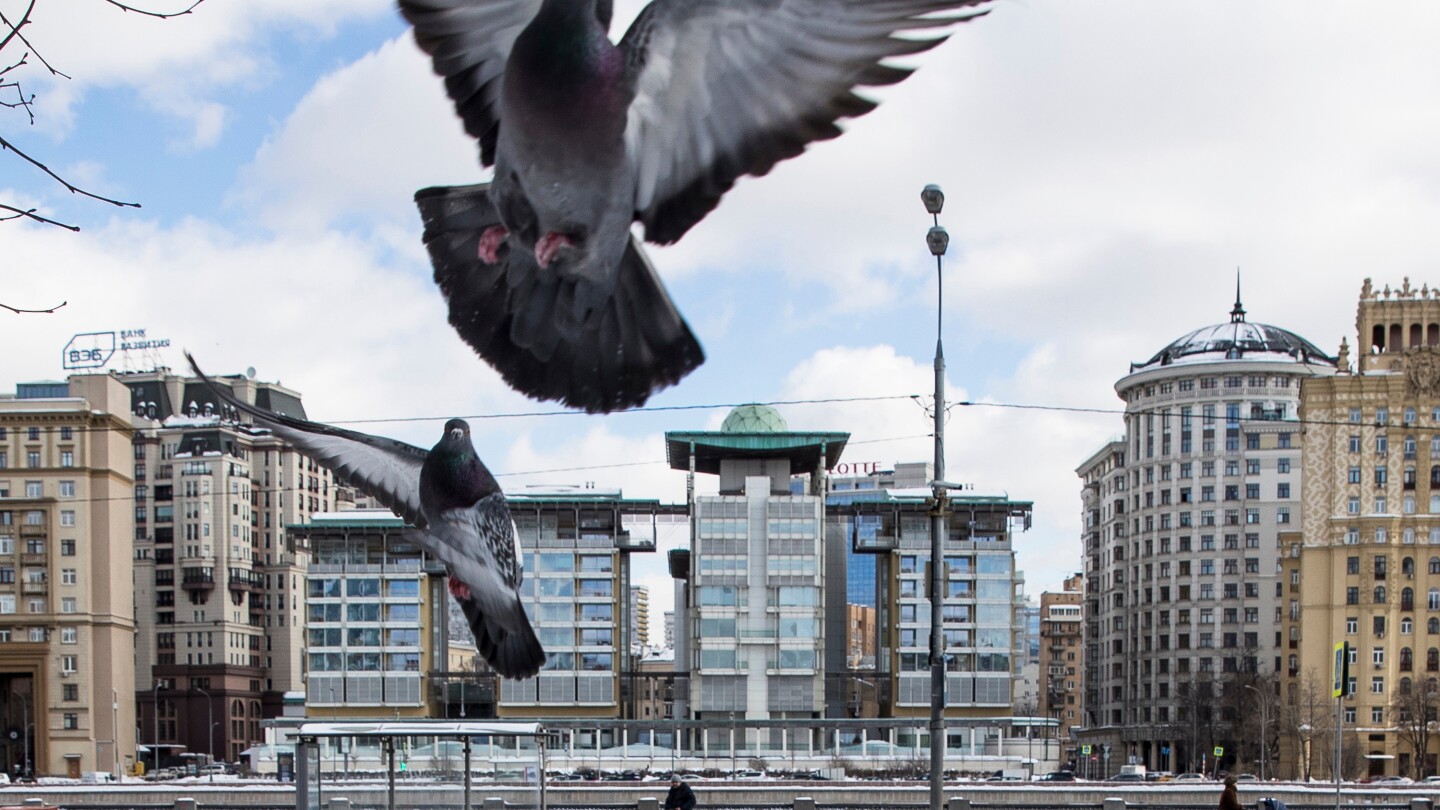
    In a significant diplomatic escalation, Russian authorities have declared a British embassy official persona non grata, ordering their expulsion from the country within a two-week timeframe. The Federal Security Service (FSB) asserted that the individual had been operating as an undeclared intelligence operative for the United Kingdom, though no substantiating evidence was presented to support these claims.

    Russia’s Foreign Ministry formally summoned the UK’s charge d’affaires in Moscow, Danae Dholakia, to deliver the expulsion notice. In an official statement, the Ministry delivered a stern warning: ‘Moscow will not tolerate the covert activities of British intelligence officers on Russian soil.’ The statement further indicated that any retaliatory measures from London would be met with a ‘symmetrical response.’

    This incident marks the latest chapter in the rapidly deteriorating relationship between Russia and Western nations. The diplomatic climate has reached its most frigid state since the Cold War era, largely triggered by Russia’s full-scale invasion of Ukraine in February 2022. This pattern of mutual diplomatic expulsions has become increasingly commonplace. Notably, in March 2025, Moscow ousted two British diplomats based on similar espionage allegations, which the UK government at the time dismissed as ‘completely unfounded and deliberately malicious.’

    As of Thursday, the British government had not issued an official response to the latest expulsion, leaving the diplomatic community awaiting London’s next move in this ongoing confrontation.

  • A new era for Canada-China relations? Prime Minister Carney’s visit signals change

    A new era for Canada-China relations? Prime Minister Carney’s visit signals change

    BEIJING — Canadian Prime Minister Mark Carney’s inaugural official visit to China marks a significant diplomatic thaw, signaling a potential renaissance in bilateral relations after an eight-year hiatus in high-level exchanges. The three-day engagement, characterized by substantive dialogues with Chinese leadership, represents a strategic pivot toward reconciliation following years of strained ties.

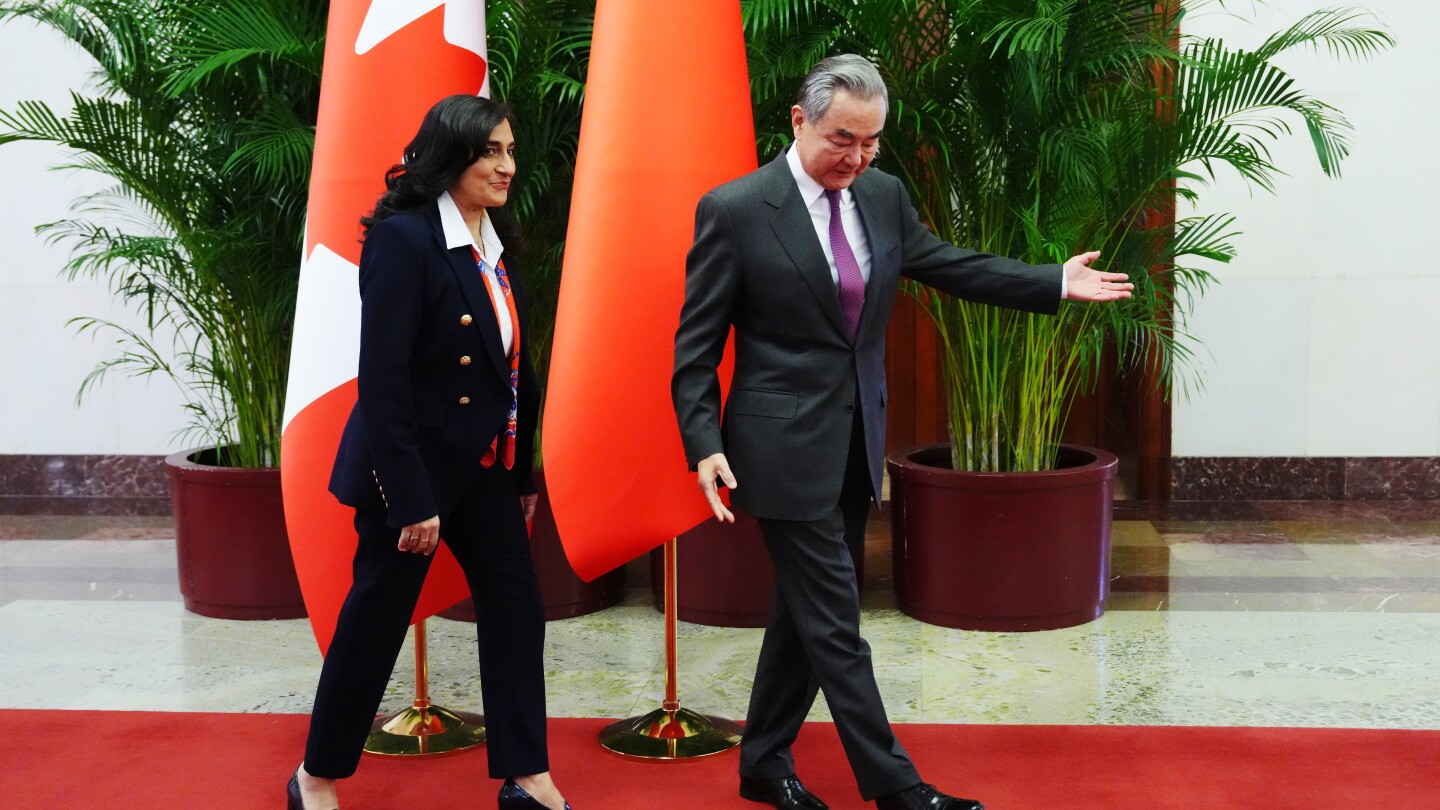
    During Thursday’s ministerial meeting, Chinese Foreign Minister Wang Yi characterized Carney’s visit as a “turning point” that could unlock new cooperative dimensions between the nations. The Canadian delegation, led by Foreign Minister Anita Anand, conveyed Ottawa’s commitment to charting a renewed trajectory for bilateral engagement across multiple sectors.

    The diplomatic reset comes against the backdrop of prolonged tensions stemming from multiple friction points. The 2018 detention of Huawei Technologies CFO Meng Wanzhou by Canadian authorities at America’s request triggered a bitter diplomatic standoff, prompting China to arrest two Canadian citizens on espionage allegations. More recently, trade tensions escalated when Canada imposed 100% tariffs on Chinese electric vehicles and 25% duties on steel and aluminum products, mirroring U.S. trade policies. Beijing retaliated with punitive tariffs targeting Canadian agricultural exports, effectively closing China’s market to Canadian canola products.

    Prime Minister Carney’s diplomatic offensive carries added urgency due to shifting global trade dynamics. With over 75% of Canadian exports currently destined for the American market, the administration seeks to diversify trade partnerships amid concerns about U.S. protectionism under the Trump administration. Carney has articulated an ambitious goal of doubling non-U.S. exports within the next decade.

    The Chinese government perceives current global trade tensions as an opportunity to encourage American allies toward greater foreign policy independence. Beijing has consistently criticized what it characterizes as U.S.-led efforts to contain China’s rise through collective pressure campaigns.

    Carney’s agenda includes high-level meetings with Premier Li Qiang and President Xi Jinping, with discussions expected to address trade normalization, security concerns, and potential cooperation in emerging technology sectors. The Canadian leader emphasized his commitment to building “a new partnership that builds on the best of our past” in social media statements following his arrival.

  • ‘Hunted’ official slid deeper into corruption

    ‘Hunted’ official slid deeper into corruption

    A recently aired documentary has revealed the systematic corruption network surrounding Jiang Chaoliang, former Communist Party secretary of Hubei province, detailing his transformation from a “hunted” target to an active participant in power-for-money exchanges. The investigation exposes how Jiang consistently abused his authority to benefit his family members and business associates over decades.

    Jiang, who previously served as chairman of Agricultural Bank of China and governor of Jilin province before his investigation in February 2025, confessed in the documentary: “From the beginning, I had ambiguous relationships with those businessmen. Gradually, I became willing to be corrupted—to be ‘hunted’—and even took the initiative to throw myself into their arms.”

    The corruption scheme began as early as the 1990s when businessman Li Yuanguang initiated a long-term “cultivation” strategy. Li strategically targeted Jiang’s entire family, providing annual financial gifts to Jiang’s mother and managing education, investments, and healthcare for family members. This created a dependency that lasted over a decade before Li began requesting favors in return.

    During Jiang’s tenure as Agricultural Bank of China chairman, Li secured a lucrative ATM procurement contract. The businessman further entangled Jiang’s brothers as “shareholders” in his company while continuously seeking project approvals and loans through their influence.

    The documentary reveals how Jiang’s brothers became central figures in the corruption network, acting as intermediaries for businessmen seeking favors. When Jiang assumed leadership of Hubei province in 2016, the brothers capitalized on their connection, with one securing major projects in Xiaogan city through Jiang’s influence and reselling them for substantial profits.

    The case also implicates Pan Qisheng, former Party secretary of Xiaogan, who curried favor with Jiang through his brother to accelerate his political career. Pan received two promotions within a single year and subsequently awarded major projects to Jiang’s brother upon taking office. Pan was expelled from the Party and dismissed from office in January 2021.

    Businessmen employed various methods to secure Jiang’s influence, including direct financial benefits, large investment funds disguised as joint ventures, original shares, and reduced project cooperation fees. Jiang described the arrangement as “a project-based model—no trivial exchanges, just power-for-money deals through my brothers.”

    In October 2025, Jiang was expelled from the Party and dismissed from office, with his criminal case transferred to procuratorial organs. His accomplices and bribe-givers faced legal consequences. Expressing remorse, Jiang acknowledged: “I abused the power entrusted to me by the people for personal and family gain.”

    The Central Commission for Discipline Inspection and National Commission of Supervision emphasized that such “hunting” of officials severely pollutes the political ecosystem and erodes social conduct, warning that without eliminating this corruption source, the cycle would continue indefinitely.

  • Australia’s Washington envoy to step down early

    Australia’s Washington envoy to step down early

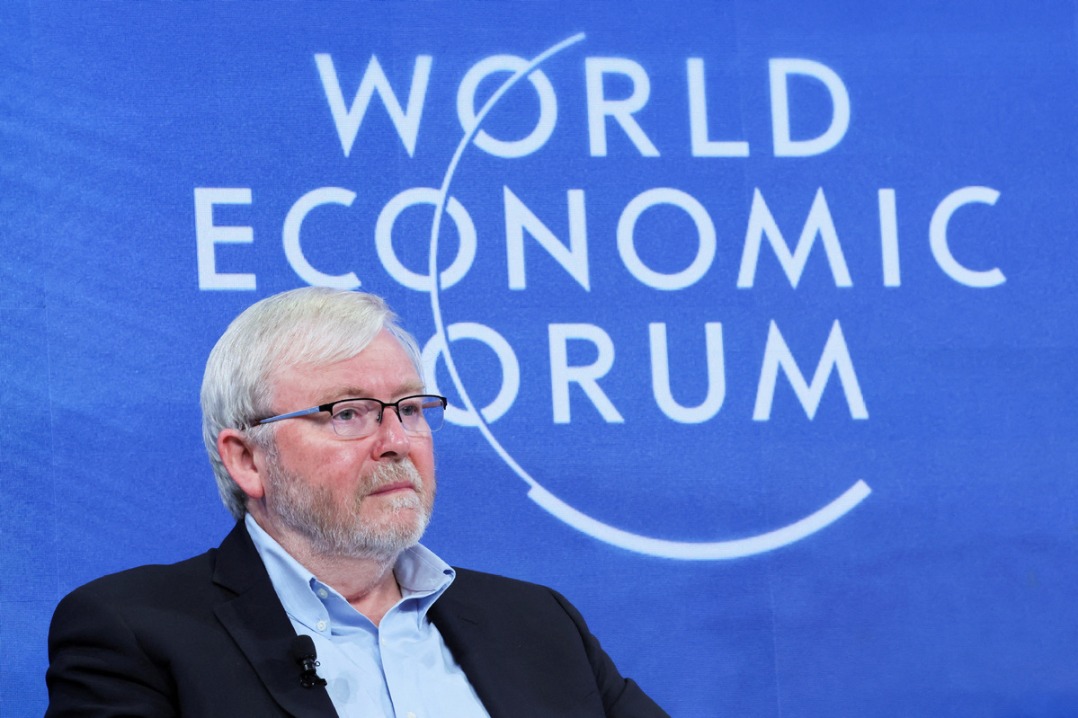
    In a significant diplomatic development, Australia’s Ambassador to the United States Kevin Rudd will conclude his Washington posting nearly a year ahead of schedule, Prime Minister Anthony Albanese confirmed on Tuesday. The former Australian prime minister will depart his position in March 2026 to assume leadership of the prestigious Asia Society think tank, where he will focus on US-China relations.

    Rudd, recognized as one of Australia’s most prominent China experts and a former diplomat who served in Beijing, has spent three years representing Australian interests in Washington. Prime Minister Albanese expressed profound appreciation for Rudd’s “tireless contribution to our national interests” during his tenure, clarifying that the decision to leave early was entirely Rudd’s personal choice.

    The ambassador’s next role will see him serving as global president of the Asia Society and directing its Center for China Analysis, marking his second leadership stint with the organization dedicated to Asia-Pacific affairs since its 1956 founding. Rudd characterized his future work as addressing “the core question for the future stability of our region and the world” through the think tank’s platform.

    According to China-Australia relations expert James Laurenceson, while Rudd’s departure removes an authoritative voice on China from the diplomatic corps, Australia’s fundamental approach to managing the complex China-US-Australia relationship will remain consistent. The next ambassador will continue prioritizing dialogue, diplomacy, and trade while simultaneously seeking US support for strategic balancing against China through mechanisms like the AUKUS security partnership.

    The announcement comes amid ongoing scrutiny of Rudd’s past criticisms of former President Donald Trump, which were deleted from social media following the 2024 election. Official statements indicated the deletion aimed to prevent misinterpretation of these personal views as reflecting Australian government positions. The Australian government stated that an announcement regarding Rudd’s successor would be made in due course.

  • Trump to host Venezuelan opposition leader sidelined by US

    Trump to host Venezuelan opposition leader sidelined by US

    Former US President Donald Trump is preparing to welcome Venezuelan opposition figure Maria Corina Machado at the White House this Thursday, marking a significant diplomatic engagement with a pro-democracy activist whose movement his administration previously marginalized. This meeting occurs against the backdrop of Trump’s recent cordial communications with Venezuela’s current leadership, signaling potential shifts in American foreign policy toward the South American nation.

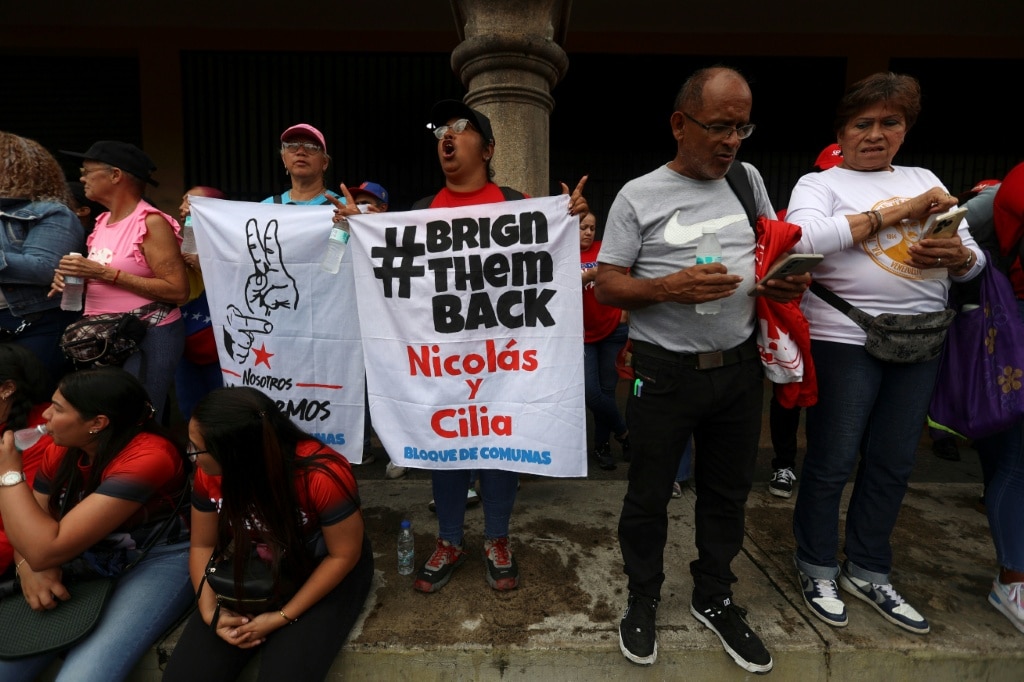
    The scheduled discussion follows Trump’s notably positive characterization of his telephone conversation with Venezuela’s interim president Delcy Rodriguez, during which he expressed satisfaction with the current political arrangement maintaining Nicolás Maduro’s allies in power. Trump publicly praised Rodriguez as a ‘terrific person’ and applauded the ‘terrific progress’ achieved since US forces captured Maduro and his spouse in a military operation.

    Machado, awarded the Nobel Peace Prize last year for her persistent democratic activism under constant threat of imprisonment, intends to redirect attention toward Venezuela’s political transition—an issue recently overshadowed by economic considerations, particularly access to Venezuelan petroleum resources. The opposition leader recently made a daring escape by boat to accept her Nobel recognition in Oslo and has not returned to her homeland since.

    Notably, Trump has expressed visible dissatisfaction about not receiving the Nobel Prize himself, describing the omission as a ‘major embarrassment’ for Norway. Machado has offered to share her award with the former president, who indicated in a Fox News interview that he would consider such a gesture ‘a great honor,’ despite the Nobel Institute’s clear stance that prizes are non-transferable.

    Concurrent with these developments, Venezuela has released approximately 70-180 political prisoners under US pressure, though hundreds remain detained. Authorities have conducted these releases discreetly at unconventional locations to avoid media coverage and celebrations, according to documentation from human rights organizations and opposition groups.

  • US to pause immigrant visa processing from 75 countries over public assistance concerns

    US to pause immigrant visa processing from 75 countries over public assistance concerns

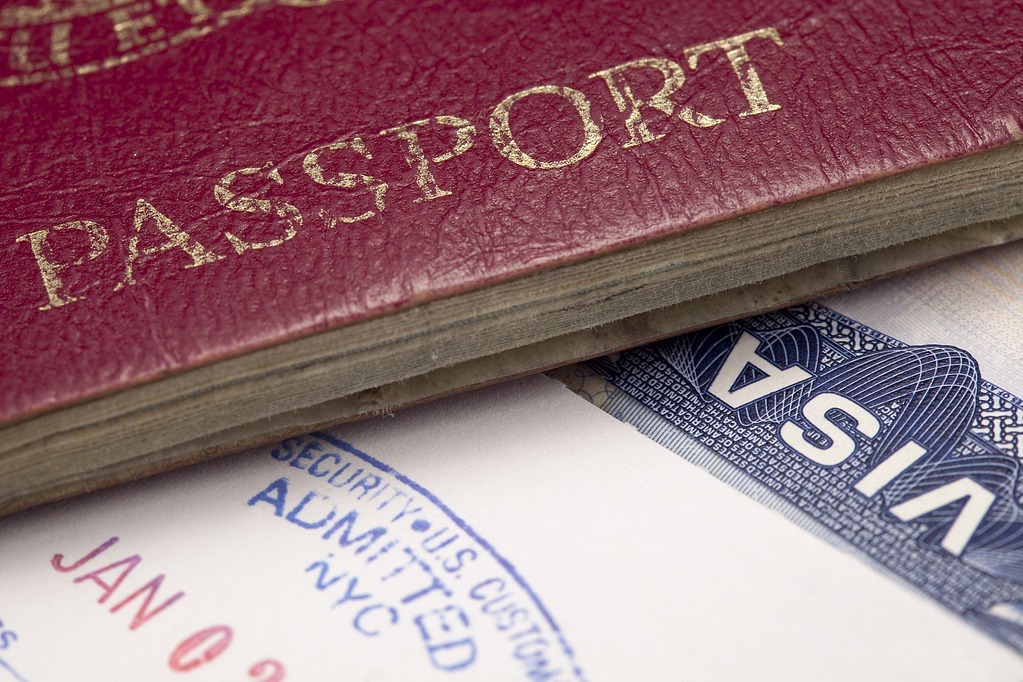
    The United States State Department has announced a significant suspension of immigrant visa processing from 75 countries, citing concerns over immigrants becoming dependent on public assistance programs. The policy shift, announced on Wednesday, will take effect January 21 and affects nations including Somalia, Haiti, Iran, and Eritrea.

    Principal Deputy Spokesperson Tommy Pigott stated the pause will remain while the department reassesses immigration procedures to prevent the admission of foreign nationals likely to require welfare and public benefits. In U.S. immigration terminology, a “public charge” refers to individuals deemed likely to rely on government assistance for basic necessities.

    The decision follows the Trump administration’s recent expansion of travel restrictions, which now encompass 39 countries facing complete or partial entry bans. This visa processing suspension represents the latest in a series of immigration policy changes under the current administration, which has revoked over 100,000 visas since President Trump took office nearly one year ago.

    The full list of affected countries has not been publicly released, raising questions about the criteria used for selection. The move aligns with President Trump’s previously stated intention to “permanently pause migration from all Third World Countries,” which he expressed on his Truth Social platform following a shooting incident in the U.S. capital involving an Afghan national that resulted in the death of a National Guard member.

  • Palestine Action-linked prisoners end hunger strike

    Palestine Action-linked prisoners end hunger strike

    In a significant development for activist movements and UK-Israel defense relations, three prisoners affiliated with Palestine Action have terminated their prolonged hunger strike following the British government’s decision to withhold a multi-billion-pound contract from Elbit Systems UK, the British subsidiary of the Israeli arms manufacturer. The cessation marks the conclusion of the longest hunger strike in British penal history.

    Heba Muraisi and Kamran Ahmed, who had abstained from both food and water for over sixty days, alongside Lewie Chiaramello—who managed his Type 1 Diabetes while engaging in an alternating-day hunger strike for 46 days—agreed to end their protest late Wednesday. This decision coincided with urgent medical warnings that the strikers were nearing fatal organ failure.

    Simultaneously, four additional protesters—Teuta Hoxha, Jon Cink, Qesser Zuhrah, and Amu Gib—who had previously suspended their strikes in late 2023, formally agreed not to resume their action. The collective resolution brings a close to a highly publicized campaign that highlighted intersections of activism, incarceration, and international arms trading.

    The advocacy group Prisoners for Palestine condemned the ongoing detention of these individuals, labeling it a permanent stain on Britain’s democratic credentials. The organization asserted that Britain is effectively holding political prisoners in service of a foreign regime engaged in genocide, a statement that underscores the deeply polarized perspectives on the Gaza conflict.

    Family members expressed both relief and unresolved anger. Audrey Corno, a relative of Teuta Hoxha, described the ordeal as a ‘painfully traumatic experience’ for loved ones, noting that while victory is declared, critical refeeding processes and long-term health impacts for Muraisi and Ahmed remain a serious concern.

    Nida Gib, related to protester Amu Gib, sharply criticized the Labour government’s silence throughout the crisis, accusing ministers of attempting to isolate dissidents who challenge Britain’s complicity in overseas conflicts. She highlighted the harsh treatment prisoners endured, including being handcuffed to hospital beds during refeeding, and vowed that the movement built around this case would continue to demand accountability and expose perceived injustices.

  • Rift at top of the Taliban: BBC reveals clash of wills behind internet shutdown

    Rift at top of the Taliban: BBC reveals clash of wills behind internet shutdown

    A profound internal power struggle is threatening the unity of Afghanistan’s Taliban government, pitting the reclusive supreme leader against powerful cabinet ministers in a clash over the country’s future direction. The conflict, revealed through a BBC investigation based on leaked audio and over 100 interviews with Taliban insiders, exposes two competing visions for the nation.

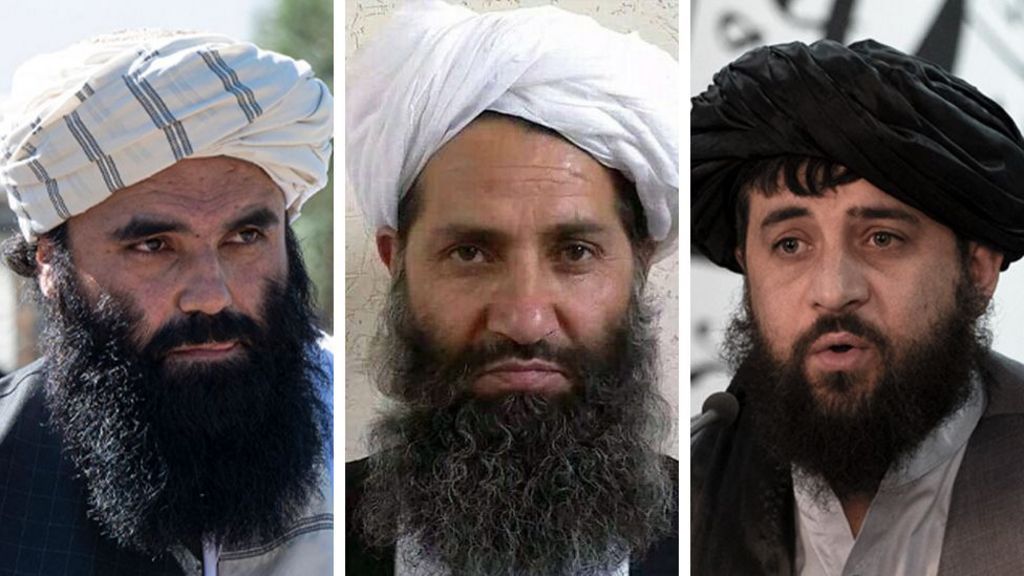
    At the center stands Supreme Leader Hibatullah Akhundzada, who rules from Kandahar with absolute religious authority. Surrounding himself with hardline ideologues, he advocates for a strictly isolated Islamic Emirate severed from modern global systems. His faction has implemented sweeping bans on girls’ education beyond primary school and women’s employment, enforcing rigid religious interpretations across Afghan society.

    Opposing this vision stands the so-called ‘Kabul group’—influential ministers including Interior Minister Sirajuddin Haqqani, Defense Minister Mohammad Yaqoob, and political leader Abdul Ghani Baradar. While still conservative Islamists, these figures advocate for international engagement, economic development, and limited modernization. They particularly disagree with Akhundzada’s education bans and isolationist policies.

    The tension reached its climax in September 2025 when Akhundzada ordered a nationwide internet blackout, citing anti-Islamic content concerns. In an unprecedented act of defiance, Kabul-based ministers collectively pressured Prime Minister Mullah Hassan Akhund to restore connectivity just three days later—an act described by insiders as ‘nothing short of rebellion.’

    This direct challenge to Akhundzada’s authority marked a seismic shift in Taliban dynamics. While the movement has historically valued obedience to leadership, the pragmatic ministers recognized that governing a modern state requires internet access for both administration and commerce.

    The power struggle reflects deeper ideological divisions. Akhundzada, a former Sharia court judge, believes himself accountable only to God and has consolidated power by moving key government functions to Kandahar. Meanwhile, the Kabul faction—many of whom negotiated with the United States and have international experience—seeks a governance model resembling Gulf states while maintaining Islamic principles.

    Despite the confrontation, open rupture remains unlikely. Both factions recognize that visible division could threaten their hold on power. As 2026 begins, the question remains whether these internal tensions will translate into meaningful policy changes for the Afghan people, particularly regarding women’s rights and international relations.

  • Voting begins in Uganda’s presidential election during internet shutdown and polling station delays

    Voting begins in Uganda’s presidential election during internet shutdown and polling station delays

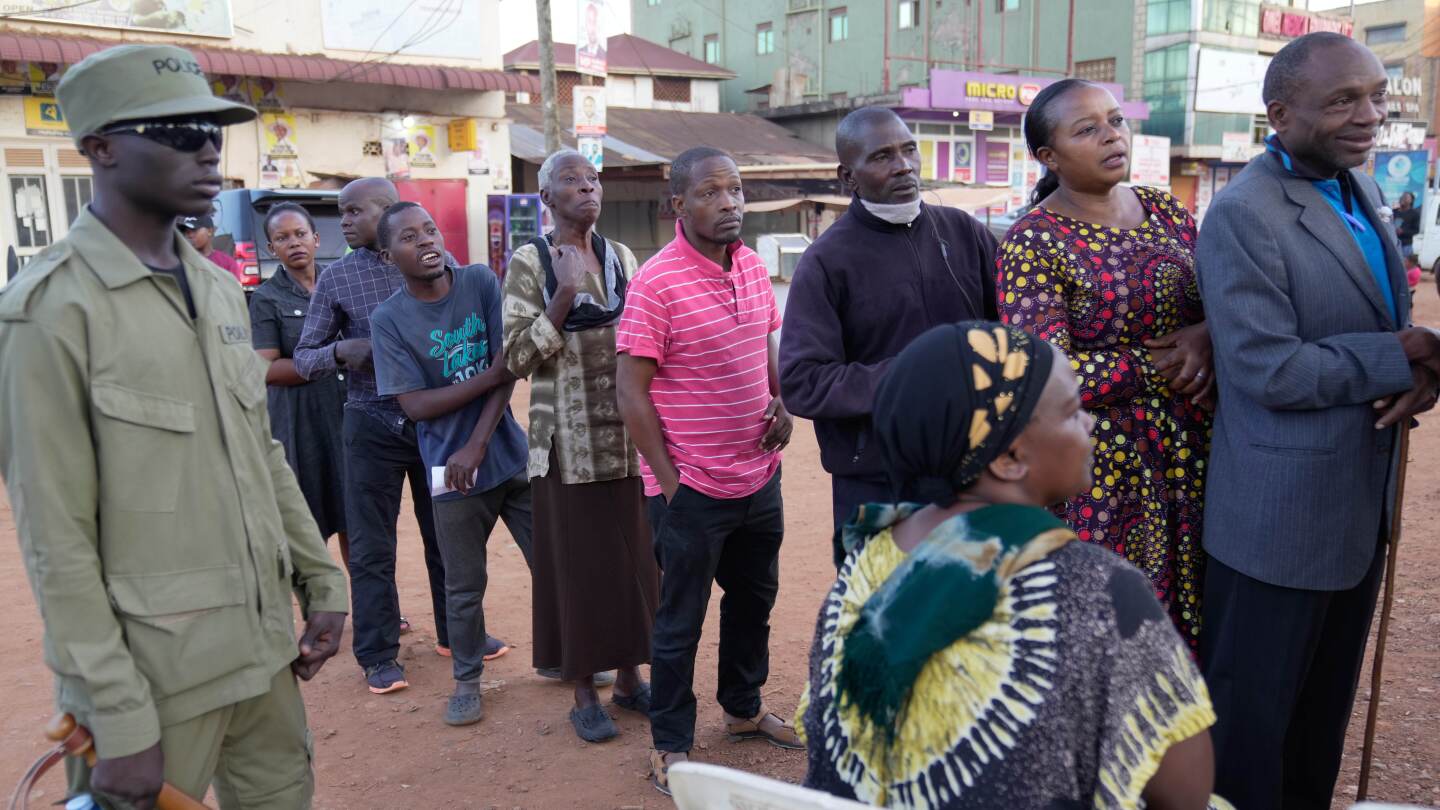
    Uganda commenced presidential voting operations on Thursday under unprecedented digital censorship, as nationwide internet blackouts cast shadows over electoral integrity in East Africa’s longstanding political landscape. Despite scheduled 7 a.m. openings, numerous polling stations witnessed significant delays with electoral materials arriving tardily, prompting substantial voter queues across multiple districts.

    The electoral contest features 81-year-old incumbent Yoweri Museveni, seeking to extend his 35-year presidency against seven challengers. Most notably, opposition momentum centers around Robert Kyagulanyi—the charismatic musician-politician popularly known as Bobi Wine—who has mobilized youth-led movements demanding systemic political transformation.

    With approximately 45 million citizens and 21.6 million registered voters, Uganda’s electoral process unfolds amid international scrutiny regarding digital freedom and transparent governance. The government-enforced internet suspension, criticized by digital rights advocates as fundamentally anti-democratic, severely restricts independent monitoring capabilities and real-time information dissemination.

    Electoral officials acknowledge logistical challenges while maintaining that voting procedures will adhere to constitutional standards. However, the communications blackout raises profound concerns about transparency mechanisms in a nation where the same leadership has governed since 1986.