分类: politics

  • Europe scrambles to respond to Trump tariff threat

    Europe scrambles to respond to Trump tariff threat

    European leaders are mounting a coordinated response to President Donald Trump’s unprecedented tariff threats, which come as direct retaliation for their opposition to his administration’s renewed interest in acquiring Greenland. The autonomous Danish territory has become the unlikely epicenter of a major diplomatic crisis straining NATO alliances.

    Italian Prime Minister Giorgia Meloni, despite maintaining generally positive relations with Trump, openly criticized the proposed economic measures during her visit to Seoul. ‘I believe that imposing new sanctions today would be a mistake,’ Meloni stated, revealing she had communicated this position directly to the American president hours earlier. While characterizing the situation as partly stemming from ‘understanding and communication’ failures, she emphasized NATO’s crucial role in resolving the escalating dispute.

    Across Europe, condemnation of Trump’s tariff announcement has been swift and unequivocal. British Culture Minister Lisa Nandy confirmed Prime Minister Keir Starmer’s intention to address the matter urgently with the White House, labeling the threatened tariffs as ‘wrong,’ ‘deeply unhelpful,’ and ‘counterproductive.’

    French President Emmanuel Macron advocated for a robust European response, urging deployment of the EU’s previously unused ‘anti-coercion instrument’—a powerful trade mechanism designed to counteract such economic pressure. This tool, often referred to as the EU’s trade ‘bazooka,’ enables restrictions on imports of goods and services.

    The Trump administration has outlined a graduated tariff schedule: implementing 10% tariffs on all imports from eight European nations—Denmark, Norway, Sweden, France, Germany, the United Kingdom, Netherlands, and Finland—beginning February 1, with escalation to 25% by June 1 if Greenland negotiations remain stalled.

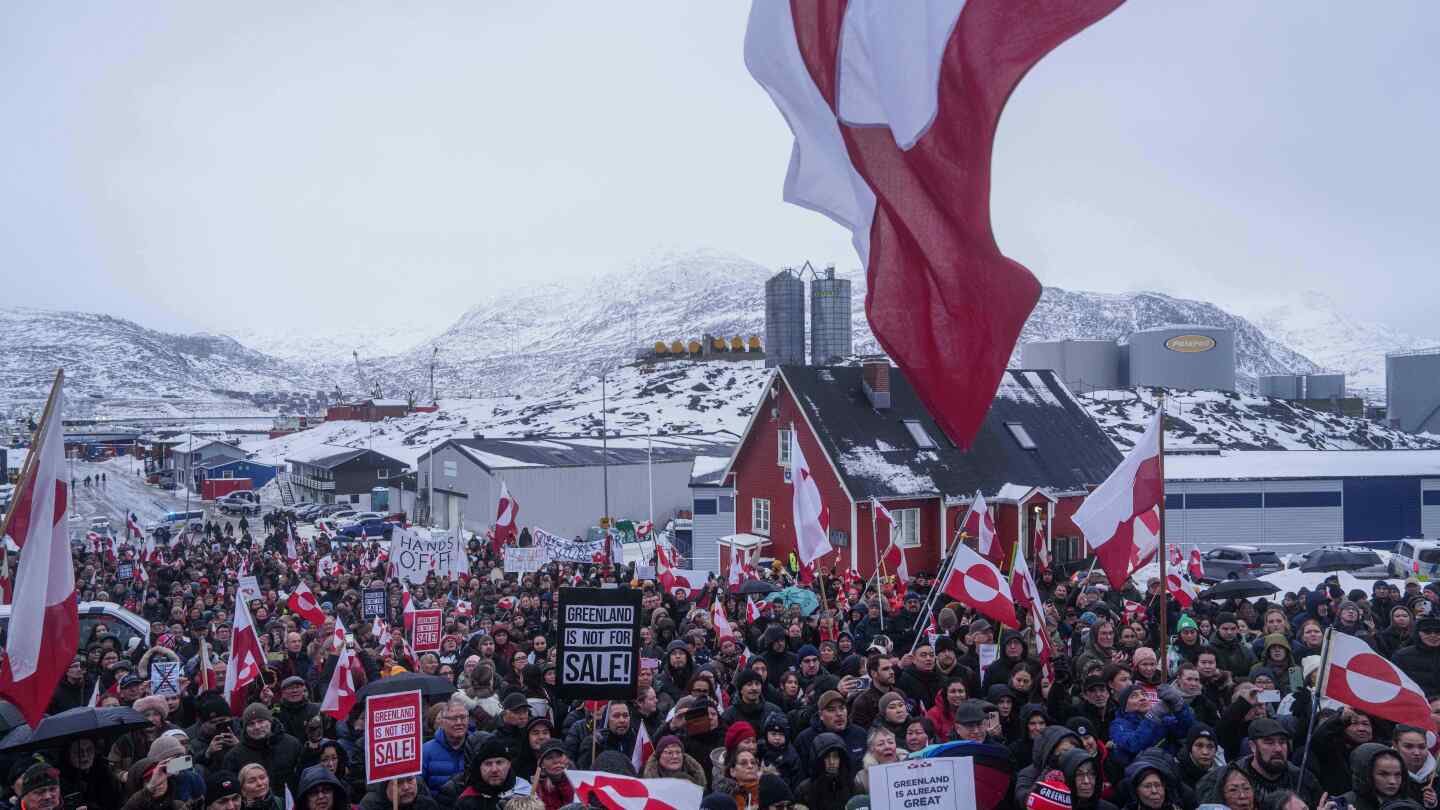
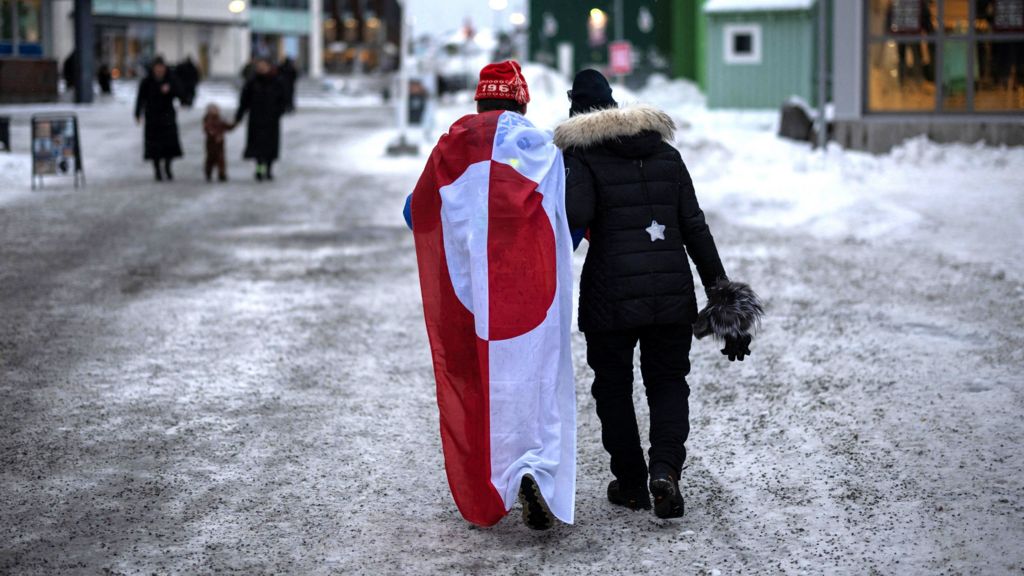
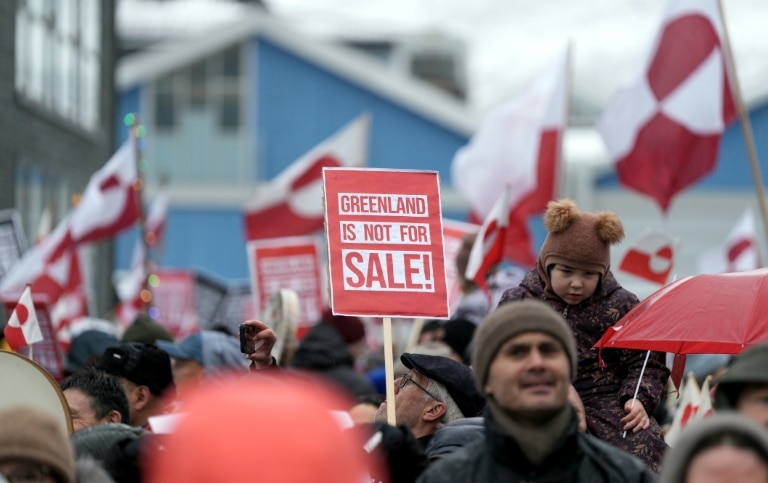
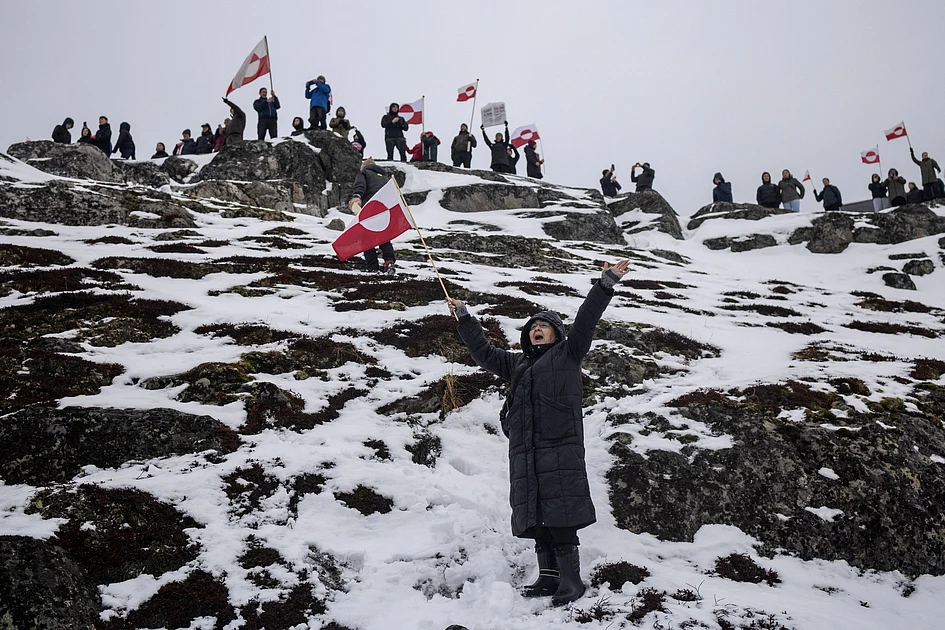
    Civil society has joined governmental opposition, with thousands protesting in Nuuk, Copenhagen, and other Danish cities against potential U.S. annexation. Diplomatic channels are actively engaged, as evidenced by Danish Foreign Minister Lars Lokke Rasmussen’s planned visits to Norway, the UK, and Sweden for Arctic security consultations.

    European officials emphasize the mutual damage of tariff escalation. French Agricultural Minister Annie Genevard noted that American farmers and industrialists would also suffer significant losses, while Dutch Foreign Minister David van Weel condemned Trump’s approach as ‘inexplicable blackmail.’

    The European Union has convened an emergency meeting of ambassadors in Brussels to formulate a unified strategy, with Commission President Ursula von der Leyen and European Council President Antonio Costa warning that these tariffs would ‘undermine transatlantic relations and risk a dangerous downward spiral.’
  • In their words: European governments criticize Trump’s tariff threats over Greenland

    In their words: European governments criticize Trump’s tariff threats over Greenland

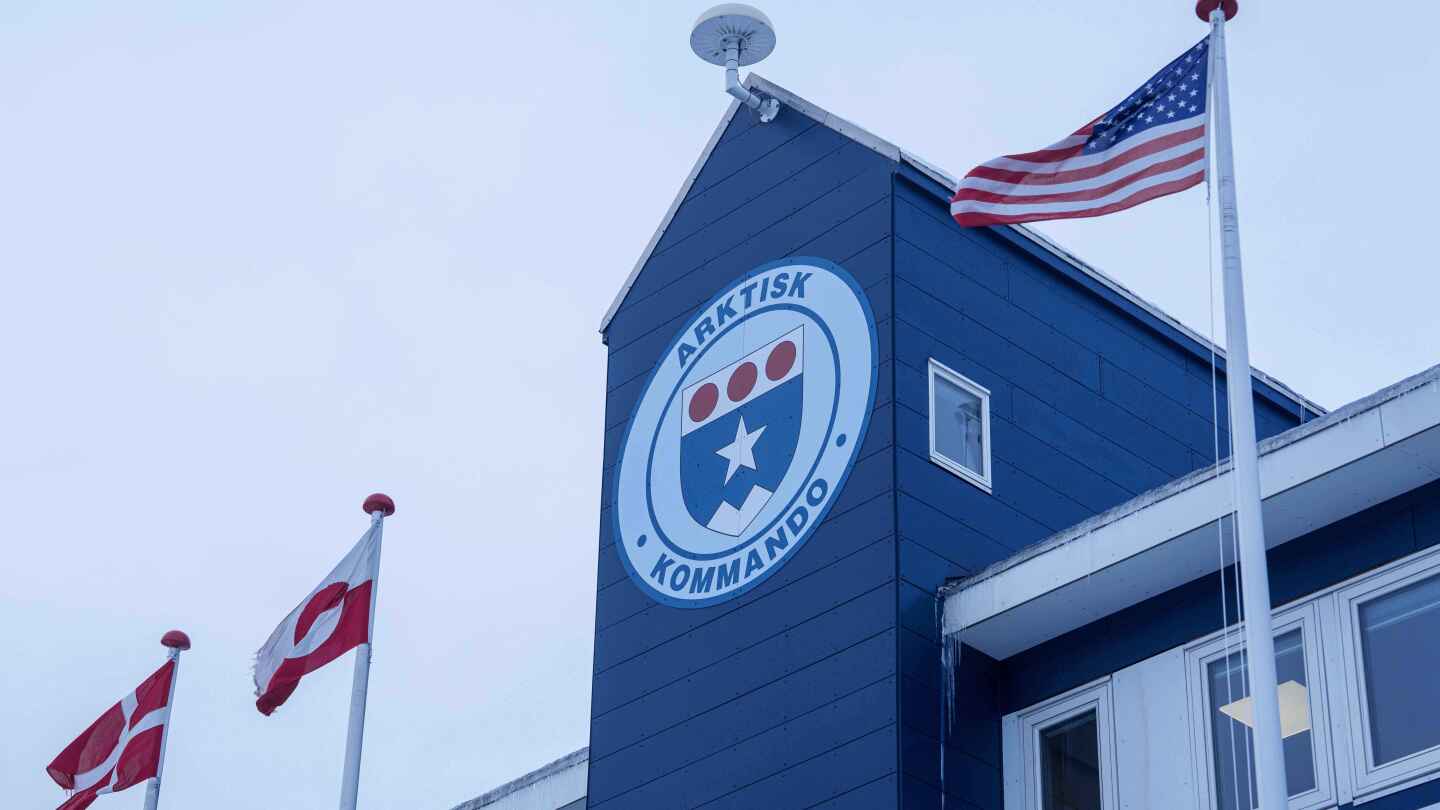
    COPENHAGEN, Denmark — A severe transatlantic rift has emerged following U.S. President Donald Trump’s announcement of impending 10% tariffs targeting eight European nations in retaliation for their stance on Greenland. The unprecedented economic measure, scheduled to commence next month, specifically targets Denmark, Norway, Sweden, France, Germany, the United Kingdom, the Netherlands, and Finland.

    The tariff threat represents a dramatic escalation in tensions over Arctic sovereignty and security arrangements. President Trump characterized the tariffs as retaliation against what he deemed European interference in American control of Greenland, specifically referencing the deployment of symbolic troop contingents to the region. European leaders uniformly rejected this characterization, maintaining their military movements were coordinated responses to Trump’s own calls for enhanced Arctic security through NATO frameworks.

    Diplomatic reactions from affected nations revealed remarkable unity in condemning the U.S. move. Danish Foreign Minister Lars Løkke Rasmussen emphasized transparent cooperation with American allies on Arctic security while implicitly rejecting the tariff justification. Norwegian Prime Minister Jonas Gahr Støre delivered a sharper rebuke, stating unequivocally that ‘threats have no place among allies’ and reaffirming Norway’s recognition of Danish sovereignty over Greenland.

    Swedish Prime Minister Ulf Kristersson denounced the action as ‘blackmail’ and framed it as a broader European Union concern. French President Emmanuel Macron declared that ‘no intimidation or threats will influence us,’ whether in Ukraine, Greenland, or elsewhere. German officials indicated coordinated European responses would be determined at the appropriate time.

    British Prime Minister Keir Starmer condemned the tariffs as ‘completely wrong’ when applied to allies pursuing collective NATO security. Dutch Foreign Minister David van Weel criticized the inappropriate use of trade measures for non-trade disputes, while Finnish President Alexander Stubb warned the tariffs would ‘undermine the transatlantic relationship and risk a dangerous downward spiral.’
    The collective European response underscores a fundamental disagreement over appropriate conduct among NATO allies and establishes a potentially dangerous precedent for using economic measures to settle geopolitical disagreements within the Western alliance.

  • Trump vows tariffs on eight European nations over Greenland

    Trump vows tariffs on eight European nations over Greenland

    In a significant escalation of transatlantic tensions, former President Donald Trump has declared impending tariff measures against eight European nations in pursuit of his longstanding ambition to acquire Greenland. Through his Truth Social platform on Saturday, Trump announced a 10% import tariff scheduled to take effect February 1st targeting Denmark, Norway, Sweden, France, Germany, the Netherlands, Finland, and Great Britain—all already subject to existing Trump-era tariffs.

    The punitive measures would intensify to 25% by June 1st unless negotiations culminate in U.S. ownership of the autonomous Danish territory. Trump maintains that Greenland’s strategic Arctic positioning and substantial mineral resources render it vital to American security interests, refusing to discount potential military action despite Greenland and Denmark’s consistent assertions that the island is not for sale.

    The announcement triggered immediate diplomatic backlash across Europe. British Prime Minister Keir Starmer condemned the threat via social media, stating tariff imposition against allies pursuing collective NATO security was ‘completely wrong.’ European Commission President Ursula von der Leyen and European Council President Antonio Costa issued identical statements affirming the EU’s ‘full solidarity’ with Denmark and Greenland, warning tariffs risked a ‘dangerous downward spiral’ in transatlantic relations.

    Denmark’s Foreign Minister Lars Lokke Rasmussen expressed surprise at the unilateral declaration, while Cyprus, holding the EU presidency, convened an emergency meeting of ambassadors from all 27 member states. Multiple European officials reiterated that tariff threats should have no place in discussions regarding Greenland’s sovereignty.

    The move potentially jeopardizes tentative trade agreements negotiated between the Trump administration and European partners last year. Trade analysts note the unprecedented approach of targeting specific EU members differently risks fragmenting European unity and could undermine existing trade frameworks.

    Meanwhile, thousands protested in Denmark and Greenland against what they perceive as neo-colonial aggression, demanding respect for Greenland’s self-determination. The escalating situation has raised concerns among NATO members about the alliance’s stability, with some U.S. senators warning the approach damages American interests and strengthens adversaries like China and Russia.

  • Iran’s supreme leader says US-backed ‘sedition’ defeated as schools set to reopen

    Iran’s supreme leader says US-backed ‘sedition’ defeated as schools set to reopen

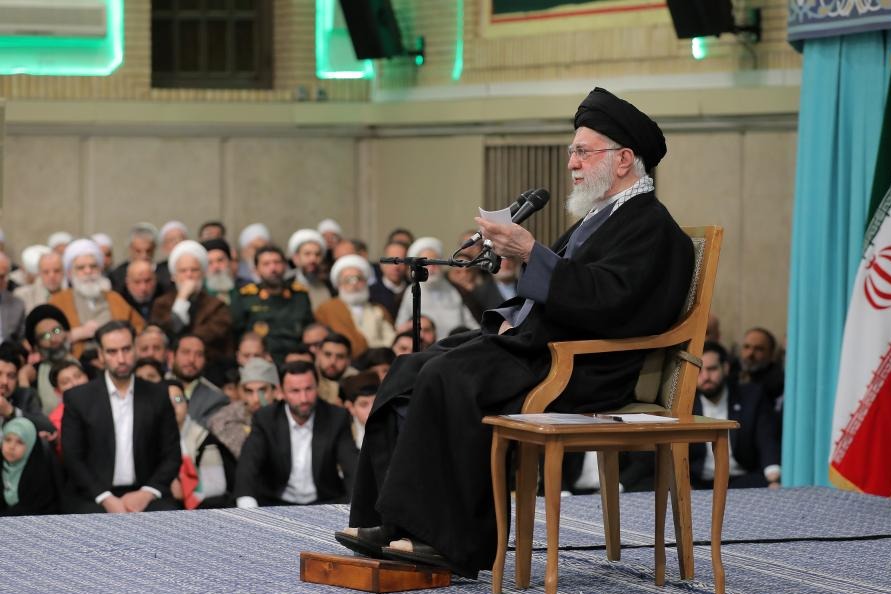
    Iran’s Supreme Leader Ayatollah Ali Khamenei proclaimed a decisive victory against what he characterized as foreign-instigated unrest during a major address on Saturday. Speaking on a significant religious holiday, Khamenei asserted that Iran had successfully extinguished a sedition campaign orchestrated by the United States and Israel.

    The supreme leader delivered sharp criticism against U.S. leadership, specifically targeting former President Donald Trump whom he labeled a ‘criminal’ responsible for instigating violence and destruction during recent nationwide protests. Khamenei accused Trump of direct involvement through public statements and promises of military support to demonstrators.

    While emphasizing that Iran does not seek military confrontation, Khamenei issued a stern warning that Tehran would not hesitate to punish those responsible for the unrest, including both domestic actors and international instigators.

    The address coincided with apparent de-escalation of tensions as Iranian authorities reported the detention of approximately 3,000 individuals connected to the protests that began in late December over economic concerns before turning violent. Iranian media confirmed the restoration of SMS services nationwide and announced the reopening of educational institutions following a week-long closure.

    In regional developments, Lebanon’s Hezbollah movement expressed firm solidarity with Iran through a televised address by deputy leader Naim Qassem, who characterized Iran as a ‘stronghold of resistance’ against American global domination efforts.

    The Iranian Foreign Ministry separately condemned what it described as ‘meddlesome’ statements from G7 nations regarding Iran’s internal affairs, demanding an immediate cessation of interference in the country’s sovereign matters.

  • Europeans reeling as Trump imposes tariffs on 8 countries over Greenland dispute

    Europeans reeling as Trump imposes tariffs on 8 countries over Greenland dispute

    BERLIN (AP) — Transatlantic relations faced severe strain Sunday following President Donald Trump’s unexpected announcement imposing 10% tariffs on eight European nations for resisting U.S. territorial ambitions regarding Greenland. The move has triggered widespread condemnation across European capitals and prompted emergency diplomatic consultations.

    The targeted nations—Denmark, Norway, Sweden, France, Germany, United Kingdom, Netherlands, and Finland—collectively denounced the measures as economically damaging and politically destabilizing. European Council President António Costa and European Commission President Ursula von der Leyen issued a joint statement warning the tariffs “would undermine transatlantic relations and risk a dangerous downward spiral.”

    Trump’s tariff threat, announced Saturday coinciding with mass protests outside the U.S. Consulate in Nuuk, Greenland’s capital, represents an unconventional approach to territorial negotiation. The administration characterizes Greenland as critical to U.S. national security interests, though the semiautonomous territory remains under Danish sovereignty within the NATO alliance framework.

    Legal and logistical complications immediately emerged regarding implementation. The European Union functions as a unified economic zone in trade matters, while targeted nations Norway and Britain operate outside EU trade structures. EU envoys scheduled emergency talks for Sunday evening to coordinate response strategies.

    The announcement generated rare bipartisan criticism within both European and American political spheres. U.S. Senator Mark Kelly (D-Arizona) condemned the move as damaging to international relationships, stating: “The damage this President is doing to our reputation and our relationships is growing, making us less safe.”

    European leaders expressed concern that the confrontation might benefit geopolitical rivals. EU Foreign Policy Chief Kaja Kallas noted that “China and Russia will benefit from the divisions between the U.S. and Europe,” emphasizing that Greenland security concerns should be addressed through NATO mechanisms rather than economic coercion.

    Even Trump’s traditional European allies distanced themselves from the move. French far-right leader Jordan Bardella recommended suspending the EU-U.S. tariff agreement, characterizing the threat as “commercial blackmail.” British political parties across the spectrum, including Trump ally Nigel Farage’s Reform UK, uniformly criticized the measures.

    Danish and Norwegian foreign ministers are scheduled to address the escalating crisis during a Sunday news conference in Oslo, as diplomatic efforts intensify to resolve the unprecedented transatlantic confrontation.

  • Around 1,500 soldiers on standby for deployment to Minneapolis, officials say

    Around 1,500 soldiers on standby for deployment to Minneapolis, officials say

    Approximately 1,500 soldiers from the 11th Airborne Division stationed at Fort Wainwright, Alaska, remain on high alert for potential deployment to Minneapolis, according to a U.S. defense official. This military contingency plan comes as ongoing demonstrations against Immigration and Customs Enforcement (ICE) operations continue to unfold throughout the city.

    The possible activation of active duty personnel represents one of several options available to the administration should civil unrest escalate. No final decision regarding troop deployment has been made at this time.

    These developments follow the fatal shooting of U.S. citizen Renee Good by an ICE agent earlier this month. Good was reportedly acting as a legal observer monitoring ICE activities at the time of the incident. While protest organizers have characterized her as a civilian observer, federal authorities have controversially labeled her a “domestic terrorist.”

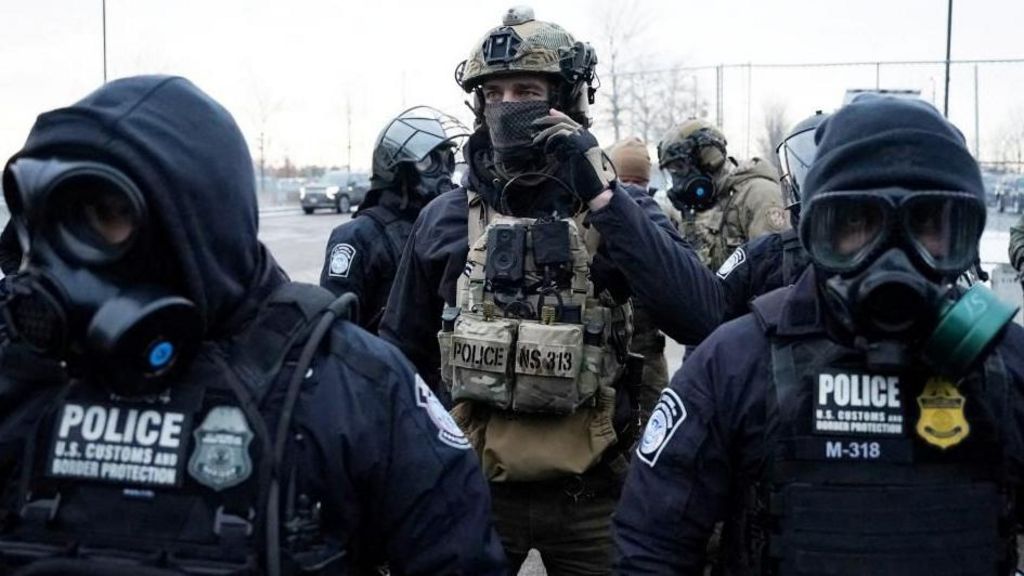
    In response to the escalating situation, Minnesota Governor Tim Walz has already mobilized the state’s National Guard and deployed additional law enforcement personnel to maintain order during protests. Simultaneously, the judicial branch has intervened through a federal court order issued by Judge Katherine Menendez. The ruling explicitly prohibits ICE agents from employing certain crowd control measures—including arrests and pepper spray—against peaceful demonstrators and observers.

    City officials have repeatedly urged protesters to maintain orderly and peaceful conduct during demonstrations, which have spread beyond Minneapolis with signs demanding “Justice for Renee” appearing at rallies nationwide. The ongoing tensions reflect deepening national divisions regarding immigration enforcement policies and practices.

  • Faisal Islam: Trump’s Greenland threats to allies are without parallel

    Faisal Islam: Trump’s Greenland threats to allies are without parallel

    A unprecedented diplomatic crisis has emerged following U.S. President Donald Trump’s coercive threat to Western allies regarding Greenland’s potential annexation. The administration’s ultimatum—either support the proposed territorial acquisition or face intensified trade restrictions—represents an extraordinary escalation in economic diplomacy that experts describe as without historical parallel.

    The threat, delivered through presidential social media channels, has sent shockwaves through diplomatic circles. Officials from affected nations have expressed both bewilderment and deep concern about the implications for NATO and Western alliance structures. The move targets longstanding partners with minimal warning, fundamentally challenging the principles of international cooperation that have underpinned transatlantic relations for decades.

    Economic analysts note that while allies have previously adapted to Trump’s trade policies, this particular threat enters qualitatively different territory. Canadian Prime Minister Mark Carney’s recent strategic pivot illustrates alternative approaches emerging among affected nations. During his China visit this week, Carney actively promoted “a new world order” in trade relationships, achieving a 14% surge in Canada’s non-U.S. trade that compensates for losses in American commerce.

    The timing of Trump’s intervention coincides with his scheduled appearance at the World Economic Forum, where he is expected to meet with leaders of the very nations whose economies he has threatened. Diplomatic experts question the feasibility of such a territorial acquisition, noting that no modern precedent exists for compelling allies to surrender sovereign territory through economic coercion.

    International observers have drawn disturbing comparisons, questioning how the global community would respond if China or Russia issued similar threats to their allies. The fundamental rationale behind the threat—public coercion of strategic partners—has raised profound concerns about the stability of international norms and the functioning of American decision-making processes.

    As protests supporting Greenland’s position emerge in Denmark, the international community largely hopes this unprecedented situation will resolve before causing permanent damage to alliance structures that have maintained global stability for generations.

  • Portugal’s presidential election may deliver another gain for populists in Europe

    Portugal’s presidential election may deliver another gain for populists in Europe

    LISBON, Portugal — Portugal’s presidential election on Sunday features an unprecedented field of 11 candidates, setting the stage for a potential political milestone as far-right populist André Ventura emerges as a formidable contender. This development signals a possible breakthrough for Europe’s expanding far-right movement within a nation traditionally resistant to such politics.

    The crowded ballot virtually guarantees no single candidate will secure the required 50% majority, necessitating a runoff election next month between the top two vote-getters. Nearly 11 million registered voters will determine the successor to President Marcelo Rebelo de Sousa, who concludes his constitutionally limited two-term tenure.

    André Ventura, leader of the populist Chega (Enough) party, ranks among the front-runners according to recent polling. His party’s remarkable ascent has transformed it into Portugal’s second-largest parliamentary faction within just six years of establishment. Ventura’s campaign prominently targets immigration, with provocative billboards proclaiming ‘This isn’t Bangladesh’ and opposing welfare benefits for immigrants—rhetoric previously considered unthinkable in Portuguese political discourse.

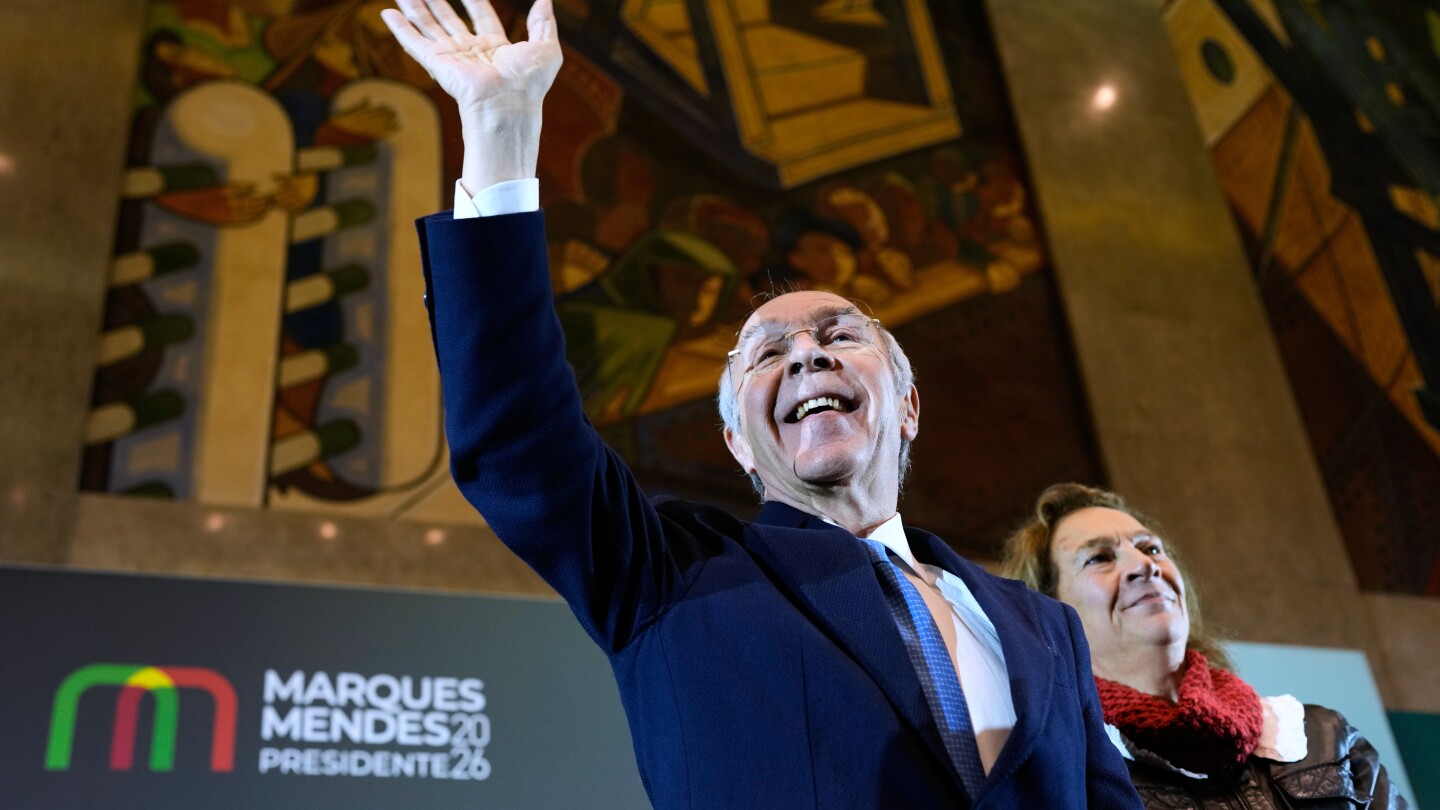
    Other prominent candidates represent Portugal’s establishment parties: Luís Marques Mendes from the governing center-right Social Democratic Party and António José Seguro of the center-left Socialist Party. Retired Rear Admiral Henrique Gouveia e Melo, acclaimed for his efficient management of Portugal’s COVID-19 vaccination campaign, presents a strong independent challenge.

    The election occurs amid Portugal’s most severe political instability in decades, following three general elections within three years. While Ventura emphasizes immigration, voters express greater concern about housing affordability and living costs. The next president will also face constitutional decisions regarding euthanasia legislation approved by parliament in 2022.

    Though largely ceremonial, the Portuguese presidency wields significant influence through mediation powers, legislative veto authority, and the crucial ability to dissolve parliament—a tool known locally as the ‘atomic bomb.’ The election’s outcome will determine leadership at Lisbon’s distinctive riverside ‘pink palace’ for a five-year term, with a potential runoff scheduled for February 8 should no candidate achieve immediate victory.

  • Taiwanese reporter accused of bribing military officers to leak information to China

    Taiwanese reporter accused of bribing military officers to leak information to China

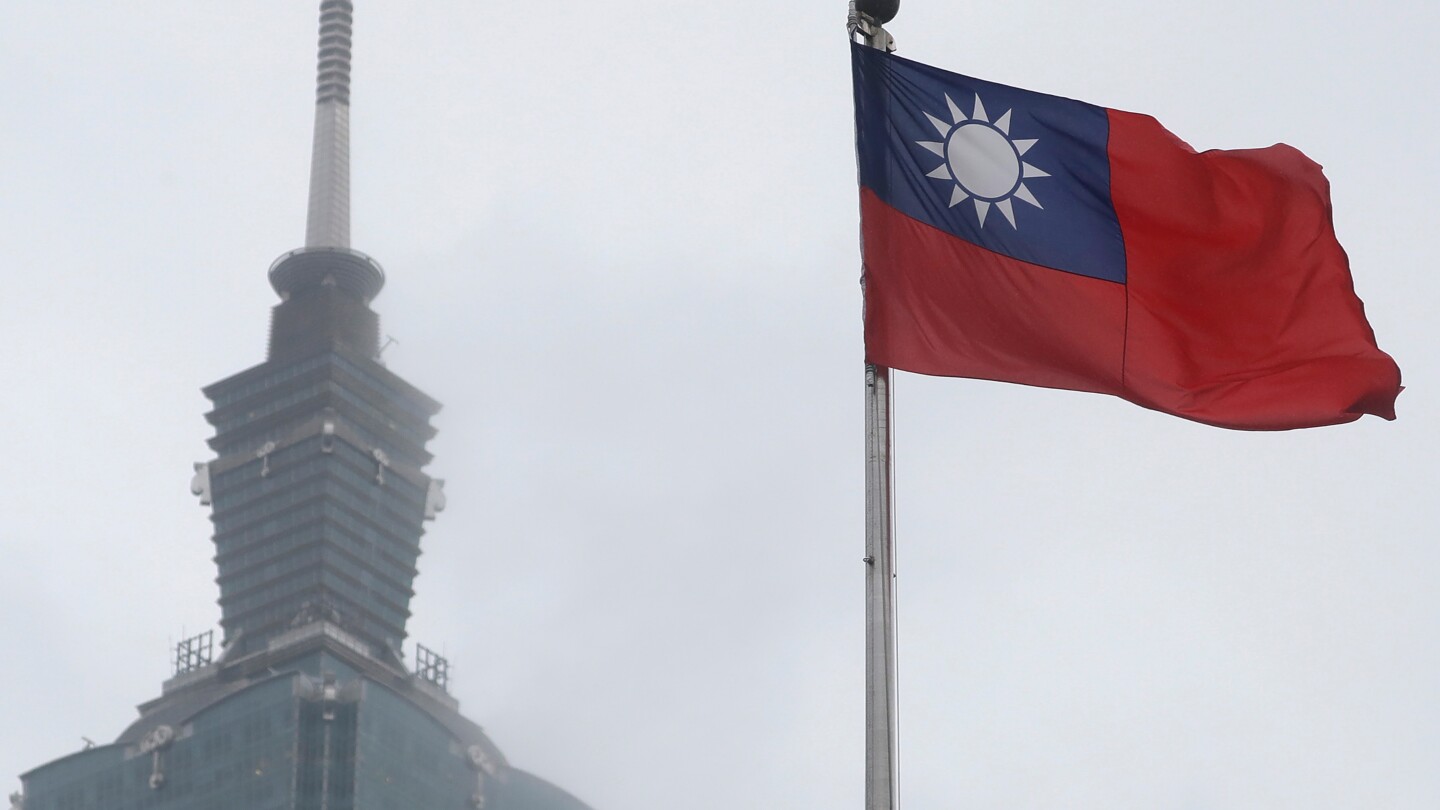
    TAIPEI, Taiwan — Taiwanese authorities have taken decisive action against an alleged espionage operation, detaining a television journalist alongside five current and former military officers on Saturday. The case centers on accusations that the journalist bribed military personnel to obtain sensitive defense information for individuals from mainland China.

    The Qiaotou District Prosecutors Office confirmed that a district court ordered the detention of the individuals, identifying the journalist only by the surname Lin. CTi TV, the employer of reporter Lin Chen-you, acknowledged his detention while emphasizing their lack of case details and calling for a fair judicial process. The news organization concluded its statement with the phrase “God bless Taiwan.

    This development occurs amid heightened tensions between Taiwan and China. Beijing consistently claims Taiwan as part of its territory and has intensified military activities around the island. Last month, China conducted large-scale military exercises following Washington’s announcement of significant arms sales to Taiwan.

    According to prosecutors, Lin allegedly provided payments ranging from several thousand to tens of thousands of Taiwan dollars (equivalent to tens to hundreds of U.S. dollars) to active military personnel in exchange for sensitive information. The prosecution did not specify whether the Chinese recipients had direct ties to the Chinese government.

    Authorities executed raids on Friday targeting the journalist’s premises and nine current and retired military personnel as part of an investigation into potential violations of national security laws, anti-corruption statutes, and the unauthorized disclosure of classified information. CTi TV confirmed that their corporate offices were not subject to these raids.

    Lin’s professional background, as indicated on his Facebook profile, includes serving as a political reporter and anchor covering Taiwan’s legislative affairs.

    The case represents an unusual intersection of journalism and national security concerns in Taiwan, where espionage investigations typically focus on government and military personnel rather than media representatives. CTi News has operated as an online news outlet since 2020, when Taiwan’s National Communications Commission declined to review its cable television license due to repeated violations and increasing complaints. Although a court later overturned this decision, the legal dispute continues through the appeals process.

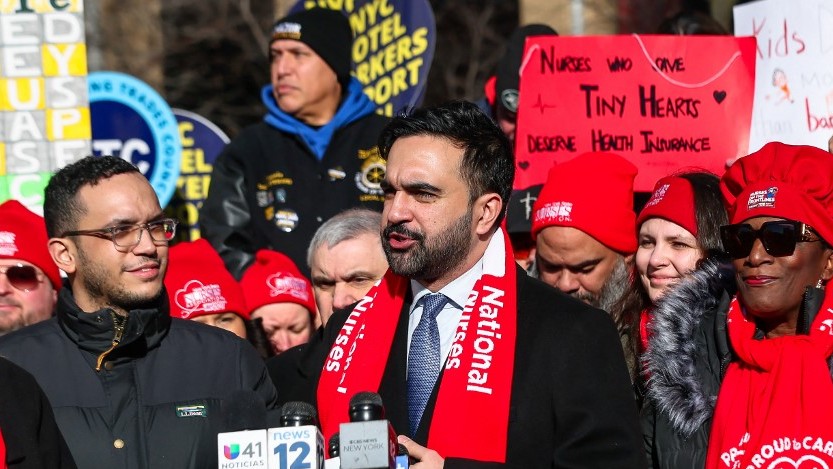
  • New York pension fund may invest in Israel despite Gaza genocide, defying Mamdani

    New York pension fund may invest in Israel despite Gaza genocide, defying Mamdani

    New York City’s pension system is contemplating a controversial return to investing in Israeli government bonds, potentially reversing a recent divestment policy despite ongoing international condemnation of Israel’s military operations in Gaza. This financial deliberation pits fiduciary responsibilities against ethical considerations in a heated municipal debate.

    The Financial Times reported that city officials are evaluating reinvestment options even as Mayor Zohran Mamdani maintains public support for divesting from Israel due to its conduct in Palestinian territories. The discussion highlights the complex intersection of municipal finance and international human rights concerns.

    City Comptroller Mark Levine emphasized his fiduciary obligation to pension beneficiaries, noting to the FT that “Israel bonds have performed very well and they continue to be investment grade rated.” Israeli bonds function as direct loans to the state treasury, providing investors with consistent interest payments while funding government operations.

    Opponents argue that such investments effectively subsidize Israel’s settlement expansion in occupied territories, displacement of Palestinian communities, and civilian casualties in Gaza. The potential policy reversal has intensified tensions within City Hall since Mamdani took office on January 1 and immediately revoked an executive order that had prohibited city agencies from boycotting or divesting from Israel.

    The mayor, a longstanding critic of Israel’s military campaigns, previously stated that New York “should not have a fund that is invested in the violation of international law.” Comptroller Levine, while acknowledging personal ties to Israel through family and cultural connections, maintains that investment decisions should prioritize financial metrics over political considerations.

    This reevaluation occurs despite warnings from credit rating agencies like Moody’s that categorize Israeli bonds as “increasingly risky investments.” The debate marks a significant departure from decades of routine pension investments in Israeli debt, a practice that ended in 2023 when the city allowed its $39 million bond holdings to mature without reinvestment.

    Former Comptroller Brad Lander, who initiated the divestment, framed the 2023 decision as part of a broader strategy to avoid foreign sovereign debt rather than singling out Israel for special treatment. The current reconsideration revives fundamental questions about whether public pension funds should finance governments accused of violating international law.