分类: politics

  • US Army puts 1,500 paratroopers on alert for possible deployment to Minnesota: media

    US Army puts 1,500 paratroopers on alert for possible deployment to Minnesota: media

    The United States Army has placed approximately 1,500 active-duty paratroopers on high alert for potential deployment to Minnesota, according to defense officials speaking to major news outlets on Sunday. The soldiers, belonging to the Alaska-based 11th Airborne Division stationed at Joint Base Elmendorf-Richardson, have been recalled to their base during the holiday weekend to serve as a rapid response force.

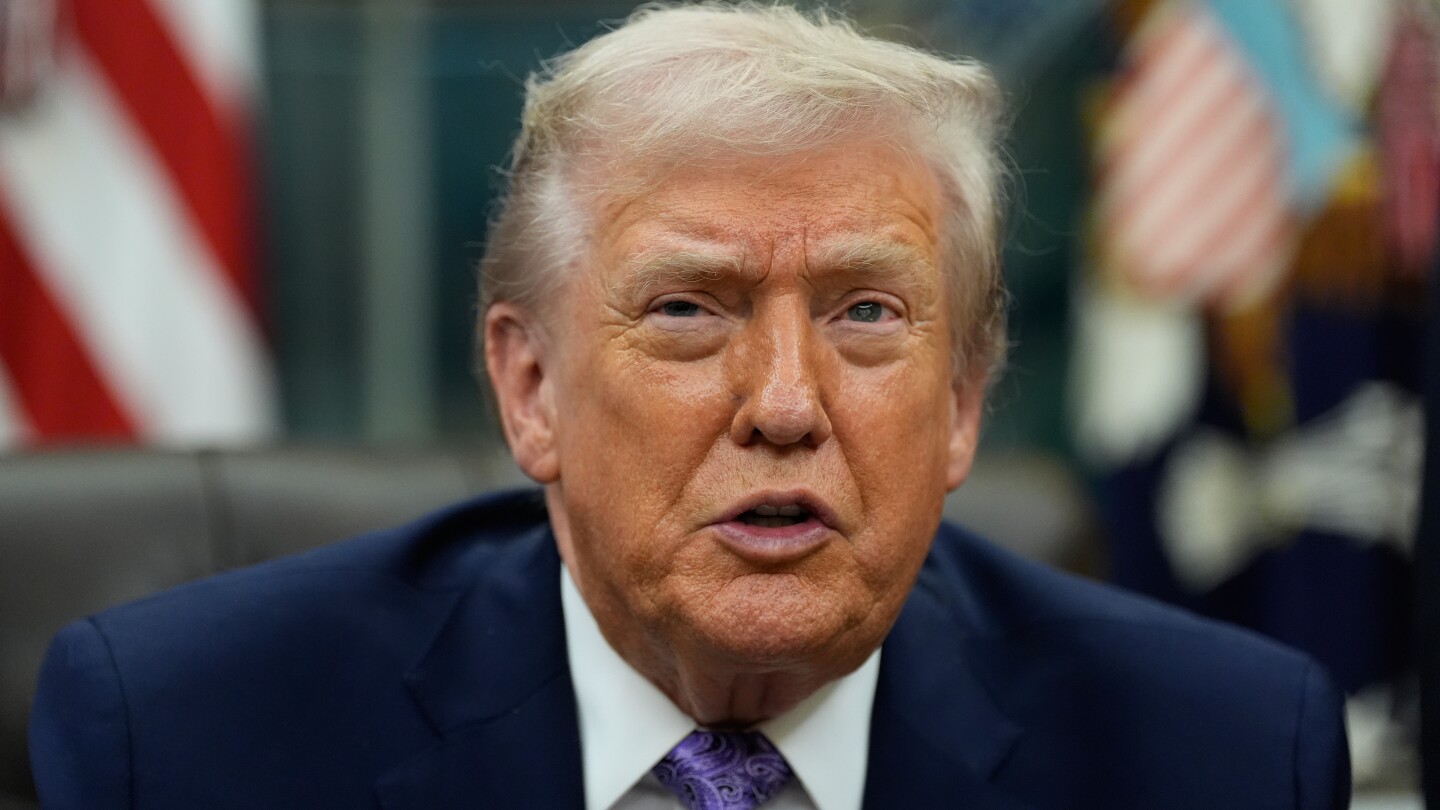
    This military preparation follows President Donald Trump’s recent threat to invoke the 1807 Insurrection Act, an archaic federal statute granting presidential authority to deploy military forces domestically under extreme circumstances. While administration officials emphasized that no final decision has been made regarding deployment, they confirmed the military is “taking prudent steps to prepare active-duty Army forces” as a contingency measure.

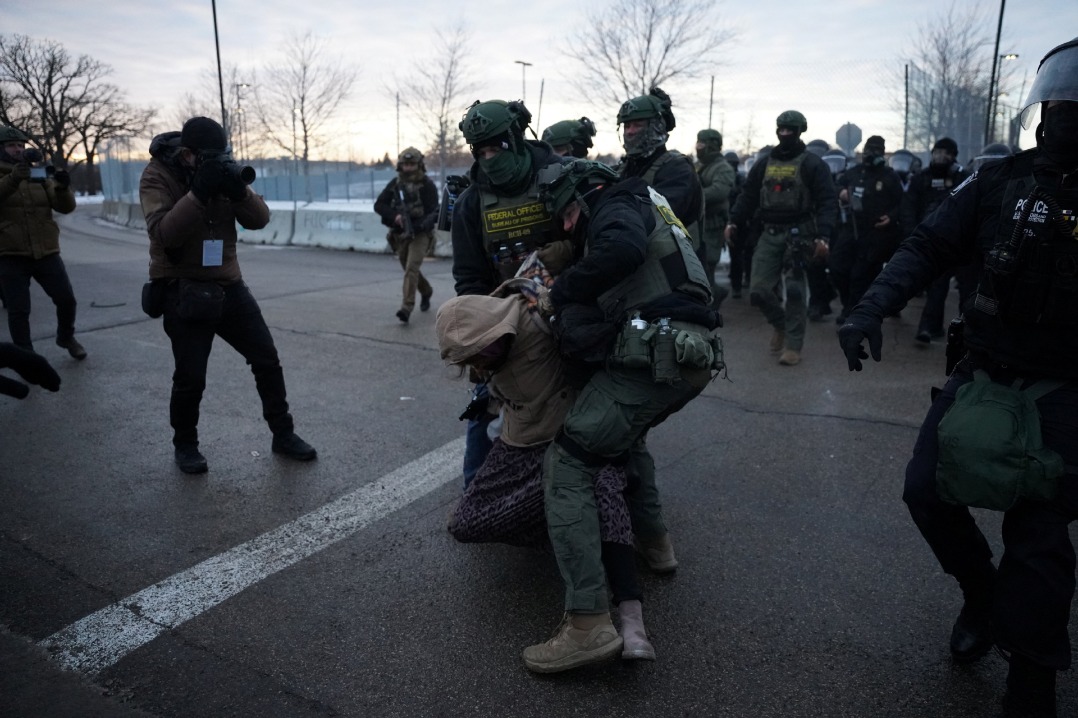
    The potential deployment comes amid escalating tensions in Minnesota following two officer-involved shootings within approximately one week. The initial incident occurred on January 7 when a U.S. Immigration and Customs Enforcement agent fatally shot 37-year-old mother Renee Nicole Good, sparking nationwide demonstrations. Subsequent protests intensified following another related shooting incident approximately one week later.

    Minnesota authorities confirmed on Saturday that the state’s National Guard units have already been mobilized as security concerns continue to mount in Minneapolis, the state’s largest metropolitan area. The situation represents one of the most significant domestic military preparedness actions in recent years, highlighting the federal government’s concern about potential civil unrest.
  • Iranian official says at least 5,000 killed in protests

    Iranian official says at least 5,000 killed in protests

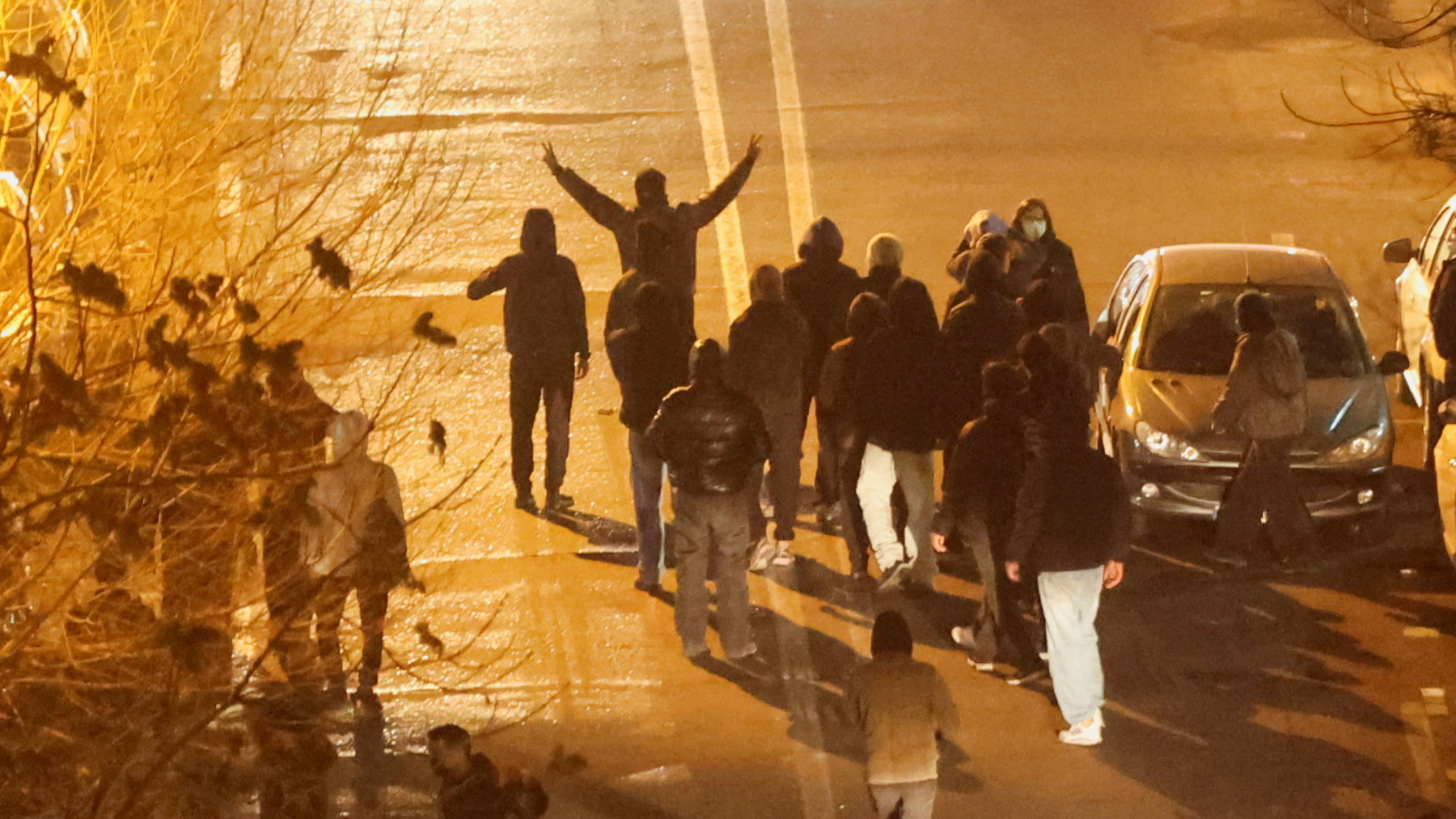
    In a rare official disclosure, an anonymous Iranian authority confirmed on Sunday that at least 5,000 individuals perished during recent anti-government demonstrations that swept across the nation. The protests, initially triggered in late December by widespread discontent with Iran’s deteriorating economic conditions, rapidly evolved into nationwide mobilizations demanding governmental overthrow.

    The administration responded with severe suppression tactics, including a comprehensive internet blackout initiated on January 8th that isolated the country from global communications. Multiple sources documented security personnel employing live ammunition against demonstrators, with the northwestern Kurdish regions experiencing particularly intense violence due to historical tensions between separatists and governmental forces.

    The official attributed the substantial death count to “terrorists and armed rioters” allegedly supported by “Israel and armed groups abroad,” claiming these elements killed “innocent Iranians.” This statement represents the first governmental effort to quantify the human cost of the unrest, though independent organizations present conflicting statistics. US-based HRANA documented 3,090 verified fatalities, while Oslo-based Iran Human Rights NGO reported evidence of execution-style killings against wounded protesters.

    Supreme Leader Ayatollah Ali Khamenei publicly acknowledged the crisis on Saturday, referencing “several thousand” casualties while assigning full responsibility to the United States. Khamenei specifically denounced President Donald Trump as “criminal” for allegedly instigating the violence, destruction, and social turmoil. Despite Trump’s threats of “very strong action” should Iran execute detained protesters, Iranian officials subsequently denied any plans for such measures.

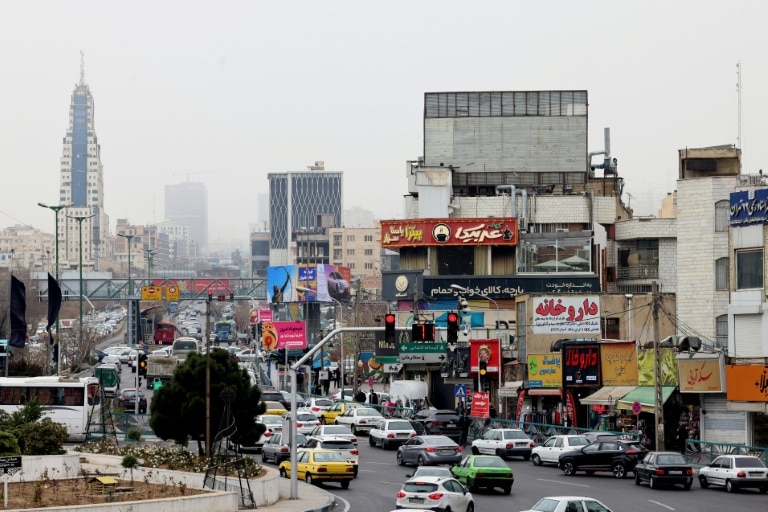
    Recent developments indicate a potential de-escalation, with Tehran residents reporting diminished protest activity and partial restoration of internet and SMS services, though connectivity remains approximately 2% of normal levels according to monitoring group NetBlocks.

  • Limited internet returns in Iran after protest blackout

    Limited internet returns in Iran after protest blackout

    Iran has initiated a gradual restoration of internet connectivity following a ten-day nationwide blackout that coincided with widespread anti-government demonstrations. The digital shutdown, which began on January 8th as protests intensified, had drawn international condemnation as rights organizations accused authorities of attempting to conceal a violent crackdown that reportedly resulted in thousands of casualties.

    The protests, initially sparked by economic grievances in late December, evolved into the most significant challenge to Iran’s leadership in years. While Iranian officials maintain that calm has been restored to the streets of Tehran, security forces remain visibly deployed with armored vehicles and motorcycles throughout the capital.

    International tensions have escalated dramatically following remarks by U.S. President Donald Trump, who characterized Supreme Leader Ayatollah Ali Khamenei as “a sick man” who should “run his country properly and stop killing people.” Trump explicitly called for new leadership in Iran during an interview with Politico on Saturday.

    Iranian President Masoud Pezeshkian responded forcefully via social media platform X, declaring that “an attack on the great leader of our country is tantamount to a full-scale war with the Iranian nation.”

    According to internet monitoring group Netblocks, limited access to services including Google has been restored, though overall connectivity remains significantly disrupted. The Tasnim news agency confirmed that internet restoration would proceed gradually as schools reopened after a week of closures.

    The human cost of the crackdown remains hotly contested. Norway-based Iran Human Rights has documented 3,428 protester deaths through verified sources within Iran’s health system, witnesses, and independent verification, though the organization acknowledges the actual toll is likely substantially higher. Opposition media outlets have reported figures as high as 12,000 casualties, which Iranian judiciary officials have vehemently denied.

    Supreme Leader Khamenei acknowledged “a few thousand” deaths but attributed them to what he called “agents” of the United States and Israel. Judicial authorities have promised swift trials for detained protesters, with some potentially facing capital charges of “waging war against God.”

    Solidarity demonstrations continue in multiple international cities including Berlin, London, and Paris, as the global community expresses growing concern over the situation and the potential for widespread executions of detained protesters.

  • Syria’s leader agrees truce deal with Kurds after govt troops advance

    Syria’s leader agrees truce deal with Kurds after govt troops advance

    In a significant geopolitical shift, Syrian President Ahmed al-Sharaa announced a comprehensive ceasefire and integration agreement with Kurdish-led forces on Sunday. This development follows rapid territorial advances by government troops across northern and eastern Syria, including the strategic capture of Tabqa city and the vital Euphrates Dam.

    The 14-point agreement, published by the Syrian presidency, mandates the full integration of the Kurdish administration and security forces into state structures. Key provisions include transferring control of Deir Ezzor and Raqa provinces to Damascus and incorporating the Syrian Democratic Forces (SDF) into Syria’s defense and interior ministries. The central government will also assume responsibility for Islamic State prisoners currently held in Kurdish-run detention facilities.

    Military movements precipitated the diplomatic breakthrough. The SDF unexpectedly withdrew from positions in Deir Ezzor’s eastern countryside, including the valuable Al-Omar and Tanak oil fields—Syria’s largest petroleum assets. Simultaneously, government forces advanced into Arab-majority areas previously under Kurdish control, with coordination reported between Damascus and local tribal fighters formerly aligned with the SDF.

    The agreement represents a consolidation of state authority but diminishes Kurdish aspirations for preserved autonomy. While President Sharaa had granted Kurds official recognition on Friday, Kurdish leaders previously indicated such measures fell short of their expectations.

    International reactions emerged as US envoy Tom Barrack, meeting with Sharaa in Damascus, characterized the pact as a ‘pivotal inflection point.’ The United States Central Command had earlier urged Syrian government forces to cease offensive operations between Aleppo and Tabqa, reflecting Washington’s complex position supporting both Kurdish forces and Syria’s current administration.

    On the ground, residents reported mixed reactions. In Raqa, civilians expressed fear amid ongoing clashes, while hundreds demonstrated in the Kurdish stronghold of Qamishli, chanting defensive slogans. Syrian Energy Minister Mohammad al-Bashir declared that returning the region’s resources to state control would ‘open the door wide for reconstruction’ across energy, agriculture, and trade sectors.

  • Trump wants nations to pay $1bn to join Gaza ‘Board of Peace’: report

    Trump wants nations to pay $1bn to join Gaza ‘Board of Peace’: report

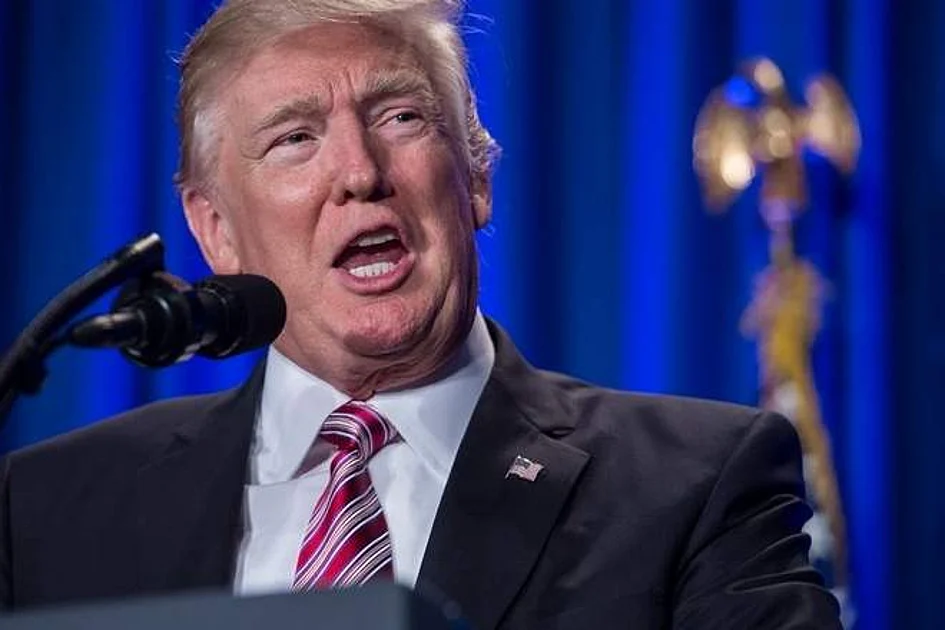
    Former U.S. President Donald Trump is soliciting nations to contribute $1 billion in cash for permanent membership in his proposed ‘Board of Peace,’ according to a draft charter obtained by Bloomberg. The initiative, positioned as an alternative to traditional international institutions, would establish Trump as the inaugural chairman with veto authority over membership decisions.

    The charter outlines a three-year provisional membership for participating states unless they fulfill the substantial financial requirement within the first year, thereby securing permanent status. The document criticizes existing international bodies for frequent failures and emphasizes the need for “a more nimble and effective international peace-building body.”

    Several world leaders have already received invitations to join this Gaza-focused initiative, which aims to oversee reconstruction and temporary governance in the conflict-ridden territory. Egypt, Turkey, Argentina, and Canada confirmed receipt of invitations over the weekend, with responses ranging from cautious consideration to enthusiastic acceptance. Jordan’s foreign ministry announced King Abdullah’s invitation on Sunday, noting they were reviewing documents through legal channels.

    The board’s operational structure includes seven primary members: former UK Prime Minister Tony Blair, U.S. Secretary of State Marco Rubio, special envoy Steve Witkoff, World Bank President Ajay Banga, and Trump’s son-in-law Jared Kushner. Day-to-day operations will be managed by senior advisers Aryeh Lightstone and Josh Gruenbaum, with Bulgarian diplomat Nicholay Mladenov serving as Gaza high representative.

    However, the proposal faces significant international skepticism. Anonymous sources indicate that most potential member nations would find Trump’s personal control over membership fees unacceptable. Several European nations have reportedly received invitations but remain non-committal amid concerns about the board’s structure and financing model.

    Blair’s involvement particularly raises concerns in the Middle East due to his controversial role in the 2003 Iraq invasion. Meanwhile, U.S. officials suggest the substantial membership fees would fund the board’s Gaza reconstruction mandate, though specific financial controls remain undefined in the draft charter.

  • $1 billion gets a permanent seat on Trump’s ‘Board of Peace’ for Gaza, as India and others invited

    $1 billion gets a permanent seat on Trump’s ‘Board of Peace’ for Gaza, as India and others invited

    The United States has extended invitations to at least six additional nations to join President Donald Trump’s newly proposed ‘Board of Peace,’ an international leadership consortium designed to oversee post-conflict procedures in Gaza while demonstrating aspirations for a expanded role in global governance. According to an anonymous U.S. official familiar with the unpublished charter, permanent membership requires a $1 billion contribution directed toward Gaza’s reconstruction, while non-contributing members receive three-year appointments.

    Hungarian Prime Minister Viktor Orbán, among Trump’s most steadfast European allies, has formally accepted participation, as confirmed by Foreign Minister Péter Szijjártó during a state radio broadcast. India has likewise received an invitation, according to senior governmental sources speaking under anonymity. Jordan, Greece, Cyprus, and Pakistan similarly acknowledged receipt of invitations on Sunday, joining previously announced invitees including Canada, Turkey, Egypt, Paraguay, Argentina, and Albania.

    The board’s establishment coincides with the delicate second phase of the October 10 ceasefire, encompassing responsibilities ranging from forming a new Palestinian administrative committee in Gaza to deploying international security forces, facilitating Hamas disarmament, and supervising territorial reconstruction. In invitation correspondence dispatched Friday, Trump characterized the initiative as a ‘bold new approach to resolving global conflict,’ potentially positioning it as an alternative to the United Nations Security Council.

    The Security Council has faced repeated deadlocks over Gaza intervention due to U.S. vetoes, compounded by significant funding reductions implemented by the Trump administration. Although the Council previously endorsed the 20-point U.S. ceasefire plan incorporating the board’s creation, Israel has expressed objections to the recently announced executive committee, citing lack of coordination and policy conflicts.

    The executive leadership includes U.S. Secretary of State Rubio, Trump envoy Steve Witkoff, senior advisor Jared Kushner, former British Prime Minister Tony Blair, World Bank President Ajay Banga, deputy national security adviser Robert Gabriel, and Israeli billionaire Yakir Gabay. Representatives from ceasefire monitoring nations Qatar, Egypt, and Turkey complete the committee, with Turkey’s dual rapport with Israel and Hamas potentially proving instrumental in negotiation proceedings.

    The official membership roster is anticipated to be unveiled during the forthcoming World Economic Forum assembly in Davos, Switzerland.

  • ‘We will not spare domestic criminals,’ Iran leader demands after protests

    ‘We will not spare domestic criminals,’ Iran leader demands after protests

    Iran’s Supreme Leader Ayatollah Ali Khamenei has issued a forceful directive to authorities to “break the back of the seditionists” following the deadliest civil unrest in over three years. The protests, initially sparked by severe economic distress, escalated into widespread demonstrations against the Islamic Republic that were met with brutal state suppression.

    In a televised address on Saturday, Khamenei made what appears to be his first acknowledgment of significant casualties, stating that “agents murdered a few thousand people” with “pure savagery.” This admission comes as independent rights organizations report a verified death toll of 3,428 protesters, with actual numbers potentially reaching several times higher.

    The government has implemented severe internet restrictions for over a week, creating an information blackout that has complicated independent verification of casualties and arrests. While authorities claim to have restored calm and made thousands of arrests, rights groups estimate up to 20,000 detentions.

    Khamenei directly accused the United States and Israel of orchestrating what he termed an “American conspiracy” to undermine Iranian sovereignty. He specifically targeted former President Trump, holding him “guilty for the casualties” and alleging Washington sought to reestablish “military, political and economic domination” over Iran.

    The government narrative characterizes the events as “riots” hijacked by foreign-backed terrorists, while eyewitness accounts describe security forces firing on demonstrators. One witness who fled to Germany reported seeing “thousands of dead bodies” at a Tehran mortuary.

    As schools prepare to reopen and limited internet access gradually returns, exiled opposition figures including Reza Pahlavi, son of the deposed shah, have called for renewed protests, though verifiable reports of recent demonstrations remain scarce amid heavy security presence nationwide.

  • Republicans and Democrats are trying to contain Trump’s Greenland aggression. Will it be enough?

    Republicans and Democrats are trying to contain Trump’s Greenland aggression. Will it be enough?

    WASHINGTON — Congressional Republicans are mounting an unprecedented effort to counter President Trump’s persistent threats to acquire Greenland, marking one of the most significant Republican-led challenges to the administration’s foreign policy agenda. The controversy has triggered urgent diplomatic missions, proposed legislation, and heightened concerns about the future of NATO alliances.

    Last week witnessed a flurry of Republican activity aimed at damage control. Senators delivered floor speeches emphasizing NATO’s critical importance, introduced bills to prevent military action against Denmark, and organized a bipartisan delegation to Copenhagen for emergency talks with Danish officials. Despite these efforts, President Trump continues to assert his intention to control the strategic Arctic territory, creating global uncertainty about America’s foreign policy direction.

    Senator Chris Coons (D-Del.), who organized the Copenhagen mission, stated, ‘When the world’s most powerful military nation repeatedly threatens your territory through its president, the situation demands serious attention.’ The delegation included Republican Senators Thom Tillis of North Carolina and Lisa Murkowski of Alaska, who joined Democratic colleagues in seeking to de-escalate tensions while discussing potential Arctic security cooperation.

    The administration’s position hardened further when Trump announced 10% tariffs on eight European nations, retaliating against their opposition to his Greenland plans. He justified the acquisition push by citing national security needs regarding modern weapons systems.

    Key Republicans have drawn clear red lines, with Senator Tillis calling the tariff plans ‘detrimental to American interests and alliances.’ Senate Majority Leader John Thune (R-S.D.) acknowledged no congressional ‘appetite’ for the discussed options, while Senator Mitch McConnell warned that seizing Greenland would ‘shatter allied trust’ and mar presidential legacies.

    Lawmakers are exploring multiple legislative avenues to prevent military action, including measures to block Defense Department funding for attacks on NATO members’ territory without consent. Senator Murkowski additionally suggested congressional action to nullify Trump’s tariffs, though previous similar efforts failed to overcome presidential vetoes.

    The administration has shown minimal interest in seeking congressional approval for military moves, prompting Democrats to consider war powers resolutions that would compel presidential consultation. Senator Tim Kaine (D-Va.) noted these measures have successfully pressured the administration to provide briefings and seek authorization before troop deployments.

    While some Republicans support strengthened U.S. presence in Greenland, most reject coercive approaches. The strongest opposition comes from retiring Republicans, including Representative Don Bacon who suggested such actions could justify impeachment proceedings.

  • Uganda’s president says strong election victory over his youthful challenger a taste of his strength

    Uganda’s president says strong election victory over his youthful challenger a taste of his strength

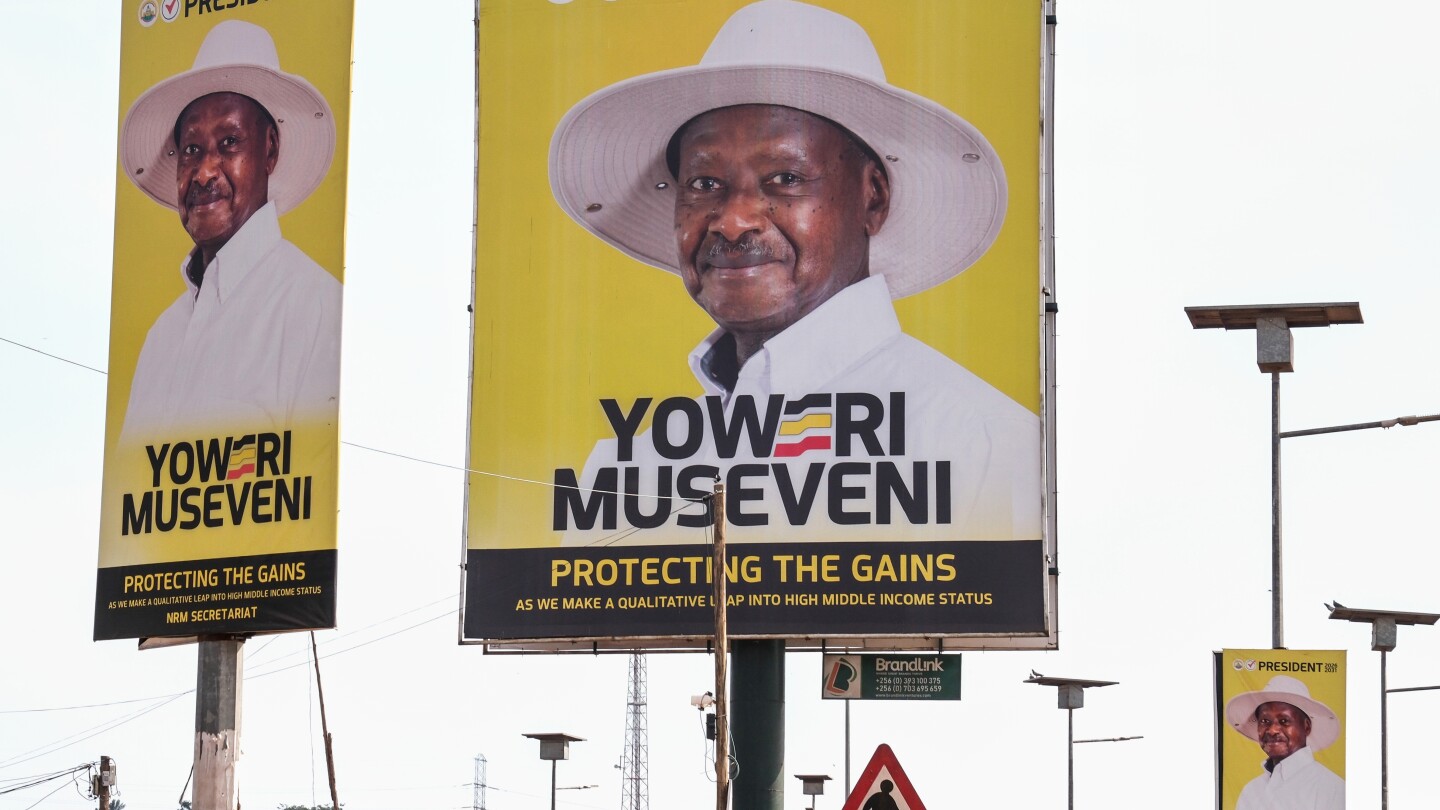
    KAMPALA, Uganda — President Yoweri Museveni has interpreted his decisive electoral triumph as a resounding affirmation of his National Resistance Movement’s enduring dominance in Ugandan politics. Addressing the nation from his western residence on Sunday, the veteran leader characterized the opposition as fortunate to have witnessed only a fraction of his party’s true political strength.

    The official results indicate Museveni secured 71.6% of votes, extending his four-decade rule with a seventh term that positions him to approach nearly fifty years in power. His principal challenger, musician-turned-politician Bobi Wine (legally named Kyagulanyi Ssentamu), garnered 24.7% but immediately dismissed the outcome as fraudulent.

    This electoral process unfolded against a backdrop of notably diminished public participation, with voter turnout plummeting to 52%—the lowest since Uganda reintroduced multiparty politics in 2006. Museveni speculated that many absent voters belonged to his own party, suggesting their absence reflected confidence rather than apathy.

    The election was marred by significant operational challenges, including a nationwide internet blackout and widespread malfunctions of biometric verification systems that delayed polling in critical areas including the capital. Wine’s campaign additionally alleges systematic ballot stuffing in Museveni’s strongholds.

    Security forces maintained an overwhelming presence throughout the electoral period, with opposition figures reporting persistent harassment and violent suppression. Wine frequently campaigned wearing protective gear due to safety concerns. Museveni accused opposition elements of terrorism and treason, referencing an incident in Butambala where police killed seven supporters of a parliamentary candidate affiliated with Wine’s party.

    The constitutional pathway for challenging results remains theoretically open, though previous legal attempts to overturn Museveni’s victories have proven unsuccessful. With term limits and age restrictions already removed from Uganda’s constitution, and potential rivals imprisoned or marginalized, the nation continues its six-decade absence of peaceful presidential transitions since independence.

  • Trump invites leaders to ‘Board of Peace’; Israel objects to lineup

    Trump invites leaders to ‘Board of Peace’; Israel objects to lineup

    In a significant diplomatic development, the Israeli government has formally expressed objections to the proposed membership structure of the Gaza Executive Board, a subsidiary body operating under President Donald Trump’s newly established ‘Board of Peace’ initiative. The controversy emerged following the White House’s Friday announcement revealing Turkish Foreign Minister Hakan Fidan and Qatari representation among the panel’s key members.

    The Board of Peace, conceptualized as an oversight mechanism for post-war governance in Palestinian territories, continues to take shape with invitations extended to numerous international leaders. Egyptian President Abdel Fattah al-Sisi, Turkish President Recep Tayyip Erdogan, Argentine President Javier Milei, and Canadian Prime Minister Mark Carney have all received formal requests to participate as founding members. While Carney and Milei have indicated acceptance, Cairo remains in deliberation regarding its involvement.

    Prime Minister Benjamin Netanyahu’s office released a statement clarifying that ‘the announcement regarding the composition of the Gaza Executive Board was not coordinated with Israel and runs contrary to its policy.’ Consequently, Israel’s Foreign Affairs Minister has been directed to initiate discussions with US Secretary of State Marco Rubio regarding these concerns.

    The Board’s executive leadership includes prominent figures such as former British Prime Minister Tony Blair, senior negotiators Jared Kushner and Steve Witkoff, alongside World Bank President Ajay Banga and billionaire financier Marc Rowan. Trump has assumed chairmanship of the overarching body, which aims to address governance capacity-building, reconstruction efforts, investment attraction, and large-scale funding mobilization in Gaza.

    Meanwhile, the Palestinian technocratic committee commenced its inaugural meeting in Cairo under Board of Peace supervision, attended by Kushner. The initiative faces criticism from Palestinian militant group Islamic Jihad, which asserts the board ‘serves Israel’s interests,’ while Washington confirms the Gaza plan has progressed to its second phase—transitioning from ceasefire implementation to Hamas disarmament.

    Complementing these developments, Trump has appointed US Major General Jasper Jeffers to lead the International Stabilization Force, tasked with providing security and training a new police force to succeed Hamas in Gaza.