分类: health

  • VR headsets take war-scarred children to world away from Gaza

    VR headsets take war-scarred children to world away from Gaza

    In the aftermath of prolonged conflict, innovative virtual reality therapy is providing psychological respite for children severely affected by the war in Gaza. At a temporary facility in Al-Zawayda, central Gaza, young trauma survivors are experiencing immersive therapeutic sessions through specialized VR headsets that transport them to peaceful virtual environments far removed from their war-torn reality.

    Within a white tent erected on sandy terrain, children wearing TechMed Gaza headsets explore digitally created landscapes featuring serene beaches, lush gardens, and safe urban settings. The therapy sessions, observed by AFP journalists, show visibly engaged participants—one child reaches out to touch virtual elements, another reports seeing birds, while a wheelchair-bound boy describes encountering trees, grass, and flowers.

    Mental health supervisor Abdalla Abu Shamale explains that the program extends beyond mere escapism. “Through specialized programming, we design games with therapeutic, preventive, and developmental objectives that help children develop effective coping mechanisms,” he stated. The technology has demonstrated particular effectiveness with war-amputee children, those with physical injuries, and those exposed to extreme traumatic events.

    The urgency of mental health intervention in Gaza is underscored by UNICEF statistics indicating approximately one million children—effectively the entire child population of Gaza—require mental health and psychosocial support following two years of devastating conflict. According to the World Health Organization, conflict-related injuries carry significant mental health consequences, with survivors struggling with trauma and loss while psychosocial services remain scarce.

    Clinical results show promising outcomes, with VR therapy achieving measurable improvements in significantly fewer sessions than traditional methods. Where conventional therapy typically requires 10-12 sessions, VR techniques can produce positive results within just 5-7 sessions, according to program operators. The technology allows therapists to create customized experiences that account for each child’s specific physical and psychological condition, helping rebuild positive perceptions of the world.

    The therapy continues despite the fragile ceasefire that has held since October 10 between Israel and Hamas, offering a innovative approach to addressing the massive mental health crisis affecting Gaza’s youngest generation.

  • Measles vaccinations begin in rebel-held Congo almost a year after deadly outbreak

    Measles vaccinations begin in rebel-held Congo almost a year after deadly outbreak

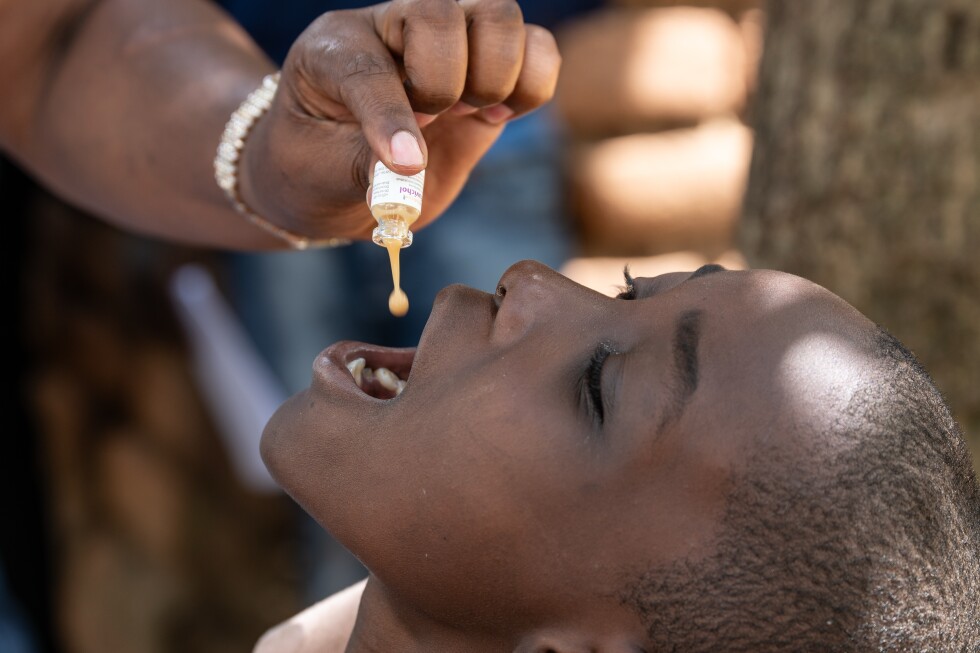
    In a significant humanitarian development, measles vaccines have finally reached the rebel-controlled territory of Kachehembe in eastern Congo’s North Kivu province. This delivery comes nearly a year after the onset of a devastating measles outbreak that has plagued the region.

    The humanitarian situation has been severely exacerbated by the seizure of territory earlier this year by Rwanda-backed M23 rebels, creating substantial obstacles to healthcare delivery in one of the world’s most critical crisis zones. Medical charity Doctors Without Borders (MSF) has initiated vaccination efforts, with anxious parents forming lengthy queues to immunize their children against the highly contagious disease.

    Silas Bazimaziki Rugiriki, a local father bringing his son for vaccination, expressed the community’s distress: “Children are suffering greatly from this disease.”

    Congo’s health system faces overwhelming challenges, reporting over 36,000 suspected measles cases and 565 fatalities across nearly all of its 26 provinces as of July. The country simultaneously battles multiple health emergencies including recent Mpox and Ebola outbreaks, compounded by ongoing rebel activities.

    The M23 insurgency has captured key cities in the mineral-rich eastern region since January, resulting in thousands of casualties despite ongoing peace mediation efforts led by the United States and Qatar.

    MSF reports having treated at least 1,000 pediatric measles cases in Kachehembe alone this year, with 11 confirmed deaths. Their vaccination campaign specifically targets children under five years old, though operations face complications from mass displacements caused by persistent attacks from multiple rebel factions.

    Dr. Toussaint Selemani, MSF’s medical director for the measles response, explained to The Associated Press: “The area is experiencing a constant influx of displaced families, which is increasing demand.” A nearby hospital currently treats 53 children afflicted with measles.

    Local mothers described the rapid progression of the illness. Sarah Noëlla, 37, recounted how her 2-year-old son Fariji Jacques developed fever followed by red eyes and mouth speckles, initially mistaken for influenza. Many families emphasized their complete dependence on MSF’s assistance, with 21-year-old mother Irène Shashire stating, “We are living in a war zone, we have nothing.”

  • UAE: 1 in 3 students show ADHD symptoms; women more affected, study shows

    UAE: 1 in 3 students show ADHD symptoms; women more affected, study shows

    A groundbreaking 2024 study conducted in the United Arab Emirates has uncovered significant prevalence of attention deficit hyperactivity disorder symptoms among university students, with findings indicating between 13.6% and 34% of young adults demonstrate ADHD characteristics. The research, spearheaded by Al Yateem and colleagues through comprehensive surveying of 406 individuals aged 18-20 years, revealed a notable gender disparity with females reporting symptoms at higher rates than their male counterparts.

    Clinical experts attribute this emerging pattern to the transition into adulthood, where previously concealed symptoms become apparent as structured school environments and parental support systems diminish. According to Lindi Nhlapo, psychologist at Dubai’s Thrive Wellbeing Centre, the increased cognitive demands of independent adulthood make characteristic symptoms more recognizable. “Young adults face expectations to plan, organize, and manage tasks autonomously. As cognitive load intensifies, manifestations such as forgetfulness, task avoidance, and overcommitment become increasingly evident,” Nhlapo explained.

    The study highlights how ADHD presentation differs in adulthood, with hyperactivity often transforming into internal restlessness rather than physical movement. Impulsivity may manifest as excessive prioritization of social activities, while inattentiveness frequently appears as persistent mental fatigue or difficulty decomposing complex tasks.

    Modern digital environments exacerbate these challenges, with experts warning that constant technological stimulation worsens core ADHD features. The perpetual digital noise, rapid task-switching, and sensory overload particularly impact attention regulation, impulsivity, emotional reactivity, and executive functioning—though technology doesn’t directly cause ADHD, it magnifies symptoms and exposes vulnerabilities earlier.

    The implications extend beyond academic performance, significantly affecting interpersonal relationships. Research indicates couples with an ADHD partner face nearly double the likelihood of serious conflict or separation compared to neurotypical pairs. This stems not from ADHD itself causing breakups, but from accumulated misunderstandings and daily pressures when symptoms are misinterpreted as apathy or disinterest.

    Dr. Manuela Paone, a clinical psychologist specializing in relationship dynamics, notes that while individuals with ADHD often bring passion and creativity to relationships, misinterpretations of behavior can create destructive cycles. “When forgetfulness or zoning out is perceived as disinterest, it establishes patterns difficult to break without mutual awareness and understanding,” Dr. Paone emphasized.

    Clinicians stress that diagnosis and support remain crucial, recommending individuals suspecting ADHD consult medical professionals, utilize validated screening tools, and implement routines supporting focus and communication. As Jessica Rosslee, licensed clinical psychologist, summarizes: “Progress emerges when responsibility meets empathy—it’s not about demanding acceptance but demonstrating active effort. This foundation fosters genuine intimacy and understanding.”

  • Groundbreaking HIV prevention shots begin in Africa

    Groundbreaking HIV prevention shots begin in Africa

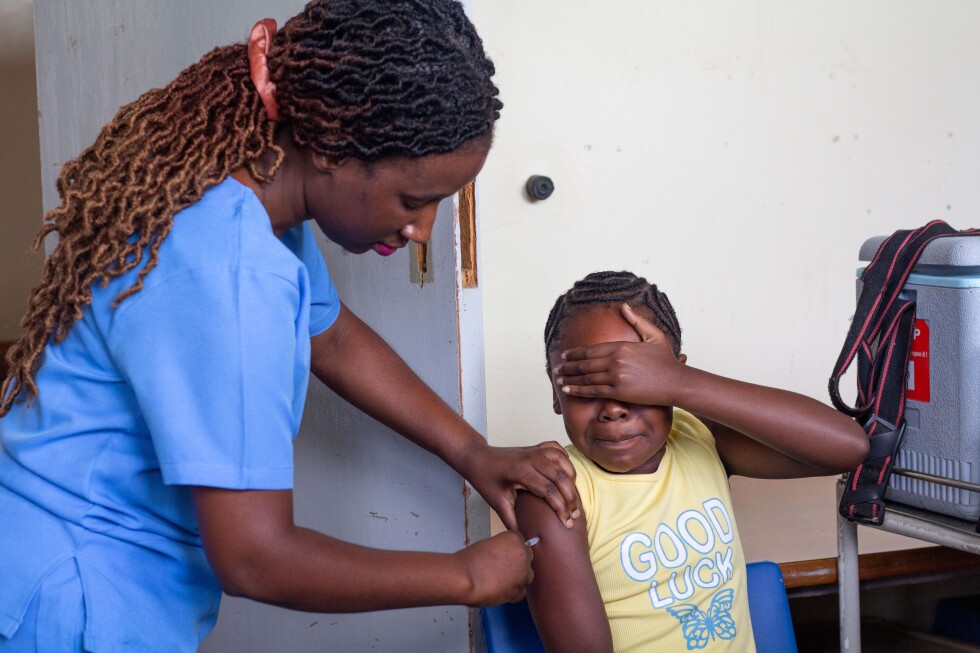
    A new era in HIV prevention has commenced across Southern Africa with the landmark public rollout of lenacapavir, a groundbreaking injectable medication demonstrating unprecedented efficacy against HIV transmission. The revolutionary prevention tool, administered just twice annually, has shown remarkable 99.9% effectiveness in clinical trials, positioning it as a functional equivalent to a powerful vaccine against the virus.

    South Africa, Eswatini, and Zambia initiated their respective programs on World AIDS Day, marking the first real-world implementation of this long-acting preventive solution in low- and middle-income nations. The Wits University research unit in South Africa—where approximately 20% of adults live with HIV—spearheaded the rollout through an initiative funded by Unitaid, the United Nations global health agency.

    The launch ceremonies featured significant public engagement, with dozens lining up for injections in Eswatini’s Hhukwini constituency amid celebratory songs and dances. Eswatini’s Prime Minister Russell Dlamini declared the development “a turning point in our national HIV response” that provides “fresh hope and a powerful tool to protect our citizens.”

    Despite the enthusiasm, significant challenges remain regarding accessibility and cost. The medication carries a staggering $28,000 annual price tag per person in the United States, raising concerns about affordability in resource-limited settings. Under a current arrangement, manufacturer Gilead Sciences has committed to providing lenacapavir at no profit to two million people in high-HIV burden countries over three years through a US program.

    Notably, South Africa—despite its participation in clinical trials—will not receive doses through this initiative due to ongoing policy disagreements between Washington and Pretoria. A senior US State Department official indicated that countries with substantial means should fund their own prevention programs.

    Health advocates emphasize the critical need for expanded access throughout Eastern and Southern Africa, which accounts for 52% of the global HIV burden according to 2024 UNAIDS data. The region continues to face severe challenges, with Zambia reporting approximately 1.4 million people living with HIV and 30,000 new infections annually.

    The future outlook appears promising, with generic versions expected to become available by 2027 through agreements between Unitaid, the Gates Foundation, and Indian pharmaceutical companies. These generic alternatives are projected to cost approximately $40 annually, potentially transforming HIV prevention accessibility across more than 100 countries.

  • WHO backs GLP-1 treatments to tackle obesity epidemic

    WHO backs GLP-1 treatments to tackle obesity epidemic

    In a landmark move to combat the escalating global obesity pandemic, the World Health Organization has issued its first-ever clinical guidelines endorsing GLP-1 agonist medications as essential long-term treatments for obesity management. This decisive recommendation comes as obesity rates threaten to double worldwide by 2030 without immediate intervention, currently affecting over one billion people and claiming 3.7 million lives annually from related complications—surpassing combined fatalities from malaria, tuberculosis, and HIV.

    The UN health agency recognizes obesity as a chronic, relapsing disease requiring comprehensive, lifelong care strategies. While emphasizing that pharmaceutical interventions alone cannot reverse the epidemic, WHO experts highlight that GLP-1 therapies—including widely known brands Ozempic and Mounjaro—represent a transformative component within integrated treatment approaches. These appetite-suppressing medications have demonstrated significant efficacy, though the organization calls for expanded research on their long-term safety profiles.

    WHO Director-General Dr. Tedros Adhanom Ghebreyesus stated that these therapies ‘can help millions overcome obesity and reduce its associated harms’ when combined with intensive behavioral interventions promoting nutritional education and physical activity. The guidelines specifically recommend GLP-1 agonists for non-pregnant adults while stressing the necessity of population-level policies creating healthier environments.

    Dr. Jeremy Farrar, WHO Assistant Director-General for health promotion, cautioned against viewing these medications as ‘a magic bullet,’ but acknowledged their profound potential to reshape healthcare outcomes for diabetes and cardiovascular diseases. The economic implications are equally staggering, with obesity-related costs projected to reach $3 trillion annually by 2030, potentially rendering healthcare systems ‘untenable’ without effective intervention strategies.

    Addressing accessibility concerns, WHO has already included GLP-1 drugs in its Essential Medicines List, advocating for affordable generic versions to ensure equitable distribution across low- and middle-income nations. This initiative aims to prevent worsening global health disparities while leveraging scientific innovations to tackle one of modernity’s most pressing public health challenges.

  • UAE: Mother wakes from 3-month coma to discover she gave birth to baby girl

    UAE: Mother wakes from 3-month coma to discover she gave birth to baby girl

    A Jordanian expatriate residing in Ajman has emerged from one of the longest documented ECMO (Extracorporeal Membrane Oxygenation) cases in medical history, awakening after three months in a coma to discover she had given birth during her unconsciousness. Amal Othman, 40, survived a harrowing medical ordeal that began with a severe influenza infection during her Umrah pilgrimage while pregnant.

    Her condition rapidly deteriorated into Acute Respiratory Distress Syndrome (ARDS) accompanied by hemothorax and pneumothorax—life-threatening accumulations of blood and air in the chest cavity. Cleveland Clinic Abu Dhabi’s critical care team implemented ECMO support for an unprecedented 324 days, representing one of the most prolonged applications of this advanced life support technology worldwide.

    Medical director Dr. Fadi Hamed described the case as ‘exceptionally complex,’ requiring coordinated surgical interventions and sustained critical care management. ‘This patient’s journey demonstrates the remarkable outcomes possible through fully integrated team medicine and persistent hope,’ Dr. Hamed stated.

    Upon regaining consciousness, Othman experienced complete paralysis and temporary voice loss, unaware of both the duration of her hospitalization and the successful delivery of her daughter months earlier. Her husband gradually revealed the reality of her situation, including the birth of their child—a revelation the mother characterizes as ‘the beginning of hope’ after existing ‘between life and death.’

    Remarkably, Othman reported vivid visions during her comatose state that corresponded with actual events, including her family’s relocation to a new residence. Her recovery involved extensive rehabilitation under physical therapist Rami Boyles, who noted her progression from complete immobility to regained mobility with assisted walking.

    Despite her miraculous recovery, Othman continues to face medical challenges, including the need for future colon transplantation due to treatment-related complications. She has appealed for financial support to complete her ongoing surgical requirements, emphasizing that while her survival represents a medical milestone, her healing journey continues.

  • Congo declares its latest Ebola outbreak over, after 43 deaths

    Congo declares its latest Ebola outbreak over, after 43 deaths

    The Democratic Republic of Congo has officially declared the conclusion of its latest Ebola outbreak, which claimed 43 lives in the southern Kasai province. Health Minister Roger Kamba confirmed the termination on Monday, citing a critical milestone: 45 consecutive days without any new confirmed infections.

    The outbreak, first identified in September in the town of Bulape, resulted in 53 confirmed cases with a devastating 81% fatality rate. The viral disease subsequently spread to at least four adjacent towns, marking Congo’s 16th Ebola outbreak since the virus initially emerged there in 1976.

    A comprehensive vaccination campaign proved instrumental in containing the epidemic. Health authorities administered doses to over 27,000 individuals, including 4,000 frontline medical workers who faced heightened exposure risks. Minister Kamba specifically credited these healthcare personnel with playing a pivotal role in halting the virus’s transmission.

    The World Health Organization encountered substantial operational hurdles during the response effort, particularly regarding vaccine distribution in remote areas with limited accessibility and insufficient funding. This success comes against the backdrop of ongoing security challenges in eastern Congo, where M23 rebel forces have occupied strategic cities since launching an offensive in January.

    This outbreak served as a somber reminder of the 2018-2020 Ebola epidemic in eastern Congo that resulted in over 1,000 fatalities, highlighting the persistent public health threats facing the Central African nation.

  • Doctors warn of early dementia

    Doctors warn of early dementia

    China is confronting a disturbing epidemiological shift as young-onset dementia (YOD) cases are accelerating at unprecedented rates, now surpassing the growth of traditional late-onset cases according to new medical research. This troubling trend is creating significant challenges for healthcare systems and families across the nation.

    Groundbreaking research published in The Journal of Prevention of Alzheimer’s Disease in November 2025 reveals that dementia cases emerging before age 65 have demonstrated a markedly steeper increase compared to those in older populations. The comprehensive study, analyzing Global Burden of Disease data spanning from 1990 to 2021, identifies modifiable midlife risk factors—including tobacco consumption, elevated fasting blood glucose levels, and increased body mass index—as primary contributors to this concerning development.

    Clinical neurologists are witnessing this trend materialize in their practices. Dr. Qin Qi, an associate chief physician at Beijing’s Xuanwu Hospital, reports a noticeable uptick in patients presenting with dementia symptoms in their 50s and early 60s. Many affected individuals remain professionally active when initial symptoms begin to compromise their occupational performance and family dynamics.

    The clinical presentation of YOD frequently differs from traditional dementia patterns, often manifesting as executive dysfunction, language impairment, or neuropsychiatric symptoms including hallucinations and delusions rather than characteristic memory decline. Dr. Qin emphasizes that these atypical manifestations are commonly misattributed to stress or anxiety disorders, resulting in frequent misdiagnosis and delayed intervention.

    Dr. Qin illustrates this diagnostic challenge through a case study involving a highly educated legal professional who developed increasing irritability and social withdrawal. Initially treated for psychiatric conditions, his condition was only properly identified when cognitive deficits involving name recall, date recognition, and routine management became apparent. Neuroimaging eventually confirmed young-onset dementia.

    The personal toll on families is profound. Zhu Yining, who cares for his mother diagnosed in her 50s, describes observing gradual handwriting deterioration and repetitive narrative patterns before more severe symptoms emerged, including temporal and spatial disorientation, declining executive function, and loss of computational and writing abilities. Zhu has suspended his professional career to provide full-time care for his mother and young son, immersing himself in caregiver communities while preparing for long-term management of the condition.

    With approximately 15 million dementia patients aged 60 and above documented in China according to September 2022 data from the National Health Commission—including 10 million Alzheimer’s cases—the escalating prevalence underscores a critical public health challenge.

    Medical consensus emphasizes early detection as paramount for effective intervention. The 2024 Lancet Commission report on dementia prevention indicates that approximately 45% of dementia cases could potentially be prevented through management of 14 key risk factors, including hypertension, diabetes, obesity, smoking, depression, and social isolation.

    In response to this growing health crisis, China implemented a national dementia action plan in early 2025, establishing 2030 targets for expanded cognitive screening protocols, enhanced diagnostic and intervention capabilities, improved care services, and the development of dementia-inclusive community environments.

  • Innovative app launched to strengthen nationwide HIV prevention efforts

    Innovative app launched to strengthen nationwide HIV prevention efforts

    In a significant advancement for public health infrastructure, Chinese health authorities have launched an innovative digital tool to combat HIV transmission. The “HIV Post-Exposure Prophylaxis Map” application debuted in Beijing just before World AIDS Day observances, representing a technological leap forward in national prevention efforts.

    This comprehensive platform integrates geolocation technology with educational resources, creating a centralized database of service points across China where individuals can access post-exposure prophylaxis (PEP) treatment. The application provides real-time guidance to users who may have experienced potential HIV exposure, directing them to the nearest available healthcare facility where they can obtain critical antiretroviral medications.

    The initiative was formally introduced during the “2025 Youth Anti-AIDS Public Welfare Action Launch and HIV Prevention Story Sharing Session,” an event organized by the Chinese Association of STD and AIDS Prevention and Control with support from biopharmaceutical company Gilead Sciences. The gathering featured compelling personal narratives from medical professionals, community volunteers, and individuals living with HIV, all emphasizing the theme of “Proactive Choices, Control Your Life.”

    Medical experts at the event highlighted the crucial 72-hour window following potential HIV exposure during which PEP treatment can effectively prevent infection. The treatment is recommended after various exposure scenarios including unprotected sexual contact, needle-sharing incidents, or occupational exposures among healthcare workers.

    The launch ceremony also marked the beginning of an extensive educational campaign that will tour university and middle school campuses nationwide. This effort will be complemented by an ongoing “HIV Prevention Story Collection” initiative designed to raise awareness through personal experiences and promote scientific understanding of HIV prevention methods among younger demographics.

  • Experts urge stronger collaboration on global health

    Experts urge stronger collaboration on global health

    Public health authorities from across the globe have issued a compelling call for enhanced international cooperation to establish a more equitable, resilient, and innovative global health architecture. This urgent appeal was formalized through a joint initiative launched during the 2025 Asia Pacific Congress on Public Health, convened from Friday to Sunday in Boao, China’s Hainan province.

    The collaborative effort brings together the Chinese Preventive Medicine Association, the World Federation of Public Health Associations, and national public health associations from New Zealand, the United States, Japan, Australia, and Vietnam, alongside the Asia Pacific Alliance for the Control of Influenza. These organizations collectively addressed the complex public health challenges confronting the Asia Pacific region, which hosts over half of the world’s population.

    The comprehensive initiative outlines a strategic ‘four-in-one’ action framework designed to address critical gaps in regional health governance, widening health disparities, climate change-driven health threats, and barriers to digital transformation in healthcare.

    Key components include establishing robust cross-border surveillance and early warning systems for infectious diseases, enhancing preparedness for acute respiratory infections including influenza, and strengthening cooperation on vector-borne disease control and regional biosafety. The plan further emphasizes integrating chronic disease management and mental health services into core public health programs, with particular focus on vulnerable populations including elderly citizens and individuals with disabilities.

    Addressing climate-related health risks, the initiative advocates for targeted risk assessment mechanisms, expanded implementation of climate-health technologies, and accelerated development of climate-resilient health infrastructure. Simultaneously, it highlights the necessity of leveraging digital technologies to strengthen health systems while ensuring technological innovation reduces rather than exacerbates existing health inequalities.

    The congress served as a platform for knowledge exchange, featuring presentations by more than 100 medical and public health experts that attracted over 750 participants worldwide, signaling strong global commitment to advancing these critical health security objectives.