分类: health

  • Six hospitals from Aster DM Healthcare network in the UAE recognised in Newsweek’s best specialised hospitals in Middle East 2026 list

    Six hospitals from Aster DM Healthcare network in the UAE recognised in Newsweek’s best specialised hospitals in Middle East 2026 list

    Aster DM Healthcare has secured exceptional recognition in Newsweek’s prestigious Best Specialized Hospitals Middle East 2026 rankings, with nine facilities across the GCC region earning distinguished placements. The comprehensive evaluation, conducted in partnership with global data firm Statista, identifies leading healthcare institutions across seven Middle Eastern countries based on rigorous criteria including international peer recommendations, accreditation standards, and implementation of Patient-Reported Outcome Measures (PROMs).

    The UAE network demonstrated remarkable clinical excellence with six facilities receiving specialized accolades. Aster Hospital Al Qusais gained recognition for neurological care, while Aster Hospital Mankhool achieved dual PROMs-based distinctions in orthopedics. Medcare Hospital Al Safa earned gastroenterology honors, Medcare Hospital Sharjah secured neurology recognition, and specialized facilities Medcare Orthopedics and Spine Hospital along with Medcare Women and Children Hospital received orthopedics and pediatrics distinctions respectively.

    Beyond the UAE, Aster’s regional presence shone with Aster Royal Al Raffah Hospital in Muscat achieving the broadest specialty recognition in Oman across five disciplines: gastroenterology, neurology, oncology, orthopedics, and pediatrics. Aster Al Raffah Hospital in Sohar received gastroenterology recognition, while Aster Hospital Qatar secured dual honors in gastroenterology and pediatrics, underscoring its expanding leadership in comprehensive family care services.

    Alisha Moopen, Managing Director and Group CEO of Aster DM Healthcare GCC, emphasized that this achievement reflects the organization’s robust clinical ecosystem and medical expertise. “With nine hospitals recognized across multiple specialties throughout the GCC, we demonstrate our sustained commitment to outcome-driven specialized care,” Moopen stated. “We continue to advance our mission of making world-class medical expertise accessible to patients across the Middle East within their communities.”

    The conglomerate, operating 15 hospitals throughout the GCC, maintains its commitment to healthcare excellence through expanded centers of specialization, integrated advanced diagnostics, and implementation of best-practice clinical protocols across its network. This widespread recognition across five specialized disciplines confirms Aster’s enduring dedication to delivering complex treatments with superior outcomes and enhanced patient experiences throughout the region.

  • CMC Dubai and Orthocure announce strategic partnership to advance orthopedic excellence

    CMC Dubai and Orthocure announce strategic partnership to advance orthopedic excellence

    In a landmark development for Middle Eastern healthcare, Clemenceau Medical Center (CMC) Dubai has entered into a strategic partnership with specialized orthopedic provider Orthocure. This collaboration, announced on December 5, 2025, merges CMC’s state-of-the-art surgical infrastructure with Orthocure’s decade-long expertise in musculoskeletal treatments.

    The alliance represents a significant advancement in orthopedic care delivery, combining CMC’s luxury medical facilities and cutting-edge technology with Orthocure’s innovative approaches to sports surgery, spine procedures, and regenerative medicine. The partnership aims to establish Dubai as a regional reference point for orthopedic excellence while expanding subspecialty services across the entire treatment spectrum.

    Mark Adams, CEO of CMC Dubai, emphasized the partnership’s significance: “This collaboration reflects our continuous commitment to raising healthcare standards in the region. By partnering with Orthocure, we enhance both the depth and breadth of our orthopedic services, ensuring patients receive exceptional, world-class care.”

    Dr. Ali Albelooshi of Orthocure noted the strategic advantage: “Our joining with CMC Dubai enables us to deliver specialized orthopedic expertise on a larger scale, supported by one of the region’s most advanced medical environments.”

    The integrated approach will create a unified ecosystem for patients, ensuring seamless continuity from diagnosis and advanced imaging through surgical intervention and rehabilitation. Dr. Saeed Al Thani highlighted the partnership’s comprehensive nature: “This collaboration will significantly strengthen orthopedic services across all subspecialties—from sports medicine to spine and regenerative treatments.”

    This partnership reinforces CMC Dubai’s mission to deliver world-class medical excellence while marking a new era in transforming musculoskeletal care for patients throughout the region.

  • US vaccine panel votes to end recommendation for hepatitis B vaccination for newborns

    US vaccine panel votes to end recommendation for hepatitis B vaccination for newborns

    In a landmark decision with significant public health implications, the US Advisory Committee on Immunization Practices (ACIP) has voted to discontinue the universal hepatitis B vaccination protocol for newborns that has been standard medical practice since 1991. The committee, whose membership was entirely reconstituted in June by Vaccine-Skeptic Health Secretary Robert F. Kennedy Jr., approved the policy shift with an 8-3 majority vote.

    The new guidelines establish a paradigm shift from mandatory immunization to individualized decision-making for infants born to mothers who test negative for hepatitis B. These newborns would receive their initial vaccine dose no earlier than two months of age rather than immediately after birth. The committee maintained the existing recommendation that infants born to HBV-positive mothers continue to receive the birth-dose vaccination.

    This policy reversal occurs despite compelling evidence demonstrating the vaccine’s remarkable efficacy. Data from the past three decades indicates that routine newborn immunization has prevented approximately 90,000 HBV-related deaths in the United States. Medical experts expressed profound concern during committee deliberations that the policy change might fuel unwarranted safety concerns and ultimately increase infection rates.

    Dr. Cody Meissner, one of several dissenting committee members, emphasized before the vote: ‘The hepatitis B vaccine recommendation is very well established. We know it’s safe and we know it’s very effective. Implementing these proposed changes will inevitably result in more children, adolescents and adults becoming infected with hepatitis B.’

    Hepatitis B remains a serious liver infection transmitted through bodily fluids that can lead to cirrhosis, liver failure, and cancer. The virus presents particular danger to infants as it can be transmitted during childbirth from infected mothers, often developing into chronic infections that cause progressive liver damage. Many carriers remain asymptomatic, unknowingly transmitting the virus while caring for children.

    The ACIP’s recommendations will now proceed to the Centers for Disease Control and Prevention, where the acting director holds final authority for implementation. Public health experts nationwide are monitoring how this controversial decision might impact vaccination rates and future disease prevalence.

  • UAE: Pakistani baby survives rare immune disorder after urgent bone marrow transplant

    UAE: Pakistani baby survives rare immune disorder after urgent bone marrow transplant

    In an extraordinary medical achievement, a two-month-old Pakistani infant has successfully overcome a life-threatening congenital immune disorder following an emergency bone marrow transplant procedure in Abu Dhabi. The breakthrough case at Yas Clinic Khalifa City represents a significant advancement in pediatric critical care methodologies.

    The infant, identified as Ayra, arrived at the facility in critical condition after weeks of unsuccessful treatment at another hospital. Medical examinations revealed she was combating three simultaneous severe infections while showing signs of organ stress and requiring medication to sustain blood pressure. This medical crisis stemmed from a rare congenital immunodeficiency that left her without natural infection-fighting capabilities.

    Dr. Mansi Sachdev, Clinical Lead and Consultant of Paediatric Haematology, Oncology and Bone Marrow Transplant, explained the unprecedented challenges: ‘The conventional treatment protocol involving chemotherapy was not viable due to her critically compromised condition. Our only recourse was to perform an immediate transplant without standard preparatory procedures, relying entirely on her father’s healthy stem cells to combat the infections.’

    The medical team discovered the infant’s father was a complete HLA (Human Leukocyte Antigen) match, enabling the high-risk procedure. This surgical intervention is considered exceptionally rare in pediatric medicine due to its inherent risks when performed without standard chemotherapy preparation.

    Two months post-transplant, medical staff report remarkable progress. Ayra is now breathing independently, feeding normally, and has successfully cleared all three viral infections. The medical team anticipates her imminent discharge from the facility.

    Dr. Maysoon Al Karam, Chief Medical Officer, emphasized the broader implications: ‘This case demonstrates the critical importance of early diagnosis and coordinated multidisciplinary care. The successful outcome illustrates what timely intervention and specialized medical management can achieve even with extremely fragile patients.’

    The family’s medical history revealed they had previously lost another daughter to a similar undiagnosed condition at eighteen months old, highlighting the significance of this medical breakthrough for families dealing with rare immunological disorders.

  • Flu positivity hits 51% in China as school clusters rise

    Flu positivity hits 51% in China as school clusters rise

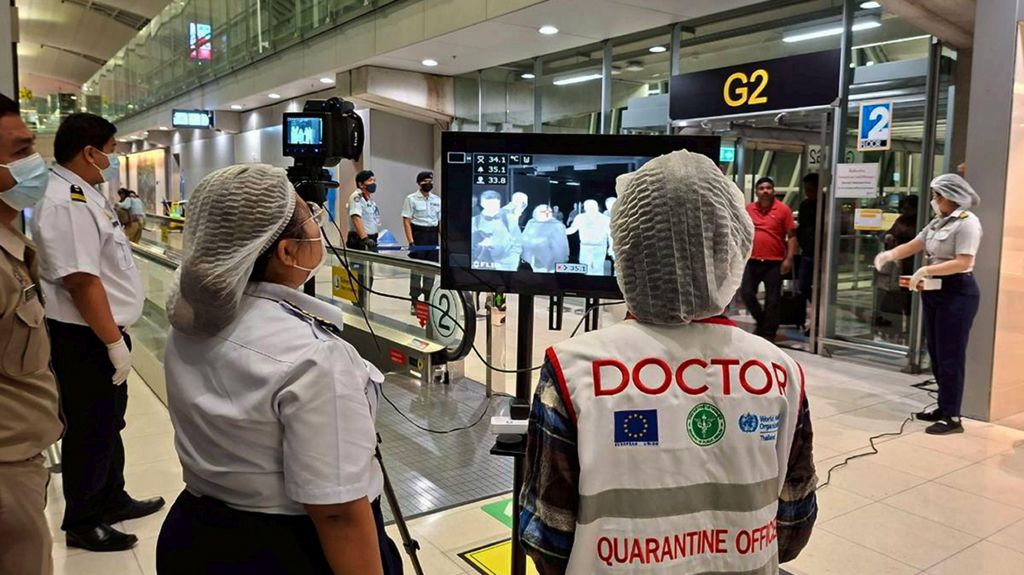
    China is confronting a significant escalation in influenza activity, with health authorities reporting that the nation has entered a high-transmission period for respiratory illnesses. Recent epidemiological data reveals an alarming surge in cases, particularly within educational institutions.

    According to the latest surveillance report from the Chinese Center for Disease Control and Prevention (China CDC), influenza positivity rates have reached concerning levels. For the week commencing November 24, 2025, testing confirmed that 51.1% of outpatient visits for influenza-like illnesses were positive for flu viruses, marking a substantial increase from the previous week’s rate of 44.8%.

    The epidemic pattern shows distinct demographic concentration, with children aged five to fourteen demonstrating markedly higher infection rates compared to other age groups. Multiple infection clusters have been identified within school environments, creating particular concern among public health officials.

    While influenza dominates the current respiratory disease landscape, other pathogens continue to circulate. Respiratory syncytial virus (RSV) maintains a positivity rate of 3.5%, with rhinovirus following at 5.3%. Both viruses show declining trends but remain at notable levels of community transmission.

    In response to the escalating situation, health authorities have issued enhanced guidance for high-risk environments. The China CDC recommends intensified health monitoring in schools, nursery facilities, and elderly care homes. Emphasis has been placed on early detection and rapid management of infection clusters to prevent further spread.

    The public has been advised to implement personal protective measures, including mask-wearing in crowded settings, enhanced hand hygiene, and seeking medical attention when experiencing respiratory symptoms. Health officials emphasize that these measures are particularly crucial during the current peak transmission season for respiratory infectious diseases.

  • UAE: Now, use Apple Watch to detect hypertension

    UAE: Now, use Apple Watch to detect hypertension

    The United Arab Emirates has become the inaugural market for Apple Watch’s revolutionary hypertension detection capability, introducing a transformative approach to cardiovascular health monitoring. This groundbreaking feature, activated on December 3rd, 2025, enables users to identify potential chronic high blood pressure through their wearable device instead of traditional blood pressure cuffs.

    Hypertension represents the predominant risk factor for catastrophic health events including heart attacks, strokes, and kidney disease, affecting an estimated 1.3 billion adults worldwide. The condition frequently remains undiagnosed due to its asymptomatic nature and infrequent medical consultations.

    Apple’s development team employed sophisticated machine learning algorithms trained on comprehensive data from multiple research studies involving more than 100,000 participants. The technology underwent rigorous clinical validation through trials with over 2,000 subjects, ensuring scientific credibility.

    The detection mechanism operates through the watch’s optical heart sensor, which analyzes vascular responses to cardiac activity. The algorithm continuously processes data in 30-day cycles, providing notifications when consistent hypertension patterns emerge. These alerts empower users to pursue lifestyle modifications or medical interventions that could potentially prevent severe health complications.

    While the technology isn’t infallible, projections indicate it could identify over one million previously undiagnosed hypertension cases within its first year of implementation. Users receiving notifications are advised to conduct seven days of traditional blood pressure monitoring using certified equipment and consult healthcare professionals for comprehensive assessment.

  • They contracted hepatitis before the vaccine was given at birth – now the shot may be delayed again

    They contracted hepatitis before the vaccine was given at birth – now the shot may be delayed again

    A potential overhaul of America’s newborn vaccination protocol has ignited fierce debate among medical experts and patients who have experienced hepatitis B’s devastating consequences firsthand. The Advisory Committee on Immunization Practices (ACIP) is poised to vote on delaying hepatitis B vaccinations from birth to an unspecified later date—a move that contradicts three decades of established medical practice.

    The controversy stems from recent appointments by Health Secretary Robert F. Kennedy Jr., who replaced the entire ACIP committee with vaccine-skeptical members. During September meetings, new appointees questioned the necessity of vaccinating infants against what they characterized as an ‘adult problem,’ despite overwhelming evidence that early immunization prevents mother-to-child transmission and provides crucial early protection.

    Medical professionals warn that even a two-month delay could have catastrophic consequences. Northwestern University’s Dr. Claudia Hawkins projects that such a change could result in ‘hundreds of additional deaths from liver disease and liver cancer’ over time. Since universal birth-dose vaccination began in 1991, childhood hepatitis B infections have plummeted by 95%, preventing approximately 90,000 deaths according to CDC data.

    The human impact of hepatitis B is illustrated through patients like John Ellis, who contracted the virus before receiving his delayed vaccination at age 12. Despite his mother’s 30 years of nursing experience, the diagnosis shocked their family. ‘That was kind of a dark time for me,’ Ellis recalled. ‘Having to navigate conversations about this chronic illness that people aren’t familiar with.’

    Phil Shin’s story reveals the silent danger of the virus. Diagnosed before middle school, he remained asymptomatic until age 48, when doctors discovered a racketball-sized tumor in his liver. After emergency surgery and a life-saving transplant, Shin now serves on the American Liver Foundation board, advocating for awareness.

    The virus’s indiscriminate nature is underscored by Helen Ouyang’s childhood tragedy. Her father died from hepatitis B-related liver cancer when she was three, experiencing only vague symptoms before his rapid decline. As an emergency physician at Columbia University, Dr. Ouyang understands both the personal and medical implications of the disease.

    Medical experts emphasize that hepatitis B spreads through bodily fluids, including shared household items like toothbrushes, contradicting claims that it’s not ‘casually contagious.’ They also note that relying solely on maternal testing creates vulnerability, as some patients receive false negatives or lack reliable healthcare access.

    The policy change could also affect insurance coverage and create loopholes for parents to opt out of vaccination entirely. For those living with hepatitis B, the potential regression of vaccination guidelines represents both a public health threat and a dismissal of their suffering. ‘I’m a living, breathing testament to what could happen,’ Ellis stated. ‘I didn’t get the vaccine at birth. I got it later, and I still contracted hepatitis B.’

  • How pets are helping UAE residents manage grief, mental health challenges

    How pets are helping UAE residents manage grief, mental health challenges

    A growing therapeutic movement is transforming mental healthcare in the United Arab Emirates as residents discover the profound psychological benefits of animal companionship. Clinical experts and personal testimonies reveal how pets and structured animal therapy programs provide critical emotional support for those grappling with grief, anxiety, and neurodivergent challenges.

    Dubai resident Maya (identity protected) experienced this transformation firsthand following her father’s sudden passing in 2024. Plunged into severe depression with debilitating panic attacks and insomnia, Maya found unexpected salvation when temporarily caring for a friend’s dog. ‘The presence of another living being provided immediate relief,’ she recalled. ‘The animal demonstrated remarkable intuition during my distress episodes, offering quiet companionship that proved tremendously comforting.’

    Medical professionals confirm these observations with scientific backing. Dr. Walid Shaaban, CEO of Emirates Zoo Park and Resort, emphasizes that ‘animals provide consistent, non-judgmental presence that significantly reduces anxiety, emotional overload, and sensory dysregulation.’ This perspective is reinforced by Dr. Luisa Coelho, Clinical Director of The Cat Vet in Dubai, who notes clinical evidence demonstrates ‘pet interaction lowers cortisol levels, alleviates anxiety and depression symptoms, while boosting oxytocin and serotonin—hormones crucial for emotional regulation and bonding.’

    The therapeutic application has evolved into structured programs catering to diverse needs. EZPR’s specialized initiative matches neurodivergent individuals with animal ambassadors based on sensory profiles, therapeutic objectives, and comfort levels. ‘Animals eliminate social pressures through predictable, emotionally neutral interactions,’ explains Dr. Shaaban. ‘This proves particularly valuable for autistic individuals who struggle with complex social cues.’

    Carolyn Yaffe, Counsellor and Cognitive Therapist at Medcare Camali Clinic, highlights how animal-assisted therapy creates ‘safe spaces and structured routines that help autistic individuals feel secure. The companionship reduces anxiety while fostering calming atmospheres conducive to expression and sensory regulation.’

    Program implementation follows rigorous protocols considering animal temperament, environmental factors, and cultural considerations. Many participants benefit from observation-based sessions rather than direct contact, with all interactions supervised by handlers following strict welfare and safety standards.

    For Maya, the experience sparked lasting change. Now actively volunteering at animal shelters and fostering pets, she acknowledges: ‘That intervention saved me from profound mental anguish. Regular animal interaction has dramatically improved my psychological wellbeing while connecting me with a supportive community.’

  • Delhi records 200,000 acute respiratory illness cases amid toxic air

    Delhi records 200,000 acute respiratory illness cases amid toxic air

    India’s capital faces a severe public health emergency as federal government data reveals staggering numbers of pollution-related respiratory illnesses. Between 2022 and 2024, six state-run hospitals in Delhi documented over 200,000 cases of acute respiratory conditions, with more than 30,000 patients requiring hospitalization during this period.

    The toxic air crisis has become a recurring seasonal phenomenon in Delhi and its surrounding regions, particularly during winter months. Current measurements show Delhi’s Air Quality Index (AQI) consistently exceeding 20 times the World Health Organization’s recommended safety threshold. The AQI incorporates various pollutants including PM2.5—fine particulate matter capable of penetrating deep into lung tissue.

    Multiple contributing factors create this environmental hazard: industrial emissions, vehicle exhaust, temperature inversions, reduced wind patterns, and the controversial practice of seasonal crop residue burning in neighboring agricultural states.

    Statistical analysis reveals consistently high case numbers across recent years: 67,054 acute respiratory cases in 2022, 69,293 in 2023, and 68,411 in 2024. Government officials acknowledged to parliament that while elevated pollution levels correlate with increased emergency room visits, the study design cannot establish definitive causation.

    Delhi’s air quality frequently surpasses the ‘severe’ threshold of 400 AQI—levels considered hazardous even for healthy individuals and critically dangerous for those with pre-existing conditions. Recent measurements recorded AQI levels around 380, maintaining the pattern of dangerously polluted air.

    The crisis particularly affects vulnerable populations, with multiple hospitals reporting significant increases in pediatric patients suffering from pollution-related illnesses. The judicial system has taken note, with Delhi’s High Court preparing to hear petitions demanding immediate government action to address the hazardous air quality. India’s Supreme Court has repeatedly expressed concern about the persistent pollution problem in the capital region and surrounding areas.

  • Full House star Dave Coulier diagnosed with tongue cancer

    Full House star Dave Coulier diagnosed with tongue cancer

    Dave Coulier, the beloved actor renowned for his portrayal of Uncle Joey in the classic sitcom ‘Full House,’ has publicly disclosed a new health challenge: a diagnosis of tongue cancer. This announcement arrives just seven months after the 66-year-old comedian had celebrated being declared cancer-free following successful treatment for stage three non-Hodgkin Lymphoma, a blood cancer, in 2024.

    In an interview with NBC’s Today show, Coulier provided details about his condition, identified as P16 squamous carcinoma located at the base of his tongue. Medical professionals have assured him of a highly optimistic 90% curability rate for this specific cancer. His treatment regimen involves 35 rounds of radiation therapy, scheduled for completion on December 31st. Coulier was explicit in stating that this new diagnosis is medically distinct and entirely unrelated to his previous bout with lymphoma.

    The actor elaborated on the discovery, explaining that the malignancy was detected during a routine PET scan in October. Further investigation revealed the presence of P16, a protein biomarker often associated with the human papillomavirus (HPV). Coulier shared his doctors’ insight that the cancer could potentially stem from an HPV infection contracted decades prior, noting that while many carry the virus, his had activated and developed into carcinoma.

    Emphasizing the critical importance of preventative healthcare, Coulier credited early detection for his positive prognosis. He urged his fans and the public to prioritize regular medical check-ups, including colonoscopies, breast exams, and prostate exams, stating unequivocally that such vigilance saves lives. While acknowledging the side effects of radiation, he contrasted it as a ‘whole different animal’ than the aggressive chemotherapy he previously endured.

    Coulier remains a cherished figure in entertainment, having appeared in all 192 episodes of the original ‘Full House’ series from 1987 to 1995 and later reprising his role in the Netflix sequel, ‘Fuller House.’