分类: health

  • Why healthcare workforce shortages are a system design problem, not a hiring one

    Why healthcare workforce shortages are a system design problem, not a hiring one

    A profound paradigm shift is required in how global healthcare systems address workforce challenges, according to industry analysis. Rather than confronting a mere talent shortage, healthcare organizations worldwide are grappling with a fundamental design flaw in how human resources are coordinated and utilized.

    Three critical indicators consistently emerge across international healthcare systems: First, simply increasing hiring volumes without improving deployment strategies fails to enhance outcomes. Second, workforce instability predominantly stems from poor utilization rather than insufficient recruitment efforts. Third, technology’s genuine value lies not in automation but in creating transparent, coordinated, and predictable workforce systems.

    The core issue represents a significant misalignment between contemporary healthcare delivery models and outdated workforce organization structures. While talent pools often remain substantial, the mechanisms for deploying, supporting, and sustaining that talent have failed to evolve alongside care delivery innovations.

    In markets including the GCC region, employers frequently receive abundant applications. The actual challenge involves assessing readiness, role suitability, and long-term compatibility. Current models still prioritize credentials and documentation, which provide limited insight into real-world clinical performance over time.

    This systemic failure results in capable professionals being placed into roles without adequate context or support, while healthcare teams expend increasing energy compensating for predictable mismatches. What superficially appears as staffing shortages often masks deeper utilization problems where existing skills are poorly aligned with actual care delivery requirements.

    Traditional workforce cycles—where demand triggers supply adjustments eventually restoring equilibrium—no longer apply. Contemporary realities include rapidly aging populations, extended careers, global mobility, and transformed post-pandemic work expectations. Yet most workforce models still assume stable domestic supply, linear progression, and limited market movement.

    The consequence is extreme fragmentation: sourcing, training, licensing, relocation, deployment, and management operate separately through different actors with conflicting incentives. Few systems view the workforce journey holistically or connect planning directly to care delivery needs.

    When operational pressure mounts, organizations typically accelerate hiring, compress timelines, and expand sourcing geographies. While providing short-term relief, these measures often introduce new instabilities. International hiring cycles spanning months conflict with operational realities, and compressed cycles without improved readiness assessment lead to fatigue, early attrition, and regulatory vulnerabilities.

    These outcomes signal that hiring activity has been prioritized over systemic workforce design. Recruitment brings people into systems but doesn’t inherently improve care delivery.

    Continuity of care directly depends on workforce continuity—a reality well understood by frontline providers yet frequently absent from planning models and performance metrics. Retention alone proves insufficient without proper utilization, role alignment, and career pathways.

    Technology’s transformative potential lies not as a hiring accelerator but as a system stabilizer. Digital and AI-enabled systems create value by reducing blind spots through connected data on skills, readiness, and deployment. This enables anticipatory rather than reactive planning, allowing precise skill-to-need matching, early capacity constraint anticipation, and sustained continuity without rigid staffing models.

    Thoughtfully implemented technology strengthens trust and stewardship; carelessly applied, it merely accelerates existing inefficiencies. The objective isn’t automation for its own sake but clearer coordination and optimized use of existing human capacity.

    The UAE’s healthcare market exemplifies intentional design with long-term vision-led expansion, adaptive regulatory frameworks, and technological openness that enhances accountability. This creates opportunity for evolution from a destination for healthcare professionals to a reference model for modern workforce systems that treat human resources as essential infrastructure rather than variable costs.

    The future will belong not to those who hire fastest but to those who design most deliberately. Healthcare stabilization requires neither recruitment nor retention initiatives alone, but rather continuity, coordination, and system-level thinking. The most resilient environments will shift focus from how quickly roles are filled to how effectively human effort is utilized.

  • Using DIY lash extensions? UAE experts say ‘not worth the risk’ amid rise in eye issues

    Using DIY lash extensions? UAE experts say ‘not worth the risk’ amid rise in eye issues

    Medical professionals in the United Arab Emirates are issuing urgent warnings against the growing trend of at-home eyelash extension applications, citing a dramatic increase in serious ocular complications. Ophthalmologists report a concerning surge in patients presenting with severe eye conditions directly linked to unprofessional lash procedures.

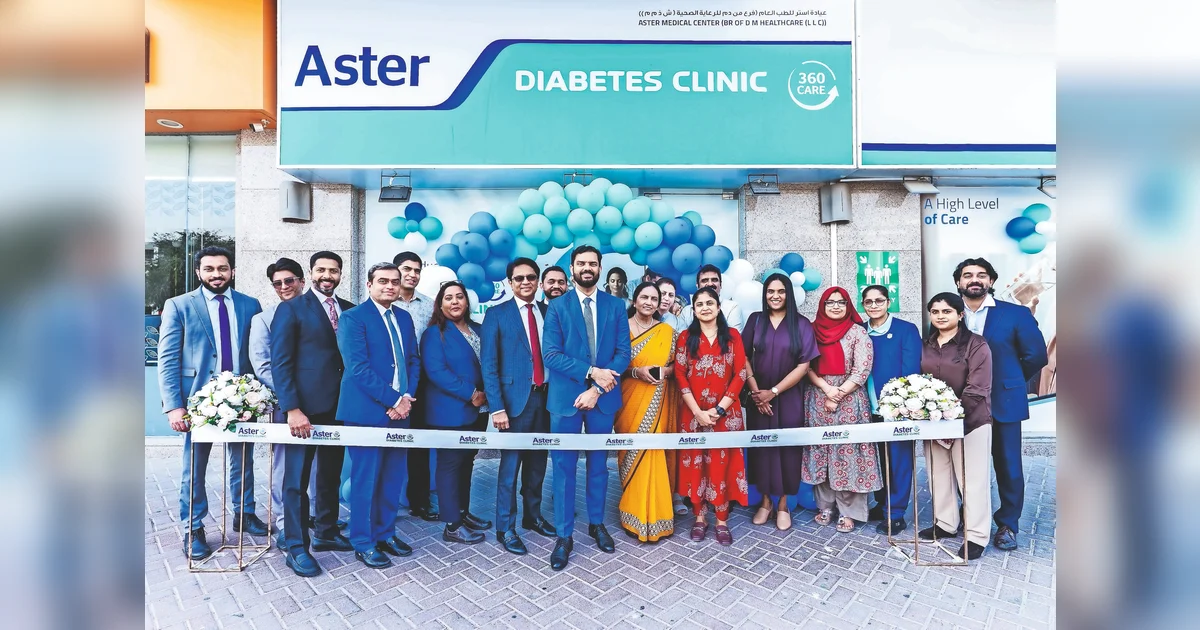
    According to Dr. Nikulaa Parachuri, Specialist in Ophthalmology and Retinal Surgery at Aster Hospital Qusais, complications range from blepharitis (eyelid margin inflammation) and chronic dry eyes to conjunctivitis, keratitis, and even permanent vision damage. “We’re observing multiple cases weekly stemming from improper lash application techniques and substandard adhesives,” Dr. Parachuri confirmed.

    The accessibility of inexpensive DIY lash kits—available online for as little as Dh30 compared to professional salon services costing Dh200-Dh500—has contributed significantly to the problem. These kits often contain formaldehyde-based adhesives and methyl/ethyl cyanoacrylate compounds that pose severe irritation risks. Many users experience allergic reactions, chemical burns, and toxic responses to these poorly regulated products.

    Olga V., a Ukrainian lash technician practicing in the UAE, reports encountering clients weekly with infections from DIY attempts. “People underestimate the delicacy of the eye area,” she noted. “Without proper training, one contaminated tool or misplaced adhesive can cause significant damage.”

    Particularly hazardous practices include applying excessively heavy extensions, stacking multiple lash layers, using unsterilized tools, and placing adhesive too close to the lid margin. Warning signs of complications include persistent redness, swelling, itching, burning sensations, excessive tearing, crusting, discharge, and abnormal lash loss.

    Dr. Parachuri emphasized that corneal infections can progress to ulceration and scarring—potentially causing permanent blindness if untreated. Eyelid scarring and permanent follicle damage may also occur from repeated irritation and improper extension removal.

    While magnetic lashes present a somewhat safer alternative by eliminating glue-related reactions, medical professionals caution that no lash enhancement method is entirely risk-free. They particularly advise against extensions for individuals with pre-existing conditions including dry eye disease, meibomian gland dysfunction, chronic allergies, sensitive skin, recent eye surgery, or compromised immune systems.

    Consumers are urged to verify product safety data sheets, request medical-grade adhesives, and ensure technicians maintain strict hygiene protocols including single-use application tools and proper disinfection practices. Any salon normalizing post-application irritation should be considered a red flag, experts warn.

  • Health officials say no evidence of mystery brain illness in New Brunswick

    Health officials say no evidence of mystery brain illness in New Brunswick

    Canadian health authorities have concluded a comprehensive investigation into alleged cases of a mysterious neurological illness in New Brunswick, finding no evidence to support claims of a novel disease. The provincial study, released Friday by New Brunswick’s Chief Medical Officer of Health Dr. Yves Léger, examined 222 patients previously identified by neurologist Dr. Alier Marrero as potentially suffering from unexplained neurological symptoms.

    The investigation specifically addressed Dr. Marrero’s assertions that patients exhibited elevated levels of herbicides and heavy metals that could explain their symptoms. After comparative analysis with broader population data from Atlantic Canada, officials determined herbicide levels among the patient group were normal. While a limited number of patients showed higher-than-expected metal concentrations, researchers noted methodological issues with testing procedures and found no conclusive evidence linking these levels to neurological effects.

    The report highlighted several limitations in its review, including non-standardized testing protocols and insufficient retesting to establish pattern consistency. Notably, approximately 60% of the patients had been evaluated by additional neurologists, none of whom reported unusual neurological conditions to health authorities.

    This represents the second official study debunking the mystery illness theory, following a 2022 examination of the initial 48 cases. The conclusions align with separate research published in JAMA Neurology last year, which reviewed 25 cases and found patients suffered from identifiable conditions including cancer and dementia.

    Despite the findings, Dr. Léger acknowledged the legitimate suffering of patients, emphasizing that ‘the fact remains there are patients who are very ill and need support.’ The province will now require two specialist examinations for any patient presenting with unexplained neurological symptoms. All data will be shared with the Public Health Agency of Canada for further review.

    Patient advocate Sarah Nesbitt expressed concerns about the study’s limitations while remaining hopeful it might lead to better support for affected individuals. Meanwhile, Dr. Marrero, who previously told the BBC that other scientists had initially supported the novel syndrome theory, did not immediately respond to requests for comment on the latest findings.

  • Accelerationist State: China’s biopharma revolution

    Accelerationist State: China’s biopharma revolution

    China’s pharmaceutical sector has undergone a remarkable transformation that demands global attention from innovation investors. This seismic shift represents one of the most significant yet under-discussed policy narratives of our time, fundamentally altering the dynamics of drug development and approval worldwide.

    The historical context reveals a dramatic reversal. For decades following World War II, the global pharmaceutical industry operated as a Western-dominated monologue, with the United States FDA and NIH serving as the world’s primary research laboratory. China initially entered this ecosystem as a manufacturing hub focused on volume rather than innovation, hampered by a severe regulatory lag that created a 5-7 year delay in drug availability compared to Western markets.

    This ‘drug lag’ era has conclusively ended through deliberate statutory and industrial restructuring rather than organic market evolution. The pivotal moment came with the 2019 revision of China’s Drug Administration Law, which embedded expedited regulatory pathways directly into statute rather than leaving them to administrative discretion. This legal framework established binding timelines, explicit review duration caps, and mandatory statutory review periods including a revolutionary 60-day silent approval provision for clinical trial applications.

    The results have been staggering. In 2024, China’s NMPA approved 83 new drugs (excluding traditional Chinese medicine), representing a 12% year-on-year increase that significantly outpaced the FDA’s 50 novel medicine approvals. Among these, 46 were classified as truly innovative drugs not previously marketed anywhere, while 48 qualified as first-in-class by mechanism of action. Perhaps most impressively, average review times collapsed from 663 days in 2017 to approximately 105 days in 2024—an 84% reduction.

    This acceleration stems from four key expedited pathways that have become the system’s default rather than exception: Priority Review (130-working-day timeline), Breakthrough Therapy Designation, Conditional Approval, and Special Approval for emergencies. These mechanisms now cover over 90% of novel drug approvals, creating what analysts term an ‘Accelerationist State’ where speed is a legal obligation rather than discretionary privilege.

    Critical to this success was China’s strategic approach to capacity building. Between 2014-2024, the Center for Drug Evaluation expanded its workforce from under 200 to over 1,300 full-time staff—a 550% increase that included recruitment of PhDs from US and EU biopharma. The organization simultaneously underwent structural modernization, evolving from four generic divisions to twelve specialized centers organized by therapeutic area with dedicated teams for cutting-edge fields like cell therapy and AI-discovered drugs.

    China’s integration into global standards through ICH membership enabled acceptance of foreign clinical data, transforming drug development from sequential regional rollout to simultaneous global trials. The number of Chinese-origin drugs in global multi-regional clinical trials exploded from just 2 during 2015-2017 to 48 during 2018-2024.

    The comprehensive reform extends beyond regulation to encompass aligned incentives across reimbursement, pricing, capital, and manufacturing policies. Fast-track insurance coverage, premium pricing protection for innovative drugs, massive venture funding increases, and advanced CDMO infrastructure have created an end-to-end innovation ecosystem.

    China has particularly embraced AI as sovereign infrastructure, with 2022 technical guidelines providing clear frameworks for AI-generated data in drug submissions. This forward-thinking approach enabled breakthroughs like Insilico Medicine’s rentosertib—the first AI-discovered drug to reach clinical validation.

    The implications are profound: Chinese biotechs now operate within a system explicitly engineered to compress time-to-market, giving them strategic advantages in the hypercompetitive global pharmaceutical landscape. While questions about accelerated approval risks remain valid, China has positioned its industry to operate at the tempo that modern drug discovery technology permits, potentially establishing ‘China-first’ as the new competitive default in global pharmaceuticals.

  • Are protein shakes replacing real meals for UAE gym-goers? Doctors urge balance

    Are protein shakes replacing real meals for UAE gym-goers? Doctors urge balance

    Medical professionals across the United Arab Emirates are raising urgent concerns about the growing trend of protein supplementation replacing whole food meals among younger demographics. What was once exclusively the domain of elite athletes and bodybuilders has now permeated mainstream fitness culture, with Millennials, Generation Z, and even adolescents increasingly substituting nutritional shakes for proper meals.

    Clinical observations from multiple healthcare facilities indicate a significant shift in dietary patterns, driven predominantly by gym culture and social media influence. Jaseera Maniparambil, Clinical Dietitian at Aster Clinic in Bur Dubai, reports witnessing a substantial increase in protein supplement usage among young adults, many of whom operate under the mistaken belief that excessive protein consumption automatically translates to superior fitness outcomes.

    Recent scientific research from Deakin University’s Food and Mood Centre provides empirical evidence supporting medical concerns. The study compared two low-energy diet programs—one utilizing supplement shakes and bars, another employing whole foods. While both groups demonstrated similar weight reduction metrics, critical differences emerged in body composition. The whole-food cohort preserved significantly more lean muscle mass while shedding fat, whereas the shake-based group lost considerable muscle alongside fat—a concerning outcome given muscle preservation’s crucial role in metabolic health and long-term wellness.

    Dr. Fiji Antony, Head of Department and Chief Clinical Dietitian at NMC Speciality Hospital in Dubai, emphasizes that protein shakes frequently lack comprehensive nutritional profiles. “These supplements typically provide isolated protein but fall short in delivering the full spectrum of fiber, healthy fats, vitamins, minerals, and phytonutrients abundant in whole foods,” she explains.

    The medical community particularly cautions against adolescent usage, noting that Westernized diets already provide two to three times the necessary protein intake without supplementation. Excessive protein consumption may potentially stress renal and hepatic functions while increasing dehydration risks. Regular meal replacement with shakes among developing youth could precipitate nutrient deficiencies, low energy availability, digestive discomfort, and the establishment of poor long-term eating habits.

    Healthcare specialists unanimously stress that protein supplements should serve as strategic support tools rather than meal replacements—appropriate for post-workout recovery, during extended work periods delaying meals, or for individuals with clinically demonstrated elevated protein requirements. They emphasize that most individuals consuming balanced diets already meet their nutritional needs through whole foods alone and recommend professional dietary assessment before incorporating supplements.

  • Malawi rolls out cholera vaccines as rains and floods raise the threat of deadly outbreaks

    Malawi rolls out cholera vaccines as rains and floods raise the threat of deadly outbreaks

    BLANTYRE, Malawi — Facing a mounting public health emergency, Malawi has initiated an urgent cholera vaccination campaign targeting high-risk communities following devastating floods that have contaminated water sources across the southern African region.

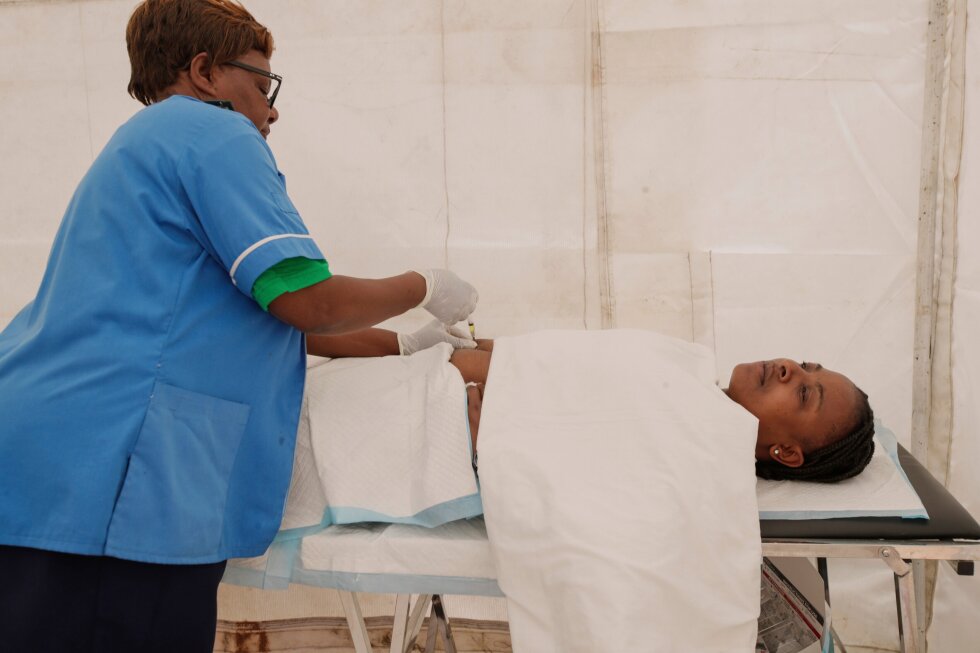
    The three-day immunization drive, concluding Friday, focused on densely populated areas including Chilomoni township in Blantyre, where at least 17 confirmed cholera cases and one death have been reported in recent weeks. Health authorities warn of a concerning national uptick in infections linked to contaminated water sources.

    Dr. Gift Kawalazira, Blantyre District Health Office director, identified the Muluda stream—polluted with human and animal waste—as a primary transmission source. Impoverished residents who cannot afford clean water (priced at 5 cents per 20 liters) frequently use the contaminated waterway for drinking, cooking, and washing.

    Malawi aims to distribute 24,000 oral vaccines initially, targeting vulnerable populations first. This effort comes against the backdrop of Africa’s worst cholera toll in 25 years, with cases exceeding 300,000 in 2022 according to Africa CDC data.

    The current crisis has been exacerbated by unusually heavy seasonal rains that have caused severe flooding across southern Africa, particularly impacting Mozambique where over 500,000 people face compromised access to safe water and food. UNICEF has warned of “a lethal combination” of waterborne diseases and malnutrition in flood-affected regions.

    Globally, cholera vaccine stocks reached critically low levels in 2022 due to overwhelming demand and limited production capacity. This shortage particularly affected developing nations like Malawi, where a recent major outbreak claimed nearly 2,000 lives.

    In response to recurring cholera threats, African nations are pursuing vaccine self-sufficiency. A South African pharmaceutical company began trials in November for what could become the continent’s first domestically produced cholera vaccine.

    While health workers emphasize community cooperation as crucial to outbreak containment, residents like Noel Kanjere argue for sustained preventive education alongside emergency response measures.

  • King’s College Hospital Dubai brings next-level precision to complex and endometriosis surgery with Da Vinci

    King’s College Hospital Dubai brings next-level precision to complex and endometriosis surgery with Da Vinci

    King’s College Hospital London Dubai has significantly expanded its surgical capabilities by integrating the state-of-the-art Da Vinci Xi robotic system into its complex general and endometriosis procedures. This technological advancement represents a substantial leap forward in minimally invasive surgery, offering eligible patients enhanced precision, reduced recovery times, and improved clinical outcomes.

    The Da Vinci Xi platform revolutionizes surgical procedures through its high-definition binocular 3D vision system that provides surgeons with unprecedented anatomical visualization. The system’s wristed instruments mimic the natural movements of human hands while eliminating tremors, enabling surgeons to perform intricate maneuvers in confined anatomical spaces with exceptional accuracy. This technological sophistication is particularly valuable in complex endometriosis cases where millimeter-level precision and nerve preservation are critical for patient outcomes.

    Dr. Firas Younis, Consultant General and Colorectal Surgeon at King’s College Hospital London Dubai, emphasized the system’s impact on patient care: ‘Patients facing complex surgical interventions often experience significant anxiety. The Da Vinci robotic system provides a platform for extremely precise surgical execution, minimizing tissue disruption and facilitating more comfortable recovery periods. This technology is especially transformative for endometriosis surgery where precision directly correlates with preserved fertility and reduced complication rates.’

    Endometriosis, a chronic condition affecting millions worldwide, can cause debilitating pelvic pain, intimate discomfort, and reproductive challenges. In severe cases, the condition involves multiple pelvic organs requiring highly specialized surgical expertise. The hospital’s adoption of robotic-assisted surgery enables surgeons to address these complex presentations through minimal incisions, resulting in reduced postoperative pain, shorter hospital stays, and accelerated return to normal activities for appropriately selected patients.

    The clinical team at King’s College Hospital London Dubai conducts comprehensive individual assessments to determine patient suitability for robotic-assisted procedures, considering diagnostic findings, case complexity, and overall health status. Patients seeking consultation can arrange appointments through multiple channels including telephone scheduling, online forms, or the dedicated King’s Hub application.

  • Global Knee Summit brings global knee care experts to Dubai

    Global Knee Summit brings global knee care experts to Dubai

    Dubai has positioned itself as the epicenter of orthopedic advancement by hosting the Global Knee Summit, transforming from a traditional medical conference into the world’s foremost platform for knee innovation and surgical excellence. Under the leadership of Course Director Dr. Kevin Plancher, this groundbreaking assembly brings together renowned surgeons and medical innovators from across six continents to challenge conventional approaches and redefine the future of knee care.

    The summit’s comprehensive program addresses the most pressing challenges in contemporary orthopedics, featuring intensive sessions on arthroplasty techniques, sports medicine applications, joint preservation methodologies, and cutting-edge biologic treatments. Unlike conventional medical conferences, the program emphasizes contrasting philosophical approaches that stimulate intellectual debate rather than seeking easy consensus, recognizing that genuine medical progress emerges from rigorous discussion.

    Practical application forms the core of the educational experience, with live surgical demonstrations, case-based discussions, and interactive panels enabling direct engagement with next-generation technologies. Participants gain hands-on exposure to robotic-assisted systems, artificial intelligence-driven surgical planning, advanced implant designs, and innovative biologic solutions, all complemented by unfiltered assessments of their clinical effectiveness and limitations.

    Dubai’s strategic location at the intersection of Europe, Asia, Africa, and the Americas provides an ideal setting for global medical dialogue, supported by the city’s state-of-the-art infrastructure and growing reputation as a medical innovation hub. The summit fosters unprecedented networking opportunities, creating lasting professional relationships that extend beyond the conference through cross-specialty collaborations and ongoing educational initiatives.

    This gathering represents an essential educational opportunity for orthopedic surgeons specializing in knee arthroplasty, sports medicine professionals navigating evolving treatment indications, and medical leaders responsible for complex revision cases. The summit’s ultimate objective remains clear: providing every participant with immediately applicable knowledge and techniques that will directly enhance their clinical practice in the coming week.

  • Rwanda to test AI-powered technology in clinics under a new Gates Foundation project

    Rwanda to test AI-powered technology in clinics under a new Gates Foundation project

    KIGALI, Rwanda — In a groundbreaking move to revolutionize healthcare delivery, Rwanda will implement artificial intelligence technology across more than 50 medical facilities as part of the newly launched Horizons1000 initiative. This ambitious program, backed by the Gates Foundation and OpenAI with $50 million in joint funding over two years, aims to support 1,000 clinics throughout Africa in enhancing medical services.

    Andrew Muhire, a senior official at Rwanda’s Ministry of Health, emphasized that the AI technology is designed to augment rather than replace clinical expertise while boosting efficiency within the nation’s overstretched healthcare infrastructure. Rwanda currently operates with just one healthcare professional per 1,000 patients—significantly below the globally recommended ratio of 4:1,000.

    Bill Gates characterized the initiative as a potential “game changer” in addressing health inequality, particularly in regions grappling with severe medical workforce shortages and underdeveloped health systems. In his official blog post, Gates highlighted AI’s capacity to dramatically expand access to quality medical care in economically disadvantaged nations.

    Muhire described the technological integration as a “transformative opportunity” that promises to enhance citizen access to healthcare, reduce administrative burdens, and enable medical professionals to make more precise and timely clinical decisions.

    However, digital experts have raised concerns regarding language compatibility, noting that most AI technologies currently operate primarily in English—a language not widely spoken throughout Rwanda. Audace Niyonkuru, CEO of AI and open data company Digital Umuganda, revealed that development efforts are underway to create AI solutions functioning in Kinyarwanda, the language spoken by approximately 75% of Rwanda’s population. Niyonkuru warned that deploying English-dependent AI technologies could create significant barriers to effective patient care.

  • Guinea-Bissau suspends Trump-backed hepatitis B vaccine study for ethical review

    Guinea-Bissau suspends Trump-backed hepatitis B vaccine study for ethical review

    DAKAR, Senegal — The West African nation of Guinea-Bissau has announced the suspension of a controversial hepatitis B vaccine study on newborns that was backed by the Trump administration. Health Minister Quinhi Nantot confirmed the pause pending a comprehensive ethical review, revealing that the initial confirmation process lacked proper oversight from a six-person ethics committee.

    The study design, structured as a randomized controlled trial, proposed administering the hepatitis B vaccine to some infants while withholding it from others. Researchers intended to track participants for mortality rates, illness patterns, and long-term developmental outcomes. This methodology has drawn significant criticism from medical ethicists who argue that deliberately withholding proven vaccines from vulnerable newborns—particularly in a region with high hepatitis B prevalence—raises serious ethical concerns.

    Africa Centers for Disease Control and Prevention Director-General Jean Kaseya expressed full support for the ethical review process while maintaining the agency’s “excellent relationship” with the U.S. government. “We are led by the interests of our people in Africa,” Kaseya emphasized during a press conference. “We are not led by the small interests of individual people.”

    The research initiative originated from a $1.6 million no-bid contract awarded by the Trump administration to the University of Southern Denmark. The grant went to scientists whose work has been cited by anti-vaccine activists and questioned by mainstream public health experts. Notably, research team leader Christine Stabell Benn serves as a consultant for a committee appointed by U.S. Health Secretary Robert F. Kennedy Jr., which recently voted to stop recommending hepatitis B vaccines for all American newborns.

    Despite the suspension, U.S. health officials maintain that the study remains active. Andrew Nixon, spokesman for the U.S. Department of Health and Human Services, stated: “The study is proceeding as planned, and we continue to work with our partners to finalize the study’s protocols.” The research was scheduled to begin early this year in Guinea-Bissau, targeting 14,000 newborns over a five-year period, with the first 500 participants followed for behavioral and brain development monitoring.