分类: health

  • AEON Clinic unveils Clinical Stem Cell Service: The future of regenerative medicine

    AEON Clinic unveils Clinical Stem Cell Service: The future of regenerative medicine

    Dubai’s healthcare sector has entered a new era of medical innovation with AEON Clinic’s groundbreaking Clinical Stem Cell Service launch. Positioned at the intersection of advanced biological science and luxury wellness, the clinic is redefining regenerative medicine approaches in one of the world’s most progressive healthcare markets.

    The newly unveiled service represents a paradigm shift from conventional anti-aging treatments to comprehensive longevity strategies that address cellular degeneration at its fundamental level. By leveraging stem cells—the body’s master cells capable of transforming into various tissue types—and exosomes that facilitate intercellular communication, AEON Clinic offers a scientifically advanced approach to systemic rejuvenation.

    This revolutionary service encompasses multiple therapeutic applications, including intravenous drip therapies utilizing up to 100 million stem cells for immune regulation and organ function enhancement. The clinic also provides aesthetic treatments that stimulate collagen production beyond traditional methods, hair restoration therapies that revitalize dormant follicles, and specialized treatments for joint and muscle repair benefiting athletes and active individuals.

    A distinctive aspect of AEON’s offering is their Autologous Stem Cell Therapy, which involves harvesting a patient’s own adipose-derived stem cells for laboratory expansion and subsequent readministration. This personalized approach ensures optimal biological compatibility and treatment efficacy tailored to individual physiological requirements.

    The clinic’s medical team emphasizes their transition from ‘anti-aging’ to ‘pro-longevity’ philosophy, aiming to restore patients’ cellular function to more youthful states rather than merely addressing superficial signs of aging. Operating with FDA-approved protocols, board-certified specialists, and partnerships with elite biotechnology laboratories, AEON Clinic establishes new standards for regenerative medicine in Dubai’s competitive healthcare landscape.

    Located at Sunrise Tower in Atlantis The Royal, the clinic positions itself as Dubai’s premier destination for cutting-edge regenerative treatments, serving both residents and international medical tourists seeking advanced biological interventions for longevity and vitality enhancement.

  • US cuts universal childhood vaccine recommendations, including covid and hepatitis

    US cuts universal childhood vaccine recommendations, including covid and hepatitis

    In a landmark policy shift under Health Secretary Robert F. Kennedy Jr., the U.S. Centers for Disease Control and Prevention (CDC) has dramatically revised its childhood immunization guidelines, reducing the number of routinely recommended vaccines from 17 to 10. The new schedule, announced Monday, maintains core protections against diseases like polio and measles but moves several others—including hepatitis A, hepatitis B, and COVID-19 vaccines—into a category based on individual risk assessment and “shared clinical decision-making” between physicians and parents.

    The Department of Health and Human Services stated the overhaul followed an exhaustive comparative analysis, which identified the U.S. as a “global outlier” among 20 developed nations in both the number of diseases covered and the quantity of doses administered. Secretary Kennedy framed the change as a move to align American policy with international consensus, emphasizing that it “protects children, respects families, and rebuilds trust in public health” while strengthening transparency and informed consent.

    This sweeping change is the latest in a series of revisions. It follows a recent controversial adjustment by a CDC panel to the hepatitis B vaccine timeline, delaying the first dose from within 24 hours of birth to two months of age for infants born to hepatitis B-negative mothers—a move the American Academy of Pediatrics condemned as “a dangerous move that will harm children.”

    Despite the reduction in routinely recommended vaccines, insurance coverage is expected to continue for all vaccines that were on the schedule at the end of 2025 for the immediate future.

  • NHC unveils 4th catalog of branded drugs to boost generic alternatives

    NHC unveils 4th catalog of branded drugs to boost generic alternatives

    China’s National Health Commission (NHC) has launched its fourth comprehensive catalog of reference brand-name drugs, marking a significant advancement in the nation’s healthcare strategy. Released on January 5, 2026, this initiative specifically targets the development of high-quality generic alternatives to address critical clinical gaps across multiple medical specialties.

    The newly published catalog, developed through collaboration between the NHC and three additional government agencies, features 21 innovative pharmaceutical products spanning oncology, neurology, reproductive medicine, and diagnostic imaging. The selection process prioritized medications demonstrating novel therapeutic mechanisms and targets, including groundbreaking treatments such as difelikefalin for chronic kidney disease-associated pruritus and four radiopharmaceutical therapies currently unavailable in domestic markets.

    Notably, the catalog incorporates internationally recognized first-line treatments like suvorexant for insomnia management, which demonstrates efficacy in sleep initiation and maintenance while reducing daytime impairment. In alignment with national population policies, the list also includes advanced reproductive health formulations designed as gels and suppositories to minimize adverse reactions during assisted reproduction procedures.

    The catalog further emphasizes medicines with established clinical utility within China’s healthcare system, such as deflazacort for managing Duchenne muscular dystrophy. Since initiating this program in 2019, Chinese health authorities have consistently released these catalogs to accelerate the availability of affordable, therapeutically equivalent generic medications, thereby enhancing treatment accessibility while maintaining pharmaceutical quality standards.

  • Shanghai researchers develop breakthrough breast cancer therapy

    Shanghai researchers develop breakthrough breast cancer therapy

    Medical researchers from Shanghai Jiao Tong University School of Medicine have achieved a revolutionary breakthrough in treating triple-negative breast cancer, one of the most aggressive forms of the disease. The team at Ruijin Hospital presented their landmark findings at the prestigious San Antonio Breast Cancer Symposium in December, revealing a new therapeutic protocol that dramatically improves patient outcomes.

    The comprehensive nationwide study, initiated in 2015, involved 786 patients across 19 medical centers and demonstrated unprecedented success rates. The innovative approach, which integrates carboplatin into standard adjuvant chemotherapy regimens, reduced postoperative recurrence risk by 34% and mortality by an remarkable 61%. The three-year disease-free survival rate reached 93.1%, while distant metastasis-free survival achieved 95.2% and overall survival climbed to 98.3%.

    International oncology experts have hailed the Chinese research as a transformative advancement in breast cancer treatment. The study addresses particularly challenging aspects of triple-negative breast cancer, which has historically lacked effective therapeutic targets and carried high risks of recurrence and metastasis. The protocol’s applicability to most operable patients positions it as a potential new standard of care.

    The research team emphasized that their findings provide robust clinical evidence that could reshape global treatment guidelines and offer new hope for patients worldwide facing this formidable cancer subtype. The medical community anticipates that these results will influence international practice standards and significantly improve survival prospects for thousands of patients annually.

  • Sycume thyroid meds added to national drug reimbursement list

    Sycume thyroid meds added to national drug reimbursement list

    In a significant development for healthcare accessibility, Beijing Tongren Hospital has issued its first prescription for Sycume, a breakthrough thyroid eye disease medication newly incorporated into China’s National Drug Reimbursement List. This milestone follows the January 1st implementation of the updated list, which introduces 114 new pharmaceutical coverages including 50 pioneering innovative medicines, expanding total covered medications to 3,253 formulations nationwide.

    Sycume, developed by Shanghai-based Innovent Biologics, represents a therapeutic advancement for patients experiencing moderate to severe thyroid eye disease. The injectable treatment specifically addresses distressing symptoms including proptosis (eye bulging), orbital inflammation, and diplopia (double vision). Having received Chinese market approval in March, the drug’s inclusion in the reimbursement program substantially enhances treatment accessibility.

    Professor Li Dongmei of Beijing Tongren Hospital emphasized the transformative financial impact of this policy change. The per-dose price has dramatically decreased from approximately 15,000 yuan ($2,148) to under 6,000 yuan following reimbursement list inclusion. With insurance coverage, patients now experience approximately 10,000 yuan in savings per treatment cycle compared to previous out-of-pocket expenses.

    This strategic expansion of China’s drug reimbursement framework, administered by the National Healthcare Security Administration, not only alleviates economic burdens but also ensures broader patient access to effective and safe therapeutic interventions. The policy shift demonstrates China’s ongoing commitment to enhancing healthcare affordability while supporting innovative medical treatments for complex conditions.

  • King’s College Hospital Dubai welcomes first newborns of 2026

    King’s College Hospital Dubai welcomes first newborns of 2026

    As Dubai celebrated the arrival of 2026 with spectacular festivities, King’s College Hospital Dubai marked the new year with two profoundly special deliveries. The hospital’s maternity unit welcomed its first newborns in the early hours of January 1st, demonstrating unwavering commitment to maternal care throughout the holiday season.

    The hospital’s comprehensive maternity services operated at full capacity during the holiday period, with specialized medical teams providing continuous care. Obstetricians, midwives, nursing staff, and neonatal specialists maintained seamless 24/7 coverage, ensuring the institution’s renowned standards of care remained uncompromised despite the celebratory timing.

    Farzana Iqbal, Obstetrics and Gynecology Midwife Manager at King’s College Hospital Dubai, emphasized the team’s dedication: “While New Year’s Eve represents a citywide celebration, for our maternity department, it represents another opportunity to deliver exceptional care. Infant arrivals follow their own schedule, and families depend on our consistent availability during these pivotal moments. We consider it a privilege to facilitate these joyful occasions throughout the entire year.”

    The twin arrivals symbolize fresh beginnings not merely for the delighted families but also for the hospital’s devoted medical team. As fireworks illuminated Dubai’s skyline, the maternity staff remained focused on their primary mission: delivering exemplary patient care and ensuring successful outcomes for both mothers and newborns.

    This achievement reinforces King’s College Hospital Dubai’s position as a leading healthcare institution providing critical services regardless of holidays or celebrations, maintaining operational excellence when patients need it most.

  • UK starts ban on junk food ads on daytime TV and online

    UK starts ban on junk food ads on daytime TV and online

    The United Kingdom has enacted a groundbreaking regulatory measure prohibiting advertisements for foods high in fat, salt, or sugar (HFSS) during daytime television broadcasts and across digital platforms. Effective October 1st, 2025, this initiative represents the government’s most ambitious effort to combat childhood obesity through advertising restrictions.

    According to the Department of Health and Social Care, the comprehensive ban—applying to all commercials before the 9:00 PM watershed and paid digital promotions—is projected to eliminate approximately 7.2 billion calories annually from children’s dietary intake. Officials estimate this reduction will prevent roughly 20,000 cases of childhood obesity while generating approximately £2 billion (USD $2.7 billion) in long-term healthcare savings.

    The policy implementation follows earlier anti-obesity measures including the extension of the sugar tax to pre-packaged beverages such as milkshakes, ready-to-drink coffees, and sweetened yogurt drinks. Additionally, local authorities have been empowered to restrict the establishment of fast-food outlets in proximity to school premises.

    Government research indicates that advertising significantly influences children’s eating habits, shaping food preferences from early childhood and increasing susceptibility to obesity-related health complications. Current statistics reveal that 22% of children entering primary education in England (typically age five) are overweight or obese, with this figure escalating to over one-third by secondary school transition (age 11).

    Health Minister Ashley Dalton emphasized that “limiting junk food advertisements before watershed hours and eliminating paid digital promotions will substantially reduce children’s exposure to unhealthy dietary influences.” The minister further noted this initiative aligns with the National Health Service’s strategic shift toward preventive healthcare measures.

    Public health advocates have welcomed the regulatory change. Katharine Jenner of the Obesity Health Alliance described it as “a commendable and long-anticipated advancement in safeguarding children’s health from harmful food marketing practices.” Diabetes UK CEO Colette Marshall highlighted the particular significance for type 2 diabetes prevention, noting the condition’s increasing prevalence among youth and its association with severe complications including renal failure and cardiovascular disease.

  • Sydney airport, hospital, and Qantas flight on alert as NSW records third measles case

    Sydney airport, hospital, and Qantas flight on alert as NSW records third measles case

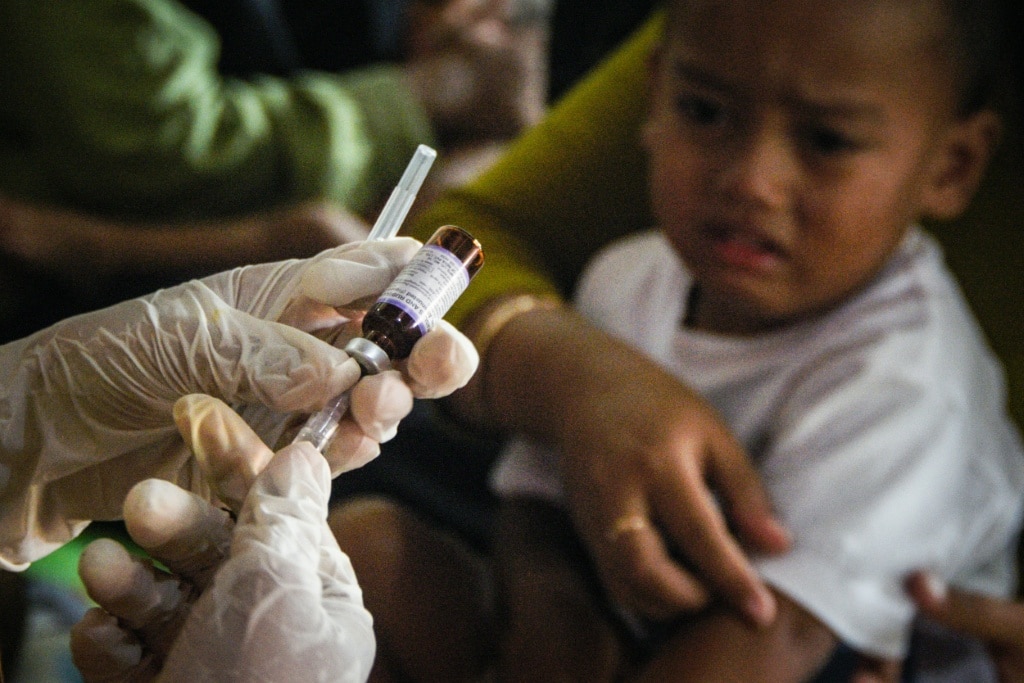
    Health authorities in New South Wales have issued a renewed public health alert following the confirmation of a third measles case in the state, linked to travelers returning from Southeast Asia. The latest exposure sites include Sydney Airport’s domestic Terminal 3 Qantas arrival hall and a specific interstate flight, significantly expanding the list of potential public exposure venues.

    NSW Health has identified specific exposure windows, urging individuals present at the Terminal 3 domestic arrivals area between 10:30 PM and 11:00 PM on December 29 to monitor for symptoms. Passengers aboard Qantas flight QF748 from Adelaide to Sydney arriving during that same period have also been alerted. Additionally, visitors to Concord Repatriation General Hospital’s Emergency Department between 1:00 PM and 4:10 PM on January 3 are considered at potential risk.

    This development brings the total number of identified exposure locations across NSW to more than 50, spanning from December 3 to January 3. The list includes various restaurants, train services, Woolworths supermarkets in eastern and northern Sydney, multiple healthcare facilities, Sydney Airport’s international terminal, and a children’s play area.

    Health officials emphasize that while there is no continuing risk of exposure at any identified sites, individuals who visited these locations during specified times should remain vigilant for symptoms until January 16 for airport exposures and January 21 for the hospital exposure.

    Measles, a highly contagious vaccine-preventable disease, spreads through airborne transmission when infected individuals cough or sneeze. Initial symptoms typically appear approximately 10 days after exposure and often resemble influenza, including fever, fatigue, cough, runny nose, and red, sore eyes. A distinctive rash usually develops within several days. Approximately one-third of infected individuals experience complications that may require hospitalization, including pneumonia, diarrhea, and ear infections. In severe cases, measles can lead to serious illness or death.

    Dr. Conrad Moreira, Acting Director of Public Health for Western Sydney Local Health District, emphasized the importance of vaccination: ‘The measles vaccine can prevent the disease even after exposure if administered promptly. This situation serves as a critical reminder for all residents to verify their vaccination status, particularly before international travel.’

    Health authorities specifically recommend that anyone born after 1965 ensure they have received two doses of the measles vaccine. The measles-mumps-rubella (MMR) vaccine is available for children as young as six months traveling overseas and is routinely administered to children aged 12-18 months. The vaccine is provided free of charge in NSW for eligible individuals born after 1965 who haven’t previously received two doses.

    The recent cases have been linked to travel to Southeast Asian destinations currently experiencing measles outbreaks, including Indonesia (Bali), Vietnam, Thailand, and the Philippines – all popular vacation spots for Australian tourists.

  • UAE: Feeling drained in winter? It has more to do with biology than willpower

    UAE: Feeling drained in winter? It has more to do with biology than willpower

    As winter embraces the United Arab Emirates with shorter daylight hours, medical experts reveal that the pervasive fatigue experienced by residents stems from biological mechanisms rather than diminished willpower. The reduction in natural light exposure significantly disrupts circadian rhythms, triggering physiological changes that impact energy levels and sleep patterns.

    Dubai-based professional Alex D. exemplifies this phenomenon, describing how his post-work energy vanishes unexpectedly despite maintaining consistent sleep schedules. “By the time I reach home, my body feels so tired that I just feel like sleeping,” he reports, noting how evening activities that were once manageable now feel overwhelmingly burdensome.

    Medical specialists including Dr. Shaju George, psychiatrist at International Modern Hospital, explain the science behind this seasonal shift. “Without strong morning and evening light signals, the circadian rhythm slowly drifts,” he states. This disruption causes melatonin production to commence earlier in the evening while simultaneously impairing cortisol release, resulting in diminished daytime alertness.

    The consequences extend beyond simple tiredness. Reduced daylight exposure compromises sleep architecture itself, leading to increased nighttime awakenings and diminished deep sleep phases. This results in next-day cognitive impairment characterized by reduced concentration, slower reaction times, and mental fogginess.

    Modern lifestyle factors exacerbate these biological tendencies. Dr. George notes that “blue-rich light from phone or TV screens suppresses melatonin at the wrong time,” creating a cycle of exhaustion coupled with delayed sleep onset.

    Psychological dimensions accompany the physiological changes. Dr. Sneha John, psychologist at Medcare Kamali Clinic, observes that “individuals notice a dip in energy or motivation as seasons change,” emphasizing that these responses represent normal biological adaptations rather than personal shortcomings.

    Notably, these seasonal effects occur even in sun-drenched regions like the UAE due to reduced light exposure timing and duration. Dr. Nada Omer, consultant psychiatrist at Burjeel Hospital, explains that decreased sunlight causes measurable neurochemical changes: “Serotonin levels linked to mood can drop, while melatonin production increases.”

    Experts recommend practical interventions including morning light exposure within 30 minutes of waking, midday outdoor breaks, evening light dimming, and reduced screen brightness. These adjustments help realign circadian rhythms and mitigate winter’s physiological impacts, offering residents strategies to maintain energy and wellbeing throughout the seasonal transition.

  • Fakeeh University Hospital sets new benchmarks in advanced gene therapy

    Fakeeh University Hospital sets new benchmarks in advanced gene therapy

    Dubai’s Fakeeh University Hospital has established itself as a global hub for advanced gene therapy, achieving significant medical milestones that position the United Arab Emirates at the forefront of specialized healthcare innovation. The hospital has pioneered groundbreaking treatments for rare genetic and neuromuscular disorders, marking a transformative moment for regional medical capabilities.

    In a landmark achievement for Middle Eastern healthcare, the facility became the first in the region to administer Duvyzat (givinostat), an advanced therapeutic agent for managing Duchenne muscular dystrophy (DMD). This devastating inherited neuromuscular condition predominantly affects male children, causing progressive muscle deterioration, mobility loss, and severe cardiorespiratory complications. Timely intervention with sophisticated treatments like Duvyzat proves crucial in decelerating disease advancement while enhancing both longevity and life quality for young patients.

    Concurrently, the hospital has accomplished another world-class medical breakthrough by delivering among the earliest intrathecal gene therapies for spinal muscular atrophy (SMA), commercially known as ITVISMA. This severe genetic disorder involves the degeneration of motor neurons, leading to progressive muscular weakness, respiratory impairment, and complete loss of motor function. Gene-based interventions have revolutionized treatment outcomes for pediatric patients, especially when administered promptly within comprehensive, multidisciplinary clinical settings.

    These medical advancements significantly bolster Dubai’s emerging reputation as a destination for world-class tertiary care, attracting international patients seeking cutting-edge treatments previously unavailable in the region. The hospital’s pioneering work not only addresses critical healthcare gaps for rare diseases but also demonstrates the UAE’s growing capacity to compete with leading Western medical institutions in specialized therapeutic domains.