分类: health

  • Warning against mushroom foraging in California after fatal poisoning

    Warning against mushroom foraging in California after fatal poisoning

    California health authorities have issued a critical public health advisory urging residents to strictly avoid foraging for wild mushrooms following a concerning cluster of severe poisonings across the state. The California Department of Public Health (CDPH) confirmed at least 21 cases of amatoxin poisoning linked to death cap mushroom consumption, resulting in multiple hospitalizations with severe liver damage and at least one fatality.

    The poisoning incidents, concentrated in Northern California’s Monterey and San Francisco Bay areas between mid-November and early December, have affected both adults and children. Several victims suffered acute liver failure, with at least one patient potentially requiring emergency liver transplantation. Health officials emphasize that the current rainy season creates ideal growing conditions for these toxic fungi, particularly around oak and pine trees.

    Death cap mushrooms (Amanita phalloides) pose exceptional danger due to their deceptive resemblance to edible varieties in appearance, scent, and taste. CDPH Director Dr. Erica Pan warned that these mushrooms ‘contain potentially deadly toxins that can lead to liver failure’ and stressed that no cooking method—including boiling, drying, freezing, or conventional preparation—can neutralize their toxicity.

    Initial symptoms typically manifest within 6-24 hours of consumption and include violent gastrointestinal distress: watery diarrhea, persistent vomiting, abdominal cramping, nausea, and dehydration. While these symptoms may temporarily subside, potentially fatal liver damage can develop silently over the following week.

    Monterey County Health Officer Dr. Edward Moreno emphasized that ‘only people with extensive training and experience should eat wild mushrooms that they have picked themselves.’ The CDPH maintains that the risk extends statewide despite current cluster locations, advising complete avoidance of wild mushroom consumption during this high-risk period.

  • Carving out dreams

    Carving out dreams

    In the operating theaters of Shenzhen, Dr. Guo Shuzhong practices what can only be described as medical artistry. The 62-year-old chief plastic surgeon at Shenzhen United Family Hospital has dedicated three decades to perfecting the complex craft of ear reconstruction, bringing hope to thousands affected by microtia—a congenital condition affecting approximately 1 in 2,500 Chinese newborns that results in malformed or absent external ears.

    Dr. Guo’s approach blends surgical precision with artistic sensibility. Using carefully carved rib cartilage harvested from patients, he sculpts intricate ear frameworks during procedures that demand both technical mastery and aesthetic judgment. ‘The ear is one of the most complex organs in the human body in terms of shape,’ explains Guo. ‘It demands careful observation and a deep understanding of the material.’

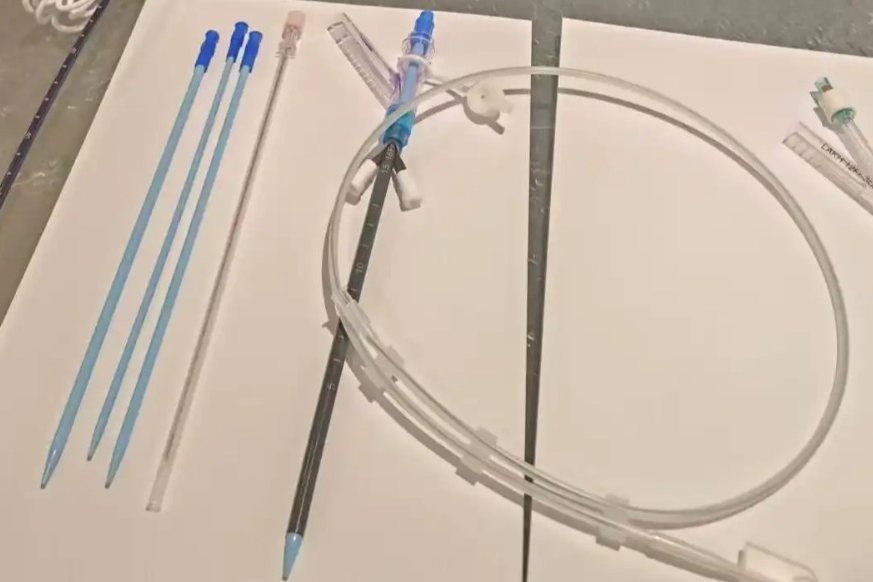
    His innovative two-phase technique involves initially inserting a tissue expander under the skin to create space for the future ear framework. After several months of expansion, the second stage sees Guo removing the expander and implanting the meticulously crafted cartilage structure. His refinements have streamlined the process, reducing the overall surgical cycle to just three to four months while introducing new devices that allow patients to manage expander maintenance at home.

    Beyond technical innovations, Guo emphasizes psychological healing. His team organizes communication workshops, language classes, and creative activities to support children through their transformation. ‘Doctors need to understand how to heal both the body and the heart,’ he notes.

    Having established his career across multiple Chinese cities and international exchanges, Guo now sees Shenzhen as the ideal platform for global outreach. The Greater Bay Area’s unique advantages—including Shenzhen’s medical equipment manufacturing prowess and Hong Kong’s international connectivity—position the region to become a world-class center for ear reconstruction.

    International interest is growing, with surgeons from New Zealand, India, and South America seeking training opportunities. Guo’s patients already include expatriates from Hong Kong, Mongolia, and Latin America, validating his vision of China becoming a destination for medical innovation rather than just a source of patients seeking treatment abroad.

    As he trains the next generation of surgeons—still insisting they practice with vegetables and pork ribs as he once did—Guo remains driven by the profound satisfaction of restoring both form and confidence. His office filled with paintings from grateful young patients stands testament to the life-changing impact of his work, with dreams of eventually establishing a museum to preserve these precious tokens of transformation.

  • Nordic people know how to beat the winter blues. Here’s how to find light in the darkest months

    Nordic people know how to beat the winter blues. Here’s how to find light in the darkest months

    As the Northern Hemisphere approaches the winter solstice on December 21—the year’s shortest day and longest night—residents of Nordic regions demonstrate remarkable resilience against seasonal affective challenges. Despite enduring months of frigid temperatures and minimal daylight, populations across Scandinavia have developed effective coping mechanisms for the annual winter blues that can persist from October through April.

    Medical researchers throughout the Nordic countries emphasize the critical importance of maintaining consistent sleep and social patterns during darker months. Dr. Timo Partonen, a research professor at the Finnish Institute for Health and Welfare, explains that limited daylight disrupts circadian rhythms, causing prolonged but unrefreshing sleep and daytime fatigue. He recommends dawn simulator devices that gradually illuminate bedrooms to facilitate natural waking processes.

    Beyond sleep management, experts identify social withdrawal and irritability as common winter challenges. Dr. Partonen stresses that maintaining relationships provides essential protection against seasonal mood disorders, suggesting combined social and physical activities to combat both isolation and the typical 2-5 kilogram winter weight gain driven by carbohydrate cravings.

    The scientific understanding of Seasonal Affective Disorder (SAD) continues to evolve. Researchers now recognize that specialized eye cells convert blue light wavelengths into neural signals affecting alertness and mood. University of Pittsburgh researcher Kathryn Roecklein has demonstrated that SAD patients exhibit reduced sensitivity to blue light during winter months, suggesting a physiological basis for seasonal depression.

    Professor Christian Benedict of Uppsala University advocates light therapy as an effective intervention, noting that devices emitting light 20 times brighter than standard indoor lighting can significantly benefit both clinical and subclinical cases. The recommended protocol involves 30 minutes of 10,000 lux exposure each morning, which helps regulate circadian rhythms and boost serotonin production.

    Psychological adaptation proves equally crucial. University of Tromsø psychologist Ida Solhaug emphasizes embracing winter through positive mindset development—a characteristically Norwegian approach to seasonal challenges. She recommends balancing indoor hygge practices with outdoor activities, including traditional Swedish fika coffee breaks and Nordic cold-water immersion, which many practitioners find revitalizing.

    Finland’s President Alexander Stubb concurs with this balanced approach, specifically endorsing the ice bath-sauna cycle as an effective strategy for winter resilience. As Nordic wisdom holds: there exists no bad weather, only inadequate clothing and preparation for the seasonal darkness that ultimately yields to returning light.

  • UAE: Delayed learning, poor communication; signs your child may have vision impairment

    UAE: Delayed learning, poor communication; signs your child may have vision impairment

    Medical specialists in the UAE are raising urgent concerns about the profound psychological and developmental consequences of undiagnosed vision impairments in children. According to ophthalmologists and psychologists, common conditions like myopia, astigmatism, and strabismus extend far beyond visual limitations, significantly impacting emotional well-being, social development, and academic performance.

    Dr. Alina Mugnani Deza, Specialist Ophthalmologist at Barraquer Eye Hospital, emphasizes that early childhood represents the most vulnerable period for visual development. Limited visual cues during infancy (0-2 years) can affect bonding, motor skills, and exploration, while preschool years (3-6) bring increased awareness of differences with peers. The early school age (6-12) often introduces academic frustrations and social anxiety.

    The psychological ramifications are extensive, with children frequently developing anxiety, social withdrawal, irritability, and communication delays. Dr. Deza notes that visual impairment significantly increases emotional and behavioral difficulties because vision drives exploration, communication, and social learning. These challenges often lead to misinterpretations as behavioral or learning problems rather than vision-related issues.

    Clinical Psychologist Gayatri Govind Gajjam of Aster DYU Child Development Centre explains how different vision conditions create distinct psychological responses. Children with low vision often experience frustration and decreased academic confidence, while complete blindness can delay mobility and communication skills. Peripheral vision loss increases anxiety due to collision fears, and central vision loss affects literacy tasks, making children perceive themselves as slow. Progressive visual loss proves particularly taxing as children experience repeated grief with each decline.

    Experts identify family support as a critical protective factor. A balanced home environment that encourages independence while providing emotional reassurance can significantly reduce psychological risks. Conversely, parental overprotection, denial of problems, or delayed corrective measures often intensify stress.

    Early detection through screening from age 2.5 allows problems to be identified before impacting development. Multidisciplinary approaches including vision rehabilitation, occupational therapy, psychological counseling, and assistive technologies such as screen magnifiers, smart devices, and text-to-speech tools can dramatically improve outcomes. Schools play an equally crucial role by providing accessible materials, teacher training, and counseling support.

    Despite these challenges, well-supported children often develop remarkable resilience, advanced problem-solving skills, and heightened auditory and tactile abilities. With early detection, supportive environments, and appropriate tools, children with visual impairments can thrive academically, socially, and emotionally.

  • Six hospitals from Aster DM Healthcare network in the UAE recognised in Newsweek’s best specialised hospitals in Middle East 2026 list

    Six hospitals from Aster DM Healthcare network in the UAE recognised in Newsweek’s best specialised hospitals in Middle East 2026 list

    Aster DM Healthcare has secured exceptional recognition in Newsweek’s prestigious Best Specialized Hospitals Middle East 2026 rankings, with nine facilities across the GCC region earning distinguished placements. The comprehensive evaluation, conducted in partnership with global data firm Statista, identifies leading healthcare institutions across seven Middle Eastern countries based on rigorous criteria including international peer recommendations, accreditation standards, and implementation of Patient-Reported Outcome Measures (PROMs).

    The UAE network demonstrated remarkable clinical excellence with six facilities receiving specialized accolades. Aster Hospital Al Qusais gained recognition for neurological care, while Aster Hospital Mankhool achieved dual PROMs-based distinctions in orthopedics. Medcare Hospital Al Safa earned gastroenterology honors, Medcare Hospital Sharjah secured neurology recognition, and specialized facilities Medcare Orthopedics and Spine Hospital along with Medcare Women and Children Hospital received orthopedics and pediatrics distinctions respectively.

    Beyond the UAE, Aster’s regional presence shone with Aster Royal Al Raffah Hospital in Muscat achieving the broadest specialty recognition in Oman across five disciplines: gastroenterology, neurology, oncology, orthopedics, and pediatrics. Aster Al Raffah Hospital in Sohar received gastroenterology recognition, while Aster Hospital Qatar secured dual honors in gastroenterology and pediatrics, underscoring its expanding leadership in comprehensive family care services.

    Alisha Moopen, Managing Director and Group CEO of Aster DM Healthcare GCC, emphasized that this achievement reflects the organization’s robust clinical ecosystem and medical expertise. “With nine hospitals recognized across multiple specialties throughout the GCC, we demonstrate our sustained commitment to outcome-driven specialized care,” Moopen stated. “We continue to advance our mission of making world-class medical expertise accessible to patients across the Middle East within their communities.”

    The conglomerate, operating 15 hospitals throughout the GCC, maintains its commitment to healthcare excellence through expanded centers of specialization, integrated advanced diagnostics, and implementation of best-practice clinical protocols across its network. This widespread recognition across five specialized disciplines confirms Aster’s enduring dedication to delivering complex treatments with superior outcomes and enhanced patient experiences throughout the region.

  • CMC Dubai and Orthocure announce strategic partnership to advance orthopedic excellence

    CMC Dubai and Orthocure announce strategic partnership to advance orthopedic excellence

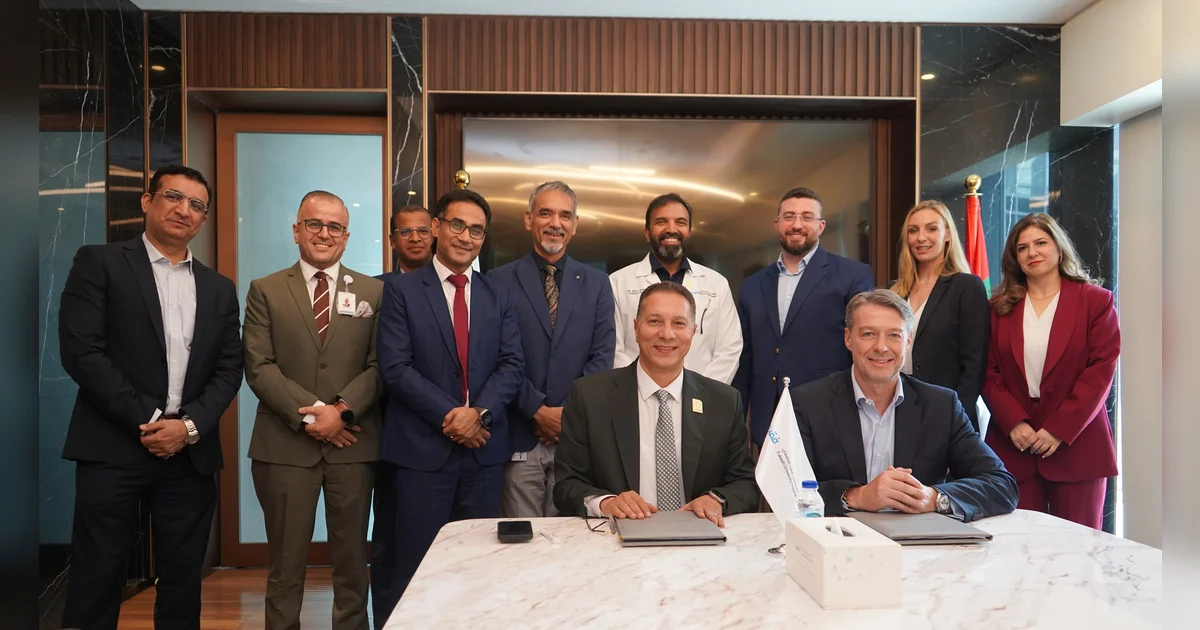
    In a landmark development for Middle Eastern healthcare, Clemenceau Medical Center (CMC) Dubai has entered into a strategic partnership with specialized orthopedic provider Orthocure. This collaboration, announced on December 5, 2025, merges CMC’s state-of-the-art surgical infrastructure with Orthocure’s decade-long expertise in musculoskeletal treatments.

    The alliance represents a significant advancement in orthopedic care delivery, combining CMC’s luxury medical facilities and cutting-edge technology with Orthocure’s innovative approaches to sports surgery, spine procedures, and regenerative medicine. The partnership aims to establish Dubai as a regional reference point for orthopedic excellence while expanding subspecialty services across the entire treatment spectrum.

    Mark Adams, CEO of CMC Dubai, emphasized the partnership’s significance: “This collaboration reflects our continuous commitment to raising healthcare standards in the region. By partnering with Orthocure, we enhance both the depth and breadth of our orthopedic services, ensuring patients receive exceptional, world-class care.”

    Dr. Ali Albelooshi of Orthocure noted the strategic advantage: “Our joining with CMC Dubai enables us to deliver specialized orthopedic expertise on a larger scale, supported by one of the region’s most advanced medical environments.”

    The integrated approach will create a unified ecosystem for patients, ensuring seamless continuity from diagnosis and advanced imaging through surgical intervention and rehabilitation. Dr. Saeed Al Thani highlighted the partnership’s comprehensive nature: “This collaboration will significantly strengthen orthopedic services across all subspecialties—from sports medicine to spine and regenerative treatments.”

    This partnership reinforces CMC Dubai’s mission to deliver world-class medical excellence while marking a new era in transforming musculoskeletal care for patients throughout the region.

  • US vaccine panel votes to end recommendation for hepatitis B vaccination for newborns

    US vaccine panel votes to end recommendation for hepatitis B vaccination for newborns

    In a landmark decision with significant public health implications, the US Advisory Committee on Immunization Practices (ACIP) has voted to discontinue the universal hepatitis B vaccination protocol for newborns that has been standard medical practice since 1991. The committee, whose membership was entirely reconstituted in June by Vaccine-Skeptic Health Secretary Robert F. Kennedy Jr., approved the policy shift with an 8-3 majority vote.

    The new guidelines establish a paradigm shift from mandatory immunization to individualized decision-making for infants born to mothers who test negative for hepatitis B. These newborns would receive their initial vaccine dose no earlier than two months of age rather than immediately after birth. The committee maintained the existing recommendation that infants born to HBV-positive mothers continue to receive the birth-dose vaccination.

    This policy reversal occurs despite compelling evidence demonstrating the vaccine’s remarkable efficacy. Data from the past three decades indicates that routine newborn immunization has prevented approximately 90,000 HBV-related deaths in the United States. Medical experts expressed profound concern during committee deliberations that the policy change might fuel unwarranted safety concerns and ultimately increase infection rates.

    Dr. Cody Meissner, one of several dissenting committee members, emphasized before the vote: ‘The hepatitis B vaccine recommendation is very well established. We know it’s safe and we know it’s very effective. Implementing these proposed changes will inevitably result in more children, adolescents and adults becoming infected with hepatitis B.’

    Hepatitis B remains a serious liver infection transmitted through bodily fluids that can lead to cirrhosis, liver failure, and cancer. The virus presents particular danger to infants as it can be transmitted during childbirth from infected mothers, often developing into chronic infections that cause progressive liver damage. Many carriers remain asymptomatic, unknowingly transmitting the virus while caring for children.

    The ACIP’s recommendations will now proceed to the Centers for Disease Control and Prevention, where the acting director holds final authority for implementation. Public health experts nationwide are monitoring how this controversial decision might impact vaccination rates and future disease prevalence.

  • UAE: Pakistani baby survives rare immune disorder after urgent bone marrow transplant

    UAE: Pakistani baby survives rare immune disorder after urgent bone marrow transplant

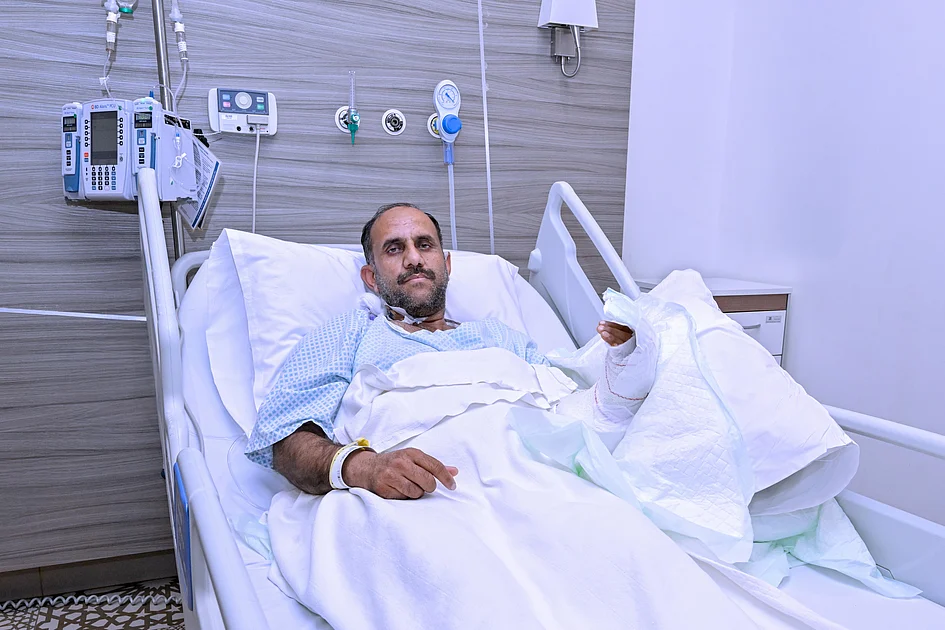
    In an extraordinary medical achievement, a two-month-old Pakistani infant has successfully overcome a life-threatening congenital immune disorder following an emergency bone marrow transplant procedure in Abu Dhabi. The breakthrough case at Yas Clinic Khalifa City represents a significant advancement in pediatric critical care methodologies.

    The infant, identified as Ayra, arrived at the facility in critical condition after weeks of unsuccessful treatment at another hospital. Medical examinations revealed she was combating three simultaneous severe infections while showing signs of organ stress and requiring medication to sustain blood pressure. This medical crisis stemmed from a rare congenital immunodeficiency that left her without natural infection-fighting capabilities.

    Dr. Mansi Sachdev, Clinical Lead and Consultant of Paediatric Haematology, Oncology and Bone Marrow Transplant, explained the unprecedented challenges: ‘The conventional treatment protocol involving chemotherapy was not viable due to her critically compromised condition. Our only recourse was to perform an immediate transplant without standard preparatory procedures, relying entirely on her father’s healthy stem cells to combat the infections.’

    The medical team discovered the infant’s father was a complete HLA (Human Leukocyte Antigen) match, enabling the high-risk procedure. This surgical intervention is considered exceptionally rare in pediatric medicine due to its inherent risks when performed without standard chemotherapy preparation.

    Two months post-transplant, medical staff report remarkable progress. Ayra is now breathing independently, feeding normally, and has successfully cleared all three viral infections. The medical team anticipates her imminent discharge from the facility.

    Dr. Maysoon Al Karam, Chief Medical Officer, emphasized the broader implications: ‘This case demonstrates the critical importance of early diagnosis and coordinated multidisciplinary care. The successful outcome illustrates what timely intervention and specialized medical management can achieve even with extremely fragile patients.’

    The family’s medical history revealed they had previously lost another daughter to a similar undiagnosed condition at eighteen months old, highlighting the significance of this medical breakthrough for families dealing with rare immunological disorders.

  • Flu positivity hits 51% in China as school clusters rise

    Flu positivity hits 51% in China as school clusters rise

    China is confronting a significant escalation in influenza activity, with health authorities reporting that the nation has entered a high-transmission period for respiratory illnesses. Recent epidemiological data reveals an alarming surge in cases, particularly within educational institutions.

    According to the latest surveillance report from the Chinese Center for Disease Control and Prevention (China CDC), influenza positivity rates have reached concerning levels. For the week commencing November 24, 2025, testing confirmed that 51.1% of outpatient visits for influenza-like illnesses were positive for flu viruses, marking a substantial increase from the previous week’s rate of 44.8%.

    The epidemic pattern shows distinct demographic concentration, with children aged five to fourteen demonstrating markedly higher infection rates compared to other age groups. Multiple infection clusters have been identified within school environments, creating particular concern among public health officials.

    While influenza dominates the current respiratory disease landscape, other pathogens continue to circulate. Respiratory syncytial virus (RSV) maintains a positivity rate of 3.5%, with rhinovirus following at 5.3%. Both viruses show declining trends but remain at notable levels of community transmission.

    In response to the escalating situation, health authorities have issued enhanced guidance for high-risk environments. The China CDC recommends intensified health monitoring in schools, nursery facilities, and elderly care homes. Emphasis has been placed on early detection and rapid management of infection clusters to prevent further spread.

    The public has been advised to implement personal protective measures, including mask-wearing in crowded settings, enhanced hand hygiene, and seeking medical attention when experiencing respiratory symptoms. Health officials emphasize that these measures are particularly crucial during the current peak transmission season for respiratory infectious diseases.

  • UAE: Now, use Apple Watch to detect hypertension

    UAE: Now, use Apple Watch to detect hypertension

    The United Arab Emirates has become the inaugural market for Apple Watch’s revolutionary hypertension detection capability, introducing a transformative approach to cardiovascular health monitoring. This groundbreaking feature, activated on December 3rd, 2025, enables users to identify potential chronic high blood pressure through their wearable device instead of traditional blood pressure cuffs.

    Hypertension represents the predominant risk factor for catastrophic health events including heart attacks, strokes, and kidney disease, affecting an estimated 1.3 billion adults worldwide. The condition frequently remains undiagnosed due to its asymptomatic nature and infrequent medical consultations.

    Apple’s development team employed sophisticated machine learning algorithms trained on comprehensive data from multiple research studies involving more than 100,000 participants. The technology underwent rigorous clinical validation through trials with over 2,000 subjects, ensuring scientific credibility.

    The detection mechanism operates through the watch’s optical heart sensor, which analyzes vascular responses to cardiac activity. The algorithm continuously processes data in 30-day cycles, providing notifications when consistent hypertension patterns emerge. These alerts empower users to pursue lifestyle modifications or medical interventions that could potentially prevent severe health complications.

    While the technology isn’t infallible, projections indicate it could identify over one million previously undiagnosed hypertension cases within its first year of implementation. Users receiving notifications are advised to conduct seven days of traditional blood pressure monitoring using certified equipment and consult healthcare professionals for comprehensive assessment.