分类: health

  • Singer Cliff Richard says he has been treated for prostate cancer

    Singer Cliff Richard says he has been treated for prostate cancer

    British music icon Cliff Richard has publicly announced his successful recovery from prostate cancer while launching a powerful advocacy campaign for systematic screening programs in the United Kingdom. The 85-year-old singer revealed his medical journey began one year ago when a mandatory insurance examination prior to his Australasian tour unexpectedly detected the disease.

    Richard emphasized his fortunate circumstances during an appearance on ‘Good Morning Britain,’ noting the cancer was detected at an early, non-metastasized stage. While expressing cautious optimism about his recovery, the veteran performer acknowledged the persistent uncertainty that accompanies cancer treatment.

    The celebrated musician, whose career spans seven decades with hits including ‘Summer Holiday’ and ‘We Don’t Talk Anymore,’ criticized the current healthcare approach as ‘absolutely ridiculous.’ Unlike routine screenings for breast, bowel and cervical cancers available through Britain’s National Health Service, prostate cancer detection lacks a comprehensive national program.

    Richard’s advocacy aligns with growing calls from prominent figures including Olympic cyclist Sir Chris Hoy and former Prime Minister David Cameron. This movement has gained further momentum with King Charles III’s recent video message emphasizing that ‘early diagnosis quite simply saves lives.’ The monarch, who revealed his own cancer diagnosis in February 2024, highlighted how early detection enabled doctors to reduce his treatment regimen.

    The UK National Screening Committee has recommended targeted screening for men with genetic predispositions, but health advocates argue this approach remains insufficient for broader population protection.

  • China plans to expand cover for childbirth-related bills

    China plans to expand cover for childbirth-related bills

    China’s National Healthcare Security Administration has announced sweeping reforms targeting demographic challenges and pharmaceutical innovation. Director Zhang Ke outlined these priorities at the annual work conference, revealing plans to achieve nationwide full reimbursement for childbirth-related medical expenses by 2026.

    The initiative responds to China’s dual demographic pressures of declining birth rates and rapid aging. The administration will expand maternity insurance coverage for prenatal checkups while creating a standardized service package to reduce family financial burdens. Seven provinces have already implemented near-zero cost childbirth policies, with insurance enrollment among women reaching 255 million nationwide.

    Concurrently, authorities are enhancing support for innovative drugs and technologies. The national reimbursement drug list has grown to 3,253 medications after adding 949 new drugs during the 14th Five-Year Plan period. A landmark development includes China’s first commercial insurance innovative drug list, featuring 19 clinically significant medications.

    The reforms extend to vulnerable populations through expanded long-term care insurance, currently covering 300 million people. Flexible workers, migrant laborers, and new employment forms will receive increased maternity insurance access. Technological integration will advance through AI-assisted diagnosis systems and real-world data evaluation frameworks.

    Financial protections remain robust, with basic medical insurance maintaining 95% coverage and preventing 9.5 billion yuan in losses through smart monitoring. These measures align with the recent Central Economic Work Conference’s emphasis on demographic challenges and healthcare innovation.

  • Pakistan begins last anti-polio vaccination drive of the year after surge in new cases

    Pakistan begins last anti-polio vaccination drive of the year after surge in new cases

    Pakistani health authorities initiated their fifth and final nationwide polio immunization campaign of 2024 on Monday, targeting approximately 45 million children under five years of age. This critical public health initiative comes as the country continues to battle the persistent poliovirus, with 30 confirmed cases reported since January—a significant reduction from the 74 cases documented during the same period last year.

    According to the government-operated Polio Eradication Initiative, Pakistan and neighboring Afghanistan remain the world’s only two countries where wild poliovirus transmission persists. The current vaccination drive represents a synchronized effort with Afghanistan to strengthen cross-border immunity and interrupt viral transmission between the two nations.

    The massive operation deploys over 400,000 frontline health workers who are conducting door-to-door vaccinations across all regions including Balochistan, Sindh, Khyber Pakhtunkhwa, Punjab, Gilgit-Baltistan, Pakistan-administered Kashmir, and the capital territory of Islamabad.

    Health Minister Mustafa Kamal emphasized the campaign’s critical importance, stating: ‘This transcends mere statistics. Each polio case represents a threat to a child’s future and the overall safety of our communities.’

    The vaccination teams operate under substantial security concerns, with authorities deploying thousands of police officers to protect health workers following intelligence reports warning of potential militant attacks. Since the 1990s, more than 200 polio workers and their security personnel have been killed in targeted violence fueled by misinformation campaigns falsely alleging the vaccinations are Western plots to sterilize Muslim children.

    Despite these security challenges, Pakistan maintains regular immunization campaigns. Officials report significant progress in containing the virus and express optimism about the current effort, characterizing it as ‘a vital final push to stop the virus everywhere it still circulates.’

  • What to know about King Charles III’s cancer treatment and his message to the public

    What to know about King Charles III’s cancer treatment and his message to the public

    Buckingham Palace has revealed that King Charles III feels profoundly moved by the public response to his recent health update regarding cancer treatment. The monarch’s decision to share his personal journey has been met with widespread acclaim from medical professionals and health organizations alike.

    In an unprecedented video statement aired during Channel 4’s ‘Stand Up to Cancer’ telethon, the 77-year-old sovereign delivered a powerful message about the critical importance of early detection. ‘I know from my own experience that a cancer diagnosis can feel overwhelming,’ Charles acknowledged, while emphasizing that ‘early detection is the key that can transform treatment journeys.’

    The Palace confirmed that while the King’s treatment has entered a ‘precautionary phase,’ he has not been declared in remission. His cancer was discovered incidentally during treatment for an enlarged prostate in February 2024, though specific details about the cancer type remain undisclosed—a deliberate choice to maximize the message’s reach.

    The impact has been immediate and measurable. Cancer Research UK reported approximately 100,000 visits to their Screening Checker website since its December 5 launch, with a significant surge following the King’s Friday statement. Michelle Mitchell, the charity’s Chief Executive, noted that public figures speaking openly about cancer diagnoses often prompt increased public health engagement.

    The King’s approach marks a dramatic departure from centuries of royal health secrecy. Since returning to public duties after a two-month absence, Charles has visited cancer treatment centers nationwide, sharing experiences with fellow patients. His daughter-in-law, the Princess of Wales, has similarly provided updates on her cancer journey, announcing her remission in January.

    Broadcaster Jonathan Dimbleby, the King’s authorized biographer, praised the monarch’s courage: ‘It takes guts, and the fact that he came out and did that will save lives.’ The Palace emphasized that Charles is particularly pleased his message has highlighted the life-saving potential of screening programs for breast, bowel, and cervical cancers offered through Britain’s National Health Service.

  • Industry insiders urge oversight of artificial heart tech

    Industry insiders urge oversight of artificial heart tech

    Medical technology leaders are advocating for international consensus on technical standards for left ventricular assist devices (LVADs), commonly known as partial artificial hearts. This call for clarity emerged from high-level discussions at the 31st annual meeting of the International Society for Mechanical Circulatory Support (ISMCS) in Vienna, where Chinese and international medical device companies convened to address growing concerns about inconsistent terminology and performance evaluation methods.

    LVAD technology has become a critical treatment for approximately 60 million people worldwide suffering from heart failure. These mechanical pumps assist the heart’s left ventricle in circulating blood to the aorta, serving as either a bridge to transplantation or as long-term therapy for patients ineligible for heart transplants.

    The United States previously dominated the field with fully magnetically levitated bearing systems that suspend the pump’s impeller using magnetic forces. This contact-free design maximizes durability while minimizing damage to blood cells. In a significant industry shift, Chinese medical institutions have emerged as major innovators over the past decade. BrioHealth Technologies became one of only two companies globally to receive FDA approval for clinical trials of fully magnetically levitated pumps.

    Marvin Slepian, former chairman of ISMCS, noted that Chinese companies are making ‘dramatic advances’ in the technology. Nobuyuki Kurita, associate professor of surgery at Baylor College of Medicine, observed that Chinese firms are developing at ‘shockingly fast’ rates with substantial investment capacity, benefiting both the industry and patients.

    The urgency for standardized definitions follows concerns that some manufacturers have misrepresented their technology. Certain companies have allegedly marketed products with hydrodynamic bearings as fully magnetically levitated systems, creating confusion among clinicians and researchers.

    This lack of clarity has hindered effective communication between industry experts, research teams, and medical practitioners, potentially affecting patient outcomes. Slepian emphasized the critical need for transparency, comparing the situation to purchasing an electric vehicle but receiving a combustion engine car instead.

    Chen Chen, founder of BrioHealth Technologies, supported the push for standardized definitions to ensure proper technological development. The international medical community anticipates further progress at next year’s ISMCS meeting, which is expected to be held in China, featuring dedicated symposiums on establishing consistent technical standards.

  • ‘A monster with tentacles’ – Basketball star reveals brain cancer diagnosis

    ‘A monster with tentacles’ – Basketball star reveals brain cancer diagnosis

    Jason Collins, the pioneering former NBA athlete who became the first openly gay male player in major American professional sports, has publicly disclosed a devastating health diagnosis. The 47-year-old basketball veteran revealed in a personal essay published by ESPN that he is battling an aggressive stage four glioblastoma—an inoperable brain cancer with tentacle-like projections spreading across his brain.

    The California native described the tumor as ‘a monster with tentacles spreading across the underside of my brain the width of a baseball.’ Medical professionals informed Collins that without immediate treatment, his condition would prove fatal within three months.

    Collins’ cancer journey began with concerning cognitive symptoms shortly after his marriage to his husband in May. The athlete experienced significant difficulties with focus and memory, culminating in an incident where he missed a flight due to an inability to pack his luggage. Subsequent medical scans identified the malignant brain tumor as the source of these neurological challenges.

    Drawing parallels between his athletic career and current health battle, Collins wrote: ‘As an athlete you learn not to panic in moments like this.’ He compared confronting his diagnosis to facing basketball legend Shaquille O’Neal during his prime, emphasizing his determination to meet this ultimate challenge head-on.

    Collins is currently undergoing treatment with Avastin to slow the tumor’s progression and has been traveling to Singapore for specialized chemotherapy. Despite the grim prognosis, the retired athlete maintains remarkable perspective, noting that his years living openly as a gay man since his 2013 announcement have been ‘the best of my life.’

    The sports icon, who played for six NBA teams across 13 seasons before retiring in 2014, hopes his transparency about his cancer journey will advance treatment research and provide inspiration to others facing similar battles—much as his decision to come out potentially helped countless individuals he would never meet.

  • 5-year-old survives surgery with help from groundbreaking artificial heart

    5-year-old survives surgery with help from groundbreaking artificial heart

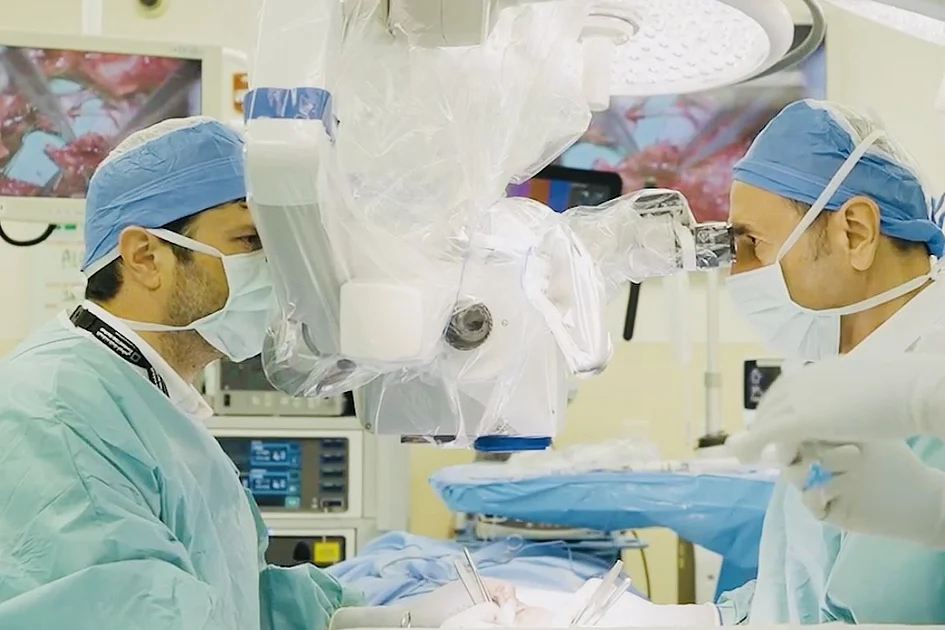
    In a landmark medical achievement, a five-year-old girl has become the world’s first pediatric patient to receive a dual-chamber artificial heart featuring fully magnetically levitated pump technology, followed by a successful heart transplant. The groundbreaking procedure was performed at TEDA International Cardiovascular Hospital (TICH) in Tianjin, China.

    The patient, identified as Xiaoni, was diagnosed with restrictive cardiomyopathy—a condition that left her heart chambers unable to expand properly and caused biventricular failure. At just 12.2 kilograms with a heart measuring approximately 24 millimeters, her tiny stature presented exceptional surgical challenges.

    Under the leadership of Professor Liu Xiaocheng at TICH, in collaboration with specialists from Nanjing Children’s Hospital, medical teams first implanted the advanced artificial heart device to stabilize her critical condition. This initial intervention served as a bridge to transplantation, allowing Xiaoni to eventually undergo a successful heart transplant procedure.

    The hospital announced that Xiaoni’s case represents a new global record for the lowest body weight recipient of this sophisticated dual-chamber artificial heart technology. The fully magnetically levitated pump system represents cutting-edge innovation in cardiac support devices, offering improved hemodynamics and reduced risk of complications compared to previous technologies.

    On Wednesday, hospital staff held a celebration as Xiaoni was discharged from the facility, marking the conclusion of what medical professionals described as an ‘extraordinary’ medical journey. The successful combination of artificial heart implantation followed by transplantation demonstrates significant advancement in treating complex pediatric cardiac conditions.

  • Award ceremony of healthcare security contest held in Shanghai

    Award ceremony of healthcare security contest held in Shanghai

    Shanghai’s Pudong New Area served as the prestigious host for the 2025 National Intelligent Healthcare Security Contest awards ceremony on December 12, marking a significant milestone in China’s healthcare innovation landscape. The event celebrated exceptional achievements in leveraging next-generation information technology to revolutionize healthcare security systems and pharmaceutical industry advancements.

    The prestigious competition, a collaborative initiative between the National Healthcare Security Administration and the Shanghai Municipal Government, attracted nationwide participation with over 800 competing teams. The contest featured eleven distinct categories spanning innovative drug research, post-marketing real-world studies, comprehensive medical device evaluation, healthcare services, financial insurance, and platform economy applications.

    National Healthcare Security Administration Director Zhang Ke emphasized the competition’s remarkable success in attracting top-tier innovative talent across multiple sectors. “The contest has demonstrated the tremendous potential and broad prospects of healthcare security data in empowering various industries,” Zhang stated during his address. He further committed to ongoing exploration of high-value application scenarios for healthcare security data that align with public welfare needs, governance enhancement, technological innovation, and industrial development priorities.

    Shanghai Mayor Gong Zheng and Deputy Mayor Chen Yujian represented the municipal government’s strong support for healthcare security initiatives and data element development. Chen reaffirmed Shanghai’s commitment to facilitating compliant and orderly development of healthcare security data to empower multiple industries. “Shanghai will provide comprehensive transformation and validation services for outstanding projects emerging from this contest,” Chen announced, “ensuring these innovations achieve broader and faster implementation across the nation.

    The ceremony culminated with 178 teams receiving first, second, and third place awards for their groundbreaking contributions. Strategic cooperation intentions were immediately established between winning teams and major institutions including Bank of Shanghai, Zhangjiang Group, China Academy of Information and Communications Technology’s Industrial Internet Innocenter Shanghai, and China Telecom Quantum Group, ensuring practical implementation of these innovations.

  • Influenza rate still high despite downward trend in some regions

    Influenza rate still high despite downward trend in some regions

    China continues to experience heightened influenza transmission nationwide despite emerging regional declines, according to the latest surveillance report from the Chinese Center for Disease Control and Prevention (China CDC). The epidemiological update, released Thursday, indicates respiratory illnesses remain prevalent during the current high-infection season.

    While northeastern, central, and northwestern provinces show decreasing influenza activity, eastern, southern, and southwestern regions report escalating case numbers. The national data reveals an overall increase in positive influenza test rates during December’s first week, suggesting persistent viral circulation.

    Educational institutions have witnessed a gradual reduction in outbreak clusters, though the CDC emphasizes continued vigilance. The agency specifically urges childcare facilities, schools, and elderly care homes to implement rigorous health monitoring and rapid response protocols to mitigate cluster infection risks.

    Vaccination remains the primary defense strategy, with health authorities recommending influenza shots for all individuals over six months without contraindications. Priority groups include healthcare personnel, seniors aged 60+, preschool and school-aged children, and chronic disease patients.

    The CDC further advises mask-wearing in healthcare settings, crowded areas, and public transportation—particularly for elderly and chronically ill individuals. Maintaining hygienic practices, balanced nutrition, adequate exercise, and sufficient rest constitute essential preventive measures. Symptomatic individuals should wear masks promptly and seek medical attention to prevent community transmission.

  • Hong Kong’s first traditional Chinese medicine hospital opens

    Hong Kong’s first traditional Chinese medicine hospital opens

    Hong Kong has entered a new era in healthcare with the historic launch of its first dedicated Traditional Chinese Medicine (TCM) facility on December 12, 2025. The Chinese Medicine Hospital of Hong Kong commenced operations through a carefully structured phased approach that will progressively expand services throughout its initial year.

    The institution will initially offer outpatient and day-patient services before fully activating six specialized TCM departments: internal medicine, external medicine, gynecology, pediatrics, orthopedics and traumatology, and acupuncture and moxibustion. Beyond these core services, the hospital will implement twelve specialized disease management programs targeting conditions such as age-related degenerative diseases and post-stroke rehabilitation.

    Employing an innovative public-private partnership framework, the hospital operates under the management and maintenance leadership of Hong Kong Baptist University. This collaborative model enables the provision of three distinct treatment modalities: pure TCM therapies, TCM-led integrated care, and comprehensive Chinese-Western medical integration.

    Chief Executive Bian Zhaoxiang emphasized the institution’s multifaceted mission, stating the hospital will serve as a critical hub for advanced medical services, professional talent cultivation, and international exchange initiatives. This strategic positioning aims to establish Hong Kong as a global center for TCM excellence while providing patients with diverse treatment options that blend traditional and modern medical approaches.