分类: health

  • Flu cases fall to moderate level

    Flu cases fall to moderate level

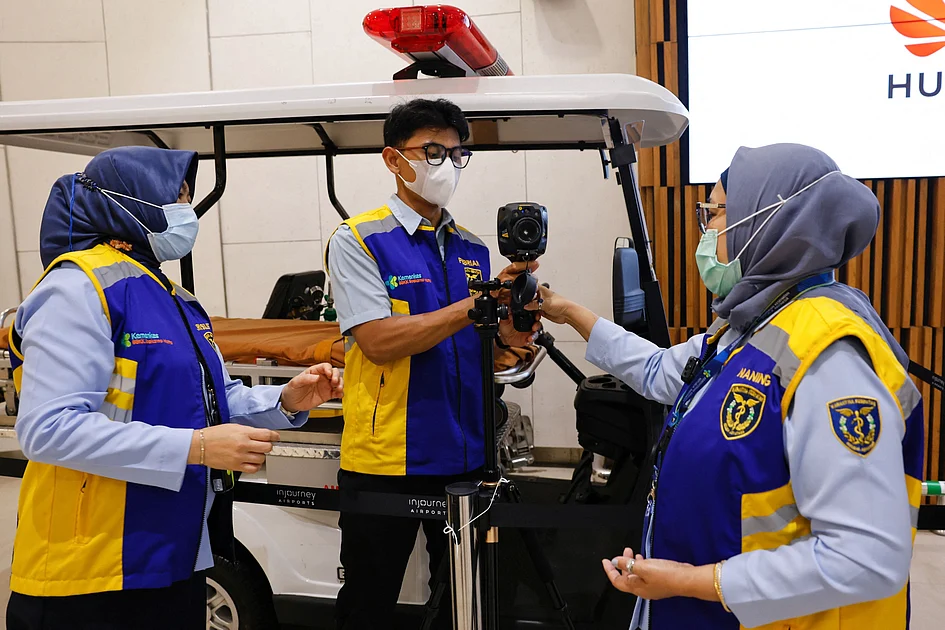
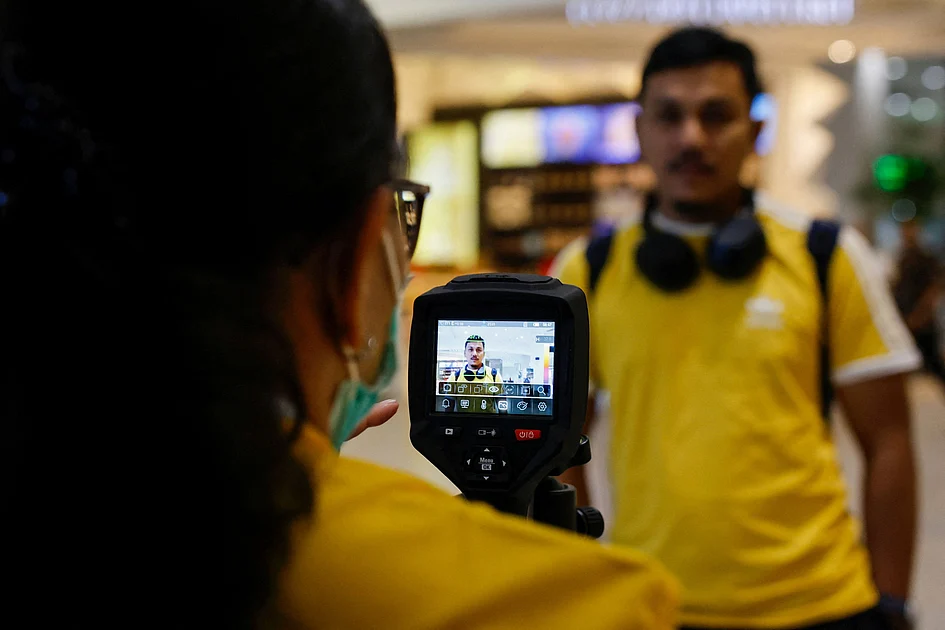
    China has witnessed a significant downturn in influenza activity, with national surveillance data indicating a descent to moderate transmission levels across most regions. According to the latest epidemiological report from the Chinese Center for Disease Control and Prevention, the country’s flu positivity rate among influenza-like illness cases dropped to 41.9% during the week beginning December 15, 2025, marking a substantial decrease from the previous week’s 50.2% rate.

    The epidemiological landscape shows varied regional patterns, with northern, northeastern, southwestern, and northwestern provinces experiencing the most notable improvements. However, eastern, southern, and central regions continue to report elevated flu activity, maintaining high transmission levels despite the overall national decline.

    In parallel developments, educational institutions have reported a dramatic reduction in infection clusters, suggesting effective containment measures in school environments. Meanwhile, respiratory syncytial virus (RSV) has demonstrated an upward trajectory, particularly in northern provinces, indicating a possible epidemiological shift.

    The surveillance data further reveals fluctuating patterns for rhinovirus while confirming that SARS-CoV-2 and other monitored respiratory pathogens remain consistently at low prevalence levels, highlighting the specific nature of the current respiratory disease landscape.

  • A GCC landmark moment: King’s College Hospital London Dubai unveils its new Bahrain clinic

    A GCC landmark moment: King’s College Hospital London Dubai unveils its new Bahrain clinic

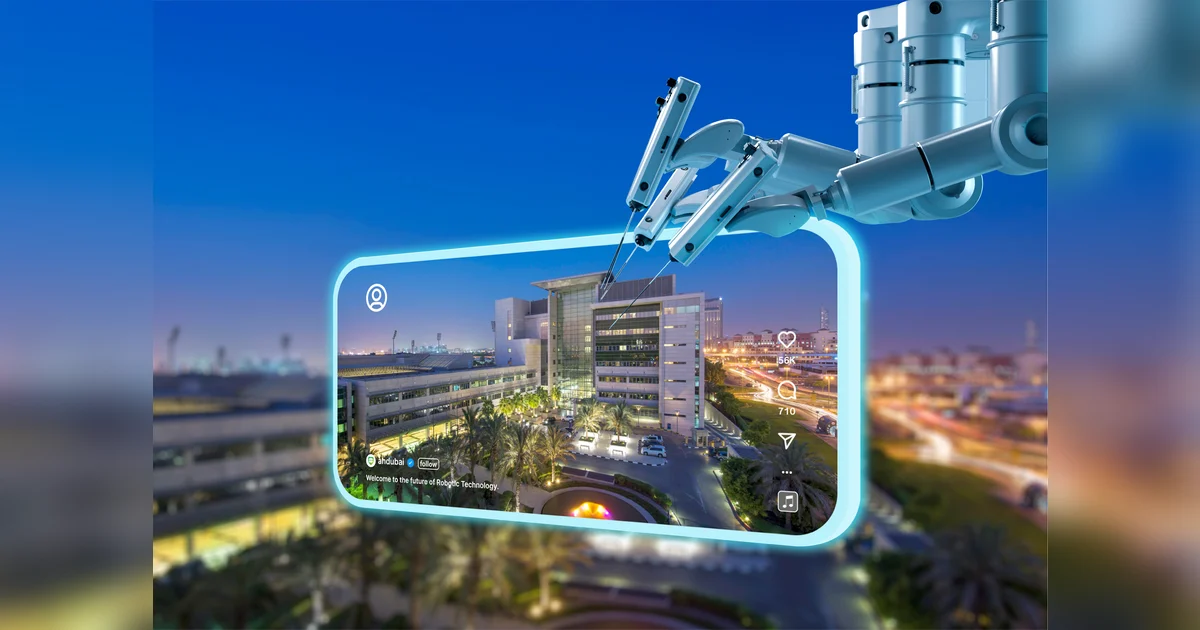
    In a significant development for Gulf Cooperation Council healthcare, King’s College Hospital London Dubai has officially launched its new medical facility in Bahrain, marking a strategic expansion of British healthcare standards in the region. The inauguration ceremony, held at Bahrain Specialist Hospital in Manama, brought together senior representatives from Bahrain, the United Arab Emirates, and the United Kingdom, symbolizing a trilateral partnership in medical excellence.

    The event featured distinguished attendees including Alastair Long, British Ambassador to Bahrain, who emphasized the importance of bringing globally recognized healthcare services to Bahraini residents. ‘The arrival of King’s College Hospital represents an exciting advancement for healthcare accessibility in the Kingdom,’ Long remarked. ‘Patients can now experience premium UK medical standards without traveling abroad.’

    Kimberley Pierce, CEO of King’s College Hospital London Dubai, characterized the expansion as a commitment to delivering trusted, consultant-led care to communities throughout the GCC. The new clinic will initially provide services through medical professionals traveling from Dubai, covering multiple specialties for both adult and pediatric patients.

    The operational model ensures that routine consultations and treatments occur locally in Bahrain, while complex procedures will facilitate seamless referrals to the Dubai facility, maintaining continuity of care. The rollout includes planned specialty clinics in neurosciences beginning January, followed by pediatrics, general surgery, liver transplant services, and orthopedics—all adhering to King’s clinical governance protocols.

    This initiative forms part of a broader regional strategy to create integrated healthcare pathways connecting the UAE, Bahrain, and the UK. The collaboration builds upon a knowledge and innovation framework established earlier this year, strengthening medical cooperation and elevating healthcare standards across the Gulf region.

  • How UAE expat whose body shut down at 21 due to Covid now helps others get healthy

    How UAE expat whose body shut down at 21 due to Covid now helps others get healthy

    A young expatriate in the UAE has transformed personal tragedy into professional purpose after COVID-19 triggered a life-altering chronic condition. Liam Kotecha, now 26, has become a beacon of hope for others battling invisible illnesses after his own medical journey reshaped his career path and life perspective.

    In 2020, while studying dentistry in Madrid, Kotecha contracted COVID-19 expecting a routine recovery. Instead, he developed crushing fatigue, widespread pain, and neurological symptoms that defied conventional diagnosis. His body essentially shut down at age 21, leaving him struggling with basic tasks like walking, carrying groceries, and even opening water bottles.

    Over 18 months, Kotecha consulted 17 specialists across Madrid and Dubai, facing repeated dismissals and misdiagnoses before finally receiving confirmation of fibromyalgia—a chronic condition characterized by widespread pain, fatigue, and cognitive difficulties. The diagnosis brought both relief and devastation as he learned the condition was incurable.

    The physical decline forced Kotecha to abandon his dental studies just two years from completion, a heartbreaking decision that felt like ‘grieving a life already planned.’ Beyond academic loss, he struggled with social isolation and the perception of being ‘lazy or dramatic’ as he canceled plans and left gatherings early.

    This personal crisis became a transformational turning point. Kotecha turned to nutrition and naturopathic medicine, implementing gradual changes to his diet, movement, and lifestyle. Through elimination of inflammatory foods, reformer Pilates, yoga, stress reduction, and sleep optimization, he gradually reclaimed functionality—though not complete recovery.

    Now in his final year studying nutritional therapy and naturopathy, Kotecha utilizes social media platforms to educate thousands about chronic illness, post-viral fatigue, and gut health. He participates in wellness talks and community events, connecting particularly with young adults who feel medically dismissed and misunderstood.

    Kotecha emphasizes that healing doesn’t necessarily mean being symptom-free but rather ‘learning how to live well again with patience, support, and the right care.’ While his path diverged dramatically from his original dental aspirations, he has found profound meaning in helping others navigate similar health challenges.

    His story emerges amid growing recognition of post-viral conditions and their impact on young populations, highlighting the need for greater understanding of invisible chronic illnesses within medical systems and broader society.

  • Future Health GCC sets regional standard with AABB accreditation

    Future Health GCC sets regional standard with AABB accreditation

    Future Health GCC Stem Cell Bank has attained the distinguished AABB accreditation, marking a significant advancement in regional healthcare standards. This recognition represents one of the most internationally respected benchmarks for quality assurance, safety protocols, and operational excellence within stem cell processing, preservation, and distribution services.

    The accreditation followed an exhaustive independent evaluation process that scrutinized the organization’s laboratory operations, quality management frameworks, technical competencies, and regulatory adherence. This achievement substantially enhances Future Health GCC’s credibility among families, medical professionals, and research institutions throughout the Gulf region, demonstrating its dedication to maintaining globally established standards.

    Future Health laboratories now possess multiple international certifications including recognition from the Human Tissue Authority, Medicines and Healthcare products Regulatory Agency (MHRA), Swiss Medic, OFSP, and ISO 9001. The addition of AABB accreditation solidifies the facility’s position as one of the region’s most comprehensively accredited stem cell banks, offering unprecedented assurance regarding the long-term security, integrity, and traceability of preserved stem cell specimens.

    Chief Executive Officer Ahmad Alahmad emphasized the accomplishment’s significance: “Securing AABB accreditation constitutes a pivotal milestone for Future Health GCC. Combined with our ISO certifications and GMP-grade laboratory infrastructure, this achievement establishes our facility among the region’s most rigorously accredited stem cell centers, underscoring our steadfast dedication to quality, safety, and scientific excellence for families and healthcare collaborators in regenerative medicine.”

    This latest accreditation complements Future Health GCC’s sophisticated infrastructure, GMP-grade laboratory facilities, and ongoing investments in technological innovation and specialized expertise. These collective strengths support the organization’s enduring mission to advance regenerative medicine and cellular science while consistently surpassing international standards and stakeholder expectations.

    Established in 2005, Future Health GCC manages the UAE’s largest cryogenic stem cell storage facility and maintains cutting-edge, GMP-grade laboratories engineered to support both contemporary and emerging applications in regenerative medicine and cellular therapies. The organization remains committed to expanding its capabilities in alignment with global scientific progress, guided by robust governance protocols, transparency measures, and an enduring commitment to excellence.

  • How Dubai may be only hope for 3-year-old boy born with spinal muscular atrophy

    How Dubai may be only hope for 3-year-old boy born with spinal muscular atrophy

    In a remarkable medical journey, a three-year-old Turkish boy named Hulus has arrived in Dubai with his family seeking groundbreaking gene therapy for Spinal Muscular Atrophy (SMA)—a rare genetic condition that progressively weakens muscles essential for movement, breathing, and swallowing. Left untreated, SMA often proves fatal for infants and can cause severe disability in older children.

    The United Arab Emirates made medical history earlier this year by becoming the second nation worldwide to approve a revolutionary gene therapy treatment for SMA in eligible patients aged two years and above. This medical advancement delivers a functional gene through a one-time surgical procedure to replace the faulty gene responsible for the condition, potentially halting disease progression and significantly improving quality of life.

    Hulus’s father, Mustafa Ser, a chef from Turkey, explained their desperate search for solutions: “We conducted extensive research through social media and connected with other families affected by SMA. Discovering Dubai’s gene therapy program became our beacon of hope.” The family exhausted their life savings and initiated fundraising campaigns to afford the travel and treatment expenses.

    Medcare Royal Speciality Hospital in Dubai is overseeing Hulus’s treatment, facilitating visa arrangements and providing comprehensive medical supervision. According to Dr. Vivek Mundada, Consultant Paediatric Neurologist at the hospital, “This treatment represents a genuine paradigm shift in SMA care. We’re not only discussing saving lives but preserving independence and functionality in older children and adults.”

    The treatment involves a approximately 30-minute surgical procedure under anesthesia, where the gene therapy is administered via spinal injection. Patients require careful monitoring afterward for potential side effects.

    Hulus’s daily life has centered around intensive therapy regimens, including physiotherapy six days weekly and hydrotherapy sessions. His family has adapted their home environment with specialized equipment to support his continuous physical development.

    Despite the promising treatment, Hulus faces lifelong medical monitoring, including regular assessments of liver enzymes, cardiac function, and respiratory health. His educational path will initially require specialized schooling accommodations.

    The family’s journey highlights both the extraordinary medical advancements emerging from the UAE and the ongoing challenges faced by families dealing with rare genetic disorders worldwide.

  • Lifesaving surgery for girl, 5, gives 2nd chance

    Lifesaving surgery for girl, 5, gives 2nd chance

    In a groundbreaking medical achievement, a five-year-old Chinese girl has been given a second chance at life following an unprecedented series of cardiac procedures. Xiaoni, weighing merely 12.2 kilograms and diagnosed with restrictive cardiomyopathy—an exceptionally rare heart condition representing just 2% of cardiomyopathy cases—has successfully recovered after 110 days of intensive treatment involving two high-risk surgeries.

    The medical breakthrough occurred when a collaborative team led by Professor Liu Xiaocheng from TEDA International Cardiovascular Hospital in Tianjin and Professor Mo Xuming from Nanjing Children’s Hospital determined that conventional treatment options were exhausted. Facing end-stage heart failure without available donor hearts, the medical professionals pioneered a dual artificial heart implantation strategy—a procedure never before attempted on a patient of such low body weight.

    Xiaoni’s condition presented extraordinary challenges: her cardiac chambers were significantly undersized even for her age, and she suffered from simultaneous biventricular heart failure requiring biventricular assist device (BiVAD) support. Within a remarkable 13-day timeframe, engineers from Rocor Medical Technology Co collaborated with the medical team to modify their second-generation ‘Rocket Heart’ technology, creating fully magnetically levitated ventricular assist devices specifically tailored to Xiaoni’s anatomical requirements. Each pump weighed a mere 69 grams, with the sewing ring’s outer diameter reduced from 29 millimeters to 22.4 millimeters and its weight dramatically decreased from 6.4 grams to just 1.17 grams.

    Professor Liu highlighted the significance of this achievement, noting that pediatric heart failure devices in developed countries typically rely on bulky extracorporeal pneumatic systems that severely restrict mobility and carry elevated risks of infection and thrombosis. The successful implantation of these miniaturized devices marks China’s entry into the forefront of pediatric artificial heart research and development.

    Following forty days of BiVAD support, Xiaoni received a matching donor heart, enabling a successful transplant that completed her extraordinary medical journey. The achievement has attracted international attention, with several top cardiac centers in the United States, Canada, and Germany expressing interest in clinical collaboration for the innovative technology.

    This medical milestone not only saved a young life but has potentially created new therapeutic avenues for children worldwide suffering from end-stage heart failure, demonstrating how targeted innovation can overcome seemingly insurmountable medical challenges.

  • Ban on mercury thermometers to take effect soon

    Ban on mercury thermometers to take effect soon

    China will enforce a comprehensive prohibition on mercury-containing thermometers and blood pressure monitoring devices effective January 1, 2026, marking a significant milestone in the nation’s environmental and public health protection efforts. The ban implements a 2017 interagency directive designed to fulfill China’s commitments under the Minamata Convention on Mercury, an international treaty ratified to safeguard human health and ecosystems from mercury’s detrimental effects.

    For generations, mercury thermometers have been ubiquitous in Chinese households due to their cost-effectiveness, operational simplicity, and reliable performance across diverse environmental conditions. However, each device contains approximately one gram of mercury—a potent neurotoxin classified by the World Health Organization among the top ten chemicals of major public health concern. The fragile glass construction of these instruments creates substantial spill risks, with evaporated mercury vapor posing severe threats to neurological, digestive, and immune systems through inhalation or dermal exposure.

    Health authorities emphasize that proper spill management can mitigate immediate dangers. Recommended protocols include immediate ventilation of affected areas, careful collection of mercury beads using stiff paper or cardboard, and proper disposal at designated hazardous waste facilities. Crucially, vacuum cleaners or brooms should never be employed as they disperse toxic particles and amplify exposure risks.

    Medical experts affirm that advanced alternatives offer safer and equally effective solutions. Dr. Li Tongzeng of Beijing Youan Hospital’s infectious disease department confirms that infrared forehead thermometers and tympanic (ear) thermometers provide accurate readings when used according to manufacturer guidelines. For traditional measurement preferences, mercury-free devices utilizing gallium-indium-tin alloys deliver precise temperature assessment without toxic hazards.

    This regulatory shift represents China’s proactive approach to transforming environmental challenges into public health opportunities, aligning global treaty obligations with domestic health protection initiatives while promoting technological innovation in medical devices.

  • Chinese researchers find new treatment path for high-risk breast cancer

    Chinese researchers find new treatment path for high-risk breast cancer

    Chinese medical researchers have achieved a groundbreaking advancement in treating triple-negative breast cancer, the most aggressive form of the disease, through a large-scale clinical trial demonstrating remarkable survival improvements. The study, conducted by Shanghai’s Fudan University Cancer Center and published in the prestigious BMJ journal, reveals that adding carboplatin chemotherapy to standard treatment protocols significantly enhances patient outcomes.

    The research focused on high-risk patients characterized by lymph node involvement or rapidly dividing tumor cells—cases typically resistant to conventional therapies due to the absence of three key receptors that most targeted drugs utilize. Involving over 800 participants, the trial documented a 36% reduction in cancer recurrence risk and achieved a 92.3% three-year event-free survival rate, substantially outperforming the control group’s 85.8%. Most impressively, the experimental group reached a 98% overall survival rate at the three-year mark.

    Lead researcher Professor Shao Zhimin emphasized the study’s departure from ‘one-size-fits-all’ approaches, highlighting its potential for personalized medicine in oncology. ‘The immediate post-surgical period represents the most vulnerable window for recurrence,’ Shao explained, ‘and carboplatin provides precisely the protective buffer these patients need.’

    Notably, the treatment protocol demonstrated no unexpected safety concerns, with Deputy Director Wang Zhonghua confirming its readiness for clinical adoption. Dubbed the ‘Citrine Trial’ after the yellow gemstone symbolizing hope, this research addresses a critical medical gap for the 25% of breast cancer patients diagnosed with triple-negative variants, who traditionally faced limited options beyond conventional chemotherapy.

    The findings offer a robust ‘China solution’ to a global health challenge, potentially transforming standard care protocols for high-risk breast cancer patients worldwide while demonstrating China’s growing leadership in innovative medical research.

  • UAE: Why do Mondays feel exhausting despite sleeping more on weekends?

    UAE: Why do Mondays feel exhausting despite sleeping more on weekends?

    Across UAE workplaces, a curious weekly pattern repeats itself: employees who theoretically should feel refreshed after extended weekend sleep instead report profound fatigue as the workweek begins. This phenomenon, characterized by heavy limbs, mental fog, and significant difficulty rising on Monday mornings, has become so widespread that sleep specialists are now explaining the biological mechanisms behind what they term ‘social jet lag.’

    Medical experts from leading UAE healthcare institutions reveal that the core issue isn’t sleep quantity but circadian rhythm disruption. Jasmine Ceus, sleep consultant at Medcare Royal Specialty Hospital, explains: ‘When individuals maintain drastically different sleep schedules on weekends versus weekdays, they effectively subject their bodies to weekly time zone shifts. The internal clock never stabilizes, making Monday awakenings feel like being roused in the middle of the biological night.’

    The weekend compensation approach—sleeping significantly longer than during the week—often backfires by delaying the body’s natural timing. When early alarms interrupt this shifted cycle, sleep quality diminishes regardless of duration, resulting in non-restorative sleep and persistent grogginess.

    Psychological dimensions compound the physical effects. Fedaa Hasan, clinical psychologist at Aspris by Alkalma Wellbeing Centre, notes: ‘The emotional weight of transitioning from weekend freedom to structured work routines creates anticipatory stress. Humans are creatures of habit, and this weekly rhythm disruption generates irritability, anxiety, and mistaken self-blame.’

    Wellness coach Njoud Majali observes tangible physical manifestations: ‘Monday workouts feel heavier, movement becomes effortful, and mental focus disperses. The body resists these drastic weekly pendulum swings between discipline and liberation.’

    Practical solutions emphasize gentle consistency rather than rigid perfection. Specialists recommend maintaining wake-up times within a one-hour window across all days, seeking morning sunlight exposure, establishing calming evening rituals, and avoiding late-day caffeine. These minor adjustments help stabilize circadian rhythms without sacrificing weekend relaxation.

    The consensus among experts offers reassurance: Monday exhaustion reflects biological adjustment processes, not personal failure. Understanding this physiological basis helps reduce guilt and enables more effective energy management throughout the weekly cycle.

  • Ultherapy PRIME arrives in Dubai, offering a new option for non-surgical skin lifting

    Ultherapy PRIME arrives in Dubai, offering a new option for non-surgical skin lifting

    Dubai’s aesthetic medicine landscape has advanced with the official UAE introduction of Ultherapy PRIME at SKIN111 clinic, responding to growing consumer demand for non-invasive cosmetic procedures. This cutting-edge ultrasound technology represents a significant evolution in non-surgical skin lifting and tightening, now accessible to Dubai residents seeking natural-looking results without surgical intervention or recovery periods.

    The globally recognized treatment utilizes focused ultrasound energy to target the skin’s deeper structural layers where collagen production naturally occurs. Unlike superficial treatments, Ultherapy PRIME addresses the same foundational tissues typically manipulated during surgical facelifts, but achieves this through entirely non-invasive methodology. The technology incorporates real-time ultrasound imaging, allowing physicians to visualize subcutaneous tissue during procedures and ensuring precise energy delivery at optimal depths for maximum efficacy and safety.

    Clinical outcomes demonstrate progressive improvement as the treatment stimulates the body’s innate collagen regeneration processes. Patients typically experience gradual skin firming and lifting effects that evolve naturally over time rather than creating abrupt changes. The treatment requires just a single session for most patients, with clinical studies reporting approximately 95% satisfaction rates and results lasting 12-18 months. Common application areas include eyebrow elevation, jawline definition, neck contouring, and décolleté rejuvenation.

    As an FDA-approved procedure, Ultherapy PRIME enables immediate return to normal activities, aligning perfectly with contemporary lifestyle preferences that prioritize minimal disruption. SKIN111 implements strict medical supervision throughout the treatment journey, beginning with comprehensive consultations to assess individual skin conditions and aesthetic objectives. Each treatment plan is personalized, with physicians utilizing ultrasound guidance to meticulously plan and execute procedures with precision.

    The clinic’s accreditation as one of the Top 6 Aesthetic Clinics in the GCC from 2021-2025 and recognition as the UAE’s Most Trusted Aesthetics Brand in 2025 reinforces its commitment to medical excellence. With over 4,000 Google reviews maintaining a 4.9-star average rating, SKIN111 has established itself as a premier destination for aesthetic treatments in the region, offering luxury clinic environments complemented by valet parking and complimentary consultations.

    This introduction reflects broader regional trends toward advanced non-surgical aesthetic technologies that deliver clinically proven results without downtime. Ultherapy PRIME’s arrival in Dubai provides patients with access to internationally trusted skin lifting technology supported by sophisticated ultrasound imaging and expert medical supervision, marking a new era in the Emirates’ aesthetic medicine offerings.