分类: health

  • Sydney airport, hospital, and Qantas flight on alert as NSW records third measles case

    Sydney airport, hospital, and Qantas flight on alert as NSW records third measles case

    Health authorities in New South Wales have issued a renewed public health alert following the confirmation of a third measles case in the state, linked to travelers returning from Southeast Asia. The latest exposure sites include Sydney Airport’s domestic Terminal 3 Qantas arrival hall and a specific interstate flight, significantly expanding the list of potential public exposure venues.

    NSW Health has identified specific exposure windows, urging individuals present at the Terminal 3 domestic arrivals area between 10:30 PM and 11:00 PM on December 29 to monitor for symptoms. Passengers aboard Qantas flight QF748 from Adelaide to Sydney arriving during that same period have also been alerted. Additionally, visitors to Concord Repatriation General Hospital’s Emergency Department between 1:00 PM and 4:10 PM on January 3 are considered at potential risk.

    This development brings the total number of identified exposure locations across NSW to more than 50, spanning from December 3 to January 3. The list includes various restaurants, train services, Woolworths supermarkets in eastern and northern Sydney, multiple healthcare facilities, Sydney Airport’s international terminal, and a children’s play area.

    Health officials emphasize that while there is no continuing risk of exposure at any identified sites, individuals who visited these locations during specified times should remain vigilant for symptoms until January 16 for airport exposures and January 21 for the hospital exposure.

    Measles, a highly contagious vaccine-preventable disease, spreads through airborne transmission when infected individuals cough or sneeze. Initial symptoms typically appear approximately 10 days after exposure and often resemble influenza, including fever, fatigue, cough, runny nose, and red, sore eyes. A distinctive rash usually develops within several days. Approximately one-third of infected individuals experience complications that may require hospitalization, including pneumonia, diarrhea, and ear infections. In severe cases, measles can lead to serious illness or death.

    Dr. Conrad Moreira, Acting Director of Public Health for Western Sydney Local Health District, emphasized the importance of vaccination: ‘The measles vaccine can prevent the disease even after exposure if administered promptly. This situation serves as a critical reminder for all residents to verify their vaccination status, particularly before international travel.’

    Health authorities specifically recommend that anyone born after 1965 ensure they have received two doses of the measles vaccine. The measles-mumps-rubella (MMR) vaccine is available for children as young as six months traveling overseas and is routinely administered to children aged 12-18 months. The vaccine is provided free of charge in NSW for eligible individuals born after 1965 who haven’t previously received two doses.

    The recent cases have been linked to travel to Southeast Asian destinations currently experiencing measles outbreaks, including Indonesia (Bali), Vietnam, Thailand, and the Philippines – all popular vacation spots for Australian tourists.

  • UAE: Feeling drained in winter? It has more to do with biology than willpower

    UAE: Feeling drained in winter? It has more to do with biology than willpower

    As winter embraces the United Arab Emirates with shorter daylight hours, medical experts reveal that the pervasive fatigue experienced by residents stems from biological mechanisms rather than diminished willpower. The reduction in natural light exposure significantly disrupts circadian rhythms, triggering physiological changes that impact energy levels and sleep patterns.

    Dubai-based professional Alex D. exemplifies this phenomenon, describing how his post-work energy vanishes unexpectedly despite maintaining consistent sleep schedules. “By the time I reach home, my body feels so tired that I just feel like sleeping,” he reports, noting how evening activities that were once manageable now feel overwhelmingly burdensome.

    Medical specialists including Dr. Shaju George, psychiatrist at International Modern Hospital, explain the science behind this seasonal shift. “Without strong morning and evening light signals, the circadian rhythm slowly drifts,” he states. This disruption causes melatonin production to commence earlier in the evening while simultaneously impairing cortisol release, resulting in diminished daytime alertness.

    The consequences extend beyond simple tiredness. Reduced daylight exposure compromises sleep architecture itself, leading to increased nighttime awakenings and diminished deep sleep phases. This results in next-day cognitive impairment characterized by reduced concentration, slower reaction times, and mental fogginess.

    Modern lifestyle factors exacerbate these biological tendencies. Dr. George notes that “blue-rich light from phone or TV screens suppresses melatonin at the wrong time,” creating a cycle of exhaustion coupled with delayed sleep onset.

    Psychological dimensions accompany the physiological changes. Dr. Sneha John, psychologist at Medcare Kamali Clinic, observes that “individuals notice a dip in energy or motivation as seasons change,” emphasizing that these responses represent normal biological adaptations rather than personal shortcomings.

    Notably, these seasonal effects occur even in sun-drenched regions like the UAE due to reduced light exposure timing and duration. Dr. Nada Omer, consultant psychiatrist at Burjeel Hospital, explains that decreased sunlight causes measurable neurochemical changes: “Serotonin levels linked to mood can drop, while melatonin production increases.”

    Experts recommend practical interventions including morning light exposure within 30 minutes of waking, midday outdoor breaks, evening light dimming, and reduced screen brightness. These adjustments help realign circadian rhythms and mitigate winter’s physiological impacts, offering residents strategies to maintain energy and wellbeing throughout the seasonal transition.

  • Fakeeh University Hospital sets new benchmarks in advanced gene therapy

    Fakeeh University Hospital sets new benchmarks in advanced gene therapy

    Dubai’s Fakeeh University Hospital has established itself as a global hub for advanced gene therapy, achieving significant medical milestones that position the United Arab Emirates at the forefront of specialized healthcare innovation. The hospital has pioneered groundbreaking treatments for rare genetic and neuromuscular disorders, marking a transformative moment for regional medical capabilities.

    In a landmark achievement for Middle Eastern healthcare, the facility became the first in the region to administer Duvyzat (givinostat), an advanced therapeutic agent for managing Duchenne muscular dystrophy (DMD). This devastating inherited neuromuscular condition predominantly affects male children, causing progressive muscle deterioration, mobility loss, and severe cardiorespiratory complications. Timely intervention with sophisticated treatments like Duvyzat proves crucial in decelerating disease advancement while enhancing both longevity and life quality for young patients.

    Concurrently, the hospital has accomplished another world-class medical breakthrough by delivering among the earliest intrathecal gene therapies for spinal muscular atrophy (SMA), commercially known as ITVISMA. This severe genetic disorder involves the degeneration of motor neurons, leading to progressive muscular weakness, respiratory impairment, and complete loss of motor function. Gene-based interventions have revolutionized treatment outcomes for pediatric patients, especially when administered promptly within comprehensive, multidisciplinary clinical settings.

    These medical advancements significantly bolster Dubai’s emerging reputation as a destination for world-class tertiary care, attracting international patients seeking cutting-edge treatments previously unavailable in the region. The hospital’s pioneering work not only addresses critical healthcare gaps for rare diseases but also demonstrates the UAE’s growing capacity to compete with leading Western medical institutions in specialized therapeutic domains.

  • Contaminated water kills 9 and hospitalises 200 in India’s Indore city

    Contaminated water kills 9 and hospitalises 200 in India’s Indore city

    A severe public health emergency has unfolded in Indore, central India, where contaminated drinking water has resulted in nine fatalities and over 200 hospitalizations. The crisis emerged in the Bhagirathpur area following a confirmed pipeline leakage that introduced harmful bacteria into the water supply system.

    Madhav Prasad Hasani, Indore’s chief medical officer, verified through water testing that bacterial contamination directly caused the diarrheal outbreak. While the final laboratory analysis remains pending, preliminary findings confirm the presence of dangerous pathogens in the municipal water system.

    Local authorities have implemented emergency response measures, including deploying medical teams for comprehensive door-to-door health screenings. These teams have distributed chlorine tablets to residents for water purification and identified 338 individuals exhibiting mild symptoms among 8,571 people screened.

    District Administrative Officer Shravan Verma confirmed that repair crews have located and sealed the primary leakage point believed responsible for the contamination. The incident presents a particular paradox as Indore, located in Madhya Pradesh state, has maintained its reputation as India’s cleanest city for eight consecutive years according to national cleanliness rankings.

    The tragedy has raised serious questions about infrastructure maintenance and water safety protocols in urban centers, even those recognized for exemplary cleanliness standards. Health officials continue to monitor the situation while providing treatment to affected residents and ensuring water quality restoration throughout the affected neighborhoods.

  • UAE: Why more women are choosing to ‘cycle-sync’ their workout

    UAE: Why more women are choosing to ‘cycle-sync’ their workout

    A transformative fitness approach is gaining momentum among women in the UAE, where athletes and wellness enthusiasts are increasingly synchronizing their training regimens with their menstrual cycles. This practice, known as ‘cycle-syncing,’ involves tailoring workout intensity, nutrition, and recovery strategies to the body’s natural hormonal fluctuations throughout the month.

    Extreme athlete Jade Palmer exemplifies this trend, having adopted cycle-syncing several years ago after recognizing the disconnect between her training efforts and her body’s responses. ‘I was hitting the work, but my body was giving me a different story,’ Palmer recounted. Her implementation of phase-specific training has yielded remarkable improvements: ‘Fewer crashes, more consistency, and much better performance when it mattered.’

    Palmer’s structured approach divides her cycle into four distinct phases: gentle exercise during menstruation, increasing intensity during the follicular phase, peak performance training at ovulation, and moderated activity with emphasis on recovery during the luteal phase.

    The medical community acknowledges the theoretical basis for this practice while noting limited clinical evidence. Dr. Bibiana Singh, Consultant in Obstetrics and Gynaecology, explained: ‘Hormonal shifts do influence energy, mood, and metabolism, but strong scientific data proving that syncing workouts or diets to the cycle leads to major health benefits is lacking.’

    Despite the need for more research, practitioners report significant benefits. Dr. Cherine Bazzane, Family Medicine Consultant and Head of Integrative Wellness at Cosmosurge and NMC Healthcare, testified: ‘The change was immediate. My performance, motivation, strength, and recovery shifted noticeably.’ She particularly emphasized injury prevention, noting that respecting her body’s cyclical needs prevented recurring ankle problems.

    The movement faces ongoing challenges regarding awareness and acceptance in fitness communities. Dr. Bazzane observed that while understanding is growing, many trainers still operate from a ‘push through’ mentality rather than adapting to physiological cycles. The emerging consensus suggests that trainers who comprehend menstrual cycle dynamics can better support female athletes in optimizing performance and preventing injuries.

  • Do you have nomophobia? UAE doctors warn against excessive use of mobile phones

    Do you have nomophobia? UAE doctors warn against excessive use of mobile phones

    Medical professionals across the United Arab Emirates are raising concerns about the psychological phenomenon known as nomophobia—the irrational anxiety experienced when separated from mobile devices. This condition, while not formally recognized as a standalone diagnosis in psychiatric manuals, manifests through tangible symptoms including sleep disturbances, heightened irritability, concentration difficulties, and anxiety episodes when phones become inaccessible.

    According to research cited in the International Journal of Research Studies in Education, an astonishing 94% of American mobile users experience this condition, with UAE clinicians confirming parallel patterns emerging in Middle Eastern populations. Dr. Omar Bin Abdulaziz, Psychiatry Specialist at NMC Royal Hospital in Abu Dhabi, notes that patients rarely self-identify with nomophobia specifically, but present with related symptoms that reflect how deeply smartphones have integrated into daily existence.

    The UAE’s hyper-connected environment, where phones serve as essential tools for work, family communication, and safety, creates particular vulnerability among adolescents and young adults. Dr. Sreevidhya Srinivas of Medcare Camali Clinic observes that digital connectivity’s central role in Emirati society has made phone dependency increasingly visible in clinical practice, with younger populations demonstrating reduced emotional resilience and poor sleep hygiene linked to device overuse.

    Clinical red flags indicating problematic usage include compulsive checking behaviors, sleep pattern disruption, social withdrawal, declining academic or professional performance, and physiological reactions such as trembling or palpitations during phone separation. For adolescents, emotional dependence on digital validation and inability to cope with boredom without technological stimulation serve as additional warning signs.

    Treatment approaches emphasize balance rather than prohibition, with clinicians recommending practical strategies such as phone-free bedrooms, gradual disconnection periods, and reduced non-essential notifications. Family-based interventions prove particularly effective for younger demographics, combining clear boundaries with parental modeling of healthy device usage. Mental health professionals simultaneously address underlying anxiety or mood disorders that frequently contribute to unhealthy phone dependence.

    While comprehensive UAE-specific data remains limited, regional studies suggest similar trends throughout Arab nations, particularly affecting young adults and female demographics. Despite its non-classified status in diagnostic manuals, nomophobia has become a regular screening consideration in Emirati clinical settings, reflecting growing professional recognition of technology’s psychological impact.

  • Drones could save vaccine wastage in rural Rwanda

    Drones could save vaccine wastage in rural Rwanda

    A groundbreaking initiative led by the University of Birmingham is transforming vaccine distribution in remote regions of Africa through innovative drone technology. Research indicates that approximately 25% of vaccine doses in certain African areas are currently discarded due to temperature control failures during storage and transportation.

    Professor Chris Green, who divides his time between the NHS and the University of Birmingham, alongside PhD researcher Gilbert Rokundo from the Rwanda Biomedical Centre, has pioneered a solution using Rwanda’s established drone delivery infrastructure. The country already utilizes commercial drone services for transporting blood and medical supplies to inaccessible regions.

    The research demonstrates how fixed-wing drone aircraft, launched via catapult systems, can deliver temperature-sensitive vaccines from centralized storage facilities to remote clinics within 45 minutes anywhere in Rwanda. Medical staff simply text or email requests as patients arrive for immunization, with vaccines arriving via parachute-dropped shoebox-sized packages before registration processes are complete.

    This approach has dramatically reduced on-site vaccine storage needs by up to 90% in participating clinics while maintaining uninterrupted immunization services. The drones complete their missions by returning to stations where they are captured by wires between two towers, refueled, and prepared for subsequent flights.

    Although still in early data analysis stages, the project shows significant promise for expanding vaccine accessibility while reducing waste across developing regions with challenging terrain and unreliable infrastructure.

  • Why new year doesn’t mean ‘new you’: Here’s what to do instead

    Why new year doesn’t mean ‘new you’: Here’s what to do instead

    As 2026 approaches, conventional New Year’s resolution strategies face rigorous scientific challenge from leading breathwork specialist Dr. Espen Wold-Jensen. The Norwegian researcher, who combines quantum physics with conscious business mentoring, argues that sustainable personal transformation requires nervous system mastery rather than superficial habit changes.

    Dr. Wold-Jensen’s methodology emerged from profound personal adversity. Growing up in traumatic circumstances in Norway, followed by a near-fatal 2006 motorcycle accident in Australia that nearly cost him his leg, he discovered breathwork’s transformative potential during medical crisis. His recovery, which he describes as “an emotional detox clearing decades of stored trauma in minutes,

    forms the foundation of his current practice.

    The specialist identifies chronic “sympathetic dominance” – the body’s fight-or-flight mode – as the primary obstacle to meaningful change. “Stress isn’t just a ‘feeling’, it’s a physiological state that suppresses immunity, digestion, cognition, and healing,” he explains. Modern lifestyles reinforce this through shallow mouth breathing, which activates stress responses, unlike nasal breathing that promotes parasympathetic activation for recovery and creativity.

    Dr. Wold-Jensen proposes three evidence-based practices for 2026:

    1. The 30-Day Nasal Breathing Challenge: Consciously replacing mouth breathing with nasal respiration to recalibrate autonomic nervous system function

    2. Emotional Auditing: Seven-day journaling to identify primary emotional states using Dr. David Hawkins’ Scale of Consciousness model

    3. Tech-Free Morning Practice: 60-90 minutes of device-free time upon waking to prevent cortisol spikes and establish intentional daily foundation

    With Generation Z reporting unprecedented anxiety levels and lifestyle-related chronic diseases increasing, Dr. Wold-Jensen emphasizes that breathwork serves as accessible biological technology. “We can be victims of our story, or we can choose to be masters of our destiny,” he concludes. “This doesn’t negate trauma’s pain, but allows transforming pain into power through the superpower hidden right underneath our noses.”

  • China sees continued improvement in women’s health in 2024: statistical report

    China sees continued improvement in women’s health in 2024: statistical report

    China has demonstrated substantial progress in women’s healthcare during 2024, according to the latest statistical monitoring report released by the National Bureau of Statistics. The comprehensive data reveals notable improvements across multiple health indicators, particularly in maternal care and preventive health services.

    The maternal mortality rate has reached a record low of 14.3 per 100,000, representing a significant 5.3 percent reduction compared to 2023 figures. This achievement forms part of the ongoing implementation progress of the China National Program for Women’s Development (2021-2030), which establishes comprehensive targets for women’s welfare enhancement.

    Preventive healthcare measures have similarly shown positive trends, with the premarital health checkup rate climbing to 77.1 percent—an increase of 0.5 percentage points year-on-year. This upward trajectory indicates growing public engagement with proactive health management practices.

    A pivotal development in 2024 has been the introduction of a nationwide evaluation framework designed to optimize medical institutions’ capabilities in managing high-risk pregnancies. This initiative has facilitated the establishment of a tiered, efficiently coordinated emergency response system specifically tailored for pregnant women requiring critical care. The enhanced medical infrastructure ensures rapid intervention capabilities and comprehensive treatment protocols for obstetric emergencies, substantially strengthening safety measures for expectant mothers throughout the country.

    The systematic improvements reflect China’s continued commitment to advancing women’s healthcare standards through policy implementation, infrastructure development, and preventive health initiatives aligned with national development goals.

  • More Chinese cities add artificial hearts to medical insurance coverage

    More Chinese cities add artificial hearts to medical insurance coverage

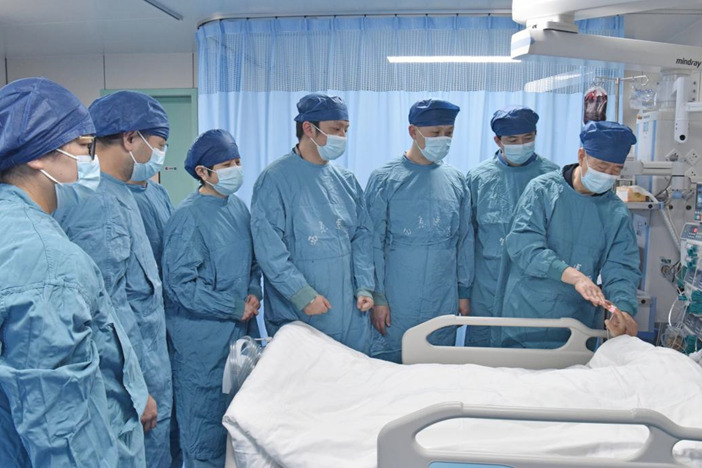
    Tianjin has joined a growing number of Chinese cities implementing groundbreaking healthcare coverage for artificial heart implantation procedures, marking a significant advancement in cardiovascular treatment accessibility. The policy shift follows national guidelines issued by China’s National Healthcare Security Administration (NHSA) in March that established standardized pricing and coverage for ventricular assist devices.

    The transformative impact of this policy is exemplified by 69-year-old Sun Jucai, who became Tianjin’s first beneficiary after receiving an artificial heart implant in November. Diagnosed with dilated cardiomyopathy, Sun had endured severe heart failure symptoms that left him breathless during simple conversation. Following successful surgery at TEDA International Cardiovascular Hospital using a domestically developed device, Sun has experienced remarkable recovery and now describes the procedure as ‘a second chance at life.’

    Financially, the coverage represents a dramatic reduction in patient burden. Previously costing over 1 million yuan ($142,150), artificial heart implantation now costs approximately 700,000 yuan after insurance reimbursement. ‘The medical insurance covered most of the consumables and surgical expenses, greatly easing my financial burden,’ Sun confirmed after his recent discharge.

    This expansion addresses a critical healthcare challenge: China’s estimated 16 million chronic heart failure patients, with numbers continuing to rise. For advanced-stage patients, conventional treatments offer limited relief, and heart transplantation remains constrained by donor shortages. Artificial hearts have emerged as a viable alternative, though cost previously placed them beyond reach for most citizens.

    Notably, Tianjin’s policy eliminates regional barriers, allowing patients from across China to seek treatment and receive reimbursement within the city. This development follows similar implementations in other major regions including Beijing and Guangdong Province.

    Healthcare experts anticipate broader implications from this policy shift. Dr. Liu Xiaocheng, President of TEDA International Cardiovascular Hospital, notes that ‘approving reimbursement for this life-saving but costly technology will help speed up the development and wider use of artificial hearts in China.’

    The expansion reflects China’s ongoing commitment to healthcare system development, maintaining approximately 95% enrollment in basic medical insurance with some 20 billion reimbursements processed between 2021 and 2024 according to NHSA statistics.