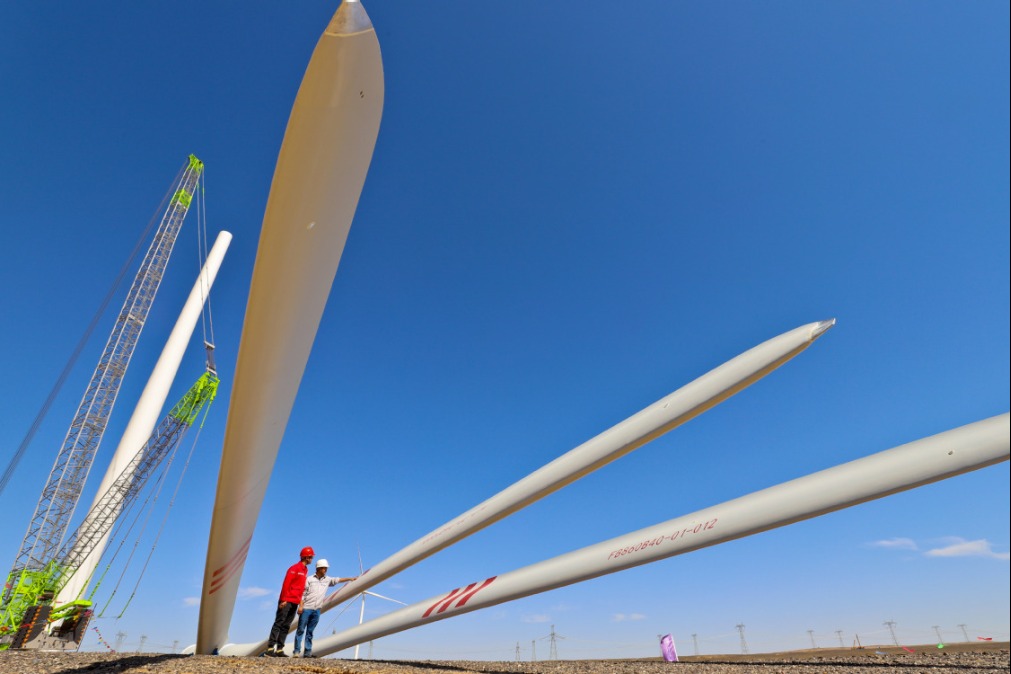
As China advances towards its 2030 carbon-peaking goal, the next five years are pivotal in shaping its energy transition. With coal and oil remaining central to its energy system, the country is focusing on reducing their consumption while ensuring energy security. This strategy is embedded in the Communist Party of China Central Committee’s recommendations for the 15th Five-Year Plan (2026-30), unveiled last month. The world’s largest energy consumer aims to balance its climate ambitions with the need for a stable energy supply. Since 2020, China has accelerated its shift toward clean energy, aligning with its pledge to achieve carbon neutrality by 2060. The share of non-fossil fuels in total energy consumption has steadily increased, supported by the rapid expansion of renewable energy systems. Over the next five years, China plans to build a new-type energy system, where non-fossil sources will replace fossil fuels in a secure and orderly manner. Coal consumption will be gradually reduced, with remaining usage made cleaner and more efficient. Simultaneously, China will fast-track the development of major clean energy bases, including wind, solar, hydropower, offshore wind farms, and coastal nuclear projects. New energy sources like biogas, sustainable aviation fuel, and geothermal energy will be advanced based on local conditions. As coal and oil consumption peak, related industries may face challenges. China plans to optimize industrial layouts, expanding advanced capacity while phasing out inefficient coal mining and oil refining. Official projections suggest that by 2030, fossil fuels will account for less than 75 percent of total energy consumption. Coal consumption is expected to peak around 2027, with demand from steel and building materials declining. Oil consumption will likely peak around 2026, as refined oil product usage has already peaked, and petrochemical feedstock demand will grow moderately. Achieving carbon peaking is just the beginning. In September 2025, China unveiled its new Nationally Determined Contributions, setting ambitious goals for 2035, including reducing net greenhouse gas emissions by 7-10 percent from peak levels, increasing the share of non-fossil fuels to over 30 percent, and expanding wind and solar capacity to over six times 2020 levels. Experts believe these commitments mark China’s entry into a more comprehensive phase of low-carbon development, strengthening its role in global climate governance.
分类: environment
-

How lifting the Amazon’s soya bean ban could threaten the rainforest
The Amazon rainforest, often referred to as the ‘lungs of the Earth,’ is once again under threat as discussions intensify to lift a decades-old ban on soya bean cultivation in the region. This ban, implemented to curb deforestation and preserve biodiversity, has been a critical safeguard for the rainforest. However, recent pressures from agricultural industries and economic interests have reignited debates about its removal. Environmental experts warn that revoking the ban could lead to a dramatic increase in deforestation, as soya bean farming often requires large-scale land clearing. The Amazon, already grappling with illegal logging and wildfires, could face irreversible damage, further exacerbating global climate change. The potential lifting of the ban raises concerns about the balance between economic development and environmental conservation, highlighting the urgent need for sustainable solutions.
-

China tackles N2O emissions, leading change
China has emerged as a global leader in addressing nitrous oxide (N2O) emissions, showcasing a successful blend of pollution control and climate action. Since 2013, the country has managed to stabilize and subsequently reduce the growth rate of anthropogenic N2O emissions, a greenhouse gas significantly more potent than carbon dioxide. This achievement underscores that economic growth does not inevitably lead to increased emissions of heat-trapping gases. Han Yinghui, an associate professor at the University of Chinese Academy of Sciences, emphasized the critical role of N2O in achieving global temperature goals during a recent event at the Chinese pavilion at COP30 in Belem, Brazil. N2O, with a global warming potential nearly 300 times that of CO2, remains in the atmosphere for over a century, making its control essential for mitigating severe climate impacts. While agriculture is the largest source of N2O emissions globally, industrial sources present the greatest potential for reduction. Han highlighted that while developed countries have historically contributed the most to cumulative N2O emissions, recent increases have been driven by emerging economies in Asia, necessitating global cooperation. China’s progress in N2O control is attributed to ‘synergistic governance,’ integrating climate goals into environmental management. The country has widely adopted selective catalytic reduction (SCR) technology in coal-fired power plants, achieving a 70 to 90 percent reduction in N2O emissions. Additionally, China has introduced an action plan targeting industrial N2O emissions and is incorporating N2O data into its national carbon trading system. Proven technologies, such as exhaust gas purification in adipic acid production, are already in use, removing over 95 percent of N2O emissions while recovering the gas as a useful industrial product. China’s validated industrial technologies are scalable and ready for global sharing, helping other nations avoid carbon-intensive development pathways.
-

UAE: Endangered migratory bird on Red List observed in Wasit Reserve
In a significant ecological discovery, the White-Tailed Lapwing, an endangered migratory bird, has been observed in the Wasit Nature Reserve in the UAE. This medium-sized wader, scientifically known as Vanellus leucurus, is listed on the UAE’s Red List of threatened species, as confirmed by Sharjah’s Environment and Protected Areas Authority. The bird is easily recognizable by its white belly and tail, brown upper plumage, long legs, and pointed bill, which it uses to forage for insects and worms in wetland habitats. The White-Tailed Lapwing breeds in Central Asia and migrates to regions such as India, the Middle East, and North Africa during winter. During breeding season, it exhibits territorial behavior, engaging in aerial and vocal displays to protect its nest. The sighting highlights the importance of wetland conservation efforts in the UAE and underscores the region’s role as a critical habitat for migratory species. This discovery also raises awareness about the need to protect endangered species and their ecosystems, particularly in the face of environmental challenges.
-

Qilihai Wetland records highs in migratory bird species and population
The Qilihai Wetland in Tianjin’s Ninghe district has witnessed a remarkable increase in both the diversity and population of migratory birds this year, according to local authorities. Monitoring data reveals that 308 bird species have been recorded so far, marking a significant rise of 50 species compared to 2021. Among the notable observations, over 3,000 Eurasian spoonbills were spotted during their autumn migration, doubling the typical count. Additionally, rare species such as the Oriental white stork and black-winged stilt were seen in unusually large numbers. Experts predict that the total number of migratory birds visiting the wetland this year will surpass 600,000. Situated along the East Asian-Australasian Flyway, the Qilihai Wetland is a critical stopover for migratory birds, offering a rich ecosystem of 183 wild plant species and 47 wild fish species that provide ample food resources. This surge in bird activity underscores the wetland’s ecological importance and its role in supporting biodiversity.
-
Brazil’s Amazon rainforest at risk as key protection under threat
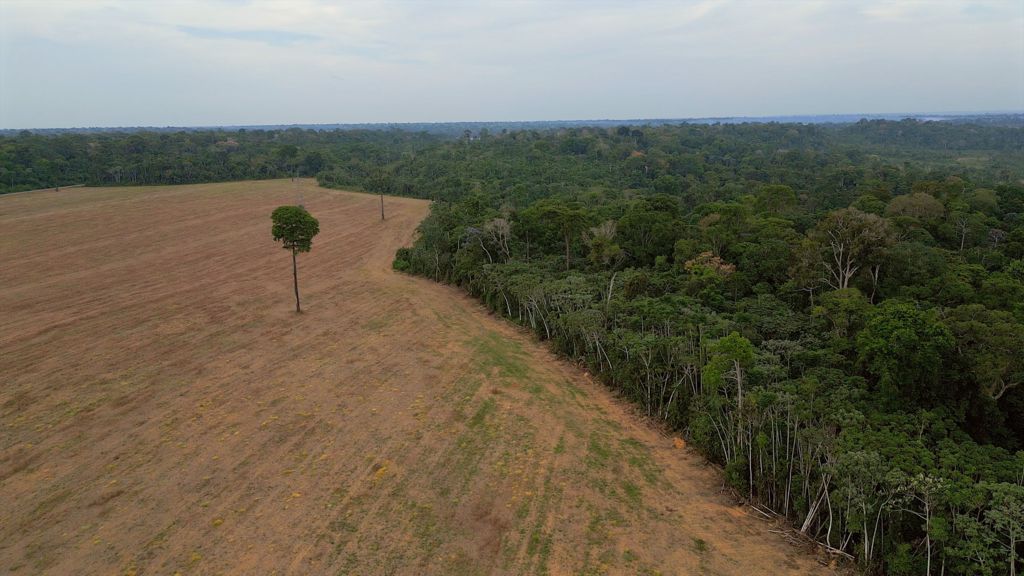
The Amazon rainforest, often referred to as the ‘lungs of the Earth,’ is at risk of a renewed wave of deforestation as efforts intensify to overturn a long-standing ban that has protected it. Known as the Amazon Soy Moratorium, this agreement prohibits the sale of soya grown on land cleared after 2008 and has been hailed as a global environmental success story. However, powerful farming interests in Brazil, supported by a faction of politicians, are pushing to lift these restrictions, particularly as the COP30 UN climate conference progresses. Critics argue that the ban unfairly favors a small group of companies, creating a ‘cartel’ in the soya trade. Environmental groups, however, warn that revoking the moratorium would be catastrophic, potentially leading to widespread land grabbing and further deforestation. Scientists have already cautioned that the Amazon is nearing a ‘tipping point,’ where the rainforest could irreversibly transform into a savannah, releasing vast amounts of carbon and disrupting global weather patterns. Brazil, the world’s largest producer of soya beans, plays a pivotal role in this debate. Much of the soya imported into the UK, a key component of animal feed, originates from the Brazilian Amazon. Major UK food companies, including Tesco, Sainsbury’s, and McDonald’s, have joined the UK Soy Manifesto, advocating for the continuation of the moratorium to ensure deforestation-free supply chains. Public opinion in the UK also strongly supports protecting the Amazon, with 70% of respondents in a recent World Wildlife Fund survey backing government action to eliminate illegal deforestation from supply chains. Despite this, Brazilian opponents of the moratorium argue that it stifles economic growth and have called for the Supreme Court to investigate whether the agreement constitutes anti-competitive behavior. The debate has even divided the Brazilian government, with the Justice Ministry questioning the ban while the Ministry of the Environment and the Federal Public Prosecutors Office defend it. The moratorium, initially signed nearly two decades ago by farmers, environmental organizations, and global food companies, has significantly reduced deforestation rates in the past. However, the pressure to lift the ban comes as Brazil prepares to open a major new railway that could further incentivize land clearing. Scientists monitoring the Amazon warn that deforestation is already reshaping the rainforest, with potentially devastating consequences for global climate stability and biodiversity.
-

UAE: 6 illegal fishing boats seized amid crackdown in Fujairah’s Bird Island Reserve
In a decisive move to protect marine biodiversity, authorities in Fujairah have confiscated six fishing vessels engaged in illegal activities within the Bird Island Reserve. The Fujairah Environment Authority (FEA) conducted the operation during routine field inspections as part of an ongoing monitoring campaign. FEA Director Asila Al Mualla emphasized that fishing within marine reserves constitutes a severe environmental violation and is subject to legal penalties. The monitoring system employs daily oversight, scheduled field visits, and advanced surveillance technologies to detect and address illegal activities promptly. Al Mualla highlighted the importance of protecting Fujairah’s natural reserves, which serve as vital habitats for coral reefs, small fish, and endangered species. Illegal fishing disrupts food chains, depletes fish stocks, and damages coral structures, which are essential for marine life. Additionally, fishing near diving sites poses risks to divers and sea users due to potential entanglement in fishing lines or accidents involving high-speed boats. The FEA stressed that safeguarding these reserves is crucial for environmental sustainability, allowing fish populations to recover and reproduce in safe habitats. These efforts also support the blue economy by promoting eco-tourism and sustainable diving practices. Al Mualla reiterated the FEA’s commitment to enforcing environmental regulations and urged fishers and sea users to comply fully to preserve Fujairah’s natural resources for future generations. This crackdown underscores the emirate’s dedication to balancing human activity with environmental protection.
-

China, Brazil conclude seminar on bamboo as a plastic substitute
A landmark 20-day seminar on bamboo as a sustainable alternative to plastic has concluded in Beijing, marking a significant milestone in China-Brazil bilateral cooperation in the forestry and grassland sector. Organized by China’s Ministry of Commerce and the International Centre for Bamboo and Rattan under the National Forestry and Grassland Administration, the event brought together 25 Brazilian government officials and experts for an intensive exchange of knowledge and technical expertise. The seminar underscored the shared commitment of both nations to advancing green development and fostering sustainable practices. Luiz Keppe, representative of the Brazilian embassy in China, lauded the initiative as a testament to the deepening ecological collaboration between the two countries. He emphasized the dual benefits of technical exchange and strengthened mutual trust, expressing hope for future collaborations. The Bamboo as a Substitute for Plastic Initiative, launched in 2022 by the International Bamboo and Rattan Organization in partnership with the Chinese government, aligns with China’s vision of ‘lucid waters and lush mountains as invaluable assets.’ Brazil, a member of INBAR and a pilot country for related projects, is poised to leverage its abundant bamboo resources to enhance regional capacities. This seminar is part of China’s broader commitment to international training programs, with 176 initiatives conducted during the 14th Five-Year Plan period, benefiting nearly 9,000 participants worldwide. The event not only strengthens China-Brazil ties but also sets the stage for a new ‘Golden 50 Years’ of bilateral cooperation.
-
Carbon Peaking and Carbon Neutrality China’s Plans and Solutions
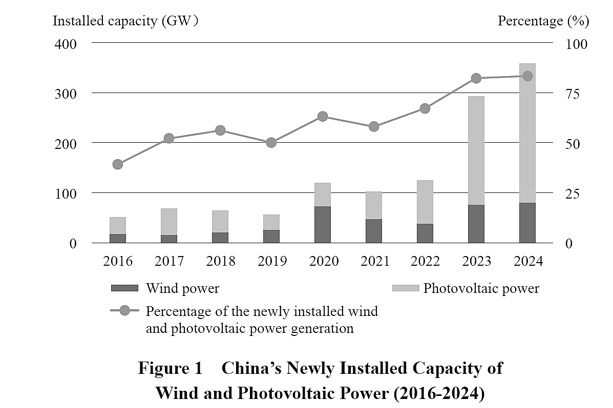
China has solidified its commitment to achieving carbon peaking by 2030 and carbon neutrality by 2060, positioning itself as a global leader in climate action. The country has implemented a robust ‘1+N’ policy framework, which includes a top-level design and sector-specific action plans to guide its green transition. This framework emphasizes the development of renewable energy, energy efficiency, and low-carbon technologies, while also addressing key sectors such as industry, transport, and urban development. China has made significant strides in renewable energy, boasting the world’s largest installed capacity of wind and solar power, and leading in the adoption of new energy vehicles. The nation has also prioritized international cooperation, actively participating in global climate governance and supporting the Paris Agreement. Through these efforts, China aims to not only reduce its carbon footprint but also contribute to global sustainability and the fight against climate change.
-

Amazon tree-felling blamed for polluting UK rivers
A groundbreaking report by environmental groups Size of Wales and WWF Cymru has uncovered a hidden connection between deforestation in the Amazon rainforest and pollution in UK rivers, particularly the River Wye. The study highlights the role of soy imported from Brazil, which is used as livestock feed in the UK. High in phosphorus, the soy becomes a pollutant when animal manure runs off into waterways, exacerbating phosphate pollution in rivers across Wales and beyond. The report calls for urgent action to halt the import of commodities linked to deforestation, emphasizing the profound impact of consumer choices on global ecosystems and indigenous communities. The Welsh government has acknowledged the issue, stating it is taking ‘ambitious steps’ to address the problem. The findings coincide with the COP30 climate talks in Belém, Brazil, where world leaders are discussing strategies to combat deforestation and climate change. The report also urges governments and local councils to adopt deforestation-free supply chains and promote sustainable diets. Positive examples of leadership in Wales include Caerphilly and Monmouthshire councils, which have implemented deforestation-free criteria for food procurement. Monmouthshire has even replaced chicken curry with a deforestation-free chickpea korma on school menus, following lobbying by local pupils. The report underscores the need for collective action to protect the planet for future generations.