分类: environment

  • Yunnan celebrates its first nature reserve on the IUCN Green List

    Yunnan celebrates its first nature reserve on the IUCN Green List

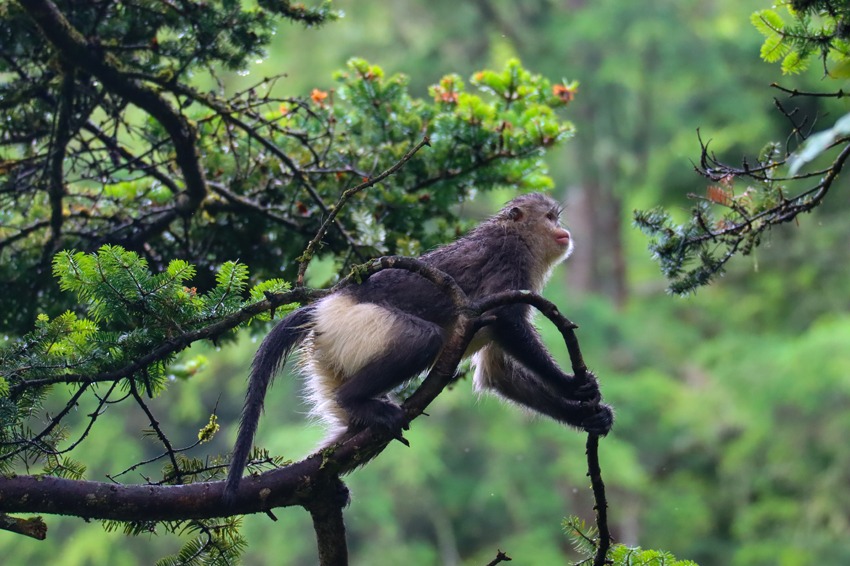
    In a landmark achievement for China’s conservation efforts, Yunlong Tianchi National Nature Reserve has become Yunnan province’s first protected area to receive inclusion on the IUCN Green List of Protected and Conserved Areas. The prestigious designation was formally announced on December 17, 2025, recognizing the reserve’s exceptional management standards and biodiversity conservation outcomes.

    Located within Dali Bai Autonomous Prefecture, the reserve received personal congratulations from IUCN Director General Grethel Aguilar, who commended the conservation team’s exemplary work. In her official correspondence, Aguilar expressed confidence that Yunlong Tianchi would serve as an inspirational model for other protected areas throughout China and globally.

    The IUCN Green List represents a globally recognized benchmark that evaluates the effectiveness of conservation management in protected zones. This international initiative aims to establish quality standards for biodiversity preservation while promoting successful conservation practices worldwide. With Yunlong Tianchi’s inclusion, China now boasts 25 nature reserves that have achieved this distinguished status.

    The reserve’s management bureau has demonstrated particular effectiveness in protecting endangered species, including the critically endangered Yunnan snub-nosed monkey population and their fragile habitats. Conservation strategies have incorporated advanced comprehensive biodiversity monitoring systems that enable precise tracking of ecological health indicators.

    Looking forward, reserve authorities plan to intensify efforts to develop innovative approaches that harmonize ecological protection with sustainable green industries. This initiative seeks to establish a regional paradigm for synergistic coexistence between human communities and natural ecosystems, potentially offering valuable insights for conservation programs globally.

  • Poyang Lake water levels fall below extreme low threshold

    Poyang Lake water levels fall below extreme low threshold

    China’s largest freshwater lake has reached a critical hydrological milestone as Poyang Lake’s water levels dropped below the extreme low threshold on Sunday morning. According to data from Xingzi Station, the key monitoring point, water levels fell to eight meters at 6 am on December 14, 2025, marking a severe environmental challenge for the Jiangxi province ecosystem.

    The current water surface connecting Poyang Lake to the Yangtze River has dramatically shrunk by 90% compared to peak levels, continuing a troubling pattern of earlier and more prolonged dry periods. This year, the lake dipped below the 12-meter mark on August 8—87 days ahead of the historical average—and has experienced 217 days of below-threshold water levels in 2023 alone.

    Scientific data reveals an accelerating trend of hydrological extremes. Since 2022, when water levels hit a record low of 4.6 meters, Poyang Lake has consistently broken records for early onset, extended duration, and severity of low-water periods. The transition from high to low water levels has become increasingly abrupt, with 2024 witnessing unprecedented daily drops of 0.45 meters and weekly declines of 2.68 meters.

    The ecological consequences are substantial. Hydrological experts warn that hundreds of thousands of migratory birds—including protected species like white cranes and oriental storks—face severe wintering challenges. The Yangtze finless porpoise and other aquatic species similarly confront breeding and survival threats due to the shrinking habitat.

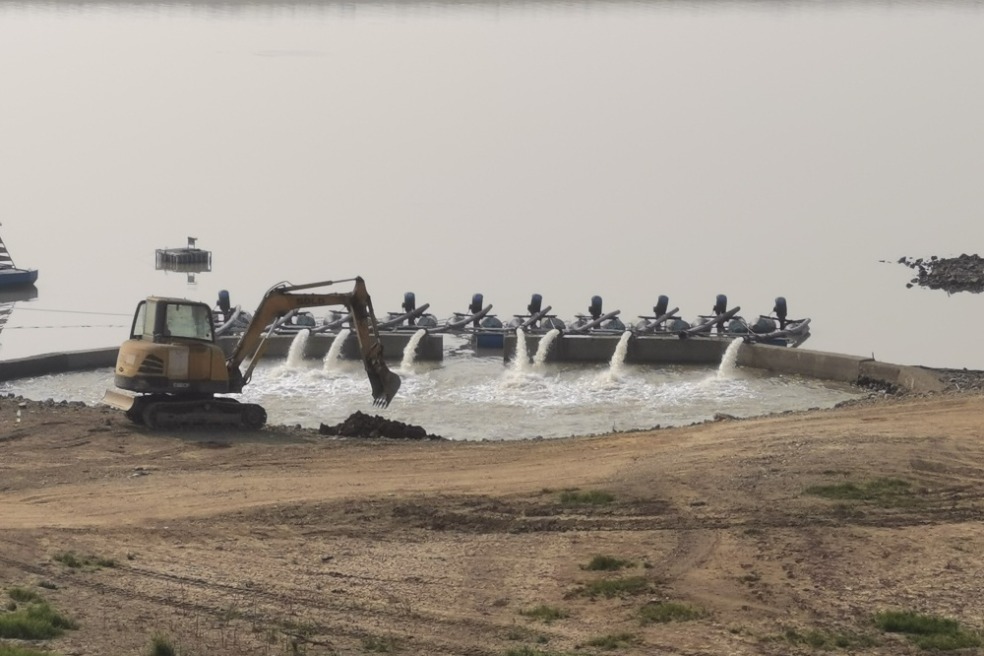
    Local authorities have implemented emergency measures to address the crisis. At Guanhu Water Plant, all ten water pumps operate at maximum capacity, with additional pumps installed to extract water from the receding lake. Enhanced inspection protocols and water quality testing ensure safe drinking water for approximately 160,000 residents in surrounding communities.

    Environmental managers are employing scientific water management strategies, including dredging operations and ecological water replenishment projects, to mitigate the impact of persistent low-water conditions. Continuous monitoring and adaptive management approaches remain crucial for balancing ecological protection and human water security needs.

  • Marine ecology off South China’s Hainan Island remains favorable, report says

    Marine ecology off South China’s Hainan Island remains favorable, report says

    The coastal ecosystems surrounding China’s Hainan Island continue to demonstrate remarkable environmental resilience, according to a comprehensive scientific report released by the South China Sea Bureau of the Ministry of Natural Resources. The findings reveal consistently high seawater quality metrics that rank among the nation’s best, coupled with well-preserved marine biodiversity across the region’s diverse habitats.

    The detailed assessment, titled ‘Report on Marine Ecological Conservation and Sustainable Development of the Hainan Free Trade Port,’ was unveiled during the 6th Symposium on Global Maritime Cooperation and Ocean Governance in Sanya. This gathering attracted over 300 distinguished participants from more than 30 countries and regions, including prominent experts, scholars, government officials, diplomats, and international organization representatives.

    Scientific monitoring conducted between 2020 and 2024 provided the foundational data for the report, which systematically analyzed water quality parameters, marine sediment composition, and biodiversity indicators. Researchers particularly focused on seven distinct marine ecosystem types, examining their conditions within key distribution areas to obtain a holistic understanding of the region’s ecological status.

    The report’s release coincides with significant regional developments, as the Hainan Free Trade Port prepares to implement island-wide special customs operations commencing December 18. This economic initiative appears to be progressing alongside, rather than at the expense of, environmental conservation efforts.

    Symposium attendees are engaged in intensive dialogues addressing critical ocean governance challenges, including the establishment of a stable and sustainable global management framework, resolution mechanisms for maritime disputes, and promotion of peaceful cooperation in the South China Sea region. The two-day conference serves as an international platform for sharing expertise and developing collaborative strategies for ocean stewardship.

  • The Philippines tests ‘transition credits’ to cut coal use in novel experiment

    The Philippines tests ‘transition credits’ to cut coal use in novel experiment

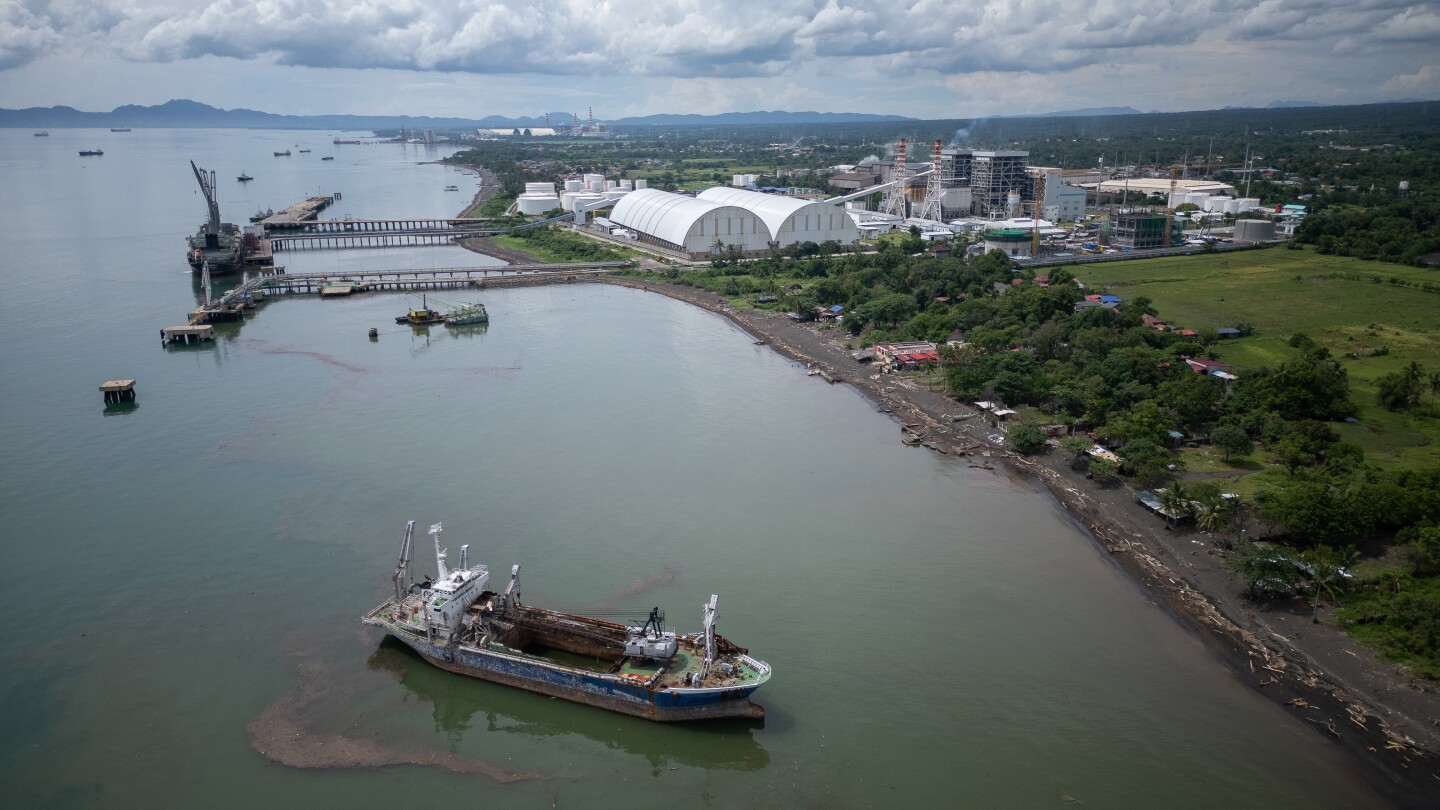
    The Philippines has embarked on a groundbreaking experiment with a novel form of carbon financing designed to accelerate the retirement of coal-fired power plants. Dubbed ‘transition credits,’ this innovative mechanism aims to create financial value from preventing future greenhouse gas emissions, channeling funds toward converting fossil fuel infrastructure into renewable energy facilities.

    At the forefront of this initiative is the 270-megawatt South Luzon Thermal Energy Corp. power plant in Calaca City, where proponents envision demonstrating how carbon markets can fund energy transition. The concept, developed by The Rockefeller Foundation, has garnered support from major corporations including Japan’s Mitsubishi Corp., with potential applications across approximately 60 coal plants throughout the Asia-Pacific region.

    Transition credits differ fundamentally from conventional carbon credits by monetizing emissions that would have occurred without intervention. This approach specifically targets Southeast Asia’s coal dependency problem—the region ranks as the world’s third-largest coal consumer after China and India, with electricity demand projected to double by 2050 according to International Energy Agency forecasts.

    Proponents argue these credits could unlock approximately $110 billion in public and private capital by 2030, providing crucial financing for energy transitions in developing economies. ‘If successful, this creates a playbook for coal asset owners worldwide,’ stated Irene Maranan of ACEN Corp., which committed to retiring the Calaca plant by 2040—decades ahead of its typical lifespan.

    However, the initiative faces substantial skepticism from climate policy experts and environmental advocates. Critics point to longstanding integrity issues within carbon markets, including greenwashing accusations, miscalculated emissions reductions, and human rights concerns in previous offset projects. Energy transition analyst Patrick McCully characterized transition credits as ‘old wine in a new bottle,’ warning they could divert resources from direct renewable energy development.

    The debate unfolds against urgent climate realities: the world likely overshoots the 1.5°C warming threshold while Southeast Asia’s emissions continue rising. As the Philippines tests this controversial financial instrument, the global community watches to see whether innovative carbon markets can genuinely accelerate decarbonization or merely create another distraction from concrete climate action.

  • UN environment report ‘hijacked’ by US and others over fossil fuels, top scientist says

    UN environment report ‘hijacked’ by US and others over fossil fuels, top scientist says

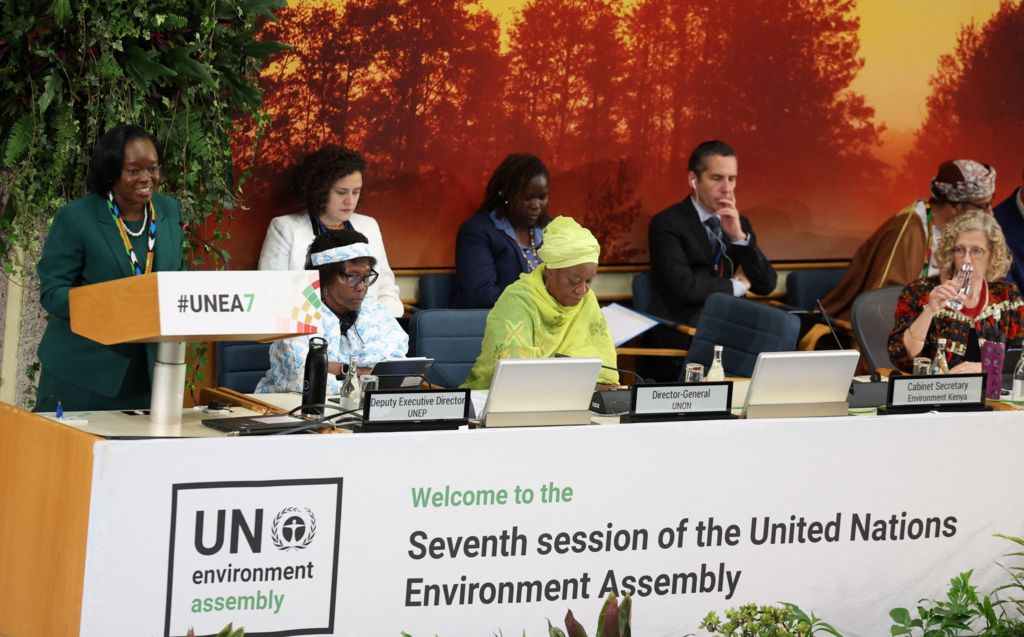
    A landmark United Nations environmental assessment has been published without official governmental endorsement after the United States and several allied nations refused to approve its scientific conclusions. The Global Environment Outlook report, representing six years of collaborative research by nearly 300 international scientists, directly links climate change, biodiversity loss, and pollution to unsustainable consumption patterns in wealthy and emerging economies.

    The comprehensive analysis warns of a “dire future” for millions worldwide without rapid transition from coal, oil, and gas infrastructure, coupled with substantial reductions in fossil fuel subsidies. The report emphasizes that current patterns of resource extraction across food production, clothing manufacturing, and energy consumption are fundamentally unsustainable.

    During what participants described as a “stormy” October meeting in Nairobi, political representatives from approximately 70 countries failed to reach consensus on the summary for policymakers—a critical component typically endorsed by governments to demonstrate commitment to implementing scientific recommendations. The United States, Saudi Arabia, and Russia emerged as primary opponents to the report’s strong language regarding fossil fuels and plastics.

    Sir Robert Watson, the report’s co-chair and former IPCC chairman, told the BBC that “a small number of countries basically just hijacked the process.” He revealed that the US initially avoided the meeting entirely, joining only via teleconference at the final moment to declare disagreement with most of the report’s findings regarding climate change, biodiversity, and fossil fuels.

    The absence of governmental approval significantly weakens the report’s potential impact, as these summaries traditionally serve as catalysts for policy action. Researchers note that this obstruction mirrors similar resistance demonstrated during recent COP30 climate negotiations and other international environmental discussions.

    The Trump administration’s consistent pattern of challenging environmental science appears to underlie this opposition. Since taking office, the administration has actively promoted fossil fuel expansion, attempted to reverse carbon dioxide endangerment findings, and systematically opposed international efforts to address climate change through various multilateral organizations.

    This development raises substantial concerns about future Intergovernmental Panel on Climate Change reports, which form the scientific foundation for global climate action. The unprecedented blockage of a major UN environmental assessment signals potential challenges for international cooperation on environmental protection moving forward.

  • ‘Oriental gem’ makes wetland comeback

    ‘Oriental gem’ makes wetland comeback

    In a remarkable ecological turnaround, China’s crested ibis population has surged from near extinction to over 10,000 birds globally, with approximately 6,000 residing in their original habitat in Yangxian County, Shaanxi Province. This conservation success story represents one of the most significant wildlife recovery achievements in modern history.

    The species, often referred to as the ‘oriental gem’ for its striking appearance featuring salmon-pink plumage and distinctive white crest, stood on the brink of disappearance in 1981 when only seven wild individuals remained. Immediate protective measures implemented by local authorities included banning blasting excavation operations and prohibiting chemical pesticides and fertilizers in areas where the birds forage.

    Wang Chao, a senior expert with the Hanzhong Crested Ibis National Nature Reserve, explained that comprehensive conservation strategies have been crucial to this recovery. During breeding seasons, observation shelters are established with 24-hour monitoring to protect the birds from predators and human disturbance. These efforts have significantly enhanced natural breeding success rates.

    The environmental benefits have extended beyond crested ibises. The improved ecosystem has attracted approximately 400 bird species to winter in Hanzhong, up from 300 before conservation efforts began, including reappearances of white-tailed eagles and glossy ibises.

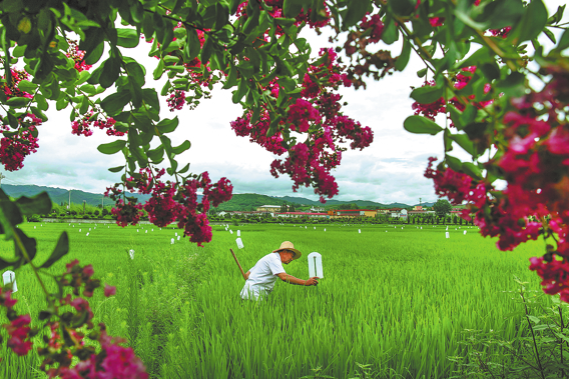
    The conservation program has also generated substantial socioeconomic benefits. Local farmers initially struggled with reduced agricultural output and market rejection of their produce due to pesticide-free farming requirements. However, through national programs supporting organic rice production and agritourism, villagers have transformed these challenges into economic opportunities.

    Hua Ying, a resident of Caoba village, witnessed the transformation firsthand. From seven birds reappearing in 1993, the local population has grown to approximately 700. While tourism initially caused disturbances as visitors approached too closely for photographs, the establishment of the Yangxian County Bird Watching Association in 2006 created structured ecotourism opportunities. Trained guides now ensure responsible birdwatching while generating income through guiding services, accommodation, and organic product sales.

    The population growth presents new conservation challenges. Reserve staff face increasing pressure with over 200 sick or injured ibises requiring treatment annually. Rescue efforts peak twice yearly, addressing malnourished fledglings in summer and older birds struggling with winter conditions.

    Population monitoring has become increasingly complex. A recent two-month survey identified over 150 significant roosting sites, requiring coordinated efforts from multiple sectors due to limited personnel. The species’ expansion has led to dispersal beyond traditional habitats, with birds now found in Sichuan, Gansu, and Hubei provinces.

    China is now implementing a national reintroduction program to restore crested ibises to their historical range across more than 20 provinces. Captive populations have been established in 13 regions, with nature reintroduction initiatives underway in six areas, aiming to reestablish the bird’s historical distribution and migratory patterns.

  • Protecting pristine NW China plateau lake from waste

    Protecting pristine NW China plateau lake from waste

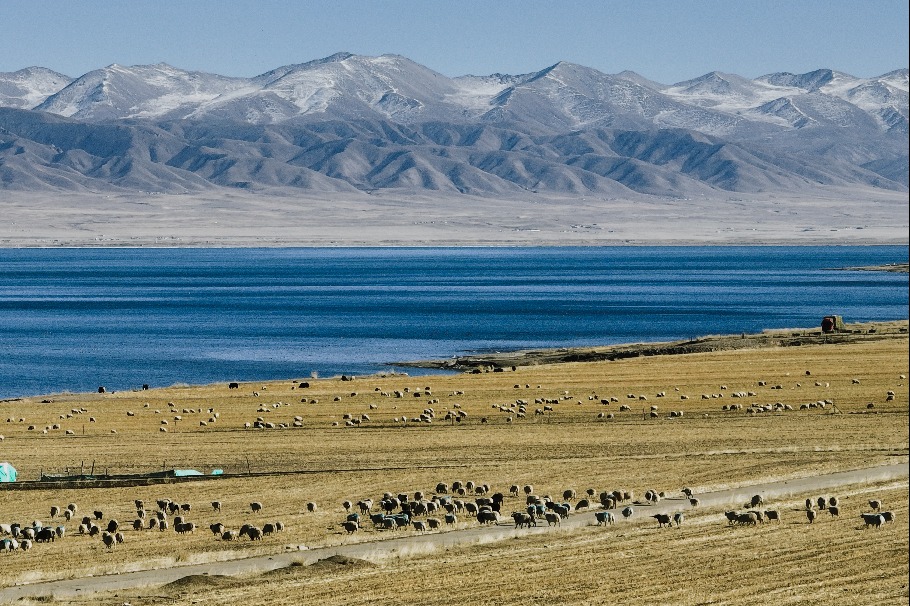
    On the windswept Qinghai-Tibet Plateau, herder Sonam Tsering recalls when winter gales transformed his pastures into plastic wastelands. “It was heartbreaking to see my pasture littered with plastic bags,” said Tsering from Gangcha county, noting the lethal threat to livestock that accidentally ingested the debris. Today, his reality has transformed dramatically through a simple phone call that ensures prompt waste collection.

    This change stems from a fundamental shift in waste management strategies around Qinghai Lake, one of the world’s highest plateau lakes and a crucial ecological barrier for Northwest China. For two decades, more than ten landfills occupying over 500,000 square meters have processed household waste in ecologically sensitive grasslands and valleys. The plateau’s extreme cold and low oxygen levels severely delayed natural degradation, while seasonal winds scattered plastic waste across fragile ecosystems.

    In 2023, Qinghai province launched its first large-scale waste-to-energy facility in Xining, triggering a systematic overhaul. Counties surrounding the lake now collect and transport waste through township and county-level networks to Xining for incineration. Between June 2024 and May 2025, nearly 30,000 tonnes of waste made this journey in approximately 2,000 truckloads.

    The incineration process operates at temperatures exceeding 850°C, effectively breaking down harmful substances through fermentation and high-temperature combustion. “Flue gas undergoes rigorous treatment through de-acidification, absorption and dust removal processes,” explained Wang Yongpeng, head of the Xining project, ensuring emissions meet environmental standards. The process has additionally generated approximately 15 million kilowatt-hours of electricity.

    This waste management transformation coincides with remarkable ecological recovery. Qinghai Lake has experienced expanding water levels for twenty consecutive years, with satellite data from September 2024 recording a surface area of 4,650.08 square kilometers. Biodiversity has flourished alongside these conservation efforts.

    China’s national waste management paradigm has shifted dramatically from landfill dependence to advanced incineration. Over 1,000 large-scale incineration plants now process more than 1.1 million tonnes daily nationwide—equivalent to filling 440 Olympic-sized swimming pools. The Qinghai Lake initiative provides a pioneering model for waste disposal in high-altitude, low-oxygen environments globally.

  • Nation makes strides in climate governance

    Nation makes strides in climate governance

    China has dramatically transformed its role in global environmental governance, evolving from a participating nation to a definitive leader in climate action, according to officials and experts speaking at a recent seminar on Ecological Civilization in Xiamen. The gathering brought together provincial leaders, national ministry officials, researchers, and business representatives to discuss China’s expanding contributions to building a sustainable global future.

    Substantial environmental progress within China provides the foundation for this leadership claim. Public satisfaction with ecological conditions has remained above 90% for four consecutive years, demonstrating successful environmental protection alongside continued economic advancement. Air quality metrics show particularly dramatic improvement: concentrations of fine particulate matter (PM2.5) in major cities have plummeted by 56% compared to a decade ago, while heavily polluted days have decreased by an impressive 92%—representing the world’s most rapid air quality enhancement.

    The green transition has simultaneously fueled economic growth, with China dominating the global new energy vehicle market for ten straight years. The nation’s forest coverage has expanded to over 25%, accounting for a quarter of the planet’s new green growth. These domestic achievements are now complemented by extensive international cooperation through multiple channels.

    China has established 55 climate-focused South-South cooperation agreements with 43 developing nations while providing professional training to participants from over 120 countries. This effort aims to transform developing nations from passive recipients to active participants in global climate rule-making, advocating for equitable responsibility distribution and opposing green trade barriers.

    Juncao technology exemplifies China’s practical contributions to global sustainability. This innovative, adaptable grass hybrid developed by Professor Lin Zhanxi serves multiple purposes—growing edible mushrooms, providing livestock feed, and enabling ecological restoration. Introduced to 109 countries, it has particularly benefited less developed regions through over 400 training sessions for 16,000 international trainees. The technology’s symbolic significance was highlighted when King Tupou VI of Tonga personally planted Juncao during a recent visit to Fujian, with many now calling it ‘friendship grass’ for its role in strengthening international bonds and improving livelihoods.

  • China expands green belt around its largest desert

    China expands green belt around its largest desert

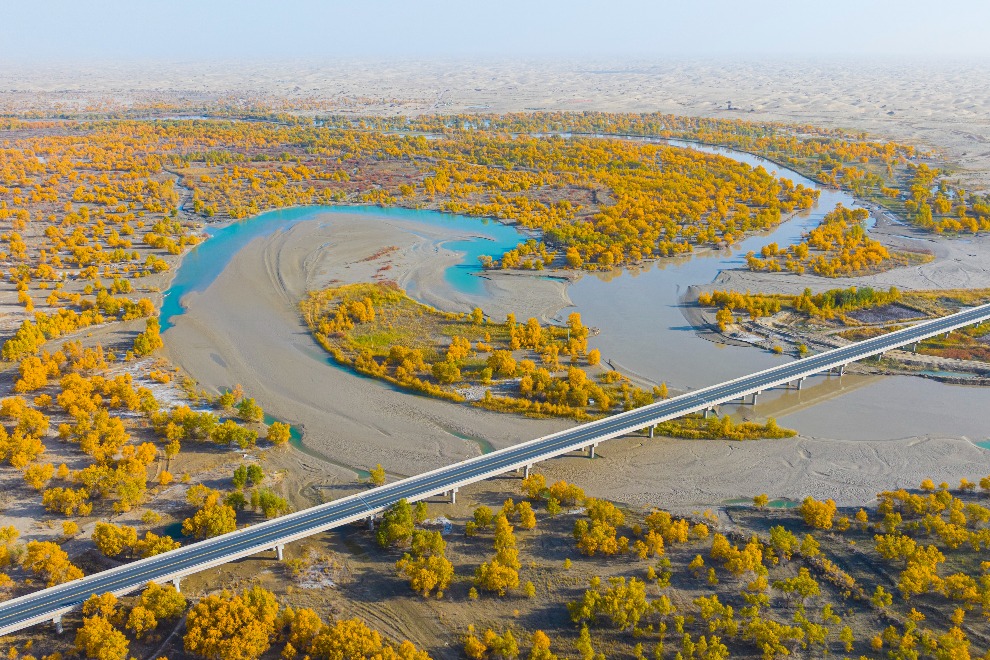
    China’s monumental ecological achievement surrounding the Taklimakan Desert—the nation’s largest desert—has reached a significant milestone after its first year of operation. The 3,046-kilometer green barrier, recognized globally as an engineering marvel, has successfully contained desert expansion while creating new economic opportunities for local communities.

    The ambitious project, which encircles the desert like a protective scarf, was recently honored among the ‘2025 Top 10 Global Engineering Achievements’ by the World Federation of Engineering Organizations. Over the past year, 21 counties and cities along the desert’s edge have expanded the barrier by approximately 593,400 hectares, increasing its width to 7,500 meters while simultaneously improving critical infrastructure including water supply systems, electricity networks, and transportation routes.

    Local residents have emerged as key participants in this ecological transformation. Couples like Tursunbaq Mahmuthet and Sudiumay Tursun from Hotan county have returned to their hometowns to lead restoration initiatives. ‘When we were young, this entire area was nothing but desert,’ they recalled while examining thriving sand date tree saplings. ‘We never imagined we’d be able to cultivate these trees here.’ Their cooperative, comprising 18 households, now cultivates sand dates on 1,000 mu of reclaimed desert land.

    The project employs cutting-edge technologies including photovoltaic systems that harness solar power to extract brackish groundwater for drip irrigation. Innovative techniques such as grass checkerboard stabilization and drought-resistant vegetation have effectively controlled mobile sand dunes. In Yutian county, frequently battered by gales, the ‘terraced desert’ model has reduced land leveling costs by 82 percent while achieving 85 percent vegetation survival rates.

    The Tarim Desert Highway, China’s first desert road, features a 436-kilometer shelterbelt with over 20 million drought-tolerant plants. Smart pipeline systems along this route are undergoing upgrades, offering a pioneering ‘Tarim solution’ for desertification control.

    This ecological effort has catalyzed a remarkable economic transformation. Desertification control has evolved into a sustainable economic model, spawning industries including rose farming, cistanche cultivation, and eco-tourism. In Yutian, expansive rose fields supply high-value ingredients for cosmetics and pharmaceuticals while producing 80 percent of China’s cistanche output, generating employment for over 10,000 residents.

    Enterprises like Xinjiang Silu Guobao Agriculture Co. have invested in desert areas, cultivating roses and pistachios on reclaimed land. Public-private partnerships allow land rentals to benefit villagers, fostering shared wealth. Across the region, sand-based industries now cover 10.8 million mu of desert land, generating approximately $4.1 billion in annual output value and engaging over 360 processing enterprises.

    Tourism has emerged as a key growth sector, with attractions such as the Shaya Poplar Forest and Yuli Lop Nur village attracting over 15 million visitors annually. By 2025, the sand industry’s expansion had increased average annual incomes of 300,000 farmers and herders by 3,000 to 4,500 yuan.

    International experts have praised the project’s comprehensive approach. Peter Gilruth, senior advisor at World Agroforestry, emphasized that ‘this represents a profound long-term commitment, blending financial investment, political will, and multi-stakeholder collaboration.’ Mohamed Elfleet, consultant researcher at King Abdulaziz University, noted the model’s transferability: ‘We need to consider local conditions. Transfer this model, apply it, but adopt it to the local conditions.’

    The project marks a paradigm shift from traditional ‘desert advancing, people retreating’ scenarios to a new era of ‘green advancing, desert retreating,’ offering scalable models for arid regions worldwide while demonstrating how ecological restoration can fuel economic prosperity.
  • Ambitious plan to store CO2 beneath the North Sea set to start operations

    Ambitious plan to store CO2 beneath the North Sea set to start operations

    In a groundbreaking initiative, the Nini oil field in Denmark’s North Sea is being repurposed from fossil fuel extraction to a permanent carbon dioxide storage site. Spearheaded by chemical giant INEOS, the Greensand Future project aims to inject liquefied CO2 into depleted oil reservoirs 1,800 meters beneath the seabed. This innovative approach, which effectively reverses the oil extraction process, is set to commence commercial operations next year, marking the European Union’s first fully operational offshore CO2 storage facility. The project will initially store 400,000 tons of CO2 annually, with plans to scale up to 8 million tons by 2030. Denmark’s geological survey confirms the suitability of the Greensand sandstone rock for this purpose, citing its porous structure and secure seal rock. While proponents hail carbon capture and storage (CCS) as a vital tool in combating climate change, critics argue it should not overshadow the urgent need for emission reductions. Environmental groups like Greenpeace caution against over-reliance on CCS, emphasizing the importance of cutting emissions at their source. Despite these concerns, INEOS is expanding its efforts, including potential development of another North Sea oil field, as part of Europe’s broader energy transition.