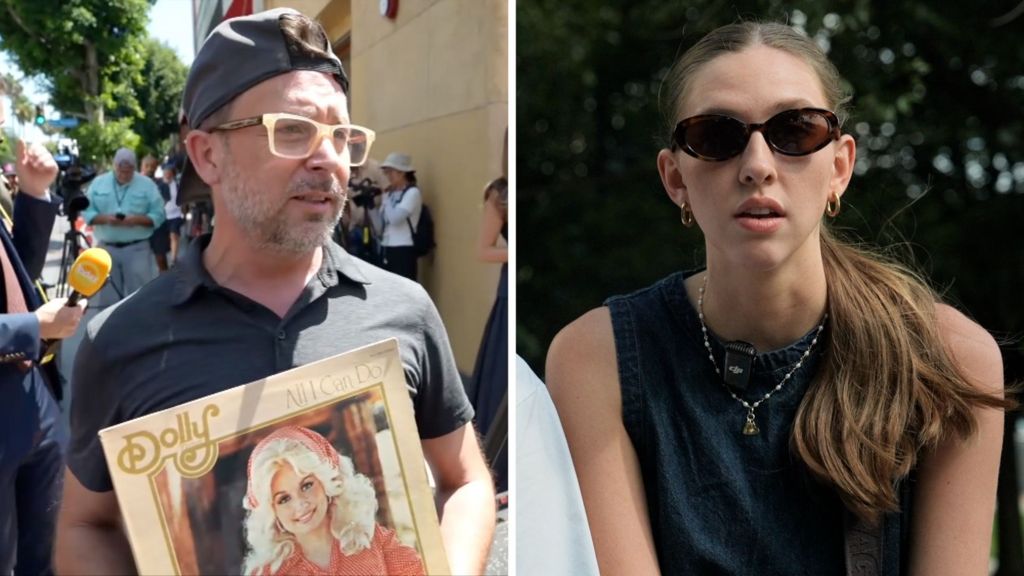
A baseless viral rumor claiming the passing of legendary country music icon Dolly Parton triggered an outpouring of raw grief from fans across the United States this week, with hundreds of listeners gathering at public sites to honor the musician they believed had died. Reporters from the BBC traveled to Los Angeles to speak with fans who left flowers, handwritten notes, and memorabilia at Parton’s star on the Hollywood Walk of Fame, while also connecting with heartbroken supporters in Washington D.C. to discuss the enduring cultural impact the star has had on their lives. Many attendees described themselves as “heartbroken” over the false news, sharing personal stories of how Parton’s decades of music, philanthropy, and public generosity had shaped their own lives and connected generations of families. As of the latest official updates, the rumor of Parton’s death has been confirmed to be a hoax, but the widespread immediate reaction highlights the enormous affection and reverence the public holds for the 78-year-old entertainment icon.
分类: entertainment
-
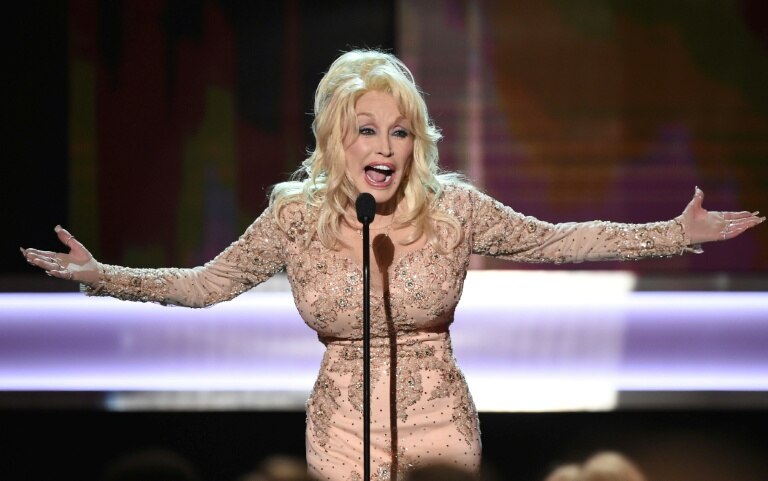
US country music legend Dolly Parton dies at 80
Beloved American country music trailblazer Dolly Parton, who climbed from humble, impoverished roots in rural Tennessee to become one of the nation’s most cherished cultural figures, has passed away at the age of 80. Her family confirmed the news in an announcement shared publicly on Tuesday.
In a social media video statement, Parton’s nephew Bryan Seaver shared that “Dolly has lived in the light and is in the arms of Jesus.” He went on to honor his aunt’s far-reaching impact, noting that the multi-award-winning artist “opened doors for generations of singers, songwriters, musicians, and dreamers from every walk of life.”
No official cause of death has been released by the family, but Parton, who built a multi-faceted career as a singer-songwriter, actress, philanthropist, and powerhouse business leader, had openly discussed experiencing ongoing health complications in recent months. Her husband of more than five decades, Carl Dean, passed away in 2023.
Former U.S. President Donald Trump has ordered all American flags across the country to be flown at half-staff for a full week in tribute to Parton, describing her death as “a true loss for millions of people.” In a post on his Truth Social platform, Trump added, “There has never been anyone like her, and never will.”
Parton’s health struggles became public knowledge earlier this year, when she announced the cancellation of a planned series of concerts in Las Vegas this past May, citing persistent health concerns. In updates shared with her fanbase via social media, she explained that while her treatment for an undisclosed illness was progressing well, she did not feel physically prepared to return to the stage for live performances.
Parton’s journey in music began the day after she graduated from high school, when she left her small Tennessee hometown to pursue her dreams in Nashville, the global capital of country music. By 1967, at just 21 years old, she had already become a household name across the United States after joining Porter Wagoner’s widely syndicated country music television show, which brought her distinctive voice and charismatic personality into millions of American living rooms.
Over a remarkable six-decade career, Parton proved to be an extraordinarily prolific artist, composing roughly 3,000 original songs. Her discography includes countless global hits, from the upbeat soundtrack staple *9 to 5* and the beloved duet *Islands in the Stream* to the iconic ballad *I Will Always Love You* — a track that found international new fame when Whitney Houston recorded a blockbuster cover of it.
Across her career, Parton released 49 full studio albums, plus more than 100 compilation and collaboration projects, earning her the enduring nickname of the “Queen of Country Music.” Repeating his praise for his aunt’s barrier-breaking legacy, Seaver added, “By her example, we believed that anything was possible. She never saw a door she couldn’t open, and the doors she opened made and changed history.”
Never one to shy away from her signature, unapologetic personality and striking public image, Parton redefined what it meant for a woman to succeed in a male-dominated music industry. She blazed a trail that countless female artists would follow, ultimately cementing her status as a national treasure whose work has been covered by dozens of major artists, including Shania Twain, Sinéad O’Connor, and the White Stripes.
-

Sliman Mansour, a pioneer of contemporary Palestinian art, dies aged 79
The global art community is mourning the passing of Sliman Mansour, one of the most influential contemporary Palestinian artists, who died over the weekend at the age of 79. His family shared the news of his death in a heartfelt public statement posted to his official Instagram account.
“The final chapter has been written. With hearts heavy beyond words, we share that our beloved father has passed away,” the statement read. “To the world, he leaves behind a life filled with beauty, memory, and a legacy that will continue to live through all those he touched. But to us, we lost a father, our source of love, strength and home.”
Born in 1947 in Birzeit, a small Palestinian town just north of Ramallah, Mansour entered the world just 12 months before the 1948 Nakba — the catastrophic event that saw more than 700,000 Palestinians forcibly displaced from their ancestral homes to make way for the creation of the state of Israel. He discovered his passion for drawing in early childhood, and his raw talent was first recognized by a German tutor at a Bethlehem boarding school, who encouraged him to deepen his painting practice and submit his work to international competitions. In a 2023 interview with Middle East Eye, Mansour recalled that his tutor entered his work into a United Nations ‘Children of the World’ drawing contest, where he took home first prize in 1962 — a milestone that set him on his path as a professional artist.
Throughout his decades-long career, Mansour centered his practice on preserving and elevating the Palestinian historical narrative, pushing back against erasure tactics that sought to minimize Palestinian connection to their homeland. He repeatedly called out the misleading narratives promoted by Israeli officials and Zionist movements, which framed the land as sparsely populated and barren before the arrival of modern Jewish settlers. “That was the very strategy of the Zionist movement, to deny your existence, because when you are not there, it’s much easier to take your land, to kill you, to imprison you,” he told Middle East Eye in the 2023 interview.
Mansour and his fellow Palestinian artists set out to reclaim their people’s story by weaving deeply symbolic imagery — both drawn from ancient cultural traditions and crafted to reflect modern struggle — into every canvas. “As artists, we started to search for images to reflect identity,” he explained, noting that the movement drew heavily on ancient Palestinian culture and the distinctive landscape of historic Palestine. He frequently highlighted how Israeli occupation deliberately altered that landscape, replacing native olive groves with non-native cypress and pine trees to erase traces of Palestinian presence.
Symbolism lay at the heart of all Mansour’s most celebrated works, with each recurring motif carrying specific political and cultural meaning. For example, he once explained that when he painted Jaffa orange trees, he was referencing land seized during the 1948 Nakba, while olive trees represented territory occupied during Israel’s 1967 conquest of the West Bank, East Jerusalem, and Gaza. Other iconic symbols that recur across his oeuvre include tatreez-embroidered traditional thobes, doves for peace and freedom, and the keffiyeh, a globally recognized marker of Palestinian identity.
For decades, Mansour’s work faced systematic repression from Israeli occupying forces. He recalled that as early as 1979, when he and fellow artists began organizing independent exhibitions, Israeli forces regularly seized canvases that they deemed objectionable — even mundane works depicting peasant women working in fields in traditional embroidered clothing.
Among his most famous works is *Last Summer in Palestine*, completed in 1994. The piece reinterprets Leonardo da Vinci’s iconic *The Last Supper*, replacing Jesus with a Palestinian man and the 12 disciples with 12 Palestinian women, centering Palestinian community and experience in one of Western art’s most recognizable compositions. Another of his best-known works, 2005’s *Camel of Burdens*, depicts a frail elderly Palestinian man carrying an eye-shaped orb on his back, with the historic city of Jerusalem contained within the sphere.
Over his career, Mansour earned widespread international acclaim and a dedicated global following for his unflinching, beautiful depictions of Palestinian life and struggle. His many honors include the 2019 UNESCO-Sharjah Prize for Arab Culture, the grand prize at the 1998 Cairo Biennale, and the 1998 Palestine Prize for Visual Arts.
Later in life, Mansour shifted much of his focus to mentoring the next generation of Palestinian artists, instilling in his students the same commitment to cultural identity and resistance that defined his own work. “I firmly believe in the significance of embracing your craft and embracing your connection to your people, their culture, and their pursuit of freedom,” he said. “It is crucial for my students to grasp the sense of belonging and never lose hope.”
As tributes pour in from across the global art and political communities, Mansour’s legacy as a tireless defender of Palestinian narrative and one of the greatest visual artists of his generation remains firmly fixed in the work he leaves behind, and in the countless young artists he inspired.
-
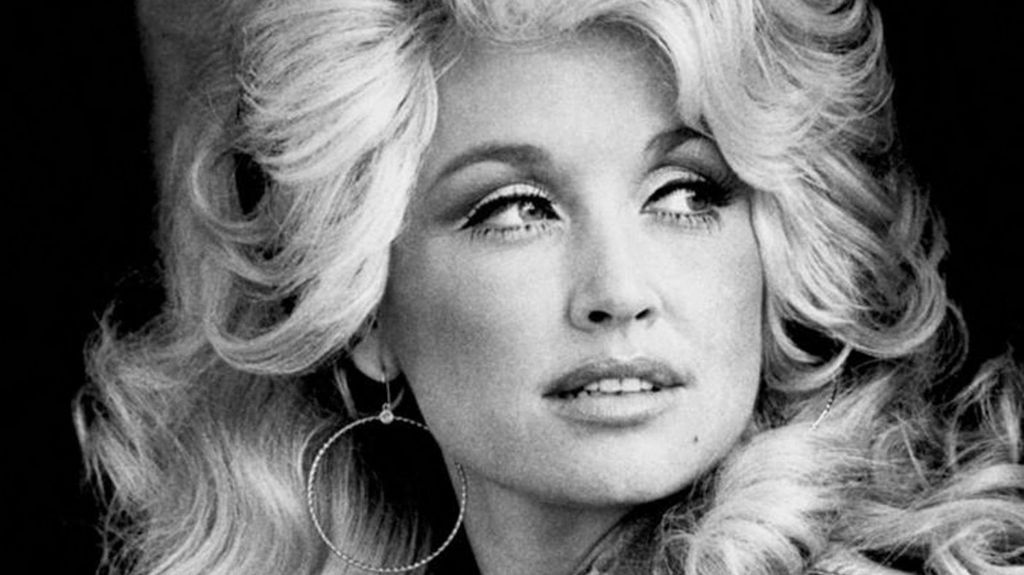
Dolly Parton: A life in pictures
Dolly Parton, the universally adored country music superstar whose career has stretched across more than six decades, carries a origin story rooted in the humble, rugged hills of Tennessee’s Smoky Mountains. Born the fourth of 12 children into deep poverty, she grew up in a cramped one-room cabin on the banks of the Little Pigeon River, a starting point that would shape both her work ethic and her lifelong commitment to giving back to communities like the one that raised her.
Parton’s gift for performance emerged far earlier than most. By childhood, she was already a regular presence on local radio and television broadcasts, and cut her debut single at just 13 years old. The day after she graduated from Sevier County High School in 1964, she moved straight to Nashville, the heart of American country music, to chase her professional dreams. By 1966, she claimed her first charting solo hit with *Dumb Blonde*, and just one year later, iconic country star Porter Wagoner extended a life-changing invitation: join his nationally syndicated *The Porter Wagoner Show* as a regular cast member and touring performer, catapulting her into national consciousness. Her breakthrough studio album *Hello, I’m Dolly* soon followed, and in 1969, she achieved a lifelong dream when she was inducted as a member of the Grand Ole Opry, an institution she has long called the “church of my heart.”
What sets Parton apart from most entertainment icons is her unparalleled productivity as a songwriter. Across her career, she has penned more than 3,000 songs, sold more than 100 million records worldwide, and earned 11 Grammy Awards including a prestigious lifetime achievement honor. Even as she expanded into acting and entrepreneurship, Parton has always identified first as a songwriter, once calling the craft “my way of expressing myself. It’s my therapy.” One of her most legendary creative feats came during a single 1973 writing session, when she composed two of her most enduring signature hits: *Jolene* and *I Will Always Love You*, tracks that remain cultural touchstones almost 50 years later.
Throughout the 1970s and 1980s, Parton transcended the boundaries of country music to become a global mainstream star. Famed for her oversized charisma, signature rhinestone-studded style, quick wit and warm charm, she crossed over to pop audiences with hit albums including *Here You Come Again*, and produced one of the 1980s’ most iconic duets, *Islands in the Stream*, alongside collaborator Kenny Rogers. She also built a successful parallel career as a film actor, making a acclaimed screen debut in the 1980 workplace comedy *9 to 5* starring alongside Jane Fonda and Lily Tomlin. She went on to earn further praise for roles in *The Best Little Whorehouse in Texas* opposite Burt Reynolds, and the beloved drama *Steel Magnolias*, where she held her own alongside an ensemble cast including Julia Roberts and Sally Field, balancing sharp comedic timing with unexpected emotional depth.
Beyond entertainment, Parton has built a lasting legacy through philanthropy and community investment. In 1986, she opened the Dollywood theme park in Pigeon Forge, Tennessee, just miles from her childhood home. What began as a passion project grew into one of the most popular regional tourist destinations in the United States, and its success has funded much of Parton’s charitable work. Most notably, her Imagination Library literacy program, launched in honor of her illiterate father, has distributed more than 100 million free books to children across the globe, a impact so significant that a Scottish regional council now votes to hold an annual day honoring Parton for her work advancing childhood literacy. She has also stepped up repeatedly to fund disaster relief efforts in her home region: after the 2016 Great Smoky Mountains wildfires, she founded the My People Fund that distributed $10 million to displaced homeowners, and in 2024 she pledged $2 million for Hurricane Helene relief in East Tennessee and Appalachia, combining a personal donation with matching funds from her foundation and business holdings.
Even into her late 70s, Parton remained a staple of global popular culture. Her 2014 performance in the “Legends Slot” at the UK’s Glastonbury Festival drew a crowd of more than 180,000 attendees, one of the largest daytime crowds in the festival’s history, and went down as one of the most beloved sets in the event’s history, turning the Pyramid Stage into a mass singalong of her greatest hits. In 2021, she made headlines for her playful public service announcement encouraging Covid-19 vaccination, adapting the lyrics of *Jolene* to urge the public: “Vaccine, vaccine, vaccine, vaccine, I’m begging of you, please don’t hesitate.” After initially declining a nomination, she was inducted into the Rock and Roll Hall of Fame in 2022, embraced the honor with characteristic humor, declaring “I’m a rock star now” and released a full rock album shortly after. In 2023, she turned in another viral performance as the halftime show headliner for the Dallas Cowboys’ annual Thanksgiving game, appearing in a rhinestone-encrusted Cowboys cheerleader outfit that won over fans worldwide.
Most recently, Parton has continued to create new work even amid personal hardship. After the passing of her husband Carl Dean in 2025, she released the tribute track *If You Hadn’t Been There* in his honor, while continuing development on *Dolly: A True Original Musical*, a stage production chronicling her extraordinary life. In early 2026, she delivered a moving pre-recorded tribute to the late Ozzy Osbourne at the BRIT Awards, where Osbourne was posthumously honored with a Lifetime Achievement Award, a moment widely cited as one of the ceremony’s most emotional highlights. Just this month, Parton announced that she would cancel her upcoming short Las Vegas residency due to ongoing health issues, telling fans she needed extra time to recover. For audiences worldwide, however, her legacy as a generous, quick-witted, and singularly talented artist is already secure: a songwriter at heart whose career reshaped modern country music, crossed generational and cultural boundaries, and improved the lives of millions through her relentless philanthropy.
-
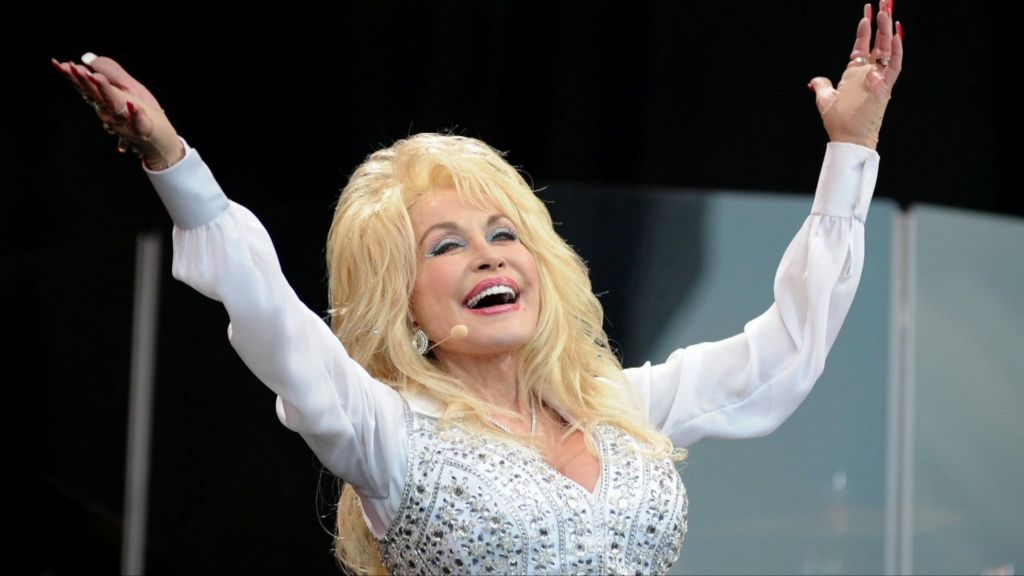
Dolly Parton: The life of a legendary country singer
The world of country music is mourning one of its most iconic and beloved figures after Dolly Parton, the genre-defining singer, songwriter and cultural icon, passed away at the age of 80. The news of her death was shared publicly by her immediate family in an official statement posted to Parton’s own social media channels earlier this week.
Widely regarded as one of the most successful and influential artists in country music history, Parton built a decades-long career defined by her distinctive vocal style, sharp songwriting that blended humor, heartbreak and working-class storytelling, and her larger-than-life personality that transcended the music industry. Beyond her chart-topping discography, which includes dozens of number-one hits and multi-platinum albums, she also built a successful career as an actress, businesswoman and philanthropist, endearing her to audiences far beyond country music fans.
As news of her passing spread, tributes began pouring in from across the entertainment industry, with fellow artists, public figures and fans alike honoring her lasting impact on music and global culture. Her family has not yet released additional details about memorial arrangements or the cause of her death at the time of this reporting.
-
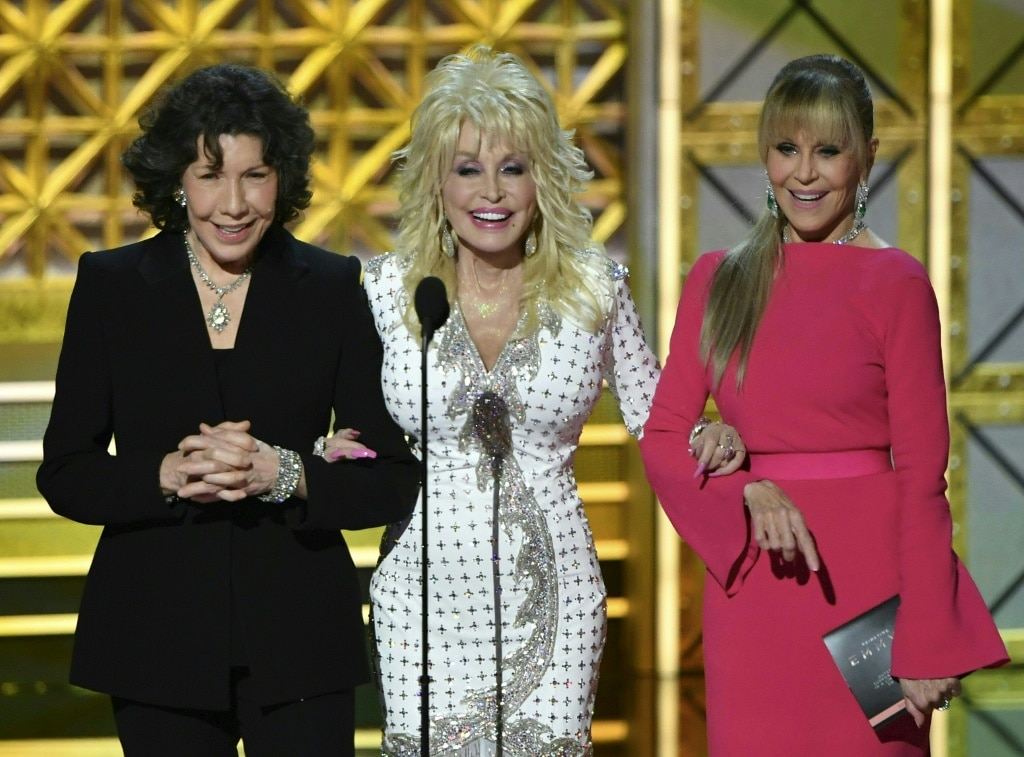
Dolly Parton: Country music’s dolled up but deserving queen
Country music has lost its most iconic, groundbreaking queen. Dolly Parton, the multi-hyphenate talent who redefined the genre, shattered gender barriers in a male-dominated industry, and won the hearts of millions across the globe over a six-decade career, passed away Tuesday at the age of 80.
Born in January 1946 in Sevierville, Tennessee, Parton grew up the fourth of 12 children in a dirt-poor shack tucked in the Great Smoky Mountains. It was in those rural hills that her extraordinary gift first emerged: by age 10, she was already penning raw, deeply emotional tracks about heartbreak and tragedy, and she made her legendary debut on the Grand Ole Opry stage at just 13. The day after she graduated high school, she packed her bags and headed straight for Nashville, the heart of country music, to chase her dream.
By 21, Parton was a household name, after joining Porter Wagoner’s nationally syndicated country television show that brought her voice and one-of-a-kind persona into millions of American living rooms. Over the course of her unmatched career, she released 49 studio albums, notched 26 number-one country hits, sold more than 100 million records worldwide, and earned more chart-topping placements than any other woman in country music history. She took the pop world by storm too, with hits like *Islands in the Stream*, and parlayed her fame into a successful Hollywood acting career, starring in blockbuster films 9 to 5 and Steel Magnolias, even penning the iconic Grammy-winning title track for the former.
Critics long lauded Parton’s distinctive soprano, describing its signature cracked vibrato and ability to shift from a ringing clarity to a soft, wounded whisper as “a dose of mountain purity.” By her own count, she wrote more than 3,000 songs, including two of the most enduring tracks in modern music: the 1973 classic *Jolene*, and the tender ballad *I Will Always Love You*, originally written as a farewell to Wagoner when the pair parted professional ways. The song became a global phenomenon when Whitney Houston recorded it for 1992’s *The Bodyguard*, turning it into one of the best-selling singles of all time. Famously, Parton turned down Elvis Presley’s request to cover the track when he demanded half the song’s publishing rights—Parton retained full ownership of all her work, a savvy business move that set her apart from many artists of her era.
Parton’s larger-than-life persona was impossible to miss: her gravity-defying wigs, bold makeup, and iconic hourglass figure became defining parts of her brand, and critics and fans often initially dismissed her as a ditzy blonde playing up her looks for attention. But that misreading completely missed Parton’s deliberate, brilliant strategy to upend sexism in the music industry. Instead of pushing back against expectations by abandoning her flashy, feminine style, she leaned into it on her own terms, combining her homespun charm with shrewd business acumen to build a multi-million dollar entertainment empire. In 1986, she opened the Dollywood theme park in her home state of Tennessee, which grew into one of the most successful celebrity branding projects in American entertainment history, drawing millions of visitors annually. She went on to launch publishing houses, production companies, a radio station, a line of restaurants, a best-selling novel co-written with James Patterson, and even her own fragrance at age 75, building an enduring legacy far beyond her music.
As Rolling Stone editor David Wild once put it: “She may lead with the boobs but she has the talent to back it all up.”
Offstage, Parton was equally celebrated for her generous philanthropy and commitment to public good. In 2020, she donated $1 million to Vanderbilt University Medical Center, funding research that ultimately supported the development of the Moderna COVID-19 vaccine. Her childhood literacy program has distributed more than 100 million free books to children in need around the world. She was a vocal ally to marginalized communities, and remained a beloved cultural figure well into her later years, boasting 8.6 million Instagram followers in the final years of her life.
Over her career, Parton earned some of the nation’s highest honors for the arts, including a 2006 Kennedy Center Honor, and induction into the Rock and Roll Hall of Fame in 2022—an honor she initially turned down, saying she saw herself as strictly a country artist. Famously, she declined the Presidential Medal of Freedom from former President Donald Trump in 2021, citing concerns about travel during the COVID-19 pandemic, and once humbly said she was unsure she even deserved the accolade.
Parton was married to Carl Thomas Dean from 1966 until his death in 2023; Dean stayed out of the public spotlight for the entirety of their marriage, and Parton famously brushed off endless rumors of extramarital affairs with characteristic wit. When asked by late night host Jay Leno about rumors of dalliances with her co-stars like Sylvester Stallone, she grinned and replied: “I didn’t say I was dead, I said I was married.”
To the end, Parton remained proud of her identity, her unapologetic style, and her trailblazing career. “I love makeup, I love clothes, and I got the personality that can pull it off,” she told National Public Radio in 2001. What began as a childhood singing to chickens outside a Tennessee mountain cabin grew into a legacy that redefined country music, paved the way for generations of female artists, and cemented her status as a one-of-a-kind American treasure.
-
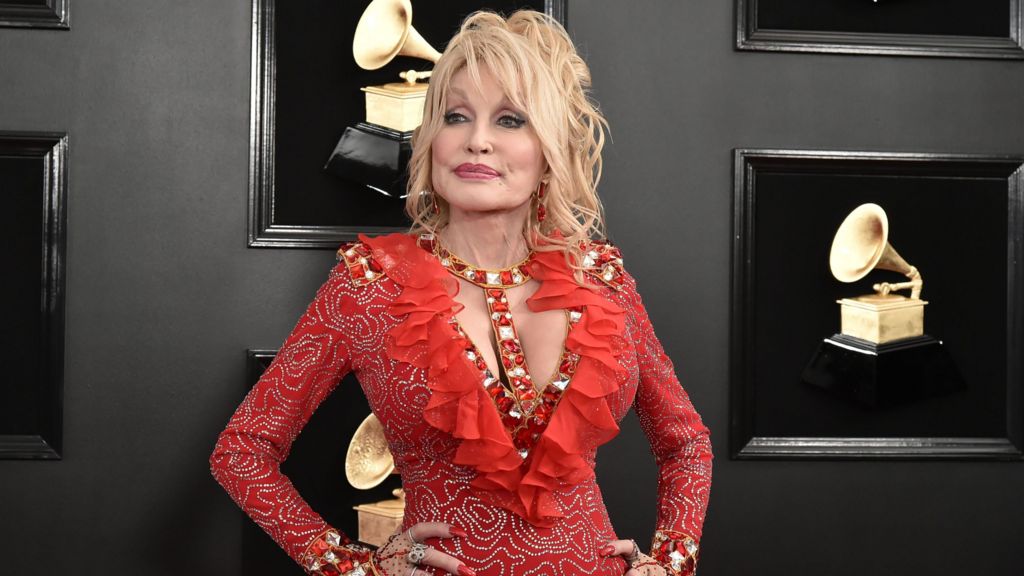
Dolly Parton: The music legend who sang from the heart
Raised in a cramped one-bedroom cabin in the foothills of Tennessee’s Smoky Mountains, Dolly Rebecca Parton emerged from humble poverty to become one of the most iconic and influential figures in country music history. Born in 1946 as the fourth of 12 children to a hardscrabble tobacco farmer, Parton’s entry into the world was as humble as her upbringing: her father paid the delivering missionary with nothing more than a sack of cornmeal.
Music was woven into the fabric of her childhood from the start. Her mother sang traditional folk songs around the home, her aunt wrote songs and played guitar, and by age six, Parton was singing in the local church where her grandfather served as pastor. Her uncle Bill Owens recognized her raw talent early, accompanying her on guitar during her first public performances, and by her teenage years, she had already landed a spot on local television. At just 13 years old in 1959, Parton stepped onto the Grand Ole Opry—country music’s most revered stage—alongside Owens, where she was introduced by Johnny Cash and earned three encores from the captivated crowd, marking the first major milestone of her soon-to-be legendary career.
From her youth, Parton crafted a bold, unapologetic public persona that defied the expectations of 20th century show business. Drawn to the confidence of a local woman often dismissed by small-town gossip, Parton embraced bright makeup, voluminous hair, tight low-cut clothing, and towering heels long before it was widely accepted for female entertainers. When critics pressured her to tone down her look, her iconic blunt response remained unchanged: “Go to hell.” Turning criticism into a clever strategic advantage, she leaned into the “dumb blonde” stereotype as a disguise, later joking, “You’d be surprised how much it costs to look this cheap.” This persona served as both armor and a calling card, helping her cut through the noise of a crowded Nashville entertainment scene.
Just one day after moving to Nashville following her high school graduation in 1964, Parton met Carl Dean, the man who would become her husband. The pair married two years later and remained partners until Dean’s death in 2025. It was also in Nashville that established country star Porter Wagoner took notice of Parton’s talent, hiring her as a regular performer on his popular television program. For seven years, the duo toured and recorded as one of country music’s most beloved duets, but as Parton’s solo star began to rise, tensions grew, with Wagoner viewing her independent success as a threat to his own brand. In 1974, Parton made the difficult decision to leave the show to focus on her solo career, penning the timeless ballad *I Will Always Love You* as a heartfelt goodbye to her former mentor. When Wagoner first heard the track, he cried and called it the prettiest song he had ever heard. That same year, when Elvis Presley planned to record a cover of the track, Parton walked away from the lucrative deal after Presley’s manager demanded half of her songwriting rights—a tough call that protected her creative legacy. Decades later, Whitney Houston transformed the track into a global pop powerhouse, a cover that left Parton so overwhelmed she had to pull her car over when she first heard it on the radio, calling the moment one of the proudest of her life.
Parton’s discography is dotted with some of the most recognizable songs in modern music. In 1969, while traveling on Wagoner’s tour bus, she scribbled the lyrics to *Coat of Many Colours* on the back of a dry cleaning receipt. The deeply personal track, which chronicled her childhood poverty and the boundless love her family shared, has since been ranked by *Rolling Stone* as her second-greatest song, spawning a children’s book and a successful award-winning 2015 television movie based on her life. 1974 brought another timeless hit, *Jolene*, a raw, vulnerable track about a stunning bank clerk who flirted with her husband. The song has been covered by dozens of artists from The White Stripes to Beyoncé, and remains one of her most streamed tracks decades after its release. It was the 1980 theme song for the hit comedy *9 to 5*, however, that catapulted Parton to global mainstream stardom. When Jane Fonda, the film’s star and producer, offered Parton a role in the movie on the condition she write the opening theme, Parton drew inspiration from the clicking of her long acrylic nails (which mimicked the sound of a typewriter) and wrote the track while waiting on set. The song became an enduring anthem for working women, winning a Golden Globe and cementing her status as a cross-over entertainment star.
Beyond her music, Parton established herself as a sharp, ambitious businesswoman who outmaneuvered male industry executives for decades. In 2022, *Forbes* named her one of America’s richest self-made women, a milestone she once joked about by saying, “I look like a woman but I think like a man. I’ve done business with men who think I’m as silly as I look. By the time they realise I’m not, I’ve got the money and gone.” She founded her own independent record label, Dolly Records, and co-opened the Dollywood amusement park in her native Smoky Mountains in 1986. Far more than just a tourist attraction, Dollywood hosts the world’s largest sanctuary for non-releasable bald eagles, and its conservation breeding work contributed to the bald eagle being removed from the endangered species list in 2007.
Through decades of massive success, Parton never forgot her roots. Motivated by her father’s experience of growing up illiterate, she launched the Imagination Library in 1999, a program that mails free books to young children across North America, the UK, and Ireland, distributing millions of books annually to improve childhood literacy. Her Dollywood Foundation has funded college scholarships, built local hospitals, and delivered emergency aid to communities hit by floods and wildfires. During the 2020 COVID-19 pandemic, she donated $1 million to Vanderbilt University Medical Center, funding that contributed directly to the development of the Moderna COVID-19 vaccine.
Over her seven-decade career, Parton has earned 10 Grammy Awards, sold more than 100 million records worldwide, and written over 3,000 songs—an achievement that places her among the most prolific songwriters in modern music history. Though she identifies first and foremost as a songwriter, calling her craft “my therapy” and “my way of expressing myself,” her legacy extends far beyond music. A trailblazer for women in a male-dominated country music industry, Parton has long refused to engage in partisan politics, preferring to unite audiences with her humor, warmth, and message of kindness. Even in her later years, when health issues forced her to postpone a 2026 Las Vegas residency to treat kidney stones, she retained her signature self-deprecating humor, joking that she could not perform dizzy while carrying heavy instruments, wearing five-inch heels, and pulling off her signature rhinestone-covered outfits. When asked how she hoped to be remembered, Parton once offered simple, heartfelt guidance that she lived out every day of her extraordinary life: “Never ignore your roots, your home, or your hair.”
-
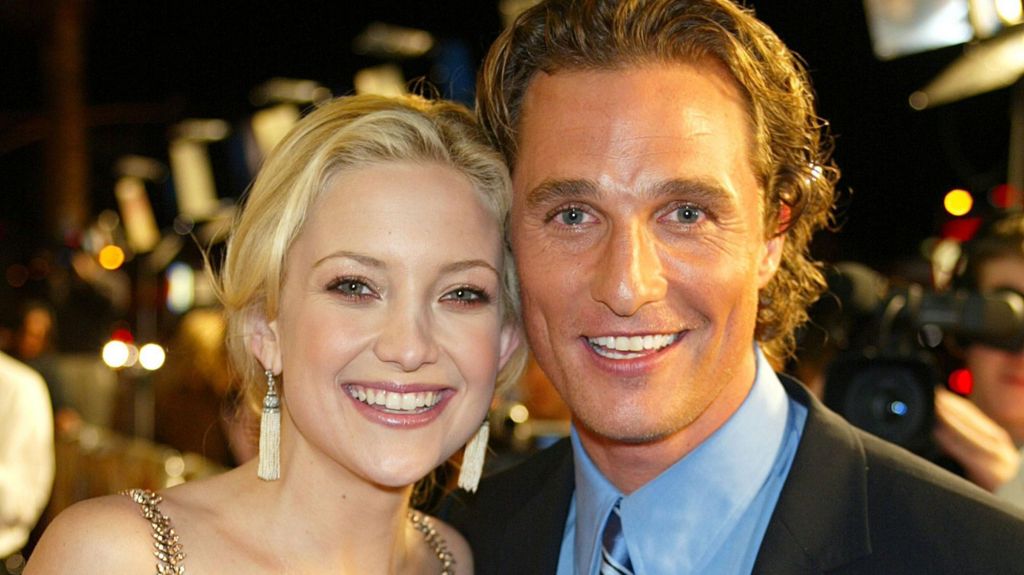
Kate Hudson to make How to Lose a Guy in 10 Days sequel, 23 years on
More than two decades after the beloved 2003 romantic comedy *How to Lose a Guy In 10 Days* first won over global audiences, entertainment industry insiders have confirmed a long-awaited sequel is officially in early development. Original lead actress Kate Hudson is attached to serve as a producer on the project, marking a nostalgic full-circle moment for the star that helped launch her A-list career.
According to anonymous sources familiar with the project who spoke to U.S. entertainment outlets, development is still in its “very early days,” but there is strong possibility that both 47-year-old Hudson and her original co-star Matthew McConaughey will return to reprise their iconic roles as rivals-turned-lovers Andie and Benjamin.
For new audiences unfamiliar with the 2003 classic, the original film follows a witty high-stakes bet that forms the backbone of its beloved romantic premise: Hudson’s character Andie Anderson, a sharp magazine journalist, is tasked with writing a how-to guide on ending a relationship quickly, and makes a deal with her editor that she can get any man to break up with her in just 10 days. Unbeknownst to her, McConaughey’s character Benjamin Barry, an advertising executive, has just made a bet of his own with his boss that he can make any woman fall in love with him within the same 10-day window — with Andie as his chosen target. The resulting clash of wits and unexpected chemistry turned the film into a cultural touchstone of early 2000s rom-coms.
Hudson will lead the sequel’s production alongside veteran producer Stacy Sher, whose decades-long career includes shaping iconic hits such as *Pulp Fiction* and the 2022 *Matilda* musical remake.
When the original film released in 2003, it became a surprise box office juggernaut, grossing nearly $180 million globally against a modest production budget. Beyond its commercial success, the film cemented its place in pop culture history thanks to one key wardrobe piece: the flowing yellow silk Carolina Herrera gown Hudson wore in the film’s climactic scene, which remains one of the most talked-about fashion moments in modern romantic cinema.
In the years since the original film’s release, both leads have gone on to build acclaimed, award-winning careers in Hollywood. Hudson most recently starred in 2025’s *Song Sung Blue*, which earned her a second Academy Award nomination — her first came 24 years prior for her breakout role in *Almost Famous*. McConaughey, meanwhile, claimed his own Oscar win in 2014 for his transformative performance in *Dallas Buyers Club*, and has built a filmography that includes hits from *The Wedding Planner* to the *Magic Mike* franchise. The pair even re-teamed long after their rom-com debut to co-star in the 2008 adventure comedy *Fool’s Gold*.
McConaughey previously opened up about the instant chemistry he shared with Hudson during their first meeting ahead of the 2003 shoot, in a 2024 interview with *People* magazine. “Immediately, we were comfortable with each other, and we jacked with each other, and we busted each other’s chops, and we laughed a lot,” he recalled of their first encounter. “There was a bit of rock and roll exchange, like, ‘Oh, this could be some heavyweight fun.’ And I think that’s why I was cast, and that’s why, for whatever extent, it worked.”
The *How to Lose a Guy In 10 Days* sequel is the latest entry in a growing Hollywood trend of nostalgic follow-ups to beloved early 2000s films, coming hot on the heels of *The Devil Wears Prada 2* — which released 20 years after its original 2006 debut and also centered on a magazine editor assistant named Andy, played by Anne Hathaway.
As of this report, representatives for both Hudson and McConaughey have not yet responded to requests for official comment on the sequel development.
-
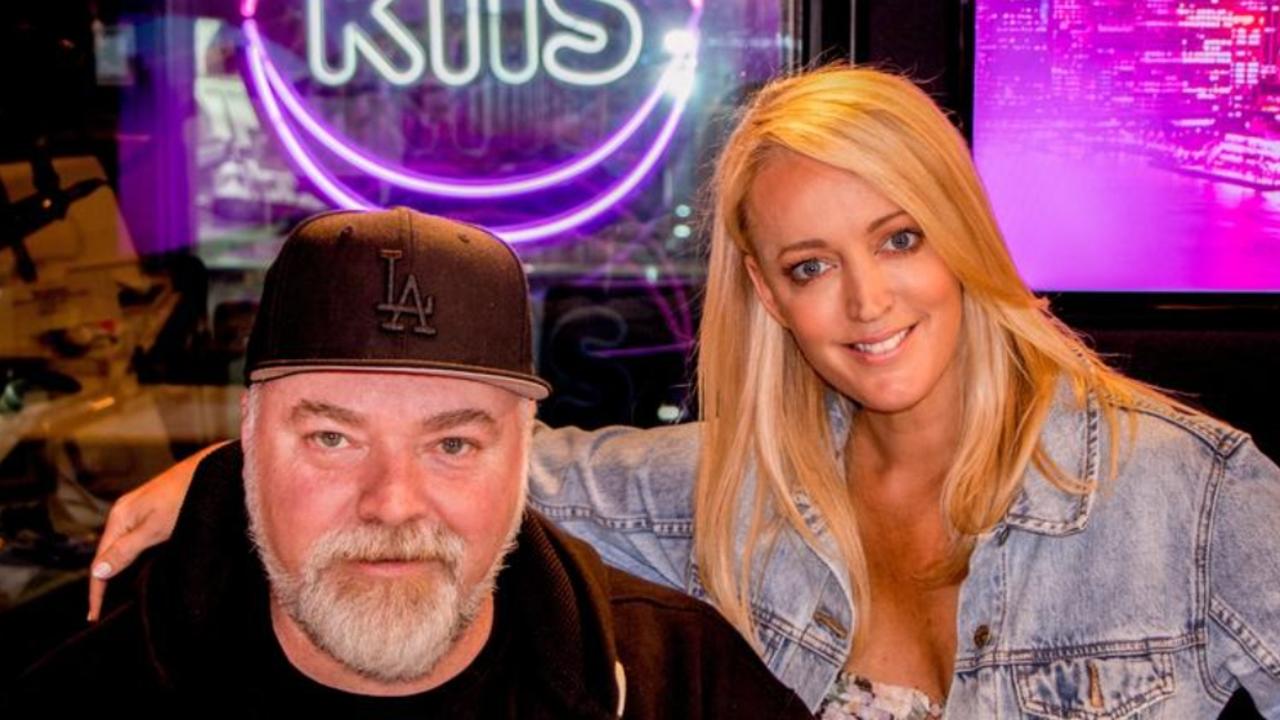
Jackie ‘O’ Henderson claims Kyle Sandilands caused her PTSD, court documents allege
One of Australia’s most high-profile radio personalities has made explosive new claims in an ongoing workplace lawsuit, alleging that years of toxic and unpredictable treatment at the hands of her long-time on-air co-host left her with a diagnosable case of post-traumatic stress disorder.
In a sworn affidavit filed this week with Australia’s Federal Court and made public Tuesday, Jackie “O” Henderson has detailed allegations of persistent workplace bullying against her former KIIS FM co-host Kyle Sandilands, leveling claims against the major radio network ARN, the parent company of KIIS FM, for failing to intervene and protect her from ongoing harm.
The legal filing, which marks Henderson’s first formal public account of the breakdown of her professional partnership with Sandilands, includes expert medical testimony from two psychologists that corroborate her claim that repeated belittling and erratic behavior from Sandilands, compounded by ARN’s inaction, led to her PTSD diagnosis.
Henderson’s account traces the shift in her working relationship back to around 2023, when what she described as once light-hearted on-air banter gradually shifted into what she calls targeted, regular humiliation. “I did not know from day to day whether Mr Sandilands and [his manager] Mr Bouchet would be supportive of me or against me,” Henderson wrote in her sworn statement. “Their behaviour was unpredictable and erratic. I often drove to work with a low level sense of anxiety and dread, which caused me to feel worn down over time. The cumulative effect was that I felt emotionally unsafe in the workplace, even during periods where the relationship appeared outwardly positive.”
The situation boiled over into a public on-air incident in February 2024, when Sandilands launched a harsh criticism of Henderson’s work ethic and commitment on live radio that left her in tears. In the aftermath of the incident, Henderson notified ARN management that she could no longer continue working alongside Sandilands, while ARN ruled Sandilands’ conduct constituted serious misconduct.
The network subsequently terminated both hosts’ contracts. Sandilands filed an immediate breach of contract suit against ARN and ultimately reached a $12 million out-of-court settlement with the company. Henderson, by contrast, launched her own suit against the network alleging breach of workplace rights and a misleading statement issued to the Australian Stock Exchange regarding her departure. She is seeking a minimum of $82.25 million in damages in her ongoing case.
Crucially, Sandilands and his long-time manager Bruno Bouchet are not named as formal parties to Henderson’s current Federal Court suit, even as her claims center on the harm she alleges their behavior caused. Dr Jonathan Phillips, an expert consulted for Henderson’s case, outlined the three contributing factors to her PTSD diagnosis: ongoing bullying by Sandilands, ARN’s failure to provide adequate care and protection, and the publication of the network’s controversial ASX statement about her exit. A second medical assessment from Dr Emma Agnew echoed that conclusion, noting that repeated public belittling, paired with a lack of organizational support, contributed to a measurable decline in Henderson’s emotional wellbeing.
Henderson’s lawsuit remains ongoing, and this week’s newly filed affidavit forms a core part of her legal case against ARN. No trial date has been announced as of yet, and the case continues to unfold in Australia’s federal court system.
-
Australia’s music industry bans AI-generated tracks from official charts
MELBOURNE, Australia – In a landmark move to protect human artists and the integrity of official music rankings, Australia’s peak recorded music industry body has announced it will bar fully artificial intelligence-generated tracks from its flagship charts and annual awards, effective next Monday.
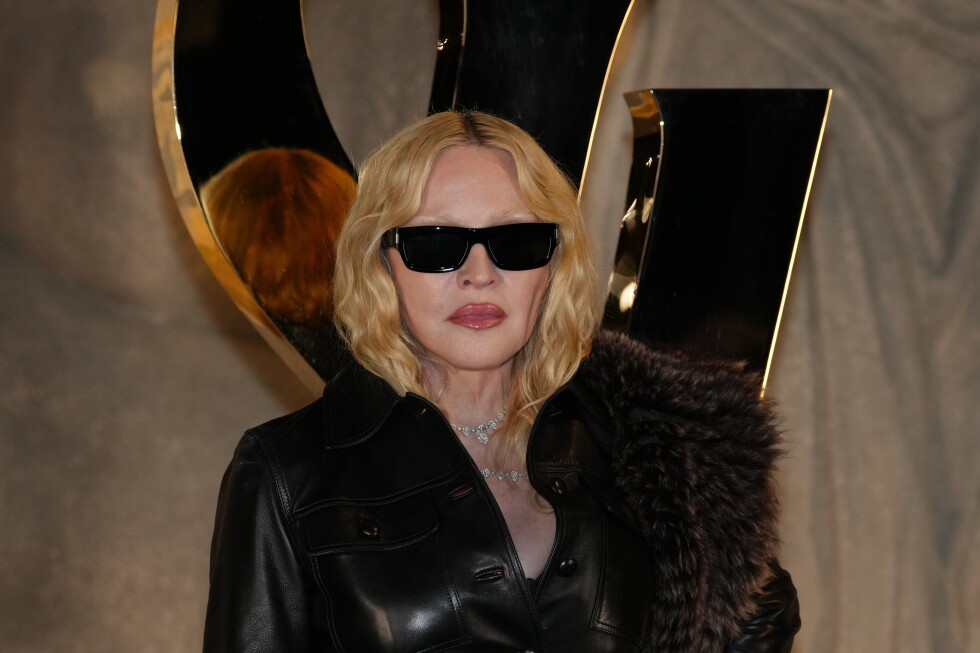
The policy shift comes amid heated global conversation around generative AI’s role in creative industries, sparked by a viral AI-modified version of Madonna’s 1989 hit *Like a Prayer* that has held a spot on Australia’s top 20 singles chart for 16 consecutive weeks. Created by an Australian producer who used AI to generate new vocals and drum tracks for the song, the adapted version climbed to No. 2 on the Australian Record Industry Association (ARIA) Australian Singles Chart in May and still held the No. 4 position as of the announcement date Tuesday.
Under the new rules, only music that meets strict human-led creative criteria will qualify for ARIA charts and the prestigious ARIA Awards. Eligible tracks must feature songwriting, lead vocals, and primary instrumental performance completed by human creators, and any AI tools used in production must be licensed legally. The update allows for music that uses AI as an assistive tool, so long as human creators retain core creative control. Fully AI-generated compositions and performances will be completely excluded from ranking and award consideration.
ARIA chief executive Annabelle Herd framed the policy change as a necessary update for a fast-evolving creative landscape. “These changes reflect our intent to remain dynamic and promote the human nature of artistry in what is — to say the least — a rapidly developing space,” Herd said. She emphasized that the ARIA charts exist to serve as an accurate, transparent reflection of Australian music consumption, noting that allowing unlicensed, fully AI-generated work to compete would undermine the core mission of supporting recorded music created by human artists.
The new Australian rules align with global industry standards established in July by the International Federation of the Phonographic Industry (IFPI), a London-based organization that represents recording industry interests across 70 countries. The IFPI’s global guidelines already require all chart-eligible tracks to be “substantially human made,” matching ARIA’s new framework.
Industry reaction to the announcement has been largely supportive, though many note the broader debate over AI in music remains deeply divided. Alexis Weaver, a composer and lecturer at the Sydney Conservatorium of Music, described the conversation around AI-generated music as “exceptionally fraught and very emotional for a lot of musicians” given the growing threat of unlicensed AI tools trained on artists’ original work without permission. Weaver applauded ARIA’s policy as a “wonderful step forward” that sends a clear signal the industry prioritizes human creative labor.
Weaver added that the new rule strikes a reasonable balance for modern music production, noting that AI tools have become increasingly common in creative workflows. “It can be quite hard to avoid AI tools in the current landscape,” she said. “There is a way to use it while you’re still steering the ship and making the main creative choices.”
The policy change comes as creative industries worldwide grapple with the impact of generative AI, which has lowered barriers to music production but sparked widespread concerns over copyright infringement, unfair competition, and the displacement of human creators.