分类: entertainment

  • Louis Vuitton, Miu Miu close Paris Fashion Week with competing visions of nature

    Louis Vuitton, Miu Miu close Paris Fashion Week with competing visions of nature

    PARIS — The grand finale of Paris Fashion Week witnessed two contrasting yet equally powerful visions from fashion’s leading houses. Louis Vuitton’s Creative Director Nicolas Ghesquière transformed the historic Cour Carrée at the Louvre into a dramatic, artificial mountainscape, while Miuccia Prada at Miu Miu presented a philosophy of radical minimalism on a runway resembling a forest floor.

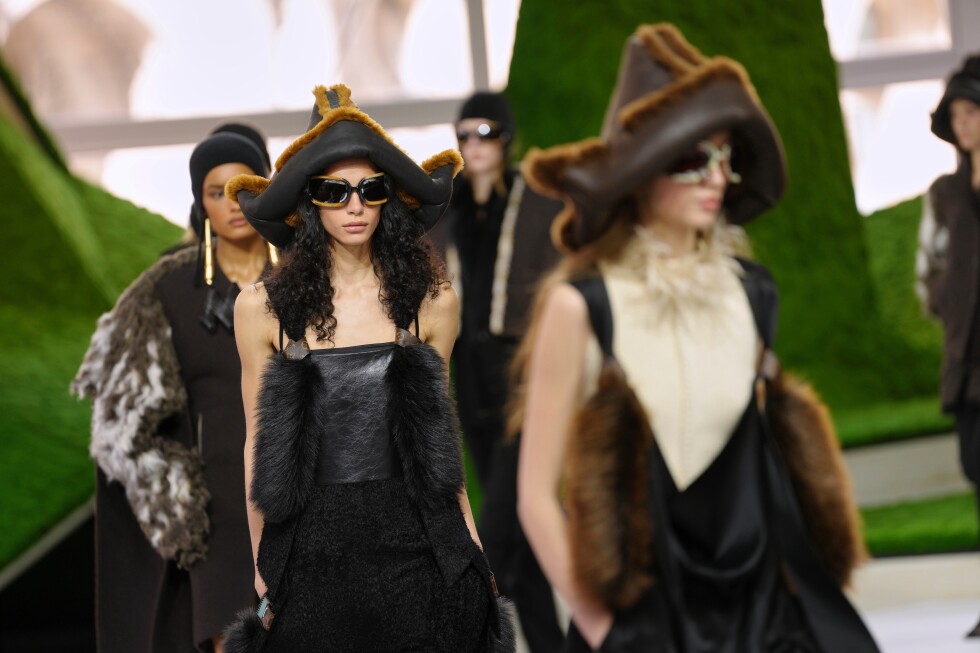
    At Louis Vuitton, the spectacle was immense. Models navigated a constructed alpine environment, clad in a collection Ghesquière dubbed ‘Super Nature.’ This exploration of global mountain cultures—from the Alps to the Andes—manifested in shaggy capes, shearling caps, and utilitarian walking sticks doubling as handbag displays. The show merged folklore with high fashion, featuring intricate embroidery by Ukrainian artist Nazar Strelyaev-Nazarko depicting wolves, sheep, and rabbits, alongside reinterpretations of a Man Ray parure. Accessories became focal points, with the reintroduction of the 1932 Noé bag and mini Malles in soft new iterations. Heels carved like antlers and coats lined with hemp-based faux fur exemplified the house’s ‘hyper-craft’ approach—a sublimation, not imitation, of nature.

    The front row glittered with celebrities including Zendaya, Ana de Armas, Jennifer Connelly, Jaden Smith, K-pop stars Felix and Lisa, and director Ava DuVernay, underscoring the event’s cultural significance.

    Hours later, Miu Miu offered a stark counterpoint. Where Vuitton built a world, Prada deconstructed one. The set was a raw, churned earth landscape scattered with twigs and moss. The collection, comprising tiny tank dresses, shrunken leather jackets, and crinkled blazers, felt intentionally sparse—like ‘the last things left in someone’s wardrobe.’ Prada’s statement was clear: ‘You, as a human person, you are enough… That should be enough against whatever happens.’

    This philosophy extended to the casting. A multi-generational lineup featuring Gillian Anderson, Chloë Sevigny, Kristen McMenamy, and Gemma Ward lent profound weight to the minimalist garments. The only embellishments were deliberate contrasts: crystallized belts, bedazzled sneakers, and embellished chapkas against the quiet fabrics. In a season dominated by protective armor and overwhelming texture, Miu Miu’s closing argument championed the inherent sufficiency of the human form, suggesting that clothing should merely complement, not conceal.
  • Italy buys rare Caravaggio portrait for €30m

    Italy buys rare Caravaggio portrait for €30m

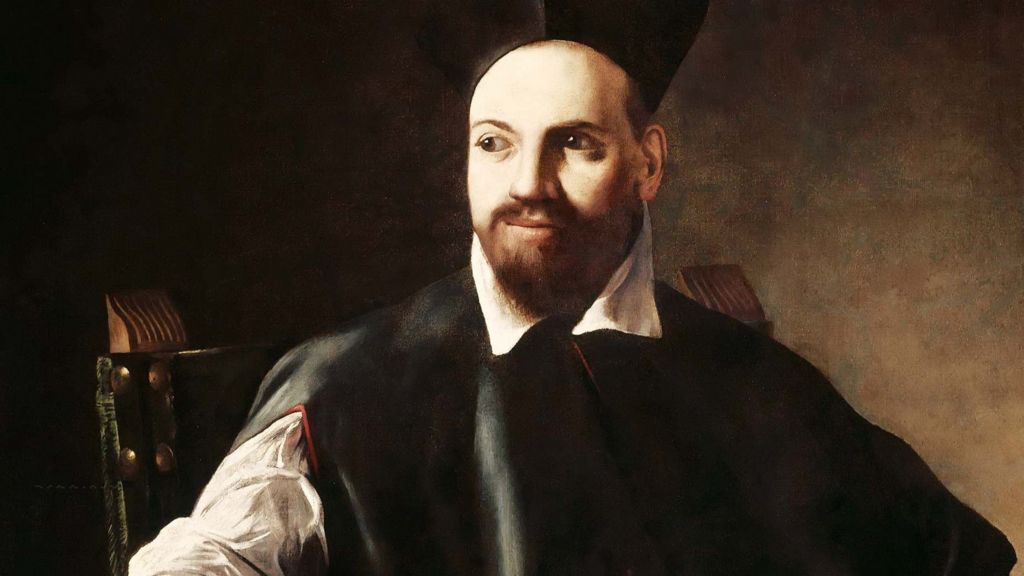
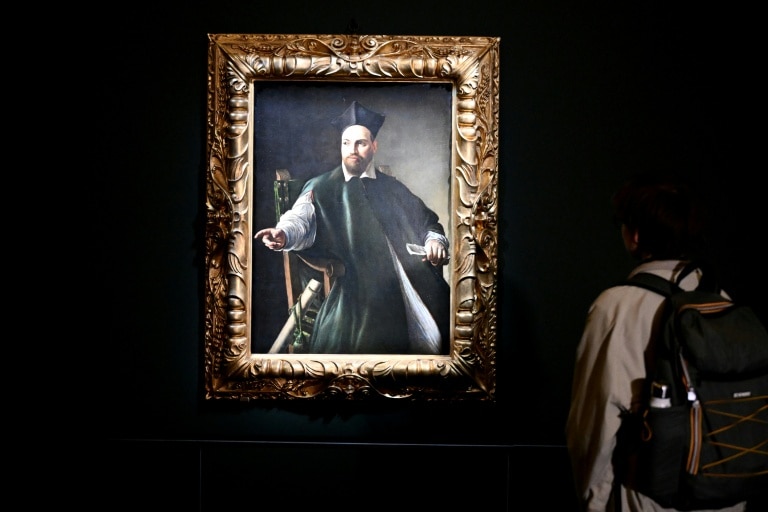
    In a significant cultural preservation move, the Italian government has acquired a rare portrait by Baroque master Caravaggio for €30 million (£25.9 million), marking one of the most substantial public art purchases in the nation’s history. The artwork, depicting Monsignor Maffeo Barberini who later ascended to papacy as Pope Urban VIII, represents an extraordinary addition to Italy’s national collection.

    Culture Minister Alessandro Giuli characterized the acquisition as being of ‘exceptional importance’ within a strategic initiative to safeguard Italy’s artistic legacy from private ownership. The painting, created approximately in 1598, captures Barberini as a bearded cleric gesturing authoritatively with his right hand—a testament to Caravaggio’s mastery of psychological depth through portraiture.

    Previously housed in a private Florentine collection, the artwork made its public debut in Rome during 2024. It has now been permanently transferred to the Palazzo Barberini, the historical Roman residence of the subject’s family, where it will join other works by the renowned artist. This placement ensures public and scholarly access to a piece that might otherwise have remained hidden in private hands.

    Caravaggio (1571-1610), born Michelangelo Merisi, remains celebrated for his revolutionary chiaroscuro technique—the dramatic interplay of light and shadow that infused his compositions with visceral realism. Of his approximately 65 surviving works globally, only three are confirmed portraits, making this acquisition particularly significant for art historical studies.

    The purchase forms part of the Ministry of Culture’s broader campaign to strengthen Italy’s cultural heritage through strategic acquisitions. Minister Giuli emphasized the ongoing commitment to ‘make art history masterpieces accessible to scholars and enthusiasts’ that would typically enter private markets, acknowledging the collaborative efforts of cultural institutions and technical experts in facilitating this achievement.

    Barberini, who served as pope from 1623 until his death in 1644, was himself a notable arts patron during his papacy, adding historical resonance to the government’s acquisition of his portrait by one of art history’s most influential figures.

  • Italy buys rare Caravaggio portrait for 30 million euros

    Italy buys rare Caravaggio portrait for 30 million euros

    In a monumental cultural acquisition, the Italian government has finalized the purchase of a rare Caravaggio portrait for €30 million, marking one of the most significant public art investments in the nation’s modern history. The artwork, a striking portrait of Monsignor Maffeo Barberini—who would later ascend to the papacy as Urban VIII—was executed by the Renaissance master Michelangelo Merisi da Caravaggio during the subject’s thirties, predating his papal election in 1623.

    The Italian Ministry of Culture confirmed the transaction on Tuesday, announcing that the painting will become a permanent centerpiece of the Barberini Museum collection in Rome. Culture Minister Alessandro Giuli hailed the acquisition as ‘a work of exceptional importance,’ emphasizing its role in a broader national strategy to enhance Italy’s cultural patrimony, following the recent purchase of Antonello da Messina’s ‘Ecce Homo.’

    Authenticated in 1963 by renowned art historian Roberto Longhi, the portrait had remained in private hands until now. Its previous owners permitted a historic public display at Palazzo Barberini—the noble family’s historic Roman residence—for a special Caravaggio exhibition running from November 2024 through February 2025. Museum director Thomas Clement Salomon described the loan as ‘exceptional,’ noting it marked the artwork’s first-ever museum appearance.

    The composition depicts Barberini seated, clutching a letter in his left hand while gesturing pointedly toward the viewer with his right. Among the approximately 65 works securely attributed to Caravaggio worldwide, portraits are exceedingly rare, with only three universally accepted by scholars. This acquisition not only preserves a masterpiece but strengthens the narrative continuity between Barberini’s secular life and his eventual papacy, which spanned from 1623 until his death in 1644.

  • Margot Robbie, Oprah watch Blazy transform Chanel with color and craft

    Margot Robbie, Oprah watch Blazy transform Chanel with color and craft

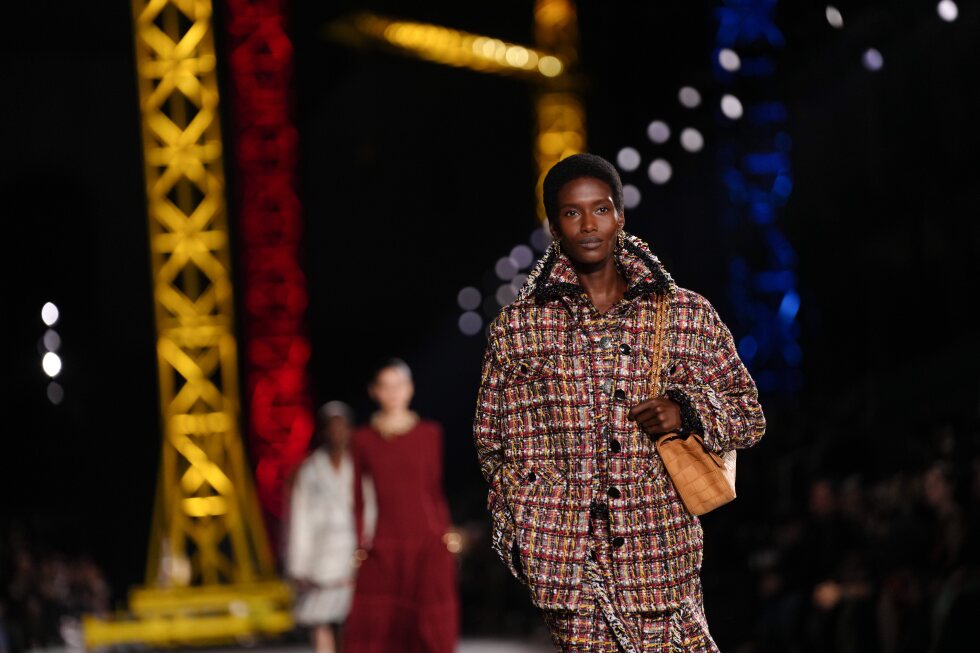
    PARIS — Chanel’s creative director Matthieu Blazy presented his sophomore ready-to-wear collection at Paris Fashion Week on Monday, transforming the Grand Palais into a construction site with holographic floors and towering cranes. The architectural theme served as a metaphor for Blazy’s ongoing reconstruction of Chanel’s design legacy, six months into his tenure.

    The collection drew inspiration from Gabrielle “Coco” Chanel’s philosophy: “We need dresses that crawl and dresses that fly.” Blazy masterfully balanced opposing forces—minimalism versus extravagance, functionality versus fantasy—demonstrating greater discipline than his October debut.

    Opening looks established a foundation of austerity with black knit zip-ups, tweed blousons, and boxy overshirts distinguished only by four gold buttons. These minimalist pieces represented what Blazy called “the first brick” in his architectural approach to fashion.

    The most provocative design innovation emerged in silhouette experimentation, with waistlines dramatically dropped to mid-thigh level. Retro flapper influences filtered through a contemporary lens manifested in drop-waisted twinsets, patchwork dresses with floral embroidery, and vibrant patterned knits pulsating with 1920s energy.

    The collection’s finale addressed commercial considerations with dazzling sequined plaid suits, star-chart embroidered coats, and metallic mesh woven to mimic traditional tweed. Spectacular elements including fabric blossoms, trailing ribbons, layered ruffles, and insect-wing detailing transformed the runway into theatrical spectacle.

    Blazy cast models spanning teenagers to women in their fifties, allowing the presentation to breathe during a nearly five-minute runway circuit. The show concluded with seven pared-back black and cream looks, signaling that while innovation continues, Chanel’s essential identity remains intact.

  • Has Hollywood golden boy Timothée Chalamet lost his shine?

    Has Hollywood golden boy Timothée Chalamet lost his shine?

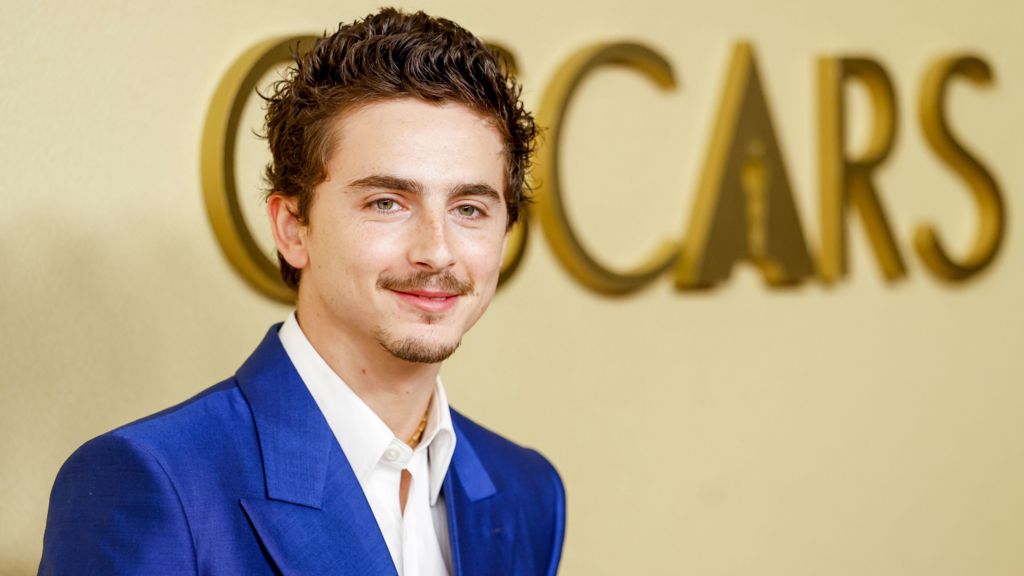
    Timothée Chalamet’s trajectory as the predicted Best Actor winner at this weekend’s Academy Awards has undergone a dramatic reversal following controversial remarks about classical performing arts. The actor, previously considered Hollywood’s golden boy and frontrunner for his performance in ‘Marty Supreme,’ now faces significant industry backlash after stating that “no-one cares” about ballet or opera anymore.

    The comments, made during a lengthy interview with Matthew McConaughey, were apparently intended to express Chalamet’s concern about cinema becoming a minority pursuit. However, the delivery sparked immediate condemnation from arts communities. Prominent theater critic Ian Brown labeled him “an absolute fool” on BBC Radio London, while opera singer Isabel Leonard criticized what she perceived as “cheap shots at fellow artists.”

    Seattle Opera responded with clever marketing, offering 14% discounts using promo code TIMOTHEE—a reference to Chalamet’s joke about losing “14 cents in viewership.” Despite the defensive reactions, recent National Endowment for the Arts data partially supports Chalamet’s underlying point: opera attendance declined from 2.2% to 0.7% of the U.S. population between 2017-2022, with ballet dropping from 8.2% to 4.7%.

    The controversy’s timing proved particularly damaging, coinciding with the final Oscar voting period. While Variety’s London bureau chief Alex Ritman notes the peak occurred after voting closed, the damage to Chalamet’s momentum was already evident. The actor failed to secure key precursor wins at both the Baftas and Actors Awards, diminishing his frontrunner status.

    Industry analysts point to additional factors beyond the arts comments. Chalamet’s highly publicized relationship with Kylie Jenner and their coordinated orange outfits during ‘Marty Supreme’ promotions created perception issues. Michael Schulman, author of ‘Oscar Wars,’ observes that the actor’s transition from “braggadocio” persona during film promotion to attempted humility during awards season created cognitive dissonance among voters.

    Further complicating matters are reports about the casting of a minor in a sensitive role in director Josh Safdie’s previous film. Meanwhile, competitor Michael B. Jordan’s dignified response to an onstage incident at the Baftas—where a guest with Tourette’s shouted a racial slur—reportedly boosted support for his film ‘Sinners.’

    Prediction site Gold Derby now gives Jordan over 50% odds for Best Actor, compared to Chalamet’s 34%. Yet despite the shifted dynamics, industry observers acknowledge that Chalamet’s exceptional performance still makes him a viable contender as the Academy prepares for Hollywood’s biggest night.

  • Former ARN worker reveals chat with Jackie O after split with Kyle

    Former ARN worker reveals chat with Jackie O after split with Kyle

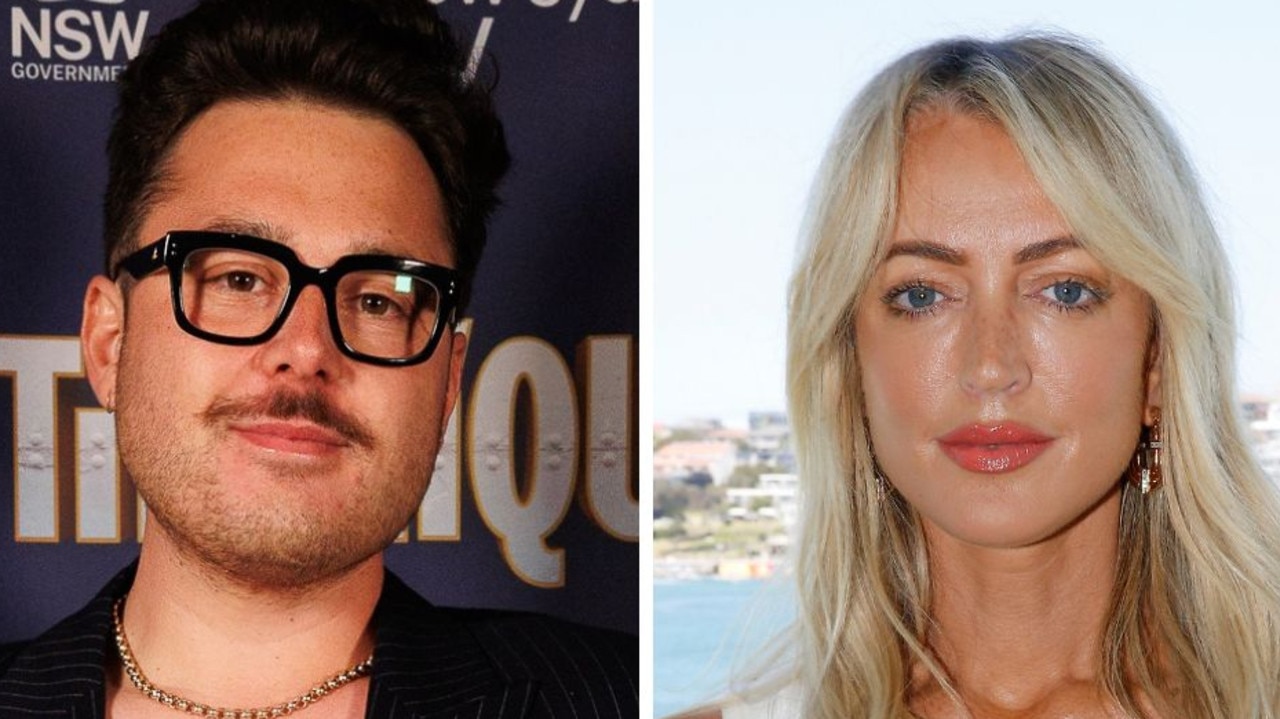
    A decade-long collaborator with the iconic Kyle and Jackie O show has broken his silence regarding the duo’s dramatic separation, offering unprecedented insight into Jackie O’s personal reflections and the broader implications for Australia’s radio landscape. Mitch Churi, who worked alongside the radio titans for ten years before launching his own podcast, addressed the industry-shaking split during a recent episode of The Mitch Churi Chat Show.

    Churi, who began as an assistant to the pair in 2014 before creating their popular ‘Cash Cock’ segment, revealed he has maintained contact with Jackie O since the unexpected dissolution of their 27-year partnership. According to Churi, Jackie O has reached a significant personal realization after enduring considerable professional challenges. ‘She’s one of those people who, for her entire life, has prioritized others’ needs above her own desires,’ Churi stated, expressing genuine happiness for her current position of self-discovery.

    The radio personality emphasized the unparalleled nature of the duo’s chemistry, describing their 27-year collaboration as ‘exceptional’ in an industry where maintaining connection and authenticity for even a few years is considered an achievement. Churi argued that Kyle and Jackie O fundamentally shaped Australian radio’s structural and chemical blueprint, influencing generations of broadcasters.

    However, Churi warned that the show’s abrupt ending exposes critical vulnerabilities within the industry’s talent development system. He specifically questioned parent company ARN’s preparedness, noting the absence of a clear succession plan or recognizable talent to fill the void left by the iconic hosts. ‘The KIIS audience no longer has familiar voices to transition to during this period,’ Churi observed, highlighting the network’s shortage of established personalities.

    Rather than attempting to recreate the magic of Kyle and Jackie O, Churi advocates for a fundamental reimagining of Australian radio. He believes the industry stands at a crossroads: either embrace a new wave of broadcasting talent or risk stagnation by trying to replicate an irreplaceable formula. This perspective comes amid reports that Sandilands has been instructed by ARN to remedy the situation with his former co-host, though specific details remain undisclosed.

  • Watch: Dozens of trombones play at pioneering salsa musician’s funeral

    Watch: Dozens of trombones play at pioneering salsa musician’s funeral

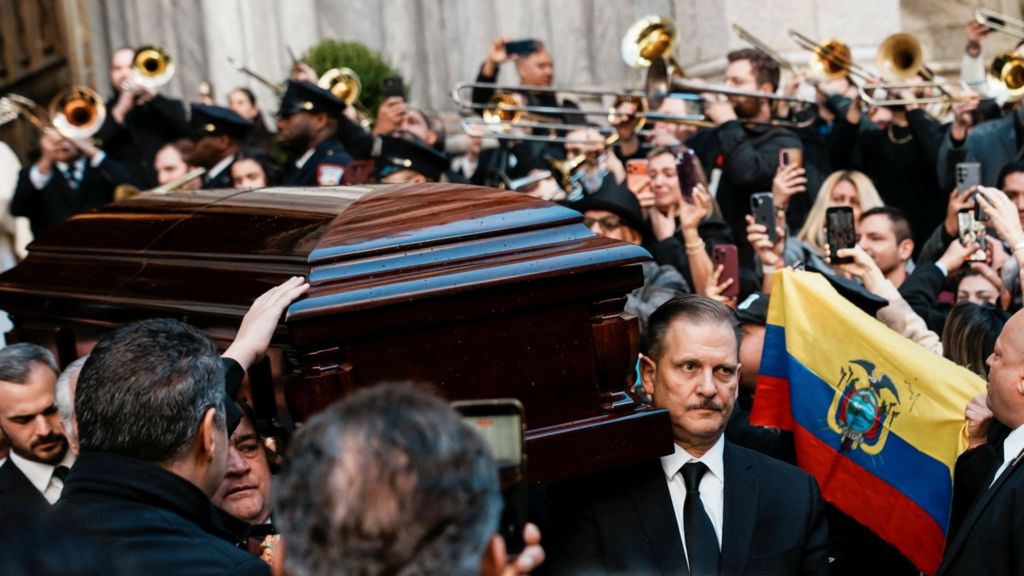
    New York City witnessed a monumental tribute to salsa legend Willie Colón as dozens of trombonists filled St. Patrick’s Cathedral with a powerful brass symphony during his funeral procession. The iconic musician, who passed away in February, received a sendoff befitting his revolutionary status in Latin music.

    Colón’s groundbreaking career transformed the salsa genre through his distinctive trombone-heavy arrangements and socially conscious lyrics. The funeral ceremony brought together generations of musicians and fans, creating a poignant intersection of cultural celebration and solemn remembrance.

    The massive brass ensemble performed both traditional hymns and Colón’s most beloved compositions, their collective sound reverberating through the cathedral’s vaulted ceilings. This musical homage acknowledged Colón’s role in popularizing the trombone as a lead instrument in salsa, breaking from conventional trumpet-dominated arrangements.

    The event highlighted Colón’s dual legacy as both musical innovator and community advocate. Beyond his artistic contributions, he remained actively engaged in social causes throughout his life, particularly within New York’s Puerto Rican community where he began his career in the 1960s.

    This extraordinary musical procession stands as testament to Colón’s enduring influence on Latin music and culture worldwide, marking the departure of a true pioneer whose sound continues to resonate across generations and borders.

  • Stars hit Paris runways, but fall’s real trend was dressing for hard times — and real life

    Stars hit Paris runways, but fall’s real trend was dressing for hard times — and real life

    PARIS — The autumn-winter 2024 season at Paris Fashion Week transcended its traditional celebrity spectacle to deliver a profound industry reset. While front rows featured Oprah Winfrey, Rooney Mara, and Diane Kruger, the collections themselves addressed a pressing contemporary question: How does one dress for a world characterized by darkness, instability, and constant exposure?

    Three distinct aesthetic movements emerged across major houses, signaling a collective departure from pandemic-era comfort dressing toward more protective and intentional fashion statements.

    The dominant trend featured what critics are calling ‘armor for anxious times.’ At Balenciaga, Creative Director Pierpaolo Piccioli collaborated with ‘Euphoria’ creator Sam Levinson to present a collection exploring darkness and light. This manifested in guarded silhouettes: balloon bombers, cocoon backs, and portrait collars that physically framed models’ faces. Similarly, Sarah Burton’s third Givenchy collection presented multiple visions of strength through exact tailoring, strong coats, and peplum hips, while maintaining connection to real-life contexts. Most radically, Junya Watanabe transformed motorcycle gear and emergency blankets into couture-like forms, and McQueen’s Seán McGirr explored paranoia through slashed leather trousers and chainmail textures that simultaneously suggested exposure and defense.

    The second significant shift occurred in silhouette. After years of oversized dominance, Paris runways embraced sharper, more body-conscious lines. Celine’s Michael Rider led this transition with coats and suits sitting closer to the torso, cropped flare trousers, and crisp narrow overcoats for menswear. This new sharpness wasn’t restrictive but character-driven—classic clothes reimagined with stranger proportions and more exact lines. The trend appeared across other houses: Burton relaxed her previously strict hourglass shapes at Givenchy without abandoning structure, while McQueen’s low-rise minis and neat boots continued the body-aware direction.

    The third trend redefined luxury glamour by embracing imperfection. Designers consciously incorporated friction and raw emotion into their presentations. Andreas Kronthaler at Vivienne Westwood staged a simultaneous exploration of grief, eroticism, and disorder through rough seams, smudged lipstick, and unfinished bridal looks. This appetite for authenticity permeated the week: Rider hinted at complex inner lives beneath beautiful surfaces, Piccioli maintained darkness through strategic shadow, and Burton populated Givenchy with distinct female characters rather than a singular ideal.

    Collectively, these movements indicate fashion’s pivot from escapism toward resilience. The most compelling collections didn’t attempt to make the world disappear but rather to equip women with sartorial armor for navigating contemporary realities.

  • ‘One Battle After Another’ location manager explains THAT car chase

    ‘One Battle After Another’ location manager explains THAT car chase

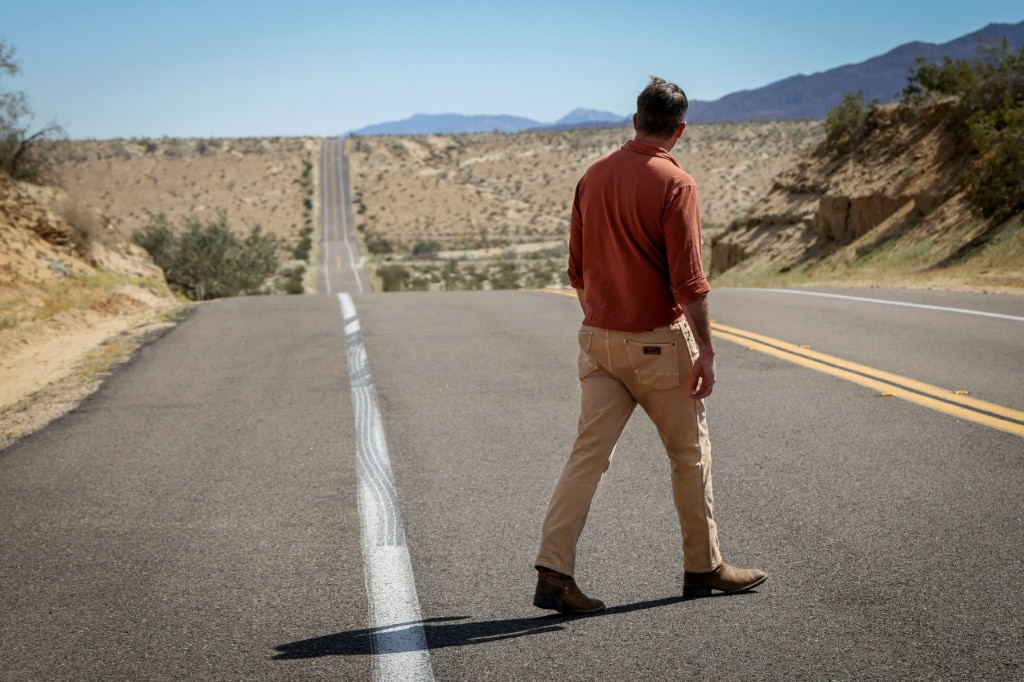
    While conventional Hollywood car chases typically feature urban environments with screeching tires and vehicular collisions, Paul Thomas Anderson’s Oscar-nominated masterpiece “One Battle After Another” pursued an entirely different vision. Location manager Michael Glaser revealed to AFP how the film’s climactic desert pursuit emerged from an unconventional setting: Southern California’s undulating Highway 78, poetically dubbed the “River of Hills.”

    This serpentine asphalt ribbon with its blind peaks and hidden troughs created a uniquely visceral chase sequence that stands apart in cinematic history. Anderson’s signature low-angle cinematography places audiences directly inside the roaring vehicles—a Ford Mustang, Dodge Charger, and modified purple Nissan Sentra—creating an immersive, palm-sweating experience.

    The location itself functions as a metaphorical landscape reflecting the psychological struggle of protagonist Bob Ferguson (Leonardo DiCaprio), a faded revolutionary forced back into action when his daughter (Chase Infiniti) disappears. As Ferguson battles through decades of drug-induced haze to recall passwords and safe houses, he must outmaneuver the deranged Colonel Lockjaw (Sean Penn), hired by wealthy right-wing extremists.

    Glaser, who guided AFP through the actual filming locations in Imperial County, described the road as embodying the characters’ dynamic: “It’s the characters pulling and pushing each other through something.” The production utilized multiple desert locations including Borrego Springs’ “The Texas Dip” among approximately 200 sites Glaser proposed.

    Editor Andy Jurgensen detailed the meticulous filming process: “We shot over multiple days, capturing all necessary angles from front and rear perspectives while maintaining spatial consistency before assembling the final sequence.”

    Glaser, whose role begins early in pre-production and continues through filming completion, emphasized how locations serve as “subconscious characters” that establish mood, visual palette, and emotional context. The film’s geographical journey mirrors its narrative arc—transitioning from Eureka’s lush greenery through central California’s winery country to the desert’s stark bleakness where the story culminates.

    The location scouting process evolved organically, with Glaser comparing it to tree growth: “Some branches would die off, and others would sprout up.” The desert’s isolation particularly shaped the film’s third act, creating an environment where characters exist beyond societal constraints or assistance.

    As “One Battle After Another” enters the Academy Awards with 13 nominations, Glaser reflects that while location managers don’t fit traditional award categories, their contribution remains fundamental: “Everyone’s DNA is in the film. We’re not directing it. We’re not in front of the camera. But there’s a little piece of us.”

  • At Hermès, Nadège Vanhée turns Paris twilight into a state of mind

    At Hermès, Nadège Vanhée turns Paris twilight into a state of mind

    PARIS — Hermès transformed the prestigious Garde Républicaine barracks into an immersive olfactory experience during Paris Fashion Week, presenting its fall-winter collection through a multisensory showcase that redefined luxury fashion presentation.

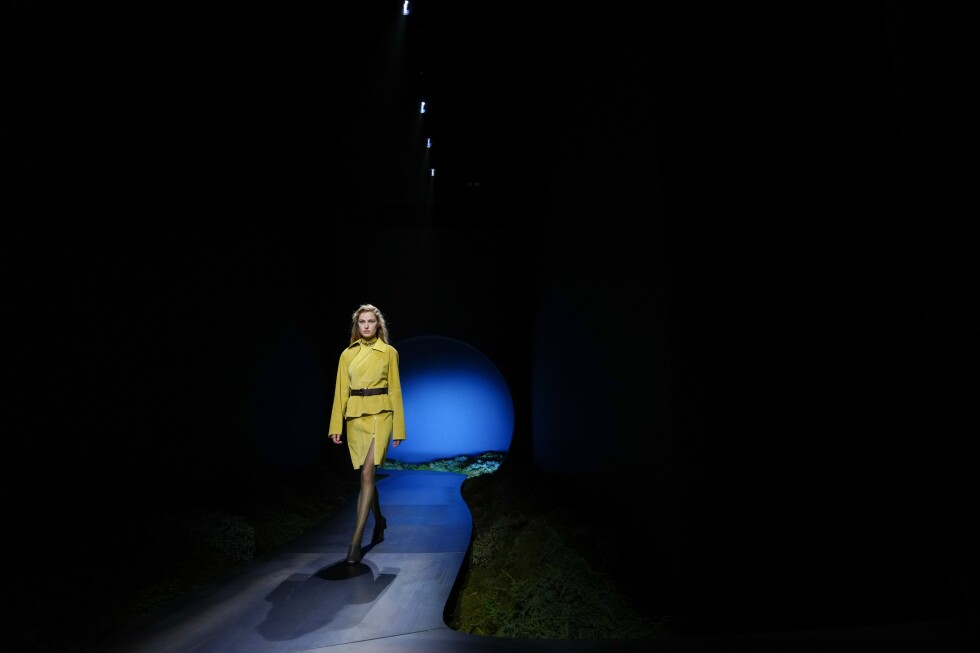
    The venue’s floor was entirely carpeted with thick, damp moss that emitted the rich, earthy scent of humus, creating an atmospheric forest environment. Models emerged from luminous circular openings in the walls, resembling figures stepping through full moons, as they traversed a raised, winding catwalk above the vegetation.

    Creative Director Nadège Vanhée, who has helmed Hermès womenswear since 2014, titled the collection “Entre chien et loup” – a French expression referring to dusk’s ambiguous moment when distinguishing between dog and wolf becomes challenging. The presentation achieved Vanhée’s intended effect of disrupting conventional fashion show expectations without resorting to gimmicks.

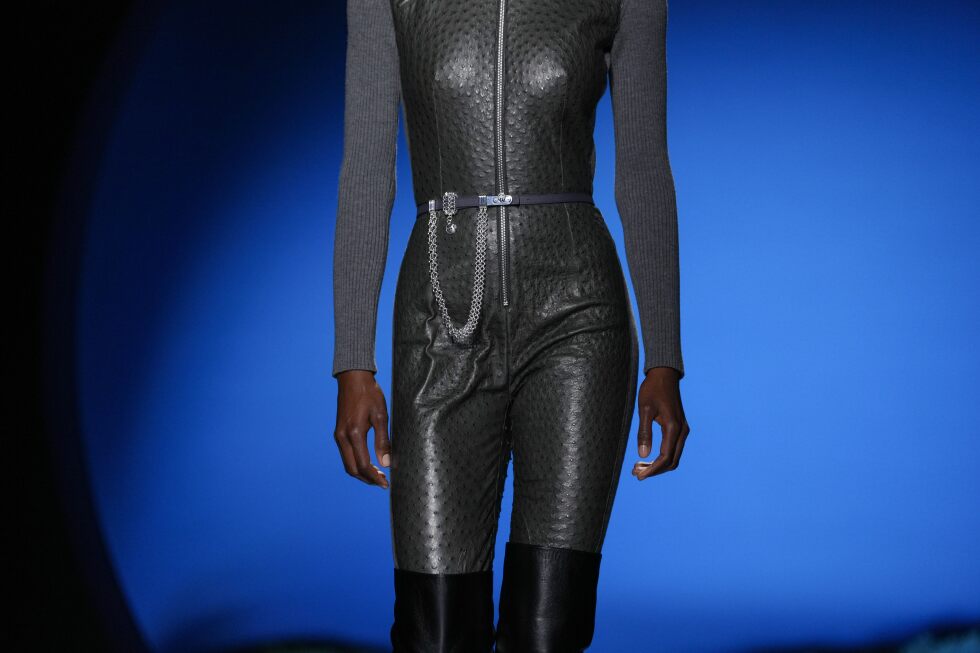
    The collection itself presented muscular, body-conscious designs built for movement rather than mythological references. Leather dominated the lineup, featuring fluid overcoats with substantial Tuscan sheepskin collars and zip-front mini dresses in deep blue that revealed contrasting shirts beneath. A standout orange ostrich-leather jumpsuit combined biker attitude with Hermès’ signature refinement.

    The house’s equestrian heritage surfaced in jodhpurs and flat-heeled riding boots, while glossy lambskin cycling shorts paired with aviator jackets introduced urban elements. Vanhée’s color palette avoided conventional darkness, instead transitioning through sulfur yellow, oxblood red, forest green, and iridescent burgundy – surfaces that captured and transformed light dynamically.

    Functional zips appeared throughout the collection, slicing diagonally across jackets or running the full length of dresses, suggesting garments could be reconfigured and renewed. Double-breasted blazers and cigarette trousers provided tailored structure, while quilted silks printed with cloud-strewn skies offered moments of softness.