分类: business

  • Australian sharemarket slides as rising oil price fears hit major miners

    Australian sharemarket slides as rising oil price fears hit major miners

    Australia’s financial markets concluded Friday’s session in negative territory as mounting apprehensions over escalating oil prices counteracted robust performances within the banking sector. The benchmark S&P/ASX 200 receded by 11.90 points, representing a 0.14 percent decline to settle at 8617.10. The broader All Ordinaries index mirrored this downward trajectory, closing 12.30 points lower at 8939.10, while the Australian dollar experienced a marginal 0.2 percent depreciation against the US dollar.

    Despite the overall market decline, six out of eleven sectors registered positive movements. The financial sector emerged as the primary outperformer, with investors accumulating banking stocks ahead of the Reserve Bank of Australia’s forthcoming policy meeting. Market analysts widely anticipate an interest rate hike in response to persistent inflationary pressures. Commonwealth Bank advanced 1.26 percent to $173.76, while National Australia Bank surged 1.53 percent to $47.11. Westpac and ANZ completed the positive banking sector performance with gains of 1.11 percent and 0.49 percent respectively.

    Conversely, the resources sector faced substantial selling pressure amid concerns that elevated energy costs would adversely impact mining operations. BHP witnessed a 2.31 percent decline to $49.80, while Northern Star Resources plummeted 18.75 percent following a disappointing operational outlook. Lynas Rare Earths similarly retreated by 2.22 percent to $20.70.

    The ongoing geopolitical tensions in the Middle East continued to propel crude oil prices upward, with Brent crude maintaining levels above $101 per barrel. This represents a significant escalation from pre-conflict prices of approximately $65 per barrel recorded just thirteen days prior. Market analysts have revised their conflict duration expectations, now anticipating a more prolonged disruption to global energy supplies that could potentially trigger broader inflationary consequences and alter consumer behavior patterns.

    In corporate developments, Qantas shares declined 0.69 percent after reaching a $105 million settlement regarding COVID-19 flight credits, while Collins Foods decreased 0.60 percent following a $9 million class action settlement. Electro Optic Systems emerged as a notable outperformer, soaring 18.35 percent after securing a substantial defense contract. Biotechnology firm Immutep experienced catastrophic declines of 88.61 percent after discontinuing a key clinical trial.
  • Iran war brings history’s largest oil supply disruption, says IEA

    Iran war brings history’s largest oil supply disruption, says IEA

    The International Energy Agency (IEA) declared on Thursday that military actions against Iran have triggered the most severe supply disruption in global oil market history. According to the agency’s monthly market assessment, joint U.S.-Israeli airstrikes initiated on February 28 have created unprecedented volatility, with Brent crude futures approaching $120 per barrel amid critical supply chain interruptions.

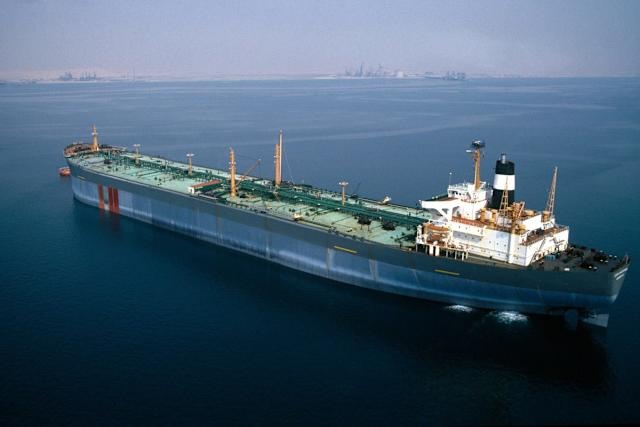
    The strategic Strait of Hormuz, traditionally facilitating approximately 20% of global oil transit, has experienced catastrophic declines in tanker traffic. Gulf nations are now compelled to slash production capacities as storage facilities reach maximum capacity. IEA Executive Director Fatih Birol characterized the situation as requiring “emergency collective action of unprecedented size” as 32 member nations unanimously agreed to release 400 million barrels from strategic petroleum reserves.

    Market tensions intensified substantially when Iran’s new Supreme Leader Mojtaba Khamenei vowed to maintain the Strait’s closure indefinitely. Concurrently, Iraq suspended all terminal operations following attacks on two vessels off its coast, with Iranian forces claiming responsibility for targeting a U.S.-affiliated tanker.

    The conflict’s environmental consequences have raised international concern, as the World Health Organization warned populations about exposure to toxic chemicals from black rain and acidic precipitation resulting from bombed energy infrastructure. Amnesty International’s regional director Heba Morayef emphasized that attacks on energy installations potentially violate international humanitarian law, creating “devastating civilian harm including uncontrolled fires, essential service disruptions, and severe long-term health risks for millions.”

    The convergence of supply constraints, military actions, and environmental hazards has created a multidimensional crisis with far-reaching implications for global energy security and economic stability.

  • Qantas agrees to pay $74m over Covid-19 travel voucher refunds

    Qantas agrees to pay $74m over Covid-19 travel voucher refunds

    Australian national carrier Qantas Airways has reached a landmark settlement of A$105 million (approximately £55 million or $74 million) to resolve a class action lawsuit concerning its refund practices during the COVID-19 pandemic. The legal action was initiated on behalf of passengers whose flights were cancelled between 2020 and 2022, alleging the airline improperly issued travel credits instead of providing timely cash refunds.

    Echo Law, the firm leading the class action, asserted that Qantas engaged in misleading conduct by withholding refunds that customers were legally entitled to receive. The settlement amount nearly doubles the A$55 million that Qantas had previously anticipated paying, as indicated in its February financial reports. Notably, the airline agreed to the settlement without admitting liability, maintaining this position in its Friday statement.

    The resolution awaits formal court approval, after which detailed claim procedures will be communicated to affected customers. This development follows Qantas’s 2023 policy change removing expiration dates from pandemic-era flight credits, enabling immediate cash refund requests.

    In a related legal matter, Echo Law is pursuing similar action against budget carrier Jetstar, alleging comparable practices regarding travel credit valuations. Meanwhile, Qantas continues to address recent regulatory challenges, including a record A$90 million fine imposed in August 2025 for unlawfully terminating approximately 1,800 ground staff during the pandemic—the largest penalty ever levied by Australian courts for industrial relations violations. CEO Vanessa Hudson has publicly apologized for the workforce reductions, acknowledging the harm caused to employees and their families.

  • Customer sues Costco for tariff refunds

    Customer sues Costco for tariff refunds

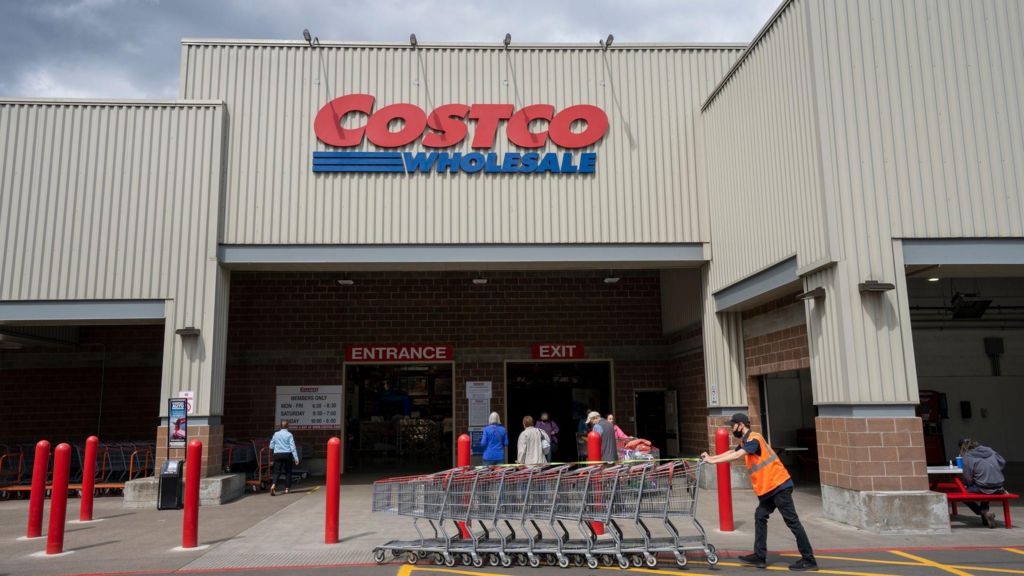
    A significant legal challenge has emerged against retail giant Costco, initiated by customer Matthew Sockov through a proposed class action lawsuit. Filed in an Illinois federal court, the suit alleges that Costco stands to potentially recover its tariff expenses twice—first from consumers via elevated pricing and subsequently from government reimbursements. Sockov contends this constitutes ‘unjust enrichment’ and seeks judicial intervention to mandate refunds to affected shoppers.

    This litigation arises amidst broader complexities surrounding approximately $166 billion in tariff reimbursements owed to U.S. companies. The refund obligation follows last month’s Supreme Court decision to invalidate numerous tariffs imposed during the Trump administration, which utilized the International Emergency Economic Powers Act (IEEPA) of 1977 to levy duties on imports from dozens of countries. The Court of International Trade has since directed the government to commence refund distributions, though operational challenges persist.

    Goldman Sachs research cited in the complaint estimates consumers bore roughly two-thirds of the tariff burdens. With over 330,000 importers eligible for refunds, the Trump administration recently requested a 45-day period to develop an electronic processing system, warning that existing infrastructure could be overwhelmed by manual claims processing.

    Costco, among thousands of enterprises seeking reimbursements, has not publicly commented on the lawsuit. However, CEO Ron Vachris recently told analysts the company remains uncertain about ‘what refunds, if any, will be received,’ noting that full tariff costs weren’t always passed to members. Vachris committed that if reimbursements occur, Costco would ‘return this value to our members through lower prices and better values’ with transparency.

    Other corporations including FedEx have pledged to refund tariff reimbursements to affected clients, highlighting how businesses are navigating post-tariff financial reconciliation.

  • How Iran war laid bare the world’s reliance on Gulf oil and gas

    How Iran war laid bare the world’s reliance on Gulf oil and gas

    The escalating military conflict between the US-Israel alliance and Iran has triggered a severe global energy crisis, with Asia experiencing the most acute impacts due to its profound dependence on Gulf petroleum exports. Crude oil prices have surged beyond $100 per barrel—representing a staggering 33% increase—following aerial assaults on energy infrastructure and the effective closure of the Strait of Hormuz, a critical maritime channel handling 20% of worldwide oil shipments.

    Asian economies face particularly severe disruptions, as approximately 90% of hydrocarbons transiting the Strait of Hormuz were destined for the region last year. This dependency affects every level of society, from household electricity generation and transportation to industrial manufacturing. Even historically oil-producing nations like Malaysia and Indonesia have become increasingly import-reliant over the past decade, heightening regional vulnerability.

    The crisis exposes structural dependencies in Asia’s energy infrastructure. Refineries throughout Southeast Asia are specifically calibrated to process Middle Eastern ‘heavy sour’ crude varieties, making rapid supplier diversification practically impossible. “Substantial capital investment would be required to modify refinery specifications,” explains Jane Nakano of the Center for Strategic and International Studies, highlighting the technical constraints preventing swift adaptation.

    Governments across Asia are implementing emergency measures to mitigate the crisis. The Philippines—which sources 95% of its crude from the Middle East—has instituted a four-day workweek for public employees. Thailand has mandated elevated air conditioning temperatures in government buildings, while Vietnam and Bangladesh have witnessed panic-buying queues at fuel stations amid 60% diesel price increases. Regional authorities are aggressively promoting remote work arrangements and fuel conservation protocols.

    The energy shock has cascaded into food security concerns, with transportation cost inflation affecting agricultural imports. Singapore’s 90% food import dependency and Indonesia’s complete reliance on foreign wheat illustrate the region’s vulnerability to logistics disruptions. Jet fuel prices have skyrocketed by nearly 60%, compounding supply chain pressures.

    Policy responses vary globally: South Korea implemented fuel price caps, Japan introduced wholesaler subsidies, and European nations like France saw energy corporations voluntarily limiting prices. China remains comparatively insulated through massive strategic petroleum reserves and continued Iranian oil imports despite US sanctions. With electric vehicles comprising one-third of new car sales and coal-dominated power generation, China experiences reduced consumer impact from petroleum price fluctuations.

    While European nations have diversified gas supplies since the Ukraine conflict—now primarily sourcing from Norway and the US—analysts note they remain indirectly affected. David Oxley of Capital Economics observes that “Asian customers displaced from Qatari supplies are competing for alternative resources, driving global price increases.” The United States, having expanded domestic fracking operations, demonstrates greatest resilience to the supply shock, though limited export infrastructure constrains its ability to offset global shortages.

  • Jo Malone sued for using her own name in collaboration with Zara

    Jo Malone sued for using her own name in collaboration with Zara

    In a landmark legal confrontation shaking the fragrance industry, cosmetics conglomerate Estée Lauder Companies has initiated litigation against renowned British perfumer Jo Malone. The dispute centers on Malone’s recent collaboration with fast-fashion retailer Zara, which Estée Lauder claims violates longstanding trademark agreements.

    The controversy stems from the 1999 acquisition where Estée Lauder purchased Malone’s original brand, Jo Malone London, including comprehensive commercial rights to her name. Although Malone’s current venture, Jo Loves, technically operates separately, Estée Lauder contends that packaging materials for the Zara collaboration improperly featured the designation: ‘A creation by Jo Malone CBE, founder of Jo Loves’.

    Legal documents filed against Malone, her company Jo Loves, and Zara UK allege both trademark infringement and breach of contractual obligations. According to Financial Times reports, additional claims include ‘passing off’ – a legal concept addressing consumer confusion about product origins.

    The Zara partnership, launched in 2019, represents Malone’s continued entrepreneurial activity since departing from her namesake brand. Malone has publicly expressed regret about relinquishing control of her name for commercial purposes, though Estée Lauder emphasizes she received substantial compensation and previously honored agreement terms for years.

    A spokesperson for Estée Lauder stated: ‘While we respect Ms. Malone’s right to pursue new opportunities, legally binding contractual obligations cannot be disregarded. When terms are breached, we must protect the brand we’ve invested in and built over decades.’

    Malone’s fragrance journey began in early-1990s London, where she gained renown for innovative scents inspired by British botanicals. Her original brand expanded significantly under Estée Lauder’s ownership, becoming a global powerhouse in luxury fragrances, candles, and bath products.

    Neither Malone nor Zara UK has offered public commentary regarding the ongoing litigation, though the BBC confirms attempts to seek Malone’s perspective.

  • Conflicts push up fuel costs in Australia

    Conflicts push up fuel costs in Australia

    Escalating military tensions in the Middle East are generating significant economic headwinds for Australia, with analysts warning of sustained pressure on consumer prices and broader economic stability through disrupted global supply chains.

    Economic experts indicate that joint US-Israeli military operations against Iran and subsequent regional instability are creating ripple effects that will impact the Australian economy through multiple channels. While Australia sources most refined fuel from Asian refineries, the global nature of oil pricing means domestic consumers remain vulnerable to international price fluctuations.

    Harry Murphy Cruise, Head of Economic Research and Global Trade at Oxford Economics Australia, explained: “The primary transmission mechanism is undoubtedly petroleum products. Even crude processed in Asian facilities often originates from the Gulf region, leaving Australian motorists exposed to price spikes that could exacerbate existing inflationary pressures.”

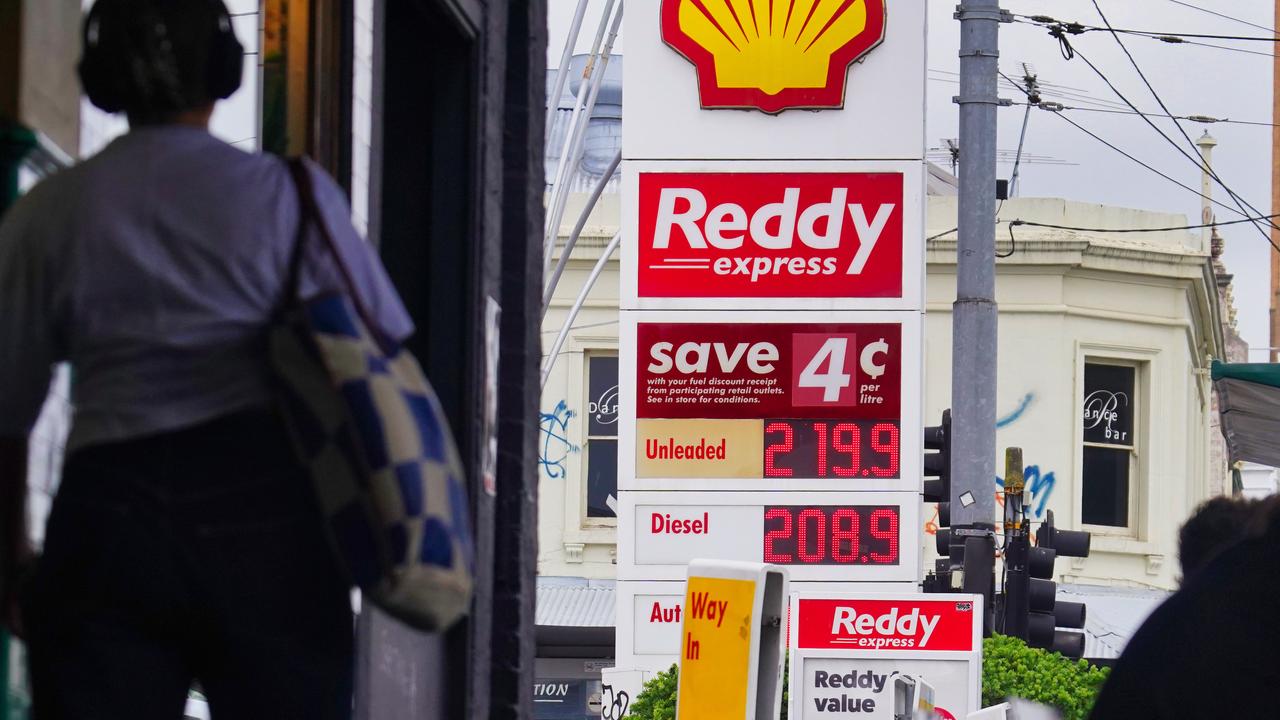
    Current data reveals concerning trends at fuel stations nationwide. New South Wales government monitoring indicates premium 95 gasoline reached A$2.29 per liter across NSW and the Australian Capital Territory this week, substantially higher than the A$2.12 recorded on March 4.

    The economic implications extend beyond pump prices. Commonwealth Bank analysis confirms automotive fuel price volatility significantly influences Australia’s Consumer Price Index, the primary inflation gauge. Higher transportation costs potentially create a dual impact: directly elevating certain prices while simultaneously reducing household disposable income for other expenditures.

    Shane Oliver, Chief Economist at AMP Financial Services, quantified the relationship: “Roughly each $1 per barrel increase in oil prices translates to approximately one cent per liter increase at Australian petrol stations. These increases impart a dampening effect on economic growth by forcing household budget adjustments.”

    In response to growing consumer concerns, the Australian Competition and Consumer Commission (ACCC) has intensified market surveillance. Commissioner Anna Brakey issued explicit warnings to fuel retailers: “Making false or misleading statements regarding price increases would violate Australian Consumer Law. We’ve communicated expectations to major fuel companies regarding pricing practices during these international developments.”

    Despite these challenges, Australia maintains certain economic buffers. Prime Minister Anthony Albanese noted the nation’s strengthened position with “the largest fuel reserves in 15 years,” while Cruise highlighted potential benefits for Australia’s liquefied natural gas export sector from elevated global gas prices.

  • ASX plunges as traders price in interest rate hikes amid surging oil costs

    ASX plunges as traders price in interest rate hikes amid surging oil costs

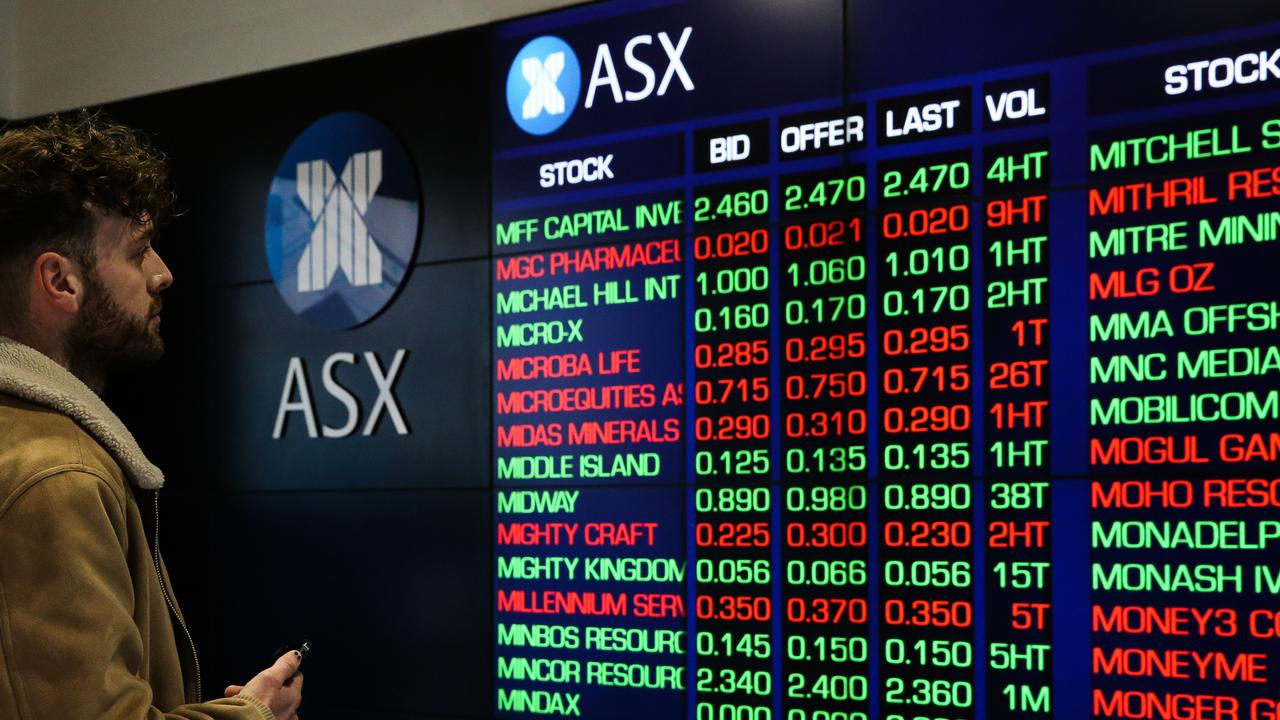
    Australia’s financial markets experienced significant turbulence on Thursday as escalating oil prices and mounting expectations of interest rate increases triggered a massive selloff. The benchmark ASX 200 index plummeted 114.50 points, representing a 1.31% decline to close at 8629 points, while the broader All Ordinaries index dropped 125.40 points (1.40%) to settle at 8851.40. This dramatic downturn erased approximately $40 billion from the local market valuation.

    The market’s negative sentiment was predominantly driven by Brent crude oil prices surpassing $100 per barrel during Asian trading hours. The energy sector emerged as the sole beneficiary of this development, with Woodside Energy gaining 2.07% to $31.05, Santos advancing 1.49% to $7.49, and Ampol climbing 2.89% to $30.27.

    Conversely, major mining corporations faced substantial pressure, with BHP declining 1.89% to $50.90, Rio Tinto falling 1.42% to $153.09, and Fortescue dropping 1.50% to $19.68. The banking sector similarly suffered losses, with Commonwealth Bank decreasing 0.62% to $171.60, National Australia Bank sliding 1.96% to $46.40, Westpac retreating 1.19% to $40.54, and ANZ slumping 2.53% to $37.02.

    Market analysts attribute this volatility to growing concerns that rising energy costs will exacerbate inflationary pressures, potentially forcing the Reserve Bank of Australia to implement multiple interest rate increases. IG market analyst Tony Sycamore noted that markets are now pricing in 68 basis points of rate hikes by year-end, citing heightened consumer inflation expectations and hawkish commentary from RBA officials.

    Money markets currently indicate a 76% probability of an interest rate hike following next Tuesday’s RBA meeting. The Australian dollar strengthened marginally against the US dollar, trading at 71.33 US cents amid expectations of domestic monetary tightening.

    In corporate developments, Collins Foods surged 5.2% to $9.92 after announcing expansion into the German market through the acquisition of eight new restaurants in Bavaria. Conversely, IperionX shares collapsed 14.29% to $6.12 following the release of half-year results showing net losses doubling to US$34.8 million (A$49 million).

  • Brent crude oil tops $100 a barrel as Iran attacks on shipping worsen supply concerns

    Brent crude oil tops $100 a barrel as Iran attacks on shipping worsen supply concerns

    BANGKOK — International oil markets experienced significant volatility on Thursday as Brent crude prices surged beyond $100 per barrel, reigniting concerns about global economic stability. This development follows a recent spike that saw prices approach $120, creating substantial pressure on financial markets worldwide.

    The current price escalation stems directly from intensified geopolitical tensions in the Middle East. Iran has dramatically increased attacks on commercial shipping routes near the critical Strait of Hormuz, effectively disrupting approximately 20% of globally traded oil that passes through this strategic waterway. These targeted operations against oil infrastructure in Gulf Arab nations represent a calculated effort to inflict economic consequences that might pressure the United States and Israel to cease military operations.

    In response to the escalating crisis, the International Energy Agency convened an emergency meeting on Wednesday, resulting in an unprecedented decision to release 400 million barrels from global emergency petroleum reserves. This historic intervention aims to counterbalance supply disruptions and stabilize energy markets. Concurrently, the United States announced plans to deploy 172 million barrels from its Strategic Petroleum Reserve next week.

    The coordinated action came after energy ministers from the G7 nations—Canada, the United States, France, Italy, Japan, Germany, and Britain—held urgent consultations in Paris to develop strategies for mitigating soaring energy costs.

    Financial markets worldwide reflected the uncertainty, with Asian indices experiencing notable declines. Japan’s Nikkei 225 dropped 1.8%, South Korea’s Kospi fell 1.2%, and Hong Kong’s Hang Seng declined 1.2%. U.S. futures indicated a 1% decrease, while currency markets saw the dollar strengthen against the yen and euro.

    Analysts from Oxford Economics warned that volatility will likely persist given the absence of a clear timeline for conflict resolution and the effective closure of the Strait of Hormuz. The report suggested that depending on developments, oil prices could potentially spike as high as $140 per barrel.

    The situation has renewed concerns about stagflation—a combination of high inflation and economic stagnation—particularly as U.S. consumer prices remained 2.4% higher in February compared to the previous year, exceeding the Federal Reserve’s target. The recent oil price surge has further complicated monetary policy decisions, with traders revising expectations for potential interest rate cuts.

  • Fears over Middle East conflict sends Australian sharemarket plunging again on Thursday

    Fears over Middle East conflict sends Australian sharemarket plunging again on Thursday

    The Australian equities market experienced significant declines on Thursday as surging oil prices defied the largest coordinated emergency reserve release in history, creating heightened volatility across trading sessions.

    Market analysts observed trader skepticism toward mixed messaging emerging from the White House regarding Middle Eastern conflicts, particularly comments from former US President Donald Trump characterizing military operations as largely complete. Despite these assertions, benchmark indices recorded substantial losses, with the ASX 200 dropping 109.90 points (1.26%) to 8633.60 and the All Ordinaries declining 122.50 points (1.34%) to 8854.30.

    The commodity markets witnessed dramatic movements, with Brent Crude soaring 7.75% to $99.10 per barrel and West Texas Intermediate rallying 7.5% to $93.80 per barrel. This price surge occurred despite the International Energy Agency’s unprecedented announcement that 32 member nations would release 400 million barrels from strategic petroleum reserves—the largest coordinated drawdown since the agency’s establishment following the 1970s oil crisis.

    Commonwealth Bank’s head of commodities and sustainability research, Vivek Dhar, provided critical context regarding supply disruptions. His analysis indicates that while 19% of global oil shipments typically transit the Strait of Hormuz, currently only 3-5% of global supply successfully navigates this crucial passage. Dhar projects that oil prices could potentially reach $120-150 per barrel, noting that current market conditions reflect unprecedented supply disruption levels that nearly double previous historical events.

    The market volatility throughout the week included a temporary spike to $120 per barrel followed by fluctuations, demonstrating trader uncertainty about both supply stability and geopolitical developments. Experts emphasize that energy markets have yet to fully price in the prolonged disruption potential stemming from ongoing Middle Eastern tensions, creating continued uncertainty for global markets.