分类: business

  • Fathima Healthcare Group celebrates Christmas with employees at FMC Network corporate office

    Fathima Healthcare Group celebrates Christmas with employees at FMC Network corporate office

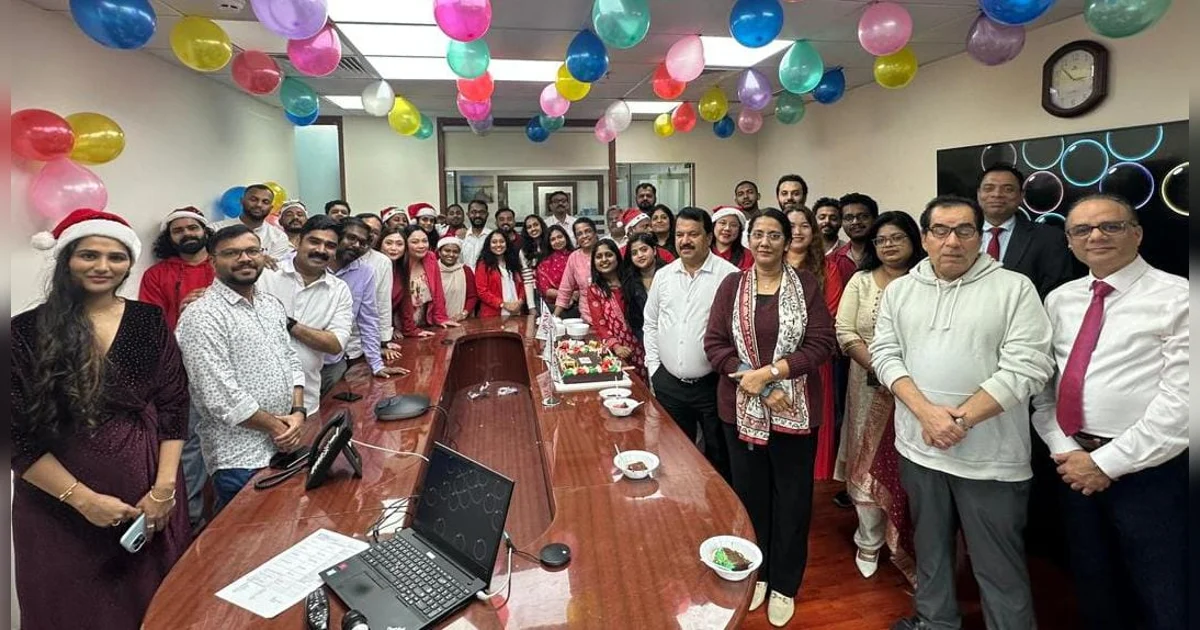
    Fathima Healthcare Group transformed its FMC Network corporate office in Bur Dubai into a vibrant holiday venue, hosting an elaborate Christmas celebration that emphasized organizational unity and employee appreciation. The December gathering served as both a seasonal festivity and a strategic reinforcement of the Group’s corporate values.

    The event featured meticulously orchestrated team dance performances, musical presentations, and extensive festive decorations that created an atmosphere of genuine camaraderie. Employees from various departments and hierarchical levels participated enthusiastically, demonstrating their creative talents while building cross-functional relationships in an informal setting.

    Dr K P Hussain, Founder Chairman, and Dr Beena Hussain, Executive Director, personally addressed the assembled staff, extending Christmas greetings and emphasizing the organization’s foundational principles of joy, unity, and togetherness. Their presence underscored leadership’s commitment to maintaining a people-centric culture that aligns with the Group’s long-term vision.

    Beyond seasonal merriment, the celebration represented a deliberate investment in organizational culture—reinforcing Fathima Healthcare Group’s dedication to creating an inclusive workplace environment where professional excellence coexists with strong community bonds. The event successfully translated corporate values into tangible experiences, highlighting how the organization celebrates both diversity and shared achievement.

    This gathering exemplifies contemporary corporate approaches to employee engagement, where festive celebrations serve dual purposes: acknowledging cultural diversity within multinational workforces while strengthening the social fabric that supports operational excellence throughout the year.


  • What is tea? India imposes penalty on brands that use ‘misleading’ name for herbal infusions

    What is tea? India imposes penalty on brands that use ‘misleading’ name for herbal infusions

    India’s principal food regulatory body has instituted rigorous labeling protocols specifically governing the commercial use of the term ‘tea’ on consumer products. The Food Safety and Standards Authority of India (FSSAI) has issued an official directive to food commissioners across all states and union territories, establishing clear parameters for product classification.

    According to the new standards, only beverages derived from the Camellia sinensis plant—including varieties such as Kangra tea, green tea, and instant tea—are permitted to carry the ‘tea’ designation on packaging. The regulatory authority has classified the application of the term to herbal infusions or plant-based beverages not originating from this specific botanical source as fundamentally misleading marketing practice. This categorization falls under the legal definitions of misbranding as outlined in the Food Safety and Standards Act of 2006.

    The comprehensive directive explicitly mandates that all food business operators—encompassing manufacturers, packers, marketers, importers, and e-commerce platforms involved in product sales—must adhere to these revised regulations. Furthermore, the FSSAI has reinforced packaging requirements stipulating that the front-facing display of every product must accurately identify the food’s composition and true nature.

    Non-compliance with these updated standards will trigger enforcement actions pursuant to the established legal framework, potentially resulting in significant penalties for violators. This regulatory enhancement aims to foster greater transparency within India’s substantial tea market, ensuring consumers receive accurate product information and preventing marketplace confusion regarding beverage composition and origins.

  • Why the AI rally (and the bubble talk) could continue next year

    Why the AI rally (and the bubble talk) could continue next year

    The artificial intelligence sector continues to drive unprecedented market transformations while simultaneously fueling debates about potential economic overheating. According to financial analysts, 2025 marked a pivotal year where AI technologies fundamentally reshaped global markets and contributed significantly to economic expansion, potentially accounting for nearly half of U.S. GDP growth during the first half of the year.

    Market indicators reveal extraordinary performance within the technology sector. Nvidia achieved historic milestone by reaching a $5 trillion market valuation in late October, while the Morningstar Global Next Generation Artificial Intelligence index surged approximately 40% through mid-December, dramatically outperforming the tech-heavy Nasdaq Composite. The collective market dominance of the ‘Magnificent 7’ tech giants—Alphabet, Amazon, Apple, Meta, Microsoft, Nvidia, and Tesla—now represents 34% of the S&P 500’s total value.

    Despite these impressive metrics, concerns about potential market inflation persist. A Deutsche Bank Research survey indicates that 57% of global asset managers identify waning AI enthusiasm and declining tech valuations as the primary threat to the ongoing bull market. Analysts suggest the current environment might represent multiple overlapping bubbles in valuation, investment, and technology development rather than a single unified bubble.

    The infrastructure demands of AI development have triggered massive construction initiatives, particularly in data center expansion. This building boom has created substantial pressure on energy resources, with U.S. data center electricity consumption projected to more than double by 2030 according to International Energy Agency estimates. Major technology firms have committed hundreds of billions to data center leases, with Oracle alone pledging $248 billion—a commitment that recently triggered stock market concerns.

    OpenAI exemplifies both the enthusiasm and skepticism surrounding AI commercialization. While boasting 800 million active users for ChatGPT, only a small fraction are paying customers. The company projects a $20 billion annualized revenue run rate while simultaneously committing $1.4 trillion to data center development over the next eight years. Despite this financial disparity, OpenAI continues to attract massive investments, with recent funding rounds valuing the company at $500 billion and potential future valuations approaching $830 billion.

    Competition within the AI landscape intensifies as Google’s Gemini 3 outperforms ChatGPT in benchmark testing, Anthropic develops enterprise-focused autonomous systems, and open-source models from companies like DeepSeek and Alibaba gain traction. Market analysts suggest that 2026 may witness AI beginning to replace human workers in specific roles while delivering substantial efficiency improvements across various industries. The central question remains whether current investment patterns represent sustainable growth or an inflating bubble approaching its bursting point.

  • ‘Don’t be scared to spend’: Indian expat reveals tips for financial success in UAE

    ‘Don’t be scared to spend’: Indian expat reveals tips for financial success in UAE

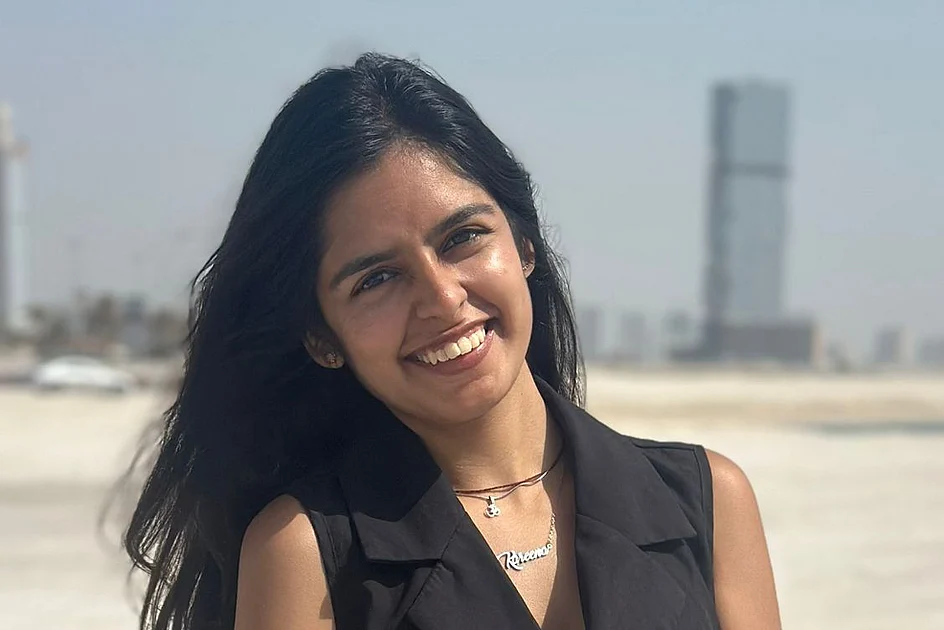
    Kareena Kewlani, a 23-year-old marketing and public relations professional based in Sharjah, is emblematic of a new generation reshaping financial perspectives in the UAE. Rather than viewing money through traditional lenses of wealth accumulation, she conceptualizes it as an instrument of freedom—providing choices, comfort, and personal autonomy.

    In an exclusive interview, Kewlani elaborated on her financial philosophy, describing money as “freedom”—not in a reckless sense, but as the ability to invest in experiences, travel, and a self-directed lifestyle. Her outlook stems from a hybrid of influences: her father’s disciplined saving habits and her mother’s emphasis on valuing experiences over material possessions.

    Growing up in the UAE profoundly shaped Kewlani’s financial behavior. The fast-paced, ambition-driven environment encouraged big dreams, while the high cost of living underscored the necessity of strategic planning. She emphasizes balance—intentional spending aligned with joy and purpose, coupled with consistent saving and smart investing.

    Kewlani advocates for open conversations about money, regularly consulting her family and peers. Her approach integrates traditional principles with contemporary strategies like diversification and digital investment, influenced by her brother’s modern financial mindset.

    Her advice to younger individuals reflects her philosophy: “Save, but don’t be scared to spend.” Kewlani stresses that financial health isn’t about deprivation, but about making mindful choices—whether investing in memorable experiences or practicing disciplined budgeting to avoid impulsive purchases.

  • Holiday shopping 2025: Record online traffic meets a new era of budget‑driven consumers

    Holiday shopping 2025: Record online traffic meets a new era of budget‑driven consumers

    The 2025 holiday shopping season has emerged as a tale of two contrasting realities: unprecedented digital engagement alongside a fundamental transformation in consumer spending habits driven by economic pressures. According to comprehensive data analytics from Dynatrace and consumer research from Qlik, retailers navigated a landscape where soaring online traffic met increasingly budget-aware shoppers redefining traditional gift-giving practices.

    Cyber Week—encompassing Thanksgiving through Cyber Monday—shattered previous digital records with extraordinary web traffic metrics. Retail platforms monitored by Dynatrace witnessed an 80% surge in online traffic compared to typical weekend baselines, with Black Friday alone generating double the traffic of a standard Friday. The computational scale of this activity reached staggering proportions, exceeding 100 petabytes of processed data—triple the volume recorded in 2024—equivalent to approximately 5,000 years of continuous high-definition video streaming.

    Beneath this surface of digital prosperity, Qlik’s comprehensive consumer survey reveals a profound behavioral shift. A significant 83% of shoppers acknowledged adjusting their holiday spending strategies due to economic concerns, with 39% specifically citing inflation as their primary motivator. This financial pragmatism manifested through multiple channels: 40% of consumers planned to purchase fewer gifts, while 35% initiated their shopping earlier to distribute expenses across multiple pay periods.

    Generational analysis reveals particularly distinctive patterns among Gen Z shoppers, with 32% actively opting for lower-cost alternatives to premium brands. This demographic demonstrates a strategic approach to maintaining trend relevance while adhering to budgetary constraints, frequently selecting affordable activewear alternatives and economically priced toy options. The secondhand gift economy has likewise gained substantial traction across most age cohorts, with 31% of Gen Z, 23% of Millennials, and 21% of Gen X consumers planning thrifted purchases—though Baby Boomers remain comparatively hesitant at just 13% adoption.

    The returns process has evolved into a significant revenue opportunity for forward-thinking retailers. Twenty percent of consumers reportedly spend more during return transactions than the original product’s value, with Gen Z leading this ‘trade-up’ tendency at 30%. Remarkably, 54% of Gen Z shoppers admit to making online purchases with premeditated return intentions.

    According to Qlik CEO Mike Capone, retailers employing sophisticated data strategies and agentic artificial intelligence will be best positioned to optimize pricing structures, maintain profit margins, and transform return processes into profitable engagements. As the industry prepares for post-holiday sales and January clearance events, the 2025 season demonstrates that technological infrastructure resilience must be paired with nuanced consumer insight to succeed in this new era of value-conscious digital commerce.

  • Armenia positions itself as a high‑potential investment destination for GCC capital

    Armenia positions itself as a high‑potential investment destination for GCC capital

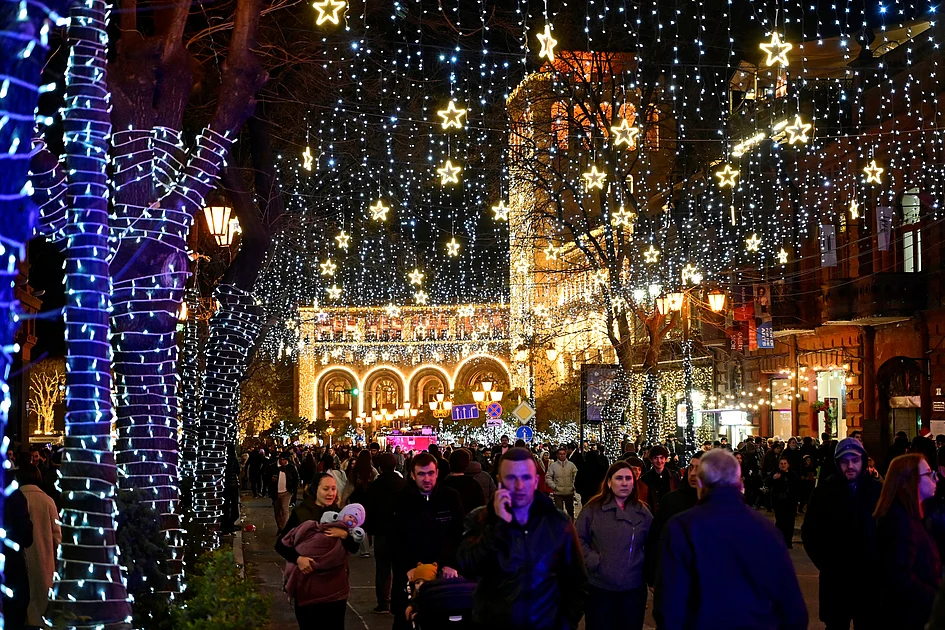
    Armenia is rapidly establishing itself as a strategic investment destination for Gulf Cooperation Council (GCC) capital, distinguishing itself through comprehensive digital transformation and financial innovation. Unlike conventional markets with limited innovation zones, Armenia has implemented a technology-friendly regulatory framework across its entire territory, creating a uniquely agile environment for financial technology development.

    According to Vazgen Gevorkyan, Member of the Supervisory Board at Evocabank, Armenia’s economic transformation over the past decade has positioned it as an exceptional hub for capital seeking both innovation and stability. The country demonstrated remarkable economic resilience with 5.9% GDP growth in 2024, supported by robust financial buffers and a deeply integrated banking system. Banking penetration has reached 109% of GDP, indicating not merely high usage but sector maturity.

    A key differentiator is Armenia’s nationwide regulatory sandbox approach, allowing fintech institutions to test real products in actual markets without protracted approval processes. This creates a regulatory environment that operates at the speed modern investors demand.

    The country benefits from substantial diaspora capital flows, with remittances accounting for 4.9% of GDP in 2024—significantly above global averages. In 2022, diaspora communities contributed to a $2.5 billion net deposit influx into the banking system, demonstrating strong confidence in Armenia’s financial infrastructure.

    Armenia’s technical talent pool, rooted in decades of mathematical and engineering excellence and strengthened by institutions like TUMO, has cultivated a generation of developers capable of building sophisticated financial technology systems. This positions Armenia to become a backend fintech hub for Middle Eastern and North African banks seeking cost-efficient development and high-quality talent.

    The nation’s strategic advantage stems from early decisions to avoid legacy system preservation and instead rebuild around mobile-first architecture, integrating digital processes at the core rather than as superficial additions. This approach has created a financial ecosystem designed for speed and efficiency, offering Gulf investors a rare combination of regulatory clarity, technical capability, and financial stability.

  • EmCoin & Hotdesk to launch world’s first hybrid token ICO from Abu Dhabi

    EmCoin & Hotdesk to launch world’s first hybrid token ICO from Abu Dhabi

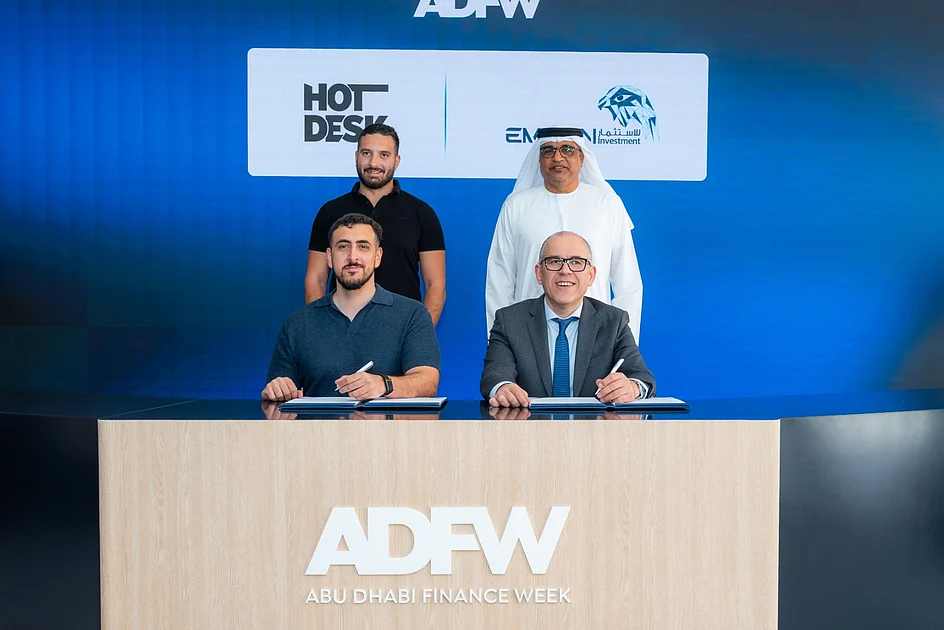
    In a landmark development for digital finance, Abu Dhabi is poised to host the world’s first hybrid security-and-utility token offering following a strategic partnership between Emirates Coin Investment (EmCoin) and global workspace technology leader Hotdesk. The announcement, made during Abu Dhabi Finance Week, reveals plans for the DESK Token Initial Coin Offering (ICO) in 2026, pending regulatory approvals.

    The DESK Token represents a groundbreaking financial instrument that merges real-world asset backing with practical utility. Unlike conventional digital assets, DESK Token will be supported by high-quality, income-generating real estate properties, including Grade A offices and coworking spaces. Simultaneously, token holders will gain seamless access to Hotdesk’s extensive global network of over 2,300 workspaces across 81 countries.

    This innovative dual-value model creates an unprecedented asset class that combines yield generation with immediate practical application. The initiative will operate within a fully regulated framework, with EmCoin—the UAE’s first SCA-licensed Virtual Asset Service Provider—supporting the token within its compliant digital asset ecosystem. The project receives additional institutional backing from Al Maryah Community Bank (Mbank) and Singularity Venture Hub.

    Mohamed Khaled, Founder & CEO of Hotdesk, emphasized the project’s pioneering nature: “Our vision to launch the world’s first hybrid token ICO from Abu Dhabi leverages the emirate’s forward-thinking regulatory environment and innovation-driven ecosystem. DESK Token is designed to generate returns, deliver real-world utility, and create tangible value through its unique hybrid structure.”

    Yasin Arafat, Chief Operating Officer of EmCoin, noted the transformative potential of the collaboration: “We’re bringing a pioneering workspace platform into the blockchain world through a token that combines practical utility with real-world asset backing.”

    The DESK Token initiative reinforces Abu Dhabi and the UAE’s strategic commitment to shaping the next wave of digital economy innovation, creating a new bridge between digital finance and the future of work while establishing new standards for asset-backed digital tokens.

  • Lals Group’s Pure Bliss Development announces topping out of Bliss Tower at Dubai Land Residence Complex

    Lals Group’s Pure Bliss Development announces topping out of Bliss Tower at Dubai Land Residence Complex

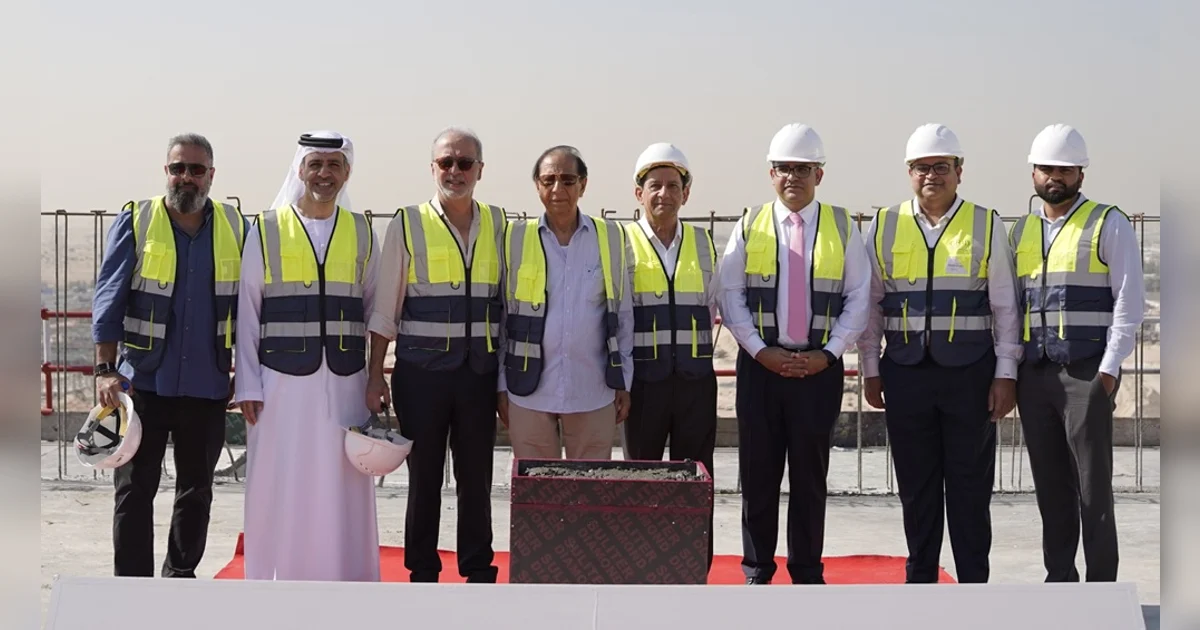
    Dubai’s dynamic real estate sector has reached another construction milestone with the official topping out of Bliss Tower, a premier residential development. The project, developed by Pure Bliss Development—a subsidiary of the internationally diversified Lals Group—is situated within the prestigious Dubai Land Residence Complex, a master-planned community known for its integrated amenities and strategic location.

    The ‘topping out’ ceremony signifies the completion of the tower’s structural framework, marking a pivotal phase in the construction timeline. This achievement underscores the developer’s commitment to adhering to projected schedules and maintaining high construction standards. The event was attended by key stakeholders, project engineers, and company executives, who highlighted the project’s progress amid a robust period for Dubai’s property market.

    Bliss Tower is designed to offer a blend of luxury living and modern convenience, featuring a variety of residential units, state-of-the-art facilities, and panoramic views of the city. Its placement within Dubai Land Residence Complex provides residents with access to retail outlets, leisure facilities, and seamless connectivity to major transport networks, enhancing its appeal to both local and international investors.

    The completion of the structural phase accelerates the subsequent stages of interior fitting, landscaping, and final touches, with handover to occupants expected to proceed as planned. This project is a testament to Lals Group’s expanding portfolio and its strategic focus on high-growth real estate markets, contributing to the ongoing urban transformation of Dubai.

  • Mashriq Elite breaks ground on Floarea Breeze at Dubai Islands

    Mashriq Elite breaks ground on Floarea Breeze at Dubai Islands

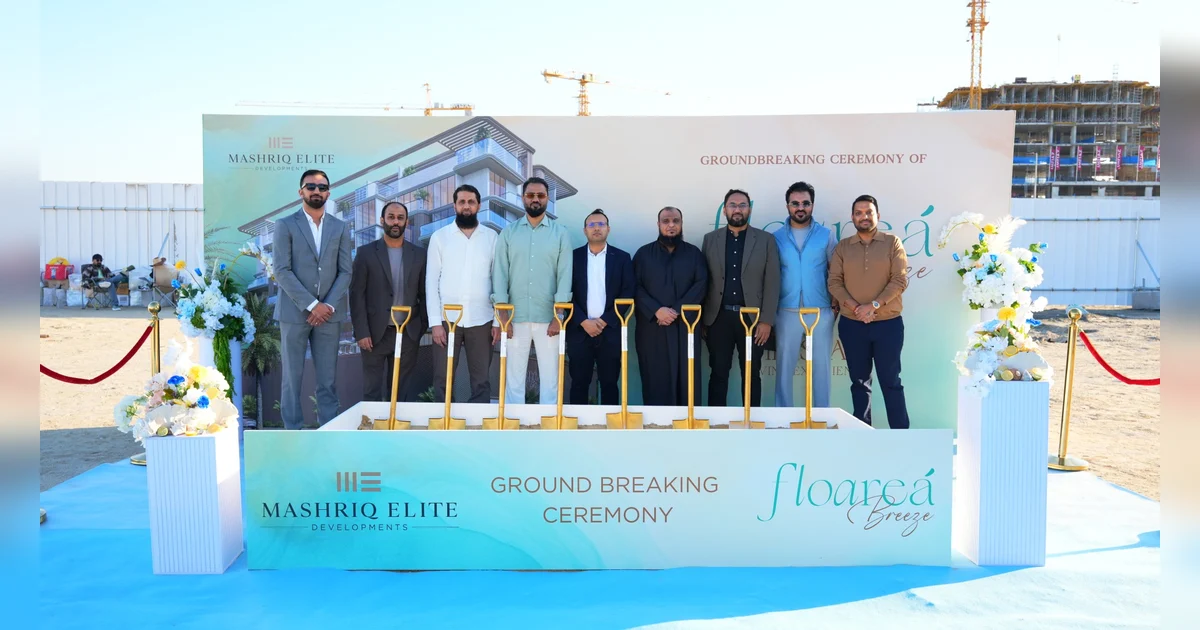
    Dubai’s real estate sector witnesses another significant milestone as Mashriq Elite Real Estate Developments commences construction on its premier waterfront project, Floarea Breeze, at the prestigious Dubai Islands. This landmark development marks the company’s sixth residential venture and first within the emerging island community, featuring 52 exclusive units comprising 48 apartments and 4 townhouses.

    The architectural blueprint reveals a sophisticated G+P+6+R structure spanning 26,975 square feet, offering diverse residential configurations. Prospective residents can select from 12 one-bedroom units (878-1,049 sq. ft), 24 two-bedroom apartments with study and maid rooms (1,316-1,711 sq. ft), 12 three-bedroom residences (1,474-1,697 sq. ft), and 4 townhouses (1,847-1,895 sq. ft). Pricing initiates at AED 1,799,000 for one-bedroom accommodations, with project completion anticipated by Q3 2027.

    Kamran Muhammad, Chairman of Mashriq Elite Developments, emphasized the project’s strategic significance: “Floarea Breeze embodies our commitment to delivering signature lifestyle experiences in Dubai’s most sought-after destinations. Dubai Islands uniquely combines premium coastal living with strategic accessibility, presenting compelling opportunities for both end-users and investors.”

    The development’s premium positioning is reinforced by its proximity to Dubai Islands Mall, beaches, marinas, and parks within five minutes’ access. Enhanced connectivity through new bridge infrastructure links residents to iconic Dubai landmarks including Downtown Dubai, Burj Khalifa, The Dubai Frame, and the Museum of the Future.

    Floarea Breeze will feature luxury amenities including a Grand Lobby, designer corridors, Italian floor-to-ceiling tiles, premium wood finishes, and integrated smart home technology, all curated for contemporary coastal living.

    This launch coincides with remarkable investment momentum in Dubai Islands, where DLD data records AED 6.1 billion in sales from approximately 2,000 transactions during H1 2025. The development aligns with Dubai’s 2040 Urban Master Plan, anticipating population growth beyond 7 million by 2040.

    Mashriq Elite’s expanding portfolio includes over 1,200 apartments across premium destinations, following recent launches of Floarea Skies in Jumeirah Village Circle and Floarea Oasis in Dubai Land Residential Complex. The developer maintains a global presence spanning Saudi Arabia, Singapore, Turkey, Indonesia, and the UAE, leveraging expertise in both real estate and telecommunications sectors.

  • Finding ‘Dubai family’, keeping traditions alive: How UAE residents celebrate Christmas

    Finding ‘Dubai family’, keeping traditions alive: How UAE residents celebrate Christmas

    Pure Bliss Development, a subsidiary of the prominent Lals Group, has officially announced the successful topping out of its flagship residential project, Bliss Tower. The milestone event marks the completion of the structural phase for the high-rise within the expansive Dubai Land Residence Complex, a master-planned community rapidly gaining prominence in the emirate’s real estate landscape.

    The ceremony signifies a pivotal moment in the construction timeline, transitioning focus to interior fitting, façade completion, and final landscaping. The achievement underscores the developer’s commitment to adhering to its projected delivery schedule, a key concern for investors and future residents in a dynamic market.

    Situated within Dubai Land, an area earmarked for massive tourism and residential development, the Bliss Tower is strategically positioned to capitalize on proximity to major attractions like Dubai Parks and Resorts, as well as improved connectivity to other city hubs. The project is designed to offer a blend of luxury living and modern amenities, targeting both local and international investors seeking opportunities in Dubai’s resilient property sector.

    This development is indicative of the continued confidence and substantial investment flowing into Dubai’s real estate market, particularly in large-scale, integrated communities that promise a comprehensive lifestyle. The timely progress of such projects is often viewed as a barometer for the health of the construction and development sector in the region.