分类: business

  • Saudi Aramco sells first Jafurah condensate cargoes to US firms, India, sources say

    Saudi Aramco sells first Jafurah condensate cargoes to US firms, India, sources say

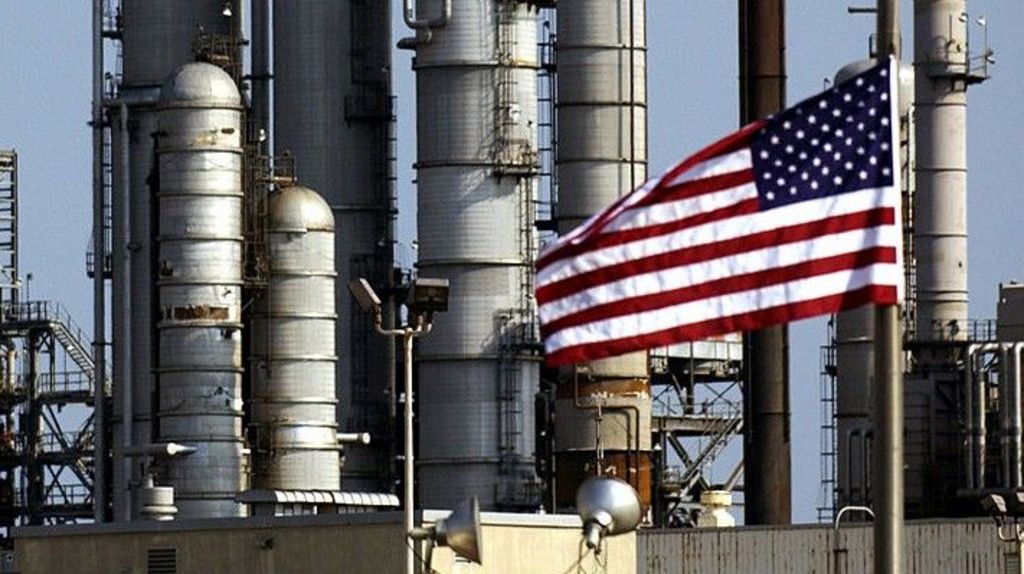
    In a landmark development for global energy markets, Saudi Aramco has finalized its first international sales of ultra-light crude from the colossal Jafurah gas field. According to industry sources, the state energy giant has allocated initial cargoes to prominent U.S. firms Chevron and ExxonMobil, alongside India’s leading refiner, Indian Oil Corporation (IOC).

    The transactions, structured at premiums of $2 to $3 per barrel above Dubai benchmarks on a free-on-board basis, signify the commercial launch of one of the world’s most ambitious energy ventures. Chevron has secured two shipments for loading in late February and March, with supply chains indicating destinations at its South Korean joint-venture GS Caltex and Thailand’s Star Petroleum Refining facility.

    This export initiative stems from Aramco’s $100 billion Jafurah development, which holds estimated reserves of 229 trillion cubic feet of raw gas and 75 billion barrels of condensate. The project represents a strategic pivot toward gas production expansion and diversification of the kingdom’s light crude offerings.

    Positioned as the largest shale gas undertaking outside the United States, Jafurah is projected to achieve sustainable production capacity of 2 billion cubic feet daily by 2030. Monthly export volumes are anticipated to reach 4-6 cargoes of 500,000 barrels each from Yanbu port on Saudi Arabia’s eastern coast.

    The condensate grade boasts exceptional quality characteristics with 49.7° API gravity and minimal sulfur content (0.17%). Preliminary assays indicate approximately 40% of yield converts to petrochemical feedstock naphtha, predominantly heavier grades, with remaining output comprising gasoil and kerosene.

    Aramco officials confirmed coordination with the Ministry of Energy for production ramp-up aligned with development plans and market requirements, while maintaining corporate policy of not commenting on specific commercial arrangements. Major purchasers have declined or not responded to requests for commentary regarding the transactions.

  • Bank of England’s Taylor says high US tariffs appear to be here to stay

    Bank of England’s Taylor says high US tariffs appear to be here to stay

    Bank of England Monetary Policy Committee member Alan Taylor has declared that elevated U.S. import tariffs represent a permanent structural shift in global trade with consequences that will unfold over ‘many years.’ Speaking at a Deutsche Bank event on Monday, Taylor responded to recent developments including President Donald Trump’s imposition of a 15% global import levy following Supreme Court rulings that voided most of his previous tariff increases.

    Taylor emphasized the profound nature of this trade policy transformation, stating, ‘The fundamental thing to realize is those tariffs are here to stay at some kind of number that is an order of magnitude bigger than it was two years ago.’ He cautioned that the full impact of this ‘meaningful change’ would require extensive time to fully materialize within the global economic system.

    The policymaker, who was among four MPC members advocating for an interest rate reduction to 3.5% this month, identified emerging patterns in trade diversion. He noted preliminary evidence suggesting China is redirecting exports toward East Asian markets and the European Union, potentially creating deflationary pressures across global markets. However, Taylor acknowledged the difficulty in precisely quantifying the ultimate significance of these shifting trade patterns.

    Regarding domestic monetary policy, Taylor maintained that the Bank of England likely has ‘two or three more quarter-point rate cuts’ before requiring a pause, assuming no additional economic shocks emerge. He expressed particular concern about the evolving risk balance in the BoE’s forecasts, which he believes is shifting toward lower inflation expectations and greater economic damage from rising unemployment.

    While noting he wouldn’t be alarmed by January’s isolated services price growth data alone, Taylor indicated he would grow concerned if underlying inflation pressures consistently exceeded expectations ‘over and over again.’ His advocacy for recent rate cuts stemmed partly from concerns that inflation might persistently undershoot the Bank’s 2% target in the coming period.

  • Bitcoin slides toward $65,000 as tariff shock rattles risk appetite

    Bitcoin slides toward $65,000 as tariff shock rattles risk appetite

    Digital asset markets experienced significant turbulence Monday as Bitcoin plunged toward the $65,000 threshold, reflecting heightened investor anxiety following unexpected U.S. trade policy developments. The cryptocurrency’s 5% intraday decline underscores its continued vulnerability to macroeconomic shocks and institutional capital movements.

    The market deterioration follows a dual policy shock: the Supreme Court’s invalidation of previous presidential tariff authorities and the subsequent White House announcement of new 15% global import duties. This policy whiplash has reignited concerns about potential trade conflicts and their implications for global economic growth.

    Financial analysts observe that cryptocurrency assets are facing compounded pressure from multiple fronts. Linh Tran, Senior Market Analyst at XS.com, noted: ‘The earlier recovery from $60,000 levels lacked substantive institutional backing and couldn’t overcome medium-term bearish tendencies. Current market dynamics are being shaped by trade policy ambiguity, diminished institutional participation, persistent high interest rates, and dollar strength.’

    Institutional engagement, previously a cornerstone of crypto market advances, has notably weakened. U.S. spot Bitcoin ETFs have witnessed substantial capital outflows, with over 100,000 Bitcoin withdrawn from fund holdings since October 2025. This reduction brings total ETF reserves to approximately 1.26 million Bitcoin, indicating cautious institutional positioning.

    Jeff Mei, Chief Operating Officer at blockchain firm BTSE, highlighted how escalating trade tensions are prompting portfolio adjustments: ‘The tariff rate increase is triggering crypto asset divestment as investors anticipate broader market deterioration. Geopolitical risks and potential trade flow disruptions are additionally dampening market sentiment.’

    Bitcoin’s current valuation represents a 26% year-to-date decline and a 47% retreat from its October peak above $125,000. This correction magnitude has simultaneously pressured cryptocurrency-equivalent stocks, with major U.S. digital asset firms seeing pre-market share declines.

    Market intelligence from 10x Research suggests the downturn reflects structural vulnerabilities rather than isolated events. Head of Research Markus Thielen observed: ‘This decline aligns with typical bear-market characteristics featuring limited liquidity and weak conviction. Policy uncertainty and global macroeconomic trends continue restraining upward potential.’

    The divergence between cryptocurrency performance and traditional safe havens has become particularly striking. While gold gained over 1% amid the uncertainty, Bitcoin’s correlation with risk assets rather than protective investments has challenged its ‘digital gold’ narrative.

    Despite current pressures, some analysts identify potential support levels around $60,000, citing persistent long-term investor interest and absence of severe liquidity crises. However, sustainable recovery likely requires renewed ETF inflows, Federal Reserve monetary easing signals, and stabilization in global trade relations.

    Near-term trading expectations suggest continued volatility within a broad range, with $65,000 representing crucial support and the $69,000-$70,000 zone constituting significant resistance. Market participants anticipate potential retests of lower support levels should current pressure factors persist.

  • India’s fastest metro system to boost real estate market

    India’s fastest metro system to boost real estate market

    India has entered a new era of regional connectivity with the inauguration of its first Regional Rapid Transit System (RRTS), named Namo Bharat. Prime Minister Narendra Modi officially launched the high-speed service, linking Meerut South to Modipuram and establishing a direct rail connection between Meerut and the national capital, Delhi.

    The 82-kilometer Delhi-Meerut Namo Bharat Corridor represents a groundbreaking infrastructure achievement, engineered for high-speed, high-frequency operations. With an impressive design speed of 180 km per hour and an operational speed of 120 km/h, it stands as India’s fastest metro system, capable of covering the 23km stretch to Meerut in approximately 30 minutes. This system connects major urban centers including Sahibabad, Ghaziabad, and Modinagar to Delhi with unprecedented efficiency.

    Industry experts anticipate significant economic impacts, particularly in real estate development along the transit corridor. Ankita Sood, National Director of Research at Knight Frank India, observed that reduced travel times to Delhi and other National Capital Region centers are already reshaping buyer preferences. The convenience of shorter commutes is increasingly outweighing concerns about higher property prices, making developments along the corridor substantially more attractive to prospective homeowners.

    Delhi Chief Minister Rekha Gupta characterized the project as transformative for the capital’s development landscape. Beyond mere transportation, the system promises substantial secondary benefits including time savings for passengers, reduced traffic congestion, and lower carbon emissions through decreased reliance on private vehicles.

    The comprehensive Namo Bharat network encompasses three strategic corridors—Delhi-Meerut, Delhi-Panipat, and Delhi-Alwar—all converging at Sarai Kale Khan station in Delhi. The current trains feature six coaches with a capacity for 450 passengers, while the entire system is designed to accommodate up to 800,000 daily passengers at full operational capacity.

  • ‘Too early to tell’: Trump’s tariffs impact on Indian economy, says minister

    ‘Too early to tell’: Trump’s tariffs impact on Indian economy, says minister

    Indian Finance Minister Nirmala Sitharaman has declared it premature to assess the potential economic repercussions of recent tariff modifications announced by US President Donald Trump. The cautious statement came alongside the postponement of bilateral trade negotiations originally scheduled for Monday between the two nations.

    Minister Sitharaman emphasized that India’s Commerce Ministry is currently conducting a comprehensive review of the evolving trade situation before determining the timeline for further diplomatic engagement. “On trade, particularly, aside from the Indian economy in general, the Commerce Ministry is reviewing the situation. The delegation will have to take a call on when they are going to go for further negotiations,” Sitharaman stated during her media briefing.

    The trade discussions delay follows two significant developments: a recent US Supreme Court ruling on presidential tariff authority and subsequent policy announcements from the Trump administration. These developments have created uncertainty around previously established trade terms, including a recent agreement that had reduced US tariffs on Indian goods from 50% to 18%.

    India’s Commerce Ministry has acknowledged these developments formally, noting: “We have noted the US Supreme Court judgement on tariffs. President Trump has also addressed a press conference in that regard. Some steps have been announced by the US Administration. We are studying all these developments for their implications.”

    The latest US policy shifts include the imposition of a 10% tariff on Indian imports initially, subsequently increased to 15%, with these measures scheduled to remain in effect for 150 days. This represents a reversal from the tariff reduction achieved earlier this month, which itself had moderated the aggressive 50% tariffs imposed in August last year—measures originally implemented as penalties for India’s purchase of Russian oil.

    Despite these bilateral challenges, Minister Sitharaman highlighted India’s continued progress in expanding its global trade network, having recently finalized agreements with the UAE, Qatar, Oman, the European Union, the United Kingdom, Australia and New Zealand. “Our attempt to have a trade agreement will go on with countries,” she affirmed, reinforcing India’s commitment to global market engagement.

    President Trump has meanwhile asserted that the fundamental trade understanding between the United States and India remains unchanged despite these tariff adjustments and legal developments.

  • Dubai’s Al Habtoor Group appoints firm to pursue case against Lebanon government

    Dubai’s Al Habtoor Group appoints firm to pursue case against Lebanon government

    Dubai’s prominent Al Habtoor Group has formally engaged international law firm White & Case to pursue arbitration proceedings against the Lebanese government in Washington, D.C. The move marks a significant escalation in a protracted investment dispute between the Emirati conglomerate and the Middle Eastern nation.

    The arbitration, filed under the dispute resolution mechanisms outlined in the Bilateral Investment Treaty between the United Arab Emirates and Lebanon, follows six months of alleged inaction by Lebanese authorities to address what Al Habtoor characterizes as ‘severe breaches’ and substantial financial damages.

    White & Case brings considerable expertise to the case, having been ranked as the top global law firm for shareholder activism in Bloomberg’s FY 2025 Global Activism League Tables. The firm specializes in sovereign disputes and treaty-based investment arbitration, positioning it as a strategic choice for this complex international legal battle.

    The conflict originated in January 2026 when the diversified Gulf conglomerate, chaired by billionaire Khalaf Al Habtoor, threatened legal action against Lebanon. The group subsequently announced the complete cessation of its operations in Lebanon and termination of all staff, citing accumulated losses exceeding Dh6.24 billion ($1.7 billion).

    In a January statement, Al Habtoor Group detailed its challenges, citing ‘prolonged instability, ongoing hostile campaigns, public attacks, and defamatory actions’ as contributing factors to its decision. The conglomerate emphasized that despite years of regional conflicts and crises, it had maintained operations as a ‘humanitarian responsibility’ while honoring employee obligations.

    The group’s investments in Lebanon, which began with the 2001 opening of the 180-room Metropolitan Palace Hotel in central Beirut, were described as having been made ‘in good faith’ and in reliance on Lebanese law and international obligations. In January 2025, Al Habtoor had previously announced on social media platform X his intention to sell all Lebanese properties due to security concerns, characterizing the decision as ‘painful’.

    Al Habtoor Group maintains extensive global operations across hospitality, automotive, real estate, education, and publishing sectors, with international holdings in the United Kingdom, Hungary, Austria, and the United States alongside its UAE presence.

  • Netflix boss defends bid for Warner Bros as Paramount deadline looms

    Netflix boss defends bid for Warner Bros as Paramount deadline looms

    In a high-stakes corporate battle reshaping the entertainment landscape, Netflix’s co-CEO Ted Sarandos has vigorously defended his company’s $82.7 billion acquisition offer for Warner Bros assets, positioning it as fundamentally superior to Paramount Global’s competing $108.4 billion bid for the entire company. Speaking exclusively with the BBC’s Today programme, Sarandos characterized Netflix’s approach as growth-oriented expansion rather than consolidation, emphasizing strategic advantages over Paramount’s alternative vision.

    The executive articulated that Netflix’s targeted acquisition of Warner Bros’ studio operations and streaming networks—including prized assets like New Line Cinema and HBO Max—would create market expansion by adding capabilities Netflix currently lacks. This stands in stark contrast to Paramount’s comprehensive buyout proposal, which Sarandos suggested would inevitably lead to significant contraction through projected $22 billion in operational cuts and the effective reduction of Hollywood’s major studios from five to four through merger consolidation.

    Amid mounting external pressures, Sarandos addressed multiple fronts of opposition. He dismissed former President Trump’s threats regarding board member Susan Rice as irrelevant political posturing, maintaining the transaction represents purely business considerations. Simultaneously, he countered criticism from acclaimed director James Cameron, who had warned regulators about potential disastrous consequences for cinema culture. Sarandos presented data suggesting Netflix actually stimulates film consumption, noting subscribers average seven monthly movie views compared to Americans’ biannual cinema attendance.

    The corporate showdown approaches a critical juncture as Warner Bros shareholders prepare to vote next month on Netflix’s offer, with Paramount having faced a Monday deadline to submit its final competing proposal. While Paramount has characterized its offer as providing greater shareholder certainty and offered to cover Warner Bros’ $2.8 billion breakup fee with Netflix, Sarandos remains confident in what he describes as a ‘spectacular opportunity at a price’ that aligns with Netflix’s consistent growth trajectory, exemplified by their $6 billion investment in UK original programming since 2020.

  • Dubai properties with easier entry-exit points command premiums up to 20%, expert says

    Dubai properties with easier entry-exit points command premiums up to 20%, expert says

    A significant market shift is underway in Dubai’s real estate sector, where properties boasting superior accessibility and multiple entry-exit points are now commanding substantial price premiums. Industry experts report that strategic locations offering smoother connectivity and reduced commute times can attract premiums of 10% to 20% above market rates, a trend directly fueled by the emirate’s escalating traffic congestion.

    This growing demand has prompted developers to prioritize land plots with immediate access to major highways and enhanced internal road networks. According to Rizwan Sajan, Founder and Chairman of Danube Properties, location has become paramount for all market participants due to mounting traffic challenges. He highlighted a recent project in Jumeirah Village Circle (JVC), noting that while the area offers excellent amenities, its proximity to Al Khail Road provides a critical advantage for residents seeking quicker access to key transportation arteries.

    Supporting this trend, recent data from TomTom Traffic reveals a sharp increase in average commute times. In 2025, motorists required 19.1 minutes to travel 10 kilometers, up significantly from 13.7 minutes in 2024. This congestion has reduced average rush-hour speeds to 26.3 km/h, creating tangible pressure on residents’ daily routines.

    Tauseef Khan, Founder and Chairman of Dugasta Properties, emphasized that the classic real estate mantra of ‘location, location, location’ has evolved beyond mere prestige. “Location now directly influences stress levels, productivity and daily time lost in traffic,” Khan stated, noting that efficient movement has become a primary decision-making factor for both residents and businesses.

    Developers are responding by focusing on master-planned communities featuring multiple access points, proximity to arterial roads, and congestion-easing measures. Properties within a 10-minute radius of metro stations particularly demonstrate stronger absorption rates and rental performance, mirroring global trends where accessible luxury enclaves outperform congested urban centers.

    While the traffic situation presents challenges, it also reflects Dubai’s rapid population growth and economic expansion. The government continues to invest in infrastructure projects aimed at improving mobility, even as developers create more affordable housing options to help residents relocate closer to their workplaces and reduce cross-emirate commuting.

  • India and US defer trade talks after Supreme Court’s tariff ruling

    India and US defer trade talks after Supreme Court’s tariff ruling

    India and the United States have postponed critical trade negotiations originally scheduled for this week amid legal and policy developments that have introduced fresh complexities into bilateral economic relations. The decision comes directly from India’s Commerce Ministry, which confirmed that both nations require additional time to assess the implications of recent U.S. judicial and executive actions.

    The scheduled meetings in Washington were intended to finalize an interim trade agreement announced earlier this month between former President Donald Trump and Indian Prime Minister Narendra Modi. That preliminary understanding had proposed reducing U.S. tariffs on certain Indian exports from 50% to 18%, though several aspects of the arrangement remained undefined.

    This development follows a landmark ruling by the U.S. Supreme Court, which determined that the Trump administration overstepped its authority by implementing sweeping global tariffs under the 1977 International Emergency Economic Powers Act. The judicial decision represents a significant setback to the former president’s trade policy agenda. Subsequently, Trump announced intentions to impose a new comprehensive 15% tariff on all imported goods entering the United States.

    The now-deferred negotiations were expected to address outstanding issues, including India’s commitment to reduce standard tariffs on U.S. industrial goods and agricultural products. In return, the United States had agreed to lower reciprocal tariffs affecting approximately 55% of Indian exports. The interim deal, initially anticipated to take effect in April, followed months of trade tensions sparked by Trump’s imposition of 50% tariffs on Indian goods last August, which included penalties for purchasing Russian oil.

    Indian agricultural unions have expressed concerns that tariff reductions on U.S. farm imports could disadvantage domestic producers. Commerce Minister Piyush Goyal has attempted to reassure stakeholders that India has not offered concessions on sensitive products including dairy, genetically modified goods, meat, or poultry, while emphasizing that farmer protections remain in place.

    No rescheduled date has been established for the diplomatic delegation’s visit to Washington, which was originally planned to depart on Sunday. Both governments are now evaluating how the judicial ruling and proposed new tariffs might affect existing and prospective trade agreements between the United States and its international partners.

  • Mini landscapes drive village’s economy

    Mini landscapes drive village’s economy

    In Zhouquan Village, Jiangsu Province, an ancient horticultural tradition has evolved into a thriving digital enterprise. Each morning before dawn, over 100 meticulously crafted penjing (miniature potted landscapes) transform the village square into an open-air studio, where livestreamers move among the intricate creations, showcasing them to viewers nationwide.

    The village’s transformation from traditional cultivation to e-commerce powerhouse represents a remarkable case study in rural economic development. Situated along China’s north-south divide, Shuyang County’s mild climate and distinct seasons have historically made it ideal for ornamental plant cultivation. Today, the region generates 35 billion yuan annually from this sector, with livestreamed sales accounting for one-third of the national penjing market.

    Zhouquan’s penjing heritage dates to the Qing Dynasty, when Emperor Kangxi gifted his tutor Hu Jianjing a procumbent juniper landscape in 1671. This ancient specimen, still standing centuries later, inspired the distinctive ‘ox watching the moon’ style featuring over 60 cloud-like tiers with intricate diamond-shaped perforations. This artistic tradition has been passed down through generations, with currently 300 of the village’s 1,200 families engaged in penjing production, generating approximately 300 million yuan annually.

    The industry’s evolution mirrors China’s technological progression: from 1970s bicycle and oxcart transportation to three-wheeled trucks in the 1990s, then to early e-commerce platforms in the 2000s. The pandemic accelerated the shift to livestreaming, which now dominates sales. Pioneer Jiang Aihua, a former teacher who transitioned to penjing after her son’s birth, became the village’s first Taobao seller in 2007. Her adaptation to livestreaming during COVID-19 proved particularly impactful, expanding the customer base beyond traditional older enthusiasts to include younger urbanites seeking mindful hobbies and evergreen species suitable for compact living spaces.

    The industry now stands at another technological crossroads. Jiang is mentoring her university-educated son Zhou Jiangchao in both penjing artistry and digital marketing, emphasizing that genuine appreciation must precede effective sales. Looking ahead, they plan to integrate artificial intelligence to create growth process videos, believing immersive storytelling will further expand their market reach.