分类: business

  • Euro zone inflation dips, growth holds up, backing ECB’s sanguine narrative

    Euro zone inflation dips, growth holds up, backing ECB’s sanguine narrative

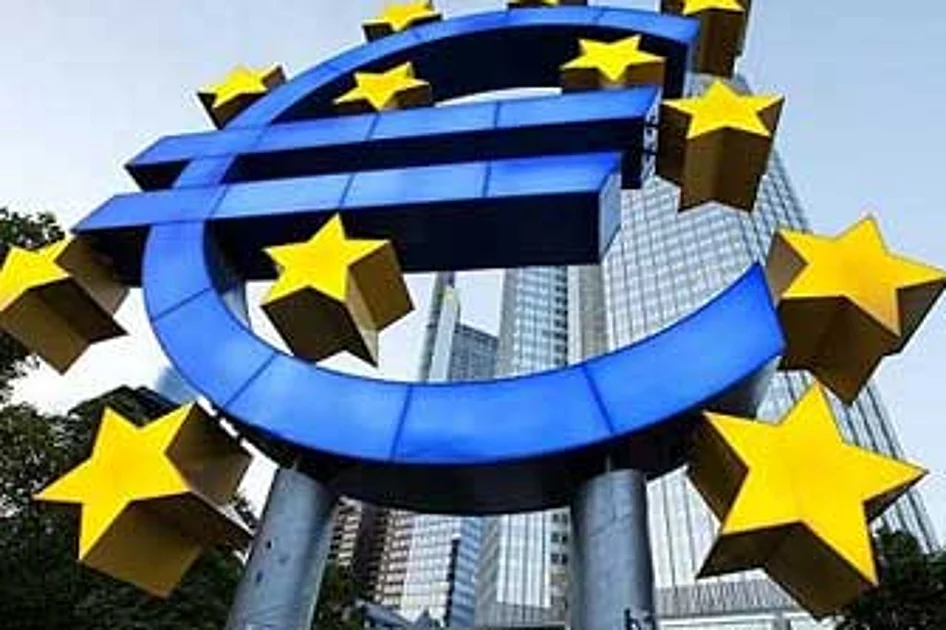
    The Eurozone economy is demonstrating remarkable resilience as it concludes 2025 with a favorable combination of moderating inflation and sustained economic expansion. Recent data reveals that price pressures have diminished more rapidly than anticipated across the bloc’s major economies while growth maintains its momentum, validating the European Central Bank’s optimistic assessment of regional economic conditions.

    Germany, Europe’s largest economy, witnessed a substantial deceleration in inflation, dropping to 2.0% from November’s 2.6%—significantly beneath economist projections of 2.2%. Concurrently, France experienced a modest decline to 0.7% from 0.8%, while Spain’s rate eased to 3.0% from 3.2%. This widespread disinflationary pattern suggests the Eurozone’s aggregate inflation reading could fall below the ECB’s 2% target when official figures are published.

    The economic landscape throughout 2025 has surpassed expectations as robust domestic consumption effectively compensated for declining export performance. This dynamic has created what financial analysts characterize as a ‘goldilocks scenario’—an ideal equilibrium where inflation stabilizes around central bank targets while economic activity remains buoyant.

    ECB policymakers have maintained a steady course, exhibiting minimal concern regarding projected below-target inflation readings in coming months. The central bank’s current stance reflects confidence in the economy’s underlying strength, with officials signaling no imminent adjustments to interest rates. Financial markets have aligned with this outlook, pricing in a stable 2% deposit rate throughout all eight of the ECB’s scheduled 2026 meetings.

    Supporting this positive narrative, Purchasing Managers’ Index data indicates the currency bloc completed 2025 with its most substantial quarterly growth in over two years. The services sector demonstrated particularly vigorous momentum, successfully counterbalancing continued manufacturing weakness.

    Nevertheless, potential risks persist within this generally favorable outlook. Energy price volatility, slowing wage growth, manufacturing stagnation, and Germany’s persistent recession threats present downward pressure on inflation. Conversely, geopolitical tensions disrupting global supply chains, expanding government expenditure, and tight labor market conditions could exert upward price pressures. These countervailing forces suggest economic conditions remain susceptible to sudden shifts, prompting ECB officials to maintain cautious forward guidance.

  • Sangeetha opens its 13th branch in Deira

    Sangeetha opens its 13th branch in Deira

    Sangeetha, the renowned South Indian vegetarian restaurant chain, has achieved a significant expansion milestone with the inauguration of its 13th UAE establishment in Deira. This development reinforces the brand’s growing footprint across the region after four decades of culinary excellence.

    The newly opened Deira location continues Sangeetha’s tradition of serving authentic South Indian vegetarian cuisine alongside North Indian classics and global vegetarian offerings. The restaurant has built its reputation on crispy dosas, aromatic sambhars, and freshly prepared wholesome meals that have attracted a loyal international customer base.

    Founded by visionaries Rajagopal and Suresh, the chain maintains its original commitment to delivering genuine, flavorful, and nutritious vegetarian food to global communities. This philosophical consistency has transformed Sangeetha into a household name among connoisseurs of authentic South Indian cuisine.

    The brand established its UAE presence in 2001 through a strategic joint venture with LMZ Group, a diversified business conglomerate with interests spanning hotels, restaurants, real estate, and trading operations across the UAE, Saudi Arabia, Hong Kong, and Congo. Over 25 years, Sangeetha has captivated UAE diners with traditional recipes, consistent quality, and genuine hospitality.

    The Deira opening demonstrates Sangeetha’s sustained regional growth and the enduring support of its dedicated patrons. The new branch offers the same family-friendly ambiance and culinary consistency that has defined the brand’s identity for more than 40 years.

  • India’s January Russian oil imports may fall sharply as Reliance expects no deliveries

    India’s January Russian oil imports may fall sharply as Reliance expects no deliveries

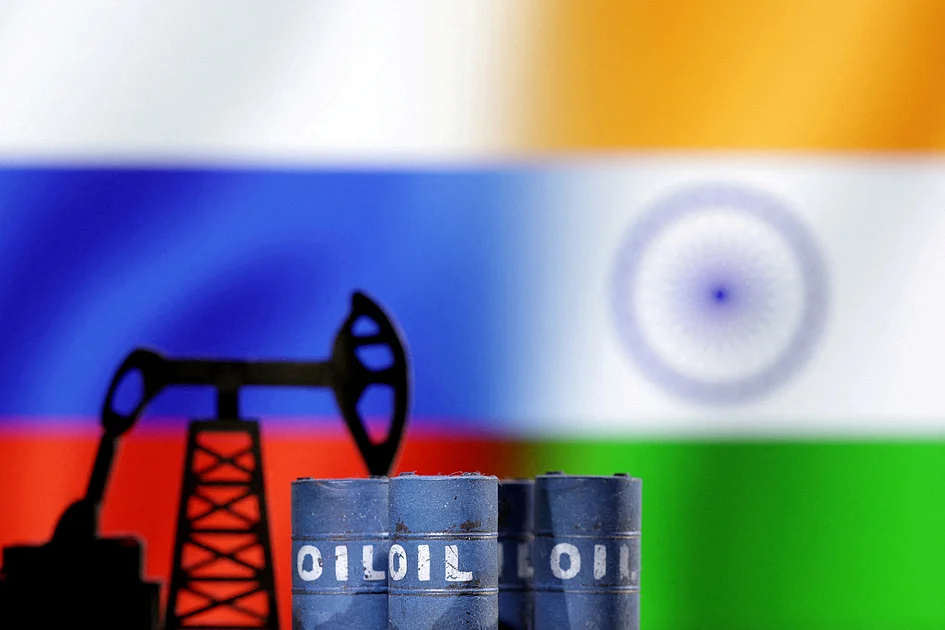
    India’s energy procurement landscape is undergoing a significant transformation as Reliance Industries, operator of the world’s largest refining complex and India’s foremost purchaser of Russian crude in 2023, announced it anticipates zero Russian oil deliveries for January. This development follows heightened diplomatic pressure from the United States, where President Donald Trump recently threatened additional tariff escalations targeting Indian goods.

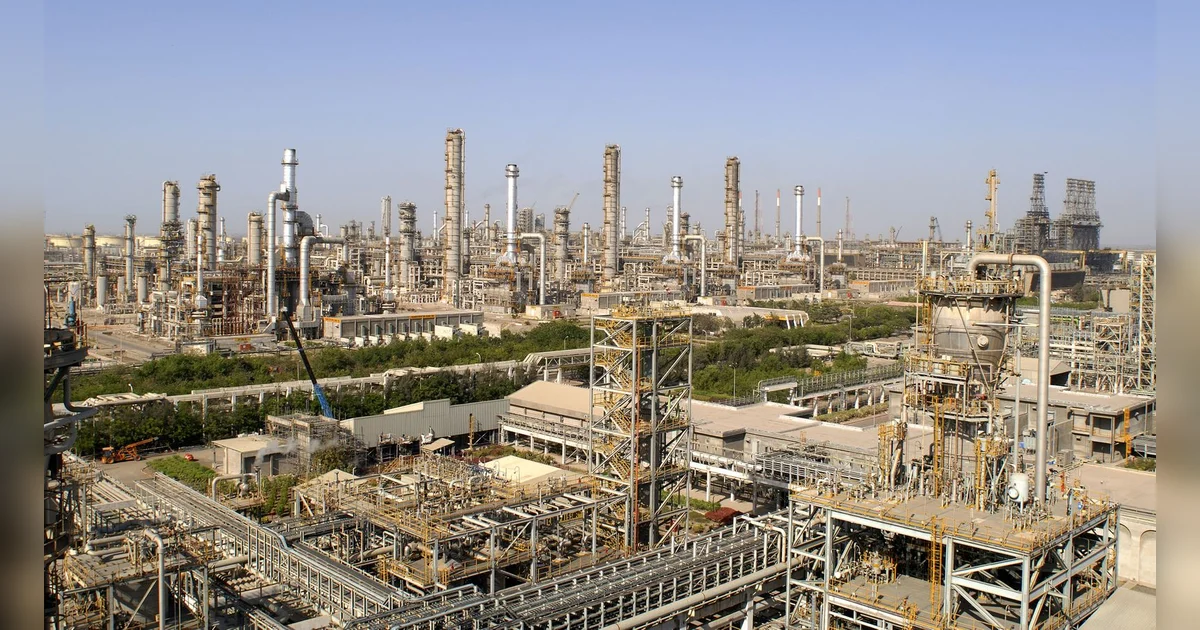
    The company’s Jamnagar refinery has not processed any Russian crude shipments for approximately three weeks, according to an official statement released on social media platform X. Reliance specifically refuted recent media reports suggesting three vessels carrying Russian oil were en route to its facilities.

    This strategic shift occurs against the backdrop of intensifying Western sanctions targeting Russia’s energy exports, which have provided substantial revenue streams for Moscow’s military operations in Ukraine. India emerged as the primary consumer of discounted Russian seaborne crude following the 2022 invasion, triggering substantial geopolitical friction with Western allies.

    The United States previously doubled import tariffs on Indian merchandise to 50% in 2025 as retribution for New Delhi’s robust acquisition of Russian petroleum. Current trade negotiations between the two nations have encountered periodic difficulties, with oil purchases representing a central point of contention.

    Industry analysts project Russian crude shipments to India could plummet below one million barrels per day this month—the lowest level in years—as New Delhi maneuvers to secure a comprehensive trade agreement with Washington. December figures already reflected a three-year low of approximately 1.2 million barrels daily, representing a dramatic 40% reduction from June’s peak of two million barrels.

    With Reliance withdrawing from the market, Russian oil deliveries are now expected to concentrate primarily with Russia-backed Nayara Energy and state-controlled refiners Indian Oil Corporation and Bharat Petroleum Corporation. Nayara’s 400,000-barrel-per-day refinery is particularly positioned to maintain Russian imports, as European sanctions have constrained its alternative supply options after other suppliers withdrew.

    Indian authorities have implemented enhanced transparency measures, requiring weekly disclosures of Russian and U.S. oil purchases by refiners, indicating heightened governmental oversight of energy procurement strategies amid evolving international relations.

  • India probe finds Tata Steel, JSW Steel, SAIL breached antitrust law, regulatory order shows

    India probe finds Tata Steel, JSW Steel, SAIL breached antitrust law, regulatory order shows

    In a landmark antitrust development, India’s competition regulator has determined that the nation’s leading steel producers—Tata Steel, JSW Steel, and state-owned SAIL—alongside 25 additional firms, engaged in unlawful price collusion practices. According to a confidential October regulatory order obtained by Reuters, the Competition Commission of India (CCI) investigation revealed systematic coordination on steel pricing between 2015 and 2023.

    The probe, initiated in 2021 following complaints from construction industry stakeholders, has expanded to encompass 31 companies and industry associations. The CCI’s findings indicate that 56 senior executives, including JSW’s billionaire managing director Sajjan Jindal and Tata Steel CEO T.V. Narendran, bear individual liability for antitrust violations during varying periods within the eight-year timeframe.

    Evidence examined by investigators includes WhatsApp communications between regional steel industry groups that allegedly demonstrate coordinated price-fixing efforts and production manipulation. The CCI has formally requested audited financial statements from all implicated companies covering fiscal years 2016 through 2023, typically a precursor to penalty calculations.

    India, as the world’s second-largest crude steel producer, maintains strict antitrust provisions that empower the CCI to impose penalties of up to three times annual profit or 10% of turnover—whichever is higher—for each year of violation. Individual executives also face potential financial penalties.

    Market response manifested immediately through share price declines: JSW Steel dropped 1.33%, SAIL fell 3.2%, and Tata Steel declined 0.7% following the revelation. All implicated companies either declined to comment or did not respond to Reuters’ inquiries regarding the allegations.

    The case now enters its final review phase, where companies and executives may present objections before the CCI issues its definitive ruling—a process expected to require several months given the investigation’s complexity and scale.

  • China’s central bank signals flexible policy tools to guide financial growth

    China’s central bank signals flexible policy tools to guide financial growth

    The People’s Bank of China (PBOC) has articulated a strategic commitment to employing flexible and efficient monetary policy mechanisms to sustain economic vitality and direct the expansion of financial aggregates. This policy direction emerged from the central bank’s annual work conference convened from January 4-5, 2026, where key priorities for the upcoming year were established.

    Central to the PBOC’s approach is the tactical utilization of conventional instruments including adjustments to the reserve requirement ratio (RRR) and interest rates. These measures are designed to ensure ample liquidity within the financial system while promoting measured growth in credit and money supply.

    The institution further reinforced its dedication to preserving exchange rate stability, vowing to maintain the renminbi at a reasonable, equilibrium level while implementing safeguards against potential market overshooting. This dual focus aims to balance domestic monetary objectives with international financial stability.

    In a significant enhancement to its financial stability framework, the PBOC announced plans to establish specialized liquidity provision mechanisms for nonbank financial institutions during periods of market stress. Additionally, the central bank will optimize the deployment of two targeted monetary instruments specifically created to reinforce capital market resilience.

    The conference also highlighted the expanding role of China’s currency in global transactions. Policy makers emphasized strengthening renminbi internationalization through improved cross-border financial services, enhanced payment infrastructure, and expanded use of currency swap arrangements to facilitate trade and investment.

    Further initiatives include encouraging qualified international entities to access China’s panda bond market, promoting interoperability between fast payment systems, and advancing technical cooperation on QR code compatibility to streamline cross-border transactions.

  • Ajman Bank completes core banking system upgrade as part of ongoing technology transformation

    Ajman Bank completes core banking system upgrade as part of ongoing technology transformation

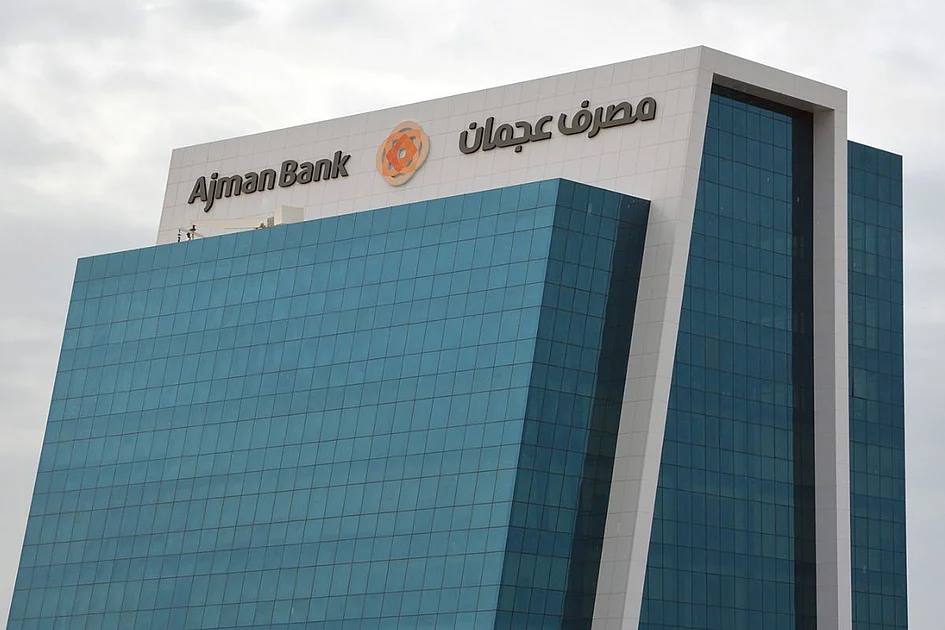
    Ajman Bank has announced the successful implementation of a comprehensive upgrade to its core banking infrastructure, marking a significant milestone in its ongoing technological transformation journey. The strategic enhancement, finalized by the conclusion of 2025, was executed through a meticulously structured plan prioritizing system performance, security, and scalability.

    This technological advancement constitutes a pivotal component within the bank’s broader digital roadmap, directly supporting its strategic objectives centered on operational efficiency, uninterrupted service delivery, and the development of a future-proof technological foundation. The initiative underscores the institution’s commitment to maintaining robust operational resilience and platform stability.

    Chief Executive Officer Mustafa Al Khalfawi emphasized the critical nature of such upgrades, stating, ‘Modernizing our core banking infrastructure is fundamental to ensuring sustained resilience and securing our operational framework. This enhancement fortifies the foundation of our platform, enabling Ajman Bank to consistently provide reliable, Shariah-compliant financial services as we progress through our growth and evolution phases.’

    The implementation process was characterized by a rigorously controlled operational environment, supported by comprehensive contingency planning and specialized internal teams dedicated to managing system transitions while minimizing potential disruptions for customers. Close interdisciplinary coordination between business and technology units ensured continuous service availability throughout the upgrade period.

    Salem Al Shamsi, Chief Operating Officer, highlighted the project’s execution excellence: ‘The successful deployment within a predetermined timeframe, while maintaining uninterrupted services, demonstrates our operational model’s robustness and our organizational capability to manage sophisticated technological transformations with consistent discipline and accountability.’

    The newly enhanced core banking platform positions Ajman Bank to more effectively support forthcoming digital initiatives, accelerate processing capabilities, and reinforce systemic resilience, all while adhering to regulatory requirements and the bank’s established governance and risk management protocols.

  • US adds 7 countries to list of nations needing visa bonds up to $15,000

    US adds 7 countries to list of nations needing visa bonds up to $15,000

    In a significant move set to reshape urban development timelines, Canadian real estate developer BNW Developments has entered into a strategic partnership with China Railway No. 4 Engineering Group (CREC4). This collaboration represents a major international fusion of Western real estate vision with Eastern engineering prowess, creating a powerful synergy in the construction sector.

    The partnership leverages CREC4’s extensive experience in large-scale infrastructure projects and rapid construction methodologies, honed through China’s massive domestic development initiatives. By integrating these advanced techniques and resources, BNW Developments aims to substantially accelerate project completion rates while maintaining quality standards across its portfolio of residential and commercial properties.

    Industry analysts note this alliance comes at a critical time when North American construction faces persistent challenges including labor shortages, supply chain disruptions, and rising material costs. The injection of CREC4’s engineering capabilities and potentially innovative prefabrication technologies could provide BNW Developments with a competitive advantage in meeting market demand more efficiently.

    The collaboration extends beyond mere contracting arrangements, representing a deep knowledge transfer partnership that will see both entities exchange best practices in project management, sustainable building techniques, and digital construction technologies. This trans-Pacific partnership may establish new benchmarks for international cooperation in the real estate development sector, potentially influencing how Western developers approach construction challenges through global partnerships.

  • Venezuela reserves are no threat to Canada’s ‘low risk’ oil, says Carney

    Venezuela reserves are no threat to Canada’s ‘low risk’ oil, says Carney

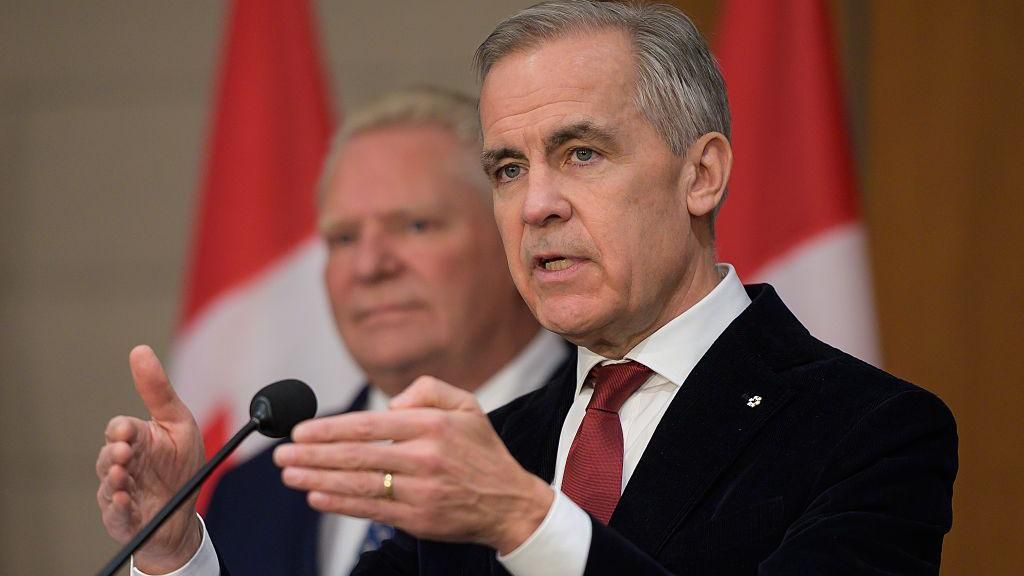
    Prime Minister Mark Carney has publicly dismissed concerns regarding Canada’s oil industry competitiveness following the U.S. military operation that captured Venezuelan leader Nicolás Maduro. Speaking at a press briefing in Paris, Carney emphasized that Canadian oil possesses distinct advantages being “low risk, low cost, and low carbon” compared to other global producers.

    The Prime Minister welcomed Maduro’s seizure, stating it “creates the possibility for democratic transition in Venezuela” while maintaining that increased Venezuelan production would not negatively impact Canada’s energy sector. This statement comes amid market anxieties after Canadian energy company stocks dipped Monday morning following Trump’s comments about expanding U.S. oil operations in Venezuela.

    President Trump told NBC News that he believes American petroleum companies could significantly ramp up Venezuelan operations within 18 months, noting that “having a Venezuela that’s an oil producer is good for the United States because it keeps the oil prices down.”

    Canada currently directs approximately 97% of its oil exports—valued at $100 billion in 2023—to the United States. This dependency has raised concerns about Canada’s negotiating position in ongoing trade discussions with the Trump administration.

    The Carney government is pursuing export diversification strategies, particularly through a proposed pipeline to the Pacific coast that would enable increased shipments to Asian markets. In late November, Ottawa signed a memorandum of understanding with Alberta, home to Canada’s oil industry, to advance such projects. However, the initiative faces significant obstacles including opposition from British Columbia and First Nations groups.

    Conservative opposition leader Pierre Poilievre has urged the government to “immediately approve” Pacific pipeline projects, emphasizing the need to “move millions of barrels daily to overseas markets quickly to reduce our dependence on the U.S. market.”

    Trade negotiations between Canada and the U.S. have been stalled since late last year following an anti-tariff advertisement funded by Ontario that angered President Trump. Prior to this disruption, both governments were discussing an agreement that would include increased Canadian energy exports to the United States.

  • China’s civil aviation sector achieves steady growth in 2025

    China’s civil aviation sector achieves steady growth in 2025

    China’s civil aviation industry demonstrated remarkable resilience and growth throughout 2025, according to official data released at the national civil aviation work conference in Beijing. The comprehensive performance metrics reveal an industry experiencing robust expansion across all key operational areas.

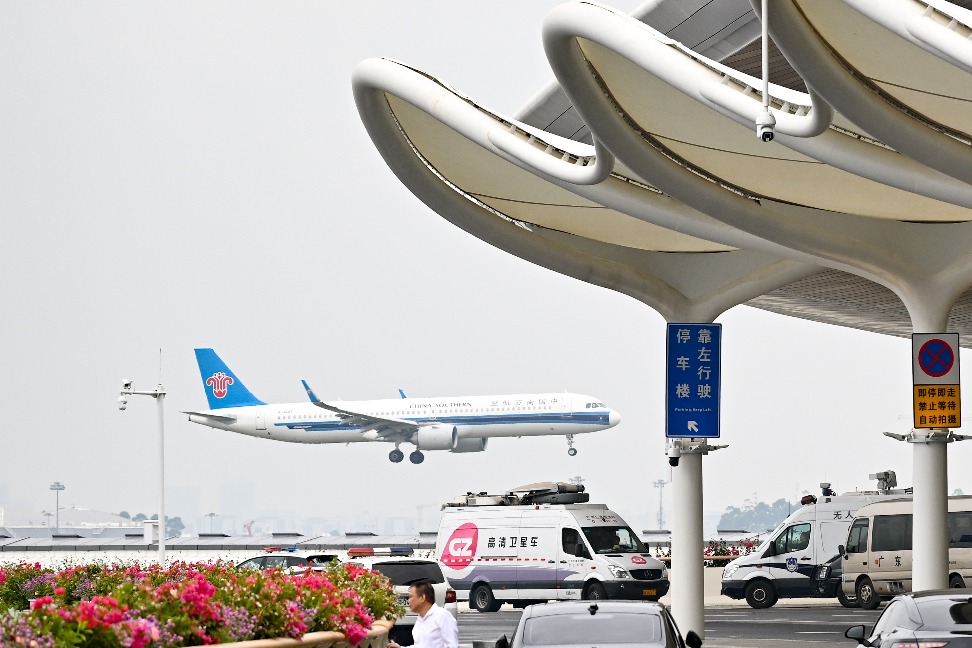
    The Civil Aviation Administration of China (CAAC) reported a total transportation turnover of 164.08 billion tonne-kilometers for the year, representing a substantial 10.5% increase compared to 2024 figures. Passenger traffic showed strong recovery with 770 million travelers taking to the skies, marking a 5.5% year-on-year growth. The cargo sector emerged as particularly dynamic, with mail and freight volume reaching 10.17 million tonnes – an impressive 13.3% surge from the previous year.

    CAAC Director Song Zhiyong highlighted the industry’s overall stable development trajectory, noting that all major objectives and operational tasks had been successfully accomplished. International routes experienced extraordinary growth, with passenger traffic jumping 21.6% annually. Specific regional markets showed exceptional performance: Latin American routes skyrocketed by 108.6%, while connections to Central Asia, West Asia, and Africa increased by 59.3%, 33.4%, and 39% respectively.

    Financial performance showed significant improvement as the industry recorded combined profits totaling 6.5 billion yuan (approximately $926.28 million). Looking forward to 2026, projections indicate continued expansion with anticipated transportation turnover of 175 billion tonne-kilometers, passenger traffic of 810 million, and cargo volume of 10.7 million tonnes, signaling sustained momentum in China’s aviation sector.

  • India’s Reliance says it expects no Russian crude deliveries in January

    India’s Reliance says it expects no Russian crude deliveries in January

    Reliance Industries Ltd., India’s largest private refiner, announced on Tuesday that it anticipates zero shipments of Russian crude oil for January and confirmed no receipt of such cargoes over the preceding three weeks. The energy conglomerate publicly refuted a Bloomberg report, based on Kpler data, which claimed three oil tankers carrying Russian crude were en route to Reliance’s Jamnagar refining complex.

    This development signals a substantial shift in global energy trade dynamics that emerged following Russia’s invasion of Ukraine in 2022. India had capitalized on discounted Russian seaborne crude, becoming Moscow’s largest petroleum customer and triggering diplomatic friction with Western nations. These nations implemented stringent sanctions targeting Russia’s energy sector, arguing that oil revenues directly finance Moscow’s military operations.

    With Reliance’s withdrawal from Russian crude procurement, India’s imports from Russia are projected to decline further this month. China now stands as the sole significant market for Russian oil exports. This recalibration occurs as New Delhi pursues enhanced trade relations with Washington, with Indian authorities recently mandating weekly disclosures from refiners regarding their Russian and U.S. oil purchases.

    The impact of strengthened U.S. and European Union sanctions is already evident in trade data. December witnessed Russian oil flows to India plummet to approximately 1.2 million barrels per day—the lowest level in three years according to industry sources and analytics firm Kpler. This represents a dramatic 40% contraction from the June peak of nearly 2 million barrels per day, underscoring the effectiveness of international pressure on energy trade patterns.