分类: business

  • Higher tariffs likely this week, says US Treasury

    Higher tariffs likely this week, says US Treasury

    The United States is poised to implement a 15% global tariff this week, according to Treasury Secretary Scott Bessent, following a period of conflicting statements from the Trump administration regarding the precise rate. This new tariff structure is designed to replace the sweeping “Liberation Day” import taxes imposed last year, which were recently invalidated by the Supreme Court.

    The policy confusion originated when the White House, responding to the court’s ruling, initially enacted a 10% levy. This move directly contradicted President Donald Trump’s social media announcement of a 15% rate, creating significant uncertainty among global business leaders and international trading partners. White House officials have since been working to align official documentation with the President’s stated 15% target, while simultaneously downplaying the legal impact of the Supreme Court’s decision.

    To implement the temporary tariff, the administration employed Section 122, an unconventional trade authority that permits the president to declare tariffs of up to 15% without congressional approval for 150 days under specific conditions. The administration has indicated it will pursue more permanent tariff measures using established legal instruments such as Section 301 and Section 232, which target unfair trade practices and national security threats respectively.

    Secretary Bessent expressed confidence that the tariff rates would return to their previous levels within five months. The original “Liberation Day” tariffs, announced in April last year, featured rates starting at 10% and escalating to 50% for certain countries, triggering extensive trade negotiations as nations sought preferential rates through investment commitments and policy concessions.

    The transition to a uniform 10% tariff with some product exemptions eliminated the competitive advantages previously secured by countries like the United Kingdom through bilateral agreements. Business communities have indicated a preference for the structured procedures associated with Section 301 and 232 implementations, which include investigation periods and opportunities for comment, providing more predictability than the administration’s abrupt policy announcements.

    The ongoing tariff uncertainty continues to raise fundamental questions about the future of U.S. trade policy and its impact on global economic relationships.

  • West Coast ports brace for uncertainty after US tariff ruling

    West Coast ports brace for uncertainty after US tariff ruling

    The critical Southern California port complex, America’s primary gateway for trans-Pacific commerce, faces renewed supply chain instability following a landmark Supreme Court decision on tariff authority. The 6-3 ruling determined that the previous administration overstepped its legal powers by imposing extensive tariffs under emergency provisions not intended for such trade measures.

    Port executives at both Los Angeles and Long Beach—which collectively process nearly one-third of US containerized imports—report immediate operational uncertainties despite potential long-term benefits from the judicial intervention. The decision affects approximately two-thirds of tariffs collected under the International Emergency Economic Powers Act, totaling roughly $130 billion in duties already paid by importers.

    Chief Executive Noel Hacegaba of the Port of Long Beach acknowledged the paradoxical situation: ‘I hope the ruling brings greater certainty to the supply chain. For now, the only certainty is more uncertainty.’ His port handled 9.9 million twenty-foot equivalent units (TEUs) last year and anticipates moving at least 9 million containers in 2026, though these projections now require recalibration.

    Gene Seroka, Executive Director of the Port of Los Angeles, highlighted the supply chain’s hypersensitivity to policy changes: ‘Each time there’s a policy statement or adjustment out of Washington, we see immediate stops and starts across the supply chain.’ The nation’s largest container port recorded 10.2 million TEUs last year but began 2026 with a 13 percent year-over-year import decline in January.

    The ruling creates two immediate challenges: unclear refund procedures for previously paid duties and the administration’s announcement of a new 10 percent global tariff without implementation details. Importers of Chinese-connected goods—from electronics components to furniture, toys, and apparel—must now make rapid decisions about shipment timing to potentially avoid tariffs before new measures take effect.

    This development compounds existing trade weaknesses, particularly in exports. The Port of Los Angeles moved only 104,000 export TEUs in January—an 8 percent annual decrease representing its lowest export volume in nearly three years. US containerized exports to China plummeted 26 percent last year, with soybean shipments declining 80 percent at Los Angeles and 90 percent nationwide as Chinese buyers shifted to South American suppliers.

    Despite these challenges, Seroka emphasized China’s enduring importance: ‘China still represents approximately 40 percent of our business, more than two and a half times our next largest trading partner. There is no faster way to get cargo from China to the US than through LA.’ The port executive reaffirmed commitment to longstanding trade partnerships that have defined West Coast maritime operations for decades.

  • Funding for Africa clean energy financing surges despite fewer project approvals

    Funding for Africa clean energy financing surges despite fewer project approvals

    NAIROBI, Kenya — Africa’s premier clean energy financing mechanism is poised for substantial growth, with plans to escalate its funding capacity to $2.5 billion within the next two years. This ambitious expansion signals accelerating momentum behind the continent’s transition to sustainable energy solutions.

    The African Development Bank’s Sustainable Energy Fund for Africa (SEFA) has demonstrated remarkable progress, with contributions surging to $88 million in 2025—a significant increase from $54.3 million the previous year. This upward trajectory reflects renewed investor confidence in Africa’s renewable energy sector, predominantly fueled by support from European Union member nations.

    Joao Duarte Cunha, overseeing the bank’s Renewable Energy Funds Division, revealed the fund’s strategic projections: “Based on our extensive projects pipeline, we anticipate capital mobilization reaching $2.5 billion. By 2030, we expect our portfolio to yield over $10 billion in commercial capital mobilization.”

    The fund’s operational performance has been particularly strong recently, with 27 projects approved over the past two years. In 2024 alone, SEFA sanctioned 14 renewable energy initiatives across Kenya, Nigeria, Burkina Faso, Ethiopia, and Chad. These projects will contribute approximately 840 megawatts of generating capacity and establish 1.5 million new electricity connections.

    Notably, eight of these initiatives were classified as green baseload projects—essential for meeting minimum national energy demands—while two involved green mini-grids and four focused on energy efficiency improvements.

    International support continues to strengthen SEFA’s mission. Germany committed $40.1 million during last year’s COP 30 climate summit in Brazil, while Italy announced a $5.9 million contribution. These investments will advance SEFA’s universal energy access objectives and support its green hydrogen program.

    Kevin Kariuki, Vice President for Power, Energy, Climate and Green Growth at the African Development Bank Group, emphasized SEFA’s growing impact: “SEFA is demonstrating its catalytic value through accelerated approvals, disbursements, and expanding influence across the continent.”

    The fund’s innovative approach extends beyond traditional utility-scale projects. SEFA is actively investing in decentralized energy platforms, including mini-grid developers and private equity funds specializing in distributed energy solutions. Additionally, the organization is piloting new financing mechanisms for clean cooking technologies and commercial bank partnerships.

    Cunha highlighted the fund’s evolving strategy: “Demand for catalytic financing continues to grow exponentially. We remain deeply committed to driving Africa’s energy transition and achieving universal energy access by 2030 through meaningful innovation in the clean energy space.”

  • Africa’s tourism sector records robust growth

    Africa’s tourism sector records robust growth

    Africa’s tourism sector demonstrated exceptional performance in 2025, achieving the world’s strongest growth in international tourist arrivals according to the latest UN Tourism Barometer. The continent welcomed 81 million international visitors, representing an 8% increase from 2024 and outperforming all other global regions including Asia-Pacific, Europe, the Americas, and the Middle East.

    Despite this robust expansion, industry executives are calling for substantial governmental intervention and strategic investments to fully capitalize on the sector’s untapped potential. Andy Payne, CEO of Inzalo Investment Holdings, emphasized tourism’s unique capacity to drive economic transformation and address youth unemployment across the continent. “Tourism is the ultimate solution. Resources are limited. Tourism is unlimited. It can make a massive difference,” Payne stated, highlighting the need for balanced collaboration between private enterprise and public policy.

    Infrastructure development emerged as a critical priority, with MSC Cruises South Africa’s Managing Director Ross Volk identifying transportation integration as fundamental to boosting intra-African tourism. “If we want to compete at a global level, we need to make sure that we have the best,” Volk asserted, pointing to inadequate airline connectivity, underdeveloped railway networks, and insufficient port facilities as major impediments to growth.

    South African Tourism Minister Patricia de Lille underscored the increasingly competitive global landscape, warning that passive approaches would yield limited results. “If we are going to wait for things to fall into our lap, it’s not going to happen. I travel around the world and the competition is stiff,” de Lille remarked, advocating for open skies policies, enhanced flight connectivity, and visa-free travel within Africa.

    Industry leaders unanimously stressed the necessity of long-term, conversion-focused strategies that transcend political transitions. Tshifhiwa Tshivhengwa of the Tourism Business Council of South Africa emphasized the importance of maintaining commitment to development plans despite changes in government leadership. Adriaan Fourie of the Cape Town and Western Cape Convention Bureau added that African nations must adopt sales-oriented approaches, focusing on creating tangible conversion opportunities rather than分散 efforts across less impactful priorities.

  • Asia-Pacific outlook darkens as tensions jolt markets

    Asia-Pacific outlook darkens as tensions jolt markets

    The economic horizon across the Asia-Pacific region is rapidly deteriorating as escalating Middle Eastern tensions send shockwaves through global markets, triggering widespread concerns about energy security and inflationary pressures.

    Analysts warn that persistent hostilities have created unprecedented risks for energy-import dependent Asian economies. The critical situation intensified when Iran’s Revolutionary Guards declared the strategic Strait of Hormuz “closed” on Monday, threatening attacks on vessels attempting passage through this vital maritime corridor that handles approximately 21 million barrels of oil daily.

    Energy market expert Vandana Hari, founder of Singapore-based Vanda Insights, projected that sustained blockage of the strait could propel oil prices to $90 per barrel, necessitating substantial strategic reserve releases to curb market volatility. While benchmark Brent crude traded at $81.05 during Asian hours on Tuesday, analysts anticipate further price surges.

    The regional economic implications are profound. Malaysia’s Maybank research division noted that although “war premiums” typically elevate oil prices, sustained increases require prolonged tensions. Iran contributes roughly 3% of global crude output, ranking as OPEC’s third-largest producer. In response to supply concerns, OPEC+ members agreed Sunday to increase production, potentially mitigating some disruption.

    Financial markets reflected the anxiety, with South Korea’s KOSPI plunging over 7% and Japan’s Nikkei closing 3% lower. Manav Modi, commodity analyst at Motilal Oswal Financial Services, highlighted that energy supply disruptions risk imported inflation through elevated crude and freight costs, potentially spilling into food, transport, and core inflation metrics.

    BMI’s Asia country risk head Darren Tay identified several Southeast and South Asian nations as particularly vulnerable due to their combination of heavy net energy import dependence, current account deficits, and limited policy buffers. Pakistan and Sri Lanka sit at the apex of risk exposure.

    The human dimension adds another layer of complexity. Rizal Commercial Banking Corp chief economist Michael Ricafort noted that travel disruptions could deter Filipino workers from migrating to Gulf Cooperation Council countries—a primary destination for South and Southeast Asian migrant workers—potentially reducing crucial remittance flows that underpin many regional economies.

    Tay observed the remittance channel creates a dual dynamic: “Higher oil prices often support Gulf spending and maintain migrant labor demand, which can cushion recipient economies even as their energy bills rise. However, prolonged conflict disrupting Gulf activity or payments could rapidly diminish inflows and worsen external balances.”

  • Transport workers target Amazon ahead of possible strike action

    Transport workers target Amazon ahead of possible strike action

    Australia faces potential widespread industrial disruption as the Transport Workers’ Union (TWU) launches a multi-stage campaign targeting e-commerce giant Amazon and other transport sector employers. The union has announced coordinated picketing at Amazon warehouses nationwide this Thursday, marking the initial phase of what it describes as a grueling confrontation with “Australia’s deadliest industry.”

    TWU National Secretary Michael Kaine characterized Amazon as “a giant anaconda squeezing the life from Australian jobs,” accusing the multinational corporation of systematically undermining industry standards through cost-cutting measures. The union warns that tens of thousands of transport workers stand ready to escalate to protected strike actions in July if companies involved in ongoing enterprise agreement negotiations fail to address working conditions and compensation standards.

    The confrontation stems from bargaining covering more than 200 enterprise agreements across road transport and aviation sectors. Union officials cite alarming industry statistics, reporting 19 fatalities—including five truck drivers—in transportation incidents since early 2026, alongside a 48% increase in transport business insolvencies compared to the previous year.

    Kaine specifically condemned what the union terms the “Amazon effect”—a multi-pronged approach that allegedly pressures transport contractors through the Amazon Flex app platform, which utilizes gig economy workers using personal vehicles. The union claims this model intensifies pressure on drivers and undermines established transport companies, with recent adoption by grocery chain Harris Farm exacerbating these concerns.

    This industrial action follows formal notices issued to Amazon in November by multiple unions, including the Shop, Distributive and Allied Employees’ Association and the Media Entertainment and Arts Alliance, regarding artificial intelligence implementation and wage structures. Amazon continues to face coordinated labor challenges globally, with similar protests occurring recently in both Australian and American facilities over working conditions and compensation.

  • Australian sharemarket suffers massive tumble as escalating Middle East war wipes out $63bn

    Australian sharemarket suffers massive tumble as escalating Middle East war wipes out $63bn

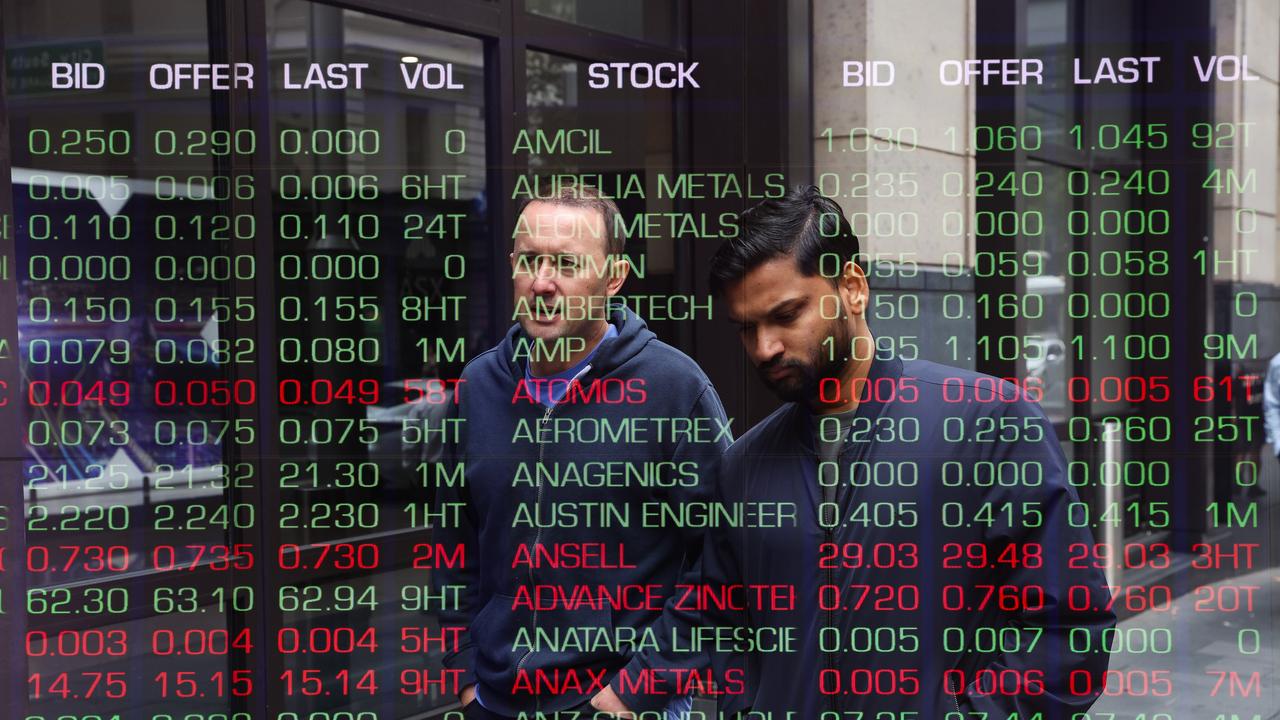
    Australia’s financial markets experienced a severe downturn on Wednesday as escalating Middle East conflicts and persistent inflation anxieties triggered a massive sell-off, erasing approximately $63 billion in market value. The benchmark ASX 200 index plummeted 176.1 points, representing a 1.90 percent decline to settle at 8901.20, while the broader All Ordinaries index mirrored this downward trajectory with a 180.1 point drop to 9117.10.

    The market downturn manifested across all sectors, with materials, real estate, and consumer staples experiencing the most significant losses. Major mining corporations bore the brunt of the sell-off, with West African Resources plunging 7.39 percent, Westgold Resources declining 7.14 percent, and industry giants BHP and Rio Tinto falling 3.5 percent and 1.61 percent respectively. The banking sector similarly faced substantial pressure, with ANZ leading losses at 3.71 percent.

    Despite the widespread decline, energy companies demonstrated resilience amid the market turmoil. Woodside Energy advanced 0.89 percent while Santos recorded a modest 0.41 percent gain, benefiting from increased oil prices driven by geopolitical uncertainties. This sectoral performance aligns with analysis from Global X ETFs strategist Marc Jocum, who noted that Australia’s commodity-heavy market composition provides a natural hedge during geopolitical crises.

    The market volatility occurred against a complex economic backdrop. Recent GDP data revealed Australia’s economy expanded by 2.6 percent in the fourth quarter, exceeding economist forecasts. This robust economic performance, combined with persistent inflation concerns, has increased expectations of additional interest rate interventions by the Reserve Bank later this month.

    International markets reflected similar patterns of instability. Asian exchanges experienced pronounced declines, with South Korea’s markets temporarily suspending trading after indices plunged nearly 10 percent. United States markets attempted recovery from early session losses but ultimately closed negative, with the Dow Jones, Nasdaq, and S&P 500 all recording declines between 0.83 and 1.02 percent.

    The Australian dollar continued to face pressure throughout the trading session, declining to approximately 70 US cents amid the broader market uncertainty and shifting global risk appetites.

  • RBA: 190,000 more jobless if we followed other nations

    RBA: 190,000 more jobless if we followed other nations

    Australia’s deliberate approach to monetary policy during the global inflation crisis has proven significantly less damaging to employment than the aggressive tactics employed by other Western nations, according to new economic modeling from the Reserve Bank of Australia.

    Chief economist Sarah Hunter, speaking at an international conference in Oslo, Norway, revealed the central bank’s analysis showing that approximately 190,000 additional Australians would have faced unemployment had the RBA mirrored the rapid interest rate increases implemented by the United States, United Kingdom, Canada and New Zealand.

    The research demonstrates that while more aggressive rate hikes would have brought inflation down faster initially, Australia would have experienced a resurgence of price pressures in recent months alongside substantially higher job losses. Australia’s current unemployment rate stands at 4.1 percent, markedly lower than the peaks seen in comparable economies that pursued more restrictive monetary policies.

    “As we all know all too well, in the years following the onset of the Covid-19 pandemic, economies around the world experienced a sharp rise in inflation,” Hunter told the audience. “Australia was no exception, with inflation reaching its highest level in over three decades by late 2022.”

    The RBA’s strategy resulted in a cash rate peak of 4.35 percent, considerably lower than the 5.5 percent that would have been necessary to match other central banks’ approaches. Had the RBA followed this more aggressive path, modeling indicates unemployment would have reached 5.3 percent by late 2025 instead of current projections.

    The analysis also quantified the personal financial impact: a homeowner with a $600,000 mortgage would have faced approximately $500 in additional monthly repayments under the more aggressive rate scenario. While this approach would have brought underlying inflation down to 2.5 percent last year, the RBA determined the employment costs outweighed the benefits of faster inflation reduction.

    Australia’s current underlying inflation rate reached its lowest point at 2.9 percent in June, demonstrating that the more gradual approach ultimately achieved similar price stability outcomes while preserving hundreds of thousands of jobs.

  • Australian airfares could rise in weeks as Iran conflict drives up oil prices

    Australian airfares could rise in weeks as Iran conflict drives up oil prices

    Australian consumers should brace for significantly higher air travel expenses within weeks as geopolitical tensions in the Middle East drive global oil prices upward, according to economic experts. The escalating conflict involving Iran has precipitated an 11.5 percent surge in Brent crude oil benchmarks over the past five days, directly impacting aviation fuel costs worldwide.

    University of Technology Sydney economics professor Tim Harcourt indicates that while Australian carriers maintain contingency plans for global disruptions, travelers will likely experience rapid price adjustments. “The transmission from oil prices to airfares typically occurs quite swiftly,” Harcourt explained. “Although passengers often book at fixed rates in advance, airlines possess the flexibility to adjust pricing within weeks of travel dates.”

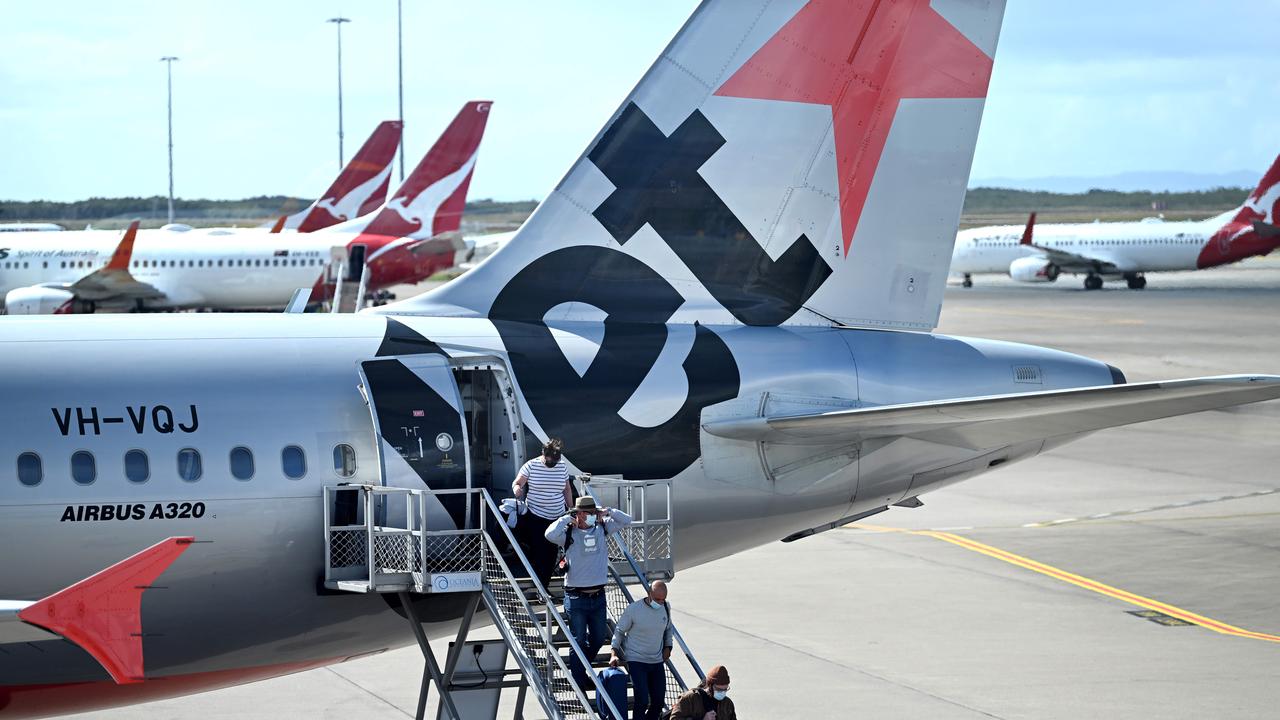
    The situation intensified as Iran substantially restricted traffic through the critical Strait of Hormuz shipping corridor, prompting major airlines to cancel regional flights and monitor fuel cost fluctuations closely. Both Qantas and Virgin Australia have seen notable declines in their share values this week amid the growing uncertainty.

    Market analysts present contrasting perspectives on the crisis management approach. Primara Research analyst Peter Drennan expressed skepticism toward U.S. assurances regarding oil tanker insurance and naval escorts through the Strait, describing maritime insurance as “a complex, niche, specialist area” that cannot be easily replicated. Meanwhile, independent economic analyst Stephen Innes observed that markets have responded methodically rather than panicking, gradually recalibrating risk assessments for energy-centered global economic challenges.

    The U.S. administration’s commitment to securing vital shipping routes has provided some moderating influence on prices, with President Trump’s pledge to ensure tanker safety acting as a temporary market circuit breaker. This intervention signals Washington’s determination to maintain the flow of oil through the world’s most crucial energy artery despite rising geopolitical temperatures.

    As Brisbane motorists already queued for fuel amid price spike concerns, analysts warn that Australia’s limited oil reserves leave the particularly vulnerable to global energy disruptions, potentially accelerating the impact on transportation costs across the nation.

  • China’s factory activity contracts for a second month

    China’s factory activity contracts for a second month

    HONG KONG (AP) — China’s manufacturing sector contracted for the second consecutive month in February, reaching a four-month low despite potential relief from recent U.S. tariff reductions. The official manufacturing purchasing managers index (PMI) declined to 49 from January’s 49.3, according to Wednesday’s report from the National Bureau of Statistics. The PMI scale operates from 0 to 100, with readings below 50 indicating economic contraction.

    The recent downturn follows December’s brief expansion at 50.1, which interrupted eight consecutive months of contraction. National Bureau of Statistics chief statistician Huo Lihui attributed the February decline to seasonal factors, particularly the extended Lunar New Year holiday period in mid-February.

    Contrasting with government data, a private sector PMI survey by Chinese financial research firm RatingDog presented a more optimistic outlook. Their February reading reached 52.1, up from January’s 50.3, marking the most significant expansion since December 2020 and remaining firmly in growth territory. This private survey typically captures trends among smaller, export-oriented private enterprises more accurately.

    RatingDog founder Yao Yu noted in a statement that overseas demand demonstrated notable strength in February, with new export orders showing substantial growth. The divergent data patterns reflect what ING Bank’s Greater China chief economist Lynn Song described as “a similar trajectory to what we observed in 2025,” with resilient external demand driving growth while domestic consumption remains disappointingly soft.

    Economists identify potential catalysts for improvement in the coming months, including last month’s Supreme Court ruling against reciprocal tariffs that resulted in reduced U.S. duties on Chinese goods. Capital Economics China economist Zichun Huang projected this would provide a “small boost” to exports and manufacturing activity. Additionally, the anticipated April meeting between U.S. President Donald Trump and Chinese leader Xi Jinping could extend the current trade truce between the nations.

    However, analysts caution that domestic demand weaknesses persist, fueled by an ongoing real estate sector downturn that continues to suppress consumption and investment. Attention now turns to China’s annual national congress beginning Thursday, where officials will unveil economic growth targets—with economists anticipating a goal of 4.5% or higher—and approve Beijing’s five-year policy blueprint for 2026-2030, expected to emphasize technological advancement and self-reliance initiatives.