分类: business

  • Dow drops 800 after the US job market weakens and oil prices jump to the highest since 2024

    Dow drops 800 after the US job market weakens and oil prices jump to the highest since 2024

    Financial markets on Wall Street experienced a severe downturn Friday as investors confronted a toxic economic combination: rising inflation pressures alongside clear signals of economic weakening. The catalyst was a dual blow from economic reports showing an unexpected contraction in U.S. employment alongside surging oil prices reaching multi-year highs.

    The S&P 500 index plummeted 1.6% while the Dow Jones Industrial Average witnessed a dramatic drop of 823 points (1.7%) during morning trading. The Nasdaq composite followed suit with a 1.4% decline. This market reaction reflects growing anxiety that the economy may be entering a period of stagflation – the economic phenomenon where stagnation coincides with persistent inflation.

    Brian Jacobsen, Chief Economic Strategist at Annex Wealth Management, noted the concerning nature of the data: “You can’t sugarcoat this report. A negative payrolls number combined with a big jump in oil prices will have traders worrying about stagflation risks.”

    The employment report revealed a surprising loss of 92,000 jobs last month, pushing the unemployment rate to 4.4%. Compounding these concerns, retail sales figures underperformed expectations, suggesting American consumers – the primary engine of economic growth – may be reaching their spending limits.

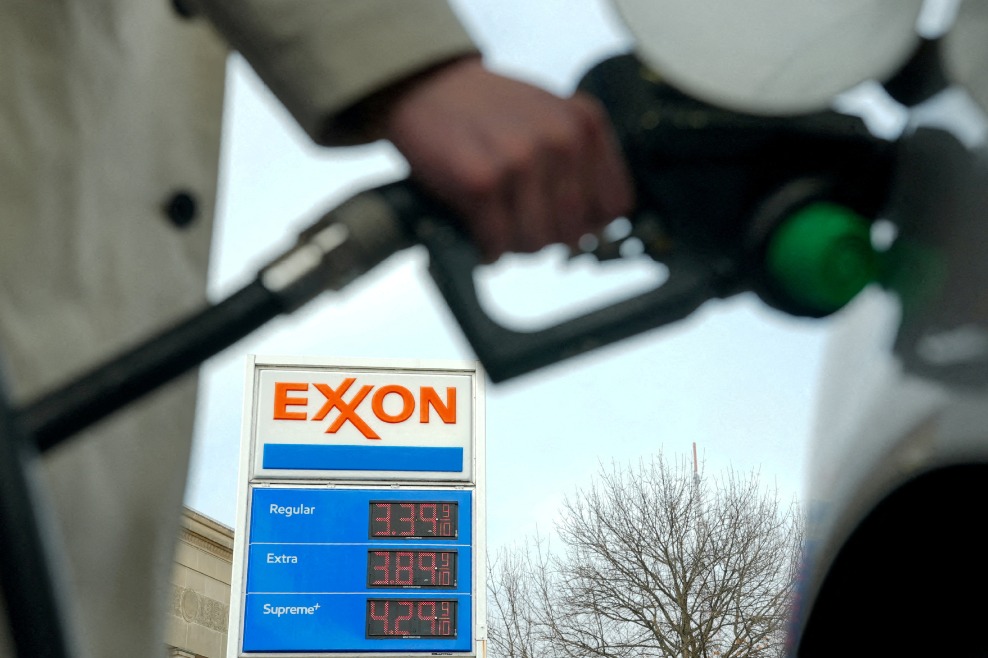
    Energy markets exacerbated the situation as Brent crude, the international benchmark, surged 6.9% to $91.35 per barrel – its highest level since April 2024. U.S. crude benchmark prices jumped even more dramatically, climbing 9.2% to $88.45. This price spike is directly linked to Middle East tensions affecting critical energy transportation routes, particularly the Strait of Hormuz which handles approximately one-fifth of global oil shipments.

    The convergence of these factors creates a policy dilemma for the Federal Reserve, which typically responds to economic weakness with interest rate cuts. However, with inflation pressures mounting due to energy price increases, the central bank’s flexibility appears constrained. Market expectations have consequently shifted, with traders now anticipating potentially just one rate cut this year instead of multiple reductions.

    Market volatility has become increasingly frenetic, with dramatic intraday swings occurring hour-by-hour. The Russell 2000 index of small-cap companies fell a market-leading 2.2%, reflecting particular vulnerability among firms dependent on borrowing and domestic economic strength. Transportation and travel sectors suffered most acutely, with Old Dominion Freight Line sinking 7%, Norwegian Cruise Line Holdings falling 6.1%, and Southwest Airlines losing 5.7%.

    International markets showed mixed reactions, with European indices declining while Asian markets posted gains, highlighting the uneven global impact of these economic developments.

  • Australian sharemarket hammered as Middle East conflict sparks global stagflation fears

    Australian sharemarket hammered as Middle East conflict sparks global stagflation fears

    Australia’s financial markets experienced a severe downturn, shedding over $100 billion in value during the past week as escalating Middle East tensions sparked fears of global economic stagnation. The benchmark ASX 200 index closed Friday’s session down 1.0 percent, equivalent to 89.30 points, while the broader All Ordinaries index declined 0.87 percent to 9,085.10 points.

    The market weakness reversed February’s robust 3.7 percent rally, dragging quarterly performance into negative territory with a 4.1 percent decline. The sell-off was predominantly driven by concerns that prolonged conflict in the Middle East could trigger stagflation—a dangerous combination of stagnant economic growth and rising inflation.

    Commodity markets witnessed dramatic movements, with Brent crude oil recording its most significant weekly surge since 2022, climbing 16 percent to approximately $120 AUD per barrel. This surge followed supply disruptions stemming from Middle Eastern hostilities, though prices moderated slightly after statements from U.S. officials regarding potential supply stabilization measures.

    Sector performance revealed stark contrasts: technology stocks emerged as the sole bright spot, rallying 4.57 percent overall. Wisetech Global led the surge with a remarkable 10.83 percent gain, while Xero and Technology One advanced 4.46 percent and 3.92 percent respectively. Conversely, materials and mining sectors faced substantial pressure as BHP declined 4.24 percent, Rio Tinto fell 3.59 percent, and Fortescue dropped 0.72 percent amid weakening commodity prices.

    Financial institutions mirrored the bearish sentiment, with all four major banks closing lower. The Commonwealth Bank dipped 0.11 percent, NAB declined 1.08 percent, Westpac dropped 0.89 percent, and ANZ decreased 0.34 percent.

    AMP economist My Bui highlighted the dual threat posed by elevated oil prices: “Higher commodity prices raise household energy costs and manufacturing input costs while reducing discretionary consumption. Simultaneously, increased geopolitical uncertainty causes households and businesses to delay major purchases and investment plans.”

    Despite the volatility, Morningstar market strategist Lochlan Halloway characterized market reactions as “rational” given the unprecedented nature of the geopolitical situation, noting that “markets are pricing a broad spectrum of risk, ranging from a brief disruption to, in the extreme case, an oil shock with no modern precedent.”

    Individual company movements included Magellan Financial’s 9.27 percent surge following news of billionaire Frank Lowy’s family acquiring a 5.1 percent stake, while Deep Yellow plummeted 11.79 percent due to significant half-year losses. Defence contractor DroneShield gained 10 percent amid heightened demand for counter-drone technology in conflict zones.

  • EU to ban plant-based ‘bacon’ but veggie ‘burgers’ survive chop

    EU to ban plant-based ‘bacon’ but veggie ‘burgers’ survive chop

    The European Union has finalized landmark legislation prohibiting the use of traditional meat nomenclature for plant-based alternatives, though several popular terms have been exempted from the sweeping ban. Following extensive negotiations between EU member states and parliamentary representatives, the new regulations will forbid product labels containing terms like “steak,” “bacon,” and “escalope” for vegetarian and vegan food items.

    The decision represents a significant victory for Europe’s livestock agricultural sector, which has consistently argued that plant-based products mimicking meat terminology create consumer confusion and constitute unfair market competition. French cereal farmer and conservative parliamentarian Celine Imart, who championed the legislation, celebrated the outcome as an “undeniable success” that recognizes the value of livestock farming traditions.

    Notably, the legislation carves out exceptions for some of the most established plant-based products in the European market. Terms including “burger,” “sausage,” and “escalope” will remain permissible for meat-free alternatives, reflecting their entrenched position in consumer vocabulary.

    The comprehensive list of prohibited terminology extends beyond specific meat types to include anatomical references traditionally associated with animal products. Banned descriptors encompass “veal,” “pork,” “poultry,” “chicken,” along with cut-specific terms such as “tenderloin,” “sirloin,” “ribs,” “shoulder,” “chop,” “wing,” and “T-bone.”

    The regulatory framework also extends to laboratory-cultivated cellular agriculture products, representing one of the world’s first comprehensive legislative approaches to emerging food technologies.

    Consumer advocacy organizations have strongly criticized the decision, with BEUC Director General Agustin Reyna dismissing the confusion argument as “nonsense” and predicting the new rules will actually increase consumer uncertainty. Environmental groups and German retailers—operating in Europe’s largest plant-based market—had similarly opposed the measures.

    Despite opposition, Cyprus Agriculture Minister Maria Panayiotou, representing the EU presidency, characterized the agreement as “a meaningful step towards fairer and more resilient agricultural markets.”

    The legislation arrives amid unprecedented growth in plant-based food consumption within the EU, which has expanded fivefold since 2011, driven by environmental sustainability concerns, animal welfare considerations, and health-conscious consumer behavior.

  • Premier Li reaffirms commitment to Hainan Free Trade Port development

    Premier Li reaffirms commitment to Hainan Free Trade Port development

    In a significant policy address at the fourth session of the 14th National People’s Congress, Premier Li Qiang reaffirmed China’s commitment to advancing the Hainan Free Trade Port as a cornerstone of the nation’s economic reform and high-standard opening-up strategy. This marks the eighth consecutive year the ambitious project has been highlighted in the government’s annual work report, signaling its enduring strategic importance.

    The development initiative has already yielded substantial results since the December 18 implementation of island-wide special customs operations, a landmark achievement in Hainan’s economic transformation. Within just two months of the policy launch, foreign investment in the region surged dramatically, with new foreign-funded enterprises increasing by 45.6 percent. The tariff liberalization framework expanded significantly, raising the proportion of imported goods eligible for zero tariffs from 21 percent to 74 percent.

    Customs data reveals impressive trade growth exceeding 9 percent during this period, demonstrating the immediate impact of the policy changes. The special economic zone offers unique advantages, including provisions that allow imported products undergoing at least 30 percent value-added processing in Hainan to enter mainland China tariff-free. Additionally, certain goods restricted or banned elsewhere in China enjoy liberalized policies within the free trade port.

    The economic benefits became particularly evident during the recent Spring Festival holiday, where zero-tariff goods imports reached approximately 48.6 million yuan ($7.04 million), resulting in tariff exemptions of about 9.4 million yuan. Premier Li emphasized that China will continue to enhance the layout and scale of pilot free trade zones to strengthen their innovation-driven development capacity, positioning Hainan as a model for China’s future economic openness.

  • Irish economy grew strongly in 2025

    Irish economy grew strongly in 2025

    Ireland’s economy demonstrated remarkable resilience in 2025 with official data revealing nearly 5% growth in domestic economic activity. The measurement of modified domestic demand (MDD), which provides a more accurate picture of Ireland’s economic performance by excluding multinational corporate distortions, indicates robust expansion despite global economic challenges.

    Finance Minister Simon Harris highlighted that the figures confirm strong domestic growth despite external pressures. While acknowledging that headline growth figures might slightly overstate underlying economic strength, Harris emphasized two critical positive indicators: rising real incomes and record-breaking employment levels reaching unprecedented numbers.

    Ireland’s economic performance appears even more impressive when considering the context of potential trade disruptions. Initial concerns about significant impact from U.S. tariff policies have largely not materialized, primarily because pharmaceutical exports—Ireland’s main export to the American market—have generally remained exempt from these trade measures.

    The nation’s fiscal position has been further strengthened by sustained corporation tax revenues, creating a substantial financial buffer. This has enabled the establishment of a national wealth fund for long-term investment while simultaneously supporting increased government spending that contributes to economic growth.

    Looking forward, the government has committed to major infrastructure development, including Dublin’s inaugural underground railway system, signaling continued investment in the nation’s economic future.

    However, this strong macroeconomic performance contrasts with microeconomic challenges faced by many citizens. Despite overall economic prosperity, younger demographics particularly report not feeling the benefits due to persistently high housing costs. While the job market remains healthy, soaring rental expenses consume disproportionate portions of income for young workers. The government maintains that housing construction initiatives are progressing, though recent polling suggests many voters remain skeptical about these claims.

  • China to establish national fund for low-carbon transition, boost green economy: draft govt work report

    China to establish national fund for low-carbon transition, boost green economy: draft govt work report

    China is poised to establish a groundbreaking national fund dedicated to accelerating its transition toward a low-carbon economy, according to the draft government work report presented at the ongoing National People’s Congress session. This strategic initiative represents a cornerstone of the nation’s comprehensive strategy to cultivate sustainable economic growth while addressing climate commitments.

    The newly proposed fund will specifically channel resources into developing cutting-edge green technologies and emerging sectors, with hydrogen power and green fuels identified as primary beneficiaries. This financial mechanism aims to catalyze innovation and scale up deployment of clean energy solutions across industrial sectors.

    Beyond the fund establishment, the policy blueprint outlines a multi-faceted approach to environmental stewardship. The government plans to enhance existing green development policies while launching specialized initiatives targeting quality upgrades, cost reduction, and carbon emission cuts in key industries. The development of zero-carbon industrial parks and factories will receive prioritized support as demonstration projects.

    While maintaining stringent oversight on energy-intensive and high-emission projects, China will accelerate the phase-out of obsolete production capacity. Concurrently, the nation will bolster research, development and implementation of advanced green technologies and equipment. The comprehensive strategy further includes improvements to total resource consumption control mechanisms, enhanced resource conservation systems, and expanded recycling programs for reusable materials.

    The policy framework explicitly supports China’s dual climate objectives of achieving peak carbon emissions before 2030 and carbon neutrality by 2060. Government authorities emphasize a balanced approach of “active yet prudent” advancement toward these targets.

    Implementation will involve establishing a dual-control system managing both the total volume and intensity of carbon emissions. The government will also refine carbon emission statistics, accounting methodologies, and carbon footprint management protocols. Additional measures include expanding China’s national carbon trading market coverage and formulating a strategic outline to strengthen the energy sector’s resilience.

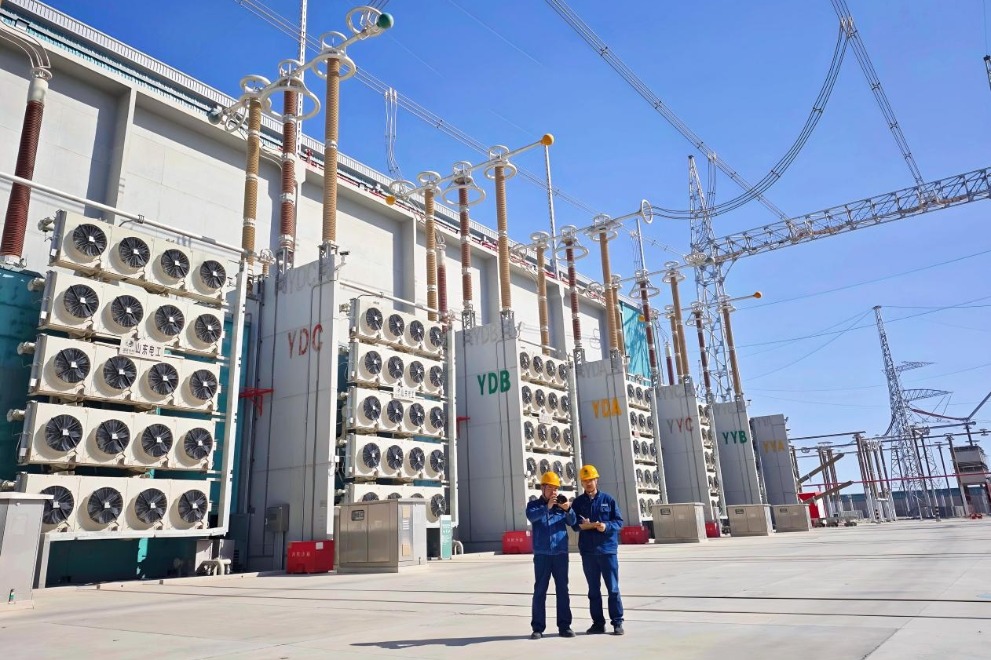
    The transition plan acknowledges the interim role of fossil fuels, promoting their cleaner and more efficient utilization while accelerating construction of smart grid infrastructure. Development of novel energy storage technologies and broader adoption of green electricity will receive significant policy support to build a new electric power system fit for a low-carbon future.

  • Key takeaways from China’s new 5-year economic blueprint and growth target

    Key takeaways from China’s new 5-year economic blueprint and growth target

    China has announced its most conservative annual economic growth target in over three decades, setting a benchmark of approximately 5% for 2026 during the opening session of the National People’s Congress. This calibrated approach reflects Beijing’s pragmatic response to persistent domestic challenges including a protracted property sector crisis, weakened consumer confidence, and demographic pressures.

    Premier Li Qiang’s government work report acknowledged the “grave and complex” economic landscape while highlighting China’s achievement of meeting its 2025 growth target of 5%, largely propelled by a record trade surplus nearing $1.2 trillion. The economic strategy now prioritizes technological self-reliance, with substantial investments earmarked for artificial intelligence, robotics, semiconductors, and quantum technologies as part of the newly unveiled five-year plan extending to 2030.

    The comprehensive policy blueprint outlines ambitious research and development objectives, targeting minimum annual growth of 7% in nationwide R&D expenditure. Concurrently, China will maintain robust defense spending with a 7% budget increase to approximately $270 billion, while slightly moderating environmental targets with a 17% reduction in carbon intensity over the next five years.

    Addressing demographic concerns, officials pledged to create a “fertility-friendly society” through enhanced childcare, healthcare, and education support systems as the nation confronts a fourth consecutive year of population decline. The property market stabilization remains a priority, with commitments to regulate supply and reduce inventory amid ongoing housing market adjustments.

  • Japan sees stagflation risk rise

    Japan sees stagflation risk rise

    Japan faces mounting economic vulnerability as escalating Middle East tensions trigger serious concerns about potential stagflation. The recent joint military operations by the United States and Israel against Iran have sent shockwaves through global markets, with Japan positioned as particularly susceptible to energy supply disruptions due to its heavy reliance on Middle Eastern oil.

    Financial markets reacted immediately to the geopolitical turmoil, with Tokyo’s benchmark Nikkei 225 index plummeting 3.61 percent on Wednesday amid a worldwide sell-off driven by surging oil prices and heightened uncertainty. The broader TOPIX index followed suit, dropping 138.50 points to close at 3,633.67.

    The Strait of Hormuz, a critical maritime passage for global energy shipments, now represents Japan’s primary economic vulnerability. According to data from Japan’s Agency for Natural Resources and Energy, over 90 percent of the nation’s crude oil imports originate from the Middle East, with most shipments navigating this strategic choke point. Any sustained disruption to traffic through the strait could trigger dramatic increases in global oil prices.

    Despite government assurances regarding strategic petroleum reserves—reportedly sufficient for approximately 254 days of domestic consumption—leading economists warn that prolonged conflict could severely strain Japan’s energy security. Hideo Kumano, chief economist at Dai-ichi Life Research Institute, projected significant oil price surges should tensions continue to escalate, potentially driving up gasoline and electricity costs across the country.

    The stagflation scenario—a dangerous combination of stagnant economic growth and rising inflation—has emerged as a distinct possibility. Takahide Kiuchi, executive economist at Nomura Research Institute, cautioned that extended closure of the Strait of Hormuz by Iran could precipitate precisely this economic crisis.

    The ripple effects would extend throughout Japan’s real economy. Akuta Tomomichi, senior economist at Mitsubishi UFJ Research and Consulting, calculated that every $10 increase in global oil prices would raise Japan’s crude import costs by approximately 1.3 trillion yen, impacting sectors ranging from agriculture to fisheries and food production.

    Meanwhile, the Japanese government’s response to the military strikes has drawn criticism from diplomatic and political circles. Prime Minister Sanae Takaichi urged Iran to pursue diplomatic solutions while refraining from offering definitive legal assessment of the US-Israel bombardment, citing insufficient detailed information.

    Ukeru Magosaki, director of the Tokyo-based East Asian Community Institute and former Japanese ambassador to Iran, characterized the strikes as violations of international law without proper justification. Public dissent has manifested in protests across Japan, including a gathering of approximately 500 demonstrators in Tokyo who called for immediate cessation of attacks against Iran.

    Tomoko Tamura, chair of the Japanese Communist Party, condemned the military actions as violations of the United Nations Charter, suggesting international pressure could become a decisive force in halting the conflict.

  • Zhou Li’an: Rural vitalization lies in value creation and ‘rural CEOs’

    Zhou Li’an: Rural vitalization lies in value creation and ‘rural CEOs’

    In a groundbreaking exclusive interview with China Daily, Zhou Li’an—esteemed member of the 14th CPPCC National Committee and distinguished professor at Peking University’s Guanghua School of Management—presented a transformative vision for rural e-commerce development. The academic expert proposed a strategic pivot from destructive price wars to sustainable value creation as the cornerstone for rural revitalization.

    Professor Zhou identified product homogeneity as the critical challenge currently plaguing rural e-commerce platforms, creating an environment of intensified competition that undermines long-term viability. He emphasized that breakthrough success requires developing integrated business models that generate distinctive value propositions rather than competing solely on price points.

    The visionary economist introduced the innovative concept of ‘rural CEOs’—professional management experts who would bring sophisticated business acumen to agricultural industries. This paradigm shift would inject fresh vitality into rural economic structures through specialized management mechanisms traditionally reserved for corporate environments.

    Zhou’s analysis suggests that rural communities must embrace professionalization of management practices to unlock their full economic potential. By implementing corporate-style leadership structures, villages could leverage local resources more effectively while creating sustainable market advantages.

    The proposed model represents a significant departure from traditional agricultural management approaches, potentially setting new standards for how rural industries operate within China’s rapidly evolving digital economy. This professionalization initiative could serve as a blueprint for modernizing agricultural business practices nationwide.

  • Henan intensifies efforts for higher-level opening-up

    Henan intensifies efforts for higher-level opening-up

    Central China’s Henan province is executing an ambitious strategy to transform into a high-capacity inland hub for global commerce, leveraging enhanced trade corridors and digital infrastructure to connect domestic and international markets. Under the leadership of Provincial Party Committee Secretary Liu Ning, the region is prioritizing integration with China’s national unified market as the cornerstone of its economic development framework.

    The comprehensive approach centers on establishing Henan as a critical circulation nexus, facilitating the efficient movement of international products to Chinese consumers while simultaneously propelling locally manufactured goods onto the world stage. Cross-border e-commerce serves as the primary engine of this transformation, supported by an extensive network of specialized ports, bonded zones, and pilot e-commerce centers designed to streamline customs procedures and accelerate trade flows.

    This strategic focus has yielded substantial economic returns, with provincial foreign trade reaching 935.67 billion yuan ($135.72 billion) in the previous year—representing a robust 14.1 percent growth compared to 2024. Henan has achieved national leadership in exporting diverse products including commercial buses, mobile devices, and hair products, with provincial capital Zhengzhou emerging as a dominant import-export center.

    The province’s logistics capabilities demonstrate remarkable efficiency, particularly in perishable goods transportation. Cold-chain imports through Henan more than doubled year-over-year, with Malaysian durians clearing customs within half a day and reaching consumers nationwide within 36 hours. Norwegian chilled salmon now reaches markets within 24 hours of arrival, enabled by Henan’s innovative “pre-clearance + dedicated cargo flights + cross-border e-commerce” model that processes nearly 1,000 metric tons of outgoing cargo daily.

    Henan’s global commercial integration extends beyond logistics to corporate expansion. Beverage chain Mixue Ice Cream and Tea has established comprehensive overseas warehousing systems and operates over 4,800 international stores. Yutong Bus maintains its position as the global leader in large and medium-sized bus sales for the fifteenth consecutive year, while Xuchang City distributes approximately 40,000 hair product sets worldwide each day.

    Transport infrastructure metrics further underscore the province’s growing connectivity: Zhengzhou airport handled 1.033 million tons of cargo in 2025, representing a 25.2 percent annual increase and ranking fifth nationally for international cargo volume. The China-Europe and China-Central Asia freight train services from Zhengzhou have completed more than 17,000 journeys, establishing direct connections to 26 overseas stations and nine border ports.

    Looking forward, Henan plans deeper integration during the second golden decade of China’s Belt and Road Initiative, enhancing Eurasian connectivity through expanded freight rail services, digital trade infrastructure development, and improved rail-sea intermodal transportation. The province will continue refining its business environment through institutional reforms, standardized procurement practices, and enhanced regulatory efficiency while reducing operational costs for land, energy, labor, and financing.

    Foreign investors can anticipate streamlined administrative services and improved support systems covering entry procedures, residence permits, healthcare access, and payment processing. “Henan offers tremendous market potential, superior transportation networks, comprehensive industrial systems, and abundant human resources,” Liu affirmed. “Investment here presents exceptional opportunities and a promising future.”