分类: business

  • Asian shares extend losses as the war with Iran widens and oil surges higher

    Asian shares extend losses as the war with Iran widens and oil surges higher

    Financial markets across Asia experienced severe declines on Wednesday as escalating geopolitical tensions with Iran triggered a massive global sell-off. The crisis hammered stock indices while sending oil prices sharply higher, creating a perfect storm of economic uncertainty.

    South Korea’s Kospi index led the regional downturn, plummeting 8.1% to 5,321.38 – a drop so severe it triggered automatic trading suspensions. This dramatic collapse came despite ongoing optimism about artificial intelligence boosting tech giants like Samsung Electronics and SK Hynix, demonstrating how energy security concerns are overwhelming sector-specific positive developments.

    Japan’s Nikkei 225 fell 3.4% to 54,346.73, with both Japan and South Korea facing particular vulnerability due to their heavy reliance on Middle Eastern oil and natural gas imports currently threatened in the Persian Gulf region.

    The sell-off extended throughout Asian markets: Hong Kong’s Hang Seng declined 1.4% to 25,408.27, China’s Shanghai Composite dropped 0.5% to 4,100.46, Australia’s S&P/ASX 200 fell 1.8% to 9,130.90, and Taiwan’s Taiex lost 2.9%.

    This Asian market turmoil followed Tuesday’s substantial losses on Wall Street, where the S&P 500 finished 0.9% lower after experiencing an intraday plunge of 2.5%. The Dow Jones Industrial Average pared losses to 0.8%, while the Nasdaq composite declined 1%.

    The core concern driving market behavior centers on how sustained oil price increases might exacerbate global inflation. Benchmark U.S. crude oil climbed 1.2% to $75.46 per barrel, while Brent crude, the international standard, gained 1.5% to $82.61 per barrel.

    These developments have created a complex dilemma for the Federal Reserve, as persistent inflationary pressures could restrict the central bank’s ability to implement planned interest rate cuts in 2026. Such cuts would typically stimulate economic growth and job markets but risk worsening inflation if implemented amid energy-driven price surges.

    Currency markets showed relative stability amid the equity turmoil, with the dollar holding nearly unchanged at 157.55 Japanese yen and the euro experiencing a modest decline to $1.1599.

  • Will US oil companies be the big winners from the Iran war?

    Will US oil companies be the big winners from the Iran war?

    The recent military escalation between the United States, Israel, and Iran has triggered a significant surge in global energy prices, positioning American oil corporations for substantial financial gains. Following Saturday’s offensive, Brent crude futures briefly climbed above $85 per barrel, while European natural gas prices reached their highest point since 2023.

    This market volatility stems primarily from the effective shutdown of the Strait of Hormuz, a critical maritime passage accounting for approximately 20% of worldwide crude oil shipments. The simultaneous suspension of liquefied natural gas production by QatarEnergy has further compounded supply constraints, creating ideal conditions for price inflation.

    Energy market analysts confirm that major US producers like ExxonMobil and Chevron stand to benefit significantly from these developments. John Kilduff of Again Capital noted that commodity price spikes directly enhance corporate bottom lines, echoing the pattern observed following Russia’s invasion of Ukraine in 2022, when both companies collectively reported over $30 billion in quarterly profits.

    However, industry experts question whether current price elevations will translate into increased domestic investment. According to Dan Pickering of Pickering Energy Partners, sustained higher pricing would be necessary to justify expanded drilling operations or capital budget increases. The Permian Basin shale formation represents the most likely candidate for incremental investment due to its established infrastructure and shorter project cycles.

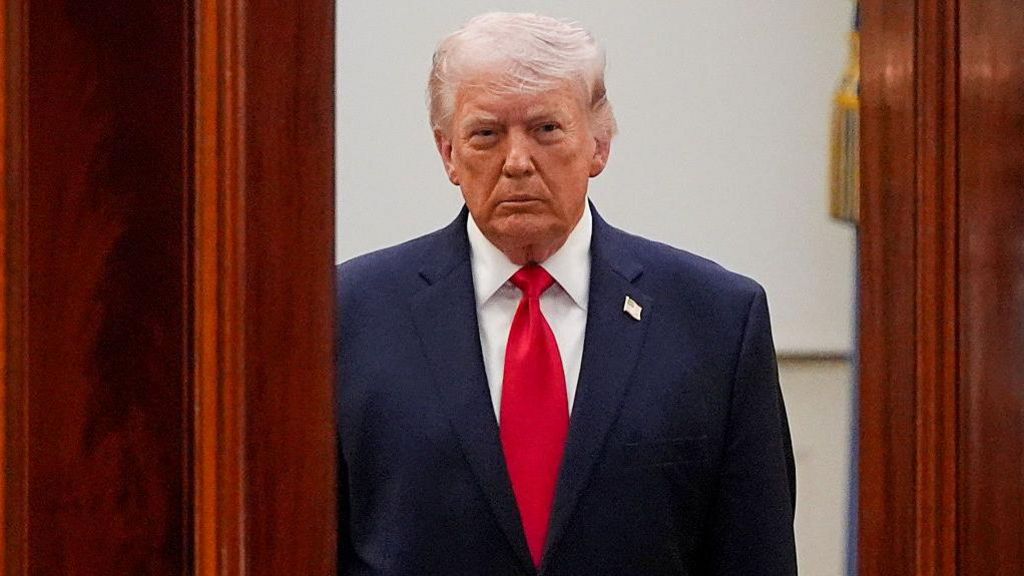
    The market’s perception of this disruption appears tempered by political realities. Former President Donald Trump’s announcement regarding US naval escorts for tankers through the Strait of Hormuz and federal insurance provisions prompted immediate price moderation. Ken Medlock of Rice University’s Baker Institute suggested further price retreats could occur if nations activate emergency petroleum reserves.

    While Gulf Coast refiners and LNG exporters with available capacity already report improved margins, Brian Kessens of Tortoise Capital emphasized that replacing significant Middle Eastern output requires substantial time. The energy industry remains cautiously optimistic about profitability while maintaining realistic expectations about supply replacement capabilities.

  • Energy prices soar as stock and bond markets consider long Middle East war

    Energy prices soar as stock and bond markets consider long Middle East war

    Financial markets worldwide experienced significant turbulence on Tuesday as investor sentiment deteriorated sharply over escalating Middle Eastern hostilities. The previously muted reaction to initial US-Israeli operations against Iran gave way to substantial sell-offs, reflecting growing concerns about prolonged regional conflict.

    The S&P 500 index declined 2.25 percent while the technology-focused Nasdaq Composite dropped 2.3 percent during early trading sessions. European markets demonstrated even more pronounced losses, with the Stoxx Europe 600 index falling 3.6 percent. This widespread retreat signals a fundamental shift in market expectations from anticipations of rapid resolution to preparations for extended geopolitical turmoil.

    Energy markets witnessed dramatic price surges, with Brent crude futures climbing approximately eight percent to $83.88 per barrel. Since the initial US engagement with Iran, oil prices have accumulated gains exceeding fifteen percent. The conflict’s expansion into its fourth day has seen Iran increasingly target energy infrastructure, including a fire at UAE’s Fujairah oil terminal and strikes on fuel storage at Oman’s Duqm Port.

    Critical energy producers including Qatar and Iraq have initiated production halts following Iranian threats to target vessels transiting the Strait of Hormuz. This strategic waterway facilitates nearly one-quarter of global seaborne oil shipments. The insurance industry has compounded transportation challenges by withdrawing war-risk coverage for vessels in the region.

    QatarEnergy suspended operations at its Ras Laffan facility after drone attacks, while Iraq—OPEC’s second-largest producer—began shutting production at major fields due to filled storage capacities. Most Iraqi exports traverse the Strait of Hormuz, with alternative pipeline connections through Kurdistan to Turkey reportedly non-operational.

    Asian economies face particular vulnerability to Hormuz shipping disruptions, though Europe’s significant dependence on Qatari liquefied natural gas creates substantial energy security concerns. Rising energy costs are generating inflationary pressures, prompting bond market sell-offs and yield increases as investors anticipate central bank responses to potential inflation spikes.

  • GDP up 2.6 per cent in 2025 calendar year amid higher public spending

    GDP up 2.6 per cent in 2025 calendar year amid higher public spending

    Australia’s latest economic data presents a complex paradox of robust growth masking underlying vulnerabilities. The national accounts for the December quarter revealed a stronger-than-anticipated 0.8 percent seasonally adjusted GDP increase, propelled by heightened government expenditure and resilient private demand. This contributed to an annual growth rate of 2.6 percent for the 2025 calendar year, which Treasurer Jim Chalmers hailed as \”very encouraging\” and indicative of \”strong, broadbased growth.\

  • Gasoline and diesel prices spike overnight as anxious drivers fill up tanks

    Gasoline and diesel prices spike overnight as anxious drivers fill up tanks

    A severe energy crisis is unfolding worldwide as escalating Middle East hostilities trigger dramatic spikes in fuel prices and widespread supply chain disruptions. The conflict has effectively paralyzed critical oil shipments through the Strait of Hormuz, the vital maritime passage handling approximately 20% of globally traded oil, sending shockwaves through international markets.

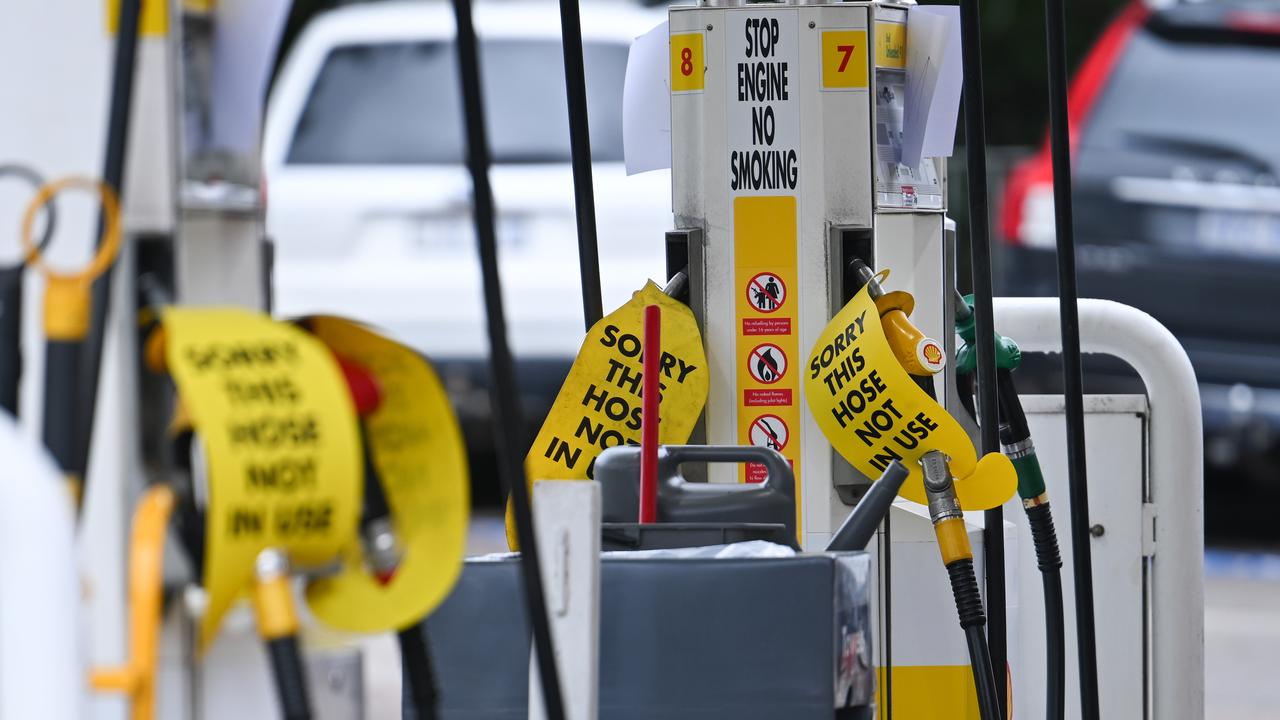
    In the United States, motorists experienced an abrupt 11-cent overnight surge in gasoline prices, pushing the national average to $3.11 per gallon according to AAA data. This increase compounds existing seasonal price pressures as refineries transition to more expensive summer-grade fuel blends designed to reduce evaporation in warmer temperatures.

    Europe faces particularly acute challenges, with diesel prices skyrocketing 27% since Friday—an increase of approximately 62 cents per gallon. Lengthy queues formed at French filling stations where diesel reached approximately €1.846 per liter (equivalent to $7 per gallon), as consumers rushed to secure diminishing supplies.

    Energy analysts warn the situation may deteriorate further depending on conflict duration. ‘The worst impacts are currently concentrated in Europe due to its status as a net importer,’ explained Susan Bell of Rystad Energy. ‘Europe’s already constrained diesel supply has experienced substantial price increases.’

    The price surge immediately affected American consumers like Anne Dulske of Jackson, Mississippi, who paid $15 more than usual to fill her tank. ‘It’s going to affect everything in our lives,’ she remarked. ‘It’s very scary, and it hits closer to home than people think.’

    Despite the U.S. being a net oil exporter, consumers remain vulnerable to global market fluctuations. Patrick DeHaan of GasBuddy noted that while further increases are likely, prices reaching $4 per gallon remain ‘quite improbable based on current developments.’

    Regional disparities are emerging, with import-dependent states experiencing more severe impacts. California faces particular vulnerability as it relies on refined fuel imports from South Korea, China, and occasionally the Middle East. ‘We have an energy security problem in California. It’s not looking good for us,’ stated USC’s Shon Hiatt, noting that constrained Middle Eastern supplies could prompt China to prioritize domestic needs over exports.

    The crisis intensified as benchmark U.S. crude jumped 8.6% to $77.36 per barrel while Brent crude rose 6.7% to $81.29—both reaching annual highs. President Trump addressed the situation, predicting prices would eventually ‘drop lower than even before’ while ordering naval escorts for tankers and offering political risk insurance for Persian Gulf shipments.

    Business operators expressed growing concern, with landscaping professional Brody Wilkins noting, ‘We use gas nonstop. I don’t know how long this is supposed to last, but I hope not very long.’ The price increases are already affecting household budgets, with Massachusetts resident Erin Kelly calling the nearly $4 per gallon prices ‘hefty’ and noting simultaneous increases in grocery costs.

  • Global markets turmoil intensifies on Iran war

    Global markets turmoil intensifies on Iran war

    Financial markets worldwide experienced severe turbulence Tuesday as escalating military conflict with Iran sent shockwaves through global economies. The intensifying warfare has triggered a dual crisis of soaring energy prices and plunging stock values, creating what analysts describe as a perfect storm for international markets.

    Energy markets witnessed extraordinary volatility with Brent crude surging past $85 per barrel for the first time since July 2024, marking an 8% single-day increase. European natural gas prices experienced even more dramatic movements, with the Dutch TTF benchmark contract skyrocketing over 40% to exceed €60 per unit – the highest level since January 2023. This unprecedented energy price surge stems directly from the effective closure of the Strait of Hormuz, a critical maritime corridor through which approximately 20% of global oil shipments transit.

    European equity markets suffered substantial losses, with Frankfurt’s DAX index plunging 3.8%, while Madrid and Milan exchanges each dropped approximately 4%. London’s FTSE 100 and Paris’s CAC 40 declined nearly 3%, reflecting broad-based investor anxiety. Asian markets continued their downward trajectory from Monday, with Seoul’s KOSPI leading the retreat at over 7% loss following a tech-driven rally earlier this year. Tokyo’s Nikkei 225 dropped 3.1%, while Hong Kong and Shanghai markets posted significant declines.

    The conflict originated with joint U.S. and Israeli strikes against Iran over the weekend, prompting immediate retaliatory measures from Tehran. Iranian forces have launched missile and drone attacks across multiple Middle Eastern nations, including Saudi Arabia, Qatar, and Dubai. A senior Revolutionary Guards commander explicitly threatened to ‘burn any ship’ attempting to navigate the Strait of Hormuz, dramatically escalating regional tensions.

    Central bankers worldwide now face a complex policy dilemma, according to financial experts. Rodrigo Catril of National Australia Bank noted, ‘A spike in energy prices creates a fundamental conflict for monetary authorities. Stagflationary conditions make central banks extremely uncomfortable as prolonged energy shocks simultaneously drive inflation while weakening economic growth.’

    The U.S. dollar strengthened significantly against major currencies as investors sought safe-haven assets, while gold surprisingly fell 4% and silver plummeted over 12% as capital flowed toward energy investments and dollar positions. Airline stocks emerged as particularly vulnerable, with Japan Airlines dropping over 6% and multiple carriers across Asia-Pacific recording substantial losses.

  • Investors pile into gold as tensions send demand soaring

    Investors pile into gold as tensions send demand soaring

    A remarkable surge in global gold investment is underway as escalating geopolitical conflicts and economic uncertainties drive investors toward traditional safe-haven assets. From Hong Kong to Mumbai, financial institutions and retail investors are significantly increasing their gold allocations, creating unprecedented demand patterns across Asian markets.

    In Hong Kong, San Gold Coins reported extraordinary customer traffic at their flagship store, with physical door repairs necessitated by overwhelming client numbers seeking gold coins and bars. General Manager Sophia Chen observed that while seasonal factors typically influence gold sales, current demand patterns reflect a fundamental shift in investor perception rather than mere cyclical trends.

    “We’re witnessing a transformative moment where gold is being reevaluated as a core asset class rather than merely decorative jewelry,” Chen stated, noting that sustained price appreciation has fundamentally altered investment behavior across demographic segments.

    The commodity’s impressive performance trajectory has been particularly striking. Spot gold prices on New York’s COMEX exchange reached an unprecedented peak of $5,594.82 per ounce on January 29, establishing new benchmarks for the precious metal. Although profit-taking activities temporarily pushed prices below $5,000 in February, renewed Middle East tensions have reignited the rally, with prices rebounding to $5,400 per ounce following recent airstrikes involving the United States and Israel.

    Financial institutions are formally endorsing this strategic shift. Swiss banking giant UBS recently advised clients to allocate “a modest, up to mid-single-digit percentage” of total assets to gold, emphasizing its diversification benefits and protective qualities against geopolitical volatility.

    In India, market dynamics similarly reflect this paradigm shift. Motilal Oswal Financial Services analyst Manav Modi reported that January inflows into gold-backed exchange-traded funds (ETFs) surpassed those of equity mutual funds—a historically significant development indicating profound changes in retail investment patterns.

    “Investors are increasingly adopting central bank-style allocation strategies, utilizing gold as protection against currency fluctuations, inflationary pressures, and systemic financial risks,” Modi explained, highlighting exceptional returns from gold contracts traded on India’s Multi Commodity Exchange.

    Notably, Generation Z investors are emerging as substantial participants in this gold rush. Their engagement has expanded beyond traditional gold products to include silver investments, creating complementary demand for more accessible precious metals. Chen noted that silver’s relative affordability has made it an attractive entry point for first-time precious metal investors seeking portfolio diversification.

    This comprehensive shift toward tangible assets underscores deepening concerns about global stability and represents a fundamental revaluation of gold’s role in modern investment portfolios.

  • Iran war casts a pall over UK economic update

    Iran war casts a pall over UK economic update

    LONDON — Britain’s economic outlook faces severe disruption as escalating Middle East tensions trigger global market turbulence, casting a shadow over Chancellor Rachel Reeves’ highly anticipated Spring Statement to Parliament on Tuesday.

    The Treasury chief had prepared a cautiously optimistic assessment of Britain’s fiscal trajectory, anticipating stable indicators without major tax or spending announcements. However, the rapidly evolving Iran conflict has dramatically altered the economic landscape, with economists warning of potential growth suppression, inflationary pressures, and mounting debt concerns.

    Energy markets have experienced particularly severe volatility, with Brent crude surging over 15% this week to exceed $80 per barrel. Simultaneously, global natural gas prices—critical for UK energy security—have nearly doubled within days. These developments threaten to increase energy costs for both businesses and households, potentially reigniting inflationary trends and constraining economic expansion.

    Investment strategist Susannah Streeter of Wealth Club noted: ‘Amid global uncertainty, the Chancellor will likely emphasize extreme caution, prioritizing stability and adherence to fiscal discipline during these heightened geopolitical tensions.’

    Prior to her parliamentary address, the Treasury indicated Reeves would highlight the government’s commitment to economic stability despite mounting external pressures. She is expected to reference recent positive developments, including declining inflation and anticipated interest rate reductions that have begun alleviating cost-of-living burdens for British families.

    The Labour government, which has experienced declining popularity since its 2024 election victory, had hoped 2026 would demonstrate sustained economic recovery. Recent indicators initially suggested growth acceleration in early 2026, with inflation projected to decline significantly in coming months—potentially prompting further Bank of England rate cuts beyond the current 3.75% benchmark.

  • Mideast war exposes fragile oil, gas dependency

    Mideast war exposes fragile oil, gas dependency

    The escalating conflict in the Middle East has starkly revealed the continued fragility of global energy supply chains, particularly Europe’s persistent dependence on imported fossil fuels despite previous energy shocks. Specialists note that the current warfare echoes the 2022 energy crisis triggered by Russia’s invasion of Ukraine, demonstrating how little progress has been made in securing energy independence through renewable alternatives.

    Approximately 10-15% of Europe’s gas imports originate from Qatar, one of several nations entangled in Iran’s retaliatory measures against U.S. and Israeli operations. This dependency became alarmingly evident when QatarEnergy suspended LNG production following Iranian drone attacks, causing European gas prices to surge by over 30% and oil prices to climb approximately 7% in a single day.

    Energy analysts describe the situation as Europe’s most significant wake-up call since the Ukraine invasion. Ana Maria Jaller-Makarewicz of the Institute for Energy Economics and Financial Analysis (IEEFA) emphasized the continued vulnerability, while Oxford University’s Professor Jan Rosenow noted a troubling sense of “déjà vu” regarding Europe’s unaddressed dependency issues.

    Despite climate commitments under the Paris Agreement, fossil fuels still account for more than two-thirds of Europe’s energy consumption—primarily for transportation, heating, and industrial processes. Although electricity generation has notably decarbonized (with fossil fuels producing just 29% of EU electricity last year according to Ember), political momentum for broader renewable investment has waned across the continent.

    Simone Tagliapietra of Bruegel think tank observed that shifting dependency from Russia to suppliers like the United States doesn’t resolve the fundamental problem: Europe’s continued reliance on imported fossil fuels traded on volatile global markets. Experts unanimously argue that accelerating the deployment of domestically produced clean energy represents the only viable path toward genuine energy security and economic resilience against external shocks.

    UN climate chief Simon Stiell reinforced this perspective, noting that renewables now constitute “the obvious pathway to energy security and sovereignty” amid a global transition that remains dangerously slow. The conflict serves as a potent reminder that fossil fuels have failed to deliver on promises of security and stability, instead creating perpetual vulnerability to geopolitical turbulence.

  • Australian shares slump as RBA governor’s inflation warning, Middle East conflict hits market

    Australian shares slump as RBA governor’s inflation warning, Middle East conflict hits market

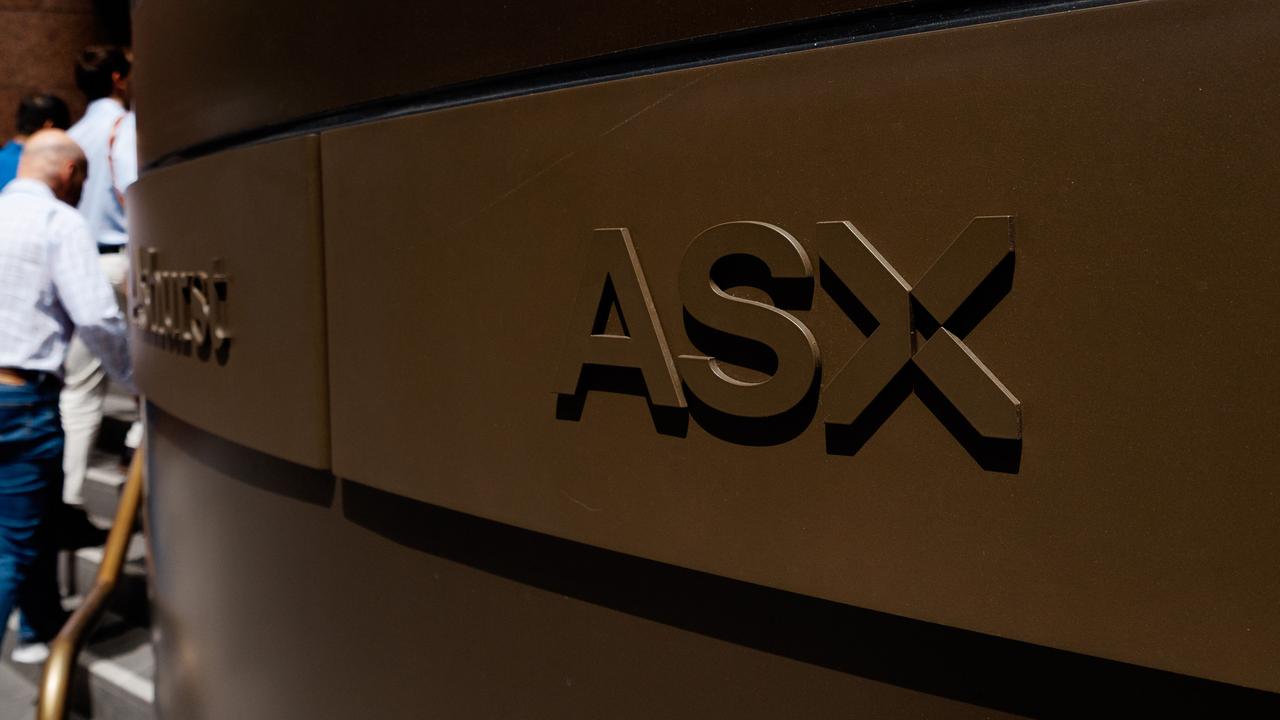
    Australian financial markets experienced significant downward pressure on Tuesday as escalating geopolitical conflicts and sobering central bank commentary triggered a broad sell-off. The benchmark S&P/ASX 200 index plummeted 123.6 points, representing a 1.34% decline to settle at 9,077.30, while the broader All Ordinaries index fell 133.4 points (1.41%) to close at 9,297.20.

    The market deterioration was primarily fueled by mounting concerns over Middle Eastern instability, particularly regarding Iran’s conflict-related disruption of critical oil shipments to China. This development marks the second major energy supply shock for the world’s second-largest economy within weeks, following similar disruptions from Venezuela. The Australian dollar concurrently weakened against the US currency, trading at 70.87 US cents.

    Mining equities bore the brunt of the selling pressure amid growing apprehensions about global energy security. Market leaders BHP Group declined 2.62% to $57.70, Rio Tinto retreated 2.40% to $165.37, and Fortescue Metals Group slumped 4.49% to $19.58. Gold producers similarly relinquished previous gains, with Northern Star Resources falling 3.21%, Evolution Mining dropping 4.53%, and Newmont Corporation decreasing 2.02%.

    Travel and tourism stocks extended their declines as investors evaluated potential operational disruptions stemming from Middle Eastern conflicts. Qantas shares declined 1.81%, Webjet retreated 1.99%, and Flight Centre dropped 1.81% during the session.

    Compounding market anxieties, Reserve Bank of Australia Governor Michele Bullock delivered hawkish remarks at the Australian Financial Review Business Summit, emphasizing that inflationary pressures remain elevated despite current monetary policy settings. Governor Bullock characterized the upcoming March meeting as “a live meeting” while acknowledging the economy’s stronger-than-anticipated performance according to recent Australian Bureau of Statistics data.

    IG Markets analyst Tony Sycamore noted, “The ASX200 has taken a thumping today as investors decided to batten down the hatches and lock in profits after a fantastic February reporting season.” He added that market expectations for a 25-basis-point rate hike at the March meeting had surged to 33% from just 10% earlier in the day.

    Despite the broad market decline, Magellan Financial Group experienced exceptional gains, soaring 21.87% following announcement of merger plans with Barrenjoey. Conversely, Life360 shares plummeted 17.63% despite reporting substantial annual net income, while Pro Medicus shares declined 9.03% without company-specific news.

    The trading session concluded with only two of eleven sectors finishing positively, reflecting comprehensive risk aversion among investors weighing geopolitical uncertainties against domestic monetary policy concerns.