分类: business

  • Oil prices surge as Mideast war rages, stocks fall on US jobs

    Oil prices surge as Mideast war rages, stocks fall on US jobs

    Global financial markets experienced significant turbulence Friday as escalating Middle East tensions triggered a dramatic surge in oil prices while disappointing U.S. employment data sparked equity selloffs worldwide.

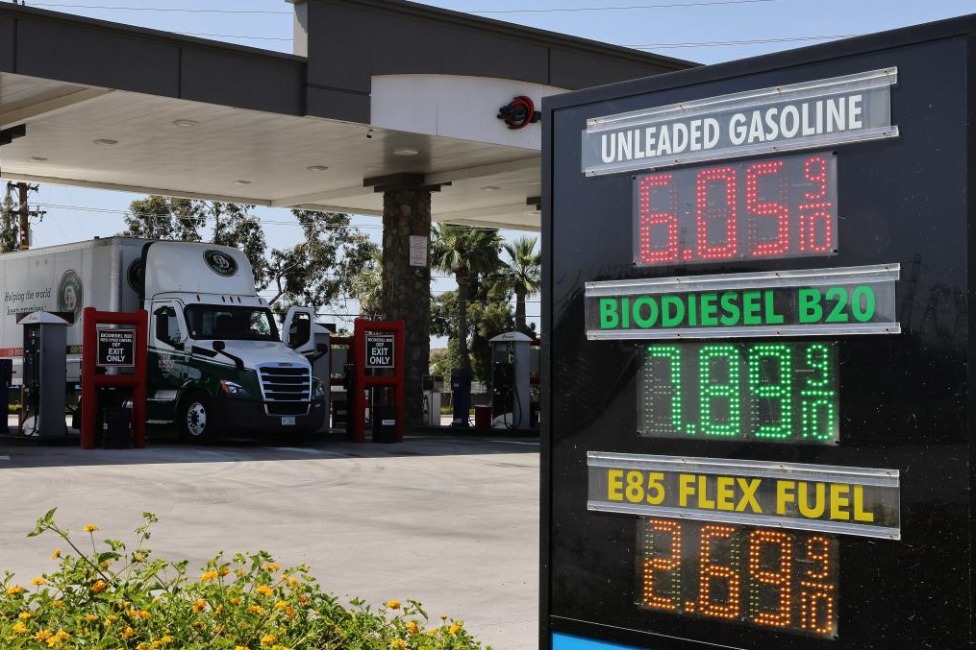
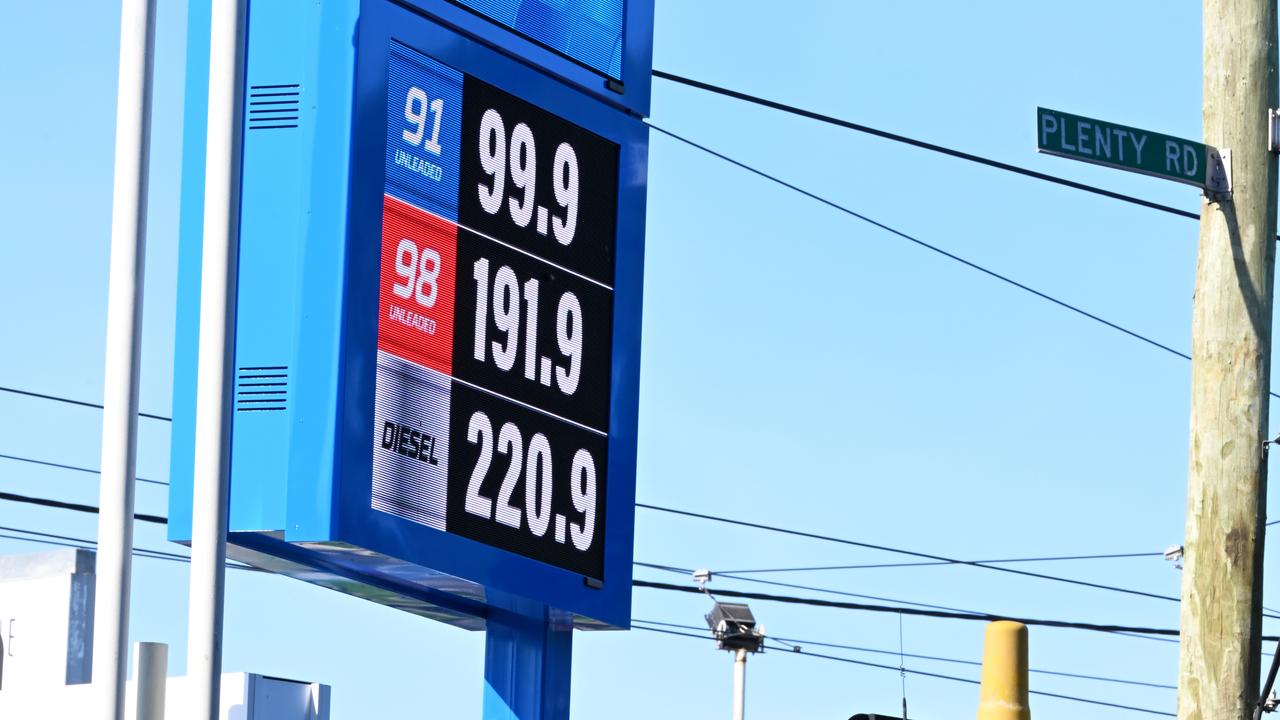
    Brent North Sea crude, the international benchmark, skyrocketed 8.5% to $92.69 per barrel, marking a nearly 30% weekly increase following President Trump’s declaration that only Iran’s “unconditional surrender” would end the ongoing conflict. The U.S. benchmark West Texas Intermediate crude surged over 12% to exceed $90 per barrel, reaching heights not seen in recent years.

    The dramatic price escalation stems from critical supply disruptions in the Strait of Hormuz, where maritime traffic has virtually ceased despite Trump’s pledge to protect shipping routes. This vital waterway typically handles approximately 20% of global crude oil and liquefied natural gas supplies, making its disruption particularly consequential for energy markets.

    Market analysts noted that earlier optimism for a rapid resolution has evaporated. “Trump’s comments dashed hopes that the conflict would be averted quickly, and the oil price has continued its push higher,” stated XTB research director Kathleen Brooks.

    The energy crisis intensified with reports of attacks on oilfields in southern Iraq and the northern Kurdistan region, forcing a U.S.-operated facility to halt production. Additionally, Kuwait began reducing output due to insufficient petroleum storage capacity, according to Wall Street Journal reports.

    Simultaneously, U.S. economic indicators disappointed investors. The Labor Department reported an unexpected loss of 92,000 jobs in February, reversing January’s revised growth of 126,000 positions. Unemployment edged upward while retail sales declined 0.2% in January, painting a concerning picture of economic momentum.

    The dual pressures of energy-driven inflation and economic softening created a complex scenario for monetary policy. JPMorgan Chase analysts noted that while Trump’s shipping protection pledge reduced some risk premium, it would have “limited impact unless Iran’s extensive disruption capabilities are first neutralized.”

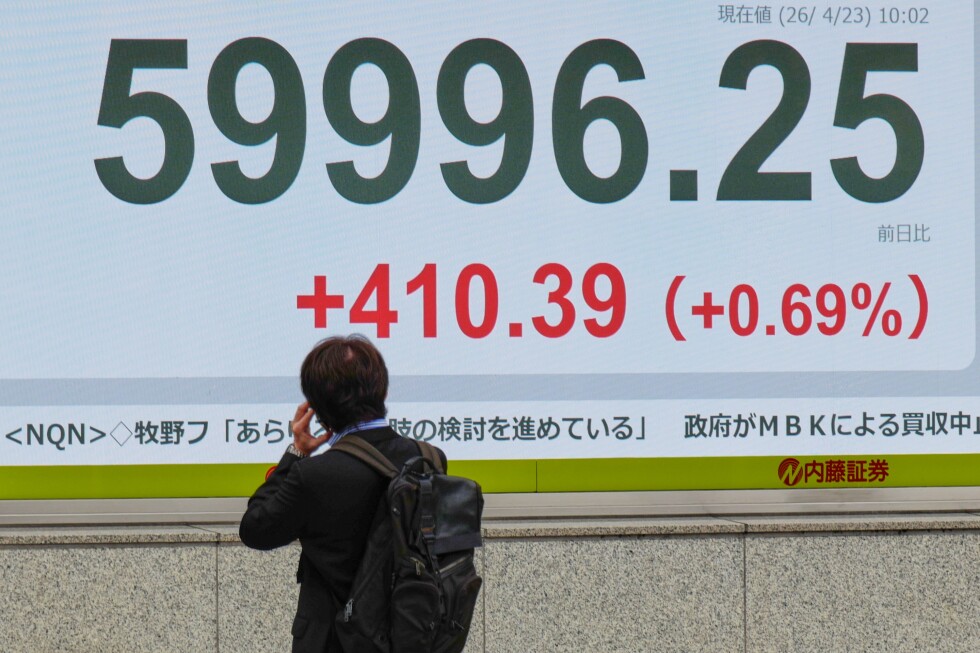
    Wall Street’s major indices closed down approximately 1-1.6%, with European markets following suit despite earlier resilience. The DAX, CAC 40, and FTSE 100 all finished with losses exceeding 0.7%.

    Notably, Boeing defied the market trend, climbing 4.1% on reports of impending major sales agreements with Chinese carriers, highlighting how company-specific developments can outweigh broader market pressures.

    The prolonged energy price surge has raised concerns about persistent inflationary pressures that could constrain central banks’ ability to implement growth-supporting interest rate cuts, potentially delaying anticipated monetary easing until September according to current market expectations.

  • Innovation, integration help Tianjin’s Spring Festival tourism revenue jump 10%

    Innovation, integration help Tianjin’s Spring Festival tourism revenue jump 10%

    Tianjin’s tourism sector experienced a remarkable upswing during the recent Spring Festival holiday, recording a substantial 10% year-on-year growth in both visitor numbers and tourism revenue. This success story emerged from a comprehensive development strategy that combined cultural innovation, regional integration, and enhanced visitor services.

    According to Wang Zhiping, deputy Party secretary of Xiqing district and a deputy to the 14th National People’s Congress, the city’s systematic approach to tourism development has yielded impressive results. The district, designated as a provincial all-for-one tourism demonstration zone, has strategically connected cultural assets including the historic Yangliqng Ancient Town and the legendary Jingwu Martial Arts culture associated with Huo Yuanjia.

    The ancient town itself witnessed extraordinary performance metrics, with visitor numbers climbing 12.7% and comprehensive revenue skyrocketing by 78.6%. This success was driven by innovative programming including the 29th Yangliqng Lantern Show, large-scale immersive performances, and specialized marketplace installations.

    Complementing these cultural initiatives, Tianjin implemented significant infrastructure improvements to enhance visitor experience. Municipal authorities coordinated to create over 6,000 public parking spaces and deployed numerous mobile restroom facilities throughout tourist areas.

    The city has particularly focused on attracting younger demographics through contemporary tourism offerings. Development of trendy attractions like the ‘Night of the Haihe River’ and creation of themed accommodations including boutique homestays represent Tianjin’s commitment to modernizing its tourism appeal.

    Chen Bing, deputy director-general of the Tianjin Culture and Tourism Bureau, emphasized the city’s strategic vision to establish itself as a ‘metropolitan, experiential, youth-oriented destination rich in cultural heritage.’ This includes innovative approaches to intangible cultural heritage, such as study-tour experiences for Yangliqng woodblock New Year paintings and youth-focused cultural products.

    Looking forward, Tianjin is advancing additional measures including deepened coordination within the Beijing-Tianjin-Hebei regional cluster and continued promotion of all-for-one tourism concepts. These comprehensive initiatives position Tianjin to solidify its status as a premier domestic tourism destination.

  • Qatar warns war on Iran could ‘bring down’ world economies

    Qatar warns war on Iran could ‘bring down’ world economies

    Qatar’s Energy Minister has issued a stark warning that escalating military conflicts between the US-Israel alliance and Iran could precipitate a worldwide economic crisis. Saad al-Kaabi stated that recent attacks on Gulf energy infrastructure could force regional exporters to declare force majeure within days, potentially driving oil prices to $150 per barrel.

    The minister emphasized that continued hostilities would cripple global GDP growth, create energy price surges worldwide, and trigger supply chain disruptions affecting manufacturing sectors globally. Recent Iranian drone strikes have already impacted critical energy facilities in Qatar’s Ras Laffan and Mesaieed industrial cities, prompting Qatar Energy—the world’s largest LNG producer—to suspend liquefied natural gas production.

    Financial markets have already responded to the escalating tensions, with Brent crude climbing 2.5 percent to $87.6 per barrel on Friday, reaching its highest level since the conflict began. The minister projected that blockade scenarios involving the Strait of Hormuz—through which one-fifth of global oil and gas passes—could push crude prices to $150 within weeks.

    Additionally, Kaabi predicted natural gas prices could quadruple to $40 per million British thermal units, while warning that broader trade disruptions between Gulf states and global partners would create significant economic repercussions for all trading nations. The situation represents the most serious threat to global energy security since the beginning of the conflict.

  • Middle East war a new shock for financial markets

    Middle East war a new shock for financial markets

    Global financial markets are experiencing significant volatility following the escalation of military conflict in the Middle East, with energy prices surging and equity markets declining sharply across multiple continents. The confrontation between US-Israeli forces and Iran, along with Tehran’s retaliatory strikes across the Gulf region, has severely disrupted shipping through the critical Strait of Hormuz—a vital transit route for approximately 20% of global oil and liquefied natural gas supplies.

    The immediate economic impact has been dramatic: European natural gas prices have skyrocketed by 66% since last week, while international benchmark Brent crude oil surged beyond $90 per barrel, representing a more than 25% price increase. This energy shock has raised serious concerns about renewed inflationary pressures and potential slowdowns in the global economy.

    Equity markets have responded with substantial losses worldwide. European markets have declined significantly, with London’s FTSE losing approximately 6%, while Frankfurt and Paris indices dropped over 7%. Asian markets experienced even steeper declines, with Tokyo falling 5.5% and Seoul plunging 10.6% following a record 12% single-day drop earlier in the week.

    Market analysts note this crisis represents the latest in a series of extraordinary events that financial markets have navigated in recent years, including the COVID-19 pandemic, the Ukraine conflict’s disruption of energy and food supplies, and previous tariff offensives.

    The US dollar has emerged as an unexpected beneficiary of the turmoil, gaining 2.2% against the euro as investors seek safe-haven assets. Interestingly, traditional safe havens like gold have underperformed, declining 3.6% over the past week.

    Government bonds, typically another refuge during market stress, have instead seen rising yields. Ten-year US Treasury yields increased from 4.0% to 4.14%, while Germany’s benchmark bund yields rose from 2.6% to 2.9%. This counterintuitive movement reflects investor concerns that central banks may delay interest rate cuts in response to mounting inflationary pressures.

    Some analysts caution that prolonged conflict could raise the specter of stagflation—a combination of economic stagnation and inflation reminiscent of the 1970s oil crisis. However, others note fundamental differences in today’s economy, including reduced oil dependency and more resilient corporate supply chains. The relative outperformance of US markets, with the Dow declining approximately 3% compared to steeper losses elsewhere, reflects America’s status as a net energy exporter and its relative insulation from energy import disruptions.

  • US economy unexpectedly sheds 92,000 jobs in February

    US economy unexpectedly sheds 92,000 jobs in February

    The U.S. labor market delivered an unexpected setback last month as payrolls contracted by 92,000 positions, marking the most significant monthly decline since October’s government shutdown. According to the Labor Department’s latest figures, the national unemployment rate edged upward to 4.4%, contradicting analyst projections that had anticipated stable hiring conditions.

    This concerning development emerged against a backdrop of escalating geopolitical tensions, particularly the U.S.-Israel conflict in Iran, which has triggered a surge in oil prices that economists fear could undermine economic growth. The employment contraction proved remarkably widespread, affecting nearly every sector including typically resilient healthcare—which faced substantial strike activity—and federal government agencies, which shed 10,000 positions. Federal employment has now declined by 330,000 jobs (11%) since its October 2024 peak.

    The report contained additional sobering revisions, indicating that previously reported job gains for December and January were less robust than initially estimated. Samuel Tombs, Chief U.S. Economist at Pantheon Macroeconomics, noted these figures dashed hopes for labor market stabilization following 2025’s pandemic-era worst performance. ‘What stabilization?’ Tombs questioned in an analytical note. ‘The idea the labor market has turned a corner implodes with this report.’

    The immediate financial market reaction saw Wall Street shares retreat as investors processed the implications. Politically, the numbers intensified pressure on President Donald Trump, who had built his campaign around economic improvement promises. Democratic lawmakers, including Senator Elizabeth Warren, quickly characterized the report as evidence the administration was ‘tanking the job market,’ while White House officials downplayed its significance.

    Kevin Hassett, Director of the National Economic Council, maintained an optimistic outlook in a CNBC interview, predicting strong growth would fuel job creation in coming months: ‘There will be so much activity that everybody is going to be able to find a job that wants one.’

    The mixed economic signals present a complex challenge for Federal Reserve policymakers, who typically respond to labor market softening with interest rate cuts. However, analysts note that rising oil prices creating inflationary pressures may complicate this calculus. Ellen Zentner, Chief Economic Strategist for Morgan Stanley Wealth Management, observed: ‘Today’s numbers may have put the Fed between a rock and a hard place.’

  • Equipment makers eye US data centers

    Equipment makers eye US data centers

    LAS VEGAS – The explosive growth in US data center construction is generating substantial opportunities for China’s premier heavy machinery manufacturers, who showcased their specialized capabilities at North America’s largest construction equipment exhibition this week.

    At CONEXPO-CON/AGG, the premier industry trade show running through March 7 in Las Vegas, companies including SANY America and XCMG Group demonstrated how their expanding equipment portfolios align with the unprecedented demand driven by artificial intelligence infrastructure development.

    David Nicoll, CEO of SANY America, revealed that the company recently supplied multiple SY500H excavators – among their largest models – to a major data center project. “We see data center demand as exceptionally strong in the US,” Nicoll stated. “These are substantial capital projects requiring larger equipment, and SANY offers a comprehensive range from compact machinery to 330-ton cranes.”

    The market expansion is supported by significant industry projections. According to construction consultancy MOCA Systems, the US data center construction sector is anticipated to reach $86 billion in 2026, representing an eightfold increase from 2022 levels. A separate Fortune Business Insights report identified data center construction as a primary catalyst for broader construction equipment demand, fueled by accelerated digitalization and AI adoption.

    Nicoll explained that data center projects typically involve multiple contractors and diverse machinery requirements, creating opportunities across SANY’s product lines including large excavators, wheel loaders, motor graders, and cranes. The temporary nature of these projects – typically spanning six to twelve months – also generates robust rental sector demand as contractors often prefer leasing equipment rather than making capital purchases.

    Meanwhile, XCMG Group unveiled its new PRO series at the exhibition – premium construction machines featuring advanced human-machine interaction capabilities including fault self-diagnosis and intelligent control systems. Feng Ruoyu, XCMG’s senior brand manager, reported immediate market interest with several major North American dealers submitting preliminary orders.

    “The rapid expansion of AI in the United States has created substantial infrastructure demand,” Feng noted. “Whether constructing large server centers or expanding power capacity, both require significant construction machinery. While domestic brands currently dominate this market, we identify considerable opportunities.”

    The exhibition coincides with SANY’s 20th anniversary in the North American market, during which the company has established a 230-acre manufacturing and distribution campus in Georgia and expanded its dealer network to 72 dealers operating across 191 locations. Industry outlook for 2026 remains constructive according to Nicoll, who cited ongoing infrastructure, data center, and renewable energy projects as sustaining historically high equipment demand.

  • German media group Axel Springer will buy the publisher of UK’s Daily Telegraph for $766 million

    German media group Axel Springer will buy the publisher of UK’s Daily Telegraph for $766 million

    In a transformative development for the international media landscape, German publishing conglomerate Axel Springer has finalized a £575 million (approximately $766 million) acquisition of Telegraph Media Group. The landmark agreement, announced jointly on Friday, concludes extensive negotiations surrounding the ownership of Britain’s prestigious conservative-leaning publications.

    This strategic acquisition represents Axel Springer’s triumphant reentry into British media after two decades of pursuit. Chief Executive Mathias Döpfner characterized the deal as the realization of a long-held ambition, noting the company’s unsuccessful attempt to acquire The Telegraph over twenty years prior.

    The transaction effectively terminates competing bids, including a £500 million offer from Daily Mail’s parent company and a previous proposal from RedBird IMI consortium. The latter, backed by Abu Dhabi royal family member Sheikh Mansour bin Zayed Al Nahyan, faced substantial opposition from UK authorities concerned about foreign state influence on British media.

    Axel Springer, which maintains an extensive portfolio including Bild, Welt, and Politico, has articulated ambitious plans for the historic publication. The German media giant intends to significantly invest in expanding The Telegraph’s digital footprint and conservative editorial voice across English-speaking markets, with particular emphasis on accelerating penetration into the United States media landscape.

    The ownership transition follows financial difficulties within the Barclay family, previous proprietors who placed the media group on the market in 2023 to address outstanding debts. In a related development, right-leaning publication The Spectator, formerly part of the Telegraph group, underwent separate acquisition by British hedge fund investor Paul Marshall in 2024.

  • Court orders refund as govt weighs new tariffs

    Court orders refund as govt weighs new tariffs

    In a significant legal development with substantial financial implications, the New York-based Court of International Trade has issued a directive requiring U.S. Customs and Border Protection to provide refunds for tariffs previously levied under the International Emergency Economic Powers Act (IEEPA). This Wednesday ruling brings clarity to the reimbursement process and is expected to accelerate financial returns for thousands of enterprises that paid IEEPA tariffs throughout the past year.

    The judicial decision arrives amid a complex landscape of trade policy adjustments. According to media reports, this order will facilitate the resolution of over 2,000 pending lawsuits currently before the court. In a related development, the federal government confirmed through separate court documentation that it will pay interest on these refunds. Financial projections from the Penn Wharton Budget Model indicate that the government collected more than $130 billion in tariffs through mid-December, with potential refunds possibly reaching $175 billion.

    This legal action follows the Supreme Court’s decisive 6-3 ruling on February 20, which determined that IEEPA did not confer presidential authority to implement tariffs. In response to this judicial limitation, the administration has strategically shifted to alternative trade mechanisms.

    Concurrently, Treasury Secretary Scott Bessent announced the administration’s plan to increase newly implemented global tariffs from 10% to 15% under Section 122 of the Trade Act of 1974. Bessent indicated to CNBC that this enhancement would likely be implemented within the week.

    The administration operates within a constrained temporal framework, as Section 122 provisions only permit tariffs lasting 150 days without congressional extension. During this five-month window, officials plan to complete investigations addressing national security concerns and unfair trade practices. Bessent referenced forthcoming studies from the United States Trade Representative on Section 301 and Commerce Department analyses regarding Section 232—tariff authorities that have previously endured legal challenges.

    These investigations potentially pave the way for subsequent tariff implementations. Bessent expressed confidence that tariff rates would revert to pre-Supreme Court decision levels within the five-month period, noting that these alternative legal frameworks have successfully withstood more than 4,000 legal challenges, describing them as ‘more robust’ despite being ‘more slow moving.’

  • China’s economic growth plans seen as beneficial to entire region

    China’s economic growth plans seen as beneficial to entire region

    China’s recently announced economic roadmap for 2026 is generating optimistic forecasts across the Asia-Pacific region, with analysts highlighting significant opportunities for neighboring economies amid global uncertainties. The comprehensive growth strategy, unveiled during the annual sessions of China’s top legislative and advisory bodies, outlines a targeted GDP expansion of 4.5-5% while emphasizing quality development through technological advancement and domestic market stimulation.

    Premier Li Qiang’s government work report, presented to the National People’s Congress, establishes this growth target as strategically aligned with China’s long-term objectives through 2035. The policy direction demonstrates continuity while adapting to what the report describes as an “increasingly complex external environment” characterized by geopolitical tensions and Middle East conflicts affecting global economic prospects.

    The economic blueprint includes substantial measures to boost household consumption through comprehensive income growth plans for both urban and rural residents. These initiatives specifically target low-income groups with practical measures to enhance earnings, increase property incomes, and improve social security systems. This domestic focus, according to regional experts, will create substantial spillover effects across Asian economies.

    Dr. Li Wei, Senior Lecturer in International Business at the University of Sydney Business School, notes that China’s policy approach signals “strong continuity” while demonstrating adaptability to global uncertainties. “Policies aimed at stimulating domestic demand and diversifying export markets suggest a broader effort to rebalance growth drivers,” Li observed.

    The regional implications are particularly significant for ASEAN nations, with China serving as the trading bloc’s largest partner and primary export market. Peter T.C. Chang, former deputy director of the University of Malaya’s Institute of China Studies, emphasizes that China’s domestic market expansion “will have enormous global ramifications” and is “set to become a major driver of global demand.”

    Lucio Blanco Pitlo III, President of the Philippine Association for Chinese Studies, confirms that ASEAN exporters will welcome greater market access to China. Additionally, the region stands to benefit from continued Chinese investment in infrastructure, renewable energy, electric vehicles, mineral processing, and industrial upgrading—areas specifically highlighted in the government’s development agenda.

    The technological dimension of China’s growth strategy also presents collaborative opportunities. The work report emphasizes driving high-quality development in key manufacturing chains through industrial foundation reengineering and advanced technology research. Pipit Aneaknithi, Chairman of Global Sustainability at Kasikornbank, notes China’s demonstrated leadership in technological innovation and sees significant potential for cooperation, particularly with Thailand’s ambition to become a regional hub for AI, logistics, and digital technology.

    This comprehensive economic approach, balancing domestic stimulation with technological advancement, positions China as a stabilizing force in regional economic development while creating multiple pathways for cooperative growth across Asia-Pacific economies.

  • Anhui continues to achieve development milestones

    Anhui continues to achieve development milestones

    Anhui Province has emerged as a formidable economic force in China’s development landscape, achieving remarkable growth through strategic opening-up policies and international trade expansion. According to Liang Yanshun, Secretary of the Communist Party of China Anhui Provincial Committee, the inland region has consistently innovated its approach to global engagement, enhancing both platform development and capacity building for international commerce.

    Statistical indicators reveal Anhui’s extraordinary economic transformation: with a GDP of 5.3 trillion yuan ($769.1 billion) in 2025, representing 5.5% year-on-year growth, the province now surpasses Argentina’s entire economy in scale. This development milestone underscores the effectiveness of President Xi Jinping’s guidance during his three inspection tours to Anhui since 2016, which provided strategic direction for high-level opening-up initiatives.

    International trade performance has been particularly impressive, with goods trade growing at an average annual rate of 13.2% over the past five years, exceeding 1 trillion yuan in 2025. The province demonstrated strengthened trade relationships with ASEAN (38.3% increase) and the European Union (21.6% increase), while importing over 330 billion yuan worth of high-quality consumer goods, advanced technology, and energy resources from more than 160 countries.

    Anhui’s manufacturing prowess has gained global recognition, with vehicle exports reaching 1 million complete units by end-2025—the highest among all Chinese provincial-level regions—while industrial robot exports ranked second nationwide. The province’s infrastructure development, particularly the fully navigable Yangtze-Huaihe Grand Canal operational since September 2023, has supported its position as China’s leader in waterway freight volume for consecutive years.

    Foreign investment metrics further illustrate Anhui’s attractiveness, with actual utilized foreign direct investment reaching 15.33 billion yuan in 2025, marking a 23.9% year-on-year increase—the nation’s fastest growth rate. Simultaneously, outbound investment reached $3.05 billion (17.5% increase), with 268 Anhui-based entities expanding operations across 48 countries and regions, including first-time investments in Antigua and Barbuda.

    The province’s business environment received top-three national rankings in market, innovation, rule of law, and government services according to the All-China Federation of Industry and Commerce evaluation. This ecosystem has attracted major international projects, including Volkswagen Group’s first R&D center outside Germany, established in Hefei with full vehicle platform development capabilities that reduce development cycles by approximately 30%.

    Anhui enterprises have increasingly participated in global infrastructure projects, contributing to initiatives such as Indonesia’s Jakarta-Bandung High-Speed Railway and Algeria’s Constantine Housing Project. As the province enters the 15th Five-Year Plan period (2026-30), leadership emphasizes that opening-up remains fundamental to writing the Anhui chapter of Chinese modernization, injecting sustained momentum into regional development.