分类: business

  • Trump Organization and Saudi developer unveil $10bn in projects

    Trump Organization and Saudi developer unveil $10bn in projects

    The Trump Organization has significantly expanded its partnership with Saudi Arabian real estate developers through two major projects valued collectively at approximately $10 billion. This expansion represents one of the family business’s most substantial international ventures during Donald Trump’s political career.

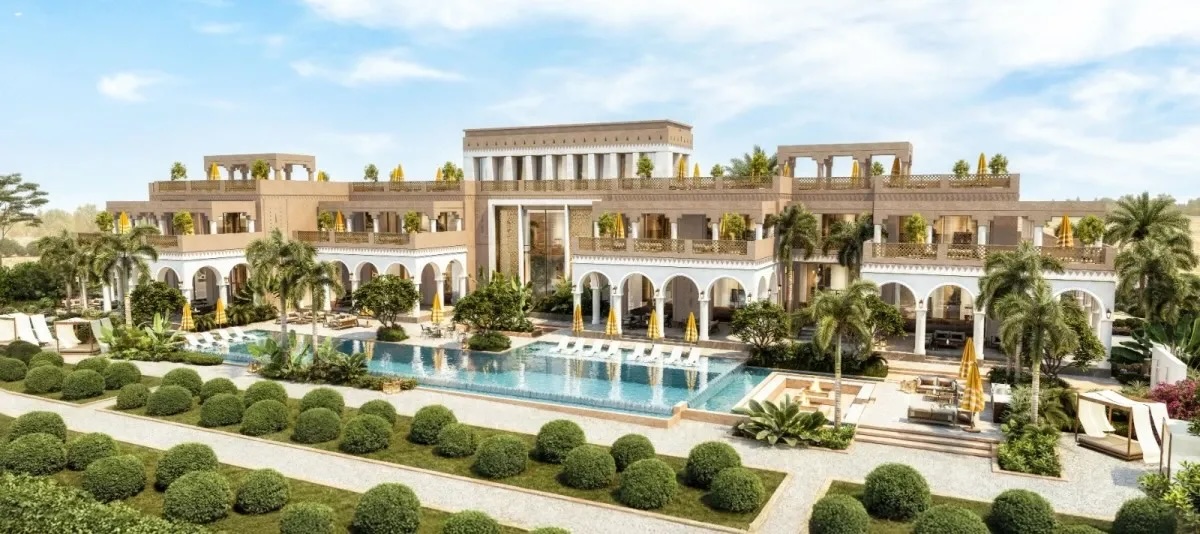
    Dar Global, a subsidiary of the Saudi development giant Dar al-Arkan with close government ties, officially launched Trump Plaza Jeddah on Monday. The $1 billion project will feature luxury apartments, premium office spaces, exclusive townhouses, and a private park. According to company statements, the development aims to create a ‘carefully curated urban ecosystem’ targeting global residents seeking premium living and working spaces in Jeddah.

    Simultaneously, the Trump Organization and Dar al-Arkan revealed plans for a separate massive golf resort spanning 2.6 million square meters in Diriyah, located outside Riyadh. This historic area, recognized as a UNESCO World Heritage Site and the ancestral home of the Saudi royal family, is undergoing a comprehensive $63 billion transformation into a luxury destination.

    Eric Trump, representing the family business, emphasized the organization’s ‘commitment to world-class quality and iconic design’ through these ventures. He specifically noted the Trump family’s ‘confidence in Jeddah as a dynamic, globally relevant city.’

    These developments coincide with Saudi Arabia’s broader economic strategy to attract foreign investment across multiple sectors, including real estate. In January, the kingdom announced policy changes allowing non-Saudis to purchase property in major cities like Riyadh and Jeddah, signaling a significant shift in its approach to foreign ownership.

    The Trump Organization operates internationally primarily through licensing agreements, where foreign developers pay substantial fees for the right to use the Trump brand. According to financial reports, Dar Global’s licensing arrangement generated $21.9 million for the Trump family business last year alone.

    These business dealings have drawn scrutiny due to their timing amid Donald Trump’s political activities. While the former president has denied personally benefiting from his family’s international ventures, critics have raised concerns about potential conflicts of interest given his political connections to Gulf governments.

    The Saudi partnership represents the Trump Organization’s most significant overseas collaboration, with additional projects underway in Oman (a golf course and luxury hotel), Qatar (Trump International Golf Club and villas), and the UAE (an 80-story Trump hotel featuring ‘the highest outdoor pool in the world’).
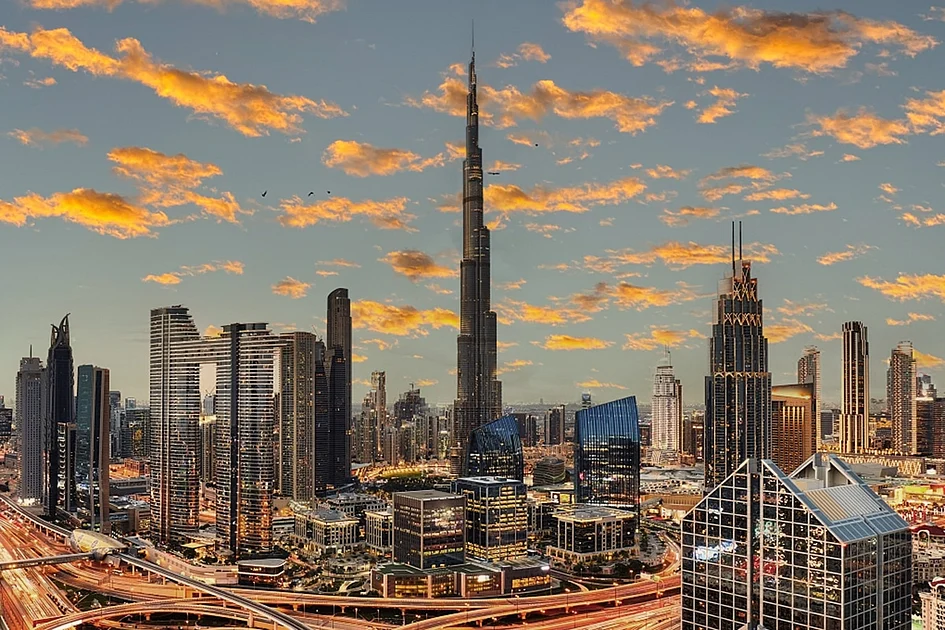
  • Dubai hits Dh917 billion in real estate transactions, Sheikh Mohammed announces

    Dubai hits Dh917 billion in real estate transactions, Sheikh Mohammed announces

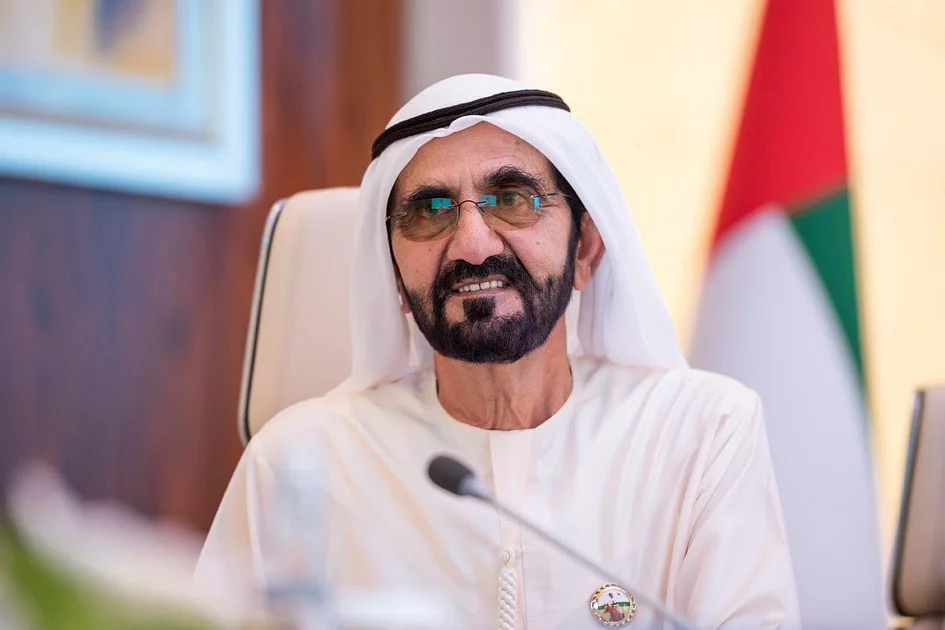
    Dubai’s real estate market has achieved an extraordinary milestone, recording a staggering Dh917 billion in transactions by the end of 2025. This announcement came directly from His Highness Sheikh Mohammed bin Rashid Al Maktoum, Ruler of Dubai, who revealed that this performance has dramatically exceeded strategic expectations set years earlier.

    The emirate’s original roadmap envisioned reaching Dh1 trillion in real estate transactions by 2033. The current figures demonstrate accelerated growth that has outpaced all projections. Sheikh Mohammed expressed profound gratitude to global investors for their sustained confidence in Dubai’s economy, stating: “We promise everyone that we are continuing to develop all our sectors to provide the best opportunities for those who have placed their trust in our national economy. In the UAE, we say what we do, and we do what we say.”

    Comprehensive market analysis reveals unprecedented growth across all metrics. The sector closed 2025 with 215,700 property sales—an 18.7% increase in transaction volume and a remarkable 30.9% surge in sales value compared to 2024 figures. Overall real estate activity reached 3.11 million transactions encompassing sales, leases, and various services, representing a 7% year-on-year increase.

    Investment patterns showed equally impressive dynamics, with real estate investments surpassing Dh680 billion across 258,600 deals. This represents a 29% growth in value and 20% increase in transaction numbers. The investor base expanded significantly to approximately 193,100 participants, including 129,600 new entrants to the market.

    Notably, women investors demonstrated substantial market engagement, investing Dh154 billion through 76,700 transactions—recording 31% growth in value and 24% in volume. Luxury property investments reached Dh3.98 billion, while market analysis indicated an average transition period of 4.8 years from renter to investor status.

    Geographical distribution of activity highlighted balanced growth across Dubai. Al Barsha South Fourth led in transaction numbers, while Business Bay dominated in transaction value. Palm Jumeirah commanded the highest mortgage values, demonstrating the diversity of investment opportunities throughout the emirate.

    This exceptional performance aligns with the Dubai Real Estate Sector Strategy 2033 and the broader Dubai Economic Agenda D33, which aims to double the emirate’s economy and cement its position among the world’s leading economic cities. The results underscore Dubai’s economic resilience, strategic planning effectiveness, and its ability to maintain quality of life while pursuing ambitious growth objectives.

  • Dubai closes 2025 with its strongest ever property sales quarter at Dh187 billion

    Dubai closes 2025 with its strongest ever property sales quarter at Dh187 billion

    Dubai’s property market concluded 2025 with unprecedented momentum, achieving a record-breaking Dh187.47 billion in sales transactions during the fourth quarter according to data released by Property Finder, the Middle East and North Africa’s leading property portal. This remarkable performance represents the strongest quarterly sales figures in the emirate’s history, demonstrating sustained investor confidence and market resilience.

    The final quarter’s achievement was propelled by three consecutive months of exceptional performance: October recorded Dh59 billion, followed by two months of Dh64 billion each in November and December. This consistent upward trajectory underscores Dubai’s position as a premier global investment destination, attracting substantial international capital across diverse property segments.

    Market analysis reveals distinct patterns across Dubai’s residential corridors. Premium neighborhoods including Palm Jumeirah, Dubai Marina, and Downtown Dubai maintained their dominance in transaction values, driven by limited supply and robust demand from high-net-worth international buyers. Simultaneously, thoughtfully developed mid-market communities such as Jumeirah Village Circle experienced heightened activity, particularly in the competitive off-plan sector, catering to budget-conscious purchasers.

    Market dynamics show Business Bay continuing to attract investors through its mixed-use amenities and central location, while Dubai Hills Estate demonstrated balanced demand across both villa and apartment segments within its mature, master-planned environment.

    Rental market data indicates apartments commanding 80% of search interest, with studios and one-bedroom units showing increased popularity year-on-year. This shift suggests that rising rental rates throughout 2025 have prompted more individuals and smaller families to seek compact, affordable accommodations. The sales market mirrors this trend, with apartments accounting for 61% of buyer searches compared to 39% for villas.

    Cherif Sleiman, Chief Revenue Officer at Property Finder, characterized the performance as “structural and demand-led,” emphasizing that market momentum is “anchored in depth, diversity, and pricing resilience rather than short-term speculative activity.” This assessment points toward sustainable growth patterns heading into 2026, benefiting both buyers and investors across market segments.

  • Household spending spree shows first sign of cracking amid interest rate fears

    Household spending spree shows first sign of cracking amid interest rate fears

    Australian households are exhibiting a remarkable economic paradox: maintaining the fastest spending pace in two years while simultaneously reaching unprecedented levels of financial pessimism. The latest Westpac-Melbourne Institute consumer sentiment index reveals a concerning trend, dropping 1.7% to 92.9 in January following December’s dramatic 9% collapse. This psychological downturn occurs despite recent Australian Bureau of Statistics data showing a robust 6.3% spending surge through November—the most vigorous consumption rate in 24 months.

    The primary driver of this confidence crisis stems from shifting mortgage rate expectations. Matthew Hassan, Westpac’s Head of Australian Macro-Forecasting, notes that nearly two-thirds of consumers now anticipate higher mortgage rates within the next year—more than double September’s figures. This anxiety persists as the Reserve Bank of Australia prepares for its February 2-3 meeting, with economists divided between maintaining the current 3.60% rate or implementing a 25-basis-point increase to 3.85%.

    Compounding financial concerns, job security anxieties have emerged despite Australia’s stable 4.3% unemployment rate maintained through five of the past six months. Housing market pressures further exacerbate the situation, particularly in Queensland, Western Australia, and South Australia where Proptrack data shows dramatic price surges: Brisbane (14.6%), Perth (17.2%), and Adelaide (12.8%).

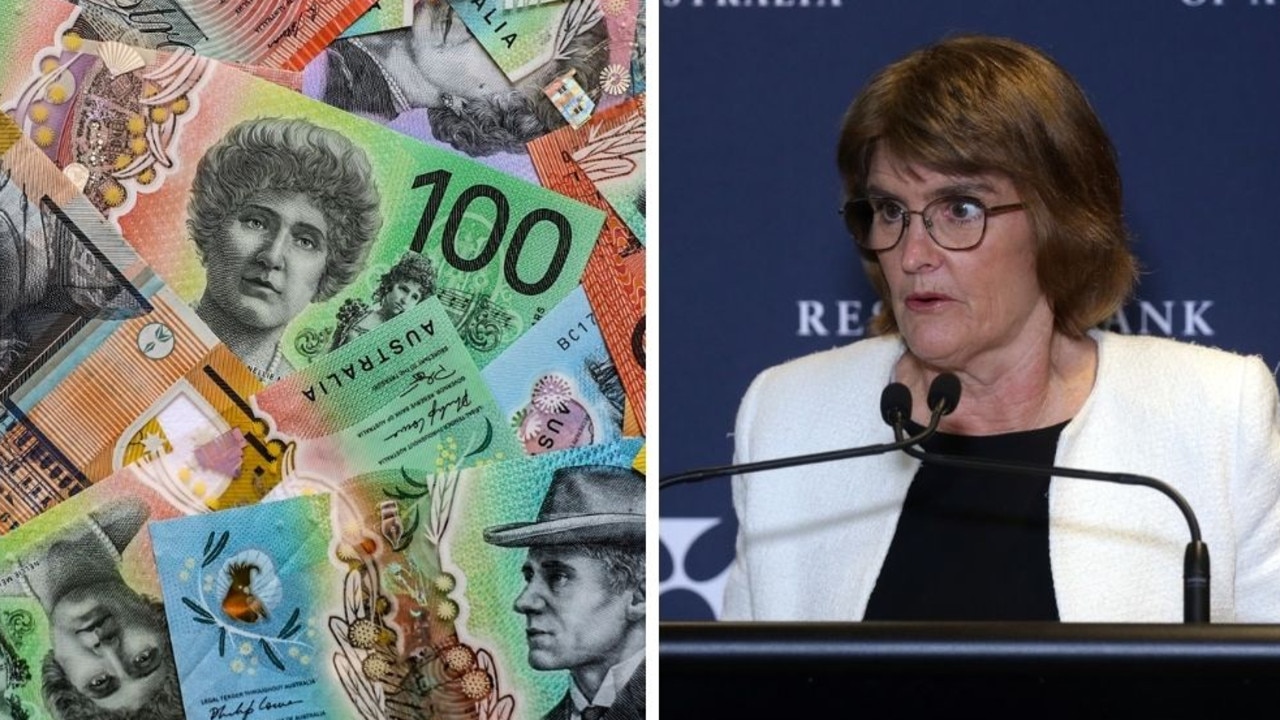
    AMP economist My Bui suggests this confidence deterioration signals the end of the recent spending boom, predicting more contained expenditure in December and January. The situation presents RBA Governor Michele Bullock with a complex policy challenge as she attempts to interpret how Black Friday sales and value-conscious consumption patterns might influence future inflation and rate decisions.

  • FAB, T. Rowe Price forge alliance to enhance investment solutions

    FAB, T. Rowe Price forge alliance to enhance investment solutions

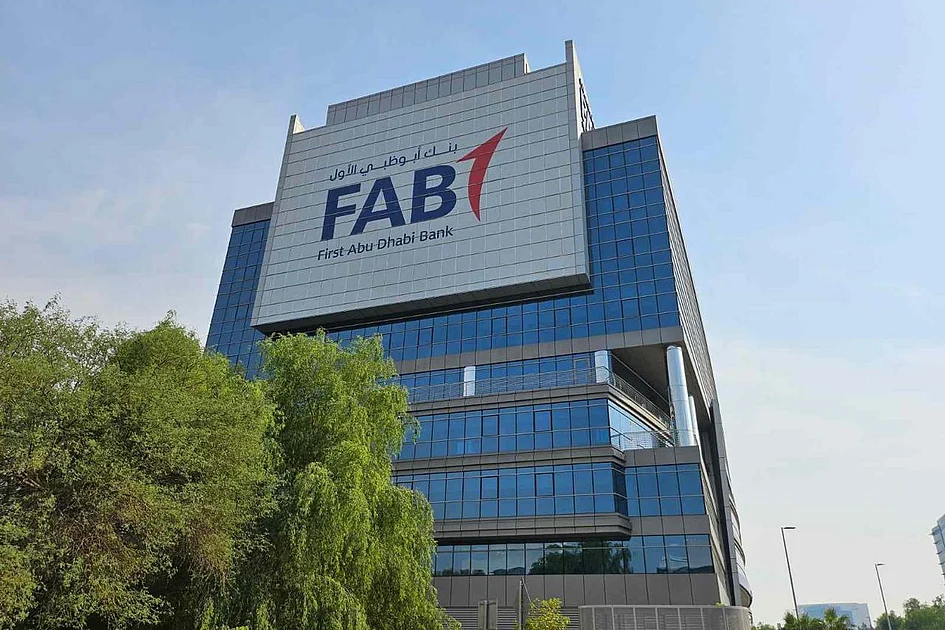
    In a significant development for the Gulf region’s financial sector, First Abu Dhabi Bank (FAB) has established a comprehensive strategic partnership with renowned global asset management firm T. Rowe Price. This alliance, formally announced in Abu Dhabi on Monday, represents a major advancement in investment capabilities available throughout the Gulf Cooperation Council (GCC) countries.

    The collaboration strategically positions T. Rowe Price as FAB’s primary investment partner, granting the bank’s diverse client base unprecedented access to sophisticated investment strategies. These encompass global equities, fixed income securities, alternative investments, and multi-asset solutions curated by one of the world’s most respected asset managers.

    This partnership is specifically engineered to enhance FAB’s investment offerings across all client segments, including retail investors, private banking clients, and institutional organizations. By integrating T. Rowe Price’s extensive global research infrastructure and proven active management expertise, FAB aims to deliver more sophisticated, internationally calibrated investment products tailored to regional market dynamics.

    The synergy combines FAB’s extensive regional presence, deep market understanding, and substantial client network with T. Rowe Price’s decades of global investment experience and product innovation. This fusion of capabilities will facilitate the development of customized investment solutions addressing the evolving requirements of GCC investors while promoting international standards within the region’s financial ecosystem.

    Hana Al Rostamani, Group CEO of First Abu Dhabi Bank, emphasized that this partnership demonstrates FAB’s ongoing commitment to enhancing investment sophistication and expanding solution diversity. She noted that collaborating with a globally recognized asset manager reinforces FAB’s position as a premier financial partner dedicated to delivering exceptional value across client segments.

    Rob Sharps, Chair, CEO and President of T. Rowe Price, expressed enthusiasm about expanding the firm’s Middle Eastern presence through this long-term strategic alliance. He highlighted that the partnership reflects T. Rowe Price’s commitment to developing innovative global collaborations and delivering world-class investment solutions specifically designed for GCC public and private market investors.

  • Dubai retail and warehouse markets surge amid tight supply and rising demand

    Dubai retail and warehouse markets surge amid tight supply and rising demand

    Dubai’s commercial property sector demonstrated exceptional resilience during the third quarter of 2025, with both retail and warehouse markets experiencing unprecedented growth driven by robust demand and severely constrained supply. According to Cavendish Maxwell’s comprehensive market analysis, retail sales transactions shattered records by exceeding Dh1 billion in a single quarter for the first time in the emirate’s history.

    The retail segment witnessed remarkable transaction volume increases, surging 78.7% quarter-on-quarter and 27.2% year-on-year. Off-plan deals emerged as the primary growth catalyst, skyrocketing 133% compared to the previous quarter and 64.7% from the previous year. Approximately 400 retail sales transactions were finalized during this period, reflecting intense investor appetite fueled by Dubai’s expanding population and record-breaking tourism numbers.

    Leasing markets experienced a paradigm shift as prime retail space became increasingly scarce. Tenants demonstrated a clear preference for renewing existing leases rather than relocating, with renewal contracts increasing 6.1% annually while new rental agreements plummeted 32.2%. This supply-demand imbalance triggered substantial rental growth across key commercial districts, with rates escalating between 7% and 15% in premium locations including Downtown Dubai, Dubai Marina, and Business Bay. Citywide retail rents advanced 7.7% year-on-year.

    The warehouse market mirrored this trend of constrained supply and rising costs. Although overall rental transactions decreased 8.3% year-on-year to approximately 4,200 deals, renewal activity surged dramatically by 62.2%, indicating occupiers’ strong preference for operational continuity. Industrial rental rates achieved double-digit growth, averaging 16.8% year-on-year across major logistics hubs including Jebel Ali, Dubai Investment Park, and Ras Al Khor, with increases ranging from 12% to 21%.

    Market experts attribute this sustained growth to structural factors including e-commerce expansion, Dubai’s consolidating position as a regional logistics hub, and unprecedented tourism performance. Major mall operators Emaar and Majid Al Futtaim reported average portfolio occupancies of 98%, with flagship destinations continuing to attract substantial footfall.

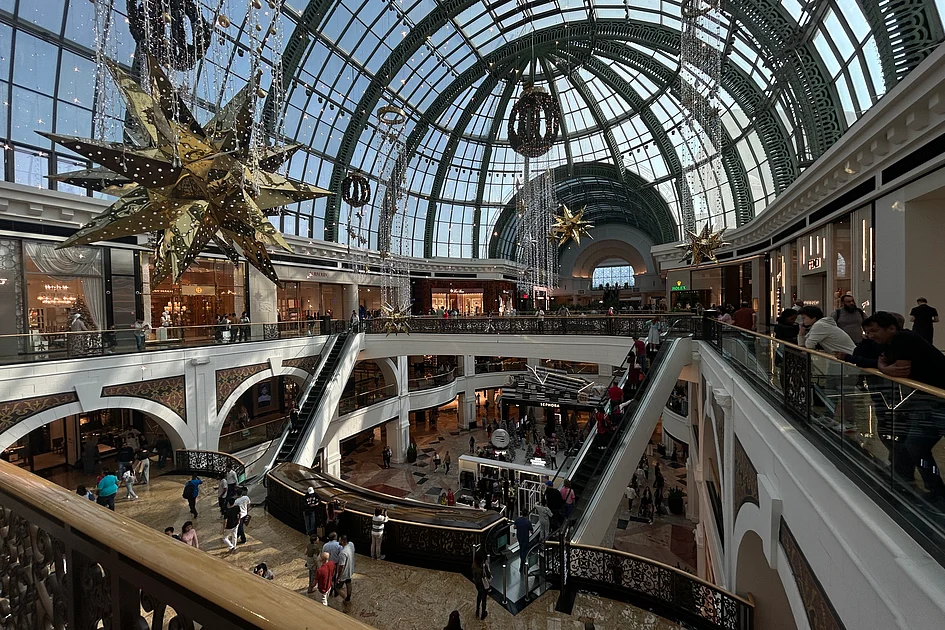
    Future development strategies are evolving to address market dynamics, focusing on smaller community shopping centers catering to daily needs alongside mega-expansions such as the Dh5 billion upgrade at Mall of the Emirates. The warehouse sector shows no indications of cooling, with persistent supply constraints and escalating demand from logistics and online retail expected to maintain upward pressure on rental rates. Industry analysts conclude that location security and long-term stability now carry greater strategic value than cost considerations in Dubai’s rapidly evolving commercial landscape.

  • Haier ranks first in global sales for 17th consecutive year

    Haier ranks first in global sales for 17th consecutive year

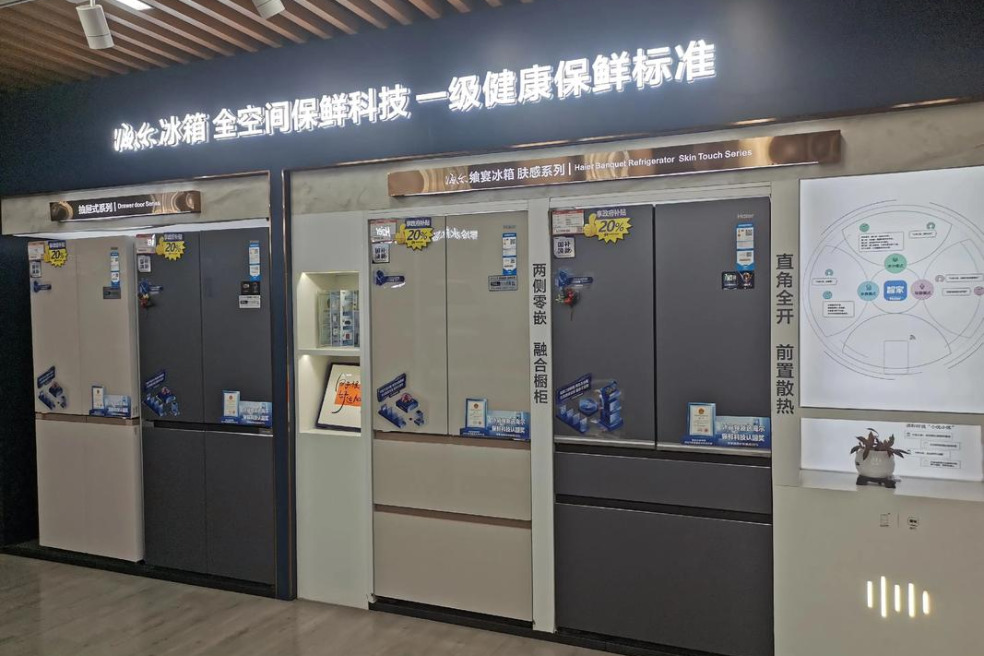
    Chinese multinational home appliances corporation Haier has secured its position as the world’s retail sales leader for major appliances throughout 2025, according to the latest data released by Euromonitor International. This remarkable achievement marks the seventeenth consecutive year that the Qingdao-based enterprise has maintained global market supremacy in the appliance sector.

    Haier’s international expansion strategy, initiated in 1991 with targeted entry into European markets, reached a significant milestone in 2016 when the company achieved operational break-even across its global network. The manufacturer has since developed an extensive worldwide infrastructure comprising 10 major R&D centers, 71 research institutes, 35 industrial parks, and 163 manufacturing facilities strategically positioned across international markets.

    The corporation’s global footprint now encompasses sales and service operations in over 200 countries and territories, serving an estimated one billion households worldwide. This expansive network supports Haier’s continuous innovation and market adaptation capabilities, contributing significantly to its sustained market leadership despite intensifying global competition and evolving consumer preferences in the home appliances industry.

  • Social Cash participates in the 1 Billion Summit

    Social Cash participates in the 1 Billion Summit

    DUBAI – At the recent 1 Billion Followers Summit in Dubai, influencer marketing platform Social Cash positioned itself as a solution to industry-wide challenges including fake engagement and unmeasurable ROI. The three-day global gathering united prominent content creators, digital entrepreneurs, and marketing professionals to explore the evolving landscape of digital influence.

    The event featured appearances from internationally recognized personalities including MrBeast, Simon Squibb, and Mufti Menk, highlighting the expansive scope of the creator economy. Social Cash utilized its exhibition space at Booth No. 46 to demonstrate its platform’s capabilities to brands and creators seeking more effective collaboration methods.

    This participation comes at a critical juncture for the influencer marketing sector. Brands are increasingly reevaluating their strategies due to widespread concerns about authenticity and return on investment. Social Cash addresses these issues by enabling brands to strategically select creators based on specific criteria including audience demographics, language preferences, and geographical location – particularly valuable in diverse markets like the UAE.

    The platform has already facilitated more than 200 campaigns across retail, FMCG, electronics, and consumer services sectors, generating over 150 million verified views. By integrating creator selection, content approval processes, and performance analytics within a unified system, Social Cash provides brands with significant time savings while enhancing campaign control.

    “Our focus is simple — helping brands work with the right creators and get results they can actually measure,” stated a company spokesperson.

    The platform equally benefits content creators through its community of over 15,000 members. Unlike systems that prioritize follower counts, Social Cash matches creators with brand opportunities based on content quality and authentic engagement metrics. Recent application updates have introduced performance-based reward features that recognize high-performing creators and increase their visibility to potential brand partners.

    As summit discussions centered on the future of digital influence monetization, Social Cash’s approach reflects a broader industry transformation toward trust-based metrics and sustainable value creation in influencer marketing.

  • Investors anxious over make-or-break fight for the Fed

    Investors anxious over make-or-break fight for the Fed

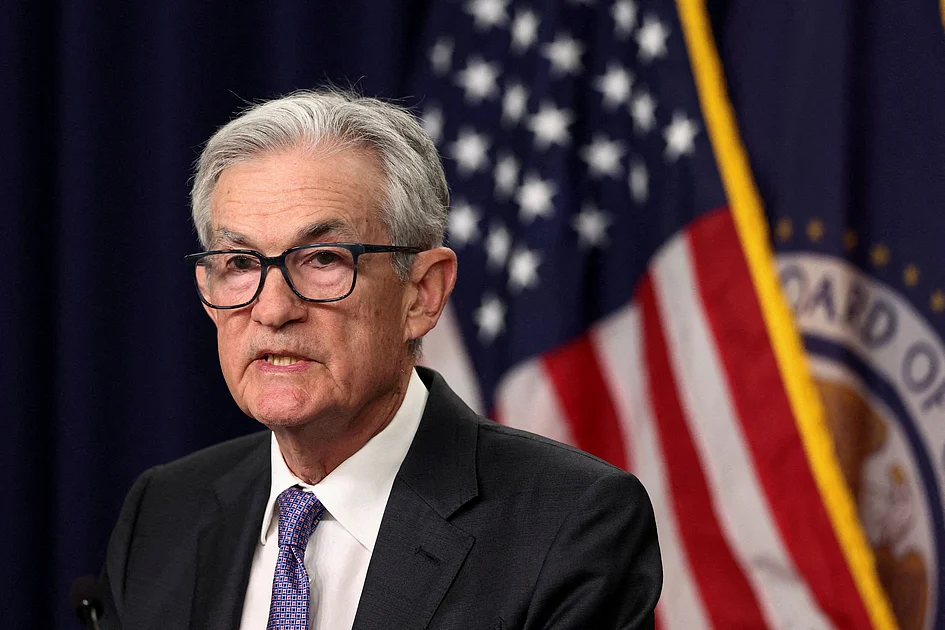
    Financial markets are grappling with unprecedented concerns over the Federal Reserve’s independence following revelations of a Justice Department investigation targeting Chair Jerome Powell. The escalating confrontation has triggered significant market reactions and raised fundamental questions about the integrity of U.S. monetary policy institutions.

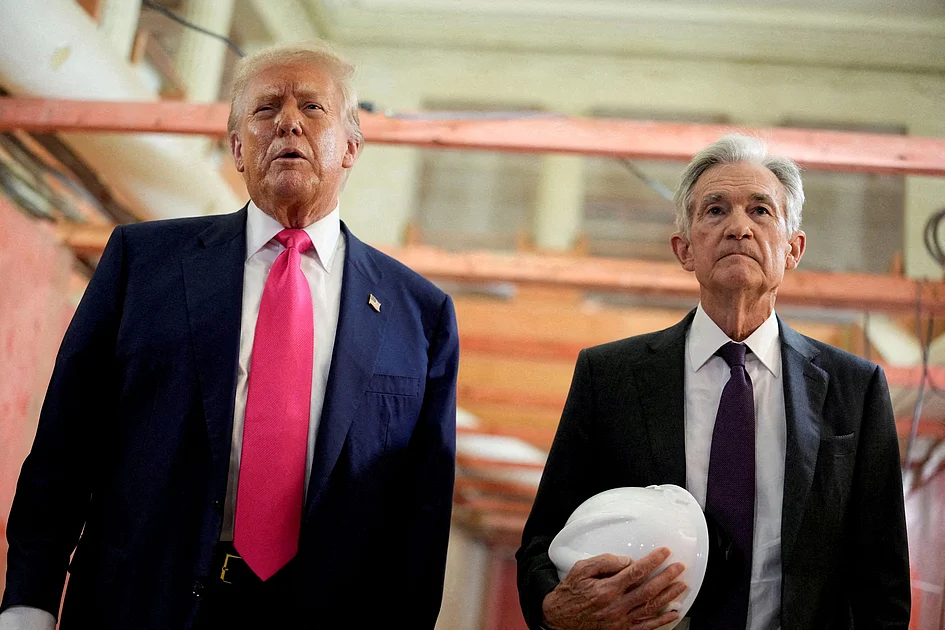
    In a remarkable Sunday statement, Powell disclosed the existence of a criminal probe targeting him personally over building renovation matters—a move he characterized as a ‘pretext’ for political manipulation of interest rate policy. This development represents the most direct challenge to central bank autonomy in modern history, occurring against the backdrop of President Trump’s persistent criticism of the Fed’s cautious approach to rate reductions.

    The immediate market response has been telling: the U.S. dollar experienced its sharpest daily decline in three weeks, gold prices surged to record highs, equity futures retreated, and long-term Treasury yields climbed significantly. These movements reflect investor apprehension about the potential erosion of institutional safeguards that have long underpinned global confidence in American financial leadership.

    International observers are expressing grave concerns. Jens Suedekum, chief adviser to Germany’s Finance Minister, warned that ‘the United States itself will suffer the greatest disadvantages’ from this institutional undermining. The situation exemplifies the Trump administration’s broader pattern of challenging established institutions, from the judiciary to the military, now extending to the cornerstone of financial stability.

    Market strategists note concerning implications. Karl Schamotta of Corpay cautioned that aggressive legal threats against Fed officials could ‘drive inflation expectations higher, erode the dollar’s safe-haven role, and trigger a sharp rise in long-term bond yields’—effectively increasing borrowing costs across the American economy.

    While Powell’s term concludes in May, with Trump already promising a rate-dove successor, this confrontation establishes a critical precedent for future Fed leadership. ANZ’s chief economist Richard Yetsenga observes that ‘the technocratic Fed, as we have understood it over the past few decades, is fading from view,’ suggesting fundamental changes to monetary policy operations.

    Despite the drama, some analysts maintain perspective. Goldman Sachs’ Jan Hatzius expressed confidence that Powell would continue making data-driven decisions throughout his remaining tenure, though acknowledging the probe adds to independence concerns. The episode nevertheless signals to global investors that traditional assumptions about U.S. institutional stability may require reevaluation.

  • Trump-Powell tussle: Will the GCC states be affected?

    Trump-Powell tussle: Will the GCC states be affected?

    A deepening institutional crisis at the US Federal Reserve is sending shockwaves through global financial markets, with Gulf Cooperation Council (GCC) economies positioned for direct impact due to their dollar-pegged currencies. The unprecedented criminal investigation launched against Fed Chair Jerome Powell by the District of Columbia US attorney’s office—reportedly over central bank headquarters renovations—has escalated tensions between the White House and monetary authorities to dangerous levels.

    Market indicators immediately reflected investor anxiety, with S&P 500 and Nasdaq futures dropping over 0.6% pre-market opening. The VIX volatility index, known as Wall Street’s ‘fear gauge,’ recorded its sharpest rise since November 2025, while gold prices surged to $4,600 per ounce as investors sought traditional safe-haven assets.

    According to Edward Bell, Acting Chief Economist at Emirates NBD, ‘The Fed’s independence, once considered sacrosanct, now faces existential challenges. We anticipate effectively operating under two distinct Federal Reserve systems in 2026—the current Powell-led framework and a post-May structure under new leadership.’

    Financial experts interpret the investigation as retaliatory action against Powell’s perceived reluctance to accelerate interest rate reductions. With Powell’s term concluding in May 2026 and President Trump expected to announce his successor imminently, concerns mount that political interference could permanently damage the Fed’s credibility and operational autonomy.

    Vijay Valecha, Chief Investment Officer at Century Financial, warned: ‘Prolonged uncertainty may trigger heightened market volatility, increased equity risk premiums, and further depreciation of the US dollar. We anticipate accelerated capital flows into protective instruments including precious metals and Treasury securities.’

    For GCC nations maintaining dollar pegs, monetary policy remains inextricably linked to Federal Reserve decisions. Regional central banks historically mirror US rate adjustments, with another 75 basis points in cuts anticipated for 2026. While lower borrowing costs could stimulate GCC real estate development and dividend-yield investments, banking sector net interest margins may face compression.

    Bell noted that regional economies demonstrate resilience: ‘UAE and Saudi economic indicators performed strongly throughout 2025 despite elevated rates. Further reductions will provide welcome stimulus but unlikely to dramatically accelerate growth trajectories.’

    The dollar peg creates complex dynamics for Gulf states. Weaker regional currencies increase import costs but enhance competitiveness for non-oil exports, particularly service sectors. Notably, substantial import volumes from markets like India and Turkey—whose currencies depreciated against the dollar in 2025—have partially offset broader inflationary pressures.

    Investment strategists recommend GCC investors implement robust risk management protocols, including portfolio diversification and maintaining liquidity buffers. While short-term market corrections may occur, the region’s strong fundamentals, political stability, and business-friendly environments provide substantial long-term support for capital markets.