分类: business

  • Energy giants lift ASX for third day, offsetting big four bank losses

    Energy giants lift ASX for third day, offsetting big four bank losses

    Australia’s sharemarket has demonstrated remarkable resilience by securing its third consecutive daily advance, overcoming significant banking sector weakness through substantial gains in energy commodities driven by escalating Middle Eastern geopolitical tensions.

    The benchmark S&P/ASX 200 index climbed 12.10 points (0.14%) to settle at 8820.60, while the broader All Ordinaries index gained 13.30 points (0.15%) to close at 9151.80. The Australian dollar simultaneously strengthened against the US currency, appreciating 0.21% to reach 66.97 US cents.

    Market performance revealed significant sector divergence, with eight of eleven industry sectors finishing positively. Energy equities emerged as the standout performers, surging 2.40% as West Texas Intermediate crude oil reached a ten-week peak amid supply disruption concerns. Major energy producers Woodside Energy (+2.62% to $23.92), Santos (+2.77% to $6.31), and Beach Energy (+5.24% to $1.205) all recorded substantial gains.

    IG market analyst Tony Sycamore attributed the oil price surge to anti-government protests in Iran that threatened approximately 3.3 million barrels of daily production. ‘The violent government response, with reports of thousands killed or arrested, has prompted US President Donald Trump to issue threats of military action and implement 25% tariffs on nations conducting business with Iran,’ Sycamore noted. Additional supply concerns emerged after suspected Ukrainian drones struck four Greek-managed oil tankers in the Black Sea on Tuesday.

    The materials sector provided additional support following G7 discussions addressing supply chain vulnerabilities for critical minerals. Mineral Resources advanced 1.39% to $61.34, Alpha HPA jumped 3.49% to $0.89, and Wildcat Resources climbed 4.71% to $0.445. Major iron ore producers BHP (+1.13%), Rio Tinto (+0.78%), and Fortescue (+0.35%) all closed higher despite precious metals including gold, aluminium, and copper retreating from record highs.

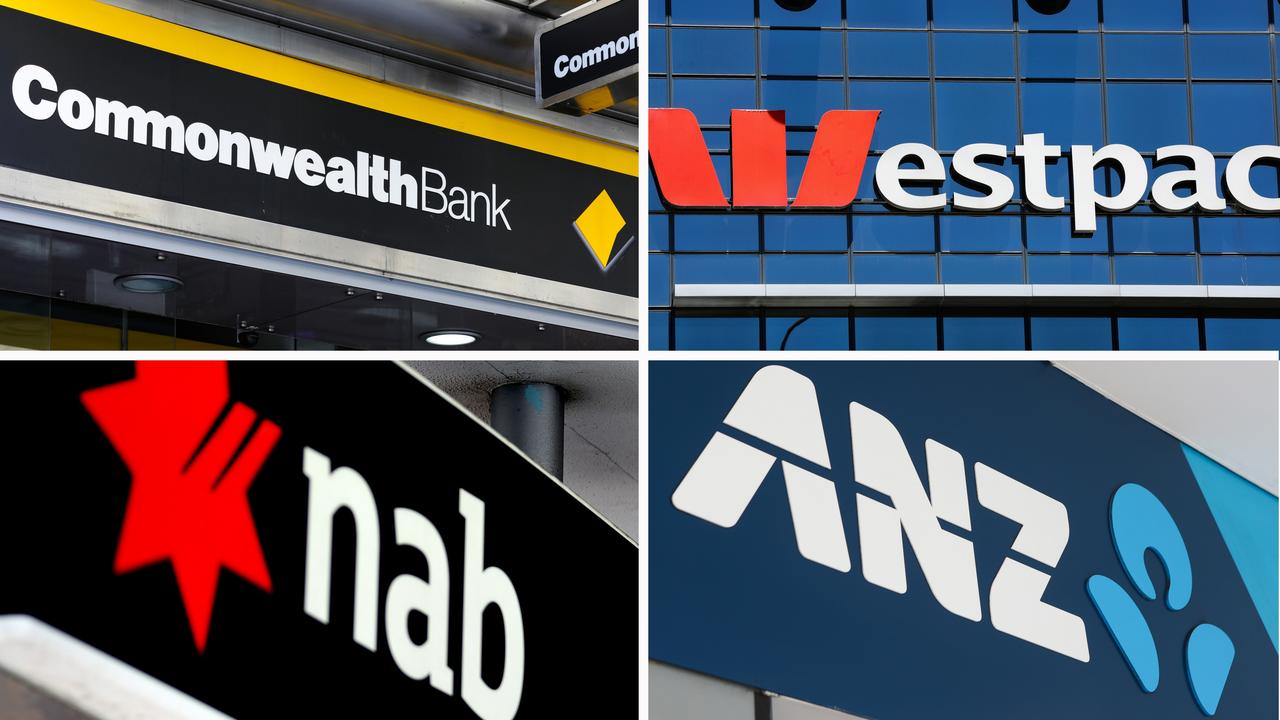
    These gains partially offset substantial banking sector weakness, with financial stocks declining 0.73% collectively. Commonwealth Bank led the downturn, falling 1.25% to $152.88, followed by National Australia Bank (-1.13% to $41.91), Westpac (-0.57% to $38.28), and ANZ (-0.27% to $36.38).

    Individual stock movements featured Neuren Pharmaceuticals soaring 6.06% to $20.47 after projecting potential 2028 sales of $US700 million for its Rett syndrome treatment DAYBUE. Endeavour Group rebounded 2.16% to $3.78 following profit guidance of $400-411 million for the December half. Conversely, Humm Group declined 0.68% to $0.74 as directors opposed a ‘reckless and flawed’ board restructuring proposal.
  • Asian benchmarks are mixed after Wall Street pulls back and global uncertainty grows

    Asian benchmarks are mixed after Wall Street pulls back and global uncertainty grows

    Asian financial markets exhibited divergent trends on Wednesday as regional political developments and a Wall Street pullback from record highs created a complex trading environment.

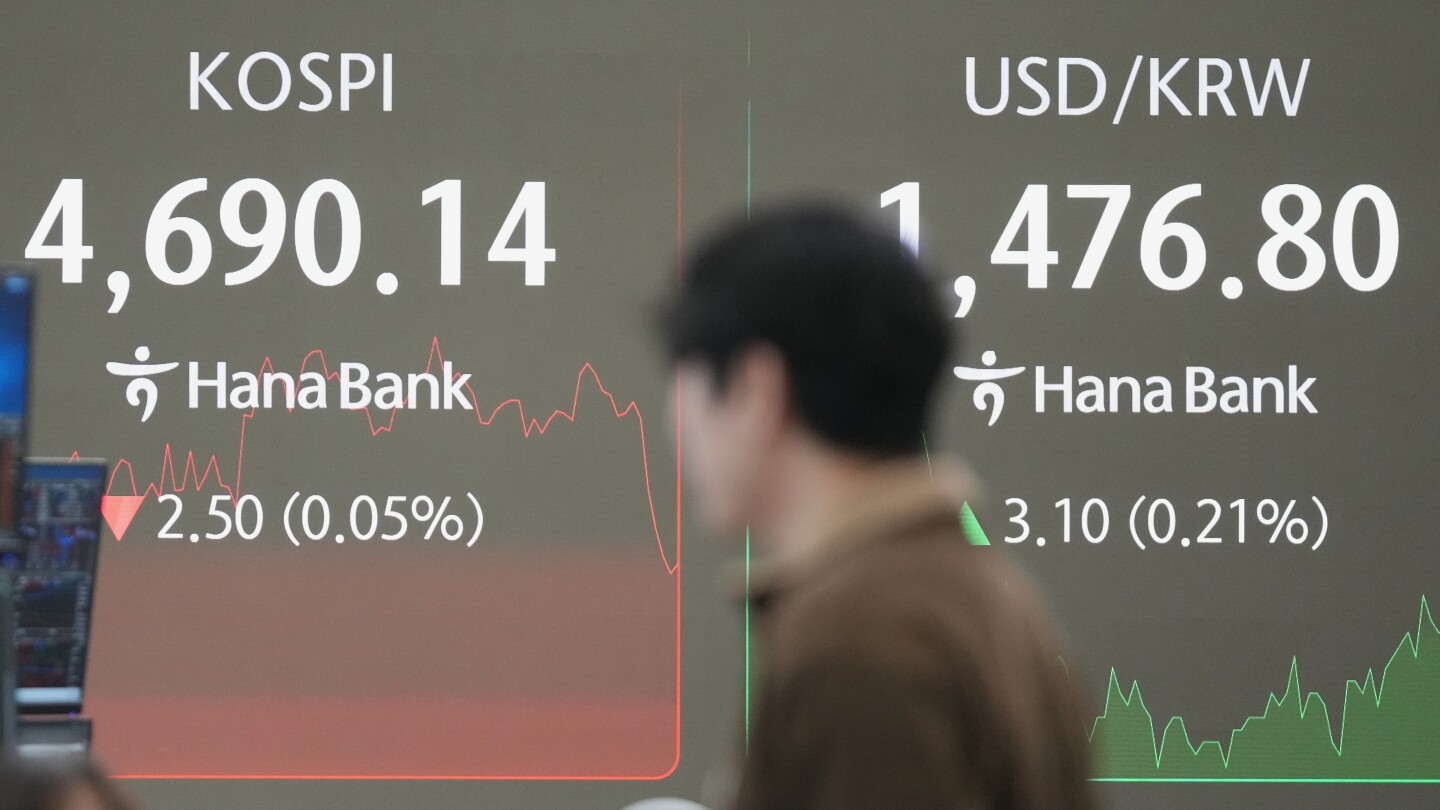
    Japan’s Nikkei 225 index surged 1.6% to 54,413.92 amid speculation about potential general elections, while Australia’s S&P/ASX 200 slipped 0.1% to 8,798.80. South Korea’s Kospi declined 0.1% to 4,687.32 despite diplomatic developments that saw Japanese Prime Minister Sanae Takaichi and South Korean President Lee Jae Myung commit to enhanced economic and security cooperation during their Tuesday meeting.

    Chinese markets demonstrated strength with Hong Kong’s Hang Seng gaining 0.8% to 27,055.14 and the Shanghai Composite jumping 1.2% to 4,187.14. This positive momentum occurred against a backdrop of heightened geopolitical tension, as former President Donald Trump announced new 25% tariffs on imports from countries conducting business with Iran, where activist reports indicated protest-related casualties had exceeded 2,500.

    The mixed Asian performance followed a Wall Street retreat from record levels, with the S&P 500 declining 0.2% from its all-time high amid varied corporate earnings results. The Dow Jones Industrial Average experienced a substantial drop of 398 points (0.8%), while the Nasdaq composite slipped 0.1%.

    Corporate earnings season presented challenges as JPMorgan Chase reported both profit and revenue below analyst expectations, causing a 4.2% stock decline. CEO Jamie Dimon maintained economic optimism, noting continued consumer spending and general business health. Delta Air Lines shares fell 2.4% despite exceeding profit expectations, due to revenue shortfalls and conservative 2026 profit forecasts.

    Healthcare companies emerged as market bright spots, with Moderna soaring 17.1% after raising its 2025 revenue forecast and providing updates on several products including a potential seasonal flu vaccine awaiting regulatory approval.

    Bond markets saw Treasury yields ease following inflation data that largely met economist expectations, strengthening predictions of at least two Federal Reserve interest rate cuts in 2026. The latest inflation report showed consumer prices rose 2.7% annually, slightly exceeding expectations and remaining above the Fed’s 2% target.

    Energy markets showed minimal movement with benchmark U.S. crude dipping to $60.97 per barrel, while currency markets saw the U.S. dollar holding steady against the yen and euro.

  • China had a record $1.2 trillion trade surplus in 2025, as exports rose 6.6% in December

    China had a record $1.2 trillion trade surplus in 2025, as exports rose 6.6% in December

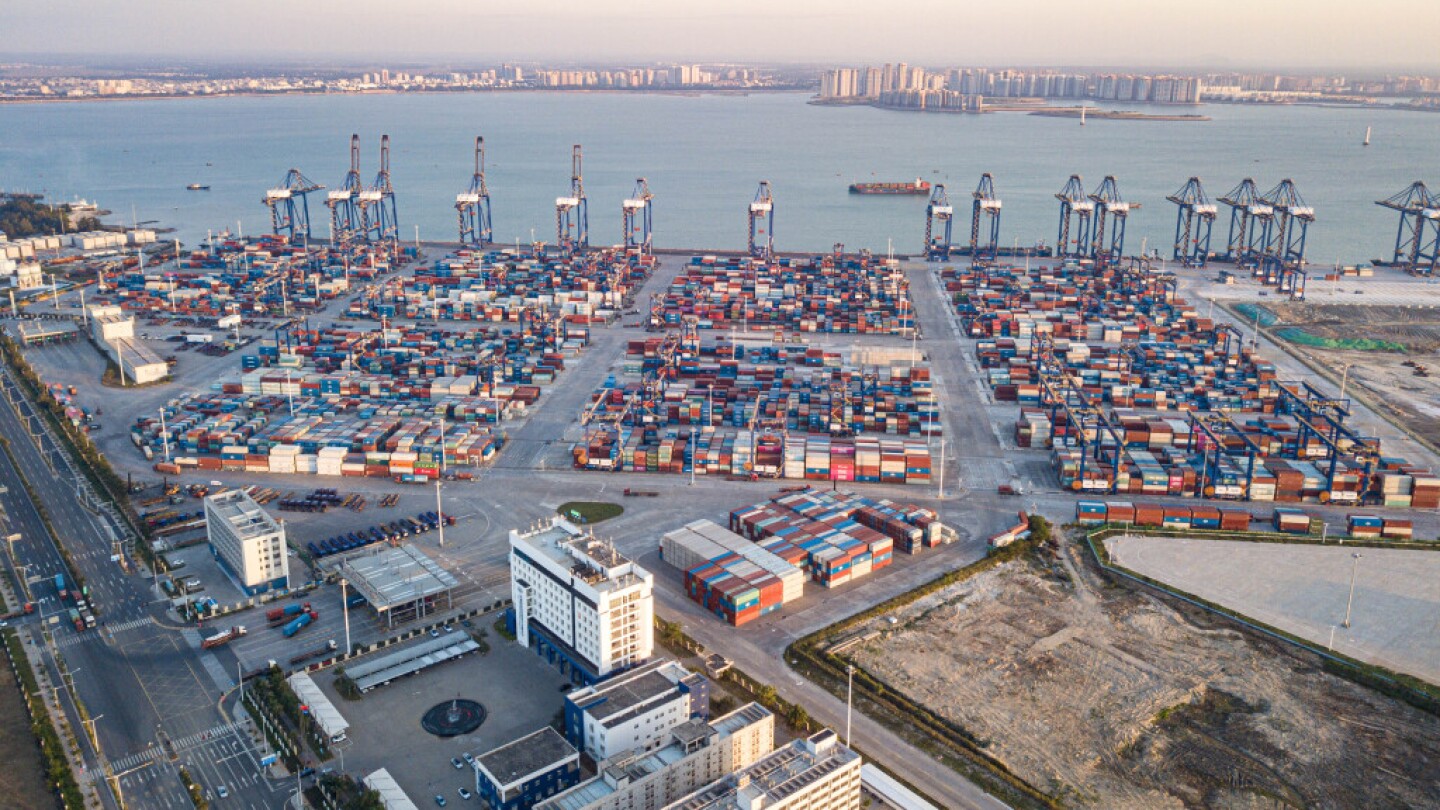
    China achieved an unprecedented trade surplus of nearly $1.2 trillion in 2025, according to official data released Wednesday, marking a significant expansion from the previous year’s $992 billion. The record imbalance emerged as robust exports to emerging markets compensated for declining shipments to the United States amid escalating trade tensions.

    Customs statistics reveal China’s annual exports grew 5.5% to reach $3.77 trillion, while imports remained stagnant at $2.58 trillion. December performance exceeded expectations with exports climbing 6.6% year-on-year in dollar terms, accelerating from November’s 5.9% increase. Import growth simultaneously strengthened to 5.7% from 1.9% the previous month.

    The export surge has become a crucial economic stabilizer, maintaining growth near Beijing’s 5% target despite domestic challenges including a prolonged property sector crisis that continues to suppress consumer confidence. This export momentum has simultaneously triggered international concerns about market disruption from competitively priced Chinese goods.

    Geographic trade patterns show a dramatic realignment as shipments to South America, Southeast Asia, Africa, and Europe have substantially offset reduced exports to the United States following the return of President Donald Trump and his intensified trade policies.

    Financial institutions project sustained export performance through 2026. BNP Paribas’ chief China economist Jacqueline Rong notes: “We continue to expect exports to act as a major growth driver this year.” Natixis senior economist Gary Ng forecasts approximately 3% export growth for 2026, slightly moderating from 2025’s 5% expansion, with the trade surplus expected to remain above $1 trillion.

    The International Monetary Fund has meanwhile urged Chinese authorities to address economic imbalances by accelerating the transition from export dependency toward domestic demand stimulation and investment diversification.

  • How the concept of wellness is reshaping Dubai real estate

    How the concept of wellness is reshaping Dubai real estate

    Dubai’s real estate sector is undergoing a fundamental transformation, with wellness, sustainability, and quality of life emerging as primary factors influencing purchasing decisions alongside traditional considerations of prestige and financial returns. This strategic shift comes as over 61,800 residential units remain under construction throughout the emirate in 2025, signaling a clear market evolution toward holistic living environments.

    Market data from the Dubai Land Department reveals robust investor confidence, with approximately 94,700 investors completing more than 91,000 residential transactions valued at Dh262.1 billion during the first half of 2025. This represents a substantial 26 percent increase in investor participation and a 36.4 percent year-on-year surge in transaction value, demonstrating strong belief in Dubai’s property market trajectory.

    Analysis by Emirati developer Amaal identifies five distinct districts leading this wellness-oriented revolution. Meydan in Nad Al Sheba has evolved into a lifestyle destination characterized by landscaped parks, open green corridors, and pedestrian-friendly streets. The area’s apartment prices reached approximately Dh1,543 per square foot in Q3 2025, with off-plan transactions constituting over 70 percent of residential sales.

    Mohammed Bin Rashid City successfully blends urban accessibility with family-oriented green living, featuring central parks and pedestrian-friendly streets integrated with luxury villas and townhouses. Similarly, Dubai Hills Estate has established itself as a suburban wellness benchmark, boasting an 86.5 percent rental occupancy rate in H1 2025 due to its comprehensive integration of recreational spaces, schools, and retail within a walkable environment.

    Even established luxury destinations are embracing this paradigm shift. Palm Jumeirah, traditionally valued for exclusivity, now attracts buyers seeking active waterfront lifestyles with promenades and private beaches. The community led Dubai’s ultra-luxury segment in Q2 2025 with the highest number of homes sold above $10 million. Emirates Hills maintained its position as the emirate’s most exclusive villa enclave, achieving prices around Dh4,929 per square foot in H1 2025 through its low-density layout and emphasis on tranquility.

    Property analysts conclude that developments prioritizing green infrastructure, walkability, and holistic living are positioned to outperform in Dubai’s evolving market landscape, marking a significant departure from the city’s previous emphasis on spectacle and scale.

  • India orders quick commerce platforms to stop ’10-minute’ delivery services

    India orders quick commerce platforms to stop ’10-minute’ delivery services

    In a significant regulatory move, India’s labor ministry has directed leading quick commerce platforms Blinkit, Zepto, and Swiggy to cease marketing their services as ’10-minute delivery’ offerings. The directive emerged from a confidential meeting held on Saturday between ministry officials and company representatives, signaling increased governmental scrutiny over the rapidly expanding sector.

    The $11.5 billion quick commerce industry, which has revolutionized urban shopping patterns across India, faces mounting concerns regarding rider safety and working conditions. Industry observers note that the pressure to meet aggressive delivery timelines has raised alarms about potential traffic violations and inadequate compensation for delivery personnel who fail to meet the stringent time targets.

    While Blinkit has already modified its branding from ‘Grocery in 10 minutes’ to the more ambiguous ‘Groceries & more,’ competitors Zepto and Swiggy’s Instamart continued promoting their 10-minute service capabilities on major app marketplaces as of Tuesday. The sector has attracted substantial investor interest, with Swiggy securing $1.11 billion in funding from prominent institutions including BlackRock, Temasek, and Fidelity just last December.

    None of the involved companies provided official comments regarding the ministry’s directive, and government officials have not issued public statements. The regulatory intervention highlights the growing tension between technological innovation and workforce protection in India’s rapidly digitalizing economy.

  • Job seekers face tougher hunt as advertised roles drop for second quarter

    Job seekers face tougher hunt as advertised roles drop for second quarter

    Australia’s employment landscape is showing concerning signs of contraction as newly released government data reveals a persistent decline in job vacancies. According to the latest figures from the Australian Bureau of Statistics (ABS), available positions decreased by 0.2% during the three-month period ending in November, marking the sixth consecutive month of deterioration in employment opportunities.

    The current national vacancy count stands at approximately 326,700 unfilled positions, effectively returning to levels observed at the beginning of the previous year. This sustained downturn follows a more substantial 2.7% reduction recorded in the quarter ending August 2023. Annually, the market has witnessed a significant contraction of 5.2%, representing 17,800 fewer available roles compared to November 2022.

    ABS Head of Labour Statistics Robert Long provided sector-specific analysis, noting that “private sector job vacancies primarily drove the annual decrease, falling by 6.8% in the year to November. Conversely, public sector vacancies experienced an 8.9% increase during the same period.”

    Industry performance varied considerably across sectors. The education and training industry suffered the most severe decline at 15.5%, followed closely by rental, hiring and real estate services which dropped 12.8%. Transport and construction roles also demonstrated notable reductions. These losses were partially offset by gains in wholesale trade, public administration and safety, mining, and healthcare and social assistance.

    The tightening job market presents challenges for Australia’s 665,800 unemployed citizens, creating increasingly competitive conditions for job seekers across multiple industries.

  • UAE, the Philippines sign CEPA during Marcos visit; what this means for both nations

    UAE, the Philippines sign CEPA during Marcos visit; what this means for both nations

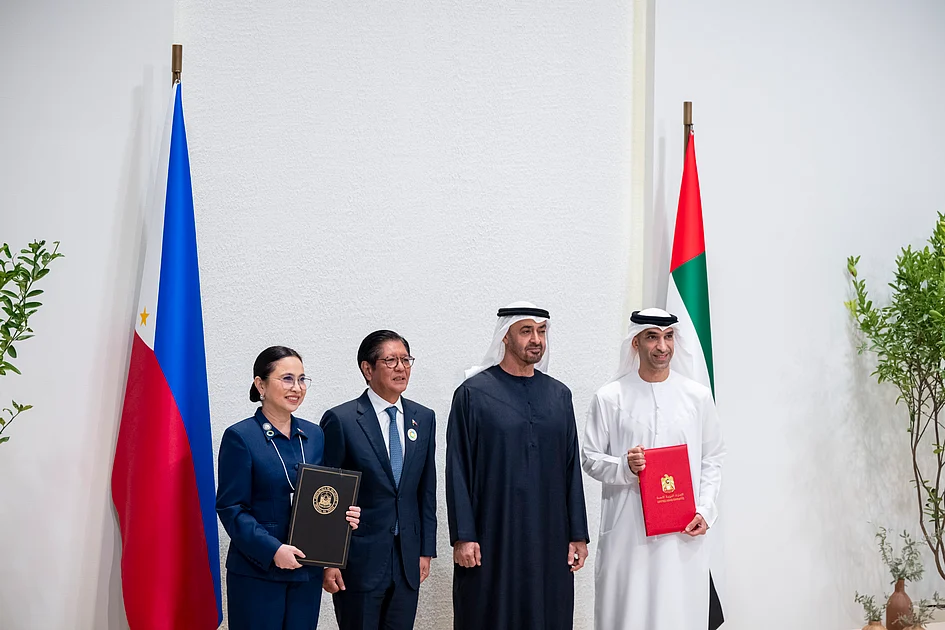
    In a significant diplomatic ceremony witnessed by UAE President Sheikh Mohamed bin Zayed Al Nahyan and Philippine President Ferdinand R. Marcos Jr., the two nations solidified a groundbreaking Comprehensive Economic Partnership Agreement (CEPA) in Abu Dhabi on January 13, 2026. This landmark trade deal marks President Marcos’ first international visit of the year and coincides with his participation in Abu Dhabi Sustainability Week.

    The newly ratified agreement establishes a comprehensive framework for enhanced economic collaboration, representing a strategic evolution in bilateral relations between the Gulf nation and the Southeast Asian archipelago. Sheikh Mohamed characterized the partnership as reflecting a shared vision to broaden cooperation that serves mutual interests, expressing confidence that the CEPA would significantly advance both countries’ development objectives.

    From the UAE perspective, this agreement constitutes a pivotal component of the nation’s ambitious foreign trade strategy targeting $1.1 trillion in non-oil foreign trade by 2031. Current trade metrics demonstrate robust growth, with bilateral non-oil trade reaching $940 million in 2024 and showing a remarkable 22.4% year-on-year increase during the first three quarters of 2025. Economic projections indicate the partnership could boost UAE GDP by approximately $2.4 billion by 2032.

    For the Philippines, this historic agreement represents their first free trade pact with a Middle Eastern nation, providing unprecedented market access to the region. The CEPA is designed to eliminate tariffs, reduce trade barriers, and stimulate investment flows across key sectors including electrical equipment, financial services, agriculture, and precious metals. The agreement additionally facilitates private-sector collaboration, strengthens supply chain resilience, promotes knowledge transfer, and empowers small and medium enterprises to expand globally.

    The UAE-Philippines CEPA joins 31 other agreements under the UAE’s comprehensive trade program, which has already contributed to record non-oil trade figures of $810 billion in 2024, marking a 14% annual increase. Fourteen of these agreements are currently operational, reflecting the UAE’s commitment to rules-based trade as a mechanism for economic diversification and global business expansion.

  • UAE, Philippines share vision for resilient, open economies: Minister of Foreign Trade

    UAE, Philippines share vision for resilient, open economies: Minister of Foreign Trade

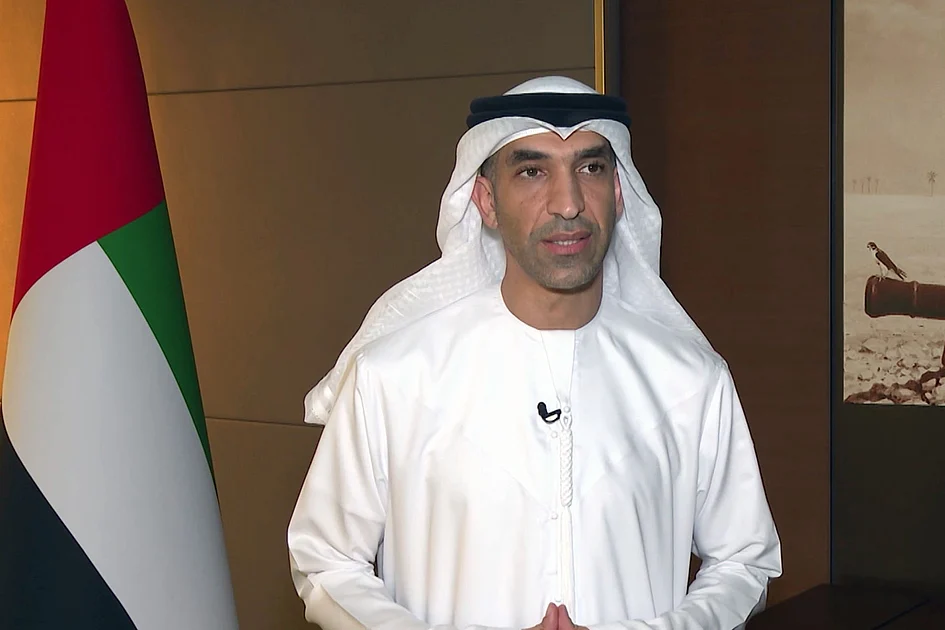
    The United Arab Emirates and Philippines have solidified a transformative economic alliance through a Comprehensive Economic Partnership Agreement (CEPA) that establishes a framework for sustained bilateral growth. Announced by Dr. Thani bin Ahmed Al Zeyoudi, UAE Minister of Foreign Trade, this agreement represents the fourth such partnership between the UAE and ASEAN nations, following similar pacts with Cambodia, Indonesia, and Vietnam.

    The agreement emerges from robust existing economic relations, with non-oil trade reaching approximately $940 million in 2024 and showing a remarkable 22.4% annual growth rate during the first three quarters of 2025. The Philippines, recognized as ASEAN’s second-fastest growing economy with 5.6% growth in 2024 and a nominal GDP of $471.8 billion, presents strategic advantages as a major logistics hub and member of the Regional Comprehensive Economic Partnership.

    Economic projections indicate the CEPA will contribute $2.4 billion to the UAE’s GDP by 2032 while boosting UAE exports to the Philippines to $7.62 billion within the same timeframe. The partnership eliminates or reduces customs duties on over 83% of tariff lines, covering key exports including polyethylene, petrochemicals, fertilizers, mechanical equipment, ceramics, glass, and metals.

    The agreement facilitates enhanced market access in services—a sector constituting 62% of the Philippine economy—while establishing regulatory frameworks for digital trade and effective dispute resolution mechanisms. Significant existing investments include DP World’s developments in Philippine ports and logistics infrastructure, alongside Masdar’s landmark $15 billion agreement for renewable energy projects targeting one gigawatt of clean energy capacity by 2030.

    With over 700,000 Filipinos residing in the UAE—the second-largest Filipino community in the Gulf—the agreement strengthens people-to-people connections while positioning the UAE as a central hub connecting Arab, European, Asian, and African supply chains. Both nations share aligned visions for building resilient, open economies committed to free trade principles and sustainable long-term growth.

  • UAE, Nigeria forge stronger ties with signing of Comprehensive Economic Partnership Agreement

    UAE, Nigeria forge stronger ties with signing of Comprehensive Economic Partnership Agreement

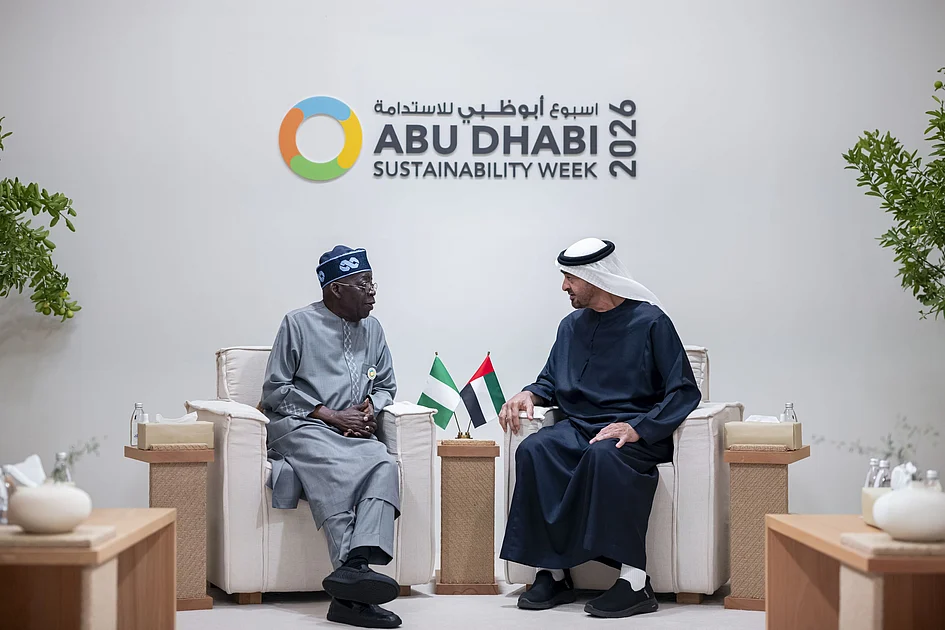
    In a significant diplomatic ceremony held in Abu Dhabi on Tuesday, the United Arab Emirates and Nigeria solidified their economic relationship through the signing of a Comprehensive Economic Partnership Agreement (CEPA). President Sheikh Mohamed bin Zayed Al Nahyan of the UAE and Nigerian President Bola Ahmed Tinubu presided over the signing event, which marks a pivotal advancement in bilateral relations between the two nations.

    The agreement, signed by UAE Minister of Foreign Trade Dr. Thani bin Ahmed Al Zeyoudi and Nigeria’s Minister of Industry, Trade and Investment Dr. Jumoke Oduwole, establishes a framework for substantially enhanced economic cooperation. The pact will systematically reduce tariffs and eliminate trade barriers, thereby facilitating increased investment flows across multiple strategic sectors including technology, agriculture, precious metals, and energy.

    President Sheikh Mohamed characterized the agreement as a landmark development that reflects the UAE’s ongoing commitment to strengthening global trade partnerships. He emphasized that this strategic alignment aims to unlock new pathways for mutual economic progress and broader developmental objectives.

    President Tinubu echoed these sentiments, highlighting the agreement’s potential to generate substantial opportunities for expanded economic and trade collaboration. He reaffirmed Nigeria’s dedication to achieving its national economic goals while simultaneously advancing the shared development priorities of both countries.

    The economic context underscores the agreement’s significance: bilateral non-oil trade reached $4.3 billion in 2024, representing a remarkable 55.3% year-on-year increase compared to 2023. This growth trajectory continued through the first three quarters of 2025, with trade volumes already reaching approximately $3.1 billion.

    The UAE-Nigeria CEPA constitutes a vital component of the UAE’s ambitious foreign trade strategy, which aims to boost non-oil foreign trade to $1.1 trillion by 2031. The CEPA program has already contributed to a record non-oil trade figure of $810 billion in 2024, marking a 14% annual increase. With 32 agreements finalized and 14 currently in force, the program demonstrates the UAE’s commitment to rules-based international trade as a mechanism for driving economic diversification and creating new opportunities for businesses in high-growth markets worldwide.

  • Iran-US tensions won’t impact UAE, says DP World CEO

    Iran-US tensions won’t impact UAE, says DP World CEO

    Amid escalating geopolitical tensions between Iran and the United States, DP World’s Group Chairman and CEO Sultan bin Sulayem has emphatically declared that the United Arab Emirates remains insulated from regional conflicts and continues to be a secure environment for international business operations. The statement came during the inauguration ceremony of the Petrochem Terminal and Corporate Headquarters at Jebel Ali Free Zone on Tuesday.

    Bin Sulayem contextualized current tensions within historical perspective, noting that the eight-year Iran-Iraq War (1980-1988) represented the most significant regional crisis for the UAE without disrupting economic stability. He specifically referenced previous confrontations involving Israel, the US, and Iran that similarly failed to impact Emirati business operations.

    The current escalation stems from widespread protests within Iran that have reportedly resulted in over 500 fatalities, prompting threatening rhetoric from US President Donald Trump and counter-warnings from Iranian officials regarding potential strikes on Israel. Despite these developments, Bin Sulayem expressed confidence that maritime commerce—the lifeblood of Dubai’s economy—would remain uninterrupted.

    Highlighting the UAE’s exceptional safety credentials, the executive noted that Abu Dhabi, Dubai, and Sharjah consistently rank among the world’s five safest cities according to Numbeo’s global metrics. This security framework, combined with DP World’s expansive global footprint across 146 locations and 94 international terminals, reinforces the organization’s capacity to maintain operational continuity regardless of regional tensions.

    Bin Sulayem concluded by inviting increased international investment, citing Petrochem Middle East’s recent Dh300 million expansion within Jebel Ali Free Zone as evidence of continued business confidence in Dubai’s stable economic environment.