
Australia’s central bank is gearing up to deliver another aggressive interest rate increase this Tuesday, with a fresh surge in persistent inflation leaving policymakers with little choice but to squeeze the national economy. Financial and economic analysts widely expect the Reserve Bank of Australia (RBA) to raise the official cash rate by 25 basis points at its 2:30 pm board meeting, marking the third consecutive rate hike in 2026. If the forecast holds true, the benchmark cash rate will climb back to 4.35 percent, completely erasing the three rate cuts implemented to support the economy in 2025 and piling fresh financial stress on roughly 3.6 million Australian mortgage holders.
分类: business
-

World shares are mixed, with sharp gains for tech stocks, while oil prices bounce back
Global equity markets kicked off the trading week with a split performance Monday, as a wave of bullish momentum for semiconductor and technology stocks, carried over from last Friday’s record-breaking rally on Wall Street, offset ongoing uncertainty stemming from escalating tensions in the Strait of Hormuz. Following the U.S. military’s launch of a new operation early Monday to escort commercial vessels through the strategic shipping chokepoint, global oil prices staged a sharp rebound, with international benchmark Brent crude climbing more than $2 per barrel.
Iran has formally rejected the U.S. escort plan, but Foreign Ministry spokesman Esmail Baghaei confirmed Sunday in comments reported by Iran’s state-run judiciary Mizan News Agency that Tehran is currently reviewing the U.S. response to its latest diplomatic proposal to de-escalate the ongoing war. By mid-trading Monday, U.S. West Texas Intermediate crude had risen $1.80 to settle at $103.73 per barrel, while Brent crude jumped $2.23 to hit $110.40 per barrel.
In European trading, indexes ended the day with minor moves after a volatile session. Germany’s DAX index inched up 0.1% to close at 24,303.77, while Paris’s CAC 40 slipped 0.5% to 8,072.91. U.K. markets remained closed for a public holiday, leaving trading volumes thin across much of the continent. U.S. equity futures pointed to a muted open, with S&P 500 futures trading almost flat and Dow Jones Industrial Average futures down 0.3% heading into the New York trading session.
Across Asian markets, performance was far more dynamic, driven by broad buying of technology and semiconductor shares following last week’s strong U.S. earnings. Hong Kong’s Hang Seng Index gained 1.2% to close at 26,095.88, while South Korea’s Kospi surged 5.1% to end at 6,936.99, led by a 5.4% jump in shares of tech giant Samsung Electronics. In Taiwan, the Taiex index rallied 4.6%, propelled by a 6.6% gain in market heavyweight Taiwan Semiconductor Manufacturing Company (TSMC), the world’s leading contract chipmaker. Australia’s S&P/ASX 200 bucked the upward trend, slipping 0.4% to 8,697.10, while markets in mainland China and Japan remained closed for Golden Week national holidays.
Analysts note that much of the near-term trajectory for global markets will depend on diplomatic progress to end the war in Iran and resolve the shipping backlog that has choked the Strait of Hormuz, a chokepoint through which roughly 20% of global oil supplies pass daily. In a Monday market commentary, Stephen Innes of SPI Asset Management noted that the oil market “remains the fulcrum” of global market volatility, with hundreds of tankers, bulk carriers, and cargo ships still stranded across the Persian Gulf. Idle vessels have created widespread storage constraints that have forced energy producers to curb production, as there is no available capacity to hold newly extracted crude.
Thousands of seafarers have been stuck onboard stranded vessels in the Gulf since the outbreak of the war. Multiple crew members told the Associated Press they have witnessed intercepted drones and missiles explode over nearby waters, while their ships face growing shortages of drinking water, food, and other critical supplies.
The U.S. military operation, dubbed “Project Freedom” by former President Trump, launched early Monday morning. U.S. Central Command confirmed the mission involves guided-missile destroyers, more than 100 aircraft, and 15,000 active service members, though the Pentagon has not yet responded to questions about the operational deployment of these forces.
Last Friday, Wall Street closed out its fifth consecutive winning week with fresh record highs for major indexes. The S&P 500 gained 0.3% to hit an all-time closing high of 7,230.12, while the Nasdaq Composite added 0.9% to close at a record 25,114.44. The Dow Jones Industrial Average dipped 0.3% to 49,499.27. Tech giant Apple led the rally after reporting better-than-expected quarterly profits, with its share price climbing 3.3% to provide the single biggest boost to the broad S&P 500.
Long-term market performance has continued to track corporate earnings, and U.S. companies have broadly outperformed profit expectations through the first quarter of 2026. This resilience has held up even amid the ongoing Iran war and elevated oil prices that have eroded consumer confidence for many U.S. households.
In currency markets Monday, the U.S. dollar edged up slightly to 156.92 Japanese yen, up from 156.80 yen in prior trading. The dollar dipped as low as 155.75 yen at one point, with thin trading volumes amplifying volatility due to the closure of Japanese markets. The euro fell to $1.1717, down from $1.1746 in the previous session.
-
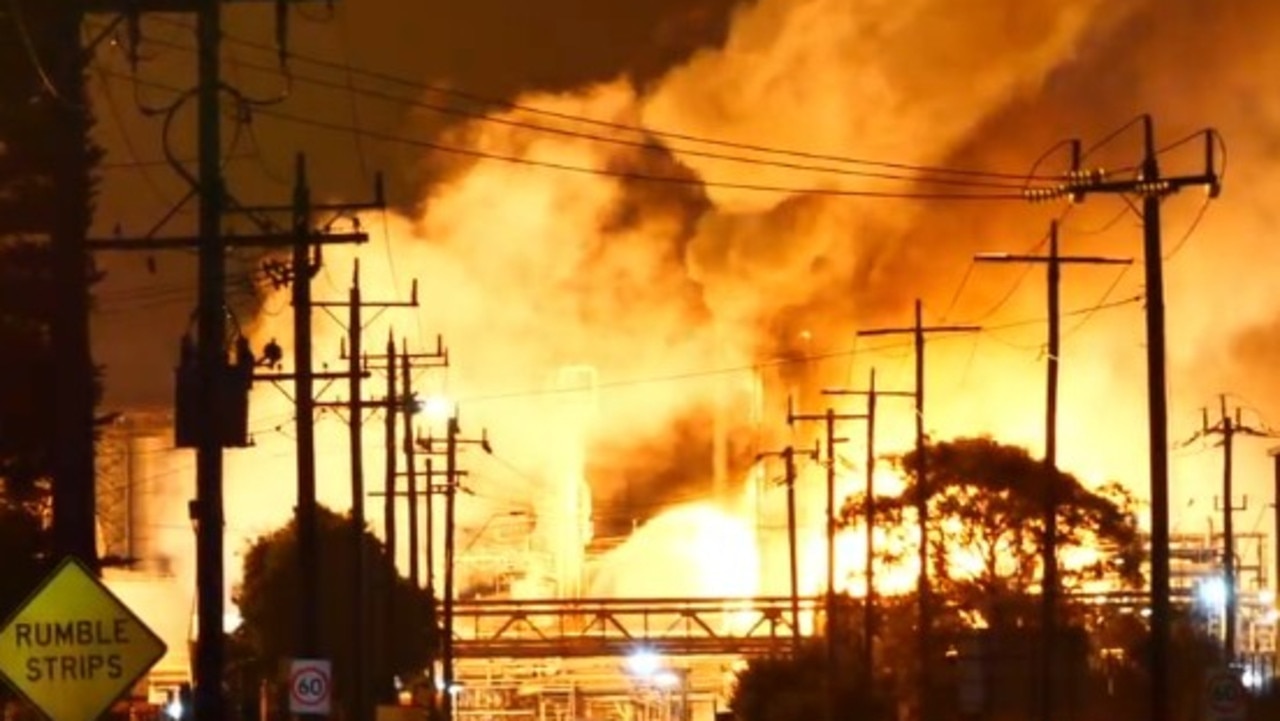
Viva Energy announces major update to progress of Geelong oil refinery repairs
Weeks after a devastating blaze tore through one of Australia’s only two functional oil refineries, operator Viva Energy has issued a key progress update on recovery efforts, confirming full operations are on track to resume by the end of June.
The Geelong refinery, positioned on the shores of Corio Bay, suffered extensive damage when an equipment fault triggered a large fire on April 15. The incident immediately forced drastic production cuts and sparked widespread concern over national fuel security, coming at a moment when Australia’s supply chains were already strained by geopolitical conflict in the Middle East and ongoing disruptions to shipping through the Strait of Hormuz.
In a filing to the Australian Securities Exchange (ASX) on Monday, Viva Energy outlined that repair work has progressed smoothly with no unforeseen delays identified to date. Crews are currently targeting a six-week repair timeline. Once the damaged critical equipment is brought back online, the facility will immediately restore production to 90% of its total maximum capacity, with full output expected by the end of June.
Viva Energy confirmed it maintains sufficient stockpiles to meet customer demand across the country throughout the repair period, despite reduced output since the fire. Immediately after the blaze, the refinery adjusted production to 80% capacity for diesel and jet fuel, and 60% for petrol. The company noted it has already begun coordination with insurance providers to cover claims for property damage and business interruption losses, while a formal investigation into the exact root cause of the fire remains ongoing.
As a critical piece of Australia’s domestic energy infrastructure, the Geelong refinery accounts for 10% of the nation’s total fuel output, and supplies more than half of Victoria’s fuel demand. It has a maximum processing capacity of 120,000 barrels of crude oil per day and employs more than 1,000 local workers.
In the days following the fire, Prime Minister Anthony Albanese moved to reassure the public that the incident would not meaningfully alter Australia’s fuel supply outlook. Official government data from the Department of the Prime Minister and Cabinet, released on April 28, showed the country held enough reserves for 43 days of petrol, 33 days of diesel, and 28 days of jet fuel at that time, easing near-term market concerns.
-

Warning over Iran war’s impact on soft plastics supply
As geopolitical tensions between the United States and Iran continue to simmer in the Middle East, one of the world’s largest food and confectionery manufacturers has issued a stark warning for Australian consumers: the ongoing conflict could soon upend supply chains for key packaging materials, driving up costs for beloved treats from KitKat to Allen’s Lollies.
Andrew Lawrey, General Manager of Confectionery and Snacks for Nestlé Oceania, told local media that while the company’s current packaging stockpiles remain stable for now, a prolonged escalation of regional conflict would put unprecedented strain on global supply chains for food-grade soft plastic resins – the core material used to wrap the vast majority of Nestlé’s confectionery, snack and coffee products sold across Australia. The multinational food giant holds a dominant position in Australia’s sweet treats market, with household brand names including the iconic KitKat chocolate bar, Allen’s popular line of gummy and boiled lollies, and the Nescafé coffee range.
Lawrey explained that global commodity markets, including the petrochemical sector that produces plastic resins, are already facing growing disruption from Middle East unrest. He projected that significant supply shortages and price volatility for these key packaging inputs are likely to emerge in the coming months if hostilities continue. “The Middle East is creating disruption all across all supply chains and some resins that are used to manufacture soft plastics, particularly food grade plastic, are going to be heavily impacted in the coming months,” he said in an interview with *The Australian*.
Beyond the immediate warning of supply-side pressure, Lawrey used the moment to underscore a long-term policy push for Australia to develop a domestic circular economy for soft plastics. He noted that the country already has both the access to recycled soft plastic material and the technological infrastructure needed to build a robust domestic recycling system. Bringing industry stakeholders and federal and state governments together to scale this system, he argued, would drastically cut Australia’s reliance on imported plastic resins and insulate local food manufacturers from global geopolitical shocks. “I think the reality is we have the technology, we have the abundance of the soft plastic resource, and if we get industry and government working together, there is an opportunity for a truly circular recycling system that would absolutely and fundamentally change our reliance on our net import situation,” he added.
As for the near-term outlook for consumers, Lawrey confirmed that any major supply squeeze or price spike for resin inputs would eventually lead to higher retail prices for confectionery products across the country. If resin costs increase by the same 15 to 20 percent margin that global fuel prices have seen in recent volatility, those higher costs would be passed on to supplier partners and eventually consumers, he explained. The Nestlé executive emphasized that product price increases are the company’s last resort, and that the firm plans to absorb extra costs in the short term. But he added that the final outcome will depend entirely on how long the geopolitical instability in the Middle East continues, leaving long-term cost projections uncertain.
-
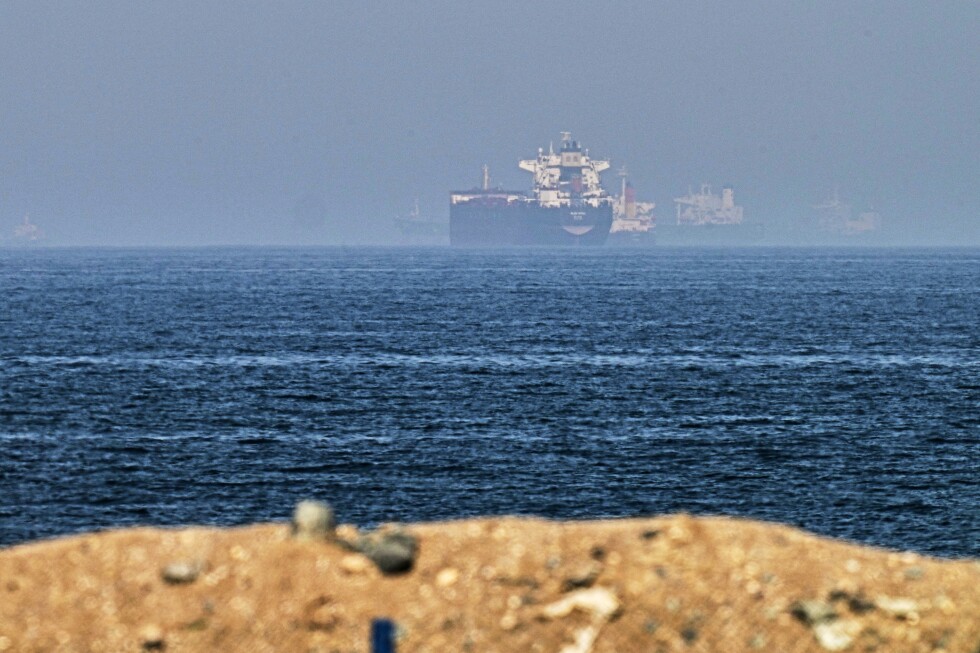
OPEC+ countries agree modest rise in production as Iran retains chokehold on key Strait of Hormuz
VIENNA — In a move that underscores ongoing efforts to balance volatile global energy markets, seven key OPEC+ oil-producing nations, including heavyweights Saudi Arabia and Russia, have greenlit a small, incremental production increase set to launch in June, framing the step as a deliberate contribution to sustained market stability. The coalition, which also counts Algeria, Iraq, Kazakhstan, Kuwait and Oman among its members, formalized the decision to add 188,000 barrels of crude per day to global supplies following a virtual negotiating session held on Sunday. Energy analysts widely characterize the output increase as largely symbolic, given the severe supply disruptions currently roiling the Persian Gulf. Amid escalating regional tensions tied to the ongoing U.S.-Israeli conflict, Iran has imposed restrictions on vessel traffic through the Strait of Hormuz — the strategic waterway that carries roughly one-fifth of the world’s total oil and natural gas trade. The blockage has sidelined the bulk of seaborne oil exports from Gulf producing states, removing millions of barrels of daily supply from the global market far outweighing the small planned output increase from OPEC+. The decision comes on the heels of a seismic shift in the global oil order: the United Arab Emirates’ historic announcement that it will exit OPEC, the 65-year-old oil cartel that commands roughly 40% of the world’s total crude production and holds outsized sway over global energy pricing. The departure has thrown long-standing alliance dynamics into uncertainty, forcing member and partner states to reassess their coordinated production strategies. Institutional context clarifies OPEC+’s structure: Iran holds a seat as one of OPEC’s 12 current core members, while Russia is not a formal cartel participant, instead collaborating with the Vienna-headquartered alliance through the broader OPEC+ partnership framework. Moving forward, the seven nations that approved the production hike say they will convene monthly review sessions to assess evolving market conditions, monitor member compliance with production quotas, and address any necessary production adjustments to offset past deviations. The next full review meeting is scheduled for June 7, when leaders will revisit market outlooks and adjust plans as needed in response to shifting global supply and demand dynamics.
-

Voters will judge Trump on the economy – how is it doing?
Three months ago, the United States launched military operations in Iran, a conflict former President Donald Trump once claimed would conclude in no more than six weeks. Today, the war drags on with no end in sight, triggering a global energy shock that rivals the 1970s oil crises and sending prices soaring across everything from transportation fuel to household groceries. Yet, despite this sustained economic pressure on cash-strapped American households, newly released first-quarter 2026 gross domestic product (GDP) data reveals the US economy has outperformed expectations to maintain steady growth. As November’s critical midterm elections approach, the BBC has analyzed key US economic indicators to unpack what these conflicting signals mean for Trump and his Republican party.
Official statistics confirm the US economy expanded at an annualized rate of 2% in the first three months of 2026, marking a notable acceleration from the slowdown recorded at the end of 2025. This solid growth comes even in the face of two major headwinds: sustained consumer cost pressure from existing US tariffs, which have lifted prices for domestic shoppers, and the sudden energy market disruption sparked by the Iran war. Economists note that the negative impact on consumers was far milder than initial projections predicted, with household consumption growing at a 1.6% annualized rate. Much of the overall growth momentum, however, has been driven by massive capital investment from large technology companies rolling out new artificial intelligence (AI) infrastructure.
James Knightley, chief international economist at ING, explained that as consumer spending growth moderates, “investment linked to tech and AI has clearly become the main engine of growth in the US.”As the election season heats up, Trump is already leveraging Thursday’s positive GDP figures to frame his economic policy agenda as a success for American voters. But November’s midterm contests are expected to be extremely tight, and Republican political fortunes continue to hinge on the decades-old maxim: “It’s the economy, stupid.” While headline GDP growth is positive, political analysts broadly agree that voter sentiment will be shaped far more heavily by day-to-day cost of living, which has surged dramatically since the war began.
US military action in Iran and the subsequent closure of the Strait of Hormuz, a critical global chokepoint for oil shipments, sent global crude prices skyrocketing. On Thursday, Brent crude, the global benchmark, hit a four-year high of $126 per barrel; while prices have since pulled back to $111, that remains nearly 52% higher than the pre-war level of around $73 per barrel recorded before hostilities began in late February. Data from the American Automobile Association shows that average US retail fuel prices climbed to $4.30 per gallon by the end of April, up from less than $3 per gallon just two months prior.
This sharp rise in energy costs drove a corresponding jump in inflation, with the annual inflation rate reaching 3.3% in March, marking a near two-year high and a sharp increase from February’s 2.4% reading.The post-war inflation surge has dashed widespread expectations that the Federal Reserve would implement imminent interest rate cuts to support economic growth. On Wednesday, the central bank announced it would hold its benchmark interest rate steady at between 3.5% and 3.75%, a range that has stood since before the conflict began. Pre-war forecasts from most economists had projected multiple rate cuts would be rolled out through 2026. Data from Freddie Mac shows that since the start of US strikes on Iran, the average interest rate for a 30-year fixed mortgage has risen from 5.98% to 6.3%, pushing homeownership further out of reach for many prospective buyers. Samuel Tombs, chief US economist at Pantheon Macroeconomics, warned that sustained high oil prices and expectations of a long-term US blockade of Iranian ports could delay any rate cuts until 2027.
Against this economic turmoil, US stock markets have defied geopolitical risk to post solid gains since the conflict began. All three major US indices – the S&P 500, the Dow Jones Industrial Average, and the Nasdaq Composite – have fully recovered the steep losses recorded in the first days of the war and resumed their pre-war upward trend. Since the start of hostilities, the tech-heavy Nasdaq has gained roughly 10%, the S&P 500 is up around 5%, and the Dow Jones has climbed just over 1%. Rising stock indices deliver tangible benefits beyond just active investors, supporting the retirement savings of millions of Americans with 401(k) plans and other pensions tied to equities markets.
Heading into November, polling currently points to the Republicans losing control of the House of Representatives, with the Senate also at risk of flipping to Democratic control. Election outcomes will be overwhelmingly shaped by the state of the economy when voters cast their ballots. While strong headline GDP growth and rising stock markets offer some relief to Republican strategists, the persistent upward pressure on household costs remains a major liability for the party. How the election ultimately unfolds for Trump and his party will depend largely on how the Iran conflict progresses: whether the Strait of Hormuz reopens to global shipping, whether energy and grocery prices cool off for American voters, and whether the US economy can maintain its current momentum through the end of the year.
-
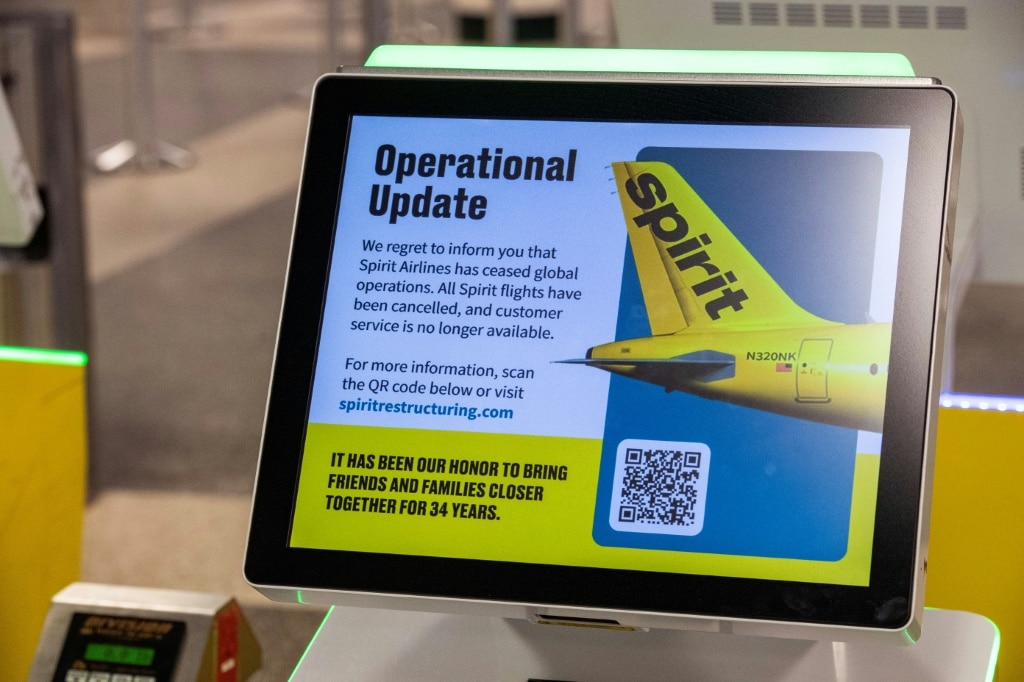
US airlines step up as Spirit winds down
On a chaotic Saturday for U.S. air travel, discount carrier Spirit Airlines — recognizable by its iconic bright yellow aircraft — formally halted all global operations with immediate effect after last-ditch negotiations between creditors, company leadership, and the Trump White House collapsed. The sudden shutdown left thousands of passengers stranded overnight and nearly 7,500 employees facing sudden unemployment, prompting rival major carriers to launch emergency response efforts to accommodate displaced travelers and recruit out-of-work aviation staff.
Founded in 1964 and repositioned as one of America’s first low-cost carriers in 1992, Spirit had been teetering on the edge of collapse for nearly two years. The company first filed for bankruptcy protection in November 2024, followed by a second bankruptcy filing in August 2025 after its financial position failed to stabilize. By late February 2026, Spirit announced a tentative debt restructuring agreement that it hoped would allow it to exit bankruptcy by early summer. That progress unraveled days later, when the Strait of Hormuz was closed following U.S.-Israeli military strikes on Iran, sending global jet fuel prices soaring and erasing any remaining path to solvency.
In an official statement announcing the wind-down, Spirit leaders framed the shutdown as an unavoidable outcome: “The recent material increase in oil prices and other pressures on the business have significantly impacted Spirit’s financial outlook. With no additional funding available to the company, Spirit had no choice but to begin this wind-down.” The carrier has pledged full refunds to all passengers holding tickets for canceled flights, a promise echoed by U.S. transportation officials.
In the wake of the shutdown, major U.S. carriers including American Airlines, Delta Air Lines, United Airlines, and JetBlue Airways moved quickly to absorb stranded passengers. The airlines introduced deeply discounted “rescue fares” for travelers who woke Saturday to find their itineraries canceled, and announced adjustments to flight schedules — adding extra frequencies and deploying larger aircraft on routes where Spirit previously held a large market share. Beyond assisting passengers, multiple carriers also moved quickly to hire Spirit’s out-of-work ground crew, flight attendants, pilots, and maintenance staff, who were suddenly left without jobs.
The shutdown has already sparked political finger-pointing over what led to the carrier’s collapse. U.S. Transportation Secretary Sean Duffy defended the Trump administration’s handling of the crisis during a Saturday press briefing at Newark Liberty International Airport, arguing that the White House pushed aggressively to keep the carrier afloat. “The president was like a dog on a bone trying to figure out a way to keep Spirit afloat,” Duffy said. He pinned ultimate blame on creditors, who rejected the government’s proposed bailout terms, and noted that “we oftentimes don’t have a half a billion dollars laying around in a spare account that we can put into a bailout of an airline.” Duffy also blamed the prior Biden administration for blocking a proposed merger between Spirit and JetBlue in March 2024, a decision he argued set the stage for the carrier’s ultimate demise.
Unions representing Spirit’s 7,500 employees condemned the failed rescue talks, warning that the brunt of the collapse would fall on frontline workers rather than corporate leadership. “The pain of this decision will not be felt in boardrooms. It will be felt by pilots, flight attendants, mechanics, dispatchers, and ground crews, and by the families and communities that depend on them,” a statement from the Air Line Pilots Association read.
For many passengers, the sudden shutdown upended long-planned travel. Sixty-year-old Florida resident Ramon, who only gave his first name to AFP, had been scheduled to travel to Honduras this week to visit family. He and his son Kevin had seen reports of Spirit’s financial troubles in recent days, but declined an early refund offer because replacement tickets on other carriers were prohibitively expensive, and there was no clear indication the carrier would collapse immediately. “I was trying to go today on another airline, but it was like $1,000 a ticket,” Ramon said. The family now plans to wait for their Spirit refund before rebooking travel for early June.
Industry analysts say the collapse of Spirit will have lasting impacts on U.S. air travel prices. Bradley Akubuiro, a crisis management expert at Bully Pulpit International, noted that while the post-strike spike in fuel prices delivered the final blow to the struggling carrier, Spirit was already in an unsustainable position long before the energy market shock. “The more lasting consequence is that one of the strongest sources of low-fare pressure in the US market is gone,” Akubuiro told AFP.
-

Spirit Airlines shutting down after rescue talks collapse
Ultra-low-cost carrier Spirit Airlines has permanently ceased operations after negotiations for a $500 million emergency bailout from the Trump administration collapsed, ending months of frantic efforts to stave off bankruptcy. The carrier announced on its official website Saturday that it was initiating an immediate, orderly wind-down of all business activities, a decision it described as being made with “great disappointment.”
The airline’s collapse comes after years of financial instability, marking its second trip through bankruptcy protection in less than a decade. Spirit had just begun restructuring under its most recent insolvency proceedings, cutting route capacity and shrinking its fleet, when the outbreak of U.S.-Israeli military strikes in Iran sent global jet fuel prices skyrocketing. Industry analysts note that fuel costs typically account for up to 40% of a commercial airline’s total operating expenses, and prices have doubled since strikes began in late February. This sudden, dramatic cost increase pushed the already teetering carrier over the edge.
All future Spirit flights have been canceled immediately, and the airline confirmed it will not issue direct refunds to customers holding unused tickets. Passengers seeking compensation are advised to file claims through their credit card issuers instead. The carrier has also suspended all customer service operations effective Saturday.
Savanthi Syth, senior airline analyst at investment bank Raymond James, called the Iran-driven fuel price surge the “final nail in the coffin” for Spirit. Speaking to the BBC, Syth explained that the airline failed to implement the deep, transformative restructuring it needed during its 2024 bankruptcy process. Even before the conflict escalated in the Middle East, Syth noted, Spirit’s long-term viability was already in doubt. She added, “If it wasn’t for the fuel scenario, they would have been okay through the summer, beyond the summer I would have said it was still precarious.”
Spirit’s leadership expressed confidence as recently as late April that a government rescue deal would be finalized imminently. But the proposed plan, which would have given the U.S. government an effective 90% ownership stake in the airline, faced fierce pushback from multiple fronts: Wall Street investors, Congressional lawmakers, and even a member of Trump’s own cabinet. Transportation Secretary Sean Duffy told Reuters that a bailout would amount to throwing “good money after bad.”
After negotiations fell apart, Trump told CBS, a BBC partner, on Friday that the airline had been extended a “final proposal” to remain operational. Spirit’s collapse comes amid a broader crisis rocking the global aviation industry, as carriers across the world scramble to adapt to spiking fuel costs. Many have responded by cutting route capacity or raising ticket fares to offset higher expenses. The crisis has also sparked broader supply chain fears: the head of the International Energy Agency (IEA) has warned that Europe could face a total jet fuel shortage in as little as six weeks if current conditions hold.
-

Interest rate hikes slash first-home buyer borrowing capacity by thousands
Australia’s aspiring first homeowners are facing a growing barrier to entering the property market, with consecutive interest rate increases from the Reserve Bank of Australia (RBA) severely eroding how much they can borrow from lenders, according to new industry analysis.
-
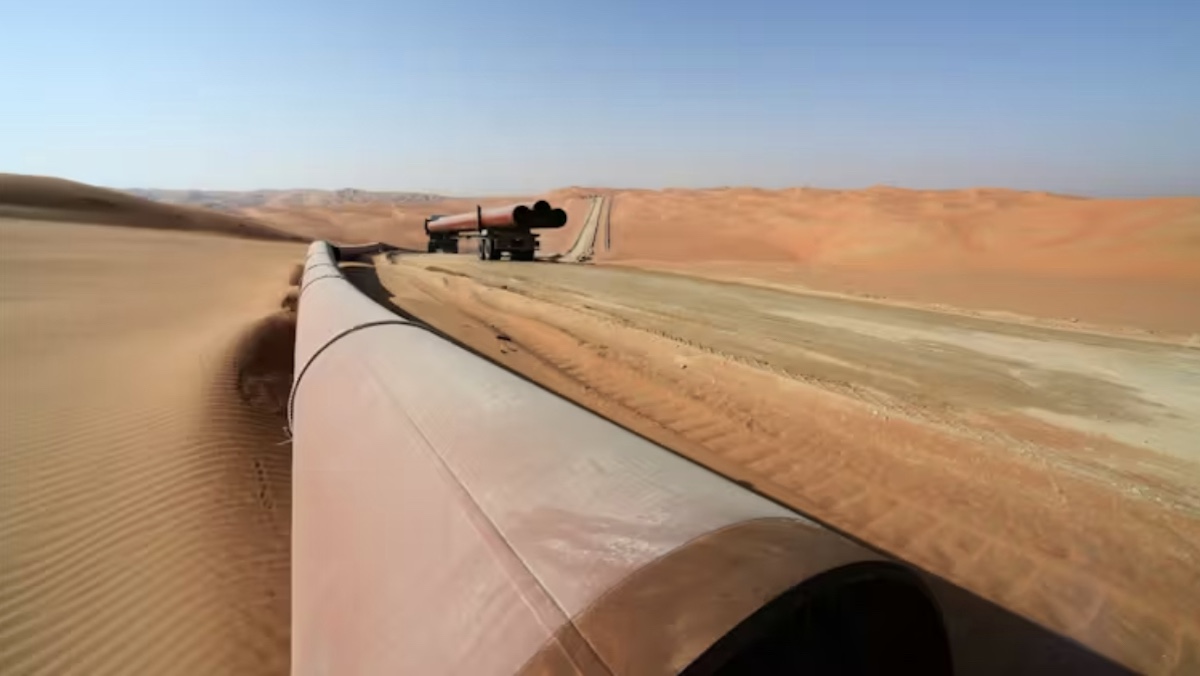
What alternatives do Gulf states have to the Strait of Hormuz?
Two months have passed since the outbreak of conflict between Iran and other regional actors, and the Strait of Hormuz, the world’s most critical energy trade chokepoint, remains largely closed to commercial vessel traffic. Shipping volumes have plummeted to a tiny fraction of pre-war levels, and a chaotic sequence of temporary ceasefires, shifting blockades and repeated re-closures since February 28 have done nothing to restore confidence among commercial tanker crews and shipping operators.
For decades, global energy analysts and policymakers have recognized the strait as a linchpin of international commodity trade. On a typical day before the conflict, it accommodated around 20 million barrels of crude oil and refined petroleum products, alongside roughly 20% of the world’s total liquefied natural gas (LNG) exports. It also carries one-third of global helium supplies and a comparable share of urea, the key input for global agricultural fertilizer production.
Plans to diversify trade routes away from the strait have been in development for decades, but the ongoing conflict has put these alternative bypass systems under unprecedented stress. Currently, the existing alternative infrastructure is delivering between 3.5 million and 5.5 million barrels of crude oil per day, matching the rough performance projections that planners outlined decades ago. Even so, this output falls drastically short of compensating for the lost capacity from the closed strait.
The single most critical bypass pipeline in operation today is Saudi Arabia’s East-West Pipeline, also widely known as Petroline. Originally constructed in the 1980s during the original Tanker War, when Iran and Iraq targeted commercial shipping across the Persian Gulf amid their broader armed conflict, the pipeline was upgraded in 2019 to an emergency maximum capacity of 7 million barrels per day. However, the oil loading terminals at Yanbu, Saudi Arabia’s Red Sea coastal hub, were never engineered to handle such high volumes at speed, and independent analysts tracking tanker movements report that current throughput is far below the theoretical maximum capacity.
From Yanbu, most crude bound for European markets must then pass through Egypt’s Sumed Pipeline, which has a total capacity of just 2.5 million barrels per day. While flows through Sumed have surged 150% since the conflict began, its limited size remains a hard cap on additional energy supplies reaching Europe.
Iran has been acutely aware of Petroline’s geostrategic importance to global energy markets, and has targeted the infrastructure accordingly. In April, an Iranian drone strike on one of the pipeline’s key pumping stations took 700,000 barrels per day of capacity offline. State-owned operator Saudi Aramco managed to restore full operations within three days, a timeline that has reassured markets, but the attack itself underscores the persistent vulnerability of even the most robust bypass infrastructure.
The second major component of the Gulf’s bypass network runs through the United Arab Emirates: the Abu Dhabi Crude Oil Pipeline (Adcop), which connects the Habshan oil fields to Fujairah on the UAE’s Gulf of Oman coast, making it the only major bypass route that exits the Persian Gulf directly into the Indian Ocean. Adcop has a maximum capacity of just under 2 million barrels per day, but it has faced the same security threats as Petroline. Iranian drone strikes targeting Fujairah on March 3, 14 and 16 ignited storage tank fires and forced a full suspension of loading operations. While Adcop does offer limited route diversification for UAE oil exports, it does not resolve the core vulnerability of bypass infrastructure to targeted attacks.
For other major Gulf energy producers, the situation is far more bleak. Before the conflict, Iraq exported 3.4 million barrels of crude per day, almost all of which moved through the southern port of Basra and across the Strait of Hormuz. Iraq’s only alternative route is a northern pipeline connecting the Kirkuk oil fields to the Turkish Mediterranean port of Ceyhan. The pipeline was only reopened in September 2025 following a two-and-a-half-year shutdown, and flows were only ramped up to 250,000 barrels per day this March – a volume that is negligible compared to the export capacity Iraq has lost since the strait closed.
Kuwait faces an even more critical crisis. Pre-war crude exports hit roughly 2 million barrels per day, and every barrel transited the Strait of Hormuz. The country has no operational pipeline alternative. State-owned Kuwait Petroleum Corporation declared force majeure in March, a legal move that allows it to suspend contractual delivery obligations, and extended that declaration on April 20. The company has confirmed it cannot meet delivery commitments even if the strait reopens immediately, noting that restoring damaged production infrastructure and ramping output back up will take months of work.
Qatar’s vulnerability follows a different pattern. The country’s pre-war crude exports were far smaller than its Gulf neighbors, at around 600,000 barrels per day, all of which transited the strait. But Qatar’s global importance lies in natural gas: its 77 million tonne per year LNG export complex at Ras Laffan is the largest in the world, accounting for roughly 19% of global LNG trade. There is no alternative route for this LNG, which must all pass through the Strait of Hormuz to reach global markets.
Even Iran itself has been unable to effectively use its own purpose-built Hormuz bypass. The country completed a 1,000-kilometer pipeline from Goreh at the top of the Persian Gulf to a new export terminal at Jask on the Gulf of Oman, designed to carry 1 million barrels per day. But years of international sanctions and unfinished terminal construction have left actual throughput at a tiny fraction of design capacity. The U.S. Energy Information Administration estimated that in summer 2024, less than 70,000 barrels per day were flowing through the pipeline, and all loadings stopped that September. Data from global shipping analytics firm Kpler shows only one tanker has loaded crude at Jask since the conflict began, carrying roughly 2 million barrels of oil total.
Calls for new pipeline construction to bypass Hormuz, which have grown louder since the conflict began, are understandable on their face. But building new infrastructure is not a viable near-term solution. Replacing the strait’s capacity with a new network of pipelines would cost hundreds of billions of dollars and require at least a decade of construction. Even once complete, any new pipelines and terminals built at Yanbu, Fujairah or other locations would face the exact same vulnerability to drone strikes that existing bypass infrastructure faces today.