分类: business

  • Young Australians costing themselves in retirement with one superannuation mistake

    Young Australians costing themselves in retirement with one superannuation mistake

    A concerning trend of financial disengagement among young Australians threatens to diminish retirement savings by hundreds of thousands of dollars, according to new research from AMP. The study reveals that approximately 25% of Australians have never actively managed their superannuation, while nearly half only review their retirement funds once or twice annually.

    AMP’s Super Director of Growth and Customer Solutions, Julie Slapp, emphasizes that this passive approach represents a significant missed opportunity. “Simple actions like verifying fund details or consulting with providers can substantially enhance financial confidence and maximize the powerful effects of compound returns,” Slapp noted. Research demonstrates that contributing an additional $20 weekly could accumulate to approximately $98,000 over three decades through compounding—a concept that remains misunderstood by more than half of Australians under 40.

    Financial experts warn that this hands-off mentality often results in individuals being placed into default superannuation funds that may not align with their long-term financial objectives. Terry Vogiatzis, Director of Omura Wealth Advisers, explains that default funds typically maintain conservative investment strategies that might inadequately leverage the advantage of extended investment horizons. “While counterintuitive to some, appropriate risk exposure becomes advantageous when investors have decades until retirement. Extended timeframes reduce the probability of negative returns while enhancing predictability of long-term gains,” Vogiatzis elaborated.

    Default superannuation options typically balance growth assets (including shares and property) with defensive instruments (such as cash and bonds). However, younger investors with higher risk tolerance could potentially achieve superior returns through more aggressive growth strategies. Vogiatzis illustrated this using a scenario where a 35-year-old with $75,000 in superannuation contributing $12,000 annually would accumulate $2.4 million at a 7% annual return, but $4.1 million at a 9% return—a difference of $1.7 million.

    The Association of Superannuation Funds of Australia recommends retirement savings targets of $690,000 for couples and $595,000 for singles to maintain comfortable living standards, assuming home ownership. These figures highlight the critical importance of early and engaged superannuation management for long-term financial security.
  • Canada, UAE deepen trade ties with AI, defence and banking deals: Minister

    Canada, UAE deepen trade ties with AI, defence and banking deals: Minister

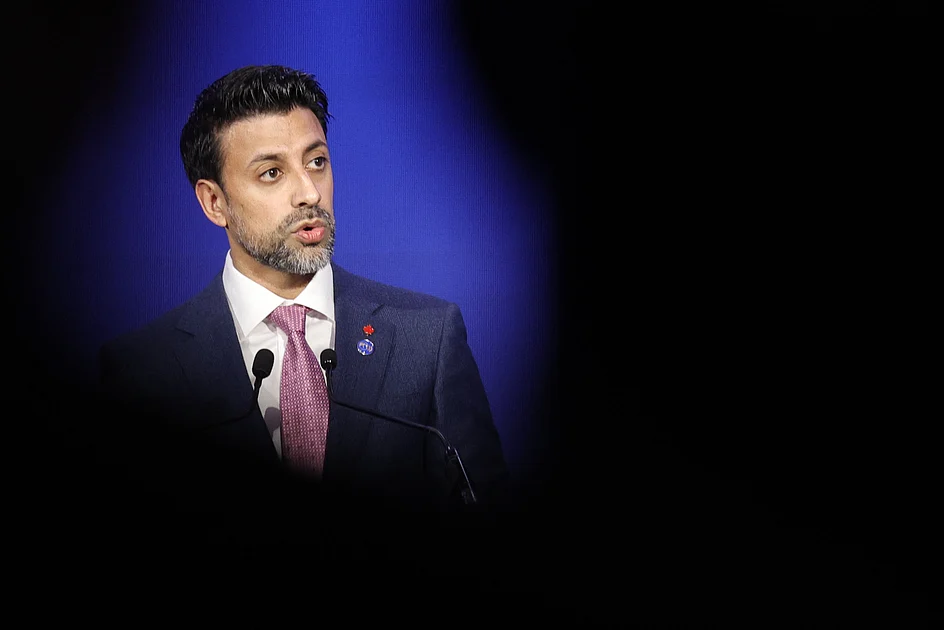
    In a significant move to strengthen economic cooperation, Canada and the United Arab Emirates have finalized a series of comprehensive agreements spanning artificial intelligence, defense, energy, and financial services. Canadian Minister of International Trade Maninder Sidhu confirmed the development during his diplomatic mission to the UAE, highlighting the strategic importance of this bilateral partnership.

    The trade diversification strategy forms a cornerstone of Canada’s economic vision, with ambitious targets to generate $300 billion in non-US exports within the next decade. This initiative gains particular relevance given that the United States currently absorbs the majority of Canadian exports, including substantial shipments of crude petroleum, natural gas, and mineral resources totaling approximately $419.75 billion in 2024.

    Minister Sidhu’s delegation featured representatives from more than 40 Canadian enterprises across diverse sectors including advanced manufacturing, technology innovation, artificial intelligence development, aerospace engineering, and energy solutions. A notable milestone in financial services emerged with Canada’s National Bank establishing its inaugural UAE branch in Dubai, marking the institution’s first international expansion since its founding in 1859 and becoming the fourth Canadian financial institution to operate within the Emirates.

    The bilateral relationship, rooted in longstanding commitments to mutual investments, regional security cooperation, and cultural exchanges, recently witnessed its first Canadian prime ministerial visit since 1983 when Prime Minister Justin Trudeau traveled to the UAE last November. Current trade dynamics show Canadian agricultural exports to the UAE predominantly consist of dried legumes, rapeseed, and wheat, as recorded by the Observatory of Economic Complexity in September 2025.

    Infrastructure development emerged as another critical dimension of the partnership, with Minister Sidhu meeting DP World CEO Sultan Ahmed bin Sulayem to explore opportunities for enhancing Canadian port capabilities, further solidifying the multifaceted nature of this strengthened economic alliance.

  • Venezuela’s oil riches are years off, but winners and losers will emerge

    Venezuela’s oil riches are years off, but winners and losers will emerge

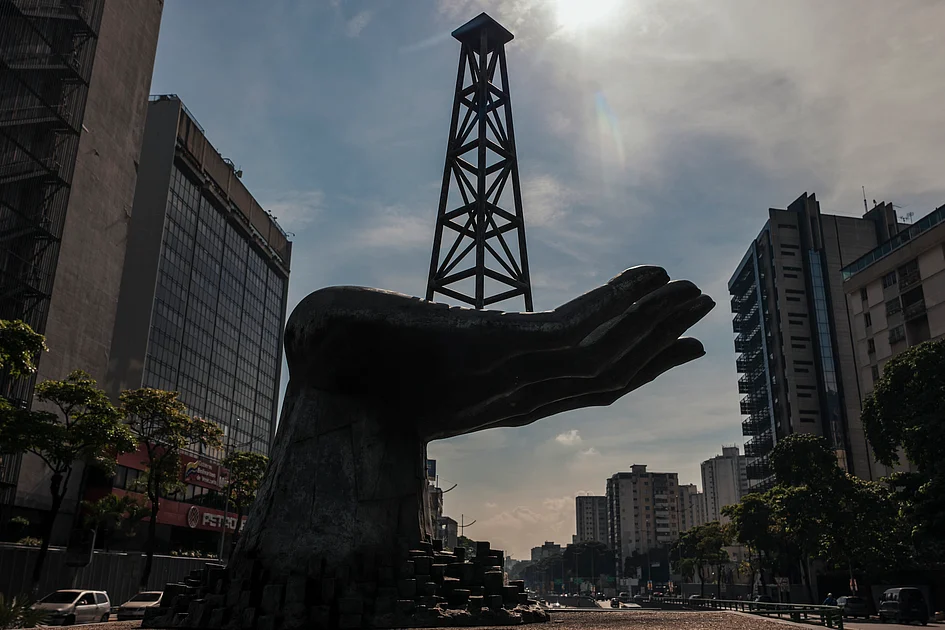
    A strategic transformation of Venezuela’s beleaguered oil industry, championed by US President Donald Trump, is projected to unfold over several years rather than months. While the nation possesses immense hydrocarbon reserves capable of attracting significant investment—particularly as US shale production peaks and Russian resources face sanctions—immediate large-scale production increases remain improbable.

    Initial beneficiaries of this geopolitical shift are already emerging. US energy giant Chevron, alongside European firms Repsol and Eni with established Venezuelan operations, stands to gain substantially. American Gulf Coast refineries, historically configured to process Venezuela’s heavy crude, also position themselves advantageously. Analysts from J.P. Morgan suggest Washington’s growing influence over these resources could recalibrate global energy dynamics, potentially stabilizing oil prices at historically lower ranges for the benefit of American consumers.

    Conversely, nations and entities that capitalized on Venezuela’s previous isolation face potential losses. China, the primary destination for Venezuelan crude, may see discounted oil flows diminish, particularly impacting its independent ‘teapot’ refineries. Cuba, long dependent on Venezuelan oil subsidies, could face severe energy shortages. Furthermore, increased Venezuelan supply threatens to pressure global prices, potentially harming US shale drillers and other OPEC+ members who have meticulously managed market balances.

    Industry leaders express cautious optimism tempered by practical realities. Exxon Mobil’s CEO Darren Woods labeled Venezuela ‘uninvestable’ without profound legal and commercial reforms. Current projections from S&P Global Energy indicate a plausible 50% production increase to 1.5 million barrels per day within two years—a meaningful but not market-shattering addition representing less than 0.5% of global supply.

    The long-term outlook, however, appears more promising. Post-2030, Venezuela’s vast geological reserves could become highly attractive as other global fields decline. Successful US-led investment, in coordination with Caracas, might eventually establish Venezuela as a crucial supplier meeting enduring global demand, fundamentally altering energy geopolitics for decades to come.

  • UAE poised to lead GCC IPO rebound in 2026 as pipeline rebuilds

    UAE poised to lead GCC IPO rebound in 2026 as pipeline rebuilds

    The United Arab Emirates is positioned to catalyze a significant rebound in Gulf Cooperation Council initial public offerings throughout 2026, according to comprehensive analysis from Kamco Invest. This anticipated revival follows a notably subdued performance across regional markets during 2025, when GCC IPO activity dwindled to its lowest level in four years.

    The previous year witnessed merely 42 public listings throughout the GCC region, generating aggregate proceeds of $5.8 billion. This represented the most modest fundraising performance in five years, reflecting a dramatic 55 percent decline compared to 2024 figures. Market specialists attribute this downturn to persistent market volatility, fluctuating oil prices, and heightened geopolitical tensions that collectively fostered caution among both issuers and investors.

    Market attention has now decisively shifted toward the UAE’s revitalized IPO pipeline, which distinguishes itself through both substantial scale and exceptional sector diversity. Dubai’s anticipated offerings include prominent entities such as Binghatti Holding, Dubai Investments Park Development, Arabian Construction Company, and retail giant Majid Al Futtaim Holding. Simultaneously, Abu Dhabi’s lineup features heavyweight candidates including Emirates Global Aluminium, renewable energy leader Masdar, and Etihad Airways.

    This diversified portfolio spans multiple critical sectors including real estate, construction, energy, aviation, and renewable technologies. This strategic variety provides investors with balanced exposure to both defensive cash flow generators and long-term growth opportunities. Banking analysts note that valuation resets following the weak 2025 performance have established more realistic pricing environments, potentially enhancing execution success rates.

    The UAE’s projected leadership role emerges following its own substantial decline, with 2025 IPO proceeds collapsing to $1.1 billion from $4.1 billion the previous year. While Saudi Arabia maintained quantitative dominance with 37 of the region’s 42 IPOs, even its market experienced noticeable softening as the Tadawul All Share Index declined 12.8 percent throughout the year.

    Regional market underperformance significantly contributed to the IPO downturn. The MSCI GCC index gained a mere 1.6 percent during 2025, substantially lagging behind global markets that benefited from artificial intelligence-driven rallies. This performance gap diverted international capital toward higher-yielding opportunities in United States and Asian markets, particularly affecting large-scale offerings requiring substantial institutional demand.

    Post-listing performance metrics further complicated the landscape, with only 13 GCC IPOs trading above their offer prices by year-end 2025 while 28 remained underwater. Despite these challenges, select niche performers across energy, software, services, and education sectors delivered gains supported by robust fundamental performance.

    The global IPO environment presented a contrasting picture, with total proceeds surging to $146.1 billion—a three-year high—driven by blockbuster listings in United States and Chinese markets. This divergence dramatically reduced the GCC’s share of global IPO fundraising, highlighting the region’s disconnection from worldwide capital market trends throughout 2025.

    Financial experts anticipate this gap will narrow during 2026, with approximately 73 IPOs currently identified within the GCC pipeline. While Saudi Arabia is expected to lead in transaction volume, the UAE’s large-scale offerings are considered crucial for restoring market depth and momentum. Improving macroeconomic conditions, moderating inflation trends, and sustained investor demand for infrastructure and energy transition assets are expected to provide supportive market conditions.

    Market observers conclude that 2026 represents a potential reset opportunity for UAE capital markets, provided issuers maintain sensible pricing strategies and market conditions remain stable throughout the recovery period.

  • Why two Canadian provinces are in a spat over Crown Royal whiskey

    Why two Canadian provinces are in a spat over Crown Royal whiskey

    A cross-provincial dispute has emerged between Ontario and Manitoba, testing the solidarity of Canada’s unified trade approach against US tariffs. The conflict centers on Diageo’s Crown Royal whiskey, a British-owned Canadian brand, following the company’s decision to shutter its Ontario bottling facility after fifty years of operation.

    Ontario Premier Doug Ford launched a vehement protest against Diageo’s restructuring plan, which aims to optimize North American supply chains by moving bottling operations closer to US consumers. In a dramatic display of disapproval, Ford publicly emptied a bottle of Crown Royal before journalists and vowed to remove the product from provincial liquor stores—a significant threat given that the Liquor Board of Ontario is North America’s largest alcohol wholesaler.

    Manitoba Premier Wab Kinew responded with a diplomatic appeal during a symbolic visit to the Crown Royal distillery in Gimli, a town of 2,300 where the facility is a major employer. Kinew urged Ford to reconsider his boycott, warning that the move could harm Canadian workers and undermine interprovunity unity. “When we’re talking about Team Canada, we have to stay united across the provinces,” Kinew stated.

    The disagreement highlights tensions between provincial protectionism and national cohesion. While Ford’s stance has garnered support from local unions representing over 200 affected workers in Amherstburg, Kinew emphasized that Gimli’s workforce is equally Canadian and deserving of protection. Kinew invited Ford to resolve the dispute over an ice hockey game between Toronto and Winnipeg, though Ford has yet to commit to the meeting.

    Despite appeals, Ford remains firm, asserting he will not reconsider his position. The situation continues to develop as both provinces navigate economic priorities and intergovernmental relations amid ongoing trade uncertainties.

  • OMODA&JAECOO UAE partners with Dubai Police Esaad programme to offer exclusive member benefits

    OMODA&JAECOO UAE partners with Dubai Police Esaad programme to offer exclusive member benefits

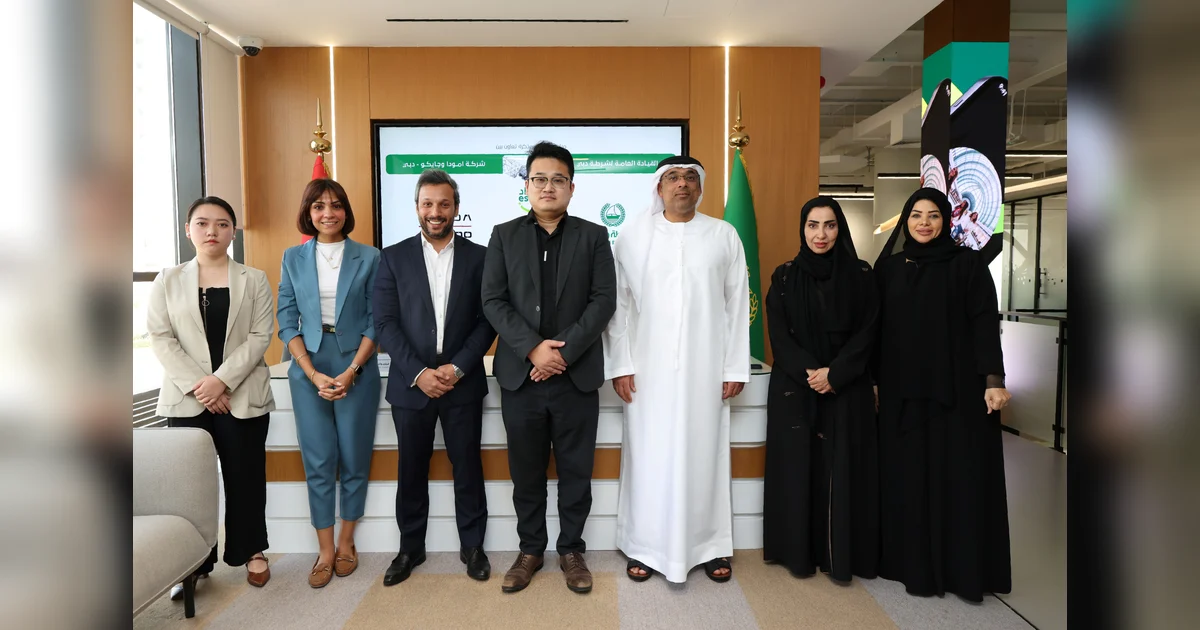
    In a significant development for automotive retail in the United Arab Emirates, OMODA&JAECOO UAE has entered into a formal partnership with the Dubai Police Esaad Card Center. The collaboration, established through a memorandum of understanding signed on December 10, 2025, will provide exclusive vehicle ownership benefits to Esaad programme members throughout the UAE for a duration of one year.

    The ceremonial signing occurred with Colonel Salah Mohammed Al Marzouqi, Director of the Esaad Card Center, representing Dubai Police, and Will Li, Executive Vice President of OMODA&JAECOO UAE, leading the automotive brand’s delegation. Senior officials from both organizations witnessed the agreement that aims to enhance community engagement through customer-focused mobility solutions.

    Under this arrangement, Esaad cardholders gain access to substantial financial advantages including an immediate AED 1,500 discount across the entire OMODA and JAECOO model range. The flagship JAECOO J8 SHS receives an enhanced incentive of AED 2,000 reduction. These discounts remain applicable alongside any current promotional offers available at company showrooms.

    The comprehensive benefits package extends beyond purchase price reductions to include complimentary insurance coverage, maintenance services, vehicle registration, window tinting, and warranty protection. Selected models will additionally qualify for further financial incentives, creating one of the most complete automotive benefit programmes currently accessible to Esaad members.

    Redemption procedures have been streamlined for convenience: members can either access the discount section through official Esaad channels or simply present their Esaad card QR code at any OMODA&JAECOO showroom nationwide. Verification and instant discount application occur directly at the point of sale.

    Both entities emphasized that this public-private partnership demonstrates their mutual dedication to fostering sustainable cooperation between sectors while delivering measurable value that positively influences community development. The initiative reflects OMODA&JAECOO UAE’s ongoing commitment to supporting national programmes and rewarding community members through accessible premium mobility solutions.

  • Emaar to launch tender for Dubai Creek Tower in three months, says Alabbar

    Emaar to launch tender for Dubai Creek Tower in three months, says Alabbar

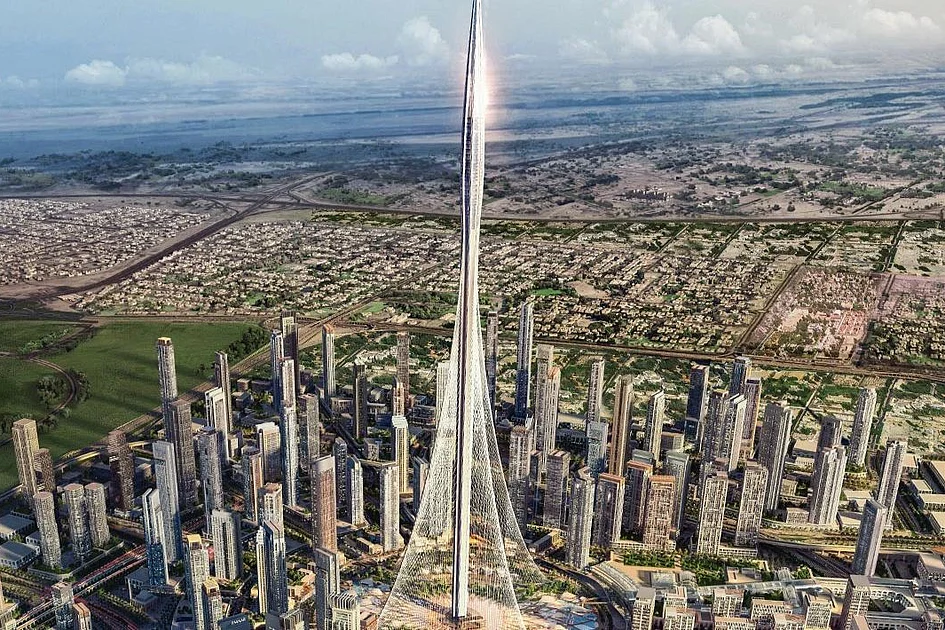
    Dubai’s iconic skyline is poised for another transformative addition as Emaar Properties confirms the revival of its ambitious Dubai Creek Tower project. Company founder Mohamed Ali Alabbar announced at the Dubai International Project Management Forum that construction tenders for the newly redesigned tower will be issued within the next quarter.

    The project, initially unveiled prior to the global pandemic, underwent significant design revisions during its hiatus. While originally conceived to surpass the Burj Khalifa as the world’s tallest structure, Alabbar emphasized that contemporary architectural excellence transcends mere height. ‘After the Burj Khalifa, altitude alone is no longer enough. We focus on the aesthetics of the building and its surroundings,’ he stated, indicating a shift toward holistic urban design philosophy.

    Alabbar declined to disclose specific construction details or cost projections, citing the project’s technical complexity. This revival occurs amidst regional competition, with Saudi Arabia reportedly resuming work on its own mile-high Kingdom Tower project.

    The announcement forms part of Emaar’s broader development strategy for Dubai Creek Harbour, which includes the recently launched Dubai Square project. This integrated residential and retail development will center around the Dubai Square Mall—scheduled for completion within three years—which at 180 billion dirhams will become the region’s second-largest shopping and entertainment destination, slightly smaller than the Dubai Mall but nearly triple the size of Downtown Dubai.

    Beyond real estate developments, Alabbar shared provocative insights on corporate management, revealing that Emaar implemented a 30-day meeting ban in September 2025, including virtual gatherings. He challenged conventional workforce structures, stating that technological advancement and artificial intelligence have rendered traditional employee ratios obsolete for most companies.

  • Ethiopia begins $12.5 billion construction of 4-runway ‘Africa’s biggest airport’

    Ethiopia begins $12.5 billion construction of 4-runway ‘Africa’s biggest airport’

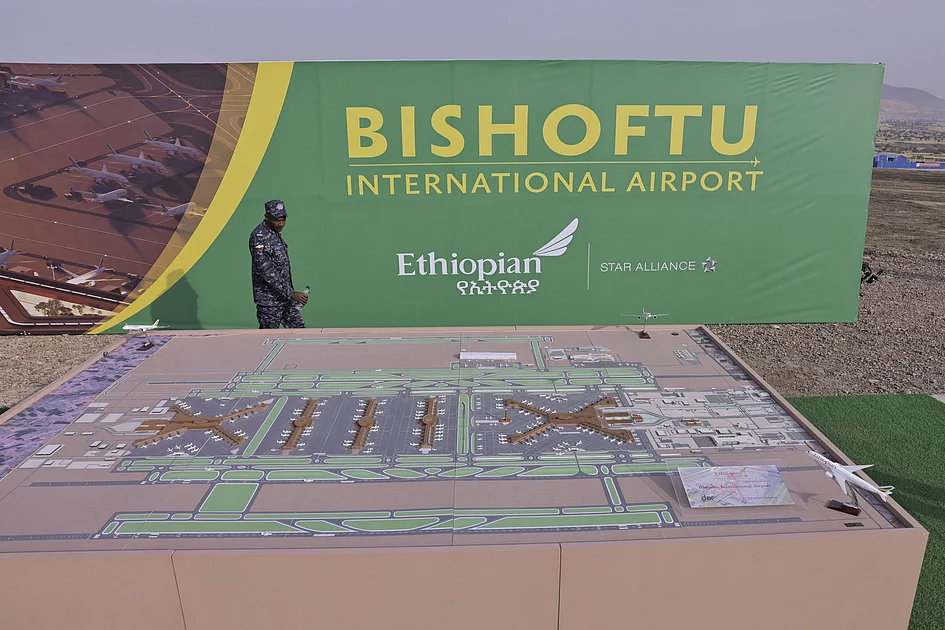
    Ethiopia has commenced construction on a monumental $12.5 billion aviation infrastructure project that will establish the continent’s largest airport in the town of Bishoftu. The ambitious Bishoftu International Airport, scheduled for operational launch in 2030, represents a transformative investment in Africa’s aviation landscape.

    Prime Minister Abiy Ahmed Ali announced via social media platform X that this project stands as “the largest aviation infrastructure project in Africa’s history.” The megaproject will feature four parallel runways and unprecedented capacity specifications, including parking facilities for 270 aircraft simultaneously and annual passenger handling capability of 110 million travelers.

    The scale represents a quantum leap from Ethiopia’s existing main airport, which currently operates at less than one-quarter of this capacity. Prime Minister Abiy noted that current aviation infrastructure would reach saturation within the next 24-36 months based on existing traffic growth patterns.

    State-owned Ethiopian Airlines, Africa’s largest carrier, secured the design and development contract for the facility located approximately 45 kilometers southeast of Addis Ababa. According to Infrastructure Development & Planning Director Abraham Tesfaye, the airline will directly fund 30% of the project cost while international lenders will cover the remaining 70%.

    Financial backing includes significant commitment from the African Development Bank, which pledged $500 million in August and will lead efforts to raise an additional $8.7 billion. Tesfaye confirmed strong financing interest from lenders across the Middle East, Europe, China, and the United States.

    The project budget has increased from initial estimates of $10 billion to the current $12.5 billion valuation. Earthworks preparation has already commenced with $610 million allocated for initial groundwork, scheduled for completion within twelve months. Primary construction contractors are expected to begin operations in August 2026.

    This infrastructure development coincides with Ethiopian Airlines’ continued expansion, having added six new routes during the 2024/25 fiscal year while reporting substantial revenue growth.

  • Dutch court hears arguments in Nexperia mismanagement case that upset the global auto industry

    Dutch court hears arguments in Nexperia mismanagement case that upset the global auto industry

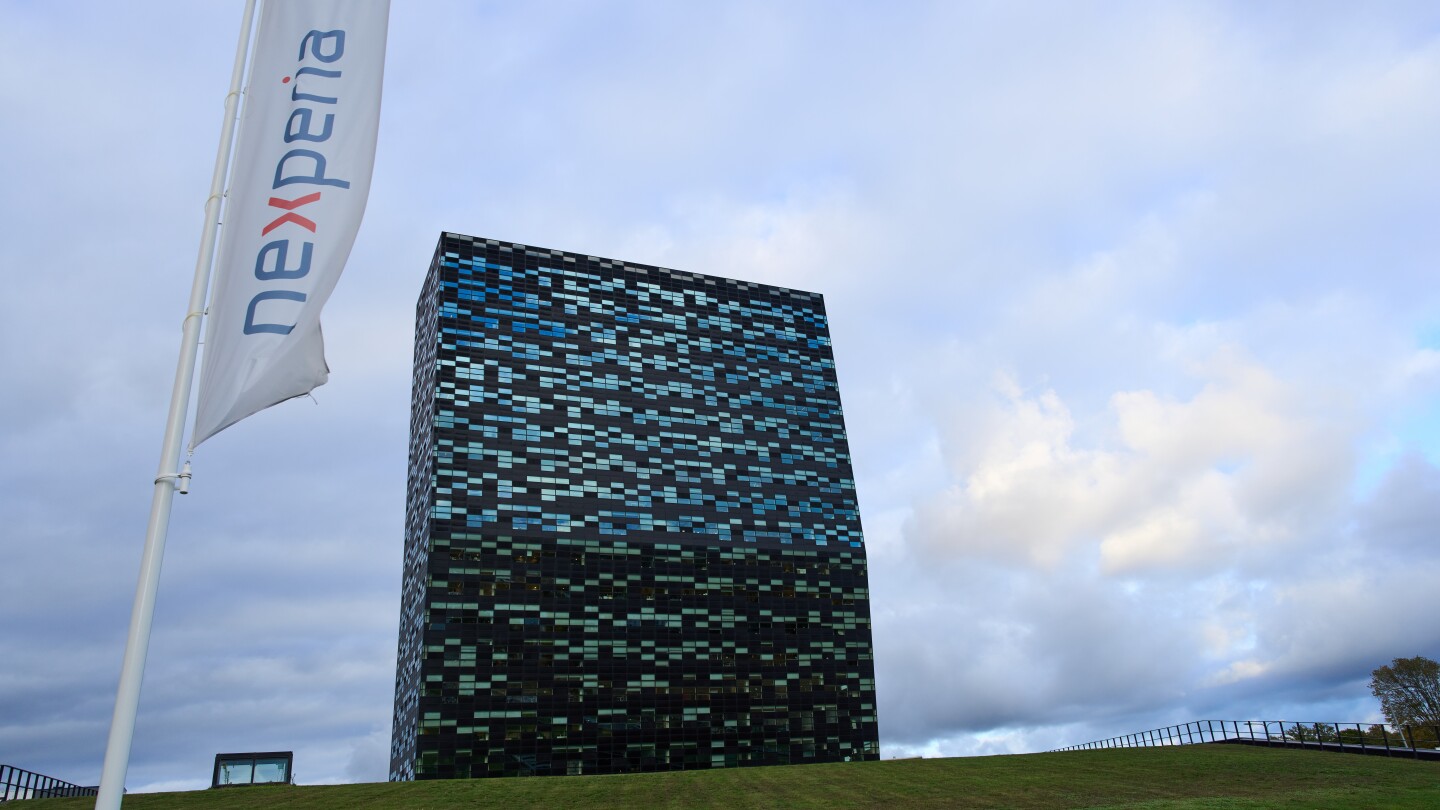
    AMSTERDAM (AP) — A high-stakes legal confrontation unfolded Wednesday at the Amsterdam Court of Appeal, where semiconductor manufacturer Nexperia became the focal point of an international corporate governance dispute with far-reaching implications for global supply chains.

    The enterprise chamber convened to determine whether to initiate a formal investigation into alleged management failures at the Dutch-based chipmaker, which is ultimately owned by China’s Wingtech. This judicial proceeding represents the latest chapter in an escalating geopolitical corporate drama that first erupted into public view in September.

    Citing pressing national security considerations, the Dutch government executed an extraordinary intervention in late September, assuming temporary operational control of Nexperia and ousting Chinese CEO Zhang Xuezheng, who concurrently founded parent company Wingtech. Authorities expressed specific concerns regarding potential intellectual property transfers and broader management practices.

    Legal representatives for Zhang and Wingtech mounted a vigorous defense, characterizing their client as an accomplished entrepreneur navigating complex international trade tensions. They asserted that the Dutch government’s sudden maneuver caught Wingtech completely unprepared and urged the judicial panel to reject the proposed investigation. Zhang himself was notably absent from the proceedings.

    Nexperia’s counsel, Jeroen van der Schriek, presented counterarguments suggesting that Wingtech and Hong Kong-based holding company Yuching had demonstrated willingness to prioritize external interests over Nexperia’s operational welfare since October’s developments.

    The corporate struggle triggered tangible global repercussions when Beijing temporarily suspended exports of Nexperia chips from Chinese production facilities in October. This action sent automotive manufacturers across North America, Japan, and South Korea scrambling for alternatives, given Nexperia’s significant role in automotive semiconductor supply chains.

    The export restriction was subsequently lifted following diplomatic engagement between U.S. President Donald Trump and Chinese Leader Xi Jinping in late October. By November, the Dutch government relinquished its control over Nexperia as a goodwill gesture, though underlying tensions persisted.

    An internal standoff between Nexperia’s Netherlands headquarters and its Chinese operations continued to disrupt production workflows, with the Chinese division alleging shipment interruptions of essential wafers from Europe. The headquarters countered that its Chinese subsidiary had disregarded direct instructions, exacerbating supply chain uncertainties.

    Major automakers including Honda and Mercedes-Benz experienced production disruptions and sought emergency semiconductor alternatives during the crisis. China’s Ministry of Commerce subsequently accused the Netherlands of provoking a global chip shortage and demanded immediate corrective actions.

    Originally established as a Philips Semiconductors division two decades ago, Nexperia was acquired by Wingtech in 2018. The company faced previous regulatory challenges when the British government blocked its acquisition of Wales-based Newport Wafer Fab in 2023, citing national security risks.

  • Mal raises $230 million to launch the world’s first AI-native Islamic digital bank

    Mal raises $230 million to launch the world’s first AI-native Islamic digital bank

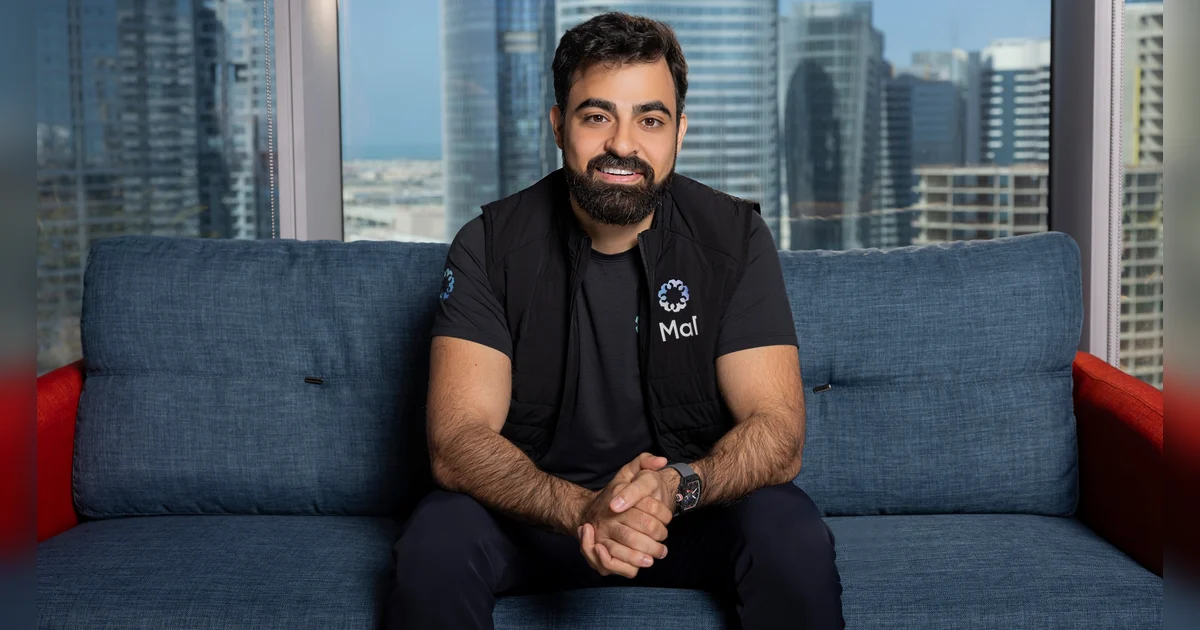
    In a landmark development for financial technology, Mal has successfully closed a $230 million initial funding round to establish the world’s first AI-native Islamic digital bank. The investment was spearheaded by BlueFive Capital, with participation from various strategic investors and family offices, representing one of the most substantial early-stage financings in the digital banking sector.

    Founded by UAE-based serial fintech entrepreneur Abdallah Abu-Sheikh, Mal is positioned to address the financial needs of the global Muslim population exceeding two billion people, along with other underserved communities worldwide. The platform, currently in advanced development with a planned 2026 launch, will operate as a mobile-first financial institution built entirely on artificial intelligence infrastructure.

    ‘Islamic finance represents a $7 trillion market without a dominant global banking leader,’ stated Abu-Sheikh. ‘Mal intends to bridge this gap by delivering cutting-edge fintech solutions that prioritize inclusivity for every underserved community worldwide.’

    The substantial funding will accelerate product development, secure necessary regulatory approvals across multiple jurisdictions, and execute an ambitious market entry strategy. While headquartered in Abu Dhabi, Mal has assembled an executive team featuring former senior leaders from Revolut and Nubank, combining expertise from two of the most successful digital banking ventures globally.

    Mal’s operational strategy involves a phased rollout commencing in the United Arab Emirates, followed by expansion into key markets throughout the Middle East and Asia. The platform will offer localized financial products tailored to specific regional socioeconomic conditions while maintaining compliance with Islamic financial principles that prohibit interest charges and promote ethical investing.

    Important to note: Mal currently operates in a pre-launch phase and has not yet obtained banking or financial services licenses in any jurisdiction, though regulatory approval processes are actively underway across multiple markets.