分类: business

  • Gen-Z is set to dominate 80% of the luxury market by 2030

    Gen-Z is set to dominate 80% of the luxury market by 2030

    A seismic shift is underway in the global luxury market as Generation Z emerges as the dominant consumer force, projected to command 80% of market share by 2030. This demographic transformation is fundamentally reshaping the very definition of luxury, moving beyond traditional status symbols toward values-driven consumption centered on sustainability, ethical production, and personal expression.

    According to recent market analysis from Mintel’s ‘Key Consumer Trends Shaping the Future of Luxury Retail’ report, younger consumers are prioritizing quality, uniqueness, and emotional connection over mere price and prestige. This paradigm shift is particularly evident in fashion-forward markets like the UAE, where luxury remains deeply embedded in cultural celebrations while simultaneously evolving to meet new generational expectations.

    Ahmad Ammar, co-founder and designer at AAVVA, observes that “Gen-Z clients still love luxury, but they want it to feel more personal and less forced. They’re drawn to strong craftsmanship and detailed pieces, but with a modern attitude: cleaner lines, greater comfort, and greater confidence in how they wear it.” This preference for customization and co-creation reflects a broader trend toward individualized expression through luxury goods.

    The sustainability imperative is driving remarkable growth in circular fashion economies. The GCC secondhand apparel market, expected to reach $1.3 billion in 2025, is projected to grow at an 11.6% compound annual growth rate through 2035, reaching $4 billion. Government-led initiatives like Dubai Sustainable Fashion Days are accelerating mainstream adoption across socioeconomic segments.

    Beyond fashion, the redefinition of luxury extends into lifestyle choices. Dubai-based life coach Rebecca Silver notes that “Gen-Z is moving away from material acquisition towards quality of life, vitality, and well-being. Rather than spending on traditional status symbols, many are choosing to invest in health treatments, therapies and restorative experiences.”

    This values-driven approach prioritizes ingredient transparency, sustainable sourcing, and work-life balance over conventional markers of success. As Egyptian student Fatma Tamer, 22, explains: “Luxury is having a sense of control, satisfaction, and peace with where you are. It is about quality over labels and valuing what genuinely adds meaning to your life.”

    The luxury industry faces unprecedented pressure to adapt as emotion, ethics, and experience increasingly define consumer preferences, pushing brands to evolve faster than ever to meet the demands of this new generation of conscious consumers.
  • Australia’s largest coal power station Eraring to remain open for two more years

    Australia’s largest coal power station Eraring to remain open for two more years

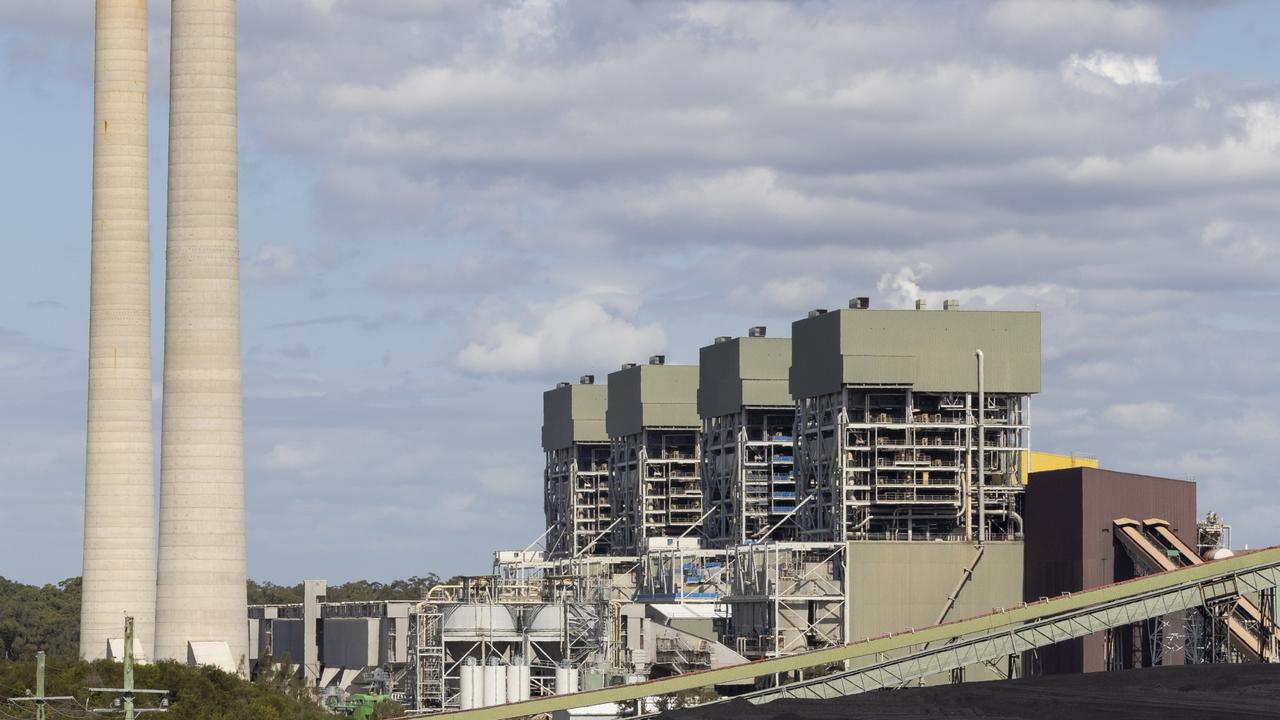
    In a significant energy policy shift, Australia’s largest coal-fired power station will continue operations for an additional two years beyond its scheduled retirement date. Origin Energy announced Tuesday that its Eraring facility in New South Wales’ Hunter Valley will remain operational until August 2029 rather than closing in 2027 as previously planned.

    The decision follows extensive market analysis revealing insufficient renewable energy infrastructure development to compensate for the plant’s retirement. Origin CEO Frank Calabria emphasized that while substantial progress continues on renewable energy projects and transmission infrastructure, extending Eraring’s operational timeline remains essential for maintaining grid reliability and stable power supply during the transition period.

    This extension addresses repeated warnings from the Australian Energy Market Operator regarding potential electricity shortfalls and system instability in New South Wales if the 2,880-megawatt facility were decommissioned prematurely. The plant originally faced closure in 2025 before receiving its first extension to 2027.

    NSW Climate Change and Energy Minister Penny Sharpe endorsed the decision, noting it would help stabilize energy prices while the state continues its renewable energy expansion. Since the last election, NSW has increased operational renewable capacity by nearly 70% – equivalent to Eraring’s total output.

    Origin maintains this temporary extension won’t affect its emissions reduction targets, including net-zero by 2050. The company plans to replace the retired plant with a major battery storage project, with construction anticipated to commence in 2031.

  • IMF sees steady global growth in 2026 as AI boom offsets trade headwinds

    IMF sees steady global growth in 2026 as AI boom offsets trade headwinds

    The International Monetary Fund has delivered an optimistic revision to its global economic outlook, projecting sustained growth through 2026 driven by artificial intelligence investments and evolving trade dynamics. In its latest World Economic Outlook update, the IMF forecasts global GDP expansion of 3.3% for both 2025 and 2026, representing upward adjustments of 0.1 and 0.2 percentage points respectively from October’s projections.

    According to IMF Chief Economist Pierre-Olivier Gourinchas, the global economy demonstrates remarkable resilience despite previous trade disruptions. ‘The global economy is shaking off the trade and tariff disruptions of 2025 and is coming out ahead of what we were expecting before it all started,’ Gourinchas told reporters.

    The United States leads this upgraded outlook with 2026 growth projected at 2.4%, boosted by massive AI infrastructure investments including data centers, advanced chips, and power systems. Spain similarly benefits from technology investments, receiving a 0.3 percentage point upgrade to 2.3% growth for 2026.

    Trade dynamics have shifted significantly since the peak of tariff tensions in April 2025. Businesses have adapted through supply chain rerouting, while trade agreements have reduced effective U.S. tariff rates from approximately 25% to 18.5%. China’s growth forecast for 2026 was upgraded to 4.5%, reflecting both tariff reductions and successful export diversification to Southeast Asian and European markets.

    The AI boom presents a dual-edged scenario: while driving current growth through investment and wealth effects, it carries inflation risks if development continues at its breakneck pace. Conversely, if anticipated productivity gains fail to materialize, market corrections could dampen economic momentum.

    Regionally, the euro zone expects 1.3% growth in 2026, boosted by German public spending and strong performances in Spain and Ireland. Japan benefits from fiscal stimulus, while Brazil represents a notable exception with reduced growth projections due to tighter monetary policy combating inflation.

    Globally, inflation continues its downward trajectory from 4.1% in 2025 to a projected 3.4% in 2027, creating conditions for more accommodative monetary policies that should further support economic expansion.

  • Adnoc Gas signs $3 billion, 10-year LNG deal with Hindustan Petroleum

    Adnoc Gas signs $3 billion, 10-year LNG deal with Hindustan Petroleum

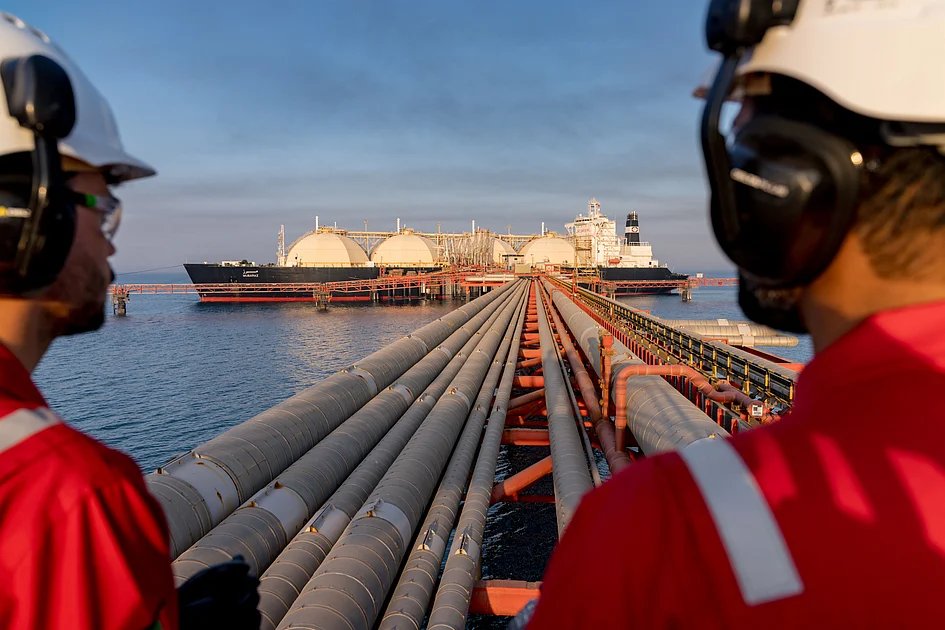
    In a significant development for global energy markets, Adnoc Gas has finalized a monumental ten-year liquefied natural gas (LNG) supply agreement with India’s Hindustan Petroleum Corporation Limited (HPCL), valued between $2.5 to $3 billion. The landmark deal was formalized during President Sheikh Mohamed bin Zayed Al Nahyan’s diplomatic visit to India, where he conferred with Prime Minister Narendra Modi, highlighting the growing strategic energy partnership between the two nations.

    The contract execution ceremony featured Dr. Sultan Ahmed Al Jaber, UAE Minister of Industry and Advanced Technology and Adnoc Managing Director, exchanging documents with HPCL Chairman Vikas Kaushal. This agreement transforms a previously signed Heads of Agreement into a comprehensive long-term supply arrangement that will see Adnoc Gas export 0.5 million tonnes per annum of LNG to India through its Das Island liquefaction facility, one of the world’s longest-operating LNG plants with a production capacity of 6 mtpa.

    Fatema Al Nuaimi, Chief Executive Officer of Adnoc Gas, emphasized the agreement’s significance: “This long-term supply arrangement reflects the robust energy partnership between our nations and demonstrates our commitment to meeting global LNG demand while supporting India’s objective to increase natural gas to 15% of its energy portfolio by 2030.”

    The strategic pact elevates India to become the UAE’s largest LNG customer, with Adnoc Gas now contracted to supply 3.2 million tonnes per annum to Indian energy companies by 2029. This represents approximately 20% of the 15.6 MTPA that Adnoc Gas will operate. The agreement reinforces the company’s expanding footprint in Asia’s rapidly growing energy markets, bringing its total contract value to over $20 billion.

    This arrangement represents Adnoc Gas’s continued market diversification strategy, marking the latest in a series of long-term LNG contracts secured over the past three years, ranging from 0.4 to 1.2 mtpa with durations extending to 14 years. The Das Island facility, with its proven track record of delivering more than 3,500 LNG cargoes globally, provides the operational reliability crucial for meeting India’s growing energy demands.

  • UAE boosts digital trade as mBridge volumes top $55b

    UAE boosts digital trade as mBridge volumes top $55b

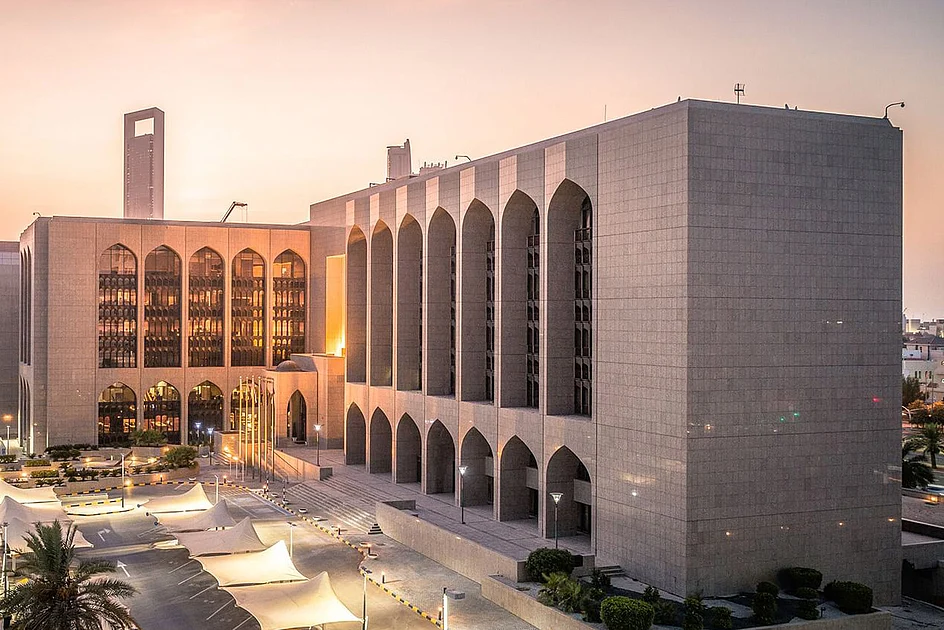
    The United Arab Emirates is solidifying its position at the forefront of digital trade innovation as transaction volumes on the mBridge platform exceed $55 billion. This groundbreaking multi-central bank digital currency (CBDC) initiative is fundamentally transforming international payment systems by enabling real-time settlements using sovereign digital currencies.

    Developed through collaboration between central banks across Asia and the Middle East, mBridge represents a paradigm shift in cross-border financial transactions. The platform connects the People’s Bank of China, Hong Kong Monetary Authority, Bank of Thailand, Central Bank of the UAE, and Saudi Central Bank, with participation from over 20 commercial banking institutions. This coalition bypasses traditional correspondent banking networks, creating a more efficient settlement infrastructure.

    Atlantic Council data reveals that mBridge has already processed more than 4,000 cross-border transactions, with settlements occurring in seconds and at minimal transaction costs. Notably, approximately 95% of the total settled value has been conducted using China’s digital yuan, demonstrating both the scale of early adoption and the growing preference for digital currencies in wholesale payments.

    The UAE’s strategic engagement with mBridge extends beyond technological advancement. In November 2025, the nation formally launched its live operations with a cross-border payment to China, executed by Vice President and Deputy Prime Minister Sheikh Mansour bin Zayed Al Nahyan. This milestone followed an earlier landmark transaction in January 2024, when Sheikh Mansour initiated the first Digital Dirham transfer to China, sending Dh50 million via the platform.

    The Central Bank of the UAE anticipates steady growth in mBridge usage as more financial institutions join and payment corridors expand. The platform serves as a cornerstone of the bank’s Financial Infrastructure Transformation programme, which aims to modernize payment systems, enhance financial inclusion, and strengthen the country’s competitiveness as a regional clearing hub.

    Unlike conventional transfers that rely on SWIFT messaging and correspondent banks, mBridge enables direct bank-to-bank transactions using tokenized central bank money. This architecture eliminates multiple intermediaries, reduces settlement risk, and compresses processing times from days to seconds. Embedded smart contracts automate compliance checks, foreign exchange conversion, and settlement finality.

    Market analysts observe that mBridge’s expanding transaction volumes signal a broader transformation of global payment infrastructure. While the digital yuan currently dominates settlement flows, participation from the UAE and other jurisdictions is enhancing the platform’s multi-currency functionality and establishing foundations for wider CBDC-based trade settlement adoption.

    According to People’s Bank of China data, the digital yuan has processed approximately 3.4 billion domestic and cross-border transactions worth around $2.4 trillion. These figures suggest China’s CBDC is transitioning from pilot programs to practical commercial applications, with mBridge providing a crucial international settlement channel.

    The Atlantic Council reports that 136 countries are currently exploring CBDCs at various development stages. While few nations have fully launched retail digital currencies, rapid progress with wholesale platforms like mBridge is attracting significant attention from central banks seeking alternatives to legacy payment systems.

    For the UAE, mBridge participation reinforces its role as a connector between Asian and Middle Eastern financial markets. As trade flows between the UAE, China, and other Asian economies continue to grow, faster settlement times and reduced transaction costs are expected to deliver substantial benefits for exporters, importers, and financial institutions.

    Although analysts suggest mBridge is unlikely to challenge the US dollar’s dominance in global finance immediately, its increasing adoption indicates a gradual shift toward more diversified, technology-driven settlement networks that could reshape international trade dynamics in the coming decades.

  • Beyond consensus: How valuation, certification, and digitalisation are securing the KP’s future

    Beyond consensus: How valuation, certification, and digitalisation are securing the KP’s future

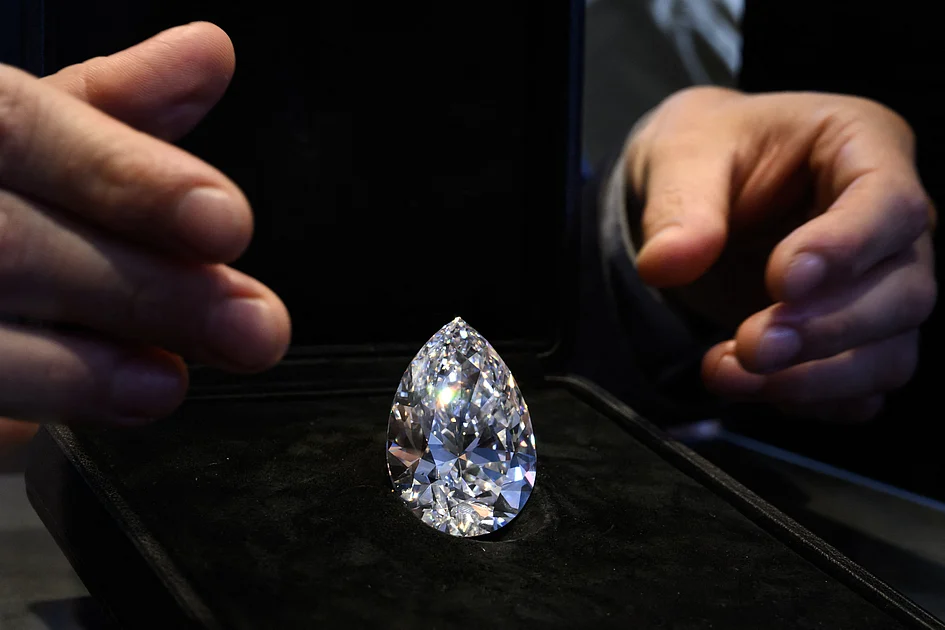
    The Kimberley Process (KP), the international mechanism governing the diamond trade, has concluded its landmark ‘Year of Best Practice’ following its November 2025 Plenary. Under the custodianship of the United Arab Emirates, the initiative has significantly advanced its operational framework through three core pillars: transparent valuation, global certification standards, and comprehensive digitalization. These measures are designed to combat the flow of conflict diamonds, close systemic loopholes, and ensure mineral wealth benefits producing nations and their local communities.

    A primary defense against illicit trade is robust and impartial diamond valuation. Accurate assessment strengthens the alignment between physical shipments and their accompanying KP certificates, creating a verifiable chain of custody. Conversely, arbitrary or weak valuation immediately creates vulnerabilities for exploitation. Practices like under-invoicing rough diamonds directly deprive producing countries of crucial tax and royalty revenues, undermining governance and perpetuating the very abuses the KP was established to prevent. Effective valuation must encompass full Run-of-Mine production, maintain complete independence from producer bias, and be driven by rigorous, market-based analytics connected to major trading hubs like Dubai. Platforms such as WWW International Diamond Consultants and DCi’s E Valuer provide critical independent benchmarks, while specialists like Mercury Diamond employ Transaction Based Valuation to derive rough prices from polished wholesale data, capturing true market value.

    Operational integrity is now measurable through international standards. The UAE KP office has set a global benchmark by becoming the only participant among the 86 represented countries to achieve and maintain ISO 9001:2015 certification, successfully renewing it three times over six years. This certification translates into tangible accountability, meaning all internal processes—from membership administration to data verification—are continuously managed, externally audited, and aligned with internationally recognized best practices. Achieving this required the documentation of 60 operational procedure manuals, which streamlined workflows and ensured consistent handling of every case, providing a proven model for other participants to strengthen their own governance.

    Digital transformation represents the third pillar of modernization. The development of the KP’s digital certification platform, Verifico, marks a pivotal shift from vulnerable paper-based certificates to secure digital records, potentially reinforced by blockchain or QR code technology. This move drastically reduces the risk of physical certificate fraud and enables faster, more reliable verification between border authorities. Furthermore, digitalization unlocks the potential for artificial intelligence (AI) to conduct real-time analysis of trade flows. AI can detect anomalies in volume, value, and routing, as well as weaknesses in operational controls connected to mining and manufacturing, transforming the KP from a reactive administrative body into a proactive compliance mechanism.

    With its ‘Year of Best Practice’ complete, the KP’s focus on operational excellence provides the essential administrative foundation for its long-term legitimacy and strength. As India assumes the 2026 Chairmanship and Ghana the Vice Chair, the KP is positioned to continue evolving with integrity, ensuring every diamond in the legitimate trade is defined by rigor and an unwavering commitment to a conflict-free future.

  • Intercontinental Commodity Exchange 2026 summit to convene global leaders in Dubai

    Intercontinental Commodity Exchange 2026 summit to convene global leaders in Dubai

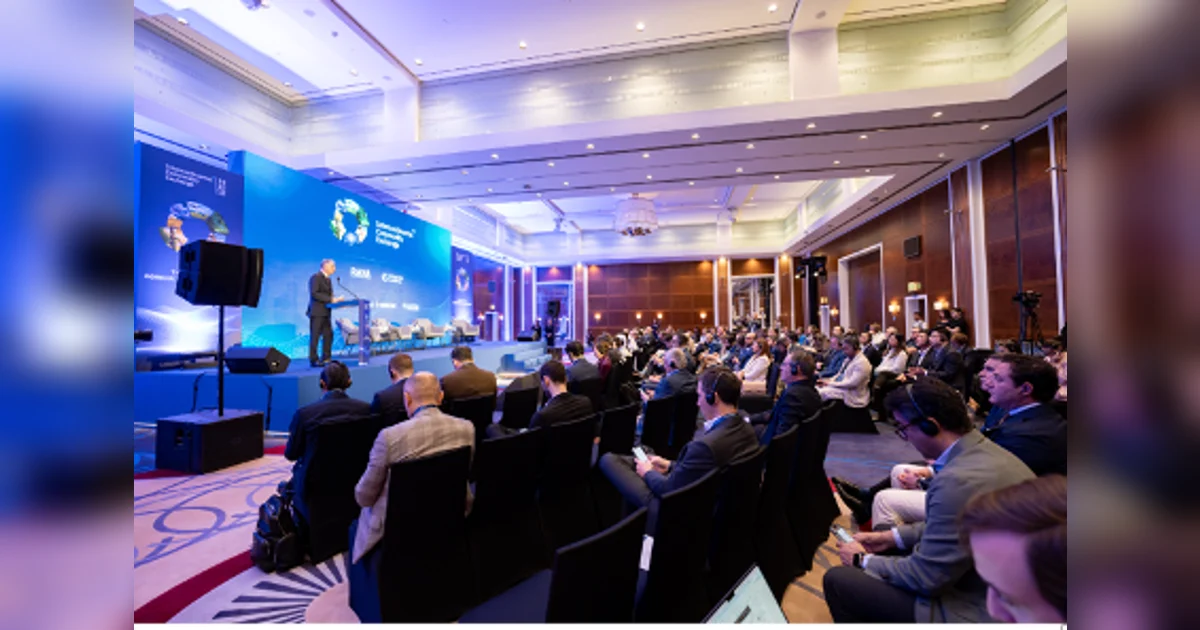
    Dubai is set to host the Intercontinental Commodity Exchange (ICX) 2026 Summit on January 29 at the Museum of the Future, assembling government officials, agricultural exporters, and logistics experts to address critical threats to global food security. The convening occurs during one of the most strained periods for agricultural systems in decades, with particular focus on disruptions across the Black Sea region—a vital export corridor for grains and oilseeds.

    Supply chains to MENA, Africa, and Asia have been severely destabilized, compelling importers to seek alternative sources under conditions of elevated cost, extended transit durations, and heightened operational risk. These challenges are compounded by attacks on export infrastructure, shifting energy dynamics—including Venezuela’s evolving role—and persistent security threats in the Red Sea, a crucial maritime passage.

    Philip Werle, Executive Director of ICX, emphasized the urgency: “The summit was established under the recognition that stable food supply can no longer be assumed. With freight routes imperiled and energy markets in flux, closer collaboration between governments and market participants is essential to preempt systemic crisis.”

    The event will feature high-level participation from key agricultural nations, including Kazakhstan’s Minister of Agriculture Aidarbek Saparov, alongside delegates from Egypt, Brazil, and Argentina. UAE entities such as the Abu Dhabi Agriculture and Food Safety Authority (ADAFSA) and the Arab Authority for Agricultural Investment (AAAID) will also contribute, underscoring the Emirates’ strategic role in food security governance.

    Major market institutions including Al Dahra, Agthia, and Transoil Group are slated to attend, alongside sponsors like FERGUS Kazakhstan and Turkish trading firm MEKE, which operates across Black Sea territories. The dialogue will center on stabilizing trade routes, safeguarding import-dependent regions, and ensuring long-term commodity availability in an increasingly volatile geopolitical landscape.

  • No OTPs? UAE residents get in-app bank alerts as new rule goes into effect

    No OTPs? UAE residents get in-app bank alerts as new rule goes into effect

    Financial institutions across the United Arab Emirates are implementing a significant security overhaul, replacing traditional SMS-based one-time passwords with in-app authentication systems for transaction verification. This strategic shift responds to escalating concerns about sophisticated phishing and social engineering schemes that exploit OTP vulnerabilities to authorize fraudulent payments.

    The transition comes as banking authorities acknowledge the inherent security weaknesses of SMS-delivered codes, which have proven susceptible to interception and manipulation by cybercriminals. The new framework requires customers to verify transactions directly within their banking applications, providing enhanced visibility of payment details before authorization.

    Consumer reactions reflect a nuanced balance between security priorities and convenience considerations. Cosmina Condrat, a kitchen appliance advisor who fell victim to OTP fraud, expressed strong support for the change after losing over Dh1,000 to scammers. ‘The SMS I received didn’t clearly state the amount being charged,’ she recounted. ‘Now I prefer the new system because I can double-check the transaction amount within the app before approval.’

    While some users initially find the additional steps cumbersome, many acknowledge the security benefits. Reema Khan noted that although the process requires opening the banking application rather than simply reading a notification, the added protection outweighs the minor inconvenience. ‘Unless you open the app and approve it, the transaction will not go through,’ she emphasized.

    The implementation has not been without challenges. Some customers report occasional notification delays and the necessity of maintaining internet connectivity for transaction approval. However, banking institutions maintain that the enhanced security measures provide critical protection against the escalating threat of financial fraud in the digital banking landscape.

  • Fragrance World reaches historic milestone in 150+ countries

    Fragrance World reaches historic milestone in 150+ countries

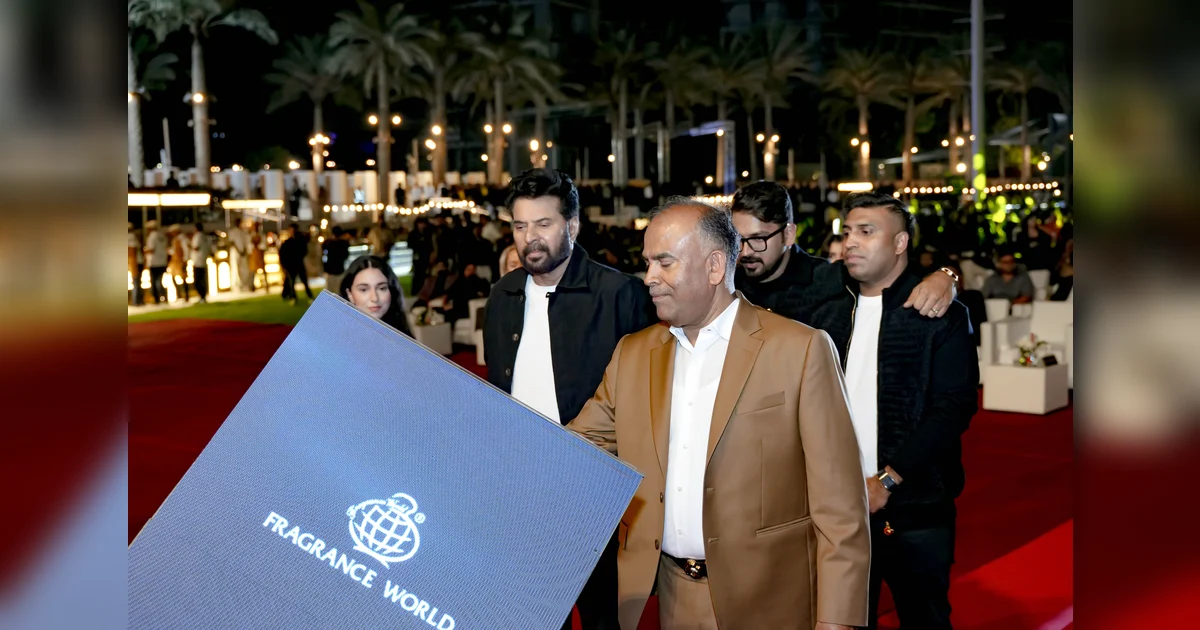
    DUBAI – Fragrance World, the international scent conglomerate, has achieved an extraordinary global footprint by establishing distribution networks across more than 150 countries worldwide. The landmark achievement was commemorated with a spectacular celebration at Expo City Dubai, attended by thousands of international partners and dignitaries.

    The company’s remarkable journey traces back to 1988 when visionary entrepreneur Poland Moosa founded Al Ghuroob in Dubai, laying the groundwork for what would become a fragrance industry powerhouse. The official establishment of Fragrance World in 2004 marked the beginning of an unprecedented expansion story that has transformed the Middle Eastern enterprise into a global phenomenon.

    Headquartered in Dubai, the corporation operates a cutting-edge manufacturing facility employing thousands of workers who produce hundreds of thousands of fragrance units daily. Their diverse portfolio includes successful brands like French Avenue (launched 2012) and the recently introduced Street Origins collection, catering to varied international market preferences.

    The celebratory event featured an awe-inspiring drone display that illuminated the Dubai skyline with a commemorative logo digitally authenticated by Founder Moosa. Distinguished attendees included CEO P V Salam, Joint CEO P V Safeer, Labeeb, and legendary film personality Mammootty, alongside global distributors and business leaders.

    Key highlights included the premiere of ‘Kunjon,’ an ambitious docu-fiction film directed by Jeevan Jose that chronicles the brand’s entrepreneurial odyssey across multiple countries with a cast exceeding 200 performers. The celebration also showcased the unveiling of ‘Fragrance of Legacy,’ a biographical work by Sebin Poulose documenting the brand’s evolution and its founder’s visionary leadership.

    The corporation honored its pioneering international partners who facilitated early global expansion, recognizing contributors from Poland, Bulgaria, Russia, and Azerbaijan. A symbolic parade involving over 1,000 factory employees demonstrated the organization’s operational strength and collective unity. The company further demonstrated its commitment to workforce appreciation by distributing gifts exceeding Dh3 million to staff members and recognizing employees with 10-30 years of service.

    This milestone positions Fragrance World among the most extensively distributed fragrance manufacturers globally, representing a significant case study in Middle Eastern brand globalization and entrepreneurial success.

  • Ras Al Khaimah welcomes 1.3 million international visitors in 2025

    Ras Al Khaimah welcomes 1.3 million international visitors in 2025

    Ras Al Khaimah has emerged as a formidable tourism destination, achieving unprecedented growth with 1.3 million international visitors in 2025, marking a 6% increase from the previous year. The emirate’s Tourism Development Authority reported a substantial 12% surge in tourism revenues, underscoring its successful strategic initiatives.

    Phillipa Harrison, CEO of Ras Al Khaimah Tourism Development Authority, characterized 2025 as a landmark year, emphasizing the emirate’s evolution beyond numerical growth to encompass expanded offerings, signature events, new hotel developments, and strengthened global partnerships. The authority remains committed to developing sustainable tourism that delivers long-term value for visitors, investors, and the local community through 2030.

    Market diversification played a crucial role in this success, with exceptional performance across key source regions including the CIS nations, United Kingdom, India, China, and Central and Eastern Europe. Specific countries demonstrated remarkable growth: Romania (+41%), Poland (+22%), Uzbekistan (+19%), Belarus (+26%), India (+14%), China (+19%), UK (+10%), and Russia (+20%).

    High-value tourism segments experienced particularly strong performance, with MICE (meetings, incentives, conferences, and exhibitions) and wedding tourism recording a 25% revenue increase. This reflects Ras Al Khaimah’s growing appeal as a premium destination for business events and luxury celebrations.

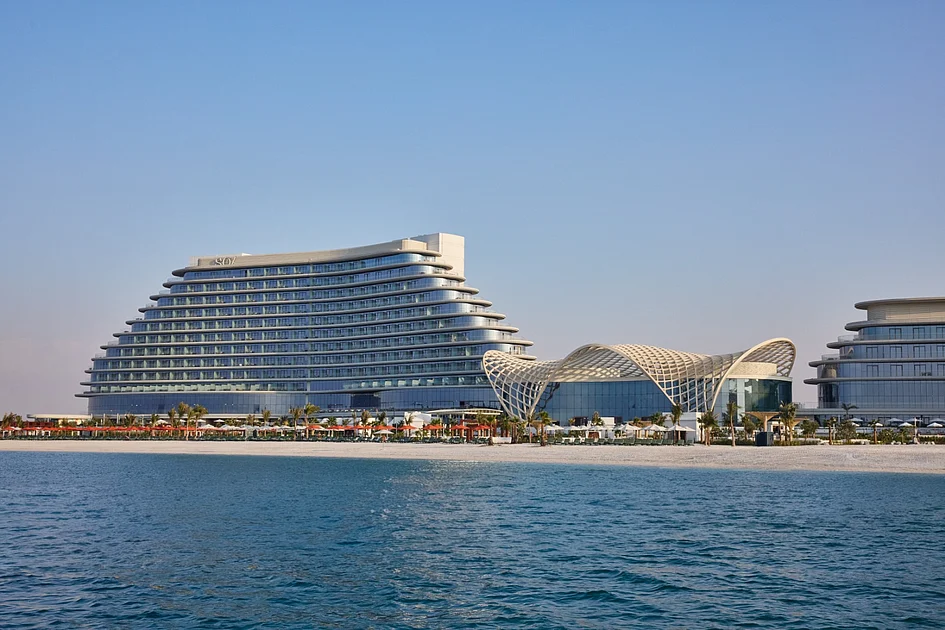
    The emirate’s hospitality landscape continued to expand with strategic openings including Rove Al Marjan Island and SO/ Ras Al Khaimah, introducing new beachfront lifestyle experiences. International luxury brands such as Janu, Four Seasons, Fairmont, Taj, and NH Collection announced new projects, supporting the emirate’s ambitious goal to double hotel capacity by 2030.

    A significant milestone was achieved at Wynn Al Marjan Island, the UAE’s first integrated resort, which topped out its 283-meter, 70-story tower. The $5.1 billion destination resort, scheduled to open in 2027, will feature 1,530 rooms and suites, 22 dining venues, a theater, luxury retail spaces, and a marina. This development is projected to generate over 9,000 jobs and catalyze a new wave of international tourism.

    Major master-planned projects advanced substantially throughout 2025. Marjan Beach, an 85 million square foot development, will incorporate 12,000 hotel keys, 22,000 residential units, and extensive sustainable green spaces. RAK Central, a new mixed-use commercial district, achieved full commercial plot sales within a year, demonstrating strong investor confidence in the emirate’s economic vision.