分类: business

  • India orders quick commerce platforms to stop ’10-minute’ delivery services

    India orders quick commerce platforms to stop ’10-minute’ delivery services

    In a significant regulatory move, India’s labor ministry has directed leading quick commerce platforms Blinkit, Zepto, and Swiggy to cease marketing their services as ’10-minute delivery’ offerings. The directive emerged from a confidential meeting held on Saturday between ministry officials and company representatives, signaling increased governmental scrutiny over the rapidly expanding sector.

    The $11.5 billion quick commerce industry, which has revolutionized urban shopping patterns across India, faces mounting concerns regarding rider safety and working conditions. Industry observers note that the pressure to meet aggressive delivery timelines has raised alarms about potential traffic violations and inadequate compensation for delivery personnel who fail to meet the stringent time targets.

    While Blinkit has already modified its branding from ‘Grocery in 10 minutes’ to the more ambiguous ‘Groceries & more,’ competitors Zepto and Swiggy’s Instamart continued promoting their 10-minute service capabilities on major app marketplaces as of Tuesday. The sector has attracted substantial investor interest, with Swiggy securing $1.11 billion in funding from prominent institutions including BlackRock, Temasek, and Fidelity just last December.

    None of the involved companies provided official comments regarding the ministry’s directive, and government officials have not issued public statements. The regulatory intervention highlights the growing tension between technological innovation and workforce protection in India’s rapidly digitalizing economy.

  • Job seekers face tougher hunt as advertised roles drop for second quarter

    Job seekers face tougher hunt as advertised roles drop for second quarter

    Australia’s employment landscape is showing concerning signs of contraction as newly released government data reveals a persistent decline in job vacancies. According to the latest figures from the Australian Bureau of Statistics (ABS), available positions decreased by 0.2% during the three-month period ending in November, marking the sixth consecutive month of deterioration in employment opportunities.

    The current national vacancy count stands at approximately 326,700 unfilled positions, effectively returning to levels observed at the beginning of the previous year. This sustained downturn follows a more substantial 2.7% reduction recorded in the quarter ending August 2023. Annually, the market has witnessed a significant contraction of 5.2%, representing 17,800 fewer available roles compared to November 2022.

    ABS Head of Labour Statistics Robert Long provided sector-specific analysis, noting that “private sector job vacancies primarily drove the annual decrease, falling by 6.8% in the year to November. Conversely, public sector vacancies experienced an 8.9% increase during the same period.”

    Industry performance varied considerably across sectors. The education and training industry suffered the most severe decline at 15.5%, followed closely by rental, hiring and real estate services which dropped 12.8%. Transport and construction roles also demonstrated notable reductions. These losses were partially offset by gains in wholesale trade, public administration and safety, mining, and healthcare and social assistance.

    The tightening job market presents challenges for Australia’s 665,800 unemployed citizens, creating increasingly competitive conditions for job seekers across multiple industries.

  • UAE, the Philippines sign CEPA during Marcos visit; what this means for both nations

    UAE, the Philippines sign CEPA during Marcos visit; what this means for both nations

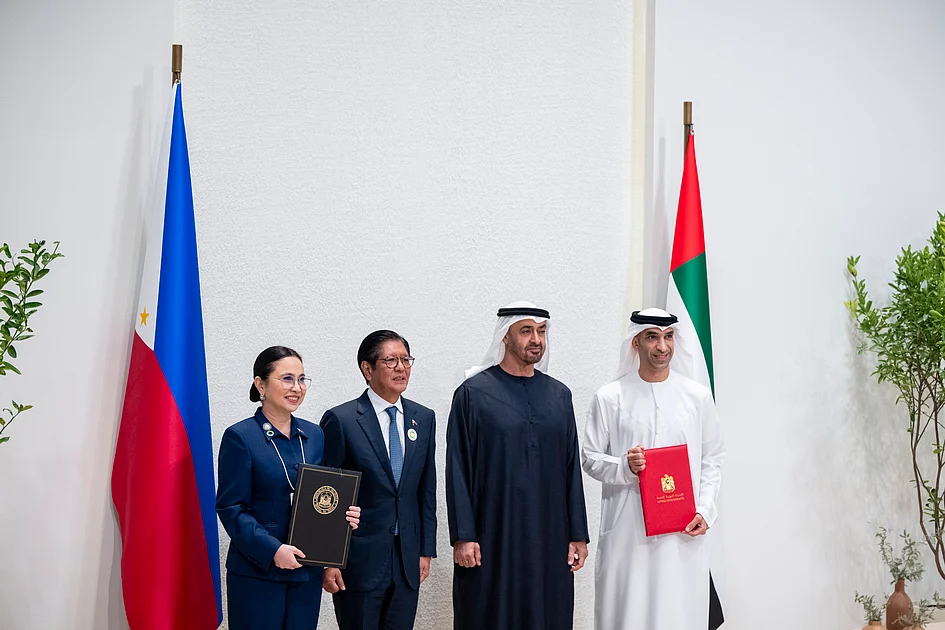
    In a significant diplomatic ceremony witnessed by UAE President Sheikh Mohamed bin Zayed Al Nahyan and Philippine President Ferdinand R. Marcos Jr., the two nations solidified a groundbreaking Comprehensive Economic Partnership Agreement (CEPA) in Abu Dhabi on January 13, 2026. This landmark trade deal marks President Marcos’ first international visit of the year and coincides with his participation in Abu Dhabi Sustainability Week.

    The newly ratified agreement establishes a comprehensive framework for enhanced economic collaboration, representing a strategic evolution in bilateral relations between the Gulf nation and the Southeast Asian archipelago. Sheikh Mohamed characterized the partnership as reflecting a shared vision to broaden cooperation that serves mutual interests, expressing confidence that the CEPA would significantly advance both countries’ development objectives.

    From the UAE perspective, this agreement constitutes a pivotal component of the nation’s ambitious foreign trade strategy targeting $1.1 trillion in non-oil foreign trade by 2031. Current trade metrics demonstrate robust growth, with bilateral non-oil trade reaching $940 million in 2024 and showing a remarkable 22.4% year-on-year increase during the first three quarters of 2025. Economic projections indicate the partnership could boost UAE GDP by approximately $2.4 billion by 2032.

    For the Philippines, this historic agreement represents their first free trade pact with a Middle Eastern nation, providing unprecedented market access to the region. The CEPA is designed to eliminate tariffs, reduce trade barriers, and stimulate investment flows across key sectors including electrical equipment, financial services, agriculture, and precious metals. The agreement additionally facilitates private-sector collaboration, strengthens supply chain resilience, promotes knowledge transfer, and empowers small and medium enterprises to expand globally.

    The UAE-Philippines CEPA joins 31 other agreements under the UAE’s comprehensive trade program, which has already contributed to record non-oil trade figures of $810 billion in 2024, marking a 14% annual increase. Fourteen of these agreements are currently operational, reflecting the UAE’s commitment to rules-based trade as a mechanism for economic diversification and global business expansion.

  • UAE, Philippines share vision for resilient, open economies: Minister of Foreign Trade

    UAE, Philippines share vision for resilient, open economies: Minister of Foreign Trade

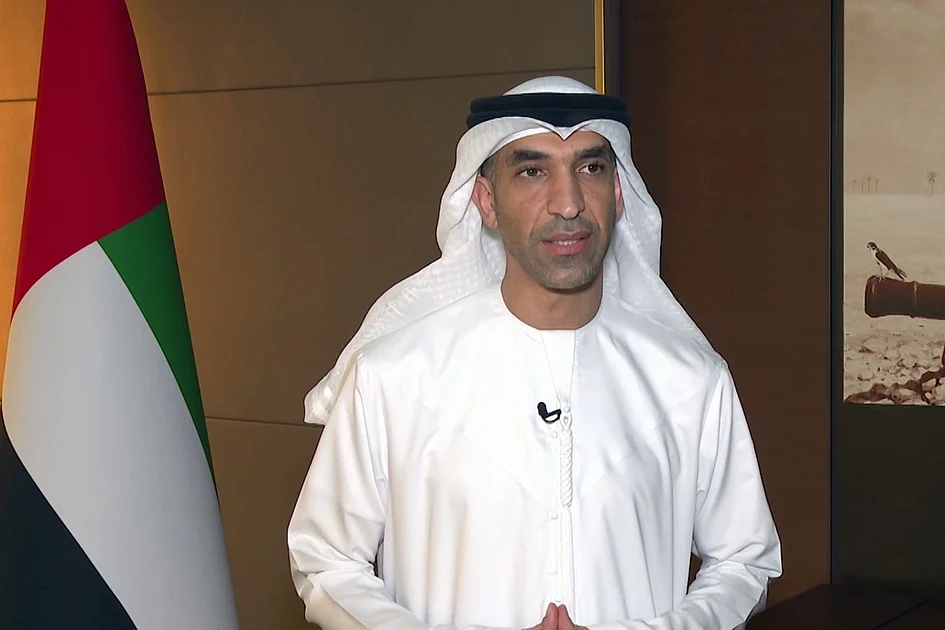
    The United Arab Emirates and Philippines have solidified a transformative economic alliance through a Comprehensive Economic Partnership Agreement (CEPA) that establishes a framework for sustained bilateral growth. Announced by Dr. Thani bin Ahmed Al Zeyoudi, UAE Minister of Foreign Trade, this agreement represents the fourth such partnership between the UAE and ASEAN nations, following similar pacts with Cambodia, Indonesia, and Vietnam.

    The agreement emerges from robust existing economic relations, with non-oil trade reaching approximately $940 million in 2024 and showing a remarkable 22.4% annual growth rate during the first three quarters of 2025. The Philippines, recognized as ASEAN’s second-fastest growing economy with 5.6% growth in 2024 and a nominal GDP of $471.8 billion, presents strategic advantages as a major logistics hub and member of the Regional Comprehensive Economic Partnership.

    Economic projections indicate the CEPA will contribute $2.4 billion to the UAE’s GDP by 2032 while boosting UAE exports to the Philippines to $7.62 billion within the same timeframe. The partnership eliminates or reduces customs duties on over 83% of tariff lines, covering key exports including polyethylene, petrochemicals, fertilizers, mechanical equipment, ceramics, glass, and metals.

    The agreement facilitates enhanced market access in services—a sector constituting 62% of the Philippine economy—while establishing regulatory frameworks for digital trade and effective dispute resolution mechanisms. Significant existing investments include DP World’s developments in Philippine ports and logistics infrastructure, alongside Masdar’s landmark $15 billion agreement for renewable energy projects targeting one gigawatt of clean energy capacity by 2030.

    With over 700,000 Filipinos residing in the UAE—the second-largest Filipino community in the Gulf—the agreement strengthens people-to-people connections while positioning the UAE as a central hub connecting Arab, European, Asian, and African supply chains. Both nations share aligned visions for building resilient, open economies committed to free trade principles and sustainable long-term growth.

  • UAE, Nigeria forge stronger ties with signing of Comprehensive Economic Partnership Agreement

    UAE, Nigeria forge stronger ties with signing of Comprehensive Economic Partnership Agreement

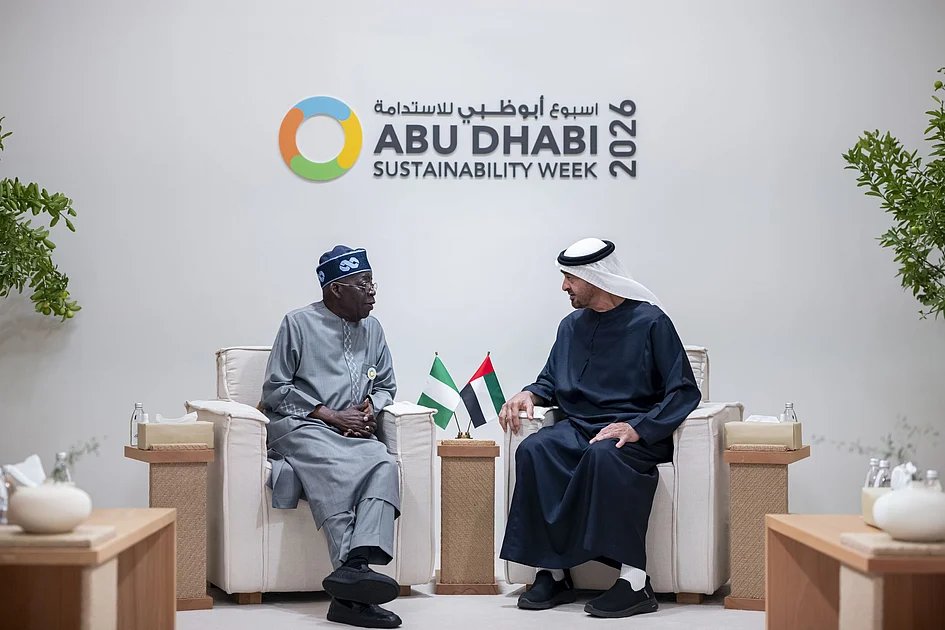
    In a significant diplomatic ceremony held in Abu Dhabi on Tuesday, the United Arab Emirates and Nigeria solidified their economic relationship through the signing of a Comprehensive Economic Partnership Agreement (CEPA). President Sheikh Mohamed bin Zayed Al Nahyan of the UAE and Nigerian President Bola Ahmed Tinubu presided over the signing event, which marks a pivotal advancement in bilateral relations between the two nations.

    The agreement, signed by UAE Minister of Foreign Trade Dr. Thani bin Ahmed Al Zeyoudi and Nigeria’s Minister of Industry, Trade and Investment Dr. Jumoke Oduwole, establishes a framework for substantially enhanced economic cooperation. The pact will systematically reduce tariffs and eliminate trade barriers, thereby facilitating increased investment flows across multiple strategic sectors including technology, agriculture, precious metals, and energy.

    President Sheikh Mohamed characterized the agreement as a landmark development that reflects the UAE’s ongoing commitment to strengthening global trade partnerships. He emphasized that this strategic alignment aims to unlock new pathways for mutual economic progress and broader developmental objectives.

    President Tinubu echoed these sentiments, highlighting the agreement’s potential to generate substantial opportunities for expanded economic and trade collaboration. He reaffirmed Nigeria’s dedication to achieving its national economic goals while simultaneously advancing the shared development priorities of both countries.

    The economic context underscores the agreement’s significance: bilateral non-oil trade reached $4.3 billion in 2024, representing a remarkable 55.3% year-on-year increase compared to 2023. This growth trajectory continued through the first three quarters of 2025, with trade volumes already reaching approximately $3.1 billion.

    The UAE-Nigeria CEPA constitutes a vital component of the UAE’s ambitious foreign trade strategy, which aims to boost non-oil foreign trade to $1.1 trillion by 2031. The CEPA program has already contributed to a record non-oil trade figure of $810 billion in 2024, marking a 14% annual increase. With 32 agreements finalized and 14 currently in force, the program demonstrates the UAE’s commitment to rules-based international trade as a mechanism for driving economic diversification and creating new opportunities for businesses in high-growth markets worldwide.

  • Iran-US tensions won’t impact UAE, says DP World CEO

    Iran-US tensions won’t impact UAE, says DP World CEO

    Amid escalating geopolitical tensions between Iran and the United States, DP World’s Group Chairman and CEO Sultan bin Sulayem has emphatically declared that the United Arab Emirates remains insulated from regional conflicts and continues to be a secure environment for international business operations. The statement came during the inauguration ceremony of the Petrochem Terminal and Corporate Headquarters at Jebel Ali Free Zone on Tuesday.

    Bin Sulayem contextualized current tensions within historical perspective, noting that the eight-year Iran-Iraq War (1980-1988) represented the most significant regional crisis for the UAE without disrupting economic stability. He specifically referenced previous confrontations involving Israel, the US, and Iran that similarly failed to impact Emirati business operations.

    The current escalation stems from widespread protests within Iran that have reportedly resulted in over 500 fatalities, prompting threatening rhetoric from US President Donald Trump and counter-warnings from Iranian officials regarding potential strikes on Israel. Despite these developments, Bin Sulayem expressed confidence that maritime commerce—the lifeblood of Dubai’s economy—would remain uninterrupted.

    Highlighting the UAE’s exceptional safety credentials, the executive noted that Abu Dhabi, Dubai, and Sharjah consistently rank among the world’s five safest cities according to Numbeo’s global metrics. This security framework, combined with DP World’s expansive global footprint across 146 locations and 94 international terminals, reinforces the organization’s capacity to maintain operational continuity regardless of regional tensions.

    Bin Sulayem concluded by inviting increased international investment, citing Petrochem Middle East’s recent Dh300 million expansion within Jebel Ali Free Zone as evidence of continued business confidence in Dubai’s stable economic environment.

  • Zand adopts XDC Network to advance blockchain-powered payments

    Zand adopts XDC Network to advance blockchain-powered payments

    In a landmark development for Middle Eastern fintech, UAE-based digital banking pioneer Zand has officially integrated with the enterprise-grade XDC Network blockchain. This strategic partnership, announced on January 13, 2026, represents a significant advancement in blockchain-powered financial infrastructure for institutional clients.

    The collaboration enables Zand’s corporate and institutional clients to utilize XDC Network for digital asset custody services through Zand’s regulated platform, pending necessary regulatory approvals. This integration facilitates faster, more transparent, and cost-effective financial transactions while maintaining regulatory compliance.

    A key application of this technology integration involves revolutionizing gold trading markets through ComTech Gold, which merges traditional gold investment benefits with blockchain technology advantages. This creates enhanced security, transparency, and efficiency in precious metal transactions.

    Michael Chan, CEO of Zand, emphasized the transformative potential: “We are entering a new era where blockchain technology serves as the foundation for more efficient and inclusive banking solutions. This collaboration supports our vision of building blockchain-powered financial products that bridge traditional and decentralized finance.”

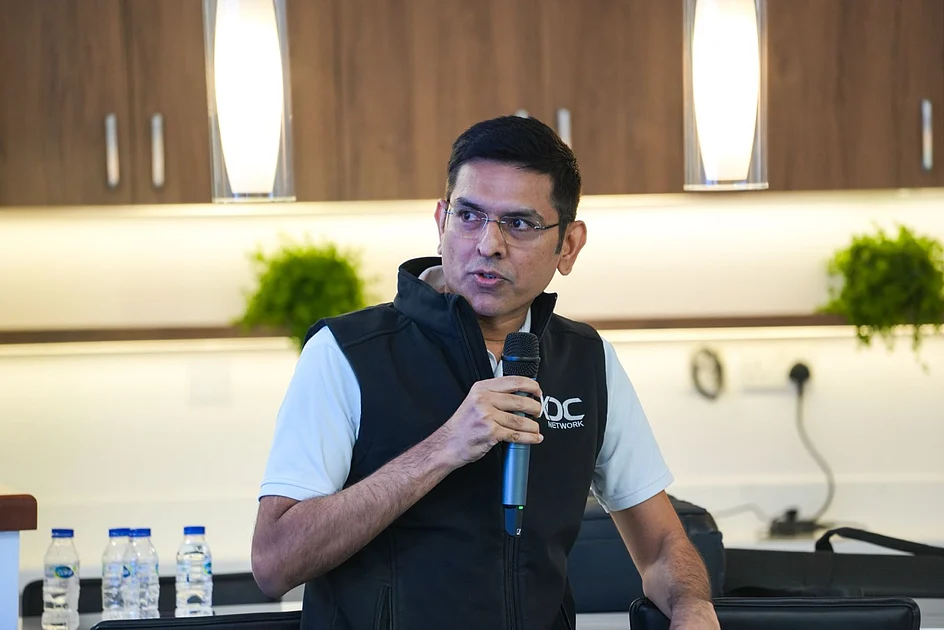
    Ritesh Kakkad, Co-Founder of XDC Network, highlighted the partnership’s significance: “Our collaboration with Zand brings together compliance, innovation, and real-world utility – demonstrating how blockchain technology powers the next generation of global payments and asset tokenization.”

    The XDC Network’s ISO 20022 compliance ensures future-proof interoperability and enhanced regulatory alignment, positioning the platform at the forefront of financial technology standards. This development marks a substantial step toward mainstream blockchain adoption in Middle Eastern banking and financial services.

  • Dubai: Xiaomi opens new interactive store at Al Ghurair Centre

    Dubai: Xiaomi opens new interactive store at Al Ghurair Centre

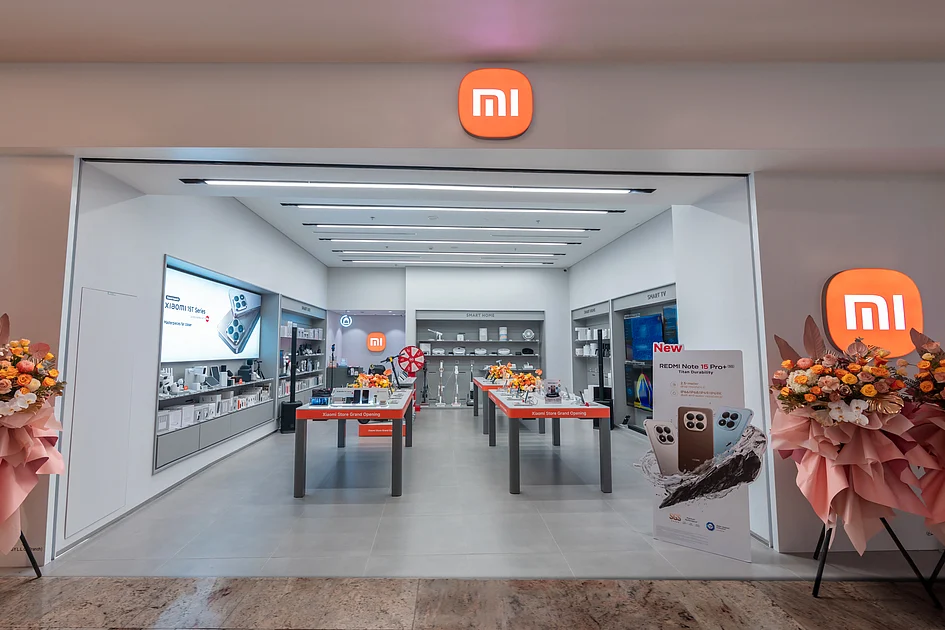
    DUBAI – Chinese technology giant Xiaomi has significantly strengthened its Middle Eastern retail strategy with the inauguration of an advanced interactive store at Al Ghurair Centre, Dubai on January 10, 2026. The launch represents a strategic expansion in the United Arab Emirates market, featuring cutting-edge consumer engagement methodologies and comprehensive after-sales support infrastructure.

    The grand opening ceremony witnessed the presence of Xiaomi’s senior leadership, including Mr. Xuezhong Zeng, Senior Vice President and President of International Business Department, alongside executives Tommy Yang, Huanying Hu, Quanxin Wang, and Ms. Xinran Zhao. The store introduces an innovative retail concept where customers can physically interact with Xiaomi’s latest technological innovations through hands-on product testing stations and feature discovery zones.

    Central to the new retail space is the prominent display of Xiaomi’s recently launched REDMI Note 15 Series, featuring the premium REDMI Note 15 Pro+ 5G and REDMI Note 15 Pro 5G models. The establishment additionally showcases an extensive array of smart devices operating within Xiaomi’s interconnected ecosystem, providing consumers with a holistic brand experience.

    Complementing the retail operations, Xiaomi has established a dedicated Service Center within the premises staffed by certified technicians utilizing advanced diagnostic equipment. This facility offers transparent pricing structures, genuine replacement components, repair warranties, and stringent data privacy protocols for device maintenance, replacements, and refund services.

    The inaugural event generated substantial consumer enthusiasm, with attendees receiving exclusive promotional discounts and complimentary Xiaomi products. This retail development underscores Xiaomi’s commitment to enhancing direct consumer engagement in key international markets while establishing robust operational support systems.

  • UAE financial authority warns of unlicensed company

    UAE financial authority warns of unlicensed company

    The UAE’s Capital Market Authority has issued an official public advisory cautioning investors against engaging with Volcano Capital Marketing Management, an organization operating without proper regulatory authorization. In a notice released on Tuesday, January 13, 2026, the financial regulator explicitly stated that the company lacks the necessary licensing to conduct regulated financial activities or provide associated financial services within the country.

    The authority emphasized its complete dissociation from any transactions or business dealings involving Volcano Capital, clearly stating it ‘bears no responsibility’ for any financial engagements with the unlicensed entity. The regulatory body strongly urged investors and the general public to rigorously verify the licensing status and regulatory standing of any company before initiating business relationships or financial transactions.

    This warning follows a similar alert issued on December 4th against another Dubai-based firm, Global Capital Securities Trading, which was found to be operating without proper authorization while posing as a legitimate capital trading company. The regulatory pattern indicates increased vigilance by UAE authorities against unauthorized financial operations, highlighting concerns about companies potentially misleading investors while operating from representative offices affiliated with international entities like Global Capital Market Limited.

    The consecutive regulatory actions demonstrate the UAE financial authority’s strengthened commitment to investor protection and market integrity, particularly against organizations that might exploit the reputation of the country’s robust financial sector without proper oversight.

  • Dubai: Gold prices ease slightly after hitting record high

    Dubai: Gold prices ease slightly after hitting record high

    Dubai’s gold market experienced a slight correction on Tuesday morning following a historic surge that propelled prices to unprecedented levels just one day earlier. The 24K gold variety, representing the purest form of the precious metal, declined to Dh554.0 per gram at 9am UAE time after reaching an all-time peak of Dh555.75 per gram on Monday.

    The broader gold market displayed similar patterns across various karat weights. The 22K variant settled at Dh513.0 per gram, while 21K, 18K, and 14K gold traded at Dh491.75, Dh421.5, and Dh328.75 per gram respectively. This modest pullback occurred despite international spot gold maintaining strength at $4,594.34 per ounce, hovering near the psychologically significant $4,600 threshold.

    Market analysts attribute the sustained gold rally to profound structural shifts rather than temporary speculative activity. Rania Gule, Senior Market Analyst for MENA at XS.com, emphasized that the current market dynamics reflect deep-seated investor anxiety driven by multiple geopolitical and economic factors. “Gold’s ability to remain close to its peaks despite the absence of strong expansionary monetary stimulus confirms that current demand is driven by the search for safety rather than the pursuit of short-term gains,” Gule noted.

    The analyst identified several critical factors sustaining gold’s elevated position, including US intervention in Venezuela, potential military action against Iran, intensifying Russia-Ukraine hostilities, and escalating China-Japan tensions. These interconnected developments have created what Gule describes as “structural demand for gold as a safe haven” that transcends temporary market reactions.

    This trend is further reinforced by a gradual erosion of global risk appetite, with investors not only retreating from high-risk assets but fundamentally reassessing the stability of the international financial system. Gold’s unique position as an asset outside the credit system, unlinked to direct sovereign obligations, provides it with distinct advantages during periods of geopolitical uncertainty and institutional doubt.