分类: business

  • UAE: AD Ports acquires Spain’s Balenciaga Astilleros Shipyard to fuel global expansion

    UAE: AD Ports acquires Spain’s Balenciaga Astilleros Shipyard to fuel global expansion

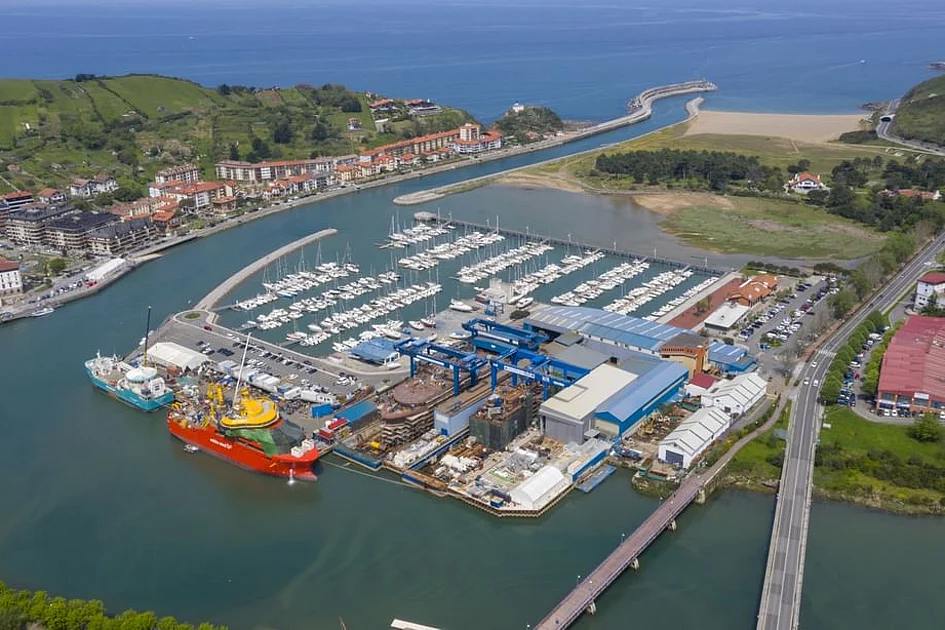
    In a decisive move to accelerate its international growth strategy, Abu Dhabi’s AD Ports Group has secured full ownership of Spain’s historic Balenciaga Astilleros Shipyard through a €11.2 million transaction. The acquisition, executed by group subsidiary Safeen Drydocks, marks a significant expansion of the Emirati company’s European footprint and enhances its capabilities in the rapidly evolving offshore energy sector.

    The Basque-based shipyard brings nearly a century of specialized shipbuilding expertise to the UAE ports and logistics operator, including two drydocks, a 105-meter slipway, and automated fabrication facilities spanning over 22,000 square meters. This strategic asset positions AD Ports among the limited number of European operators capable of constructing Service Operation Vessels critical for offshore wind farm maintenance, alongside research vessels and specialized maritime support craft.

    Captain Ammar Al Shaiba, Chief Executive of the Maritime and Shipping Cluster at AD Ports Group, emphasized that the acquisition aligns with the company’s portfolio diversification objectives and clean energy ambitions. The transaction enables significant technology transfer and operational synergies across Safeen Drydocks and the group’s expanding global maritime network.

    This European expansion occurs alongside robust operational growth within the UAE, where Khalifa Port has demonstrated consistent container throughput increases supported by new shipping services and expanded terminal capacity. The group has reported double-digit revenue growth across recent reporting periods, driven by simultaneous expansion across its ports, maritime, logistics, and economic cities divisions.

    The Balenciaga acquisition represents the latest in a series of strategic international investments spanning Europe, Africa, and Central Asia over the past three years. These moves have included the earlier acquisition of Spanish logistics firm Noatum and numerous port concessions and inland terminals that strengthen trade corridors connecting Asia, the Middle East, and Europe.

    Notably, the shipyard’s geographic proximity to major offshore wind clusters in Northern Europe positions AD Ports to capitalize on the region’s accelerating renewable energy expansion. The move complements the group’s existing partnership with Masdar in offshore wind development and anticipates growing demand for specialized vessels as European nations intensify their transition to clean energy sources.
  • Sky Bridge Cars completes shift to all-electric fleet for London airport transfers

    Sky Bridge Cars completes shift to all-electric fleet for London airport transfers

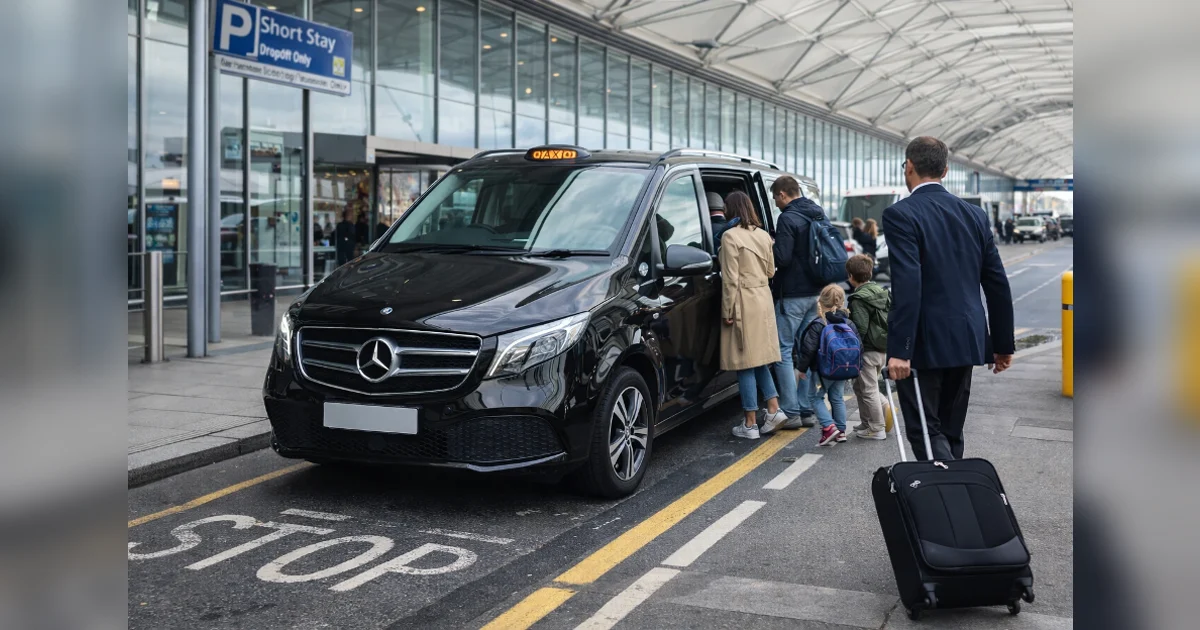
    In a significant environmental milestone for London’s transportation sector, Sky Bridge Cars has successfully completed its transition to an entirely electric vehicle fleet for airport transfer services. The company now operates exclusively with zero-emission vehicles including Tesla Model S, Model X, Mercedes-Benz EQS luxury sedans, and Volkswagen ID models across its entire operation serving Heathrow, Gatwick, Stansted, Luton, and London City airports.

    The comprehensive electrification initiative represents one of the most substantial fleet conversions among private ground transportation providers in the British capital. Company data reveals the electric fleet has already accumulated over two million miles since the transition began, preventing approximately 800 tonnes of carbon dioxide emissions compared to conventional petrol or diesel vehicles. This achievement supports the company’s ambitious target of achieving fully carbon-neutral operations by 2026, which will involve offsetting indirect emissions from electricity generation and other business activities.

    This strategic shift occurs against the backdrop of London’s increasingly stringent environmental regulations. The expansion of the Ultra Low Emission Zone across Greater London in 2023 and ongoing congestion pricing mechanisms have created strong incentives for transportation providers to adopt cleaner technologies. Transport for London has explicitly encouraged private operators to complement rather than compete with public transit systems, particularly by enhancing connectivity to rail stations and underground stops.

    To support its electric operations, Sky Bridge Cars has implemented substantial infrastructure investments including rapid charging stations strategically positioned near each of the five airports it serves. The company employs real-time battery monitoring systems across its fleet to prevent service interruptions and has integrated machine-learning software into dispatch operations. This advanced system analyzes historical traffic patterns, current road conditions, weather forecasts, and scheduled events to optimize routing, resulting in approximately 15% reduction in average journey times compared to standard navigation systems.

    Qazi Hussain, Director of Sky Bridge Cars, emphasized the company’s commitment: ‘Completing our transition to a fully electric fleet represents our serious approach to environmental responsibility as a London transport operator. We’ve demonstrated that through strategic investments in electric vehicles, charging infrastructure, and intelligent routing technology, we can significantly reduce emissions without compromising reliability or passenger experience.’

    The company’s technological integration extends to flight tracking systems that automatically adjust pickup times when flights are delayed or arrive early, eliminating the need for passenger communication. The service maintains fixed pricing regardless of traffic conditions and includes features such as 60 minutes of complimentary waiting time, terminal meet-and-greet services, and real-time journey tracking.

    While testing advanced driver-assistance systems in select vehicles, the company has not announced timelines for autonomous vehicle deployment, focusing instead on safety enhancements. This transformation positions Sky Bridge Cars as an industry leader in sustainable airport transportation within a market that serves millions of passengers annually across London’s five major airports.

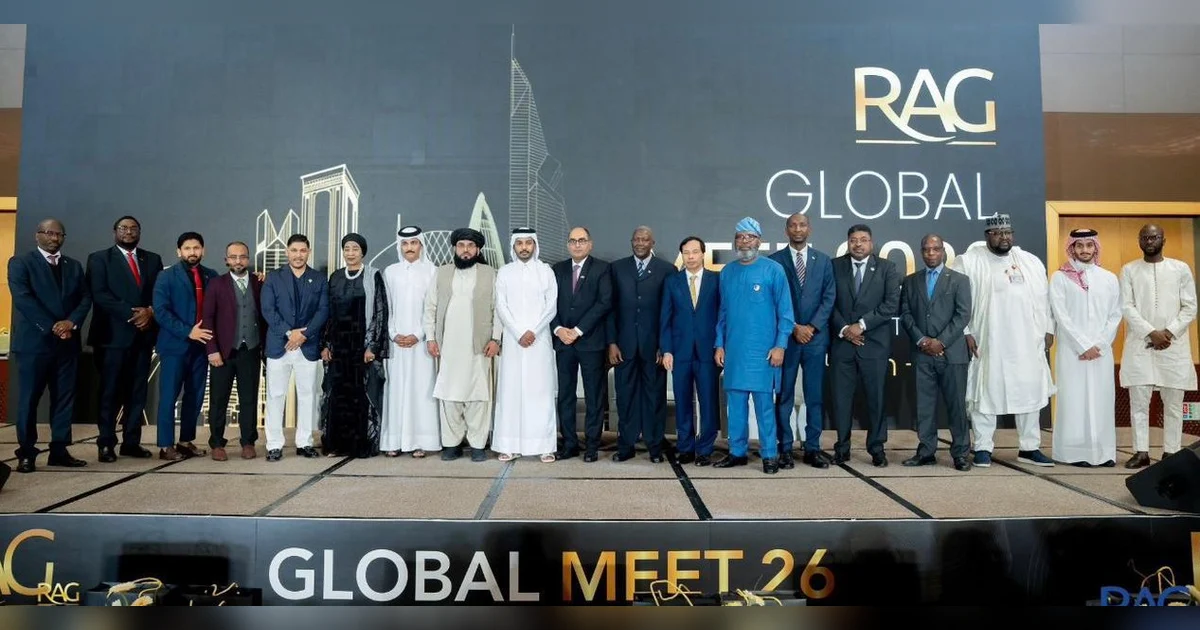
  • RAG Global Meet 2026 in Doha catalyses new investment pipelines into Dubai and the GCC

    RAG Global Meet 2026 in Doha catalyses new investment pipelines into Dubai and the GCC

    The RAG Global Meet 2026, hosted in Doha last week, has successfully established new investment pipelines into Dubai and the broader Gulf Cooperation Council (GCC) region. The high-level forum gathered diplomats, government officials, and business leaders from over 35 countries, emphasizing the Gulf’s evolving role as a strategic gateway for international investment.

    Held at the Grand Hyatt Doha, the event featured prominent attendees including Hamad Mubarak Al Hajri, founder and CEO of Snoonu, as chief guest, and Sheikh Mansoor bin Khalifa Al Thani, founder and chairman of MBK Holding, as guest of honor. The gathering also saw participation from ambassadors representing nations including the UAE, Saudi Arabia, Singapore, India, Poland, Vietnam, Sweden, and Nigeria.

    Central discussions focused on foreign direct investment, cross-border trade facilitation, and long-term economic development strategies. Key topics included streamlining market entry processes, reducing company formation timelines, and enhancing talent mobility across the region. The forum emphasized translating diplomatic engagement into concrete outcomes for SMEs, job creation, and sustainable business growth.

    During the event, RAG Holdings announced its official recognition by the Qatar Ministry of Commerce and Industry as one of the country’s ‘Big Five’ business consulting firms. Additionally, RAG Dubai launched two new services—RAG Experience and Smart Access—designed to simplify company formation, provide business infrastructure access, and offer comprehensive post-setup support for international entrepreneurs establishing regional operations in the UAE.

    Rasal Ahmed, founder and CEO of RAG Holdings, commented: ‘This forum was specifically designed to transform international dialogue into tangible economic value. When governments, investors, and businesses collaborate with focused attention on market entry and partnership development, it generates employment opportunities, company formations, and sustainable regional partnerships.’

    The event successfully reinforced the GCC’s growing influence in global business discussions while positioning Dubai and the Gulf as preferred destinations for international companies seeking Middle Eastern market access.

  • WEF 2026: Key CEOs insights on global economic progress and GCC’s role

    WEF 2026: Key CEOs insights on global economic progress and GCC’s role

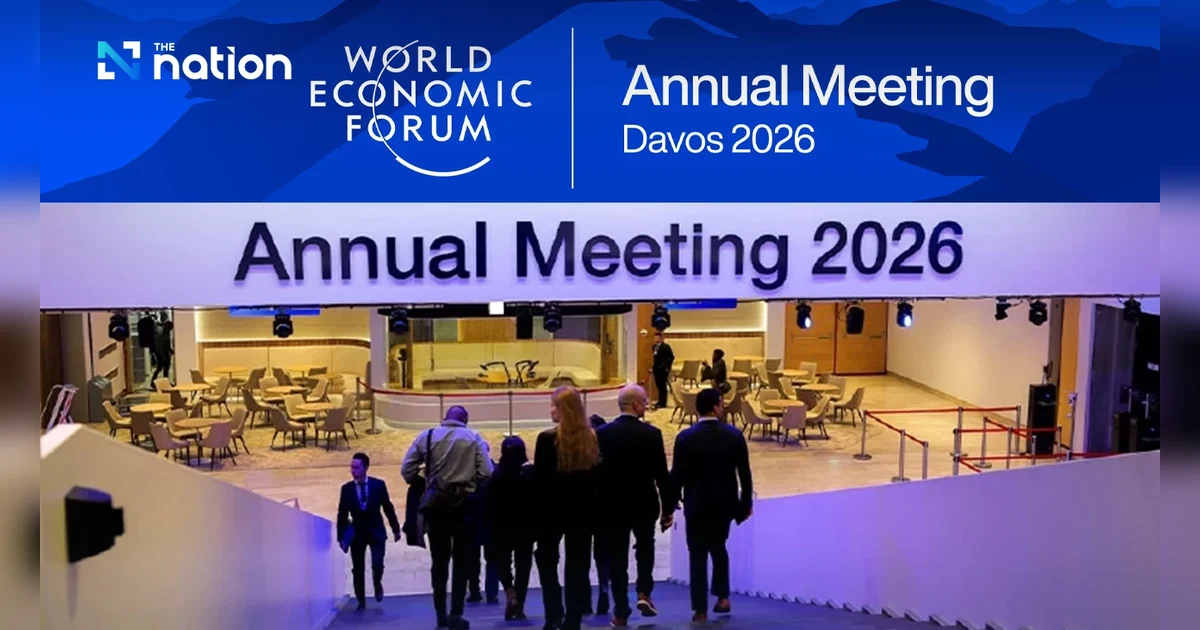
    Davos, Switzerland – The 2026 World Economic Forum has become a pivotal convergence point for global economic leadership, with corporate chiefs and government leaders including US President Donald Trump gathering to shape international economic discourse. The United Arab Emirates has deployed one of its largest delegations in history, joining fellow GCC nations with over 100 ministers and senior executives representing both public and private sectors.

    The GCC region’s growing influence forms a central narrative at this year’s forum, with regional CEOs highlighting the transformative power of collaborative dialogue in economic development. Sebastian Goeres, CEO of LGT (Middle East) Ltd., emphasized that the GCC’s unique position at the crossroads of global capital flows and cultures has fueled remarkable progress, particularly as emerging technologies and new leadership generations reshape the economic landscape.

    Logistics transformation represents another critical dimension, with AbdulAziz Busbate, CEO of DHL Express Mena, noting the GCC’s emergence as a dynamic hub amid global supply chain restructuring. The region is making significant investments in creating smarter, more sustainable trade flows, with technological acceleration and sustainability expectations driving this evolution.

    Financial innovation stands as a cornerstone of the GCC’s economic advancement. Hasan Fardan Al Fardan, CEO of Al Fardan Exchange, highlighted how regulatory collaboration has accelerated the development of open finance frameworks, real-time payment systems, and regulated financial innovations including AED-backed stablecoins. This cooperative model between regulators and institutions has been instrumental in building digital trust while ensuring responsible scaling of innovation.

    The tangible outcomes of this collaborative approach are already materializing. Michael Hunter, CEO of Holo, revealed that the UAE economy is projected to exceed 5% growth in 2026, driven by robust non-oil sectors including real estate and technological innovation. Advanced digital frameworks are streamlining property transactions and mortgage processing, while strategic initiatives in smart city development and artificial intelligence adoption are shaping future market landscapes.

    Across sectors, business leaders agree that meaningful dialogue between policymakers, regulators, and innovators remains essential for creating efficient, inclusive, and future-ready markets. This collaborative spirit, deeply embedded in the GCC’s economic trajectory, positions the region as a defining force in global economic progress through 2026 and beyond.

  • China meets initial soybean purchase goal, but Trump’s shifting trade policy could disrupt deal

    China meets initial soybean purchase goal, but Trump’s shifting trade policy could disrupt deal

    Despite China fulfilling its initial commitment to purchase 12 million metric tons of American soybeans, the sustainability of the October trade agreement remains uncertain due to the Trump administration’s volatile trade policies. Treasury Secretary Scott Bessent confirmed China’s compliance during the World Economic Forum in Davos, where he met with Chinese Vice President He Lifeng, who reaffirmed Beijing’s commitment to future purchases.

    The agreement, forged after Trump and Xi Jinping’s meeting in South Korea ended last summer’s purchasing halt, requires China to buy 25 million metric tons annually over the next three years. However, recent policy shifts—including threatened tariffs on countries trading with Iran and proposed levies on European allies—create instability that agricultural economists warn could jeopardize the deal.

    American farmers continue struggling with soaring production costs for fertilizer, seeds, and labor, despite approximately $12 billion in federal aid. Soybean prices briefly surged to $11.50 per bushel post-agreement but have since fallen to $10.56—insufficient to cover most operational expenses. China’s strategic diversification toward Brazilian and Argentine suppliers, which now account for over 70% of its imports compared to America’s 21% share, further complicates long-term trade prospects.

    Agricultural experts like Iowa State’s Chad Hart and University of Nebraska’s Cory Walters emphasize that market unpredictability and evolving tariff landscapes are crippling farmers’ decision-making capabilities and financial stability.

  • Malawi raises fuel prices by more than 40%

    Malawi raises fuel prices by more than 40%

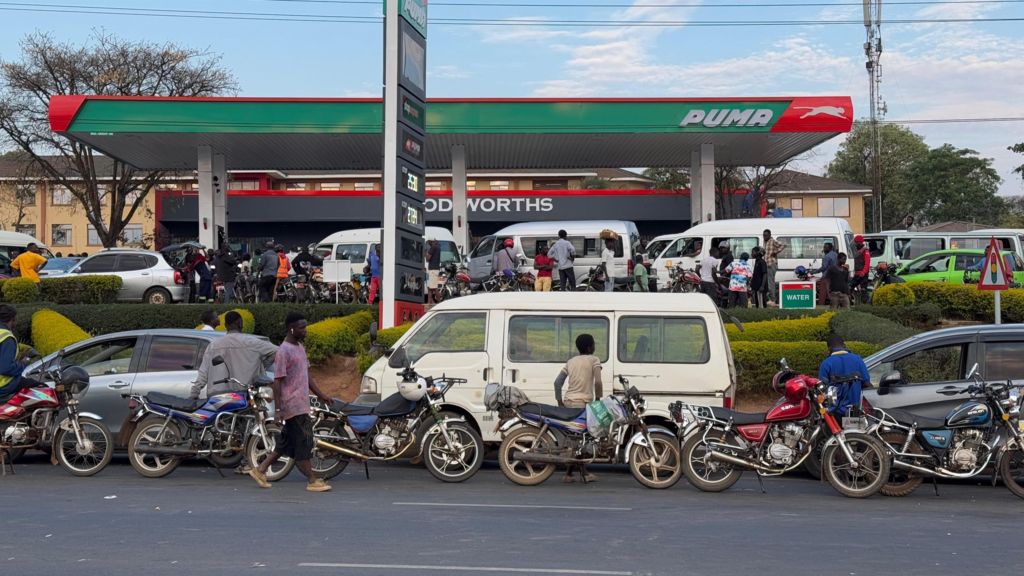
    Malawi’s Energy Regulatory Authority (Mera) has announced substantial increases in fuel prices, elevating petrol and diesel costs by over 40% in its latest adjustment. This development marks the second significant price hike within a four-month period, intensifying economic pressures on citizens already grappling with a cost-of-living crisis.

    The regulatory body justified Tuesday’s decision by declaring the previous administration’s fixed pricing mechanism ‘unsustainable,’ citing substantial financial losses under that system. Since President Peter Mutharika assumed office in October, cumulative fuel price increases have reached alarming levels—95% for petrol and 80% for diesel.

    Mera has transitioned to an automatic pricing mechanism that aligns fuel costs with international market fluctuations and shipping expenses. Dad Chinthambi, Mera’s acting CEO, emphasized that the adjustment is essential for maintaining sustainable fuel supplies, supporting electricity services, and funding critical infrastructure projects including road maintenance and rural electrification initiatives.

    Despite improvements in fuel availability compared to the severe shortages experienced under former President Lazarus Chakwera, the price surge has triggered immediate economic repercussions. Transportation fares have risen sharply nationwide, with anticipated increases in food prices and other essential goods following previous fuel and sales tax adjustments.

    The Human Rights Defenders Coalition, a Malawian civil society organization, warned that ‘fuel is not a luxury commodity’ and that any increase produces cascading effects throughout the economy. Many citizens have expressed disappointment through social media and radio programs, expecting the current administration to improve economic conditions rather than replicate previous outcomes.

    The government continues to pursue financial stabilization measures and is negotiating potential assistance packages with the International Monetary Fund amid growing economic challenges.

  • Türkiye’s gateway to global agriculture opens doors to MENA and international partnerships

    Türkiye’s gateway to global agriculture opens doors to MENA and international partnerships

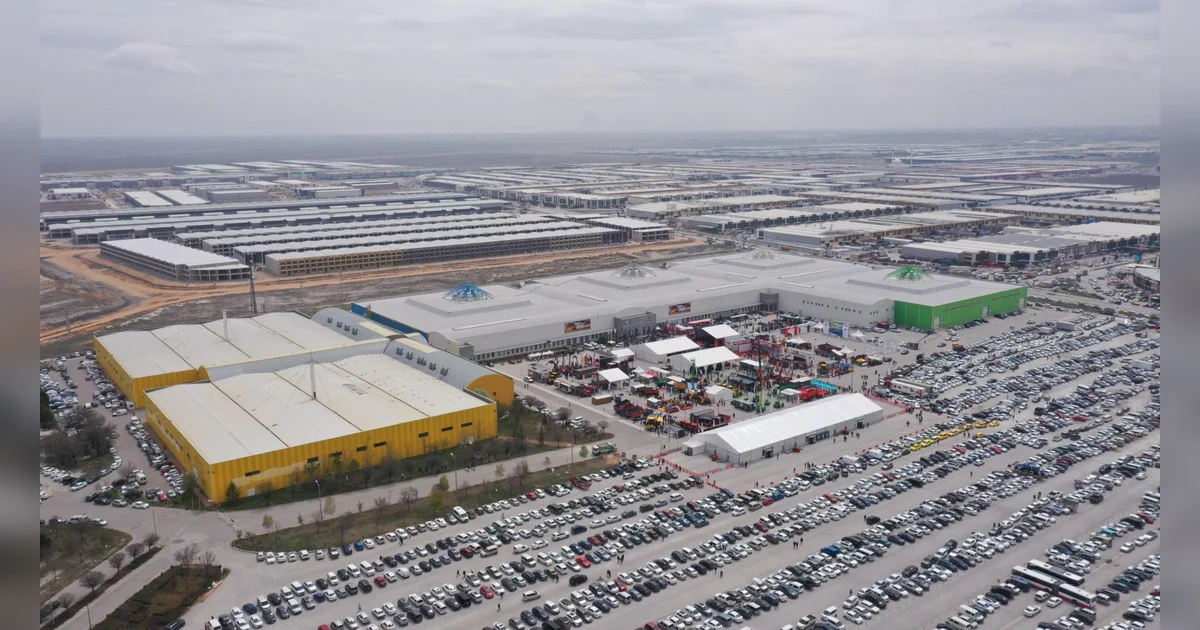
    Konya is poised to become the epicenter of agricultural technological advancement as Türkiye prepares to host its premier agricultural exposition in April 2026. The 22nd International Konya Agriculture, Agricultural Mechanization and Field Technologies Fair will convene at the Tüyap Konya International Fair Center from April 7-11, establishing itself as the nation’s most significant gathering for agricultural innovation and cross-border collaboration.

    Organized through a strategic partnership between Tüyap Exhibitions Group and the Turkish Agricultural Machinery and Equipment Manufacturers Association (TARMAKBİR), the event builds upon its remarkable 2025 achievement of attracting 251,000 visitors from 80 nations alongside 432 exhibitors representing 20 countries. This demonstrates the fair’s growing international significance within global agricultural circles.

    The 2026 edition occupies an expansive 96,000 square meter exhibition space, featuring cutting-edge agricultural technologies ranging from precision farming systems and smart irrigation solutions to advanced harvesting equipment and sustainable farming applications. The comprehensive showcase highlights Türkiye’s sophisticated industrial capabilities while addressing the pressing agricultural modernization needs of MENA nations.

    Water-stressed Middle Eastern and North African countries facing population growth and food security challenges represent a particularly crucial market segment. The event specifically targets agricultural professionals, investors, and public sector representatives from 17 MENA countries including Saudi Arabia, UAE, Egypt, Qatar, and Morocco through structured B2B matchmaking sessions and technology demonstrations.

    Supported by Türkiye’s Ministry of Agriculture and Forestry, the Turkish Chamber of Agriculture, Konya Metropolitan Municipality, and Konya Chamber of Commerce, the fair creates an unparalleled platform for knowledge exchange, technology transfer, and international partnership development. Visitors can explore the complete spectrum of agricultural mechanization from established equipment to revolutionary smart farming technologies during the five-day event.

    The strategic timing and location in Konya—Türkiye’s agricultural heartland—positions this event as a critical nexus for global agricultural stakeholders seeking to leverage technological innovation for enhanced food system resilience and sustainable farming practices across regions.

  • India, UAE sign $3 billion LNG deal, agree to boost trade, defence ties

    India, UAE sign $3 billion LNG deal, agree to boost trade, defence ties

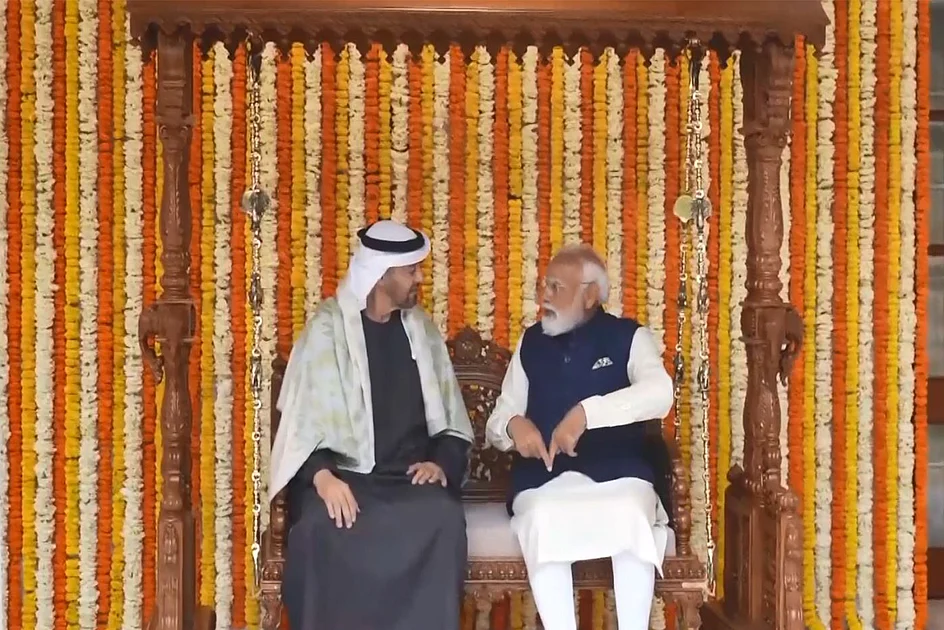
    India and the United Arab Emirates have solidified a landmark $3 billion liquefied natural gas agreement while committing to significantly expand their bilateral trade and defense cooperation. The deal was finalized during UAE President Sheikh Mohamed bin Zayed Al Nahyan’s brief but impactful two-hour visit to India for discussions with Prime Minister Narendra Modi.

    Abu Dhabi’s state energy giant Adnoc Gas will supply approximately 0.5 million metric tons of LNG annually to India’s Hindustan Petroleum Corporation Limited under a decade-long contract. This arrangement elevates India to the position of the UAE’s premier LNG customer and represents a substantial expansion of the energy partnership between the two nations. Adnoc Gas confirmed that this agreement brings their total contractual value with Indian partners to exceed $20 billion.

    The leadership summit yielded ambitious economic targets, with both countries pledging to double their bilateral trade volume to $200 billion within the next six years. The UAE currently stands as India’s third-largest trading partner, highlighting the significance of this enhanced economic commitment.

    Accompanied by a high-level delegation including defense and foreign ministers, the UAE leadership engaged in comprehensive talks that extended beyond energy cooperation. The two nations signed a letter of intent to establish a strategic defense partnership, though Indian Foreign Secretary Vikram Misri clarified that this enhanced security cooperation does not imply India’s involvement in regional conflicts.

    The brief but productive visit underscores the accelerating pace of Indo-Emirati relations, combining energy security with broader economic and strategic objectives that will shape the regional economic landscape for years to come.

  • 7 in 10 UAE residents plan to buy property this year: Are you one of them?

    7 in 10 UAE residents plan to buy property this year: Are you one of them?

    A significant majority of UAE residents are actively planning property acquisitions despite ongoing market price uncertainties, according to recent survey data. Property Finder’s bi-monthly Market Pulse research, conducted across November and December 2025 with 5,540 participants, reveals that seven out of ten residents intend to purchase real estate within the coming six-month period.

    The survey indicates a nuanced shift in buyer expectations regarding property valuations. During November, 40% of respondents anticipated price declines, while 32% projected increases and 28% expected market stability. By December, expectations moderated slightly with 39% forecasting decreases, 32% still predicting growth, and 29% anticipating unchanged prices. This represents a subtle but notable change from the September-October period when price decline expectations consistently ranged between 39-40%.

    Market analysts observe that while purchasers demonstrate heightened price consciousness, this awareness hasn’t substantially dampened acquisition intentions. The data suggests prospective buyers are proceeding with transactions rather than delaying decisions amid fluctuating market conditions.

    Driving this sustained demand is a demographic shift seeing increased participation from young professionals aged 25-35. This trend emerges from converging factors including escalating rental costs, mortgage payments that increasingly parallel leasing expenses, and more defined long-term residency options such as the Golden Visa program. Financial practicality now positions property ownership as a viable alternative to renting for many younger buyers seeking both financial security and flexibility.

    Industry experts simultaneously caution purchasers regarding substantial upfront capital requirements, typically representing 25-30% of property value for down payments and transaction fees not covered by mortgage financing. While improved affordability stems from easing interest rates and extended loan tenures, the initial financial outlay remains a significant consideration.

    Developers are responding with innovative payment solutions including reduced booking amounts, post-handover payment plans, and rent-to-own options designed to facilitate the renter-to-owner transition. Concurrently, financial institutions are enhancing market accessibility through digital tools like Mashreq’s recently launched fully digital home-loan pre-approval service. This platform provides salaried residents earning minimum Dh15,000 monthly with same-day preliminary approval based on income assessment, existing liabilities, and credit history, offering clearer budgetary parameters before purchase commitment.

  • Netflix updates Warner Bros bid to all-cash offer

    Netflix updates Warner Bros bid to all-cash offer

    In a significant escalation of the high-stakes battle for Warner Bros Discovery’s entertainment assets, Netflix has revised its acquisition proposal to an all-cash transaction valued at approximately $72 billion. This strategic move eliminates the previously proposed stock component, intensifying the streaming giant’s competition against Paramount Skydance for control of the prestigious Hollywood studio.

    The revised terms maintain the original $27.75 per share valuation for Warner Bros’ streaming and film divisions, which encompass the massively valuable HBO Max platform and legendary content libraries including the Harry Potter franchise and Game of Thrones universe. The total enterprise value, incorporating debt assumptions, reaches approximately $82 billion.

    Concurrently, Warner Bros shareholders would receive equity in the company’s remaining assets—including news network CNN—which are scheduled to become an independent publicly traded entity through a spinoff process.

    The amended agreement emerged as Paramount Skydance, backed by technology billionaire Larry Ellison and his family, continues its aggressive pursuit with a competing $108 billion overall valuation ($30 per share) offer. Paramount has maintained that Warner Bros’ non-entertainment assets are significantly overvalued, recently initiating legal action to force disclosure of financial details regarding Netflix’s proposal.

    Warner Bros leadership has consistently expressed preference for Netflix’s offer, citing greater certainty regarding financing and transaction execution. Samuel Di Piazza, Jr., Chair of the Warner Bros Discovery Board of Directors, stated: “Our amended agreement with Netflix demonstrates the board’s unwavering commitment to advancing stockholder interests. Transitioning to an all-cash offer delivers the tremendous value of our combination with Netflix with enhanced certainty.”

    Netflix executives positioned the acquisition as industry-positive, with co-CEO Ted Sarandos emphasizing: “This combination will provide broader choice and greater value to global audiences while expanding U.S. production capacity and driving substantial investment in original programming. This transaction represents growth and job creation for our industry’s future.”

    Despite criticism from some industry observers concerned about excessive market consolidation, the proposed merger continues advancing toward shareholder consideration, potentially reshaping the global entertainment landscape.