分类: business

  • Asian shares decline as oil prices soar amid the war in Iran, echoing last week’s Wall Street drop

    Asian shares decline as oil prices soar amid the war in Iran, echoing last week’s Wall Street drop

    Asian financial markets opened the week with significant losses as escalating geopolitical tensions and soaring energy prices continued to rattle investor confidence. The regional decline followed Wall Street’s fifth consecutive weekly downturn, marking its longest losing streak in nearly four years.

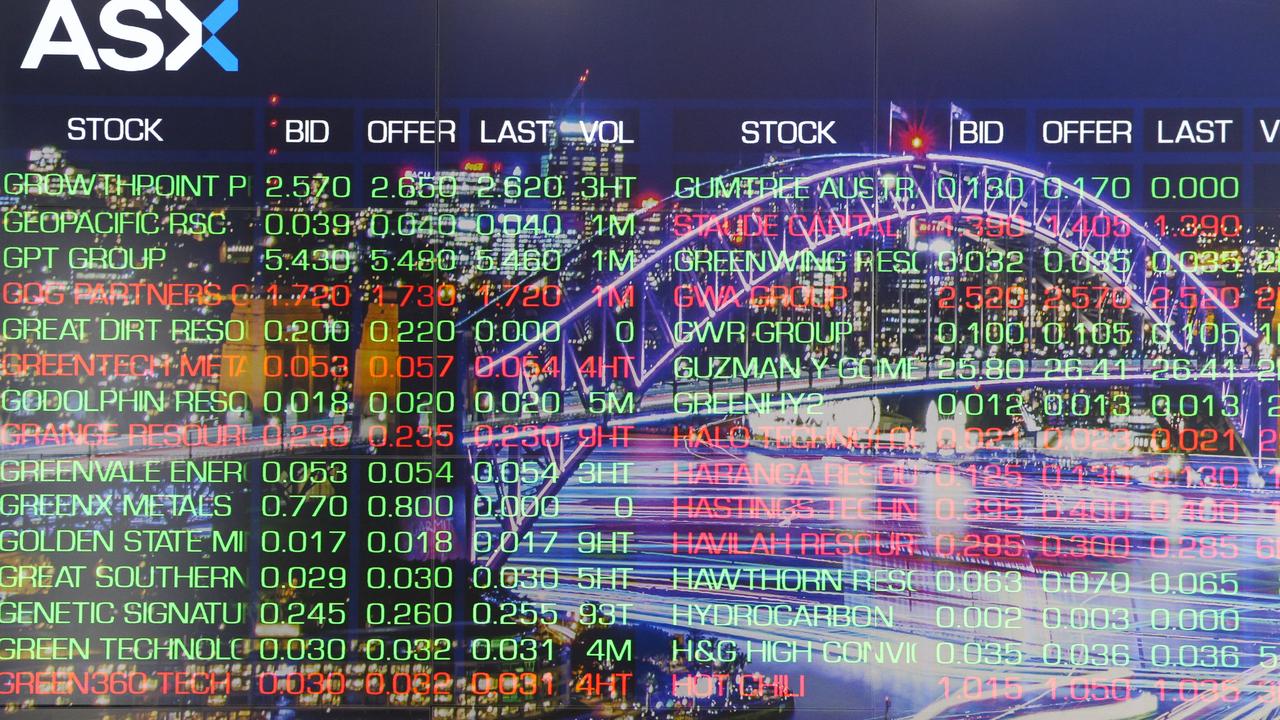
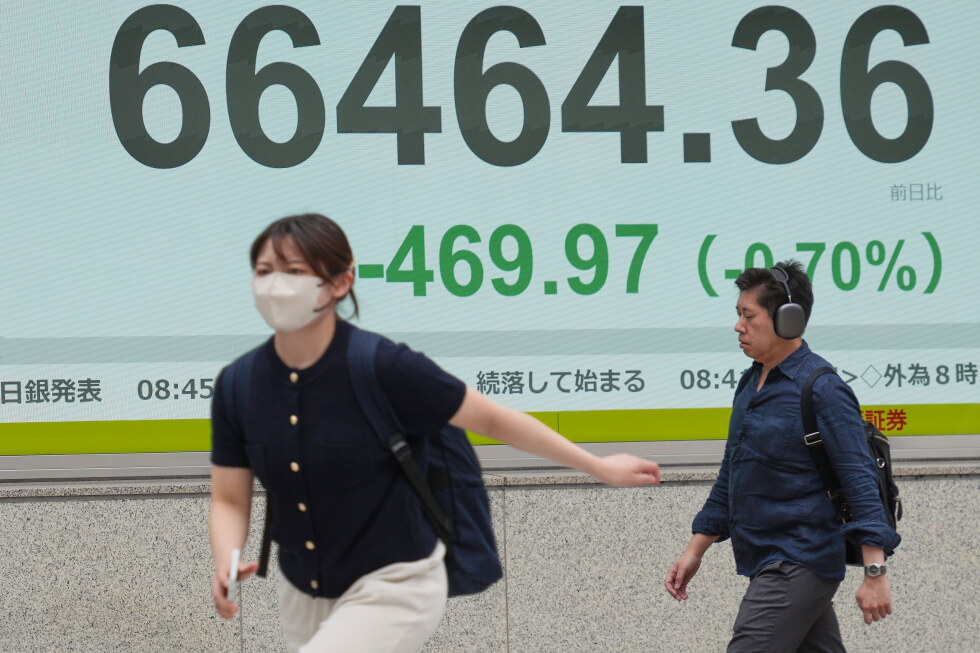
    Japan’s Nikkei 225 index led the decline with a 2.8% drop to close at 51,885.85, while South Korea’s Kospi experienced a substantial 3.3% plunge to 5,258.02. Australia’s S&P/ASX 200 retreated 0.7% to 8,461.00, and Hong Kong’s Hang Seng declined 0.7% to 24,775.65. China’s Shanghai Composite notably bucked the trend, reversing morning losses to close 0.2% higher at 3,920.90.

    The primary catalyst for market anxiety remains the potential disruption to oil shipments through the Strait of Hormuz, a critical maritime choke point for global energy supplies. Benchmark Brent crude soared to $115.06 per barrel, representing a dramatic increase from pre-conflict levels of approximately $70. Similarly, U.S. benchmark crude surged to $100.71 per barrel.

    Financial analysts warn that sustained conflict could trigger widespread inflationary pressures and potentially hamper economic growth across Asian economies. “While we do not anticipate a protracted conflict, we expect heightened market volatility in the near term,” commented Xavier Lee, senior equity analyst at Morningstar Research.

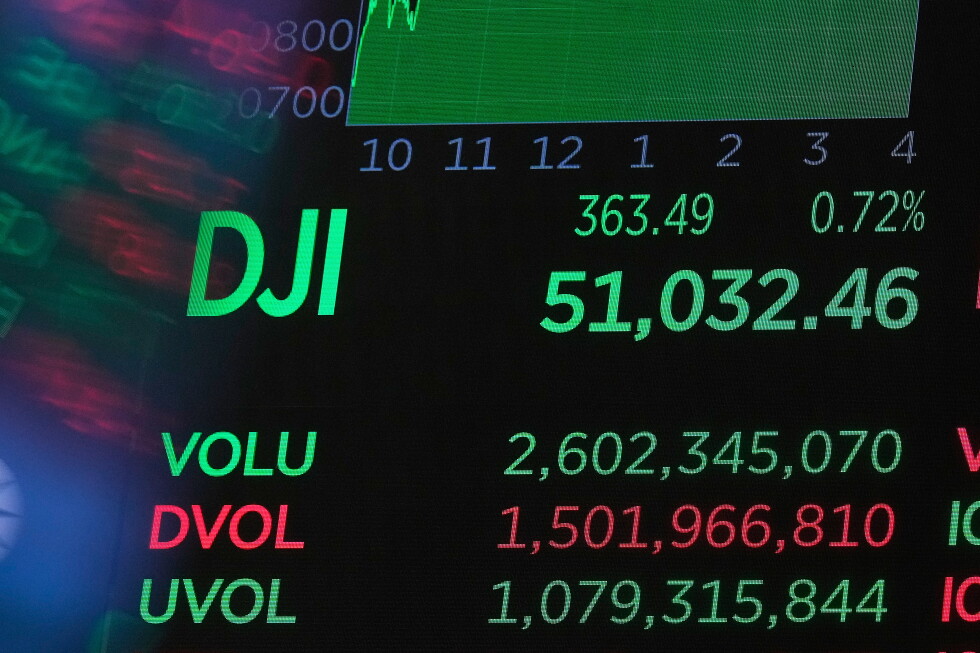
    The U.S. markets previously concluded their worst weekly performance since the conflict’s inception, with the S&P 500 dropping 1.7% and the Dow Jones Industrial Average shedding 793 points. Technology stocks, including Amazon and Nvidia, faced particularly heavy selling pressure.

    Currency markets also exhibited heightened activity, with the Japanese yen trading at 159.73 against the U.S. dollar amid concerns about its declining value. Japanese financial officials acknowledged increased speculative activity in foreign exchange markets, pledging comprehensive response measures without specifying particular interventions.

  • Oil rises above $115 and Asia stocks slide as Iran war escalates

    Oil rises above $115 and Asia stocks slide as Iran war escalates

    Financial markets across Asia experienced significant turbulence on Monday morning as escalating military tensions between the US-Israel alliance and Iran triggered a dramatic surge in oil prices and substantial stock market declines.

    The global benchmark Brent crude oil skyrocketed by over 3%, surpassing $115 per barrel, while US-traded crude climbed approximately 3.5% to reach $103. This surge positions Brent for its most substantial monthly gain in recorded history. Concurrently, Asian equity markets opened sharply lower, with Japan’s Nikkei 225 index plummeting 4.5% and South Korea’s Kospi dropping 4%.

    This market volatility follows a dangerous escalation in Middle East hostilities over the weekend. Iran-backed Houthi rebels from Yemen launched strikes against Israel, while Tehran issued threats to expand retaliatory actions against educational institutions and residences of US and Israeli officials. The situation intensified when former US President Donald Trump stated in a Sunday interview with the Financial Times that he could potentially ‘take the oil in Iran’ and seize the country’s major fuel hub on Kharg Island, claiming such action could be accomplished ‘very easily.’

    Trump drew parallels to US actions in Venezuela, where American control over the oil industry continues ‘indefinitely’ following the January seizure from then-President Nicolás Maduro. Meanwhile, Iran’s parliament speaker declared that Iranian forces were ‘waiting for American soldiers’ as an additional 3,500 US troops deployed to the region.

    Global energy markets have exhibited extreme volatility since Tehran’s retaliation to US and Israeli strikes, including threats to attack vessels attempting to traverse the strategically critical Strait of Hormuz. Shipping operations through this vital waterway, which handles approximately 21% of global petroleum consumption, have largely halted, creating substantial upward pressure on oil and gas prices worldwide.

    The price escalation represents a dramatic increase from February 27th, when Brent traded at approximately $72 per barrel just before the initial US-Israel strikes on Iran. By March 18th, the benchmark contract reached $119.50—the highest level since June 2022—demonstrating the profound impact of geopolitical instability on energy markets.

  • Educated and employed but still struggling: India’s middle class under strain

    Educated and employed but still struggling: India’s middle class under strain

    In a dimly lit control center in Navi Mumbai, a team of 100 operators manages an automated network overseeing 30,000 ATMs throughout India. This sophisticated operation, utilizing advanced cameras, sensors, and robotic systems, has effectively replaced the need for 60,000 human security guards. This facility serves as a microcosm of a much broader transformation sweeping across the nation, where automation is systematically restructuring—and frequently eliminating—the traditional employment opportunities that historically supported India’s middle class.

    The stability of middle-class incomes is increasingly compromised, compelling many to pursue riskier financial ventures to maintain their standard of living. Consider the case of VS, a 27-year-old technology graduate from rural Rajasthan who earns approximately $151 monthly as an independent sales representative. Last year, he incurred devastating losses of 1.3 million rupees—nearly his family’s entire savings—through Futures and Options trading. He represents one of nine million Indians collectively losing over $12 billion annually in similar ventures, an amount equivalent to India’s complete federal education budget.

    These individuals are not conventional gamblers but educated, ambitious professionals with limited avenues for their aspirations. Another illustrative example is Rahul Singh, a food delivery application agent, who resorted to borrowing funds not merely for home improvements but for essential costs including rent, medical expenses, and unexpected emergencies crucial for survival.

    While VS and Singh originate from different strata of India’s extensive middle class, their financial plights demonstrate remarkable similarities. These narratives transcend individual circumstances, revealing systemic pressures affecting approximately 40 million income taxpayers earning between 500,000 and 10 million rupees annually—the productive backbone of India’s economy.

    Multiple converging factors are driving this crisis. White-collar employment generation has experienced a dramatic decline from 11% growth pre-2020 to merely 1% today according to the Naukri Jobspeak Index. Although automation began eroding middle-skill occupations since the early 2000s, artificial intelligence has exponentially accelerated this disruption. India’s massive IT services sector, employing eight million professionals and serving as the nation’s largest graduate employer, is actively reducing its workforce. Government estimates project AI could eliminate nearly three million technology and customer service positions by 2031.

    Corporate executives openly discuss utilizing AI to reduce salary expenditures by approximately one-third. At a major private banking institution, a solitary AI application now manages 95% of customer inquiries that previously required a 3,000-member call center team. Meanwhile, eight million new graduates enter the job market annually, creating an unsustainable employment imbalance.

    The consequences are increasingly visible at premier institutions like IIT Bombay, where recent graduates are accepting reduced compensation compared to predecessors. Nationally, 8,000 of 21,500 IIT graduates remain unemployed, transforming India’s most prestigious degree from a guaranteed prosperity token into an uncertain gamble.

    For those securing employment, middle-class economics have fundamentally deteriorated. Over the past decade, average middle-class incomes have increased by approximately 50,000 rupees annually—equivalent to a quality smartphone’s cost. While seemingly progressive in isolation, this incremental growth represents gradual erosion when contrasted with actual living expenses.

    Recent analyses indicate consistent annual price increases: vegetarian thali meals (11%), entry-level vehicles (7-8%), and healthcare costs (14%). Comprehensive estimates based on typical middle-class expenditure patterns across housing (10-13%), nutrition (7-9%), medical care (14%), and education (8-10%) suggest genuine living costs double approximately every eight years, indicating effective inflation around 9% for this demographic. A family comfortably living on 1 million rupees in 2016 would now require nearly 2 million annually, while salaries remain largely stagnant.

    The widening chasm between earnings and expenses is increasingly bridged through borrowing. India’s non-housing household debt relative to income currently surpasses both the United States and China. Nearly 50% of Indian families have acquired personal loans, with 67% of borrowers obtaining their first loan before age 30. For indebted households, nearly 40% of yearly income services debt obligations.

    This borrowing predominantly finances consumption and survival—vacations, electronic devices, educational costs, and medical bills—rather than productive investment. Between 5-10% of retail borrowers are ensnared in debt traps, acquiring new loans to service existing obligations without viable escape strategies.

    At Pune’s Hinjewadi technology park, educated engineers with substantial debt queue for data entry positions offering 18,000 rupees monthly, illustrating the compression’s ground-level reality. The repercussions extend throughout the economy: FMCG volume growth has plummeted from 11% to 3%, automobile sales remain stagnant, and consumer durable growth has collapsed from 11% to 1-2%.

    Corporate leadership at India’s major consumer enterprises increasingly recognizes that reduced spending reflects financial incapacity rather than lifestyle choices. This consumption contraction carries significant macroeconomic implications, as consumer spending constitutes 60% of India’s GDP. The nation’s post-1991 growth model, built upon middle-class spending generating demand, creating employment, and fostering further expenditure—a virtuous cycle three decades in development—has fractured.

    A profound paradox emerges: India now produces over eight million graduates yearly, yet educational attainment actively diminishes employment prospects. Graduate unemployment stands at 29.1%, nine times higher than for those without formal education. The defining middle-class aspiration of education has ceased delivering its promised returns.

    Politically, this demographic lacks effective representation. With 40 million taxpayers among 970 million voters, the middle class bears the state’s fiscal burden yet remains too dispersed to command political attention. Politicians prioritize impoverished voters for electoral support and wealthy elites for campaign financing, while the middle class subsidizes both without reciprocal benefits.

    The middle class constructed post-reform India’s economic framework. Whether contemporary India can sustain its middle class constitutes the defining economic question of this decade.

  • Where brands debut: First in Shanghai kicks off

    Where brands debut: First in Shanghai kicks off

    Shanghai has officially inaugurated its landmark ‘First in Shanghai’ event series, positioning itself as China’s premier destination for product debuts. The grand launch ceremony, held on March 28 at the historic Zhangyuan compound, marked the beginning of the 2026 National Premium Products Debut Season, showcasing an impressive convergence of 90 distinguished domestic and international brands.

    The event represents Shanghai’s strategic initiative to establish itself as a global nexus for product introductions and brand innovation. By creating a dedicated platform for both Chinese and overseas companies to unveil their latest offerings, the city reinforces its status as a critical gateway to the Chinese consumer market and a trendsetter in the global retail landscape.

    This comprehensive brand showcase, now open to public attendance, offers consumers unprecedented access to cutting-edge products while providing brands with valuable exposure in one of the world’s most dynamic markets. The selection of Zhangyuan as the venue—a beautifully restored historical shikumen neighborhood—creates a unique juxtaposition of Shanghai’s rich cultural heritage with its forward-looking commercial ambitions.

    The ‘First in Shanghai’ initiative forms part of broader efforts to stimulate consumer spending, foster brand innovation, and strengthen Shanghai’s position in the global retail ecosystem. Industry observers note that successful product launches in Shanghai often predict broader market trends across China and increasingly influence global consumer preferences.

  • Italy investigates Sephora and Benefit over marketing skincare to children

    Italy investigates Sephora and Benefit over marketing skincare to children

    Italian regulatory authorities have initiated a formal investigation into luxury conglomerate LVMH’s beauty subsidiaries, Benefit Cosmetics and Sephora, over allegations of employing potentially deceptive marketing tactics directed at young children. The Italian Competition Authority (AGCM) is examining what it describes as a “particularly insidious” strategy involving youthful social media influencers to promote anti-aging skincare products to children under 10 years old.

    The investigation centers on concerns that these marketing practices may be contributing to ‘cosmeticorexia’—a growing phenomenon characterized by unhealthy preoccupation with skincare among minors. AGCM officials, accompanied by Italy’s financial police, conducted surprise inspections at LVMH and Sephora’s Italian corporate headquarters as part of the ongoing probe.

    According to regulatory filings, the companies allegedly employed “covert marketing strategies” utilizing micro-influencers with smaller but highly engaged followings to encourage the purchase of products not intended for children. The investigation specifically examines whether adequate safety warnings were “omitted or presented in a misleading manner” on products marketed through these channels.

    This scrutiny comes amid the viral ‘Sephora kids’ social media trend, where children showcase elaborate skincare routines and product hauls across platforms like TikTok and Instagram, where Sephora maintains substantial followings exceeding 25 million combined users.

    Medical experts, including the British Association of Dermatologists, have raised concerns about children using adult skincare products, noting risks of skin irritation, allergic reactions, and potential long-term damage. LVMH has issued a statement committing to “fully co-operate” with authorities while maintaining compliance with Italian regulations.

  • Testing begins on the Shandong section of Xiong’an-Shangqiu high-speed railway

    Testing begins on the Shandong section of Xiong’an-Shangqiu high-speed railway

    The Shandong segment of the pivotal Xiong’an-Shangqiu high-speed railway has officially commenced its comprehensive joint commissioning and testing phase, marking a significant milestone in China’s ongoing infrastructure expansion. The testing train’s departure from Liaocheng West Station on Friday initiated a meticulous three-month evaluation process for this crucial segment of the broader Beijing–Hong Kong high-speed rail corridor.

    According to Wang Yongwu, Director of the Science, Technology and Information Department at China Railway Jinan Group, the testing regimen will unfold in two primary phases: progressive speed assessment followed by rigorous signal system validation. Specialized inspection trains and high-speed test vehicles will be deployed to gather critical performance data across multiple parameters including track geometry, overhead contact systems, and train control mechanisms.

    The extensive testing protocol aims to thoroughly evaluate the integrated functionality of traction power supply, catenary systems, communications infrastructure, and advanced monitoring systems designed to detect natural disasters and object intrusions. Through systematic debugging and optimization, engineers will verify that all subsystems collectively meet stringent design specifications and operational safety standards.

    Spanning 269 kilometers through western Shandong province, the newly constructed segment traverses the cities of Liaocheng, Jining, and Heze while incorporating seven strategically positioned stations. Upon operational launch, this transportation artery is projected to substantially enhance regional connectivity and optimize the structural configuration of Shandong’s railway network, facilitating more efficient passenger and freight movement across the region.

  • ‘Decouple from diesel’: Australian-first fully electric freight delivery

    ‘Decouple from diesel’: Australian-first fully electric freight delivery

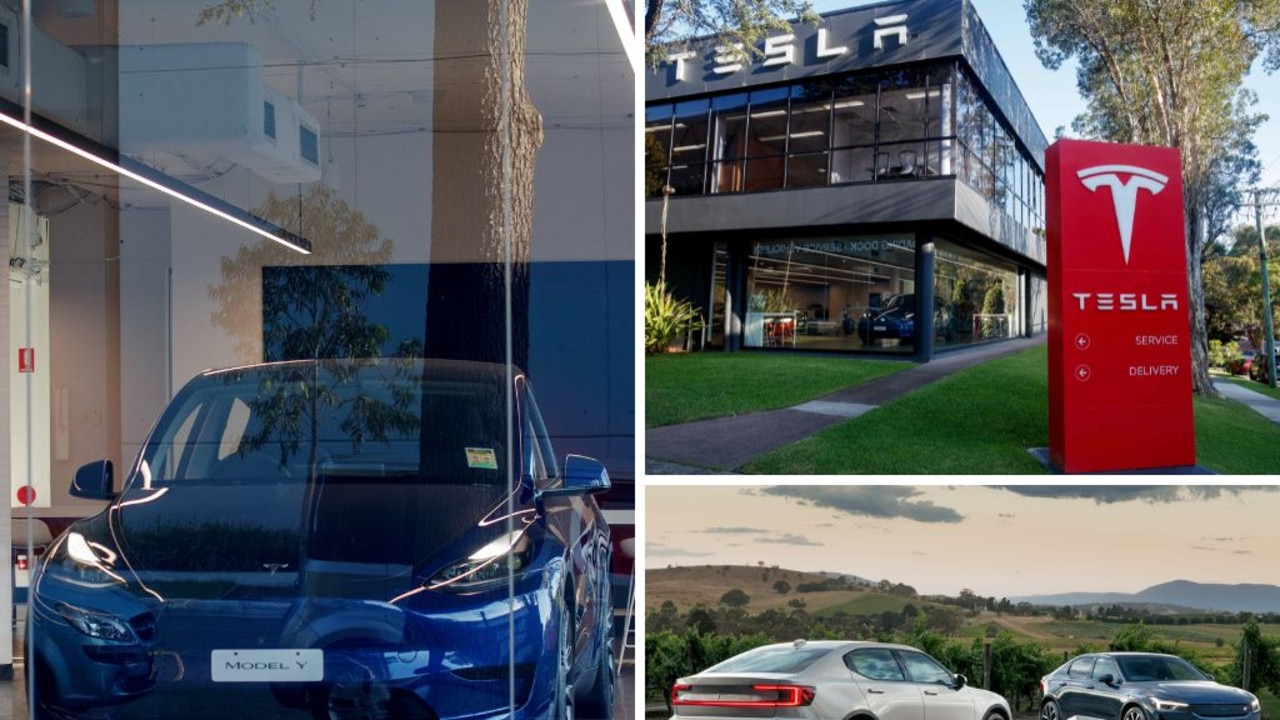
    In a landmark achievement for sustainable logistics, an all-electric prime mover has successfully completed Australia’s first end-to-end zero-emission freight delivery, covering 460 kilometers between Sydney and Canberra on a single charge. This milestone comes at a critical time as the nation grapples with fuel security concerns and supply chain vulnerabilities.

    The revolutionary journey, orchestrated by New Energy Transport (NET), involved transporting sustainable products from Who Gives a Crap’s warehouse to multiple delivery points in the capital. The electric prime mover completed the main leg of the transport 25 minutes faster than conventional diesel trucks, after which a fleet of fully electric ANC delivery vans distributed the goods throughout Canberra.

    NET co-CEO Daniel Bleakley heralded the achievement as transformative for Australian road freight, stating that electric heavy trucks not only offer operational advantages but also liberate Australia from volatile global oil markets. ‘They unshackle Australia from volatile global oil markets, dramatically strengthening our supply chain resistance,’ Bleakley emphasized.

    The accomplishment demonstrates tangible progress in decarbonizing Australia’s transport sector, which remains heavily dependent on diesel. Industry leaders are now calling for coordinated action from major transport buyers and government entities to accelerate the transition. Bleakley urged supermarket chains and other major freight users to embrace electric solutions, while advocating for government co-investment in charging infrastructure and targeted subsidies.

    ANC CEO Joe Sofra expressed pride in the partnership, noting the initiative proves the viability of zero-emissions transport while enhancing energy resilience amid ongoing fuel volatility. Meanwhile, Smart Energy Council CEO Josh Grimes highlighted the national security implications, stating that ‘Australia runs on road freight, so if diesel stops, we stop and starve.’

    NET is already expanding its electric fleet, with plans to establish a trucking depot near Wilton in southwest Sydney that will station up to 50 electric prime movers to service freight corridors between Sydney, Wollongong, and Canberra.

  • Better business environment, services for foreign enterprises in Hainan

    Better business environment, services for foreign enterprises in Hainan

    Hainan Province is intensifying efforts to cultivate a world-class business environment through systemic reforms under its distinctive ‘one core, four pillars’ development framework. The tropical island province has made substantial progress in enhancing public service efficiency and institutional mechanisms, generating increased confidence among international enterprises investing in the region.

    The establishment of sophisticated response mechanisms for enterprise concerns, coupled with the upgraded International Services portal, demonstrates Hainan’s commitment to creating a more transparent, efficient, and predictable operational environment. These initiatives significantly streamline information access and service delivery for foreign-invested companies and expatriate professionals navigating opportunities within the Hainan Free Trade Port.

    Businesses operating in Hainan report a growing sense of achievement and convenience, attributing their expanded confidence to the province’s continuous improvements in administrative services and regulatory frameworks. The comprehensive approach to business environment optimization spans multiple dimensions including market access, licensing procedures, cross-border trade facilitation, and after-care services for established enterprises.

    The developments form part of Hainan’s broader strategy to position itself as a premier destination for international investment and trade, leveraging its free trade port status to create an ecosystem conducive to business growth and global connectivity. The province’s systematic approach to addressing enterprise needs reflects China’s continuing efforts to enhance foreign investment conditions through concrete institutional improvements rather than merely policy announcements.

  • Nestlé says 413,793 KitKat candy bars stolen en route from Italy to Poland

    Nestlé says 413,793 KitKat candy bars stolen en route from Italy to Poland

    In a significant cargo theft incident, Swiss multinational Nestlé has reported the disappearance of approximately 12 tons of KitKat chocolate bars during transit from its Italian production facility to distribution centers in Poland. The massive shipment, equivalent to 413,793 individual candy bars, vanished last week while traveling between manufacturing and distribution locations intended to supply markets across Europe.

    The Vevey-based corporation confirmed through an official statement that both the transport vehicle and its sweet cargo remain missing despite ongoing investigations. The company expressed concern that the stolen confectionery might surface through unauthorized sales channels within European markets.

    Nestlé has implemented sophisticated tracking measures to address potential illicit distribution. Each chocolate bar carries a unique batch code enabling comprehensive traceability. According to KitKat representatives, consumers, retailers, and wholesalers can identify stolen products by scanning on-pack batch numbers. The scanning system provides clear instructions for reporting matched items directly to the company, facilitating evidence collection.

    In an unusual corporate response, KitKat’s statement acknowledged the criminals’ ‘exceptional taste’ while emphasizing the serious nature of cargo theft as an escalating threat to businesses across sectors. The company deliberately publicized the incident to raise awareness about increasingly sophisticated theft schemes becoming prevalent in logistics operations.

    This substantial chocolate heist highlights growing security challenges within European supply chains, demonstrating how organized criminal groups target high-value consumer goods during transportation.

  • Bank of America to pay out $72.5m over Epstein lawsuit

    Bank of America to pay out $72.5m over Epstein lawsuit

    Bank of America has agreed to a $72.5 million settlement in a high-profile class-action lawsuit alleging the financial institution facilitated Jeffrey Epstein’s sex trafficking operations. The resolution, filed in New York federal court on Friday, awaits final judicial approval.

    The legal action was initiated in October by an anonymous Florida woman identified as ‘Jane Doe,’ who claimed Epstein abused her ‘on at least 100 occasions’ between 2011 and 2019. The plaintiff maintained two Bank of America accounts under the direction of Epstein’s business associates, which allegedly displayed ‘incredibly alarming and erratic banking behavior.’

    Court documents reveal the lawsuit accused Bank of America of possessing ‘a plethora of information regarding Epstein’s sex trafficking operation but chose profit over protecting the victims.’ The banking giant had previously moved to dismiss the case, characterizing the allegations as ‘threadbare and meritless’ and maintaining it provided routine services to clients without known Epstein connections.

    In an official statement Saturday, Bank of America clarified the settlement represents ‘no admission of liability’ or ‘wrongdoing,’ adding that the resolution ‘allows us to put this matter behind us and provides further closure for the plaintiffs.’

    The case marks the third major financial settlement in the Epstein scandal, following JP Morgan Chase’s $290 million and Deutsche Bank’s $75 million agreements. Notably, the lawsuit referenced over $150 million in payments made to Epstein by billionaire Leon Black, co-founder of Apollo Global, for purported ‘tax and estate planning advice’ through Black’s Bank of America account. Black, who resigned from Apollo amid scrutiny of his Epstein connections, has denied any wrongdoing.

    Sigrid McCawley, legal representative for the victims, characterized the settlement as ‘one more step on the road to much deserved justice.’ The plaintiff described Epstein’s August 2019 jail death—ruled a suicide—as her ‘ultimate escape.’