分类: business

  • Hydropower deal boosts grid integration in ASEAN

    Hydropower deal boosts grid integration in ASEAN

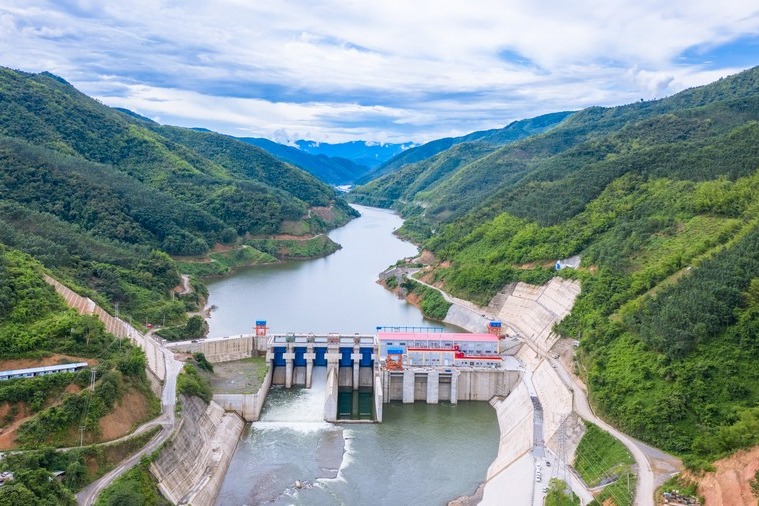
    Southeast Asian nations are advancing regional energy integration through a renewed multilateral agreement facilitating hydropower transmission from Laos to Singapore via Thailand and Malaysia. The landmark deal, signed on January 14, represents a strategic step in the Association of Southeast Asian Nations’ (ASEAN) broader initiative to create an interconnected power framework across the region.

    While the initial capacity of 100 megawatts may appear modest, energy experts emphasize the arrangement’s significance lies in establishing a replicable commercial model rather than immediate volume. Christina Ng, Managing Director at the Energy Shift Institute, described the capacity as ‘inconsequential’ but highlighted the framework’s importance: ‘It’s what ASEAN needs right now—a repeatable, bankable commercial framework that markets can scale.’

    The agreement forms part of the ASEAN Power Grid (APG) initiative, first conceptualized through a 2007 memorandum of understanding and implemented in 2009. The Laos-Thailand-Malaysia-Singapore Power Integration Project, operational since 2018, represents the first multilateral cross-border electricity trade project within ASEAN. The current renewal follows successful pilot operations from 2022 to 2024 where Laos transmitted hydropower to Singapore using existing interconnections, with Thailand and Malaysia serving as transmission intermediaries.

    Energy security experts note that cross-border renewable energy trade offers ASEAN nations a strategic tool to diversify energy risks without increasing dependence on volatile fossil fuels. ‘Energy security today is less about ‘owning fuel’,’ Ng explained. ‘It’s more about managing exposure to concentrated risks’—particularly relevant as geopolitical tensions threaten traditional shipping routes and fuel costs.

    According to Dinita Setyawati, Senior Analyst at global energy policy think tank Ember, the collaboration demonstrates ASEAN countries prioritizing economic growth and decarbonization goals over political differences. The region’s energy ministers reinforced this commitment in October 2025 by signing an enhanced memorandum understanding to strengthen electricity connectivity through multilateral power trade and renewable integration.

    Implementation challenges remain, however. David Broadstock, partner at Singapore-based consultancy The Lantau Group, noted that incomplete power grid infrastructure hinders regional connectivity, while Ng highlighted interoperability issues across eleven nations with differing technical standards. For land-constrained Singapore, which lacks sufficient wind resources, hydropower potential, and space for large-scale solar development, such cross-border arrangements represent essential pathways toward renewable energy adoption and energy security.
  • ASX 200 drops for third day as US trade fears rattle market, gold trumps global uncertainty

    ASX 200 drops for third day as US trade fears rattle market, gold trumps global uncertainty

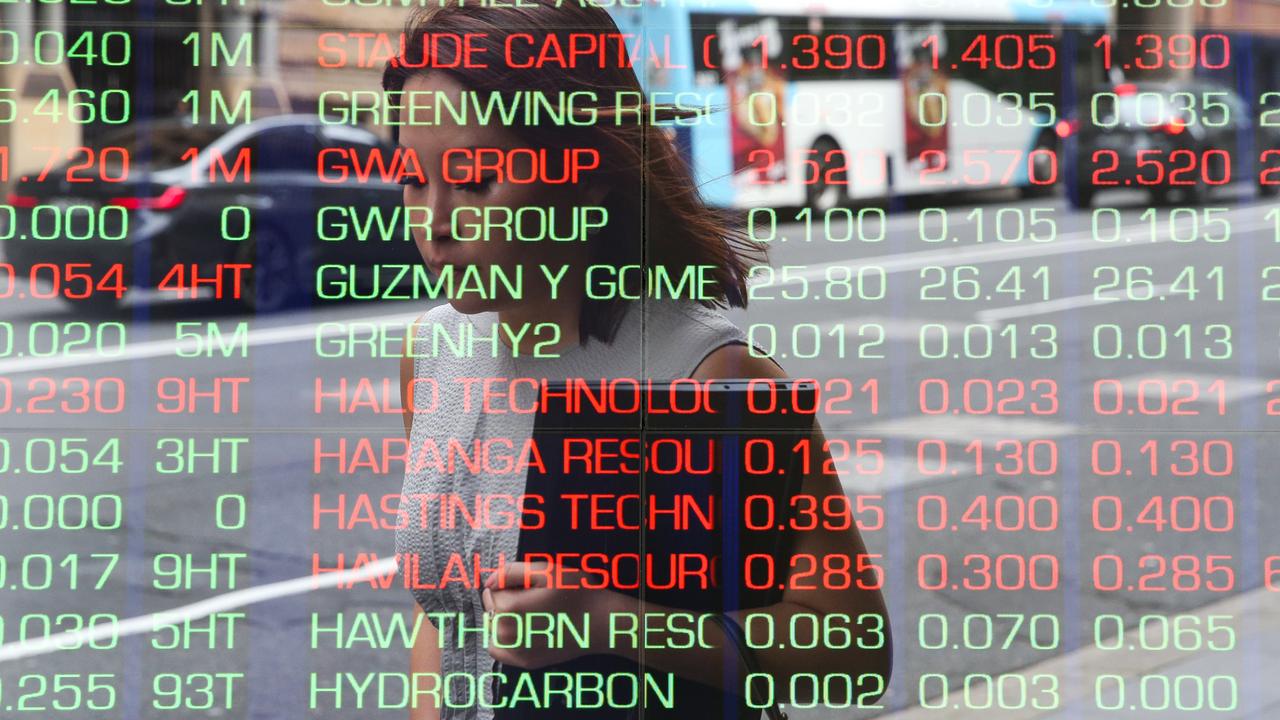
    Australia’s financial markets recorded a third consecutive day of declines as escalating trade disputes between the United States and Europe continued to dampen investor sentiment. The benchmark ASX 200 index fell 0.37 percent to close at 8782.90 points, while the broader All Ordinaries index dropped 0.33 percent to settle at 9108.6.

    The market downturn mirrored substantial losses on Wall Street, triggered by renewed geopolitical tensions surrounding U.S. trade policies toward Greenland. Market analysts attributed the sustained decline to growing concerns about potential disruptions to global trade frameworks and supply chains.

    Amid the market volatility, gold continued its remarkable ascent, climbing 0.02 percent to reach $4,857 per ounce and positioning itself for a potential breakthrough of the $5,000 psychological barrier. The precious metal’s persistent strength reflects its status as a traditional safe-haven asset during periods of economic uncertainty.

    Sector performance revealed a mixed landscape, with eight of eleven industry categories finishing in negative territory. Information technology and consumer discretionary sectors experienced the most significant declines, dropping 2.5 percent and 2.14 percent respectively. Conversely, materials sector stocks continued their strong performance with a 2.5 percent gain, while utilities and energy sectors also closed positively.

    Individual stock movements highlighted the day’s volatility. Emerald Resources NL led gainers with a 13.2 percent surge to $7.96, followed closely by Paladin Energy’s 13.1 percent rise to $13.17. Westgold Resources also posted substantial gains, climbing 9.6 percent to $7.53. Conversely, Droneshield shares plummeted 8.86 percent to $4.32, marking the session’s sharpest decline.

    Australia’s banking sector faced broad pressure, with all four major banks closing lower. ANZ and Commonwealth Bank both fell more than 2 percent, while NAB declined 1.62 percent and Westpac dropped 1.24 percent. Mining giant BHP bucked the trend, advancing 1.46 percent to $48.48.

    The Australian dollar showed resilience amid the equity market turbulence, trading at 67.52 U.S. cents with analysts suggesting potential movement toward 69 cents if current trends persist.

    Market participants now await key developments including former President Trump’s scheduled address at Davos and an emergency EU summit in Brussels, both of which could provide clarity on the direction of international trade relations.

  • Wall Street holds steadier after Trump says he won’t use force to take Greenland

    Wall Street holds steadier after Trump says he won’t use force to take Greenland

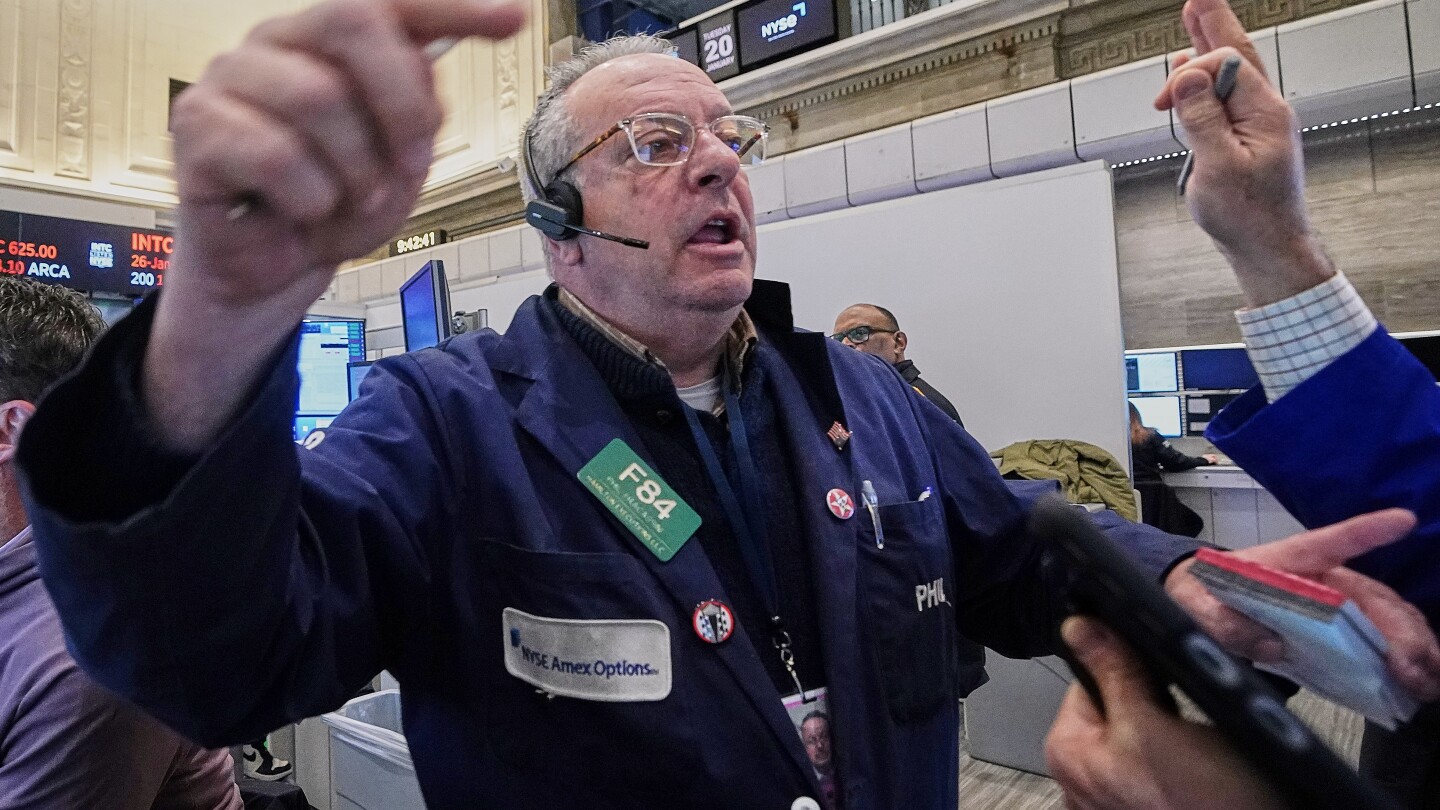
    Wall Street exhibited tentative stabilization on Wednesday as investor nerves settled following President Trump’s clarification that he would not employ military force to acquire Greenland. This statement helped the market recoup a fraction of the substantial losses incurred during the previous session’s sell-off, which was triggered by the geopolitical uncertainty surrounding the proposal.

    The S&P 500 index advanced 0.3%, edging closer to its recent all-time peak after a 2.1% plunge on Tuesday. The Dow Jones Industrial Average climbed 200 points (0.4%), while the Nasdaq composite registered a more modest 0.1% gain. The calming of tensions was also reflected in the bond market, where the yield on the 10-year Treasury note retreated slightly to 4.28% from 4.30%.

    Corporate earnings emerged as a primary market driver, providing pockets of strength. Halliburton surged 3.6% after the oilfield services giant delivered quarterly profits that surpassed analyst expectations. United Airlines ascended 3.5% following a similarly robust earnings report and optimistic revenue guidance from CEO Scott Kirby for 2026.

    However, not all corporate news was positive. Netflix shares tumbled 4.8% as investor focus shifted from its profit beat to concerns over decelerating subscriber growth. Kraft Heinz faced even steeper losses, plummeting 6.6% after Berkshire Hathaway signaled a potential divestiture of its massive 325-million-share stake, a move compounded by recent board resignations and a major write-down.

    Underlying anxieties persisted, evidenced by a 1.9% rally in gold, which breached $4,800 per ounce for the first time. Market participants continued to monitor the implications of proposed 10% tariffs on several European nations and evolving fiscal policies in Japan, where Prime Minister Sanae Takaichi’s snap election call sent government bond yields to record levels amid expectations for expansive tax cuts and spending.

  • NRIs in UAE: Can I buy property on behalf of a friend in India?

    NRIs in UAE: Can I buy property on behalf of a friend in India?

    Legal authorities are issuing stern warnings to non-resident Indians in the UAE regarding property transactions involving resident Indian friends. Recent advisory highlights significant legal risks when NRIs make property payments on behalf of residents in India, contrary to foreign exchange regulations.

    The Reserve Bank of India’s Liberalised Remittance Scheme permits resident Indians to remit up to $250,000 annually for specified transactions, including overseas property acquisitions. However, when non-resident Indians or foreign citizens make payments on behalf of resident Indians, this constitutes a violation of Section 3(a) of the Foreign Exchange Management Act (FEMA).

    The Enforcement Directorate has demonstrated increased vigilance in investigating such cases, treating them as serious contraventions of exchange control regulations. Offenses under FEMA are compoundable but involve substantial financial penalties for the resident Indian beneficiary, who becomes subject to comprehensive investigation procedures.

    Concurrently, India has implemented sweeping labor reforms through four consolidated labor codes that replace century-old regulations. The new framework expands wage definitions, enhances social security coverage for unorganized workers, and establishes minimum wage protections across all employment categories. The reforms specifically address gender-based wage discrimination and extend benefits to gig economy workers and contract employees.

    Despite global automotive industry challenges, Indian automobile exports demonstrated remarkable resilience with 858,000 vehicles exported in 2025—a 15% increase from previous years. Manufacturing giants including Maruti Suzuki, Hyundai, and Kia have expanded their global footprint across African, South American, and developed markets, with India emerging as a strategic export hub for new electric vehicle models.

    Legal experts emphasize that cross-border financial assistance for property purchases, while well-intentioned, exposes both parties to significant regulatory consequences and recommend strict adherence to authorized banking channels for all international remittances.

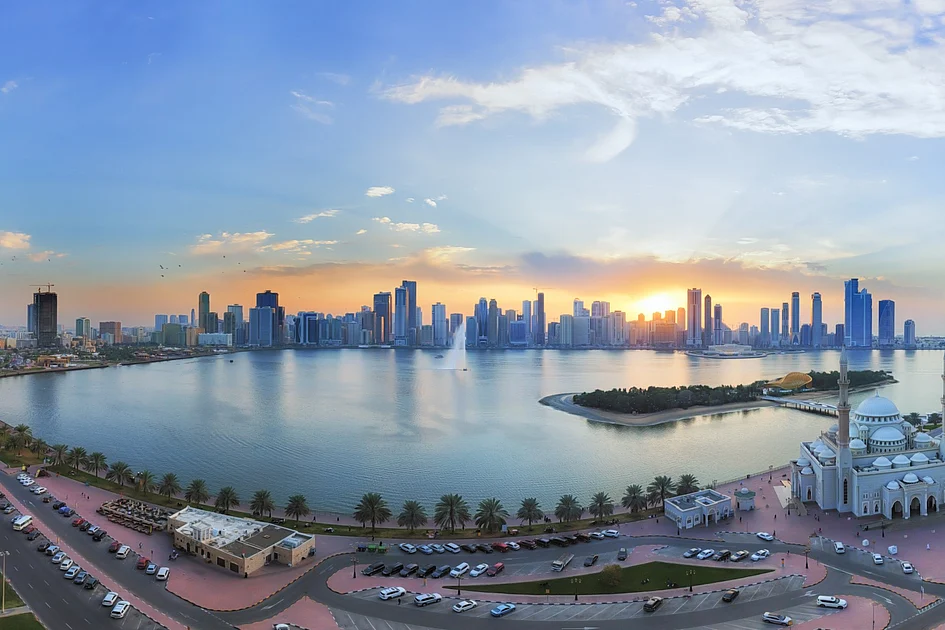
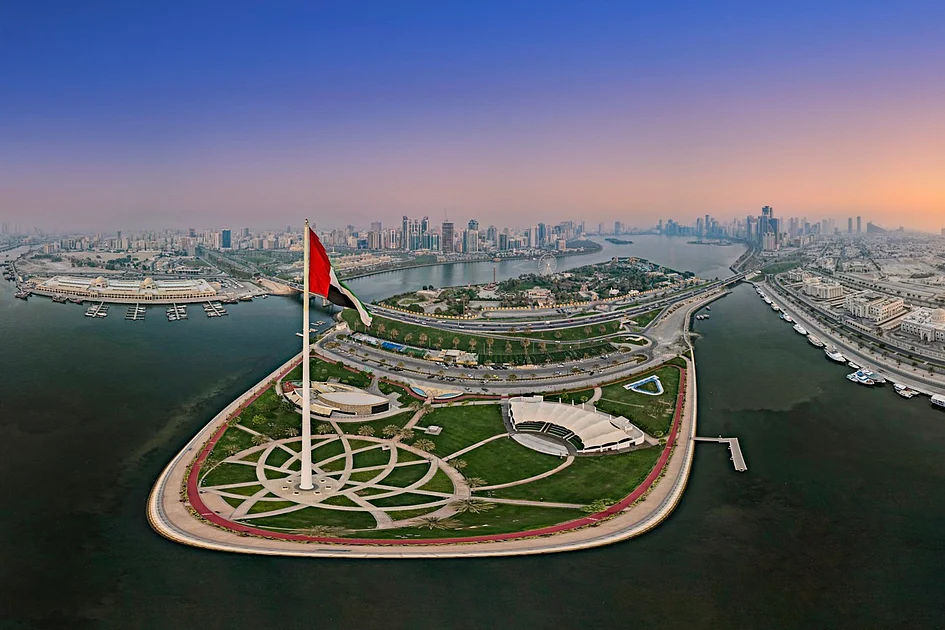
  • Sharjah real estate records highest trading value in its history with Dh65.6 billion in 2025

    Sharjah real estate records highest trading value in its history with Dh65.6 billion in 2025

    Sharjah’s property market has achieved an unprecedented milestone, recording its highest-ever annual trading value of Dh65.6 billion in 2025. This remarkable performance represents a substantial 64.3 percent surge from the Dh40 billion recorded in 2024, signaling exceptional market vitality and growing investor confidence in the emirate’s stable investment landscape.

    The market demonstrated robust activity across multiple metrics, with total real estate transactions climbing to 132,659—a 26.3 percent annual increase. Sales transactions specifically witnessed extraordinary growth, reaching 33,580 transactions with a 38.4 percent expansion rate. This surge was propelled by heightened demand for residential properties for both end-use and investment purposes, supported by attractive rental yields, price stability, and diverse real estate projects offering flexible financing options.

    Mortgage activity similarly experienced significant growth, with total mortgage values reaching Dh15.5 billion through 6,300 transactions—a 45.1 percent increase from the previous year. The market’s international appeal broadened substantially, with investors from 129 nationalities participating in Sharjah’s real estate sector, compared to 120 in 2024. Properties traded by international investors jumped to 60,322 from 45,676, reflecting the market’s expanding global footprint.

    According to Abdulaziz Ahmed Al-Shamsi, Director General of the Sharjah Real Estate Registration Department, this historic achievement stems from strategic leadership vision and long-term planning that has established an integrated real estate ecosystem. ‘These results demonstrate the maturity and efficiency of Sharjah’s real estate system,’ Al-Shamsi noted, ‘reaffirming its capacity to attract high-value, long-term investments within a framework distinguished by transparency, advanced infrastructure, and quality living standards.’

    Transaction analysis revealed Emirati investors accounted for approximately Dh33.8 billion of total value across 41,066 properties. GCC nationals (excluding Emiratis) invested Dh3.4 billion in 2,055 properties, while Arab nationals contributed Dh9.8 billion through 8,663 properties. Other international investors represented Dh18.5 billion across 8,538 properties, highlighting the market’s diverse investment base.

    Documentation processes showed consistent growth across categories: ownership certificate transactions increased 17.6 percent to 47,453, title deed transactions grew 29.7 percent to 46,131, initial sales contracts surged 41.2 percent to 14,472, and valuation transactions expanded 35.8 percent to 3,696. These figures collectively underscore the comprehensive strength and accelerating momentum of Sharjah’s real estate sector throughout 2025.

  • Beauty brands find fertile ground for expansion in the Middle East

    Beauty brands find fertile ground for expansion in the Middle East

    The Middle East’s beauty sector is rapidly transforming into one of the world’s most influential markets, creating unprecedented expansion opportunities for professional haircare brands. According to industry insights from leading brand It’s a 10, the region demonstrates remarkable resilience and dynamic growth driven by increasingly discerning consumers who prioritize premium, salon-quality products.

    Market analysis reveals two significant consumer behavior shifts gaining momentum across the region: a heightened demand for ingredient transparency and a growing emphasis on scalp health as the foundation of overall hair wellness. These evolving preferences are reshaping product development and marketing strategies throughout the GCC nations.

    The professional salon segment remains the cornerstone of market penetration strategies, with hairdressers continuing to serve as crucial brand ambassadors. This channel’s importance is particularly pronounced in the Middle East, where consumers exhibit strong financial readiness to invest in high-performance beauty solutions.

    Distribution partnerships are proving vital to successful market expansion. The Nazih Group, It’s a 10’s regional distributor for the past five years, exemplifies the critical role local partners play in navigating import regulations, compliance requirements, and logistical challenges while simultaneously building brand presence.

    Looking toward 2026, major beauty brands are preparing significant market investments including expansion into all Ulta stores scheduled to open across the GCC. The upcoming year will also see the introduction of two new brands—FAST Haircare and Rewind It 10—specifically designed to address regional consumer needs while maintaining global quality standards.

    Brands are balancing international consistency with local relevance by maintaining uncompromising product quality while developing tailored marketing approaches and region-specific messaging that resonates with Middle Eastern professionals and consumers alike.

  • CE Ventures backs $55 million Series A funding of US biotech pioneer, Think Bioscience

    CE Ventures backs $55 million Series A funding of US biotech pioneer, Think Bioscience

    In a significant move for the biotechnology sector, UAE-based CE Ventures has announced its participation in a $55 million Series A funding round for Colorado-based Think Bioscience. The investment round, notably oversubscribed, was spearheaded by Regeneron Ventures, Innovation Endeavors, and Janus Henderson Investors.

    Think Bioscience is pioneering a revolutionary synthetic biology platform designed to tackle one of medicine’s most persistent challenges: so-called ‘undruggable’ protein targets. The company’s innovative approach identifies previously hidden binding sites on proteins, enabling the development of small-molecule therapeutics for conditions that have long eluded conventional treatment modalities.

    The company’s lead program addresses Noonan syndrome, a genetic disorder affecting approximately 1 in 2,500 births worldwide. This condition presents serious cardiac and lymphatic complications, cognitive impairment, chronic pain, and short stature. Currently, no approved therapies target the underlying biology of this syndrome, representing a significant unmet medical need.

    Tushar Singhvi, Deputy CEO and Head of Investments at Crescent Enterprises, expressed strong conviction in the investment: ‘Think Bioscience is building a differentiated platform at the frontier of synthetic biology and drug discovery, with the potential to expand what is pharmaceutically possible for patients with high unmet need.’

    Dr. Jerome Fox, co-founder and CEO of Think Bioscience, emphasized the transformative potential of their work: ‘Our lead programme has the potential to give a broad set of Noonan patients a normal life. We are grateful to our investors for supporting our vision to develop life-changing therapies.’

    The funding will accelerate the advancement of Think Bio’s internal pipeline of first-in-class small molecule programs while further developing their proprietary discovery platform. This investment aligns with CE-Ventures’ strategy of backing R&D-intensive, asset-light business models in deep-tech and biotech sectors with global competitive potential.

    Dr. Damir Illich, Manager of Life Sciences at CE-Ventures, who will join Think Bio’s board as an observer, noted: ‘Think Bioscience is addressing one of drug discovery’s most critical bottlenecks by enabling small-molecule drugs against historically undruggable targets.’

    The announcement comes as CE-Ventures prepares to host ‘The Microbiome Revolution’ on February 5, 2026, in Dubai, bringing together global experts to explore the growing human microbiome market, projected to exceed $4 billion by 2030.

  • Ajman Bank welcomes new employees as part of Emiratisation and talent development journey

    Ajman Bank welcomes new employees as part of Emiratisation and talent development journey

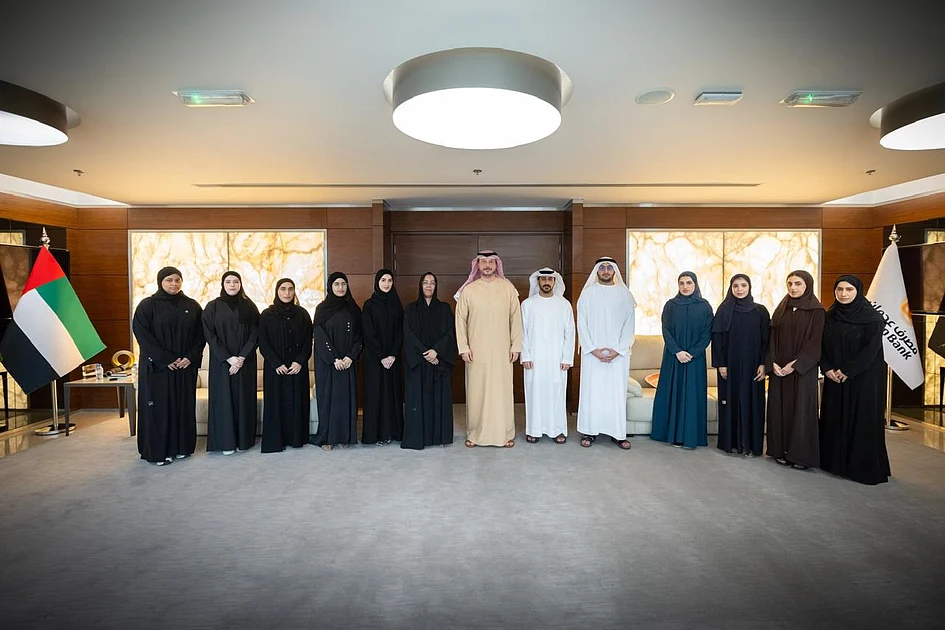
    Ajman Bank has inaugurated a new cohort of Emirati professionals through its comprehensive ETHRAA development framework, marking a significant advancement in its nationalization strategy. The initiative represents a strategic commitment to cultivating homegrown talent within the UAE’s financial services industry.

    The bank’s leadership emphasizes that human capital development serves as a fundamental pillar for institutional resilience and sustainable growth. Chief Executive Officer Mustafa Al Khalfawi stated: ‘Our deliberate focus on Emiratization enables us to build critical capabilities, leadership depth, and organizational continuity. This investment in national talent aligns perfectly with our governance framework and core values, ultimately enhancing our capacity to deliver long-term value to the communities we serve.’

    The newly recruited employees will undergo an intensive week-long orientation program developed in partnership with the Emirates Finance Institute. This curriculum transcends conventional onboarding by incorporating executive-led sessions, structured learning across essential banking disciplines, and immersion into the bank’s Islamic finance principles and operational methodologies.

    Chief Human Resources Officer Hend Ismail Al Ali elaborated on the program’s design: ‘ETHRAA establishes a sustainable ecosystem for empowering UAE Nationals through clear professional development pathways. This initiative supports both the evolving requirements of the banking sector and the nation’s broader objective of building a knowledge-based economy driven by national capabilities.’

    The program’s distinctive feature involves active participation from the Executive Committee members, who serve as presenters and mentors to reinforce institutional alignment and cultural values. This leadership engagement ensures early exposure to decision-making principles and performance expectations, fostering accountability and organizational belonging from the outset.

    Ajman Bank’s systematic approach to talent development recently garnered recognition when the institution secured first place in the Medium-sized Entities category at the prestigious Nafis Awards. The ETHRAA program continues to serve as a persistent catalyst within the bank’s talent ecosystem, integrating skills-based development, mentorship, and strategic exposure to prepare Emirati professionals for leadership positions across the organization.

  • Trade leaders stay bullish on 2026 despite rising barriers

    Trade leaders stay bullish on 2026 despite rising barriers

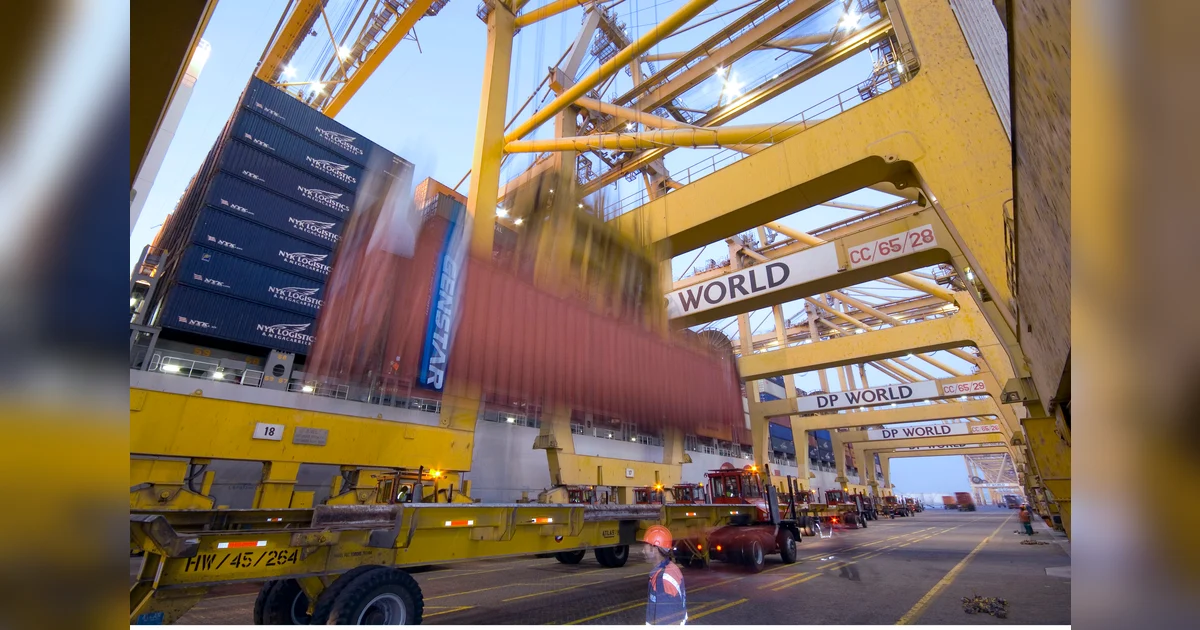
    Despite mounting geopolitical tensions and policy uncertainties, global trade leaders are demonstrating remarkable optimism for 2026, with 94% of senior supply chain executives anticipating growth rates that will match or surpass 2025 levels. This confident outlook emerges from DP World’s comprehensive Global Trade Observatory Annual Outlook, presented during the World Economic Forum in Davos, which surveyed 3,500 executives across 19 countries and eight industries.

    The research reveals a striking divergence between corporate sentiment and institutional projections. While the International Monetary Fund forecasts a decline in global merchandise trade growth from 3.6% in 2025 to 2.3% in 2026, more than half (54%) of business leaders actually expect accelerated expansion. This optimism persists despite widespread recognition of challenges: 90% anticipate rising or sustained trade barriers, and 53% predict high policy uncertainty throughout 2026.

    Sultan Ahmed bin Sulayem, Group Chairman and CEO of DP World, characterized the trading environment as structurally complex rather than cyclical. He emphasized the company’s commitment to maintaining trade flow through strategic infrastructure investments and partnership development that enhance operational efficiency and reliability for customers.

    Regional analysis identifies Europe as the most promising growth area (22% of respondents), followed closely by China (17%), with Asia Pacific (14%) and North America (13%) also generating significant confidence. This regional optimism stems from anticipated European demand stabilization, China’s export resurgence in electric vehicles and renewable energy equipment, and expanding intra-Asian supply chains.

    The United Arab Emirates is emerging as a primary beneficiary of global trade realignment, with WTO projections indicating Middle Eastern outperformance in merchandise trade growth. UAE government data shows non-oil foreign trade exceeding Dh4.3 trillion in 2024, representing 14% year-on-year growth, fueled by comprehensive economic partnership agreements with over 20 nations and deepening integration with Asian and African markets.

    Corporate adaptation strategies are accelerating dramatically, with 51% of firms planning supplier diversification, 44% increasing inventory buffers, and 36% adopting friend-shoring approaches that prioritize politically aligned markets. UNCTAD estimates indicate more than $1.3 trillion in manufacturing investment announced globally since 2022 under supply chain reconfiguration programs.

    Route flexibility has become central to trade strategy, with 26% of executives planning new shipping routes in 2026 and another 23% actively evaluating alternatives. This shift is driven by cost reduction objectives, enhanced inland connectivity, and faster customs processing. The expansion of Asia-Europe overland corridors, Middle Eastern logistics hubs, and Africa-linked maritime routes reflects a strategic reduction in dependency on traditional maritime chokepoints.

    Border friction remains a critical constraint, with 60% of executives citing customs clearance as a primary cause of delays. Investments in warehousing, logistics hubs, road networks, and border processing infrastructure are prioritized as essential efficiency drivers. World Bank research indicates that reducing border processing time by just one day can increase trade volumes by up to 1%, strengthening the economic rationale for digital customs platforms and integrated clearance systems.

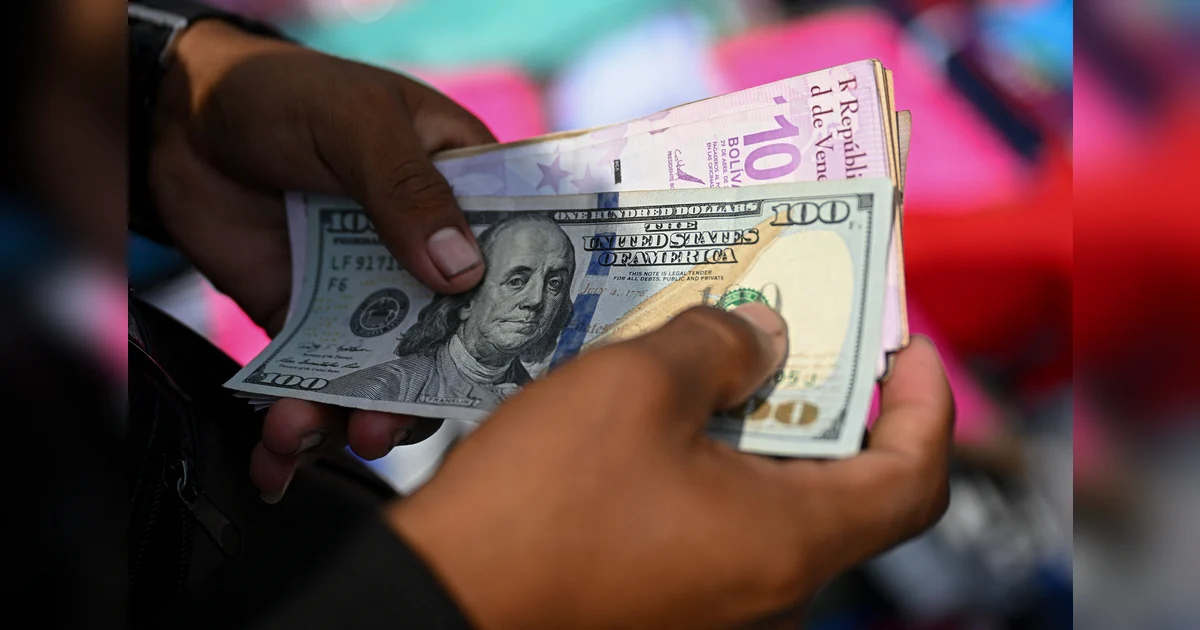
  • Dollar tumbles as investors reignite ‘Sell America’ trade

    Dollar tumbles as investors reignite ‘Sell America’ trade

    A dramatic selloff in U.S. dollar assets swept through global markets on Tuesday, January 20, 2026, as geopolitical tensions over Greenland sparked the most significant single-day dollar decline in over a month. The currency’s sharp downturn reverberated across multiple asset classes, highlighting renewed investor anxiety about American economic policy direction.

    The U.S. Dollar Index plummeted by 0.7%, representing its most substantial daily drop since mid-December. This decline was primarily triggered by the White House’s renewed threats toward European allies regarding Greenland’s future status, which simultaneously pressured U.S. stocks and government bonds while boosting the euro and British pound.

    Market analysts identified this movement as a resurgence of the ‘Sell America’ trade pattern that initially emerged following last April’s ‘Liberation Day’ tariff announcements. Tony Sycamore, market analyst at IG in Sydney, noted that investors are rapidly divesting from dollar-denominated assets due to ‘fears of prolonged uncertainty, strained alliances, and potential acceleration of de-dollarization trends.’

    The euro surged 0.8% to $1.1742, marking its strongest daily performance since September, while the pound gained 0.24% to trade at $1.346. Sterling received additional support from UK labor market data showing unemployment holding at a five-year high but with stabilizing vacancy numbers.

    Currency markets exhibited broad-based movements beyond major pairs. The Japanese yen recovered from overnight losses as European trading commenced, with the dollar declining 0.3% to 157.68 yen amid political uncertainty following Prime Minister Sanae Takaichi’s call for snap elections on February 8. The Swiss franc, traditionally a safe-haven asset, strengthened for a third consecutive day, pushing the dollar down 1.1% to 0.7885 francs.

    In Asian markets, the offshore Chinese yuan held steady at 6.952 per dollar, its weakest level since May 2023, following the People’s Bank of China’s decision to maintain benchmark lending rates unchanged for an eighth consecutive month. The Australian dollar advanced 0.48% to $0.675, approaching its strongest position since October 2024, while the New Zealand dollar climbed 0.77% to $0.584, reaching its highest level this year.

    Cryptocurrencies mirrored the traditional market turbulence, with Bitcoin falling 2% to $91,090 and Ether declining 3.3% to $3,104.

    Despite the dramatic market movements, some analysts suggested the ‘Sell America’ effect might prove temporary. Barclays strategist Lefteris Farmakis observed that ‘tariff threats are a marginal negative for the dollar in the near-term given long positions and still-low hedge ratios from a historical perspective,’ while cautioning that major escalation with NATO implications would present more significant challenges for the euro.