分类: business

  • ASX suffers worst month since 2022 despite late Trump-inspired rally

    ASX suffers worst month since 2022 despite late Trump-inspired rally

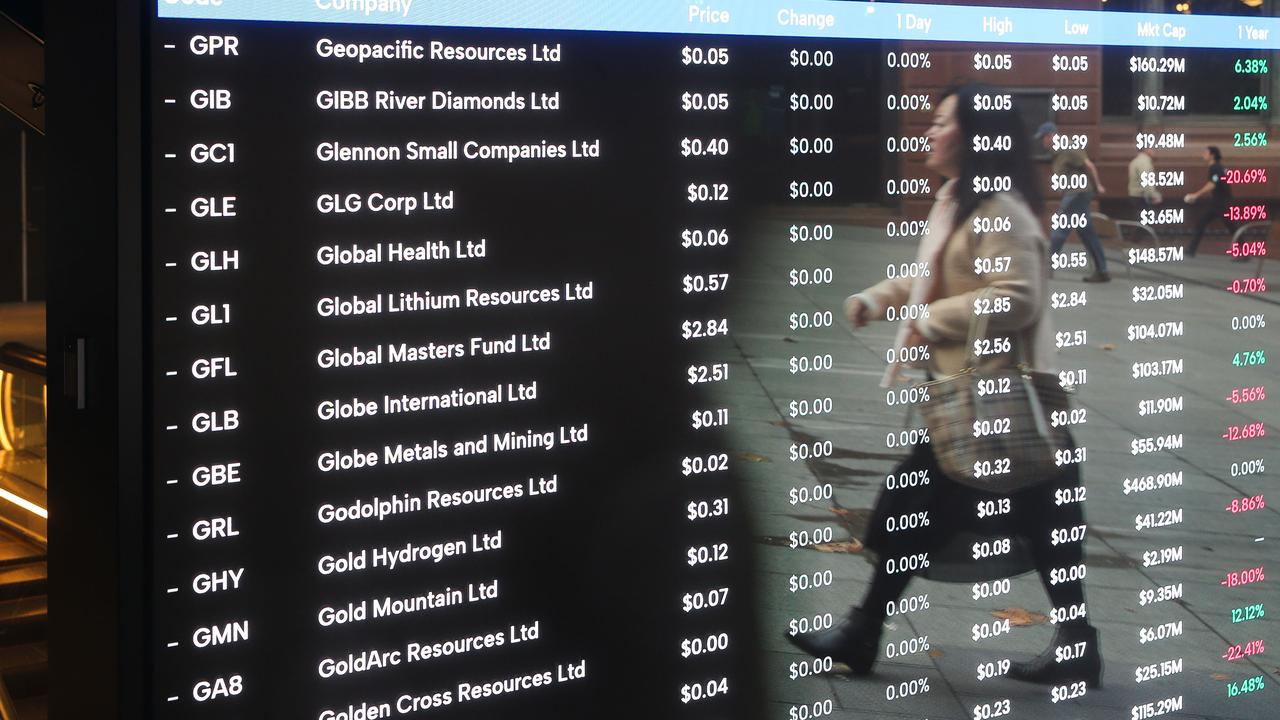
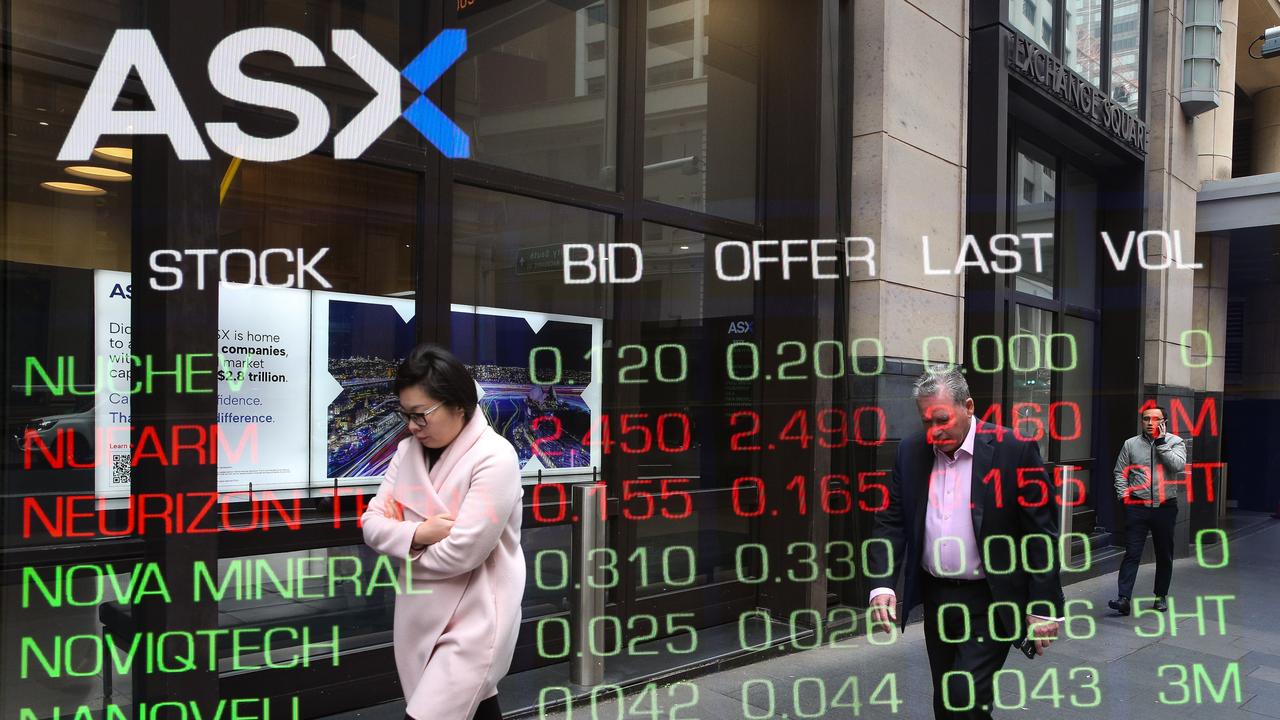
    Australia’s financial markets experienced their most severe monthly downturn in four years during March, with the benchmark ASX 200 plummeting 7.9% amid mounting concerns over potential interest rate increases. Despite a modest recovery rally on Tuesday that saw the index gain 20.80 points (0.25%) to close at 8481.80, the market registered its most substantial monthly decline since June 2022.

    The partial market recovery emerged following reports that former US President Donald Trump had indicated willingness to de-escalate military operations against Iran, even if the strategic Strait of Hormuz remains partially closed. This geopolitical development triggered a significant drop in oil prices, which fell over $4 to approximately $107 per barrel.

    Market analysts highlighted concerning concentration risks within the Australian equities landscape. Arian Neiron, CEO and Managing Director of VanEck, noted that “a relatively small group of large companies can do an outsized amount of damage when sentiment turns,” particularly evident during the recent sell-off linked to Middle Eastern tensions.

    Sector performance revealed mixed results, with eight of eleven sectors finishing higher. Information technology led the gains, followed by telecommunications and consumer discretionary stocks. Notable performers included WiseTech Global (+4.08%), Xero (+6.55%), and Technology One Limited (+1.40%).

    The Reserve Bank’s monetary policy minutes introduced additional uncertainty, with officials acknowledging limited predictability regarding future rate movements due to ongoing Middle Eastern conflicts. eToro market analyst Josh Gilbert characterized this admission as “a rare level of frankness from the RBA,” suggesting the central bank is “flying somewhat blind” amid current uncertainties. Markets are currently pricing in three additional rate hikes by year’s end.

    Individual companies faced diverse fortunes: ARN shares plunged 18.97% following legal disputes involving prominent media personality Jackie O, while Koala, an online mattress retailer, enjoyed an 11.80% surge during its ASX debut.

  • Aussie Taco Bell stores thrown lifeline after current owner planned to close stores within weeks

    Aussie Taco Bell stores thrown lifeline after current owner planned to close stores within weeks

    In a significant restructuring of its Australian operations, Taco Bell has received a crucial reprieve from potential market exit through an emergency acquisition deal. Current franchise operator Collins Foods Limited announced plans to transfer 20 of its 27 Australian Taco Bell locations to Restaurant Brands Australia (RBA), an established global partner of parent company Yum! Brands.

    The transition comes as Collins Foods reported declining performance in its Taco Bell portfolio, with earnings decreasing 3% to $23.6 million in the first half of the financial year, yielding only a modest $500,000 profit. The remaining seven underperforming stores will cease operations permanently within weeks, though specific closure locations across NSW, Victoria, Queensland, and Western Australia remain undisclosed.

    Restaurant Brands Australia, which already operates Taco Bell restaurants in New South Wales and international markets, has proposed assuming control under a new partnership agreement. The acquisition is pending formal approval from the Australian Competition and Consumer Commission, with anticipated completion by August 2024.

    Xavier Simonet, Chief Executive Officer of Collins Foods, emphasized the strategic rationale behind the divestment: “This transition enables Collins Foods to concentrate resources on our core KFC business in Australia and Europe, particularly accelerating profitable development in the German market.” Simonet confirmed that all employees at the transitioning locations would receive employment continuity offers from RBA.

    David Mantellini, Taco Bell Australia General Manager, characterized the partnership as a long-term commitment to the Australian market: “We maintain strong belief in this market and anticipate future growth opportunities. This new alliance with RBA reinforces our dedication to expanding Taco Bell’s presence across Australia.”

  • Grim cost of living blow for cash and debit card users

    Grim cost of living blow for cash and debit card users

    The Reserve Bank of Australia has implemented sweeping changes to payment processing regulations that will fundamentally alter how Australians pay for goods and services. In a landmark decision, the RBA has eliminated surcharges across debit, prepaid, and credit card transactions through eftpos, MasterCard, and Visa networks.

    The policy shift requires businesses to incorporate all payment processing costs directly into their sticker prices rather than applying separate surcharges at point of sale. This move comes after extensive review of merchant card payment costs, addressing what the central bank identified as problematic fee structures.

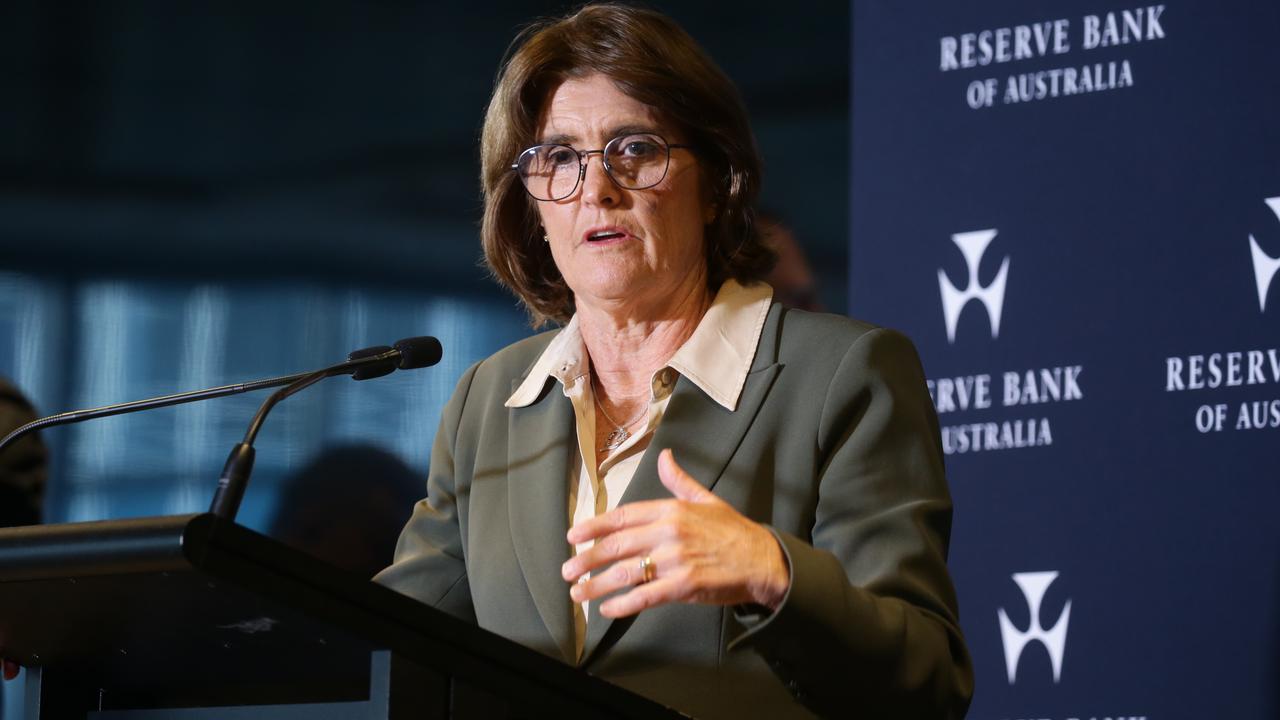
    RBA Governor Michele Bullock announced the changes amid concerns about the approximately $1.6 billion Australians pay annually in surcharges, with businesses additionally paying $200 million to card providers. The reforms aim to create pricing transparency by eliminating separate transaction fees.

    However, consumer advocates warn of unintended consequences. Jason Bryce of Cash Welcome expressed concern that the changes might effectively transfer costs from credit card users to cash and debit card consumers. “I’m concerned cash users are going to end up paying for the frequent flyer points and the benefits that accrue to people using fancy credit cards,” Bryce stated.

    The elimination of visible surcharges removes pricing transparency at point of sale, according to critics. Without clear signage indicating payment method costs, consumers lose the ability to make informed decisions about their payment choices.

    Market research from Canstar indicates that 33% of Australians already actively choose cash payment when faced with surcharges. Sally Tindall, Canstar’s insights director, noted that while the changes will simplify the payment process, they represent a significant shift in cost allocation.

    Payment industry representatives offered mixed perspectives. Visa’s Oceania country manager Alan Machet supported the move toward price transparency but warned that regulatory disparities between payment methods could ultimately increase costs for consumers and businesses alike. Machet emphasized that modern payment systems include valuable services beyond mere transaction processing, including fraud prevention, cybersecurity, and digital capabilities that justify their costs.

  • Brazil’s dual-fuel ethanol fleet stabilizes gasoline prices despite Iran war oil shock

    Brazil’s dual-fuel ethanol fleet stabilizes gasoline prices despite Iran war oil shock

    As geopolitical tensions in the Middle East continue to destabilize global oil markets, Brazil stands uniquely insulated through its pioneering biofuels program that has evolved into a national energy security asset. The country’s extensive fleet of flex-fuel vehicles—capable of running on pure ethanol, gasoline, or any combination—provides both economic and psychological protection against supply disruptions.

    Initiated in 1975 during Brazil’s military dictatorship, the biofuel program has successfully transitioned through democratic eras to create what analysts describe as a “viable alternative” to fossil fuel dependency. This strategic foresight is now drawing international attention, with nations including India and Mexico examining the Brazilian model as a potential blueprint for their own energy security.

    The tangible benefits are evident at the pump: While U.S. gasoline prices surged 30% in March, Brazilian prices increased only 5%. This remarkable stability stems from a mature domestic biofuels industry centered on sugarcane-derived ethanol, which accounts for approximately 37.1 billion liters in annual sales according to state energy research data.

    The timing appears particularly fortuitous as Brazil anticipates a record sugarcane harvest beginning in April, projected to yield 30 billion liters of ethanol—4 billion more than the previous year. “That increase alone is equivalent to the total amount of gasoline Brazil imported in all of last year,” noted Evandro Gussi, president of the Brazilian Sugarcane Industry Association (UNICA).

    Brazil’s biofuel success story is rooted in São Paulo state, the nation’s agricultural and industrial powerhouse, where production ranges from high-tech export-oriented mega-farms to smaller family operations. Years of state-sponsored research have refined the technology, with institutions like the Science Development Center for Ethanol at Unicamp university driving innovation.

    “We have flexibility in ethanol production, in vehicle engines, and from the federal government, which sets the percentage of ethanol in the fuel blend,” explained center coordinator Luis Cortez. “This triple flexibility creates an unmatched adaptive system.”

    However, the biofuel shield has its limitations. Diesel prices surged over 20% in March, prompting President Luiz Inácio Lula da Silva to propose import subsidies through May. Unlike gasoline, diesel contains only 14% biodiesel (primarily soybean-based) and remains heavily dependent on imported crude—with Russia supplying most of the 20-30% monthly import requirement.

    The current crisis has accelerated international interest in Brazil’s model. Mexican President Claudia Sheinbaum has expressed particular interest in Petrobras technology for producing ethanol from agave, a plant abundant in Mexico. As Gussi observed: “The best news is that this solution has significant replicability potential—even amidst global turmoil.”

  • Oil prices hold above $100 and Wall Street rebounds as US exchanges strikes with Iran

    Oil prices hold above $100 and Wall Street rebounds as US exchanges strikes with Iran

    Financial markets exhibited a mixed response Tuesday amid escalating military exchanges between the U.S. and Iran, now entering their fifth week of conflict. Wall Street futures indicated a strong opening rebound with S&P 500 and Dow Jones Industrial Average futures both advancing 0.9%, while Nasdaq futures climbed 0.8% in premarket trading.

    The geopolitical tensions reached new heights as U.S. strikes targeted a city housing critical Iranian nuclear facilities, generating massive fireballs, while Tehran retaliated with attacks on a fully-loaded Kuwaiti oil tanker in the Persian Gulf. These developments have maintained Brent crude futures at $107.56 per barrel and benchmark U.S. crude at $103.71, sustaining the energy market’s heightened volatility.

    March has witnessed extraordinary energy price inflation with Brent crude surging over 40% since the conflict’s inception on February 28. This has propelled U.S. average gasoline prices beyond $4 per gallon for the first time since 2022, while European inflation accelerated to 2.5% in March from February’s 1.9%.

    The Strait of Hormuz emerges as a critical flashpoint, with approximately 20% of global oil shipments transiting through this strategic waterway. U.S. Secretary of State Marco Rubio confirmed the administration has ‘options available’ regarding Iran’s threats to control the strait, where Tehran has effectively established a ‘toll booth’ operation.

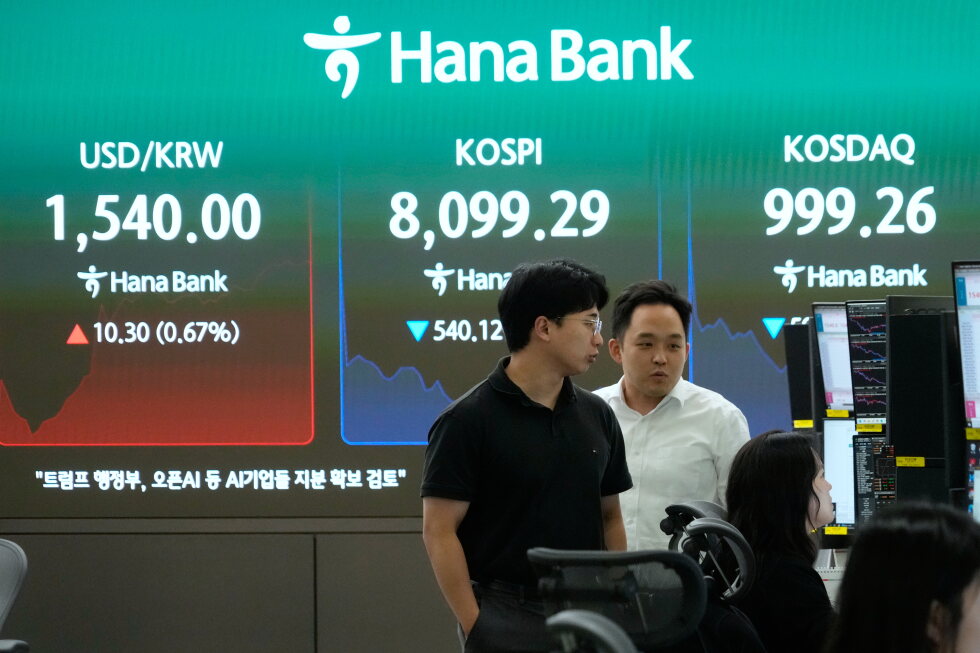
    Global equity markets presented a fragmented picture: European indices showed resilience with Britain’s FTSE 100 gaining 0.9%, France’s CAC 40 rising 0.5%, and Germany’s DAX advancing 0.6%. Conversely, Asian markets struggled as Tokyo’s Nikkei 225 declined 1.6%, effectively erasing its year-to-date gains, while South Korea’s Kospi plummeted 4.3%.

    Corporate developments included McCormick shares jumping 3% on acquisition speculation regarding Unilever’s food division, while Sysco announced a monumental $29 billion acquisition of Jetro Restaurant Depot. Precious metals strengthened with gold rising 0.6% to $4,584.10 per ounce and silver surging 3.7% to $73.17 per ounce, reflecting ongoing safe-haven demand.

  • Fuel excise cut won’t spare families from more rate pain

    Fuel excise cut won’t spare families from more rate pain

    Australian households are bracing for significant financial pressure as economic experts predict the Reserve Bank of Australia (RBA) will implement three consecutive interest rate increases, potentially reaching a 15-year high of 4.85% by August. This forecast comes despite the federal government’s recently announced temporary fuel excise reduction aimed at alleviating cost-of-living pressures.

    Westpac Chief Economist Luci Ellis, a former RBA official with three decades of central banking experience, warns that the government’s fuel relief measures will prove insufficient against persistent inflationary pressures. Ellis anticipates rate hikes in May, June and August, driven by rapid pass-through effects of elevated fuel and oil-derived product prices throughout the economy.

    The RBA’s recently released meeting minutes confirm significant concerns about Middle East conflict impacts on global energy markets, characterizing the situation as a “material adverse supply shock” to the global economy. This external pressure compounds domestic inflationary challenges that have maintained Australia’s inflation rate at 3.7%.

    Treasurer Jim Chalmers defended the government’s approach, stating the fuel excise reduction provides “timely, temporary and responsible” relief while acknowledging global economic headwinds beyond Australia’s control. The policy reduces fuel costs by 26.3 cents per liter for three months and temporarily suspends heavy vehicle road user charges.

    HSBC Chief Economist Paul Bloxham presents a particularly concerning outlook, predicting the combination of interest rate increases and oil price shocks will reduce consumer spending by approximately 1.8 percentage points. Bloxham forecasts negative GDP growth in the June quarter as households redirect spending toward mortgage obligations, though Australia may narrowly avoid a technical recession through economic adjustment mechanisms including currency flexibility and comparatively low government debt levels.

    The RBA’s next meeting on May 4-5 is widely expected to result in a 25 basis point increase to 4.35%, continuing the monetary tightening cycle that began in March with the cash rate reaching 4.10%.

    Economic analysts emphasize that while government relief measures provide some temporary assistance, underlying global supply shocks and domestic inflationary pressures will continue driving monetary policy decisions in coming months.

  • Mattress-in-a-box pioneer Koala forecasts $332m revenue after IPO

    Mattress-in-a-box pioneer Koala forecasts $332m revenue after IPO

    Australian direct-to-consumer furniture giant Koala has achieved a monumental corporate milestone, officially listing on the ASX with a market valuation of $305 million. The viral mattress-in-a-box pioneer commenced trading at 11 AM Tuesday following a successful initial public offering that raised $20 million in fresh capital.

    Founded in Byron Bay a decade ago by childhood friends Dany Milham and Mitch Taylor with just $2000 initial investment, the company has evolved from selling vacuum-sealed mattresses to becoming a full-fledged furniture retailer operating across Australia, Japan, the United States, and the United Kingdom. The IPO priced new shares at $3.40 each, granting incoming investors a 20.65% stake in the rapidly expanding business.

    The financial structure of the offering demonstrates strategic foresight, with $10.1 million of raised capital allocated to debt reduction while existing investors sold down $48.1 million in stock. This listing transforms the founders into multimillionaires, with Mr. Milham’s stake valued at approximately $63 million and Mr. Taylor holding shares worth nearly $54 million after partially divesting his position.

    Institutional investors have shown significant confidence in Koala’s future, with Sydney-based Perennial Partners emerging as the largest shareholder with a 22.7% stake, followed by Alium Capital maintaining 5% ownership. The company’s remarkable growth trajectory has created extraordinary value for early supporters, including Australian cricket star Steve Smith, whose $100,000 investment in 2015 for a 10% stake ballooned to over $10 million within just four years.

    Financial projections indicate robust performance ahead, with Koala anticipating $332 million in revenue for FY2025—a 20% increase—with Australian sales accounting for roughly half of total revenue. This growth occurs despite challenging market conditions that have plagued many online retailers experiencing post-pandemic demand softening.

    Graeme Hughes from Griffith University noted that ‘Koala is bucking the trend, and it has earned the right to do so,’ highlighting the company’s vertically integrated model as a key differentiator from competitors like Temple & Webster, which experienced a ‘brutal year on the market.’

    The path to public listing wasn’t without obstacles—Koala previously postponed a 2022 float due to US-China trade tensions that disrupted North American expansion plans. Approximately 87% of Koala products remain manufactured in China, though the company spent six months strategically rebuilding supply chains through Southeast Asia to mitigate future disruptions.

    Marketing expert Arry Tanusondjaja from The University of Adelaide attributes Koala’s success to its focused product strategy and clever marketing, including a viral advertisement viewed over five million times. ‘What Koala has done well is staying focused on a specific category before expanding to whole-house furniture,’ Dr. Tanusondjaja observed, noting how the company built upon IKEA’s legacy by ‘offering a fully online, simple way to buy’ that resonates with contemporary consumers.

  • RBA determines hidden debit tap and go surcharge to be removed

    RBA determines hidden debit tap and go surcharge to be removed

    In a landmark decision that will reshape Australia’s payment landscape, the Reserve Bank of Australia (RBA) has announced the elimination of controversial card surcharges that have cost consumers approximately $1.6 billion annually. The comprehensive reforms, set for full implementation by October 2026, represent the most significant overhaul of payment regulations in over two decades.

    The central bank’s review concluded that the existing surcharge framework, established more than twenty years ago, has failed to guide consumers toward more efficient payment methods as originally intended. Under the new regulations, businesses will be prohibited from adding separate fees for debit, prepaid, and credit card transactions across eftpos, MasterCard, and Visa networks. Instead, merchants must incorporate all payment processing costs directly into their advertised prices.

    RBA Governor Michele Bullock emphasized that these changes will eliminate checkout surprises for consumers. ‘When card surcharges end, the sticker price will be the price that consumers end up paying,’ Bullock stated. ‘Consumers will no longer be surprised at the checkout by an unexpected surcharge for paying by card.’

    Concurrently, the RBA is implementing substantial reductions in interchange fees—the charges businesses pay to card providers. The cap on domestic consumer credit card transactions will be slashed from 0.8% to 0.3%, projected to save businesses approximately $910 million annually. The central bank has committed to monitoring payment providers to ensure these savings are passed through to consumers rather than being retained by financial intermediaries.

    Additional transparency measures will require payment networks including eftpos, MasterCard, and Visa to publicly disclose their fee structures, enabling merchants to compare costs more effectively. The reforms will be implemented in phases, with domestic changes effective October 2026 and new regulations for foreign-issued cards commencing April 2027.

    While acknowledging that businesses may adjust overall pricing to recover lost revenue, the RBA noted that approximately 84% of Australian merchants don’t currently impose surcharges. The changes are particularly expected to benefit small businesses, which typically face higher payment processing costs.

  • Qingyuan mandarin fish reach Hong Kong market for first time

    Qingyuan mandarin fish reach Hong Kong market for first time

    In a significant development for regional trade, Qingyuan’s aquaculture sector has successfully penetrated the Hong Kong market with its first-ever shipment of premium mandarin fish. The breakthrough occurred on Friday when 500 kilograms of freshly harvested fish from Qingxin district passed rigorous inspection and quarantine protocols before being dispatched to the special administrative region.

    Qingxin’s geographical advantages, positioned along the pristine waters of the Beijiang River with an ideal temperate climate, create perfect natural conditions for cultivating high-quality mandarin fish. The district boasts an extensive aquaculture footprint spanning 740 hectares dedicated to this prized species.

    Chen He, General Manager of Qingyuan Yutong Aquaculture Technology, detailed the comprehensive process behind this inaugural shipment: “We successfully navigated registration requirements, met stringent entry standards, and completed all customs clearance procedures. Building on this achievement, we’re committed to establishing consistent supply channels to Hong Kong.”

    Local authorities have been instrumental in facilitating this export milestone by developing enhanced infrastructure, including advanced cold chain storage and seafood processing facilities. These improvements have optimized the entire production-to-sales pipeline for aquaculture enterprises.

    The economic significance of mandarin fish cultivation in Qingxin is substantial, with recent data revealing nearly 20,000 tons produced in 2025 alone. The total output value across the industrial chain reached an impressive 2.376 billion yuan (approximately $340 million), underscoring the sector’s growing importance to the regional economy.

  • Influencer spots rise of ‘Shopping in China’ in Zhengzhou spree

    Influencer spots rise of ‘Shopping in China’ in Zhengzhou spree

    Zhengzhou hosted a significant convergence of international media perspectives at the 2026 China Internet Media Forum, where a notable shift in global consumer trends emerged as a central theme. Belgian digital creator Lucas Deckers became an unexpected case study when his shopping expedition at Mixue’s flagship store culminated in a literal breakthrough—his bag succumbing under the weight of purchased snacks, exclusive ice cream varieties, and collectible toys.

    This incident sparked deeper conversations about China’s evolving role in the global marketplace. Deckers elaborated to China Daily that Chinese milk tea franchises and technology brands are achieving remarkable popularity across international markets. His observations challenge conventional perceptions, suggesting China is rapidly transitioning from its historical identity as the ‘world’s factory’ to becoming a source of desirable consumer brands and cultural products.

    The forum provided substantive backing to these observations through expert testimony. He Lihong, presiding executive of the Yiwu Brands Association, presented compelling evidence of the growing ‘Shopping in China’ movement during panel discussions. Industry analysts at the event pointed to strategic branding, digital marketing sophistication, and product innovation as key drivers behind Chinese brands’ newfound international appeal. This trend represents a significant evolution in global trade dynamics, with Chinese consumer goods increasingly competing with established Western brands in markets worldwide.