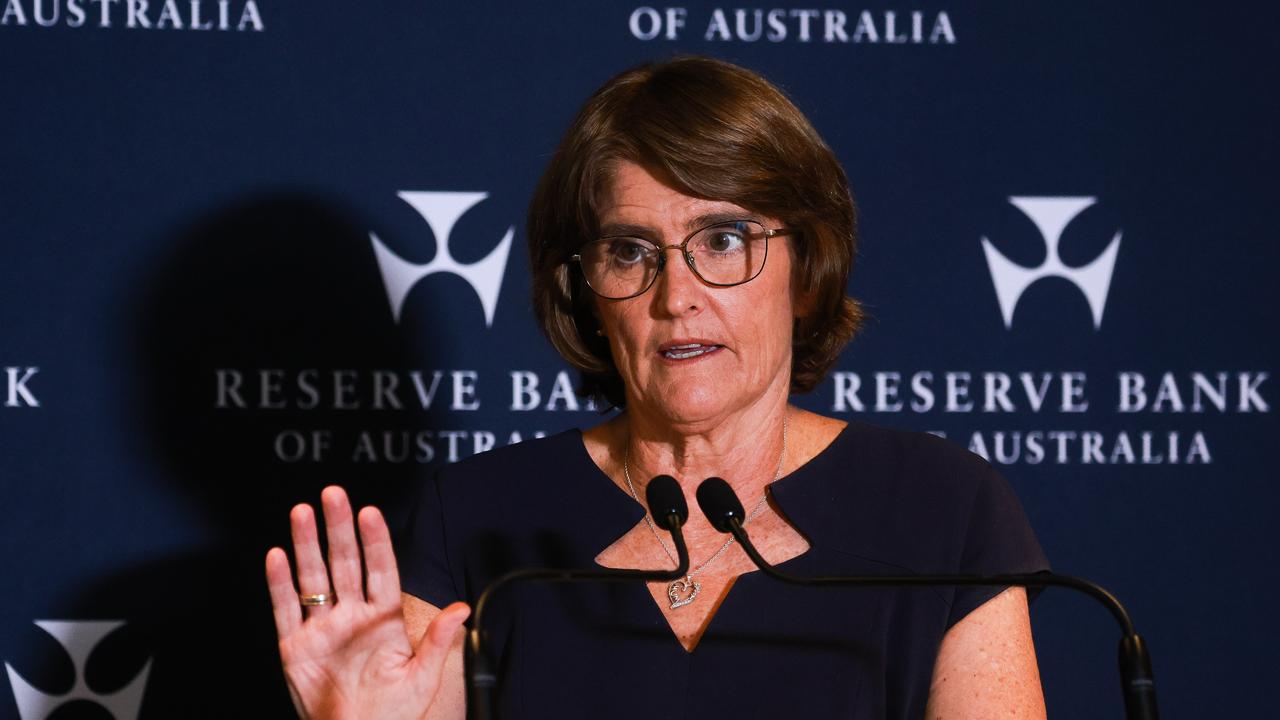
Australian households are bracing for significant financial pressure as economic experts predict the Reserve Bank of Australia (RBA) will implement three consecutive interest rate increases, potentially reaching a 15-year high of 4.85% by August. This forecast comes despite the federal government’s recently announced temporary fuel excise reduction aimed at alleviating cost-of-living pressures.
Westpac Chief Economist Luci Ellis, a former RBA official with three decades of central banking experience, warns that the government’s fuel relief measures will prove insufficient against persistent inflationary pressures. Ellis anticipates rate hikes in May, June and August, driven by rapid pass-through effects of elevated fuel and oil-derived product prices throughout the economy.
The RBA’s recently released meeting minutes confirm significant concerns about Middle East conflict impacts on global energy markets, characterizing the situation as a “material adverse supply shock” to the global economy. This external pressure compounds domestic inflationary challenges that have maintained Australia’s inflation rate at 3.7%.
Treasurer Jim Chalmers defended the government’s approach, stating the fuel excise reduction provides “timely, temporary and responsible” relief while acknowledging global economic headwinds beyond Australia’s control. The policy reduces fuel costs by 26.3 cents per liter for three months and temporarily suspends heavy vehicle road user charges.
HSBC Chief Economist Paul Bloxham presents a particularly concerning outlook, predicting the combination of interest rate increases and oil price shocks will reduce consumer spending by approximately 1.8 percentage points. Bloxham forecasts negative GDP growth in the June quarter as households redirect spending toward mortgage obligations, though Australia may narrowly avoid a technical recession through economic adjustment mechanisms including currency flexibility and comparatively low government debt levels.
The RBA’s next meeting on May 4-5 is widely expected to result in a 25 basis point increase to 4.35%, continuing the monetary tightening cycle that began in March with the cash rate reaching 4.10%.
Economic analysts emphasize that while government relief measures provide some temporary assistance, underlying global supply shocks and domestic inflationary pressures will continue driving monetary policy decisions in coming months.