分类: business

  • How Ras Al Khaimah airport expanded international flights to 16 countries in 2025

    How Ras Al Khaimah airport expanded international flights to 16 countries in 2025

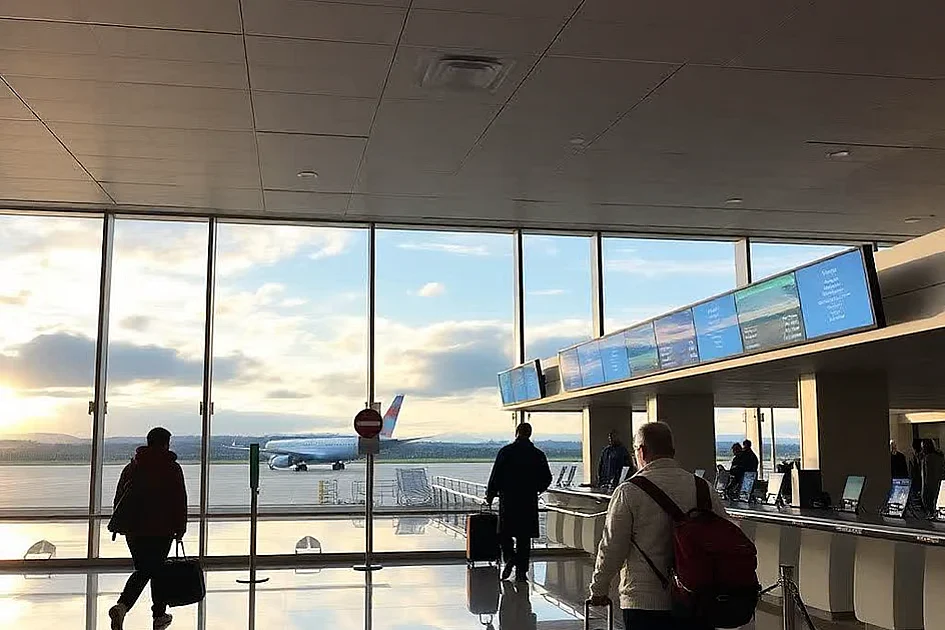
    Ras Al Khaimah International Airport has firmly established itself as a major aviation hub after achieving a monumental operational milestone in 2025. The airport successfully handled over 1.3 million passengers, marking its evolution from a medium-sized facility into a significant player in regional air travel. This remarkable growth represents a 51% surge in passenger traffic compared to previous years, accompanied by substantial expansions in both flight operations and destination networks.

    The airport’s strategic development has yielded an impressive international route map encompassing 16 countries across pivotal markets. Key destinations now include India, Pakistan, Saudi Arabia, Russia, and Egypt, reflecting the airport’s focused approach to connecting emerging economic corridors. This expansion contributed to a 14% increase in served destinations and a 37% growth in flight movements throughout the year.

    Under the leadership of Sheikh Salem bin Sultan Al Qasimi, Chairman of the Ras Al Khaimah Civil Aviation Authority, the airport executed comprehensive infrastructure enhancements. These included terminal facility upgrades, advanced operational systems implementation, and sophisticated passenger experience improvements. The development strategy prioritized seamless travel standards while maintaining rigorous international security protocols.

    Financial performance mirrored operational success, with net profits climbing 29.4% amid the expansion. The airport simultaneously renewed its ISO certifications across multiple domains including environmental management, innovation protocols, business continuity planning, and quality assurance—all without recording any regulatory violations.

    Innovation initiatives formed a core component of the growth strategy, highlighted by the launch of an advanced Drone Management System and strategic partnerships with aviation authorities in Dubai and Fujairah. The airport also achieved recognition as first runner-up in the Arab Award for Social Responsibility and Sustainability among small government entities.

    A particularly groundbreaking achievement involved the successful experimental flight of an electric vertical take-off and landing aircraft developed in partnership with Chinese aerospace company XPENG AEROHT, positioning the airport at the forefront of aviation technology adoption.

    Sheikh Salem attributed these accomplishments to the visionary leadership of Sheikh Saud bin Saqr Al Qasimi, Ruler of Ras Al Khaimah, and the oversight of Sheikh Mohammed bin Saud Al Qasimi, Crown Prince and Chairman of the Executive Council. Their support has enabled the airport to drive innovation while maintaining operational excellence.

    These developments collectively reinforce Ras Al Khaimah International Airport’s strategic position as a growing connectivity hub that actively supports the emirate’s broader economic diversification goals, tourism expansion initiatives, and commercial development objectives.
  • Ras Al Khaimah’s ultra-luxury residence sells for record-breaking Dh130 million

    Ras Al Khaimah’s ultra-luxury residence sells for record-breaking Dh130 million

    Ras Al Khaimah’s luxury property market has achieved an unprecedented milestone with the historic sale of the Sky Palace at Waldorf Astoria Residences for Dh130 million ($35.4 million), establishing a new benchmark as the highest-value single-unit residential transaction ever recorded in the emirate.

    The landmark transaction, announced by developer Al Hamra, was accompanied by the separate sale of the development’s signature penthouse for Dh55 million ($15 million), collectively demonstrating robust investor appetite for ultra-premium waterfront properties in the northern emirate.

    This record-breaking sale occurs amid Ras Al Khaimah’s remarkable transformation into one of the UAE’s most dynamic real estate markets. The emirate’s strategic infrastructure investments, government-supported initiatives, and growing portfolio of branded residential developments have propelled its emergence as a premier investment destination.

    Market data reveals substantial property appreciation throughout 2025, with villa prices in Al Hamra Village surging by 42 percent and five-bedroom homes exceeding Dh14 million. Apartments similarly demonstrated strong growth, driven by heightened investor participation and sustained demand for resort-style communities.

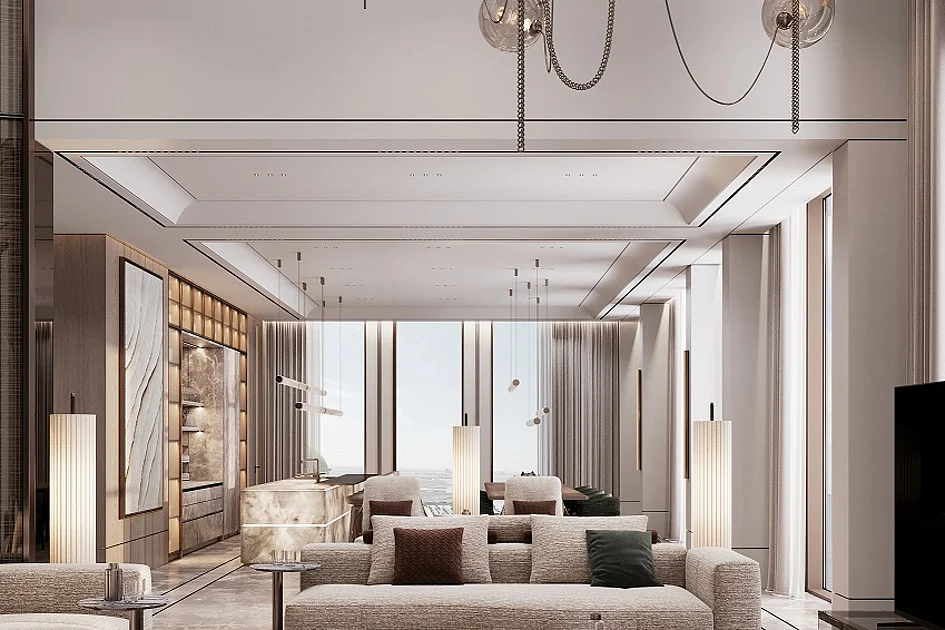
    The Sky Palace itself represents the pinnacle of luxury living, occupying the top three floors of the beachfront tower across approximately 10,000 square feet. The residence offers breathtaking panoramic views of the Arabian Gulf, Wynn Al Marjan Island integrated resort, and surrounding mountain ranges. Residents enjoy exclusive access to premium amenities including private lounges, a library, cigar salon, and cinema facilities, complemented by a dedicated ferry connection to the entertainment offerings of Wynn Al Marjan Island.

    Benoy J. Kurien, Group Chief Executive Officer of Al Hamra, emphasized that these transactions reflect growing confidence in Ras Al Khaimah’s long-term economic trajectory and the increasing appeal of meticulously designed luxury developments that meet international standards.

    These landmark sales not only establish new parameters for ultra-luxury real estate in the region but significantly enhance Ras Al Khaimah’s positioning as an emerging global hub for high-net-worth investors seeking sophisticated lifestyle investments.

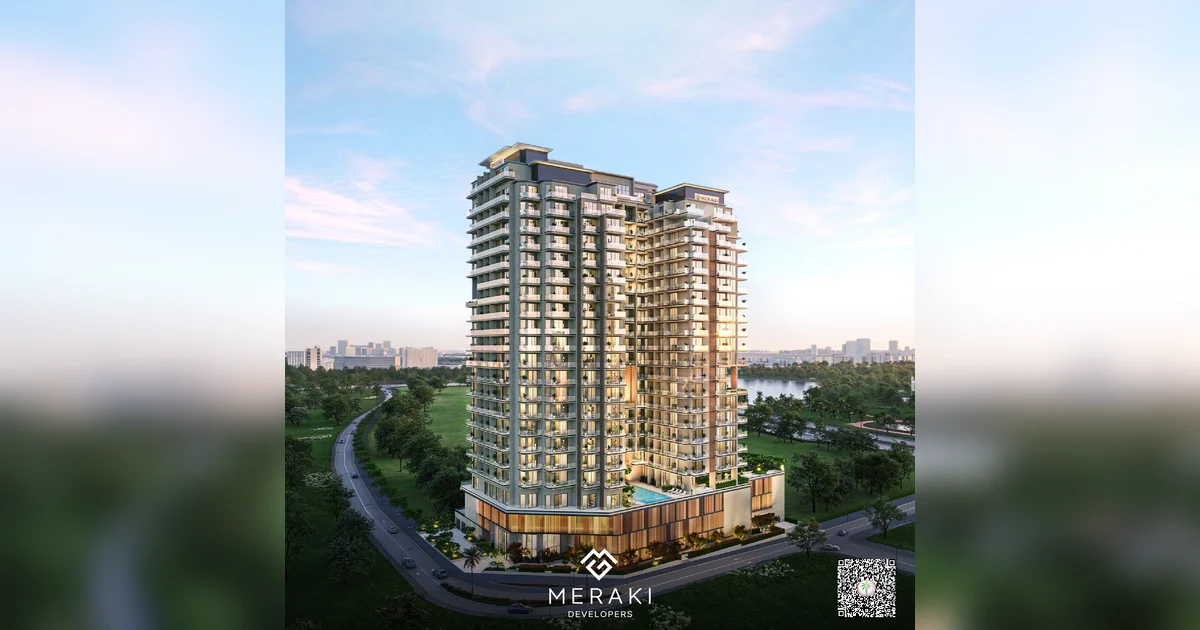
  • Meraki Developers launches wellbeing-focused Nirvana Residence 1 in the 
heart of Dubai Production City

    Meraki Developers launches wellbeing-focused Nirvana Residence 1 in the heart of Dubai Production City

    Dubai’s real estate landscape gains a new wellness-oriented residential development with the official launch of Nirvana Residence 1 by Meraki Developers. This 22-story tower, situated in the serene Me’aisem district within Dubai Production City, introduces 392 meticulously crafted residential units ranging from studios to three-bedroom configurations.

    The development represents a paradigm shift in urban living, prioritizing resident well-being through thoughtfully integrated amenities and expansive green spaces known as Nirvana Groves. These wellness zones are strategically distributed throughout the property, creating natural retreats that promote relaxation and community interaction alongside comprehensive fitness facilities.

    Ajay Rajendran, Founder and Chairman of Meraki Developers, articulated the project’s philosophy: “Our vision transcends conventional housing by creating environments that actively nurture the human spirit. Nirvana Residence 1 embodies our commitment to harmonizing modern living with natural elements and community connectivity.”

    The project’s strategic location offers dual advantages: proximity to major transportation arteries ensuring quick access to Dubai’s urban core, while maintaining a tranquil residential atmosphere. This balance reflects Meraki’s overarching design principle of creating sanctuary-like communities without sacrificing urban convenience.

    With over 100 completed projects, the award-winning developer continues to emphasize sustainable design practices and customer-centric development, positioning Nirvana Residence 1 as their latest innovation in quality-conscious real estate that merges architectural excellence with holistic living concepts.

  • Seven trillion and one reasons China stocks will keep rallying

    Seven trillion and one reasons China stocks will keep rallying

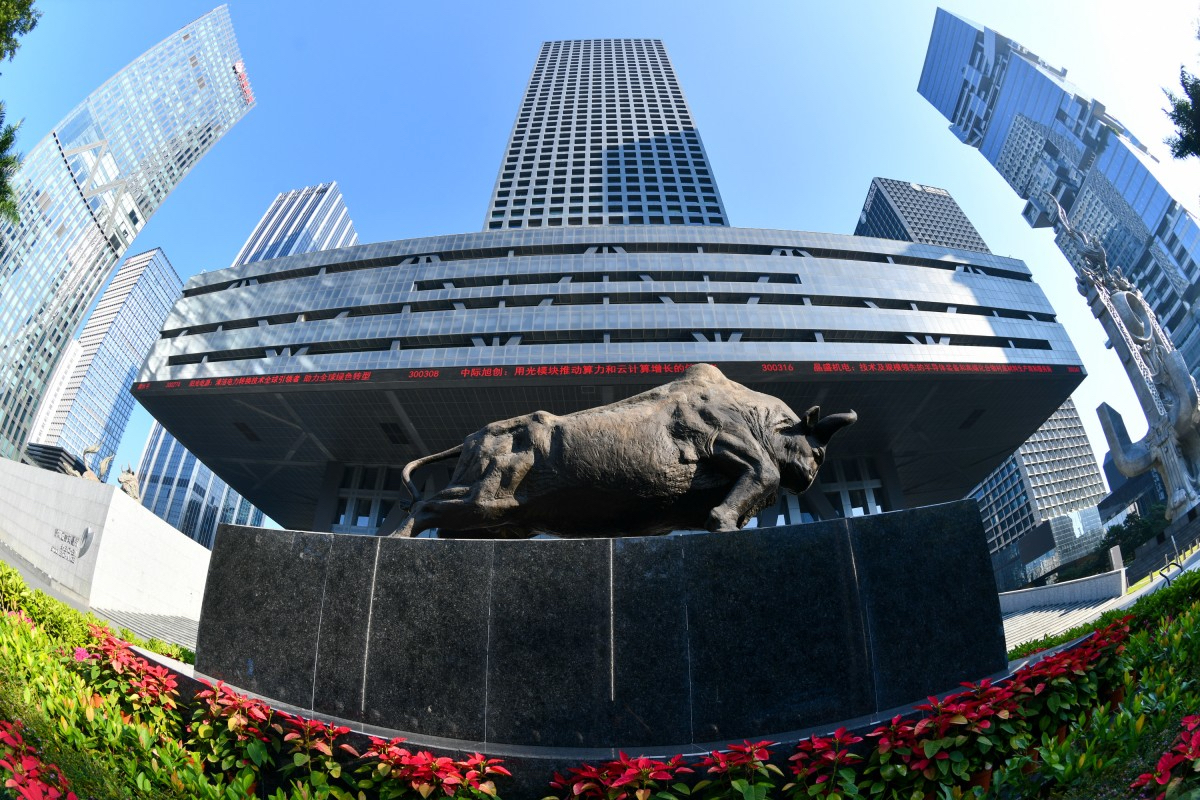
    TOKYO — Against a backdrop of escalating geopolitical tensions and unconventional US policy maneuvers, China’s financial markets are demonstrating remarkable resilience as global investors recalibrate their strategies. Major financial institutions are now projecting significant growth for Chinese equities, with Goldman Sachs forecasting a 20% surge in the MSCI China Index for 2026, building upon the previous year’s 28% rally.

    According to Kinger Lau, strategist at Goldman Sachs, the anticipated equity appreciation will be predominantly earnings-driven, supported by three critical factors: artificial intelligence advancement, China’s ‘Going Global’ initiative, and ‘anti-involution’ policy measures. This optimistic outlook emerges despite ongoing concerns about China’s economic reforms and property market stability.

    The investment landscape is further bolstered by approximately $7 trillion in Chinese time deposits maturing this year, creating a substantial pool of domestic capital poised for market deployment. This liquidity surge coincides with expectations of additional stimulus measures from Beijing following China’s fourth-quarter 2025 economic performance, which at 4.5% year-on-year growth, represented the weakest expansion in three years.

    Global financial institutions are notably revising their China assessments. Fidelity analyst George Efstathopoulos recently declared China no longer ‘uninvestable,’ while Bernstein Societe Generale Group upgraded its China equities outlook. Wang Dan of Shenzhen Sunrise Asset Management anticipates ‘a slow bull trend’ to continue, citing declining interest rates and strategic positioning in undervalued assets.

    The yuan’s simultaneous strengthening with Shanghai stocks in 2025 has particularly captured strategists’ attention. Christy Tan, Franklin Templeton strategist, notes that ‘a firmer yuan can help equities by improving dollar-based returns and risk sentiment,’ creating a virtuous cycle where genuine equity inflows support currency valuation.

    Citigroup economist Xiangrong Yu observes a ‘markedly positive shift in investor narrative on China,’ predicting managed yuan appreciation to 6.8 against the dollar within 6-12 months from the current 6.96. UBS Group similarly anticipates further yuan gains against trading partner currencies, reflecting robust export performance and trade surplus.

    This renewed confidence in Chinese assets contrasts sharply with mounting concerns about US market stability under the Trump administration’s unconventional policies. Recent actions including tariff escalations, threats to Federal Reserve independence, and unconventional foreign policy moves have created global financial uncertainty. Evercore ISI analyst Krishna Guha warns of a potential ‘sell-America trade’ resurgence similar to April 2025’s market turbulence.

    The implications extend beyond bilateral relations, affecting global debt markets as evidenced by recent volatility in US Treasuries and Japanese government bonds, where 40-year yields reached 4% – the highest in decades. Institute of International Finance economist Emre Tiftik notes investor attention is ‘increasingly shifting toward government bond auctions and borrowing plans’ amid elevated budget deficits.

    This global financial recalibration presents both opportunity and imperative for China. While Trump administration policies inadvertently enhance China’s appeal as a financial alternative, Beijing faces pressure to accelerate promised reforms including fuller yuan convertibility, enhanced transparency, and property market stabilization. With trillions in domestic capital awaiting deployment and global investors watching closely, China’s financial evolution enters a critical phase amid unprecedented global monetary uncertainty.

  • Surprise jump in UK inflation not expected to derail rate cuts

    Surprise jump in UK inflation not expected to derail rate cuts

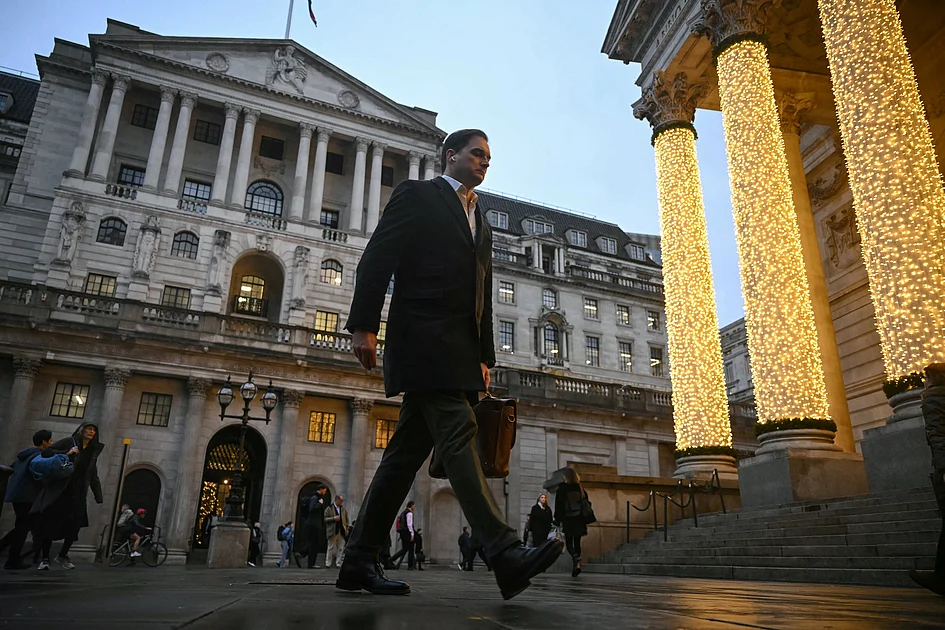
    Britain’s inflation rate defied economic forecasts in December 2026, climbing to 3.4% from November’s 3.2% according to Office for National Statistics data. This unexpected increase marks the first upward movement since July, primarily driven by seasonal airfare adjustments and tobacco duty increases implemented during the holiday period.

    Despite this temporary acceleration, economic analysts maintain that the trajectory toward price stability remains intact. Services inflation—a critical metric monitored by the Bank of England—edged upward to 4.5%, aligning precisely with economist projections in Reuters’ polling. The nation continues to exhibit the highest inflation rate among G7 countries despite experiencing sluggish economic growth patterns.

    Market reactions remained notably subdued following the announcement, with investors maintaining existing positions regarding anticipated interest rate reductions. Financial instruments currently price in one to two quarter-point cuts by the Bank of England throughout 2026. Governor Andrew Bailey has previously indicated that inflation should approach the central bank’s 2% target around April or May, reflecting expectations that utility cost increases and government-regulated tariffs from the previous year will cycle out of annual comparisons.

    Geopolitical tensions introduce potential complications to this forecast. British natural gas futures have surged approximately 25% over recent weeks, partly attributable to deteriorating transatlantic relations following controversial tariff threats by U.S. leadership. The Monetary Policy Committee’s December decision to reduce Bank Rate to 3.75% encountered significant dissent, with nearly half of members advocating for maintaining previous levels due to persistent inflation concerns.

    Fourth-quarter data revealed notable pressures in services sector producer prices, which accelerated to 2.9% from the previous quarter’s 2.0%, while manufacturing output prices remained stable. Economic research institutions including the National Institute of Economic and Social Research anticipate at least one rate reduction in the first half of 2026, contingent upon geopolitical developments not disrupting current inflation pathways.

  • Ex–China Construction Bank executive gets 18 years for bribery, loan violations

    Ex–China Construction Bank executive gets 18 years for bribery, loan violations

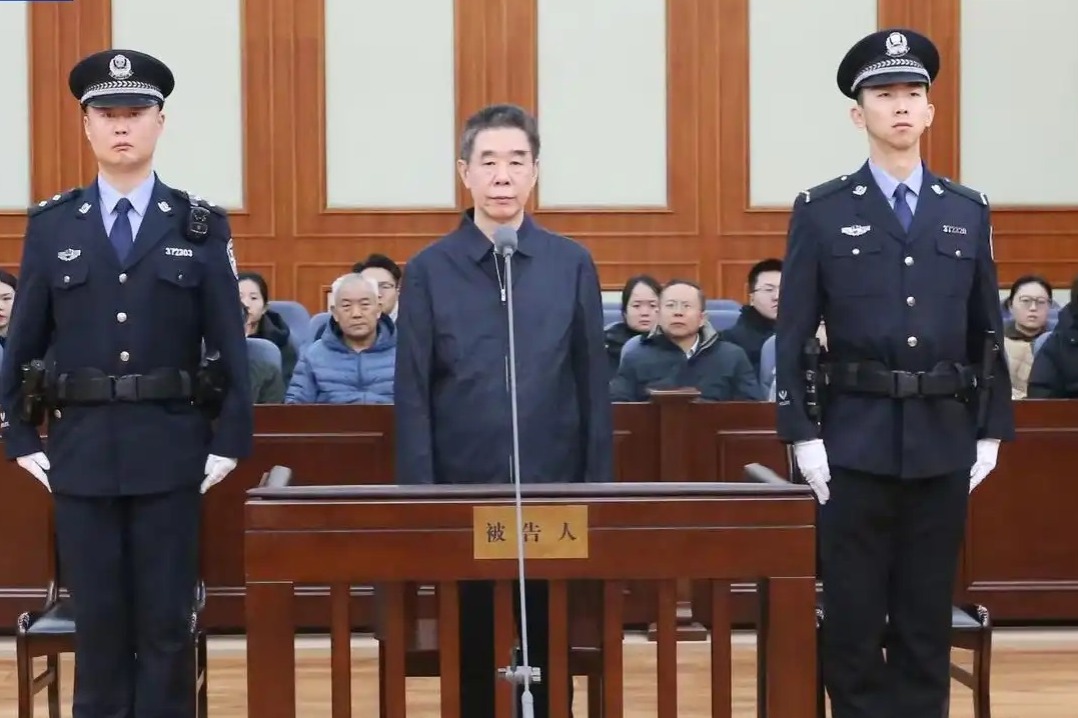
    In a significant ruling against financial corruption, a Chinese court has sentenced Zhang Gengsheng, former vice-president of China Construction Bank (CCB), to 18 years imprisonment for bribery and illegal lending practices. The Zibo Intermediate People’s Court in Shandong province delivered the verdict on Wednesday, additionally imposing a substantial fine of 4.1 million yuan ($589,000).

    The court delineated separate sentences for each offense: 13 years imprisonment with a 4 million yuan fine for accepting bribes, and 10 years with a 100,000 yuan penalty for illicit loan issuance. The combined sentence reflects the severity of the crimes committed by the former banking executive.

    Judicial investigations revealed that between 2006 and September 2019, Zhang systematically exploited his executive positions—progressing from general manager of a client department to vice-president—to provide unlawful advantages to various entities and individuals. His corrupt activities involved manipulating loan credit approvals and facilitating improper job adjustments in exchange for monetary benefits totaling over 40.64 million yuan in property and cash.

    Particularly egregious were Zhang’s actions between late 2016 and April 2017, when he authorized substantial loans to unqualified borrowers despite being fully aware of their non-compliance with lending standards. These transactions resulted in exceptionally significant financial losses for the state-owned banking institution.

    The court acknowledged several mitigating factors that contributed to a relatively lenient punishment considering the magnitude of the crimes. Zhang demonstrated cooperation by providing truthful confessions, voluntarily disclosing previously unknown criminal activities to investigators, and actively returning illegal gains. Authorities have successfully recovered most of the bribes and associated interest, which will be transferred to the state treasury.

    Zhang’s professional trajectory shows a long-standing career with CCB, where he served as vice-president from April 2013 and held concurrent positions as executive director and vice president from 2015 until his retirement in December 2020. Following his banking career, the 65-year-old Anhui native briefly served as an external director for State Grid Corp. of China before being placed under investigation in November 2024.

  • Looking for a job in UAE? Key sectors and in-demand roles in 2025 revealed

    Looking for a job in UAE? Key sectors and in-demand roles in 2025 revealed

    The United Arab Emirates has established itself as the Gulf region’s most balanced labor market in 2025, according to Naukrigulf’s Year End Report. This equilibrium stems from simultaneous hiring for both scale and specialized skills, creating diverse opportunities across multiple sectors.

    Construction and real estate sectors led hiring demand, closely followed by IT, telecommunications, internet services, and the oil, gas, and energy industries. This multi-sector growth has created one of the region’s most evenly distributed job markets.

    The most sought-after positions included engineering, sales, and software/IT roles, with particular demand for project managers, sales executives, and customer service representatives. The report identified HVAC expertise, accounting proficiency, and customer support capabilities as critical skills that provide competitive advantages for job seekers.

    GCC-wide analysis revealed traditional industries continued to dominate regional recruitment, with construction and energy sectors accounting for over 4.6 million candidate searches throughout the year. Employers across the Gulf showed heightened demand for engineering talent (850,000+ searches), sales professionals (800,000+ searches), and project management experts (775,000+ searches), reflecting the region’s execution-focused growth strategy.

    Despite robust hiring activity, employees faced significant negotiation challenges. Approximately 46% of job seekers cited salary expectation mismatches as their primary obstacle, while 32% struggled with articulating their personal value proposition. Additional challenges included handling counteroffers (18%) and negotiating benefits packages (4%).

    UAE professionals demonstrated evolving priorities beyond compensation, with professional development opportunities emerging as the most valued non-monetary benefit. This was followed by vacation time, comprehensive health benefits, and flexible working arrangements, indicating a growing emphasis on long-term career growth and work-life balance.

    The findings are based on insights from more than 9 million hiring interactions on Naukrigulf’s platform throughout 2025, supplemented by jobseeker sentiment data collected through monthly Gulf Pulse surveys across all GCC nations.

  • China needs to invest bigger at home to sustain prosperity

    China needs to invest bigger at home to sustain prosperity

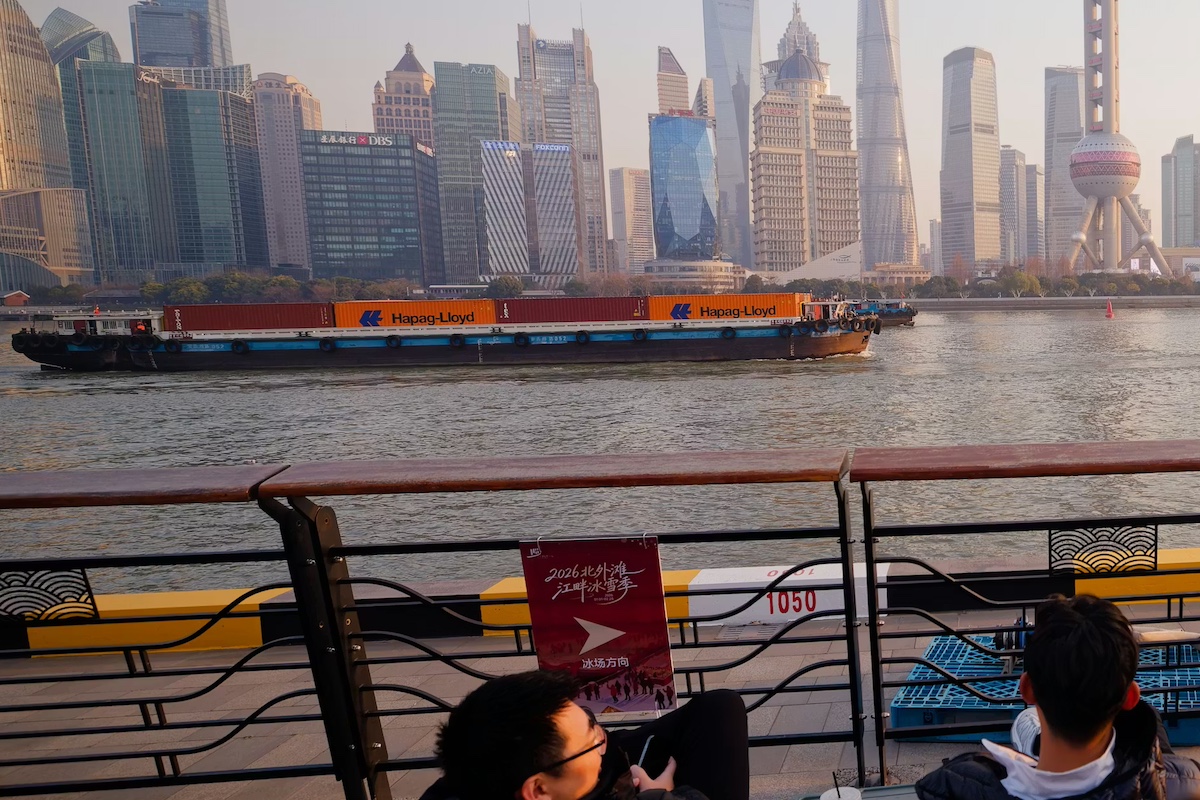
    China’s economy achieved its official growth target of 5% in 2025, according to official GDP figures, but this headline accomplishment conceals significant underlying vulnerabilities. While exports surged to a record-breaking $1.2 trillion trade surplus despite ongoing trade tensions with the United States, the economy faces mounting domestic challenges that threaten sustainable growth.

    The export sector’s remarkable performance, driven by successful diversification to Southeast Asian, South American, European, and African markets, offset concerning weaknesses in domestic consumption. December retail sales grew at a meager 0.9% year-on-year—the slowest pace since late 2022—highlighting persistent consumer reluctance to spend. This consumption weakness appears structural rather than temporary, rooted in high savings rates, property market uncertainties, and concerns about job security.

    Simultaneously, China confronts demographic headwinds as its population declined for the fourth consecutive year in 2025, with birth rates hitting record lows. This accelerating aging population presents long-term economic challenges that require substantial productivity gains to overcome.

    Fiscal constraints further complicate the economic landscape. Local governments face mounting debt burdens, reduced revenues from land sales, and increasing social program obligations, limiting their capacity for stimulus spending. Investment in fixed assets declined by 3.8% in 2025, with property investment plummeting approximately 17%.

    The fundamental challenge lies in redirecting China’s substantial national savings—which reached 43.4% of GDP in 2024—toward productive domestic investment rather than export surpluses that fuel international trade tensions. The transition toward a more capital- and knowledge-intensive growth model, particularly in technology services and high-value manufacturing, appears essential for navigating these structural challenges.

  • Dubai: Gold prices jump over Dh15 per gram to another record high, could touch Dh600 soon

    Dubai: Gold prices jump over Dh15 per gram to another record high, could touch Dh600 soon

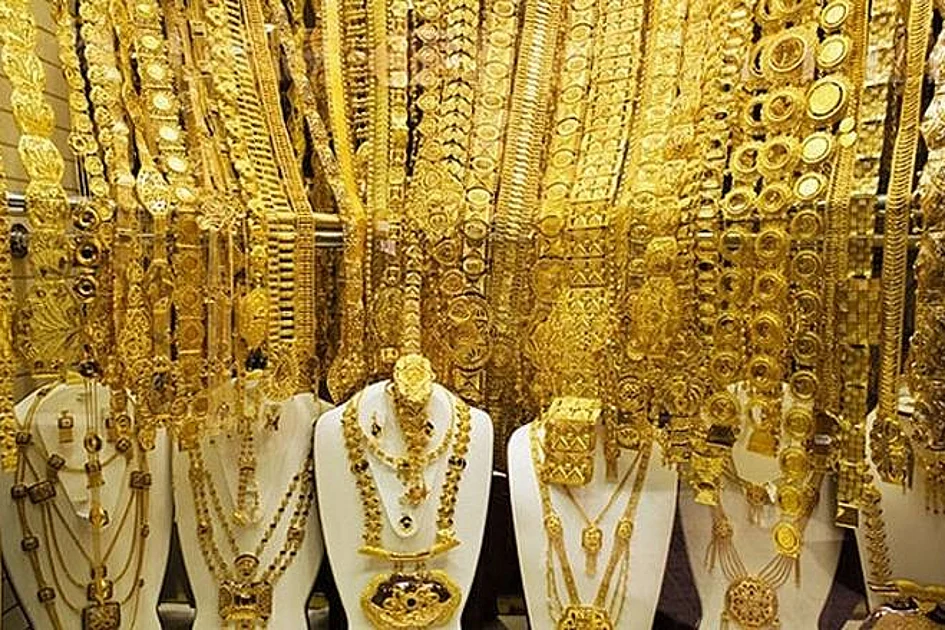
    Dubai’s gold market witnessed unprecedented gains on Wednesday as prices surged dramatically at market opening, setting a third consecutive record high. The precious metal’s remarkable rally saw 24K gold escalate by Dh15.75 to reach Dh586.25 per gram, bringing it within striking distance of the psychological Dh600 barrier.

    The comprehensive price surge affected all variants: 22K gold climbed to Dh542.75 per gram, 21K advanced to Dh520.5, 18K reached Dh446.25, while 14K gold settled at Dh348.0 per gram. This sustained upward trajectory reflects deepening global economic anxieties and geopolitical uncertainties.

    International markets mirrored Dubai’s bullish trend, with gold breaching the $4,800 milestone for the first time in history. At 9:15 AM UAE time, spot gold traded at $4,869.7 per ounce, registering a substantial 2.28 percent increase. This global surge coincides with escalating tensions between the United States and European Union regarding Greenland, adding fresh momentum to gold’s safe-haven appeal.

    Ole Hansen, Head of Commodity Strategy at Saxo Bank, contextualized the rally: ‘The renewed US-Europe standoff over Greenland has acted as a fresh catalyst for gold and silver demand, reinforcing an already powerful hard-asset narrative. Importantly, this rally predates the current dispute and shows no signs of abating. The Greenland episode has effectively poured fresh fuel on a rally that has been building for months, driven by an increasingly uncomfortable macro and geopolitical backdrop.’

    Hansen further noted the concerning performance of traditional safe havens, observing that the dollar, yen, and US Treasuries have all struggled to provide their customary stability as long-end yields rise due to credibility concerns rather than growth optimism.

    Market analysts suggest that if the current momentum persists amid ongoing global uncertainties, Dubai’s gold prices could realistically approach the Dh600 per gram threshold in the near term. Some international forecasts even project gold potentially reaching $5,000 per ounce during the first quarter, underscoring the metal’s strengthened position in contemporary portfolio strategies.

  • Beijing becomes China’s second 5-trillion-yuan economy in 2025

    Beijing becomes China’s second 5-trillion-yuan economy in 2025

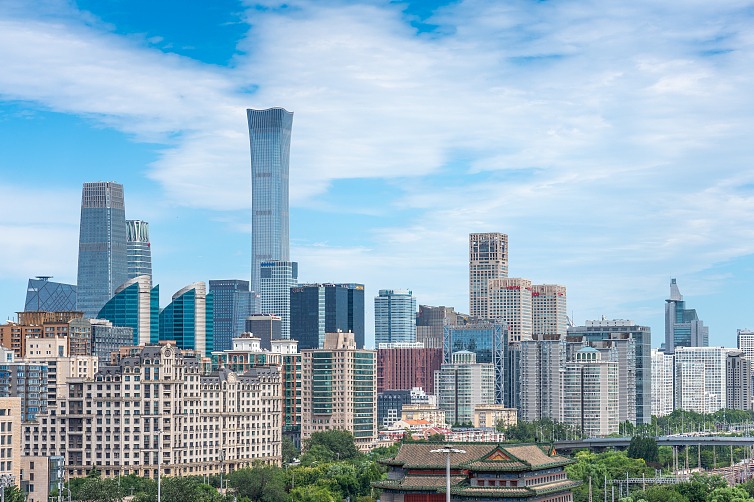
    Beijing has officially cemented its status as China’s second 5-trillion-yuan economy, achieving a remarkable GDP of 5.2 trillion yuan ($746.7 billion) in 2025 with a solid 5.4% year-on-year growth rate. This milestone places the capital city alongside Shanghai as the only two Chinese municipalities to surpass this monumental economic threshold.

    The city’s economic expansion was primarily fueled by extraordinary performance in advanced manufacturing sectors. The computer, communications, and electronic equipment manufacturing cluster witnessed a striking 20.2% annual growth, while the automotive industry accelerated with a 17.7% increase. Particularly noteworthy was the explosive growth in green technology and high-tech sectors, where new energy vehicle production skyrocketed by 140%, lithium-ion battery output surged by 120%, and service robot manufacturing advanced by 47.6%.

    Beijing’s export capabilities demonstrated significant strength, with large-scale industrial enterprises achieving a delivery value of 211.3 billion yuan—a 6.4% increase from the previous year. The automotive manufacturing sector led this charge with a substantial 24.6% export growth, followed by specialized equipment manufacturing at 10.8%.

    The service sector equally contributed to Beijing’s economic triumph, with information technology services reaching a combined added value of 1.2 trillion yuan after an 11% growth spurt. Simultaneously, the financial industry strengthened its position with an added value of 866.82 billion yuan, reflecting an 8.7% increase that underscores Beijing’s dual identity as both a technological and financial hub.

    This economic milestone reflects Beijing’s successful transition toward high-value industries and innovation-driven growth, positioning the capital as a model for urban economic development in China’s new era of quality-focused expansion.