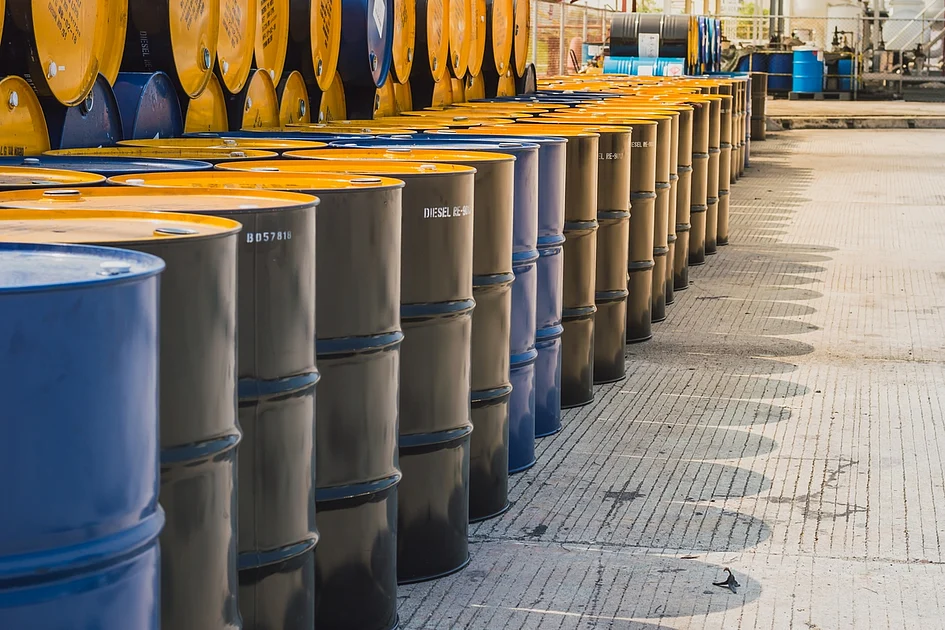
Sultan Al Jaber, UAE Minister of Industry and Advanced Technology and CEO of ADNOC, has projected that global oil demand will remain above 100 million barrels per day (bpd) beyond 2040, despite near-term challenges. Speaking at the ADIPEC energy conference, Al Jaber emphasized the persistent influence of geopolitics on trade and market sentiment, stating that volatility has become the new norm in the energy sector. The UAE, a key member of OPEC+, recently agreed to increase December output targets but will pause further increases in the first quarter of 2026 to address concerns of a potential supply glut. This decision comes amid new Western sanctions on Russia, another OPEC+ member, which could hinder Moscow’s ability to boost production. Al Jaber highlighted the importance of balancing cost discipline with capital investment to meet long-term energy demand growth. The UAE has been granted a larger production quota this year, reflecting its significant investments in expanding oil capacity to 4.85 million bpd from 3 million bpd. The country’s energy minister has also hinted at further capacity increases post-2027, potentially positioning the UAE among the world’s top five oil producers.
分类: business
-

Dubai: Gold prices hold steady; 24K rise slightly to reach Dh482.50
Gold prices in Dubai have shown minimal fluctuations, maintaining a steady trend as the weekend concluded. On Monday morning, the price of 24K gold slightly increased to Dh482.50 per gram, while 22K, 21K, and 18K were recorded at Dh446.75, Dh428.25, and Dh367.25 per gram, respectively. Globally, spot gold prices stood at $4,016.55 per ounce, with silver at $48.96 at 9:50 AM UAE time. Analysts predict this stability to persist through the end of the year, with no significant price swings anticipated. Amina Mohammed Ali, Director of Zaiba Jewellers, emphasized that the gold market is expected to consolidate over the next two months, ruling out major movements. Meanwhile, Ole Hansen, Head of Commodity Strategy at Saxo Bank, suggested that while gold prices could potentially reach $5,000 in 2026, the peak for this year may have already been achieved. The global market remains volatile following uncertainties over the weekend, particularly after the recent US-China trade discussions. Aaron Hill, Chief Analyst at FP Markets, noted that while the meeting between US President Donald Trump and Chinese Premier Xi Jinping resulted in a temporary truce, the absence of a long-term trade agreement leaves global trade dynamics in a state of uncertainty.
-
Tiger Food expands to UAE in strategic partnership with Abreco Trading
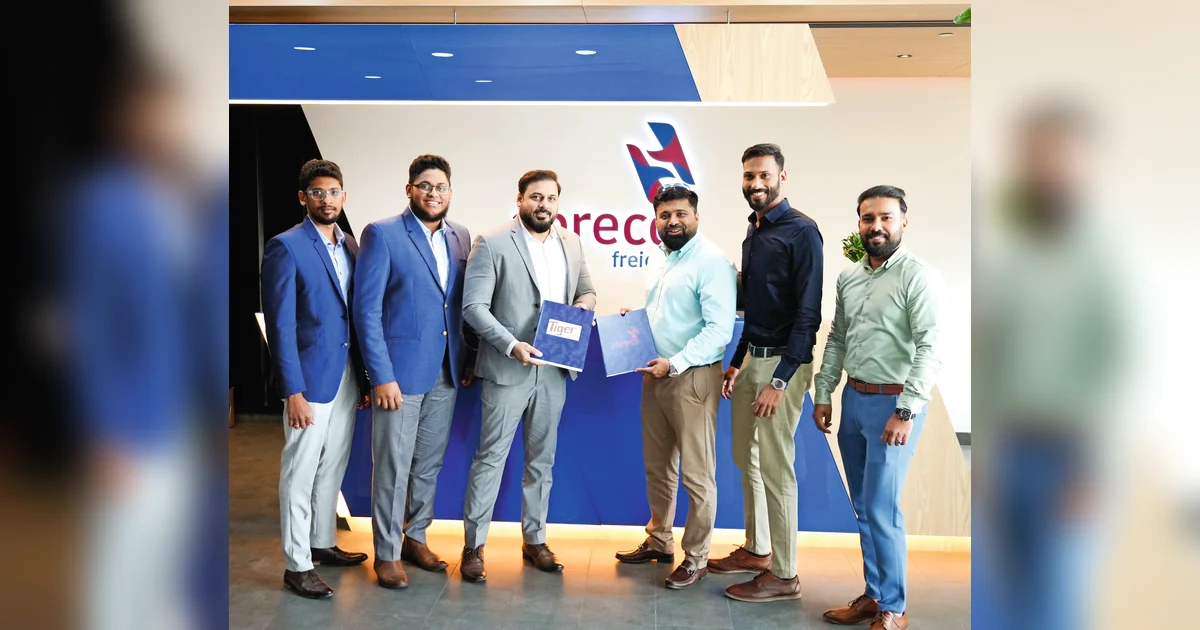
Tiger Food Ingredients (P) Ltd, a renowned Indian brand with over 40 years of expertise in the food industry, has officially launched its operations in the United Arab Emirates (UAE). This strategic move is part of the company’s broader expansion across the Middle East. The brand has partnered with Abreco Trading LLC, appointing it as the exclusive distributor in the UAE, a significant step in Tiger Food’s global growth strategy. Known for its premium range of value-added products, including chai drops, natural liquid food colors, and liquid seasonings, Tiger Food aims to cater to the UAE’s diverse culinary preferences by offering authentic flavors and aromas that enhance food and beverage experiences. Y Mohammed Shibin, owner and CEO of Tiger Food Ingredients (P) Ltd, emphasized the brand’s commitment to legacy, authenticity, and excellence, stating that this expansion marks a new chapter in the company’s journey. Mohammed Shaji, CEO of Abreco Trading LLC, expressed enthusiasm for the partnership, highlighting the alignment of Tiger Food’s high-quality offerings with the UAE market’s demand for genuine flavors. The collaboration will initially focus on strengthening Tiger Food’s presence in the Horeca and modern trade sectors, followed by retail distribution across major supermarkets. To celebrate this milestone, Tiger Food will host an official launch event in Dubai later this month, showcasing its signature product range to media, partners, and industry stakeholders. This expansion underscores Tiger Food’s dedication to delivering innovation, authenticity, and world-class quality to Middle Eastern consumers.
-
India’s October power output sees sharpest drop since Covid-19 as rains dampen demand
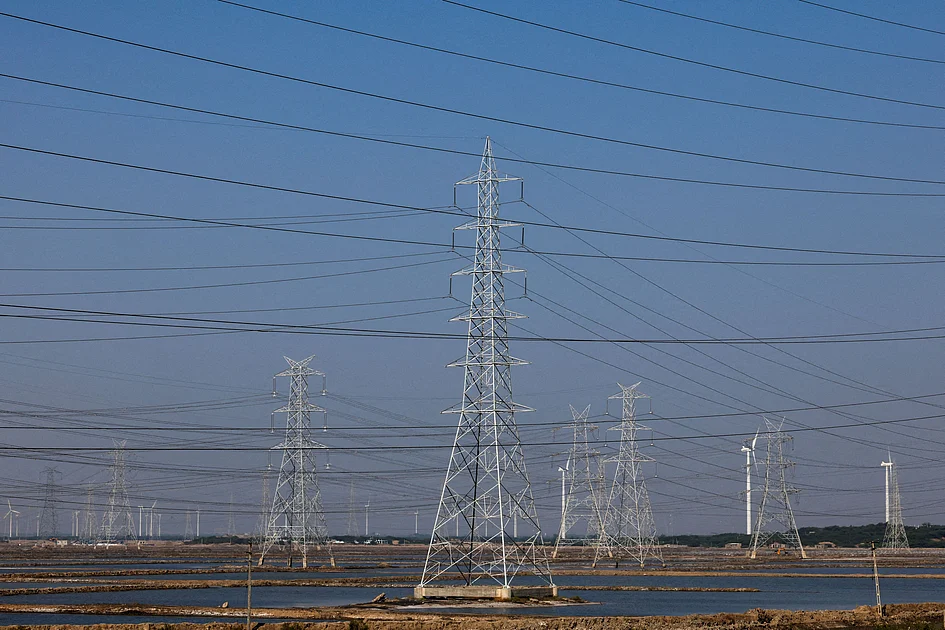
India’s electricity generation experienced its sharpest decline in October since the COVID-19 pandemic, driven by a combination of economic slowdown and unusually heavy rainfall. According to a Reuters analysis of government data, total power output fell by 6% year-on-year to 142.45 billion kilowatt-hours (kWh). The persistent rains across the country significantly reduced the demand for cooling, while subdued industrial activity further contributed to the downturn. Bhanu Patni, associate director at India Ratings and Research, noted that the extended rainfall led to lower electricity consumption compared to the previous year. Debabrat Ghosh, head of India for Aurora Energy, added that the timing of major festivals in October also resulted in reduced industrial power demand. Coal-fired electricity generation, which typically accounts for 75% of India’s power output, saw its steepest decline since June 2020, dropping by 13.2% to 98.38 billion kWh. This decline has impacted Coal India, the nation’s largest coal producer, which reported its worst profit decline in five years for the quarter ending September. However, renewable energy output surged by 30.2% to 19.75 billion kWh, highlighting a shift towards cleaner energy sources.
-
Kaplan MENA hosts landmark Sustainability and ESG Forums in Riyadh and Dubai
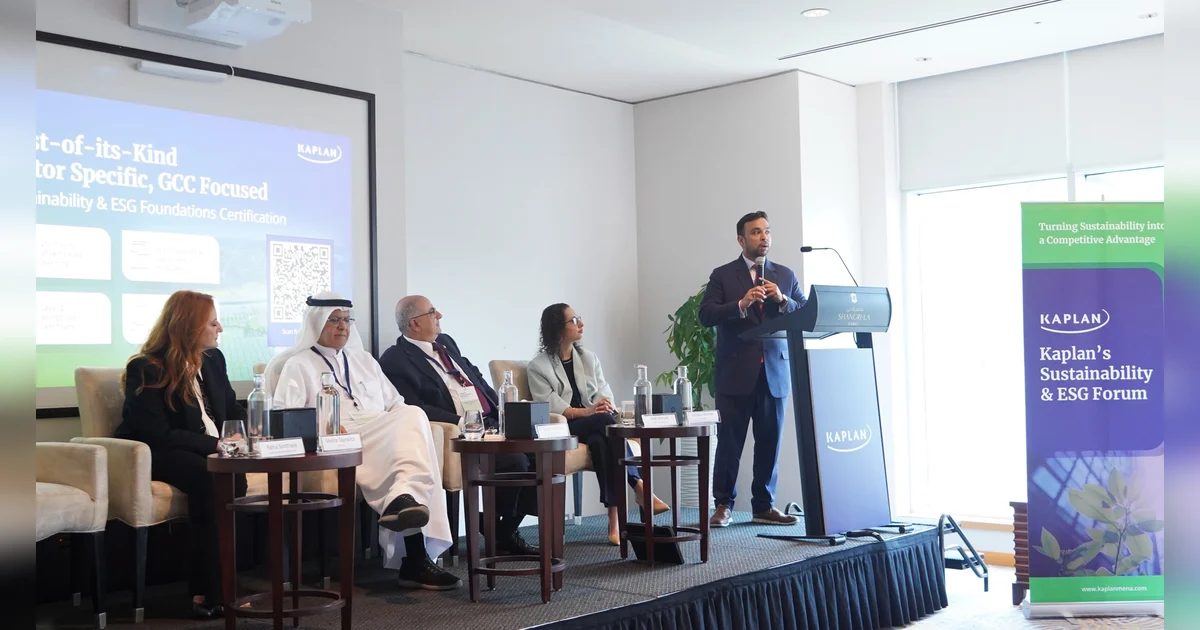
Kaplan Middle East & North Africa (MENA), a leading professional learning provider, recently hosted two pivotal Sustainability & ESG Forums in Riyadh and Dubai on October 28 and 29, 2025. These events brought together prominent leaders in environmental, social, and governance (ESG) from across the globe to address the critical need for integrating ESG principles into core business strategies. The Riyadh forum was co-hosted with the Financial Academy, while the Dubai event was organized solely by Kaplan MENA. Both gatherings featured senior decision-makers from government, industry, and finance sectors, focusing on transforming ESG from a compliance requirement to a driver of competitive advantage. Under the theme ‘Turning Sustainability into a Competitive Advantage: From Cost Center to Value Driver,’ the forums included panel discussions and keynote speeches from renowned sustainability experts, including representatives from ACWA Power, Emirates Global Aluminium, Al Safi Danone, VFS Global, and a UN-awarded ESG specialist. The discussions emphasized operationalizing ESG strategies, future-proofing businesses, and aligning with national visions like ‘Saudi Vision 2030’ and ‘UAE Net Zero 2050.’ Stuart Whent, COO of Kaplan MENA, highlighted the forums as catalysts for meaningful change, stating, ‘We are convening the people who have the influence and vision to reshape how sustainability is embedded in our region’s economic future.’ A key outcome of the forums was the launch of Kaplan’s Sustainability and ESG Foundations Certificate, a first-of-its-kind accredited learning program tailored for GCC professionals. Developed in collaboration with Melina Taprantzi, founder of Earth & Co. and a UN-awarded ESG expert, the program integrates regional context, sector-specific pathways, and global academic rigor. Taprantzi noted, ‘We designed this program to close the gap between ESG intent and credible implementation.’ The initiative aims to support Middle Eastern organizations by enhancing ESG reporting, facilitating access to green capital, building a sustainable talent pipeline, and fostering cross-sector collaboration. With over 1.2 million learners annually in 27 countries, Kaplan is leveraging its global expertise to address the region’s pressing ESG challenges.
-
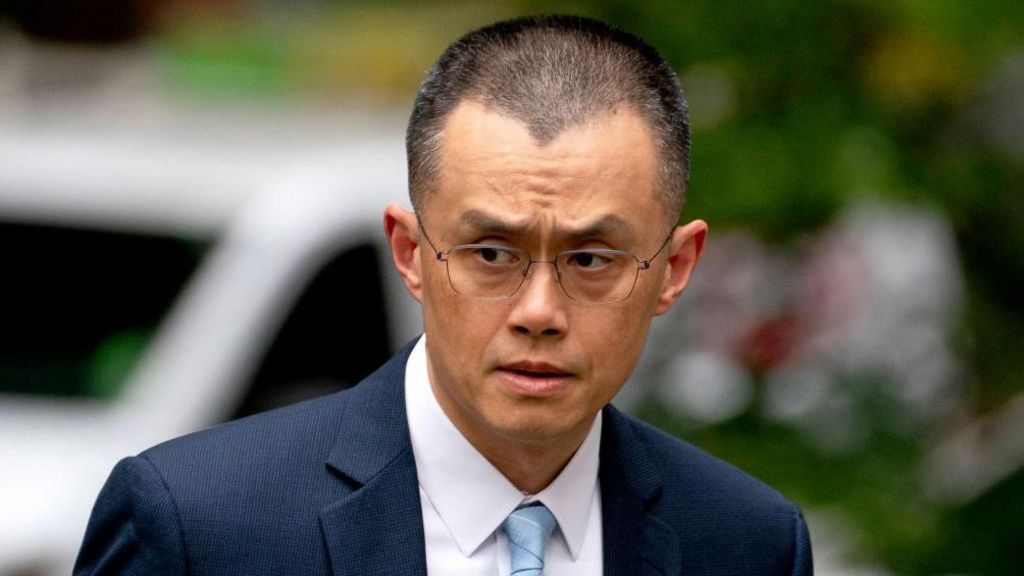
‘No idea who he is,’ says Trump after pardoning crypto tycoon
In a surprising revelation during an interview with CBS News’ 60 Minutes, former US President Donald Trump stated that he does not know who Changpeng Zhao, the co-founder of cryptocurrency giant Binance, is. This statement comes despite Trump having pardoned Zhao last month. Zhao, commonly known as ‘CZ’, had pleaded guilty to enabling money laundering in 2023, served four months in prison, and stepped down as Binance’s CEO. His companies have collaborated with firms linked to Trump, including Dominari Holdings, which is based in Trump Tower and has Trump’s sons on its advisory board. When questioned about the pardon, Trump responded, ‘I don’t know who he is,’ and claimed that Zhao was a victim of a ‘witch hunt’ by the Biden administration. Trump also emphasized the importance of the US leading in the cryptocurrency industry to prevent China and other rivals from gaining an advantage. The pardon removes restrictions on Zhao’s financial ventures, but its impact on his regulatory standing and role at Binance remains unclear. White House Press Secretary Karoline Leavitt defended the pardon, calling Zhao’s prosecution an ‘overreach’ by the Biden administration. Binance continues to be the world’s most used crypto exchange. Trump’s administration has a history of halting cases against crypto entrepreneurs, including Justin Sun and the founders of BitMEX and Silk Road.
-
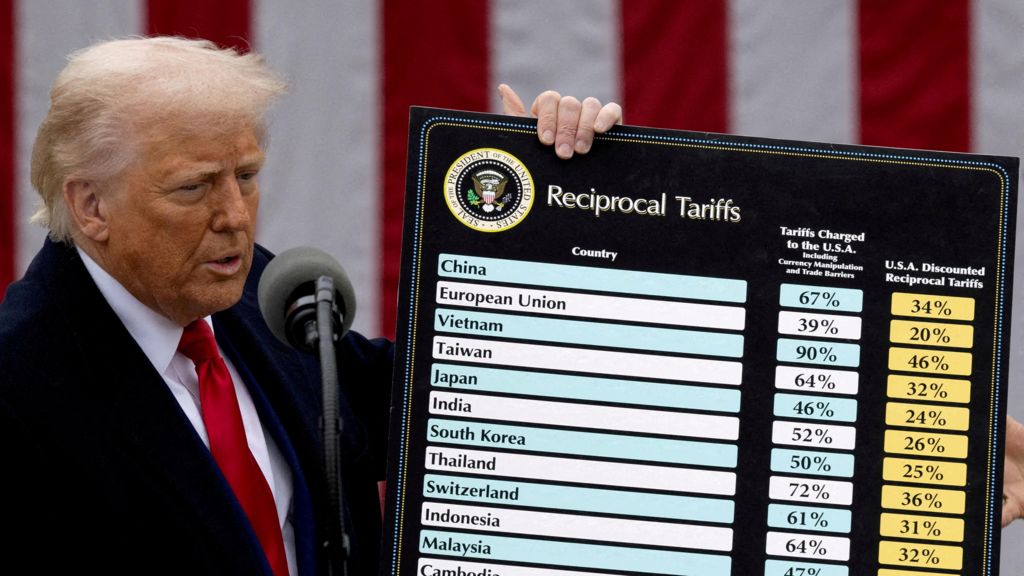
World awaits landmark US Supreme Court decision on Trump’s tariffs
The Trump administration’s contentious trade policies are set to face a critical test as the U.S. Supreme Court prepares to hear arguments on the legality of sweeping tariffs imposed under the 1977 International Emergency Economic Powers Act (IEEPA). The case, which pits the White House against small businesses and a coalition of states, could redefine the limits of presidential power and have far-reaching implications for global trade.
-
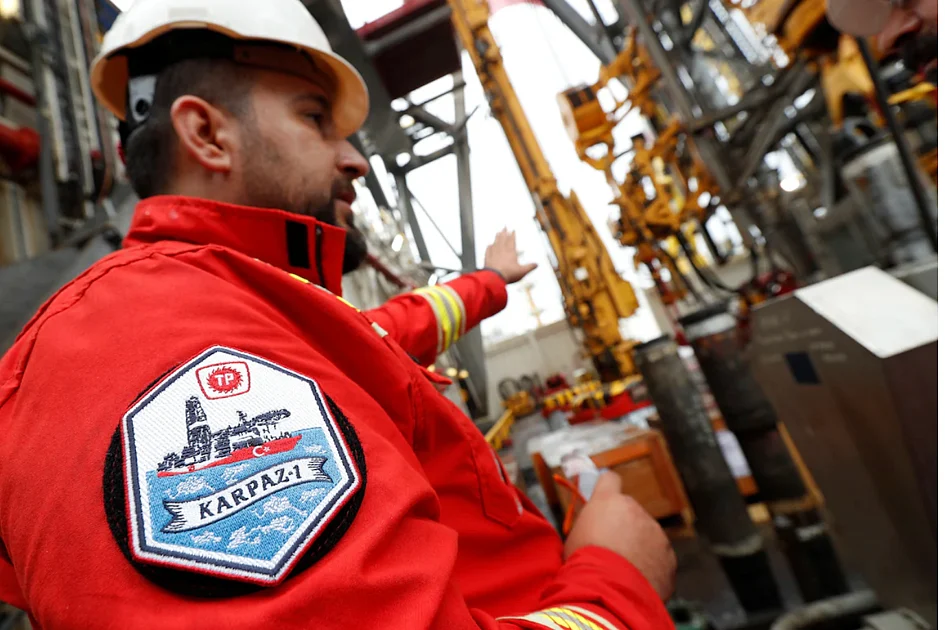
Pakistan awards first offshore oil exploration blocks for decades
In a landmark move to bolster its energy sector, Pakistan has awarded 23 offshore oil exploration blocks to four consortiums led by local energy companies, marking its first such bidding round since 2007. The awards, announced by the energy ministry on Friday, cover approximately 53,500 square kilometers of the country’s offshore zone. The successful bidders include state-run entities Oil and Gas Development Co. Ltd (OGDCL), Pakistan Petroleum Ltd (PPL), and Mari Petroleum, alongside privately-owned Prime Energy, backed by Hub Power Company (Hubco).
Among the foreign partners, Turkey’s national oil company, TPAO, secured a 25% stake in one of the blocks and operational rights through a joint agreement with PPL. Other international participants include Hong Kong-based United Energy Group, while local players Orient Petroleum and Fatima Petroleum also joined the consortiums. The four groups collectively committed to an initial investment of $80 million over three years, with potential total investments soaring to between $750 million and $1 billion if drilling progresses.
Pakistan’s offshore zone, spanning 300,000 square kilometers and bordering energy-rich nations like Oman, the UAE, and Iran, has seen minimal exploration since the country’s independence in 1947, with only 18 wells drilled to date. This initiative aims to unlock the region’s untapped hydrocarbon potential and reduce Pakistan’s reliance on oil imports, which currently account for half of its consumption. The move follows the exit of U.S. major Exxon Mobil after the unsuccessful Kekra-1 well in 2019, signaling a renewed effort to attract foreign investment in the energy sector.
-
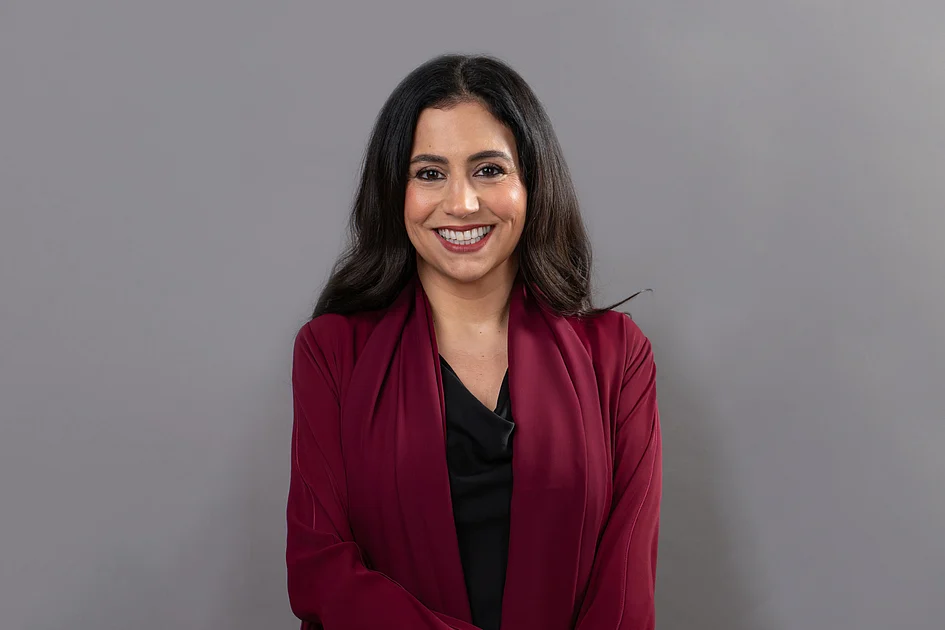
Multiply Group’s strategic merger sets stage for UAE’s next investment supercycle
Multiply Group is poised to redefine its position in the global investment landscape following a transformative merger that CEO Samia Bouazza heralds as ‘a whole new beginning.’ Since its listing on the Abu Dhabi Securities Exchange four years ago, the company has tripled its market capitalization, with revenues soaring from Dh300 million to Dh2 billion and Ebitda increasing eightfold. The merger, structured as a share swap, will elevate Multiply’s capital base from Dh2.8 billion to Dh8.64 billion, with total outstanding shares reaching 34.5 billion. A 39% free float is anticipated to enhance trading liquidity and improve index weightings in MSCI, FTSE, and FADX 15. The acquisition of IHC’s stakes in 2PointZero and Ghitha Holding is not merely a financial transaction but a fusion of visions, capital, and AI tools. This strategic move expands Multiply’s reach across six sectors, including consumer-focused industries and energy-driven ventures. The energy portfolio now spans the full value chain, from copper and tin mining in Zambia and Congo to renewable energy exports across 120 countries. Multiply’s consumer portfolio is equally robust, encompassing apparel, beauty, media, mobility, and packaging. Ghitha Holding adds a defensive layer with its focus on food production ‘from farm to fork,’ a sector Bouazza deems essential during economic downturns. The merger positions Multiply for stronger investor inflows and global brand expansion, with operations already spanning 85 countries. Bouazza emphasized disciplined execution in acquisitions, targeting a minimum 15% IRR and Dh1 billion in Ebitda within three years. Organic growth is also accelerating, with subsidiaries scaling across the GCC and Latin America. The merger, pending regulatory approval, is set to create one of the most dynamic energy and consumer platforms in the UAE.
-
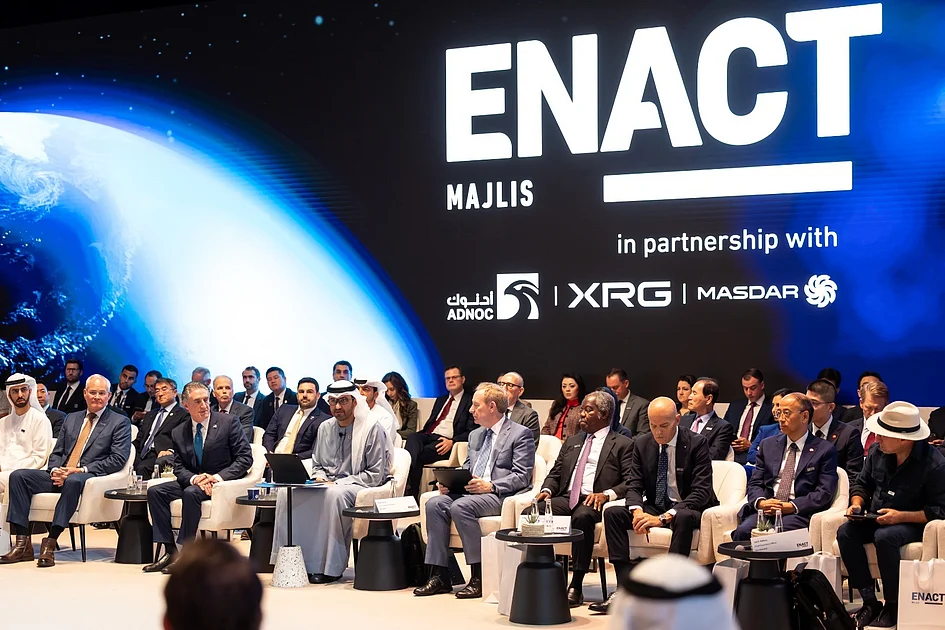
AI’s energy appetite sparks global call for action at ENACT Majlis in Abu Dhabi
The rapid expansion of artificial intelligence (AI) is driving unprecedented energy demands, prompting global leaders to call for urgent action. At the third ENACT Majlis in Abu Dhabi, convened by Adnoc, Masdar, and XRG, over 100 leaders from the energy, technology, investment, and government sectors gathered to address this critical issue. The event highlighted the dual challenges of powering AI-driven growth and meeting escalating energy needs from urbanization, data centers, and transportation. Dr. Sultan Ahmed Al Jaber, UAE Minister of Industry and Advanced Technology and Adnoc Managing Director, emphasized that energy and AI are the ‘twin engines’ of socioeconomic growth but warned that energy-intensive data centers are competing with other major demand drivers. He called for large-scale investments in energy infrastructure, modernized grids, pro-investment policies, and an AI-ready workforce to prepare for future challenges. The ENACT Majlis, held under the Chatham House Rule, builds on previous editions in Abu Dhabi and Washington, D.C., and follows the release of a joint report by Adnoc and Microsoft titled ‘Powering Possible: Unleashing AI for Energy and Energy for AI,’ which explores the interdependence of AI and energy systems.